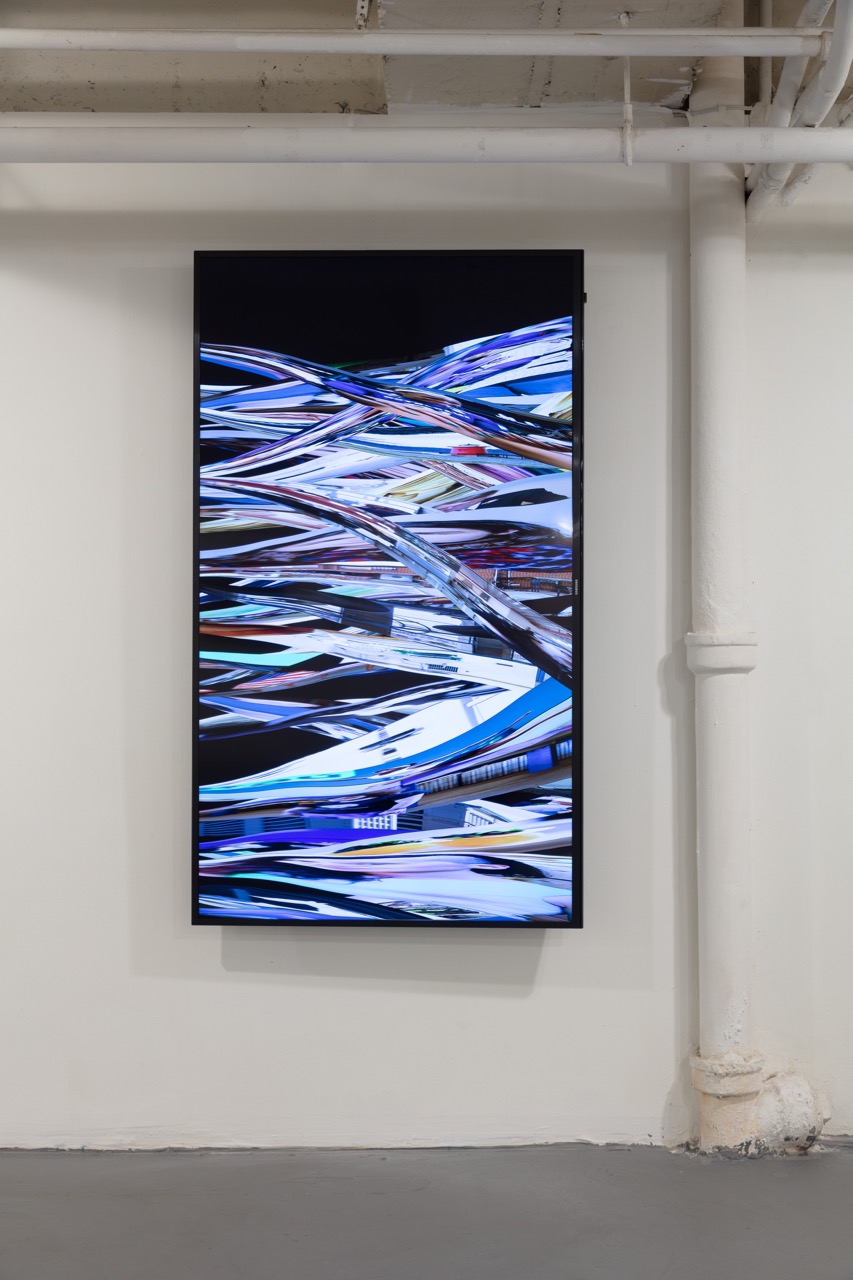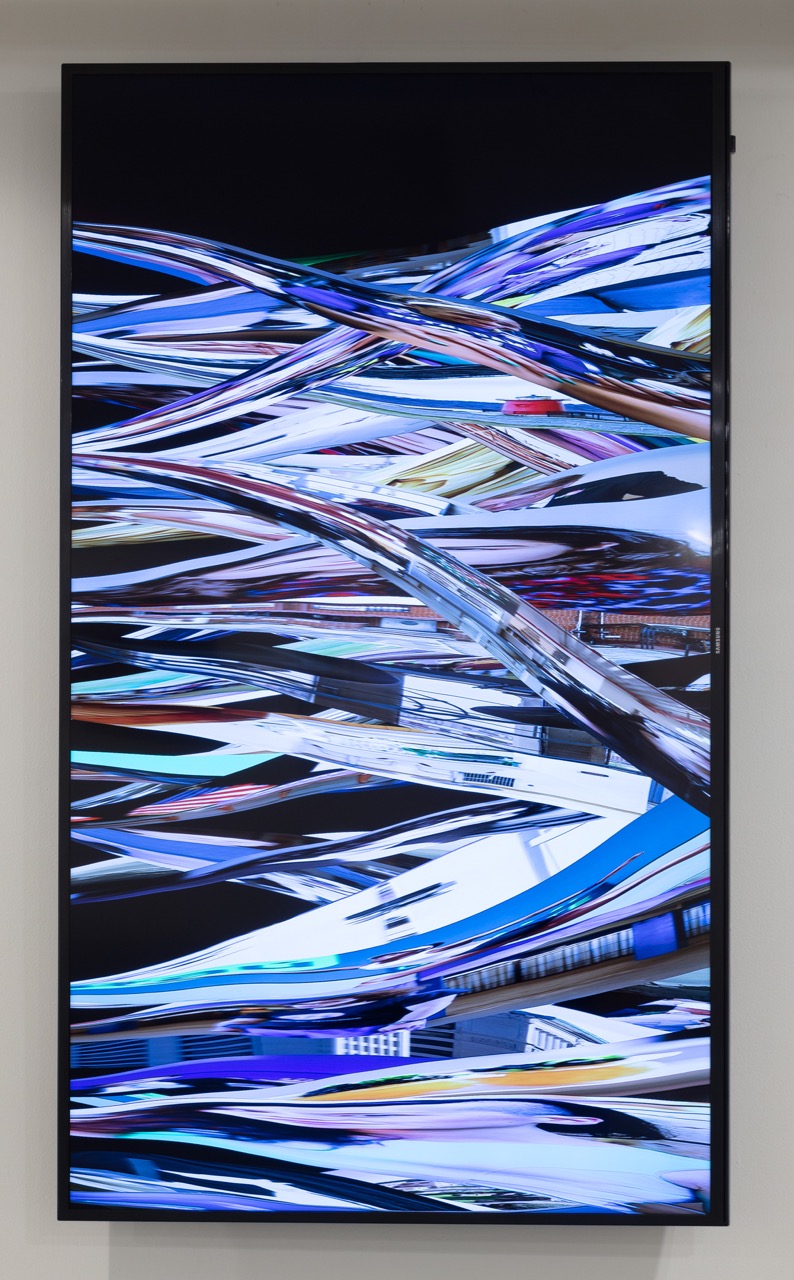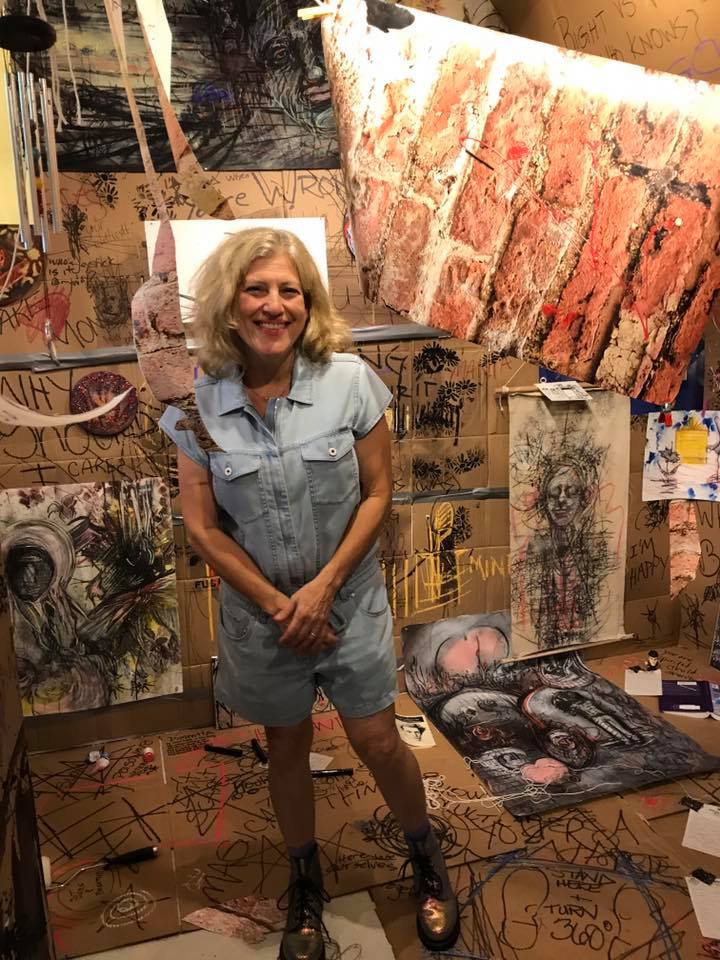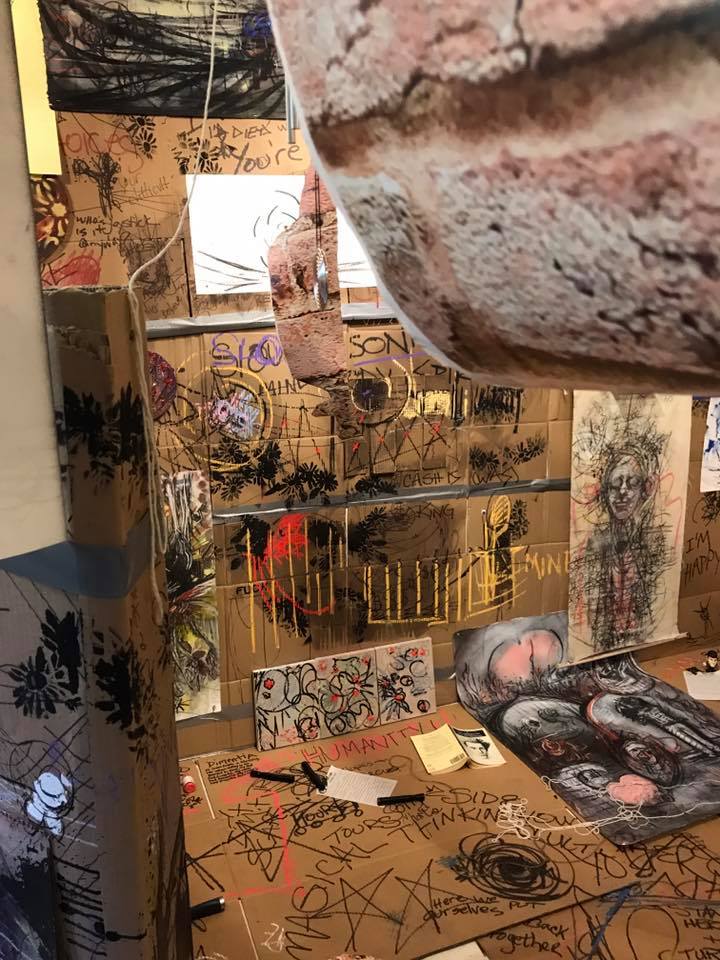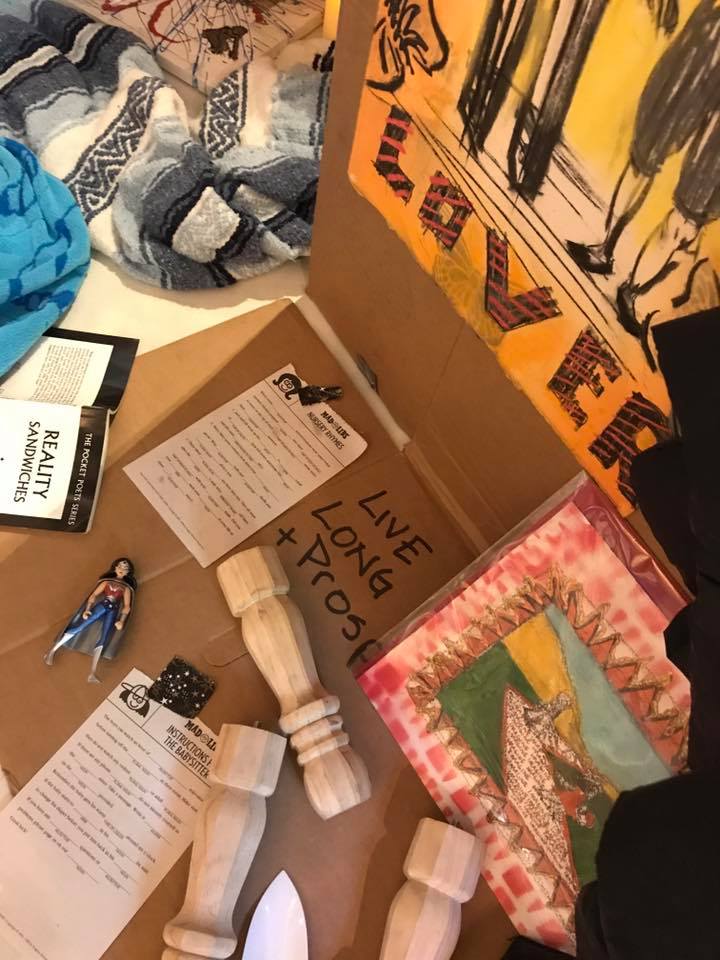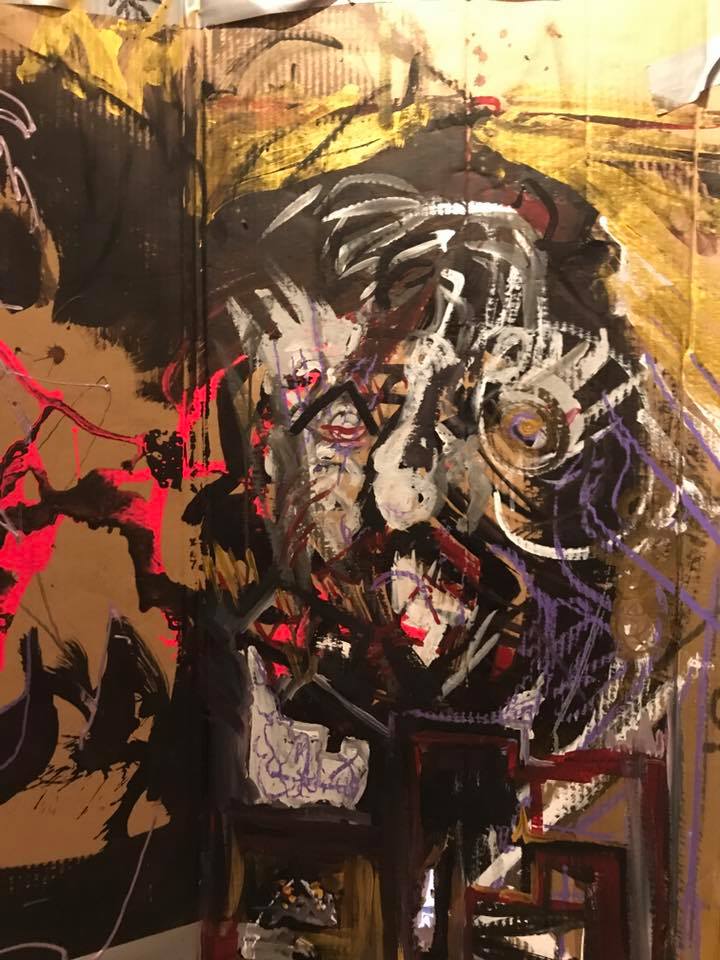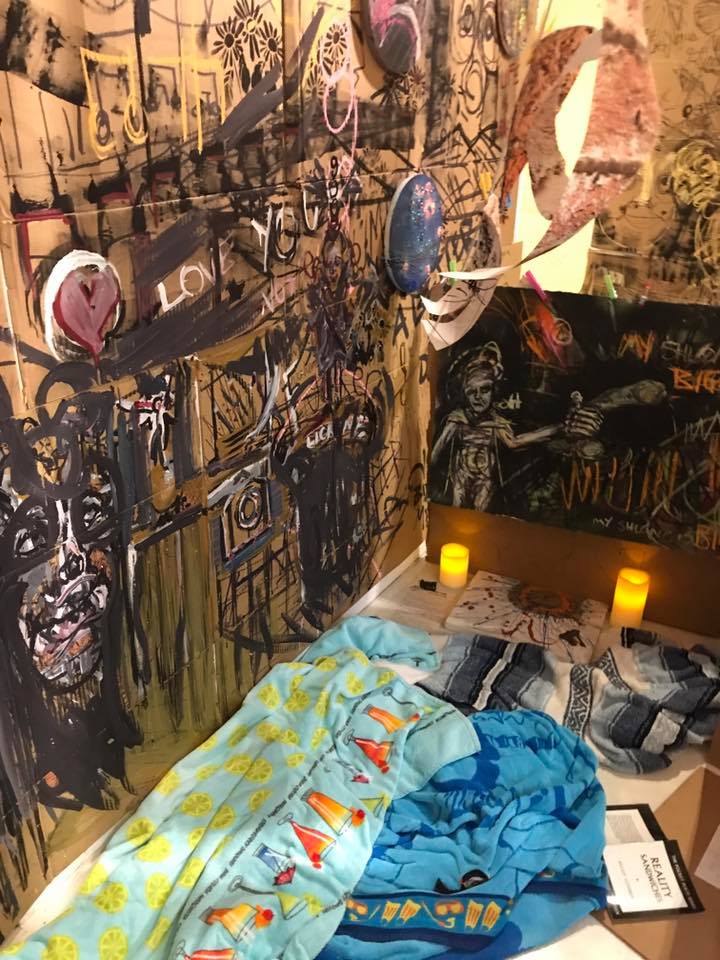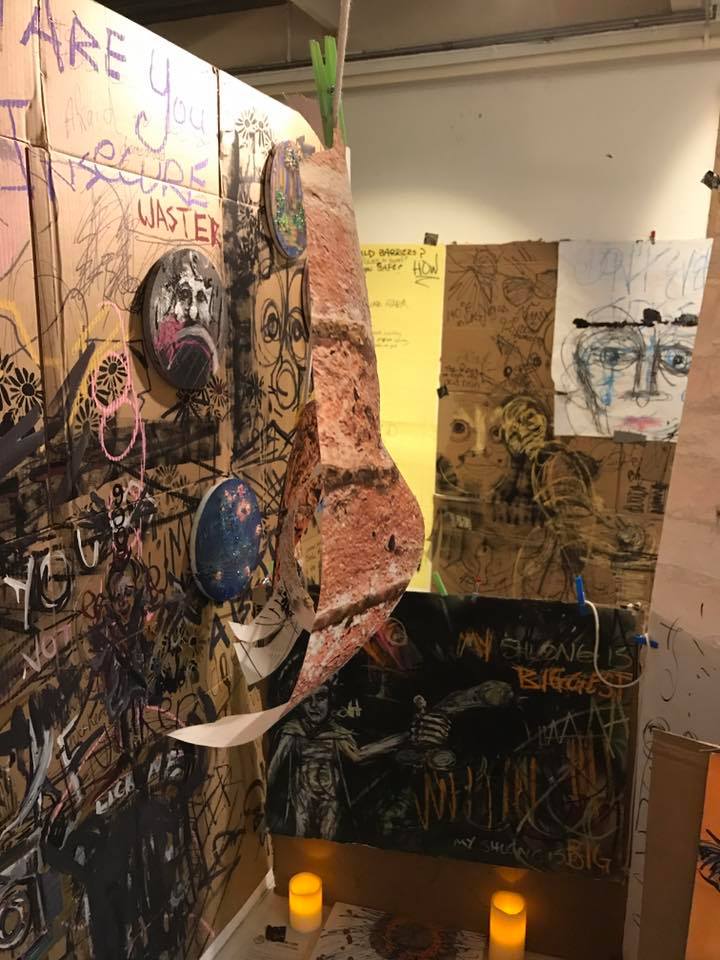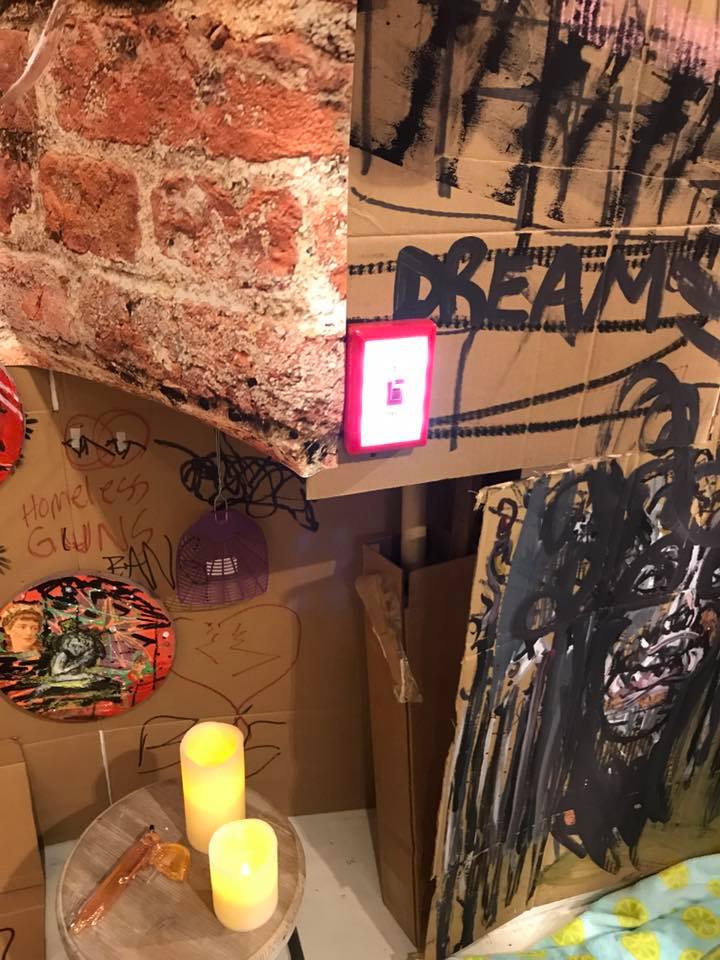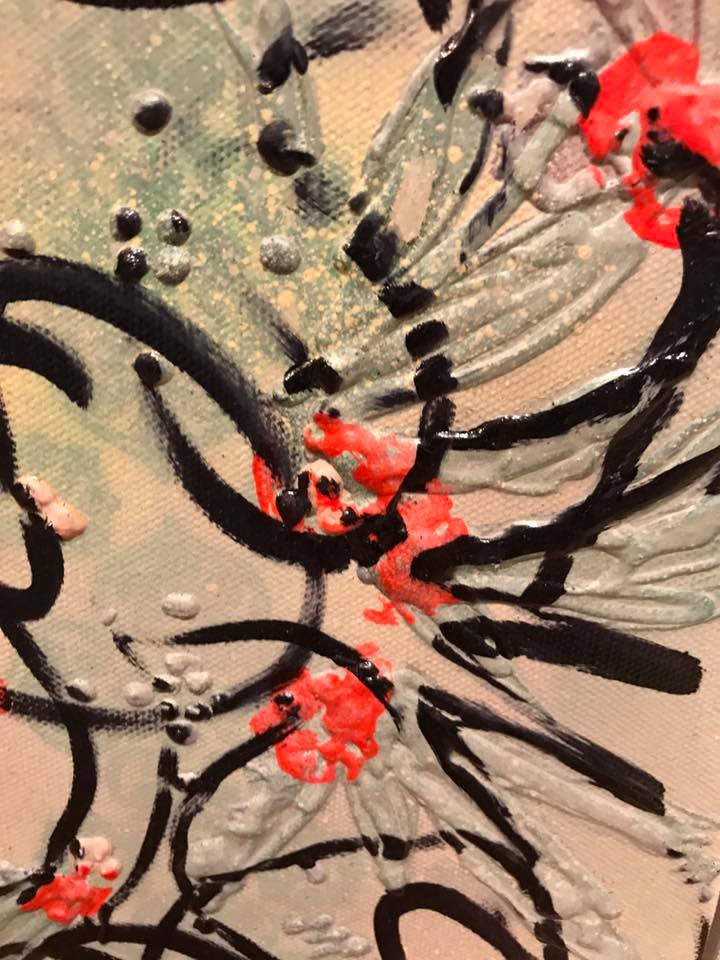

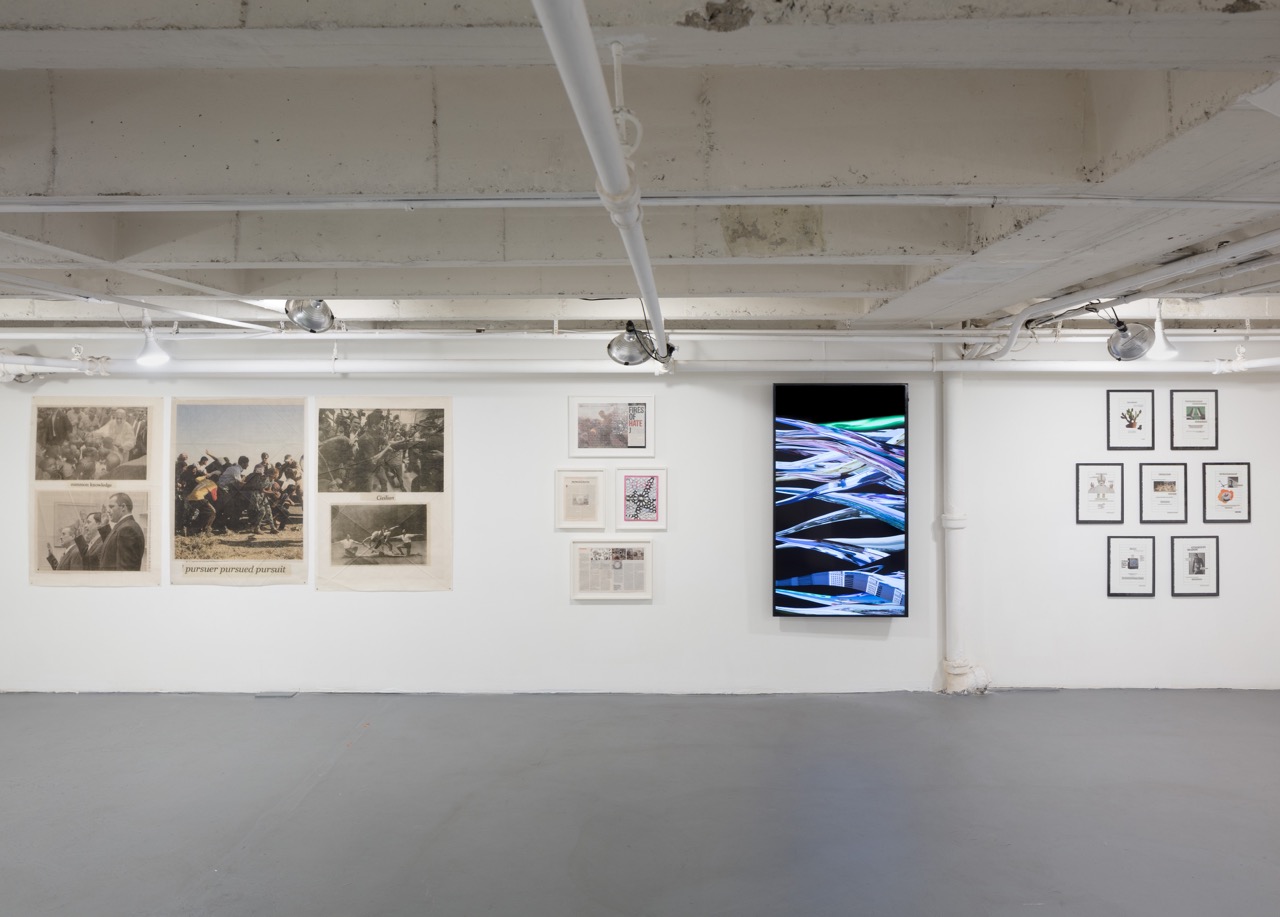
Daniel Leighton: Mind, Body and Spirit
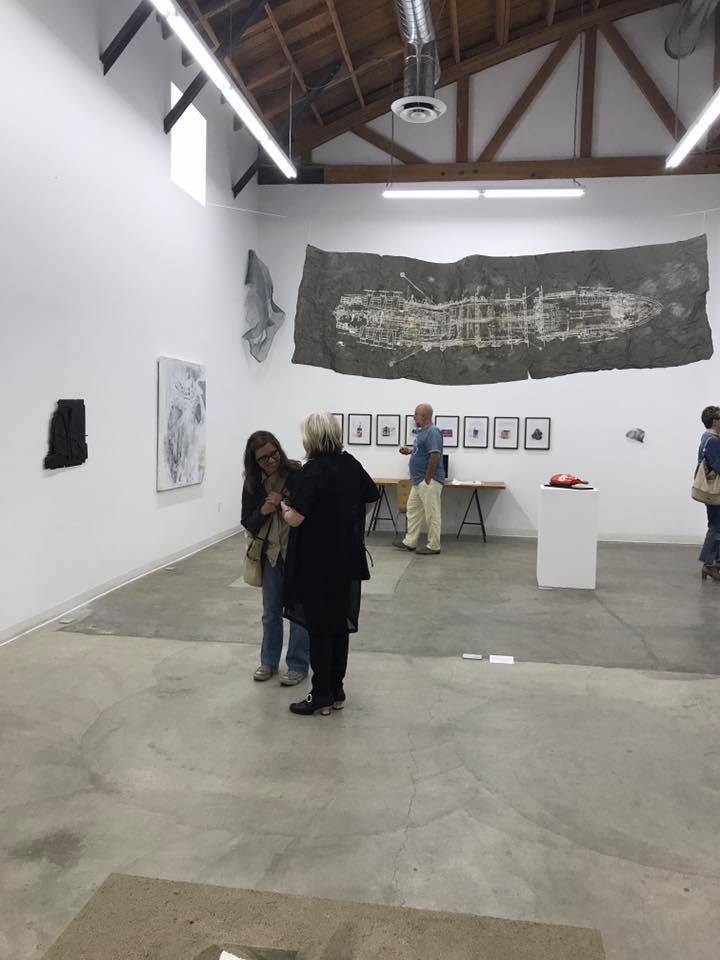
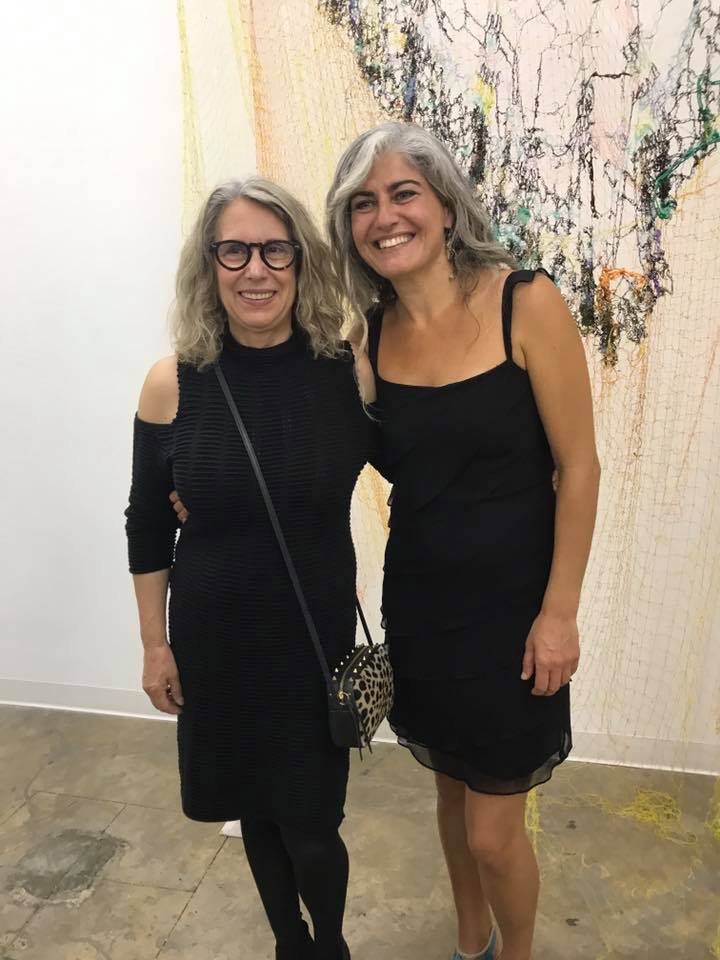
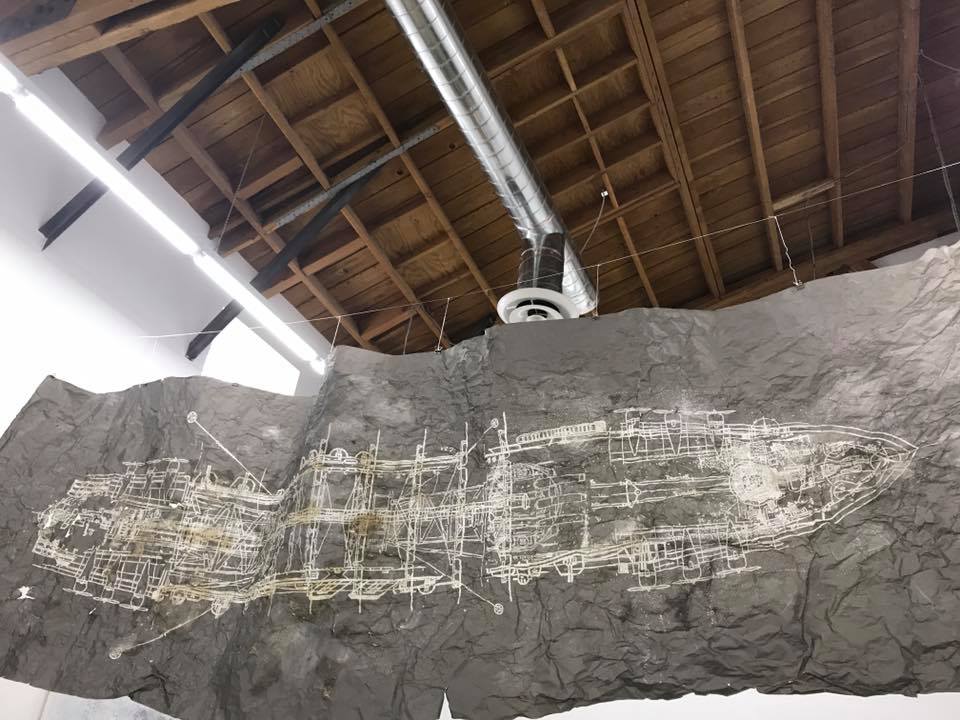
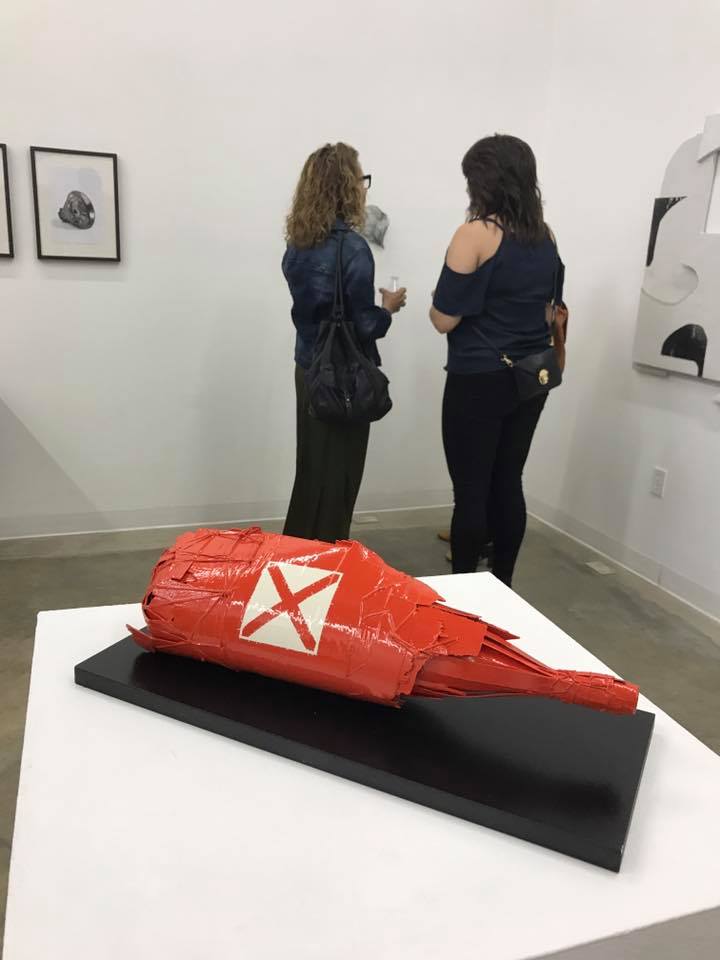
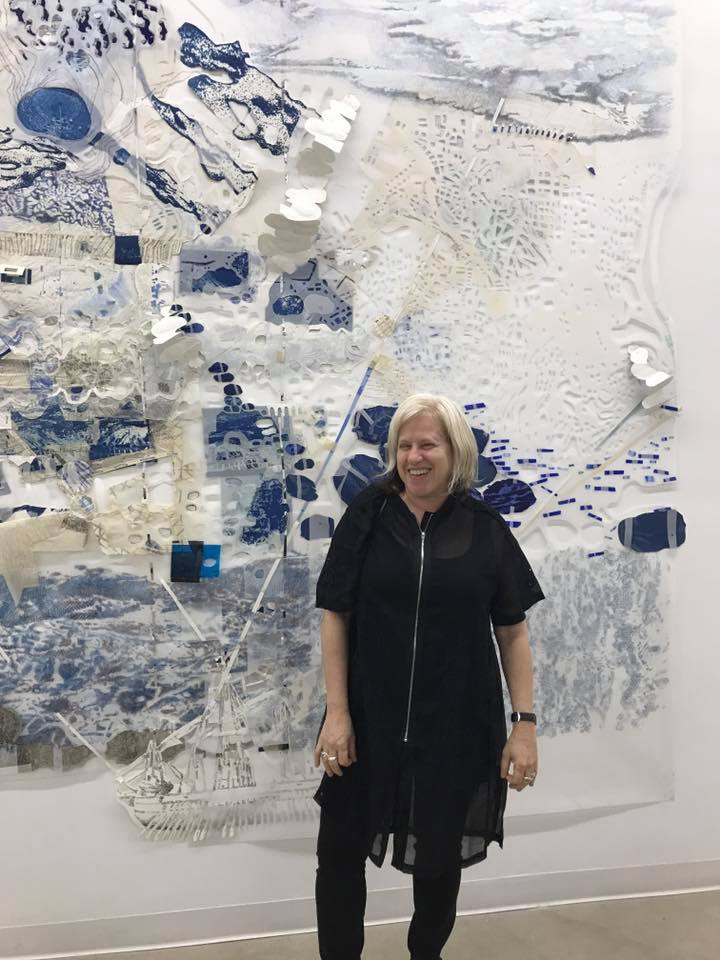
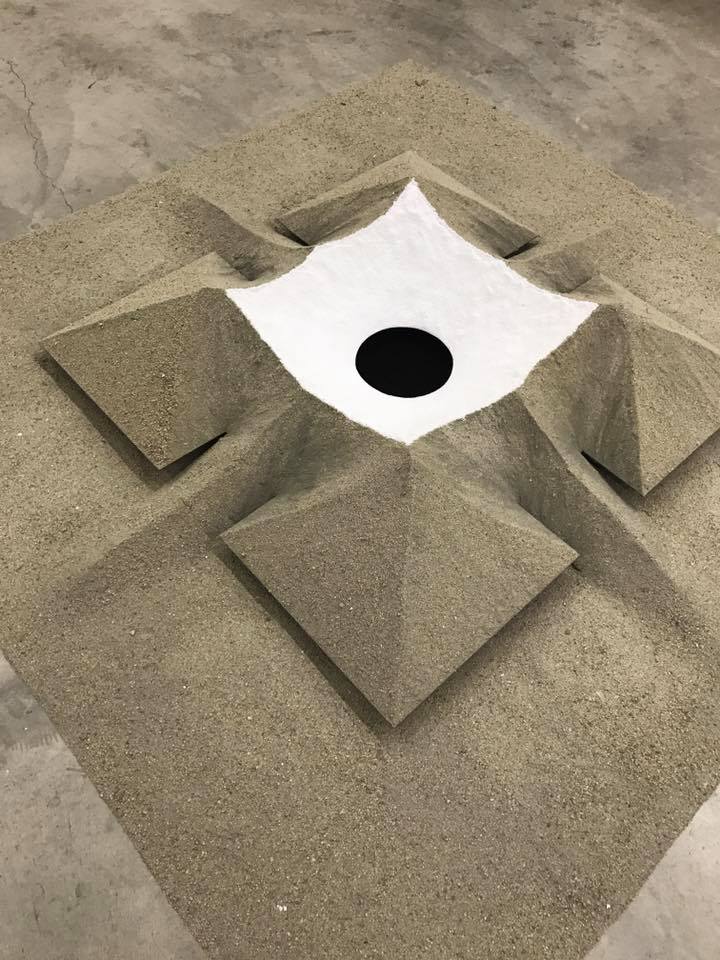
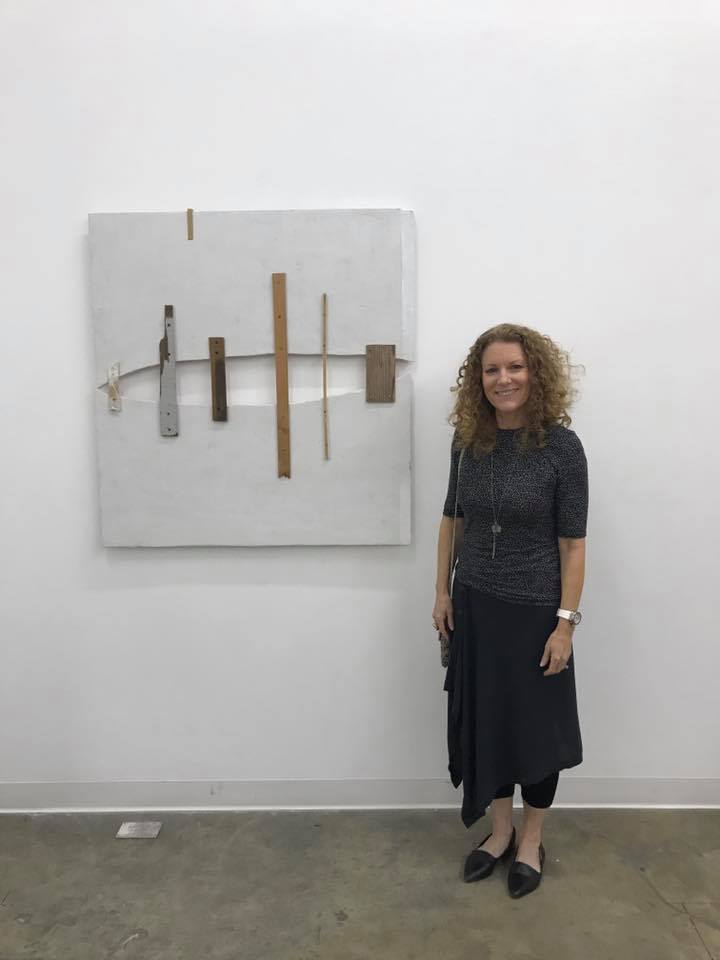
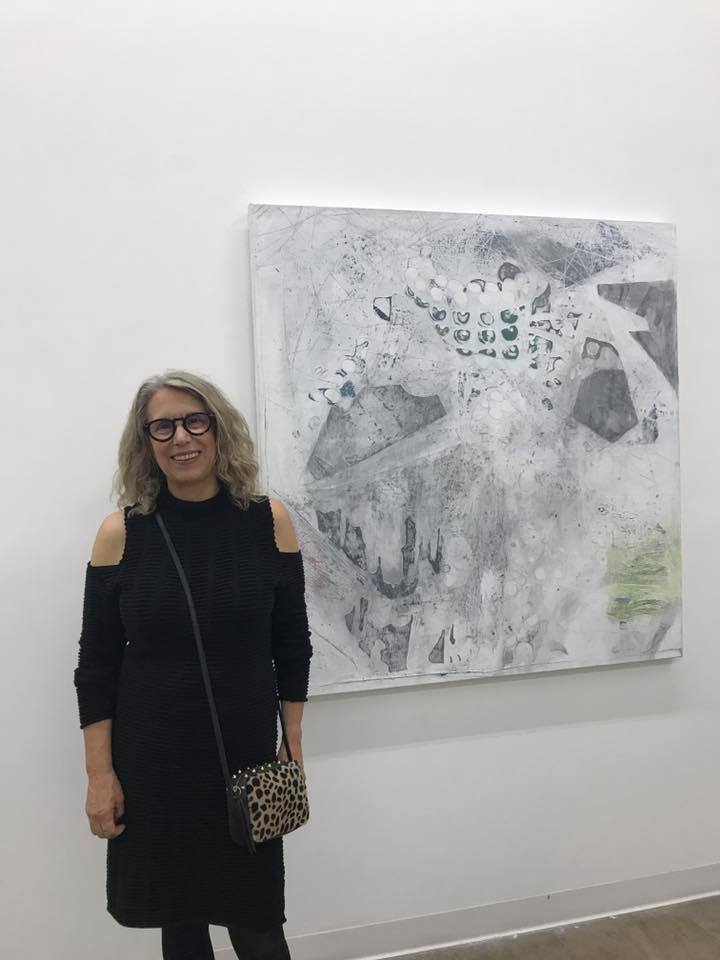
Coming to Durden and Ray April 7th, is Fragments, a group show highlighting Italian artists and curated by renowned Rome-based curator Camilla Boemio, above. Boemio was deputy curator of Portable Nation, in the Maldives Pavilion in 2013 at the 55th International Art Exhibition La Biennale of Venice. In 2016, she was the curator of Diminished Capacity, the first Nigerian Pavilion at the 15th International Architecture Exhibition of the Venice Biennale.
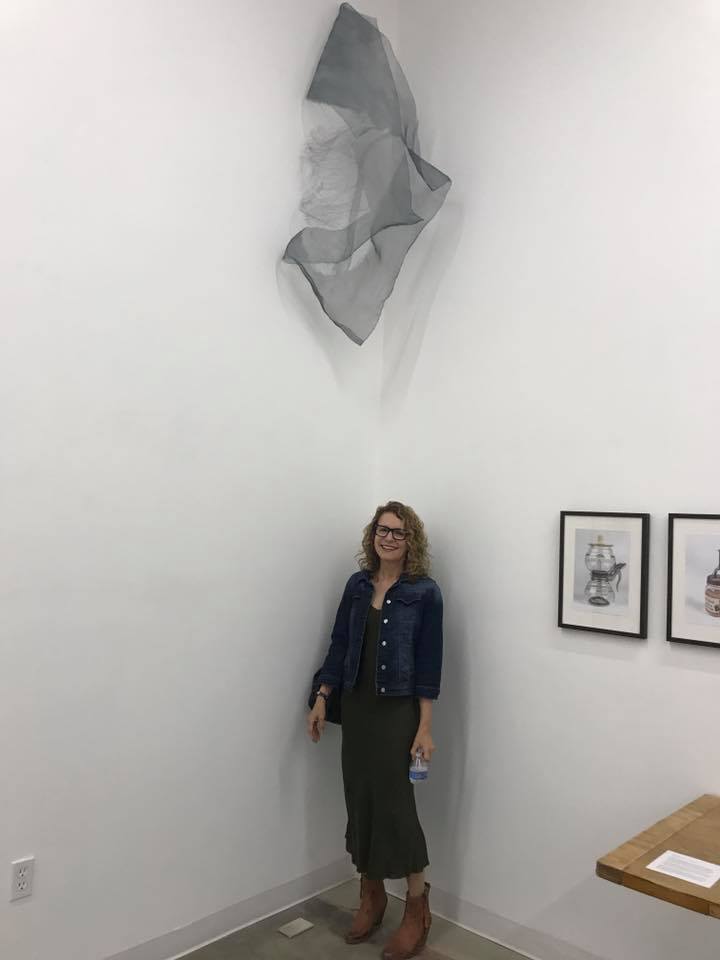
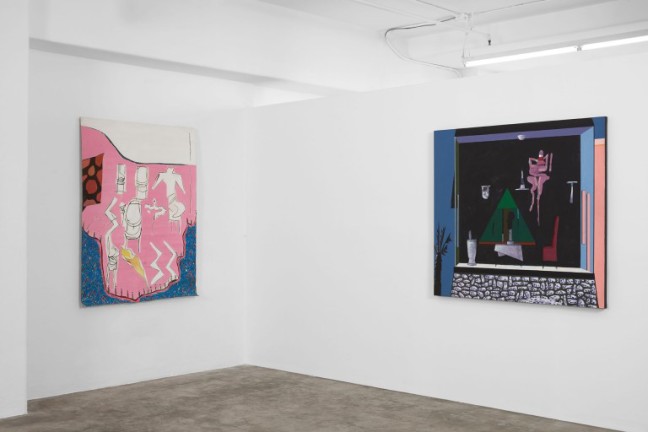
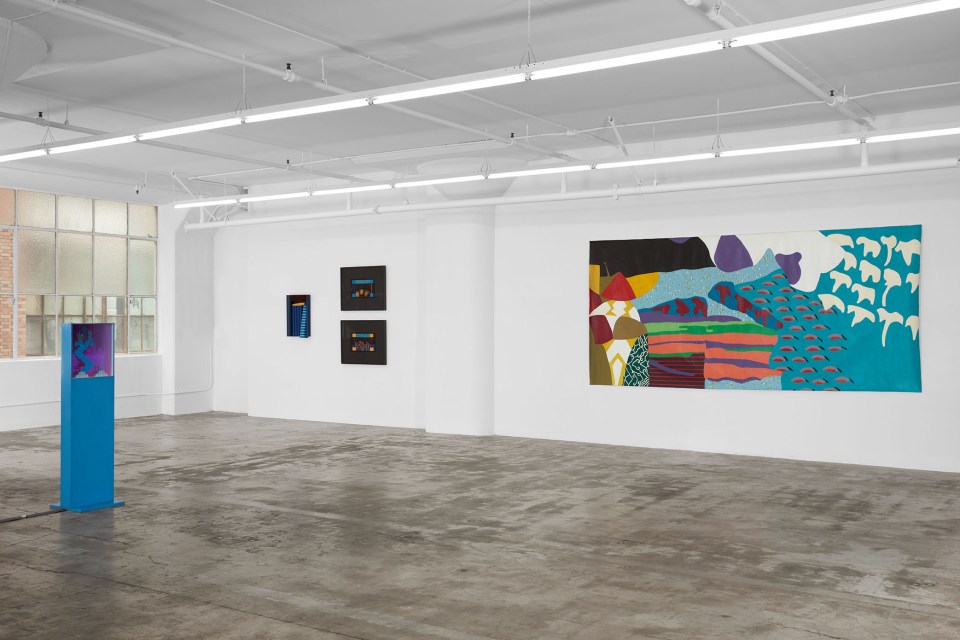
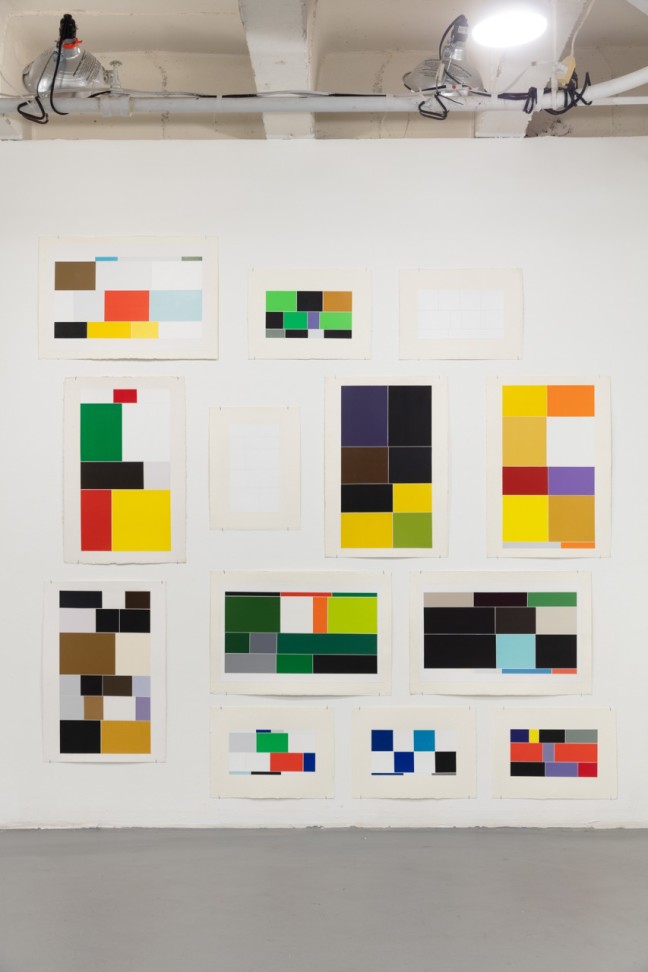
At Durden and Ray, her exhibition looks at cultural identity and current Italian art. The exhibition will include the beginnings of a book published by Studio Permanente with text by Boemio, tracing a line between exhibiting artists’ practices in Italy and California. Held in collaboration with AAC Platform, a nonprofit art organization based in Rome, this is a dazzling exhibition of mixed media works from a strong group of artists.
According to Boemio “The exhibition aims to provide a context of confrontation, dialogue and reflection on theoretical debates on Italian art of a generation in relation to cultural identity: migration, job, crisis, spirituality, city, geopolitics. The various themes create a sort of atlas in which artistic practices trace multifaceted dynamics. In this state of change the ‘fragments’ are part of this reality sedimented by the connections with the past and the signs in progress… the complexity makes every project full of magic.”
Curating the show in the U.S. presented a few challenges, but Boemio takes them all in stride, saying they represented “… the dedication to disseminate, to show, to explain and to offer a cultural proposal of visual art that creates attention, and shakes and engages a debate with the exhibition visitors.” She adds “For me to curate is a kind of plant cultivation, to the various stages we must devote a vigilant assistance based on care, patience and time so that theories, application of concepts and artistic practice can mature. A plant needs sun and air; similarly an exhibition needs the ideal conditions to create a flow, to actively change the language of art, proposing new keys to reading, experimenting, establishing a philological order and a curatorial method and raising the critical debate.”
Boemio quotes Marx, saying “‘Philosophers have only differently interpreted the world, but the important thing is to change it.’ When can art activate and trigger new social and aesthetic ways? The curator comes into play to ensure a fertile humus by implementing the vigilant conditions and opening new avenues for thought, intercepting the ways to represent the start of a movement or research, an aesthetic process or an innovative function.”
Choosing works that represent cultural identity was a process that Boemio describes as beginning with a reflection on the concept of “the spatial, temporal, and functional role of art as an unknown, which can be understood through the tension art is trapped in; exploring new collisions with other disciplines, such as urbanism and architecture, geology and geography and the social and political interventions.” She describes her work on this exhibition as taken up with an “infinite irony, and giving only a ‘fragment’ of a polyhedral reality.” Boemio relates that she could create ten other exhibitions about the same topic, and each would feature a completely different kind of perspective.
She notes that each piece in the exhibition is her choice, and she finds it difficult to pick favorites to describe, but she offers several careful descriptions of some of the works here.
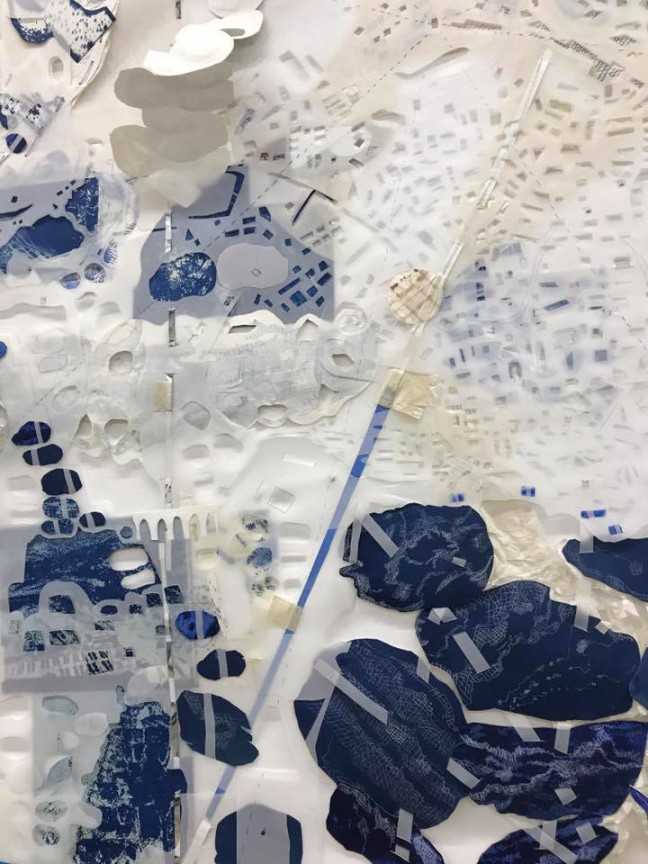
“Glimpses of a Diversities’s Politic, by Irina Novarese, employs a slow and meticulous process of a fictive, but nevertheless approximate mapping of a city’s actual existing systems and dynamics; in this case of the city of Turin. The five photographs in conjunction with an artist’s book, are the second chapter of Novarese’s investigations into the individualization of environments. In its core the project surveys urban structures as places that oscillate between desire and repulsion, between basic needs and necessities, in which a city’s accelerated flow is perceived as the last place of the social.”
Boemio relates impressions of other works, including that of Giulio Lacchini, and Maria Antonietta Scarpari, who creates “meditative states of looking, in which boundaries between the outside world and internally visualized spaces break down. In so doing, Scarpari makes images of what it means and feels like to see, whether this is understood to be a physical or metaphysical phenomenon… For this exhibition three drawings dialog with her pictorial vocabulary–foreground, background, representation, with the installation Honey money Italy and an Arab carpet.”
Boemio also makes note of the work of Maria Rebecca Ballestra, and Ryts Monet, of whom she says “The golden surface of Monet’s “Carpet” reflects light, and its chromatic and material element gives the work a precious as well as fragile look. The combination of matter and image evoke a symbol of protection and prayer intrinsic in the work.
The exhibition opens at Durden and Ray in DTLA on April 7th, with a reception from 4-7; it runs through April 28th.
Genie Davis; photos courtesy of Camilla Boemio and Durden and Ray
With a first person account from photographer, writer, and musician Nicole Saari, we take another look at the magical mystery tour that is the Bombay Beach Biennale.
The gravel beneath our tires crackled as we paused to take a photo against the Welcome To Bombay Beach sign. As I stood beside it, I could easily imagine the many thousands of tourists who likely lined up to take similar photographs in its heyday.
Above photo, Genie Davis
A time long before flooding or ecological collapse would encroach upon this beachfront town, and many decades before the inception of the Bombay Beach Biennale. With the Salton Sea reflecting mid-afternoon light and brown clouds of dust just ahead, I could already feel the electricity of imagination all around me.
Above photo, Genie Davis
Our first stop was the check-in desk outside the Ski-Inn – the lowest bar in North America at 223 feet below sea level. I’ve had a long-standing fascination with the area and have visited both Bombay Beach and the Sea many times, but I have never witnessed so many visitors. Florescent colored wristbands attached, I began to snap some images for Diversions LA. The interior of the Ski-Inn is covered in guest signed and decorated dollar bills which add to its already outspoken personality. A collection of artists and residents alike chatted while enjoying a reprieve from the high winds that afternoon.
During the festival, driving in town is not permitted to help limit the level of disruption to the residents. After ditching our vehicle in the designated lot adjacent to the bar, we began our Biennale adventure by foot.
Our Biennale visit kicked off with a trip to the Chill Out Among Hay at the Disco-Tron by Mack Suprastudio and IDEAS UCLA. It was a surreal metallic shelter meets the earth scene featuring what would be the first of many pumping techno and house DJ sets to come.
I climbed to the top of a small mountain of hay bails for a better view of the property. The contrasting brightly colored silks, old wood buildings, and vibrant reflective metals of the festival shown in the distance. Once back on solid ground, our next stop in the journey was Randy Polumbo’s stunning Angler Grove – a shimmering chrome mirage melting into its deliciously soft foam steps. Inside we were greeted with disco balls, distorted mirrors, and a postcard view of the trees outside the structure through a perfectly circular window.
As we made our way down 5th street, we were treated to an eye-opening lecture by Professor Mark Wrathall of Oxford University entitled The Eternal Silence of These Infinite Spaces Terrifies Me. It was fascinating to contemplate the richness of silence in the spaces that lie within music, between words, and among the ordinary pauses that occur throughout life. The crowd was hushed as the philosopher spoke and I could feel the depth of the infinite unknown he spoke of in those peaceful moments. This was only one of a series of lectures during the Biennale with the recurring theme of limitless void, the higher power that surrounds us, and infinity. My only regret was not being able to attend each of them.
Leaving the lecture, it was a dream-like sight to witness the parade of musicians, artists, and revelers making their way down towards the water past Bombay Beach Estates and Stefan Ashkenazy’s captivatingly sensual Shaguar. Bass drums backlit by LED decorations boomed, attendees clapped and sang, and harmonizing horns and percussive elements blended together into an enveloping swirl of instrumental beauty.
Above photo, Genie Davis
On the beach we were able to witness one of Olivia Steele’s incredible neon pieces, entitled Save Me – placed several yards out in the Sea and lit just as the sun began to set. Giancario Neri’s Moonstuck and Debra Berger’s Sculptures From The Sea as well as Ray Ewing and Adrian Pijoan’s Salty were other beachside standouts. In all honesty, each piece and artist who brought them to life was breathtaking – there were no weak links here. The Biennale as a whole was a perfect living collage of individual self-expression.
Heading back into town from the beach we were able to catch Greg Haberny’s exhibit at the Petit Hermitage gallery entitled Why Do I Wreck Everything I Love. Black and white shapes surrounded us and enormous melancholy cigarettes with faces of their own greeted us at the entrance and exit.
Additional sounds of music and laughter welcomed us as we entered Pirate’s Alley – a pop-up bar with fairy lights, connected trailer buildings, and enticingly scented tacos. My colleague and I went our separate ways for a time and I had the opportunity to listen to everything from an acoustic version of the Disney Jungle Book classic Bear Necessities to a Bombay Beach infused cover of New York, New York while seated there. Near the Alley is the Bombay Beach Opera House by James Sorter, where performances by Kate Feld, Harrison Lee, Lance Trevino and enticing dances choreographed by Benjamin Millepied took place. The haunting voices of the performers echoed down the blackening streets.
The Opera House
At full dark the town of Bombay Beach was lit with translucent neon, brilliant psychedelic color changing lights suspended above walkways, trash can fires around the Bombay Beach Drive-In with an apropos screening of Sea of Love: Monsters in The Water, and the glow of many beach installations in the distance.
Above photo by Anya Kaat
On our way back to Los Angeles the next day I was thankful to have gotten the chance to take a walkthrough the glorious Pythia which is a converted permanent performance space by Danielle Aykroyd. The coda of the journey was an end full of heart, literally.
Home Is Where The Heart Is by Jennifer Korsen drew the eye into a transformed decrepit home. Gold filled the many cracks in the seemingly ancient floors, and a sparkling winged heart hung as centerpiece against the bones of its decay.
The Bombay Beach Biennale is much like a scavenger hunt of experiences. Each small town road leads one to more surprising visual, aural, and overall sensorial works than can be given justice here. I am eager to return next year – this time with a bicycle – to cover additional ground and bear witness to more incredible expressions of art and culture. “Home Is Where The Heart Is” and a piece of my heart is still drifting in the breezes of Bombay Beach.
The Bombay Beach Biennale is an art festival that doesn’t so much take over the small town of Bombay Beach as it does grow from it, a series of art works, performances, and installations that is both sweet and surreal.
Above photo by Nicole Saari
Let’s start with the town. It’s a small community nestled against the shores of the Salton Sea. Just as the sea itself has been shrinking from lack of water, so has the town been shrinking; with its neat pre-fab homes and small cottages sharing street space with abandoned, broken properties. There is one bar, the Ski Inn, with dollar-bill-covered walls, burgers and fries, and generous drinks; a small convenience store; and an American Legion Post. And the wind swept, dusty, fish-bone sand of the sea.
Above photo by Nicole Saari
The sea itself is like an art installation. It wasn’t put there by nature, but by an accidental flood. It’s brilliant waters – smelly in the summer months from agricultural run-off – reflect the harshly beautiful desert landscape, the more distant mountains, the sky and clouds. It is a mirror of nature, an anomaly of nature, beauty that is being let to die. The sea needs water.
And yet. There is life in the sea and in the town yet. And the art festival plays upon that life, helping to revive, drawing attention to the plight of the sea, the not-quite-forgotten town, and the wonder and awe of something magnificent yet out of place.
That is what the sea itself is, of course, but it is also the Bombay Beach Biennale. Who put a cool art show in such a remote spot? Who limited attendance to 500 so as not to overwhelm the town or its limited services? Who decided what seemingly random collection of exhibitions, lectures, dance, and music fit together?
The BBB rotates dates each year, but functions as an annual version of a true Biennale, a gypsy-caravan, a mini-Burning Man, an outsider art fest, a tribute to the land, its strangeness, its beauty.
Above, Ashkenazy, left; Haberny, right
The Bombay Beach Biennale, which started late on a March Friday this year and ran to 1 p.m. on Sunday, was once a wild dream. Now, it’s an immersive art experience founded by experiential artist and Petit Ermitage Hotel co-owner Stefan Ashkenazy along with Tao Ruspoli, and Lily Johnson White. Underground New York-based artist Greg Haberny first created and exhibited here at an abandoned property that he turned into The Hermitage Museum in Bombay Beach, and has lived off and on here for the last two years.
“The project in Bombay Beach is highly euphoric, and very supportive to the needs of the area,” Haberny says, noting that the region around the sea is already home to the art community of East Jesus in nearby Slab City, and the folk art masterpiece of Salvation Mountain.
And Ashkenazy adds that he knew Bombay Beach was the right place for his event “the moment I set foot there. The idea came to me to convert it, using it as a canvas, and turning the town into an immersive installation of Gonzo art.”
In other words: strange and beautiful art to match a strange and beautiful place. And somehow merge with it, so that it was not so much a taking over of the town but a revelatory look at another dimension of it.
Here are a few highlights for me:
Olivia Steele’s simply awe-inspiring ruby red neon sculpture, suspended on posts in the sea and connected with a generator. “Save Me” — meaning both the sea, the town, and every viewer in need of saving which is every one of us, of course. Likewise, her “Trust the Process” a work in purple inside a shell of a house in Bombay Beach Estates, the most derelict section of town, hits the heart as well as the eye.
Above night photo by Sarah DeRemer
Also on the beach: The Tesseract, a small-house sized representation of a 4 dimensional hypercube by S. Shigley aka Shig, with glowing, other-worldly lighting design by Jessica Steiner and Ashley Hillis.
Above photo by Anya Kaats
The Bombay Beach Opera House – A dilapidated house that has been transformed into a permanent structure, a state-of-the-art performing arts space masterminded by artist James Ostrer housed a variety of performances. The theater walls are covered with flip flops abandoned by refugees, many from Nigeria. Surrealist paintings are hung as a backdrop against the sky blue/aqua painted stage.
Saturday evening, San Francisco Ballet prima ballerina Maria Kotchekova and her partner Sebastian Kloberg were followed by a Clown Opera by Kate Feld.
Above photo, Sarah DeRemer
Greg Haberny’s Hermitage Museum, offered a new exhibition Why Do I Destroy Everything I Love? featuring works by Haberny and artists Camille Schefter, Thomas Linder, Jon Pylypchuk, Bill Saylor, and Theodore Boyer. The Museum, like the opera house, is a permanent gift to the town. Tours are available upon request – post-festival, visitors can ask Steve at the Ski Inn. Giant cloth sculptures of cigarettes; twigs suspended from the ceiling painted to resemble cigarettes, terrific assemblage works throughout the museum and patio.
Above photo by Nicole Saari
Another permanent installation is the Bombay Beach Drive-In, a wonderful conceit featuring car shells and other vehicles parked before an outdoor screen. For the festival, screenings were of films dedicated to the theme of Sea of Love: Monsters in the Water. The glittery drive-in sign, fires in big iron drum trash cans made a pretty terrific scene after dark.
The Bombay Beach Institute of Particle Physics, Metaphysics & International Relations is part museum/gallery, part performance space and home to a new Community Garden. Here, we visited a gallery with ghostly images, enjoyed statues such as the Venus of Salton in the garden, and listened to a pretty cool lecture – and lectures aren’t my thing – about God, music, and silence by Oxford University philosopher Mark Wrathall, Columbia University professor and activist Christia Mercer, and author Christopher Ryan among others.
Possibly my favorite off-the-beach installation was Angler Grove, a silver and mirrored disco/bachelor pad created by artist Randy Polumbo. So shiny. From the glittering foam steps to the silvery sink-in couches, this was a wonderful, alien planet. Hoping that this, too, is a permanent structure – the detail was incredible.
Above photo by Amanda Vandenberg
There were a wide range of individual pieces that stood out: “Nine” at the Bombay Beach Botanical Gardens, a giant porcelain flower by artist Yassi Mazandi; Jennifer Korsen’s giant hearts and gold-painted cracks in her “Home is Where the Heart Is” installation, the exotic coffee bar of Cafe Bosna, Sean Guerrero’s haunting skeletal “Death Ship” on the sand, light sculptures dancing in the wind along Ave. E; a street parade; the final event of the festival on Sunday, a dance party surrounded by wonderful wooden cut outs that highlighted the desolation and wonder of the sea, and yes, again, its surrealism.
Photo above by Tao Ruspoli
Photo above by Sarah DeRemer
Can you go next year? Maybe you can, if you look closely and follow us here at DiversionsLA. And – if most importantly of all, you look to the sea, consider joining a fight for its survival, and think of art as your weapon, your shield, and perhaps even your savior.
Next up, a first person account of the event by a photographer and musician who has loved the Salton Sea for years and written music inspired by it.