The Horror of It All – Screamtacular at the Academy Museum of Motion Pictures

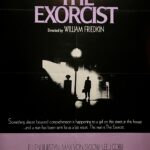
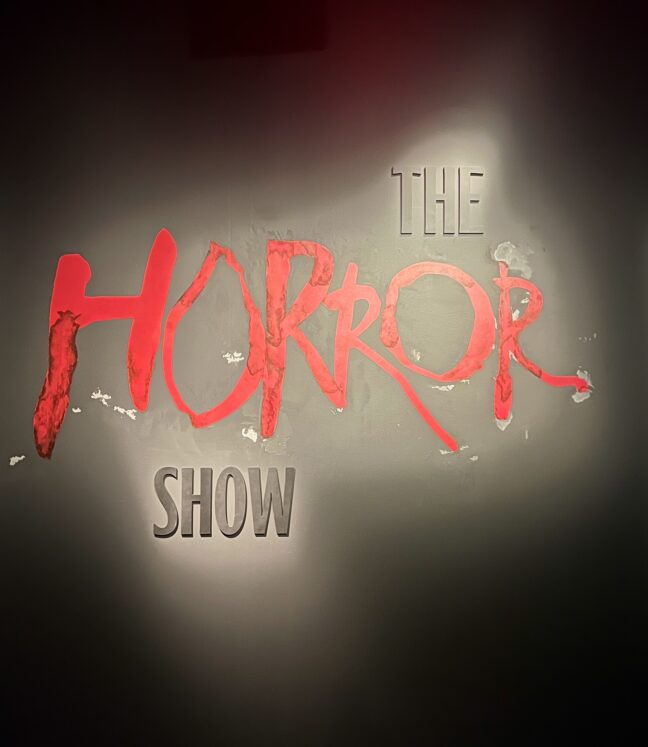
With perfect timing, both for the Halloween season and the current wave of exciting new horror films hitting film screens, The Horror Show exhibition opened this weekend at The Academy Museum of Motion Pictures.

The beautifully curated exhibition is paired with public programming and film screenings, including a retrospective John Carpenter series, a Halloween evening screening of The Craft, and a 50th anniversary presentation of Carrie on November 19th which will include a talk with star Sissy Spacek.
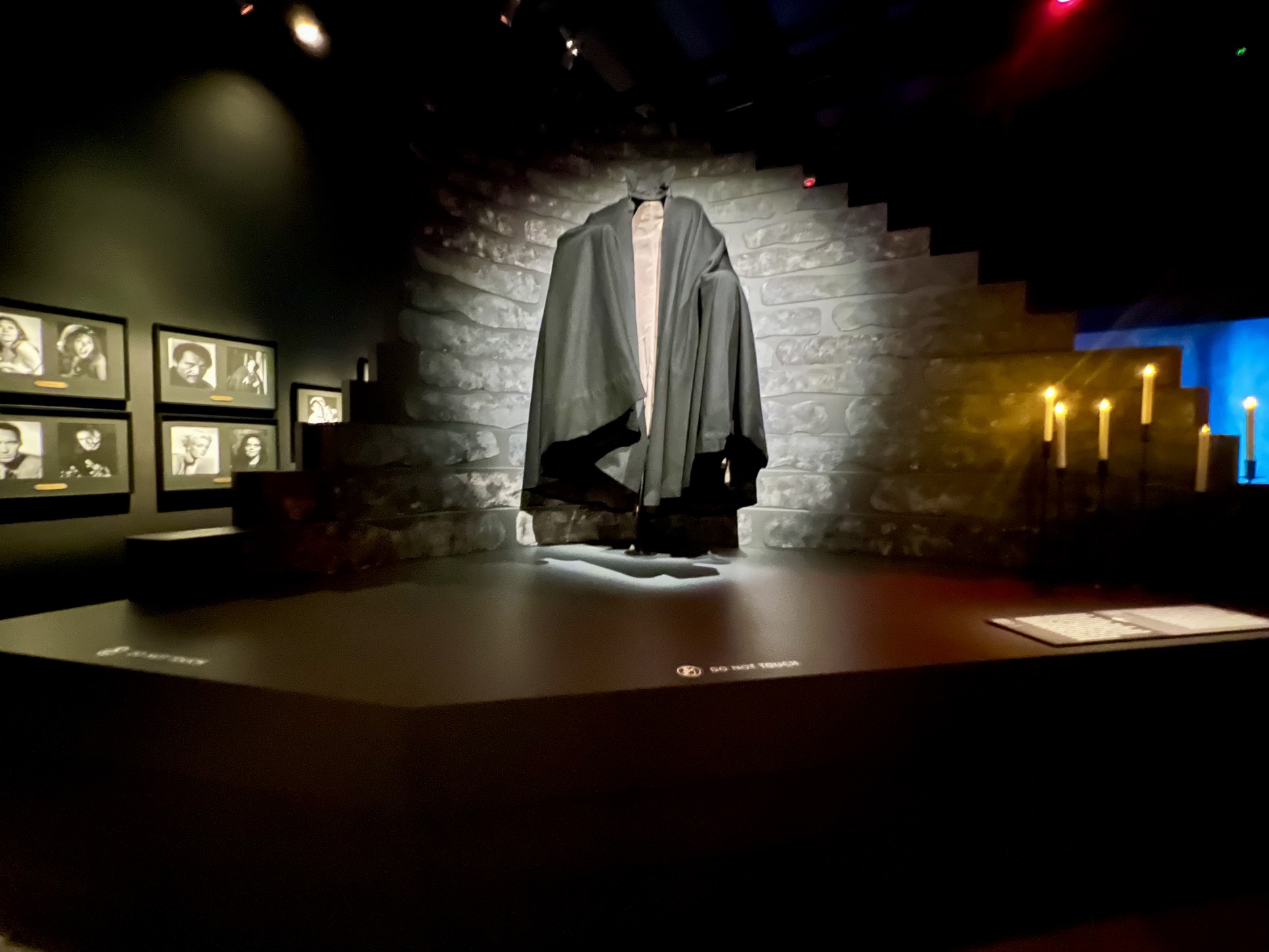
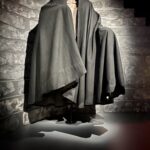
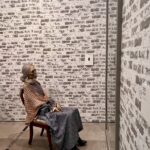
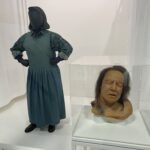
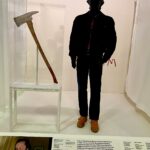
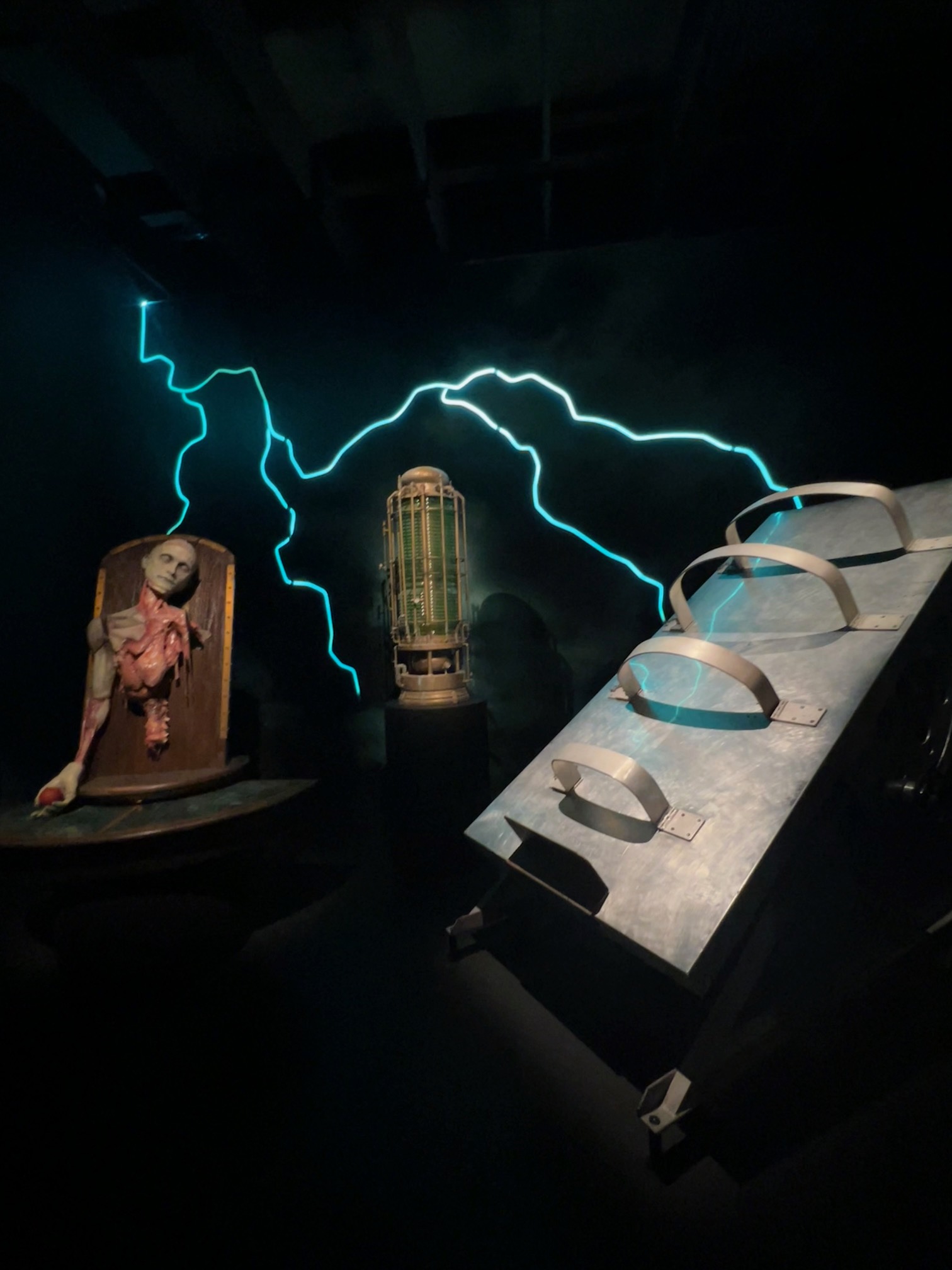
From the splendor of the original Dracula cape, generously donated to the museum by the Lugosi family and luminously restored by the museum team to a “pose with Mrs. Bates” tribute to Psycho. this absorbing exhibition covers costumes, special effects, masks, movie posters, original concept art work, props, and of course, projected clips of classic films. The vast collection includes over 300 items on display, from memorabilia to monsters. It is worth nothing that the gift of Bela Lugosi’s heirloom Dracula cape was a major influence in creating the exhibition itself, and this iconic costume is being shown to the public for the first time.
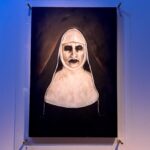
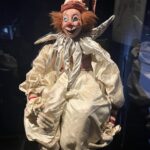
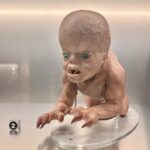
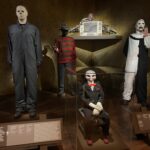
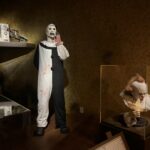
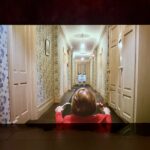
It’s an immersively constructed exhibition divided into multple “chambers” of beloved horrors: Gothic, Psychological, Science, Slasher, Religion, and Ghosts. Guests enter the exhibition space through a dark gallery space that begins the experience with a horror soundscape.
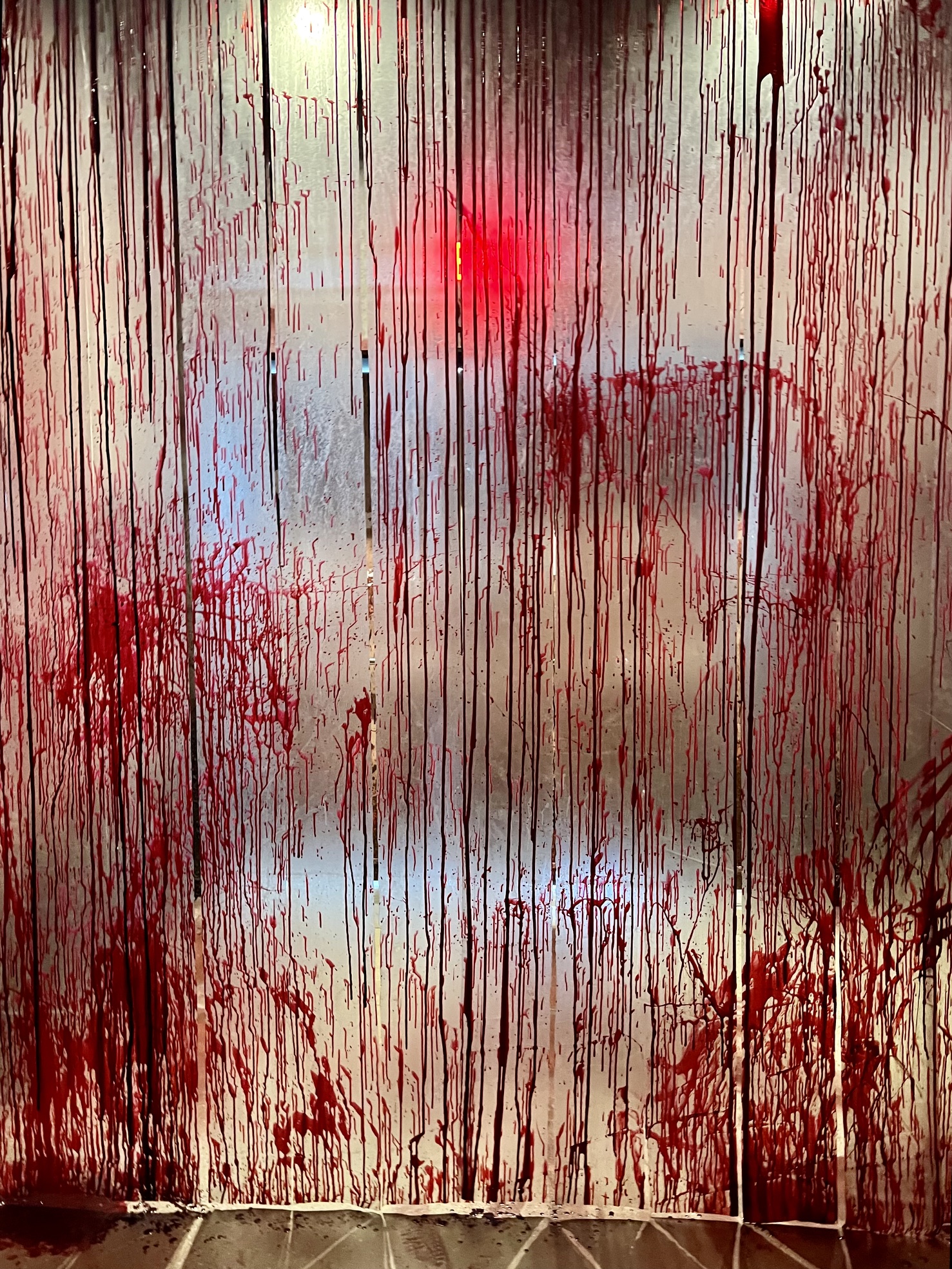
Exiting the exhibition is done through a cinematic-blood spill and splattered plastic curtains.
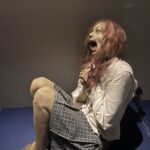
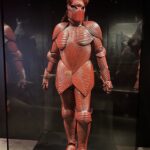
The exhibition is pure nirvana for horror afficiandos such as myself, but it is a true pleasure for all cinema fans, and a fun experiential romp through the knowledge of all things horror, and horror movies. Among the especially fascinating artifacts are the dailies from the film shoot of horror classic The Texas Chainsaw Massacre.  Brilliant and breathtakingly terrifying images and scenes didn’t happen by magic, but rather through cinematic wherewithal and persistence that only looks like it was conjured up whole.
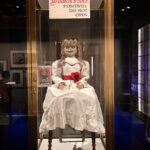
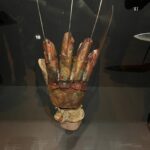
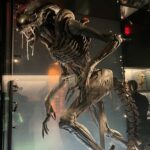
And speaking of the conjuring, “Annabelle” from many of The Conjuring series films is eerily encased in her infamous glass case, marked “Do Not Open;” Freddie Krueger’s ominous claw glove;  practical effects from The Ring and Alien are among the treasures on display.
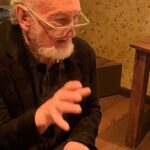
Speaking of Freddie, Robert Englund, who played the Nightmare on Elm Street nightmare himself, was present at The Horror Show opening.  He expressed his gratitude for the museum’s recognition of the genre, which was not always as well-respected as it is today. Saying he was “proud of the Academy” for creating such a celebratory exhibition, he also noted that while when he first started acting in horror films “you kind of got the lousy table in the commissary by the kitchen door,” today “horror has saved studios and many majors.”  He adds “I think we’ve finally arrived.”
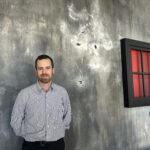
Nicholas Barlow,  one of the exhibition’s main curators,  noted that senior curator Jessica Niebel had proposed a horror exhibition before the museum even opened. “The date was pushed back, and now we are opening during a time in which there is a real love and hunger for horror,” he noted, adding that “Horror fans are very knowledgeable about the genre, so we were able to go deep across large swaths of horror history.”
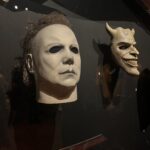
According to Barlow, “One of the things to focus on in this exhibition is championing the creators as brilliant, ingenious filmmakers. People made so much for so little” in terms of budget. ”
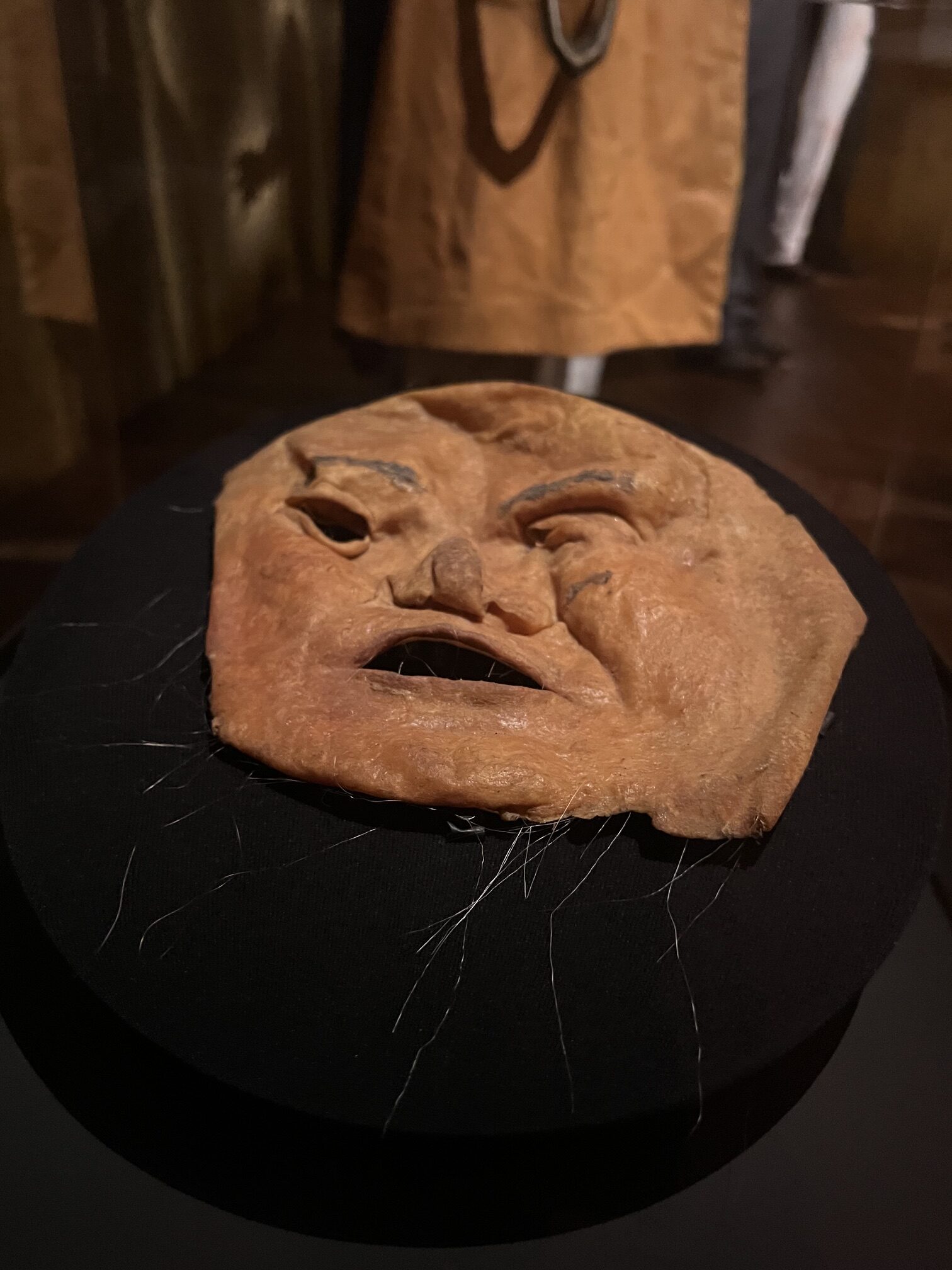
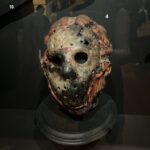
The curator is proud to have “the original Leatherface [test] mask from 1974’s The Texas Chain Saw Massacre on loan from the University of Texas’ Harry Ransom Center. And along with that object we have dailies from the film that show it was really just a bunch of kids shooting on a shoestring…so simple, but the production of a masterpiece.”
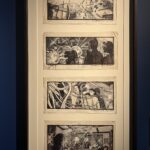
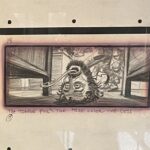
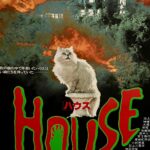
He also noted the exhibitions focus on artwork, including poster art. And, he pointes out “There are many drawings made by real craftsmen as blueprints to design sets. We get to celebrate them as art objects and iconic pieces of art…the building blocks of the films” which “imagined this world.”

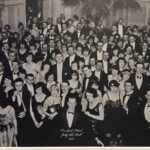
The Horror Show invites viewers into this marvelous and bloody universe through July 25th, 2027. The Academy Museum is located at 6067 Wilshiver Blvd. in mid-city. Be there and be scared!

  • Genie Davis; photos by Genie Davis and Charlie Davis


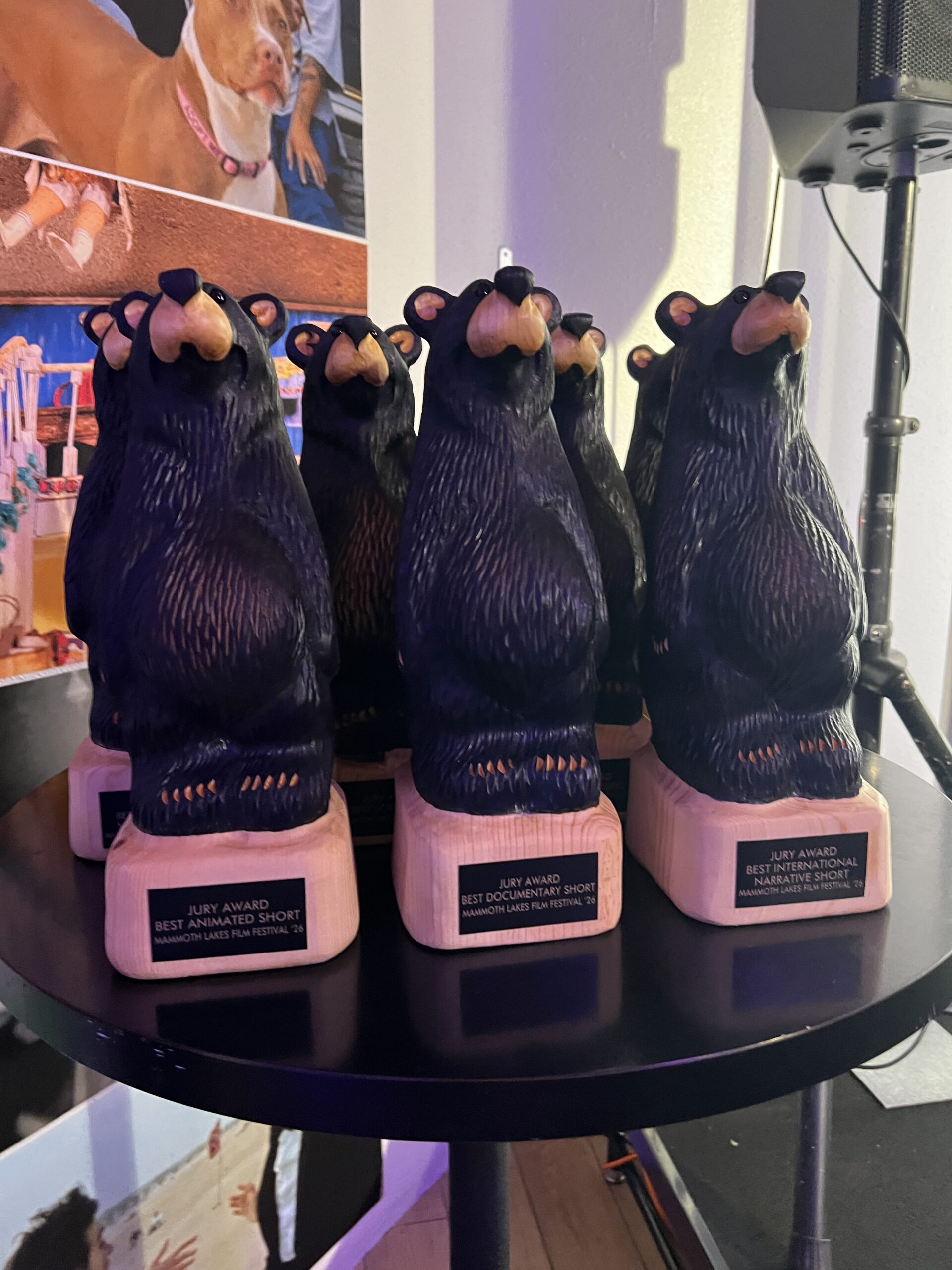
2026 Mammoth Lakes Film Festival Award Winners

The 12th Annual Mammoth Lakes Film Festival (MLFF) has concluded this year with a joyful party and awards ceremony.

This year’s jury and audience award winners at the Closing Night Award Ceremony were chosen from 32 narrative shorts, 15 documentary shorts and 16 animation shorts, music videos, and both international and North American feature length films.  Winners received over $40,000 in awards and cash prizes.

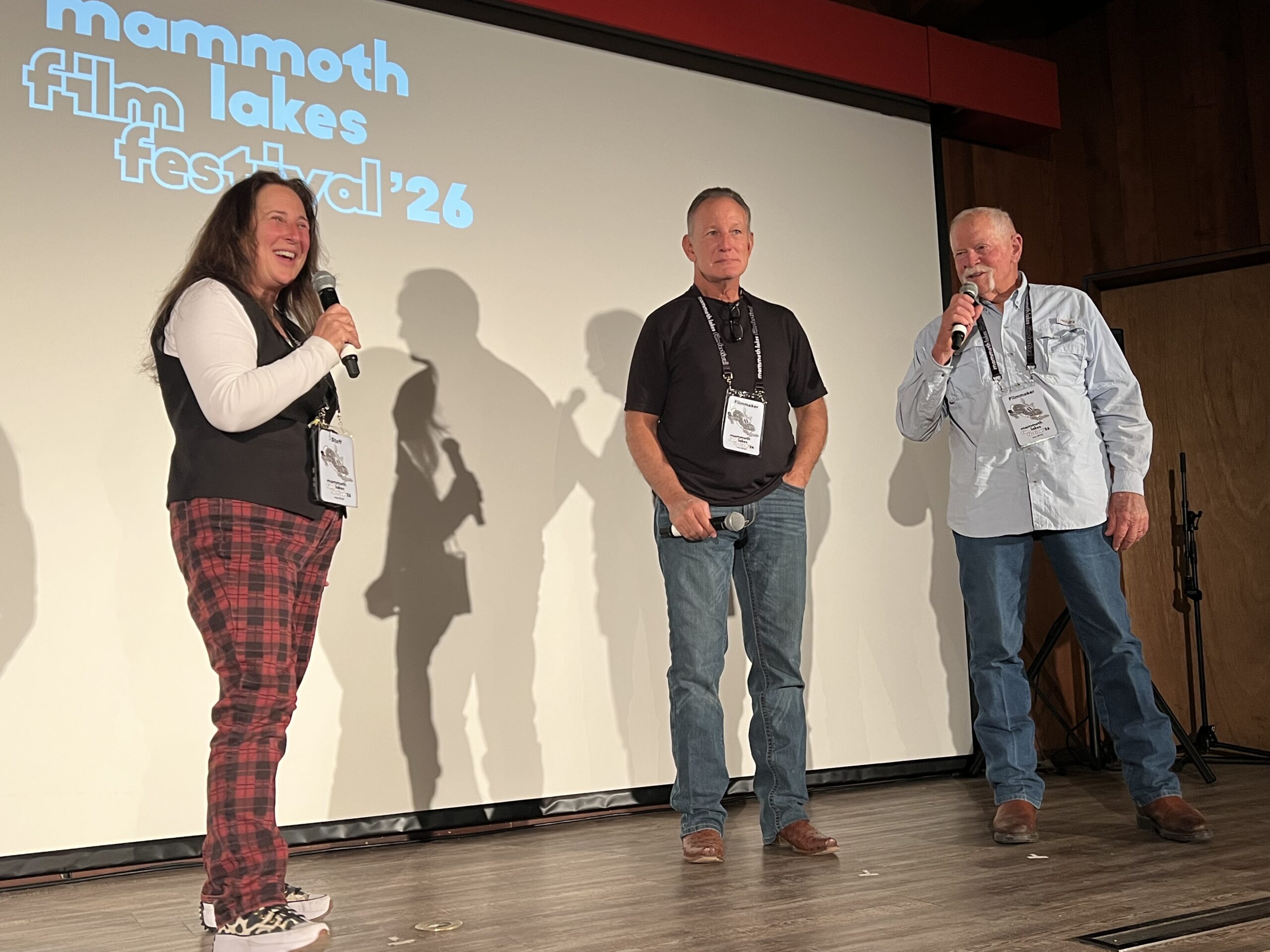
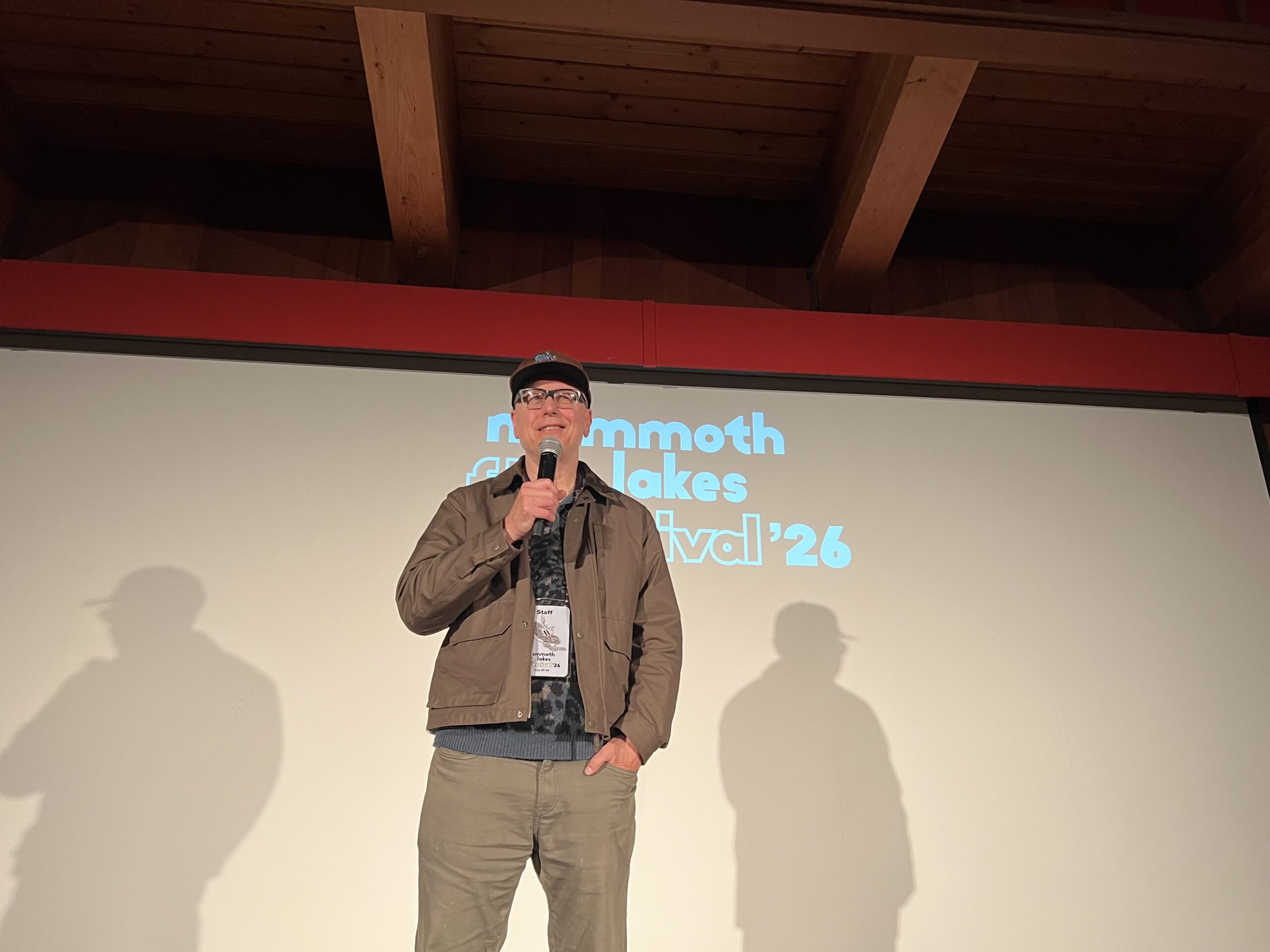
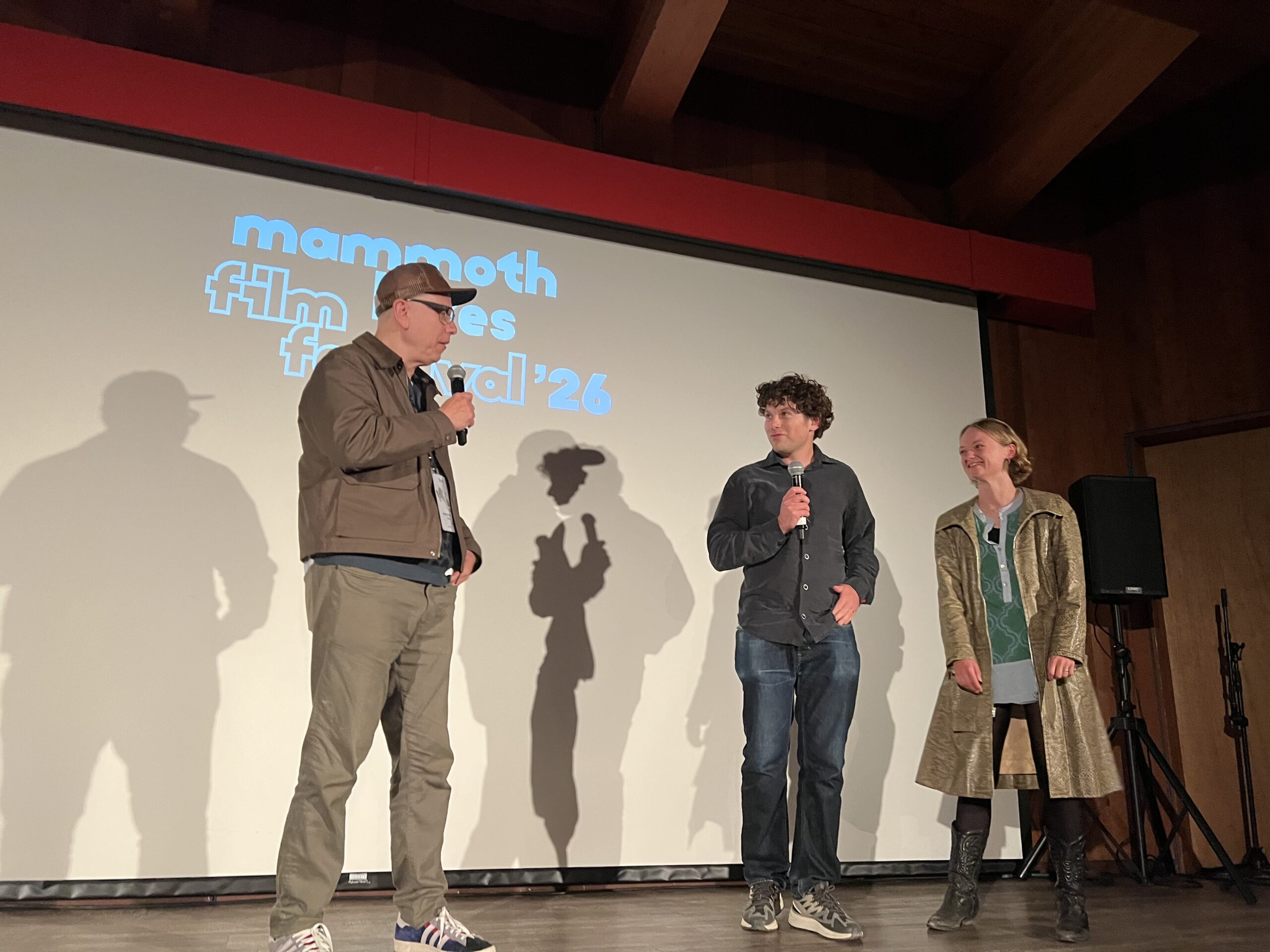
Festival director Shira Dubrovner and programming director Paul Sbrizzi presided over the awards and created a festival that this year “reaffirmed the power of independent film to spark conversation, foster connection, and champion daring creative voices,” according to Dubrovner.

Sbrizzi adds that “This year’s lineup showcased bold, entertaining, and culturally resonant films that reflect the future of independent cinema.”

And the winners (along with filmgoers, awarded the ultimate prize of watching teriffic films), include:

Jury Awards

Best N. American Narrative Feature: “Mono 222,” directed by Quinton Dominguez

Honorable Mention: “Debt to the Dead,” directed by Daniel Castro Zimbrón

Best International Narrative Feature: “Dreaming of Lions,” directed by Paolo Marinou-Blanco

Honorable Mention: “Tony Odyssey,” directed byThales Banzai

Best Documentary Feature: “I Got Bombed at Harvey’s,” directed by Amy Bandlien Storkel and Bryan Storkel

Bravery Award for Documentary Feature: “Sugarfly,” directed by Max Schoenfeld

Best Screenplay: “The Unseen,” written by Shivakumar Ramanathan

Best Narrative Short: “Reunion,” directed by Kyle Montgomery and Judd Myers

Honorable Mention: “Boat Movie,” directed by Anna Torzullo and Stephanie Ibarra

Best International Narrative Short: “Leivalaul (Breadsong),” directed by Katariina Aule

Best Documentary Short: “Jar of Time,” directed by Nevena Semova and Swapnil Arjun

Honorable Mention: “Hyodo’s Paradise,” directed by Jacque Rabie

Best Animation Short: “Wan Wan,” directed by Mayuko Kobayashi

Honorable Mention: “Long Live Livia,” directed by Zach Dorn

Best Music Video: “High Season,” by Yuliia Yanko and Trygve Luktvasslimo, directed by Trygve Luktvasslimo

Honorable Mention: “Erghad Afewo,” by Tinariwen, directed by Axel Digoix

Audience Awards

Best N. American Narrative Feature: “Danny Is My Boyfriend,” directed by Lucy Sandler & Mechi Lakatos

Best International Narrative Feature: “Tony Odyssey,” directed by Thales Banzai

Best Documentary Feature: “Nuisance Bear,” directed by Jack Weisman and Gabriela Osio Vanden.

Jury members included:

Carlos Aguilar (RogerEbert.com), Allison Amon (EP, Superconductor), Sean Barnes (Artist), Amanda Bonaiuto (Animation Filmmaker), Kimberley Browning (Tribeca), James Costa (Producer, All the Empty Rooms), Sarah Diamond (Slamdance Programmer), Allison Foreman (Indiewire) Shaun Hill (Indican Pictures), Kangmin Kim (Animation Filmmaker), Randal Kleiser (Director, Grease), Brian Morataya (Photographer), Kiva Reardon (former TIFF programmer), Pat Saperstein (Variety), Jacques Thelemaque (Filmmakers Alliance), Katherine Tulich (AP & RogerEbert.com).

– Genie Davis; photos by Davis and Cheryl Henderson
Sunday Fine Film Final Day at Mammoth Lakes Film Festival 2026

It’s hard to say farewell to the creative, brilliant, and always welcoming Mammoth Lakes Film Festival, but the final day has arrived.

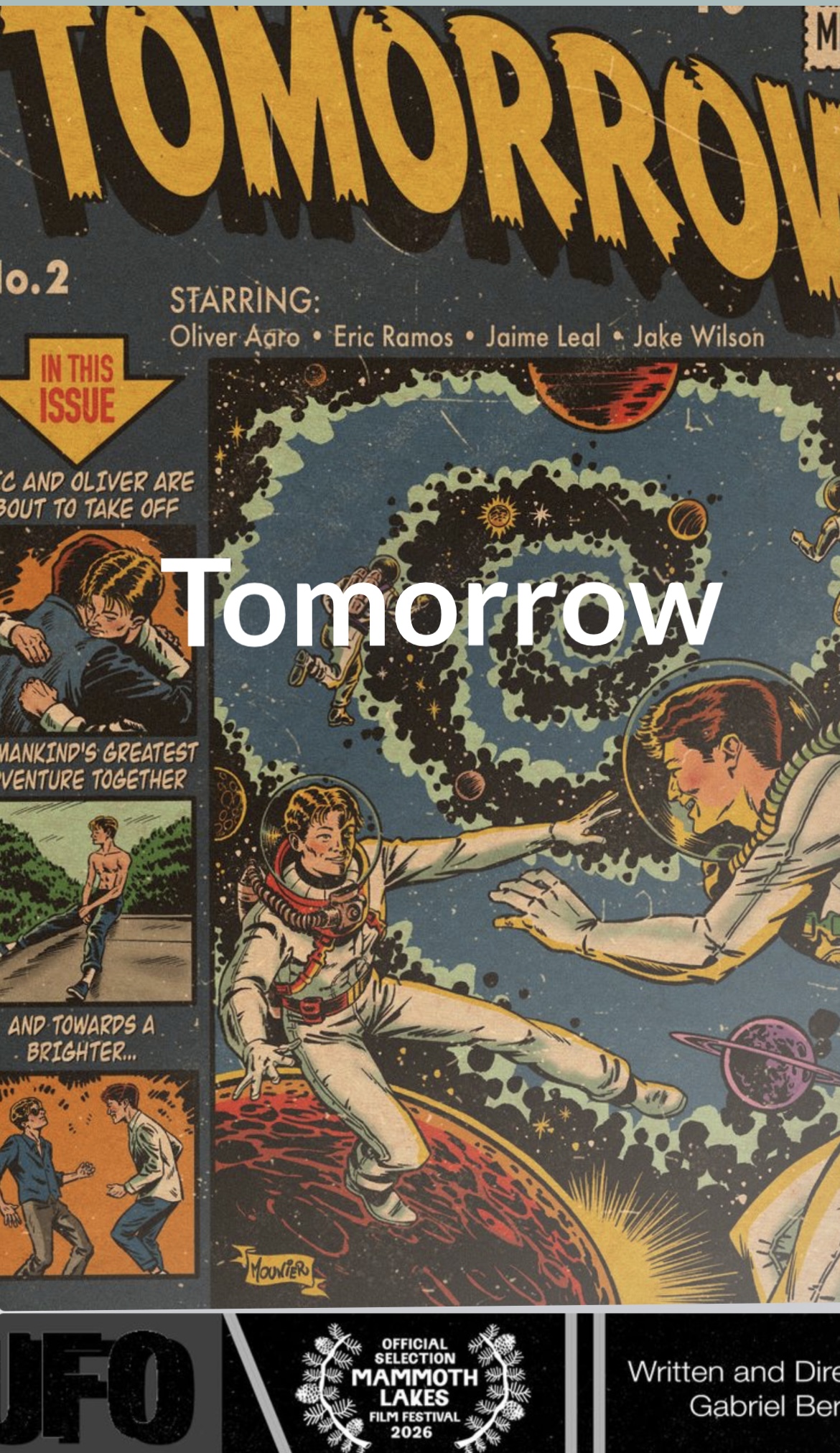
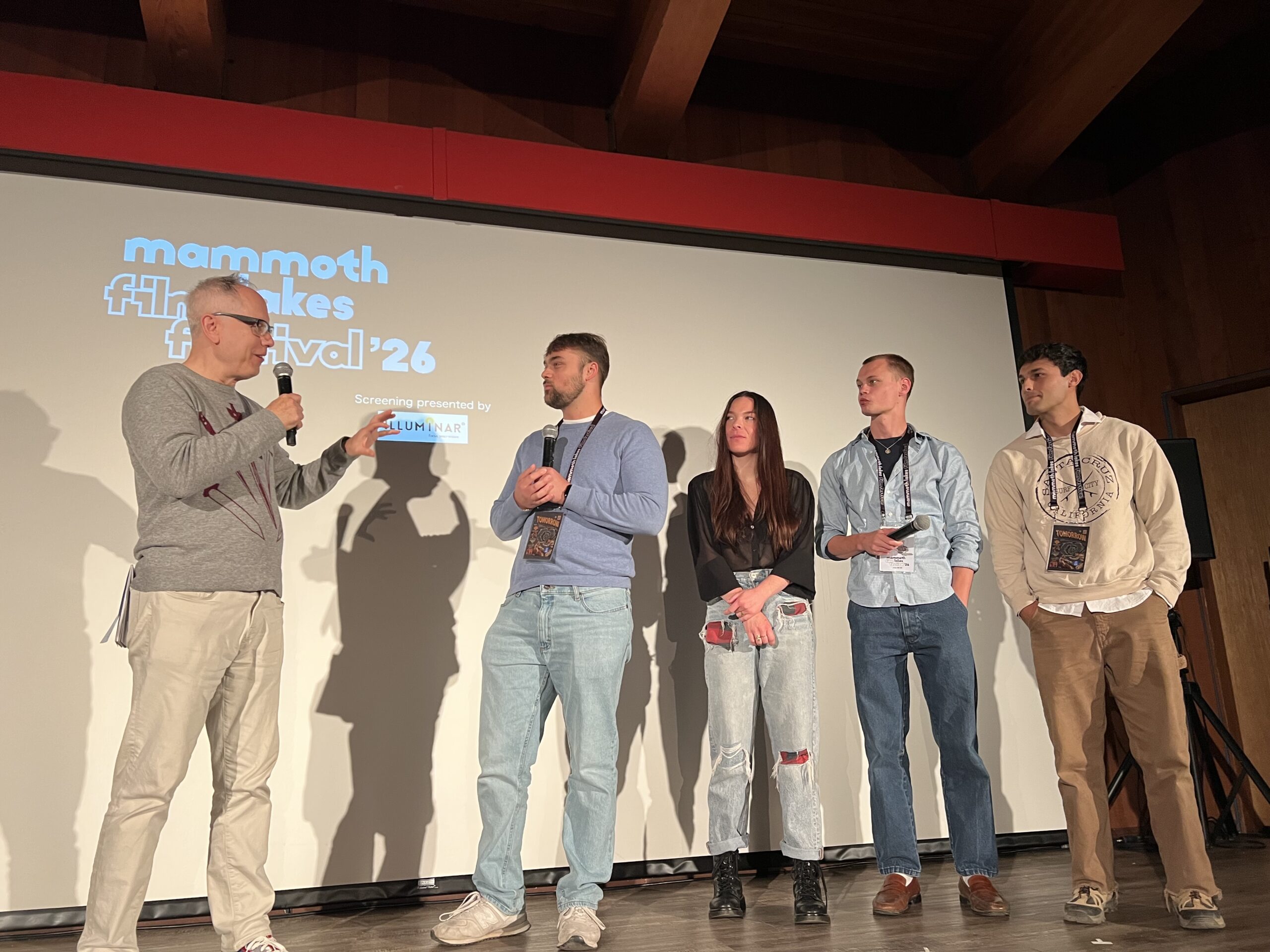
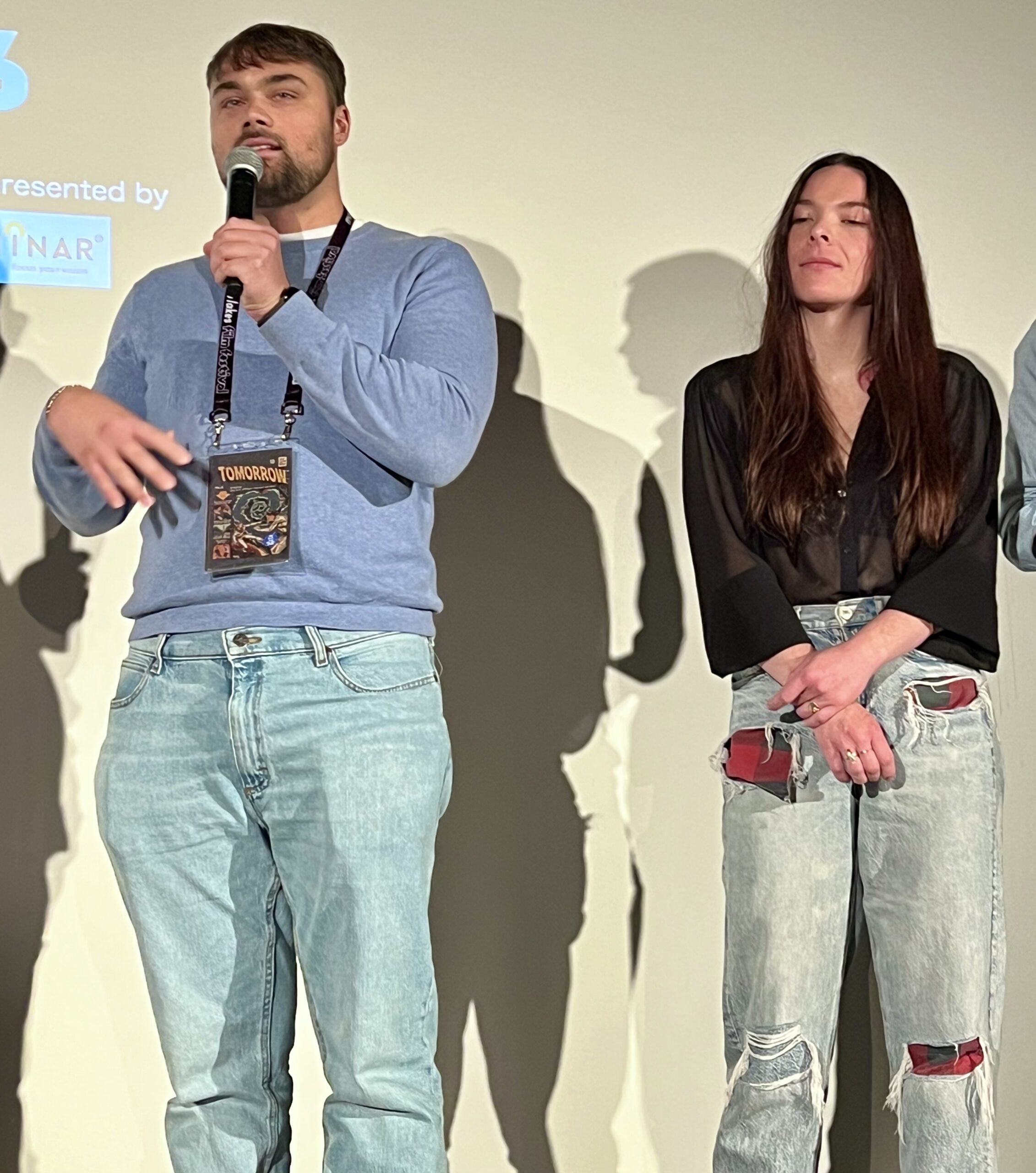
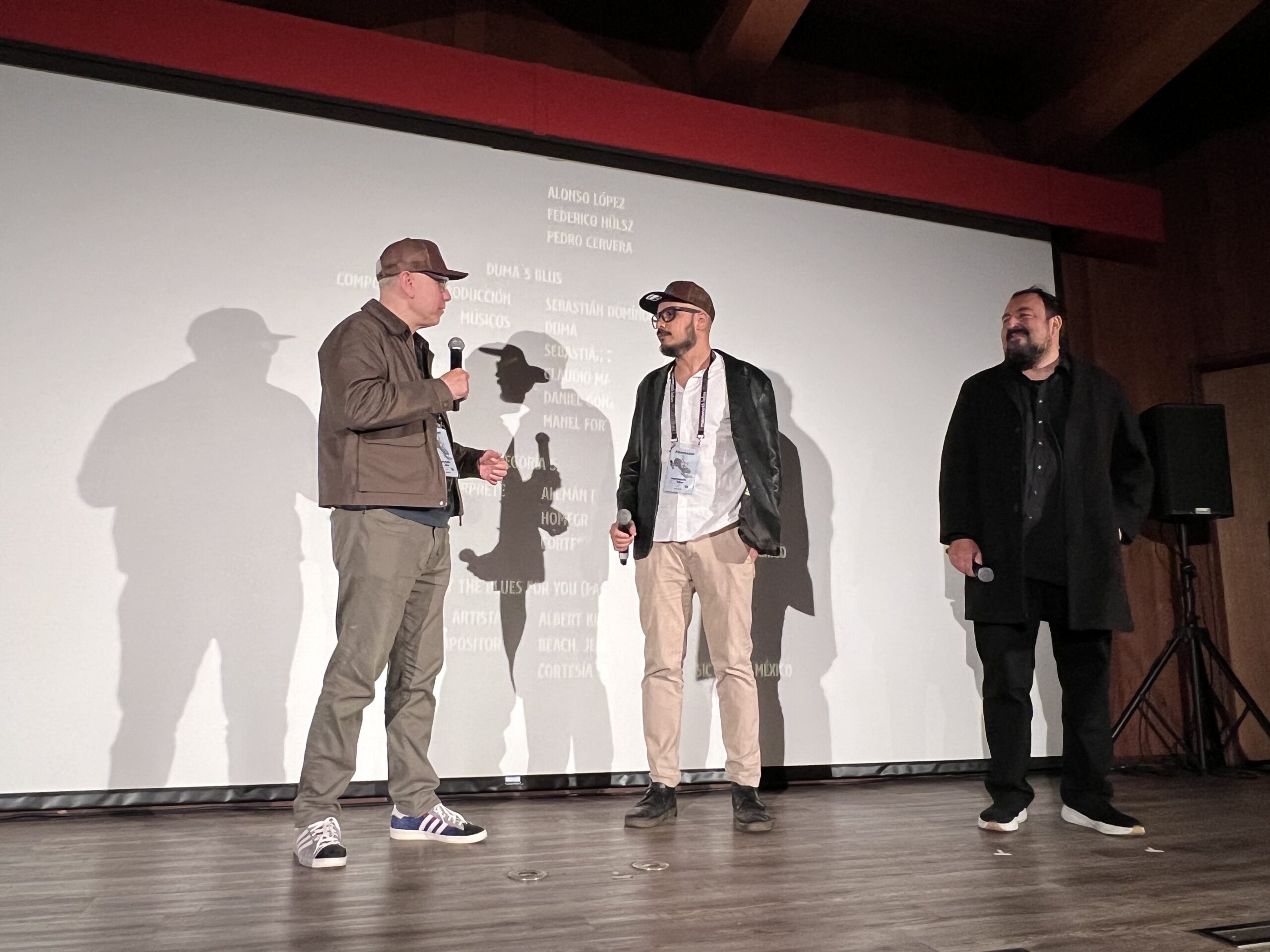
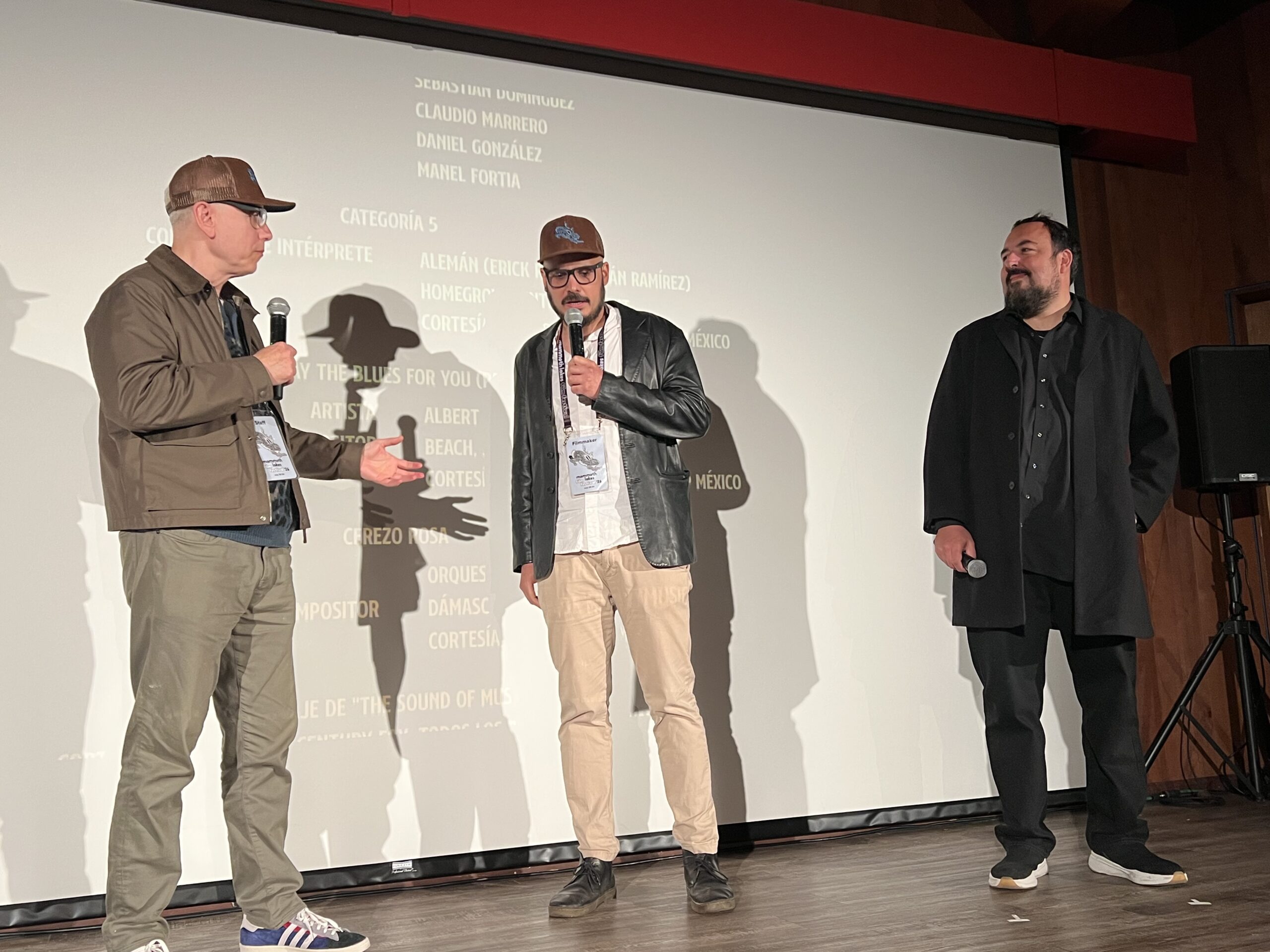
Sunday films began with two  narrative shorts blocks. First up for us was Narrative Shorts  6 which included the splendid Tomorrow, depicting the growing bond between two young men, Eric and Oliver, in part due to a long lasting hug.

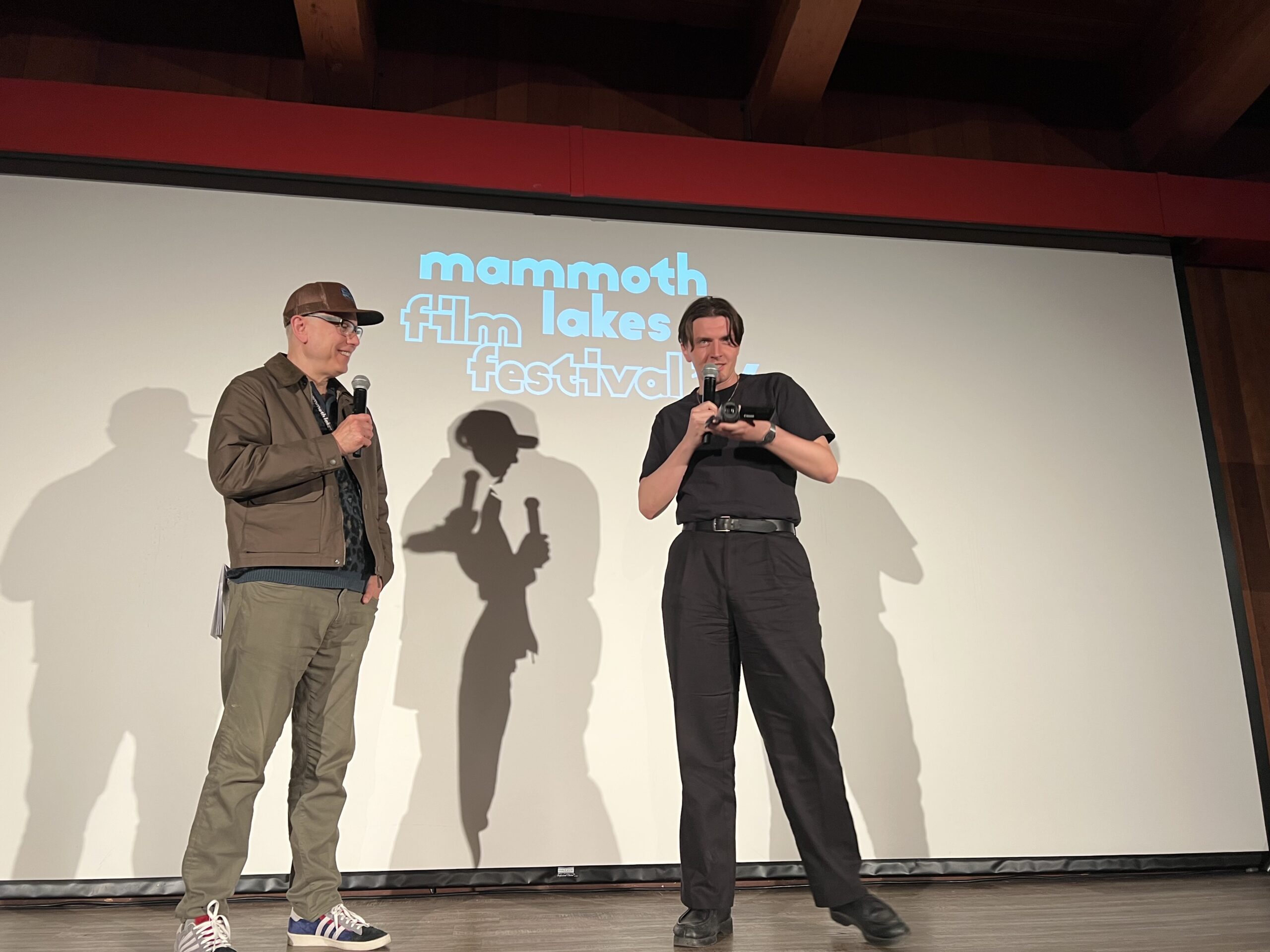
Director Christian Meola returned to MLFF this year with this second short in a trilogy planned to become a feature.

“The film is about portraying how to be expressive to anyone you want straight or gay…what comes from brotherly love and what that means for male friends,” Meola says.

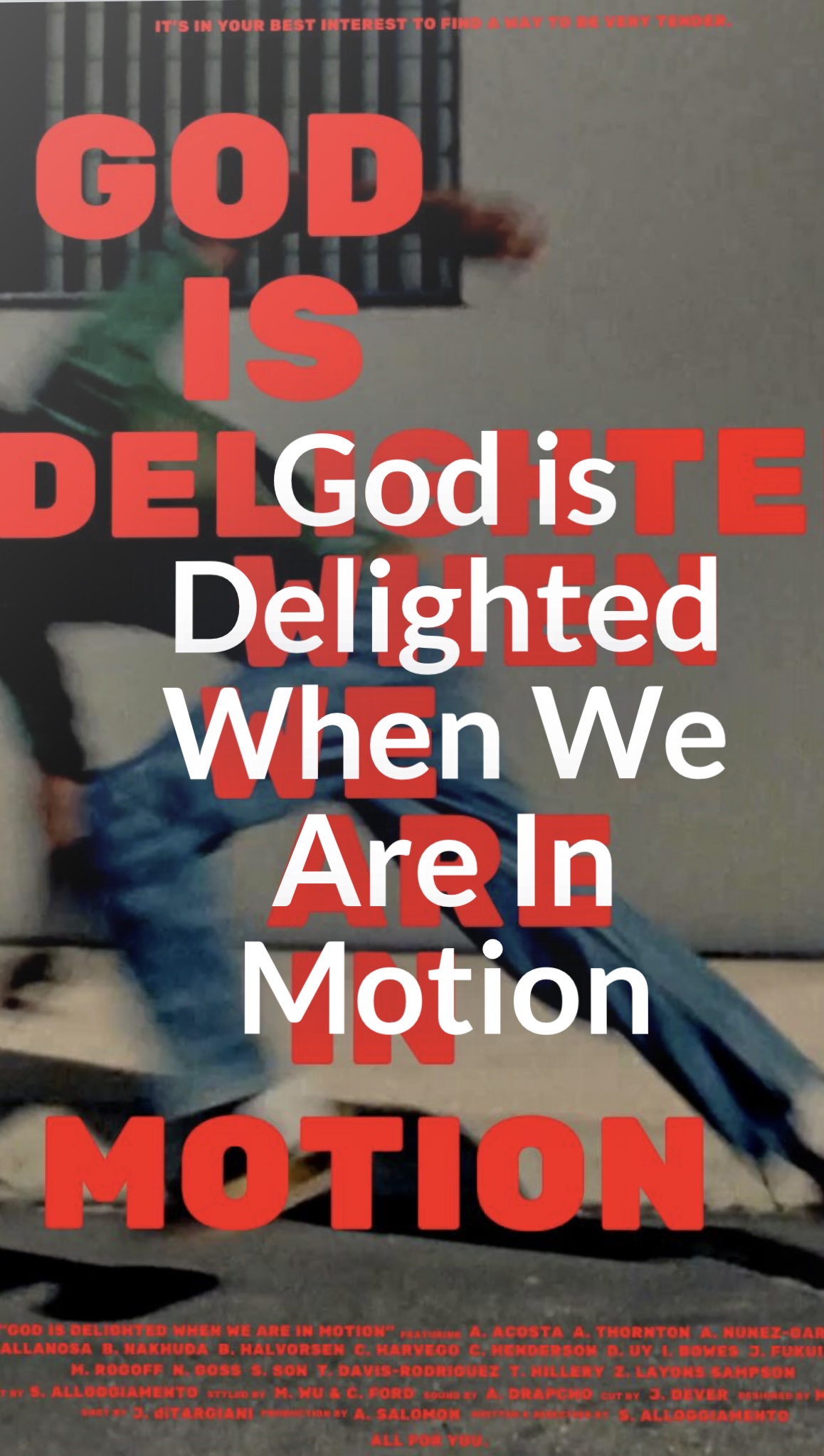
Tears by Paulina Ziolkowska is a beautifully animated short; God is Delighted When We Are In Motion is a spiritually themed series of slice of life vignettes exploring the lives of a group of 18 choir boys.

Director Sophia All was represented by her collaborative director of photography who explained that the work was shot on 16 mm with a distinctive blue and beige palette.

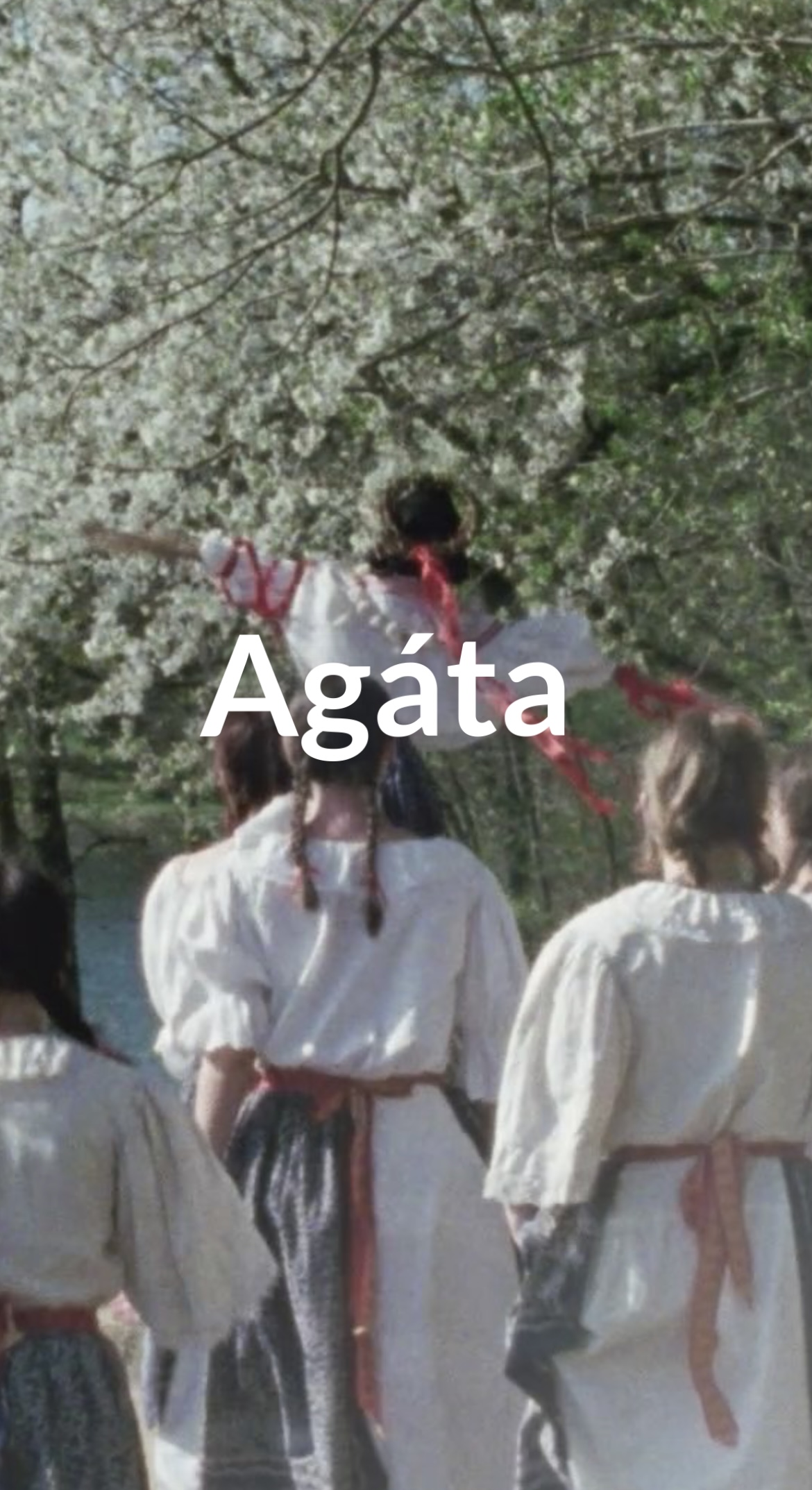
Agata is a poignant Italian short about a lonely outsider seeking to belong at a May Day celebration in her village. Director Benedetta Fiore offers a gentle, sad moment in the girl’s life.

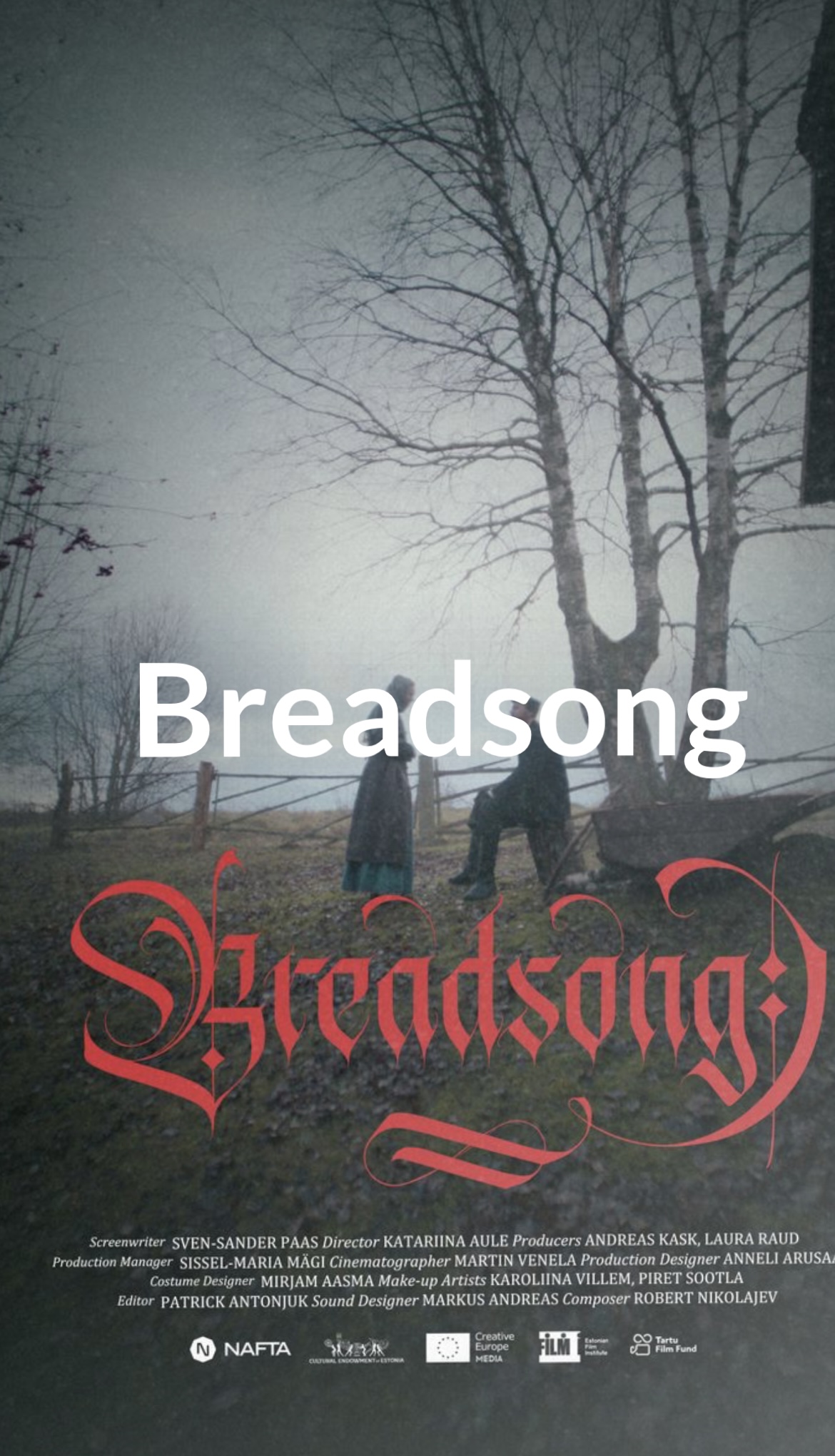
Breadsong is an eerie, richly rewarding tale from Estonian director Katariina Aule.

A 19th century rural family, discovers a catchy song and a broadcast from the future emanating from their children after inadvertently ingesting moldy bread. A graceful, ironic conclusion echoes the short stories of O. Henry, in this beautifully wrought film.

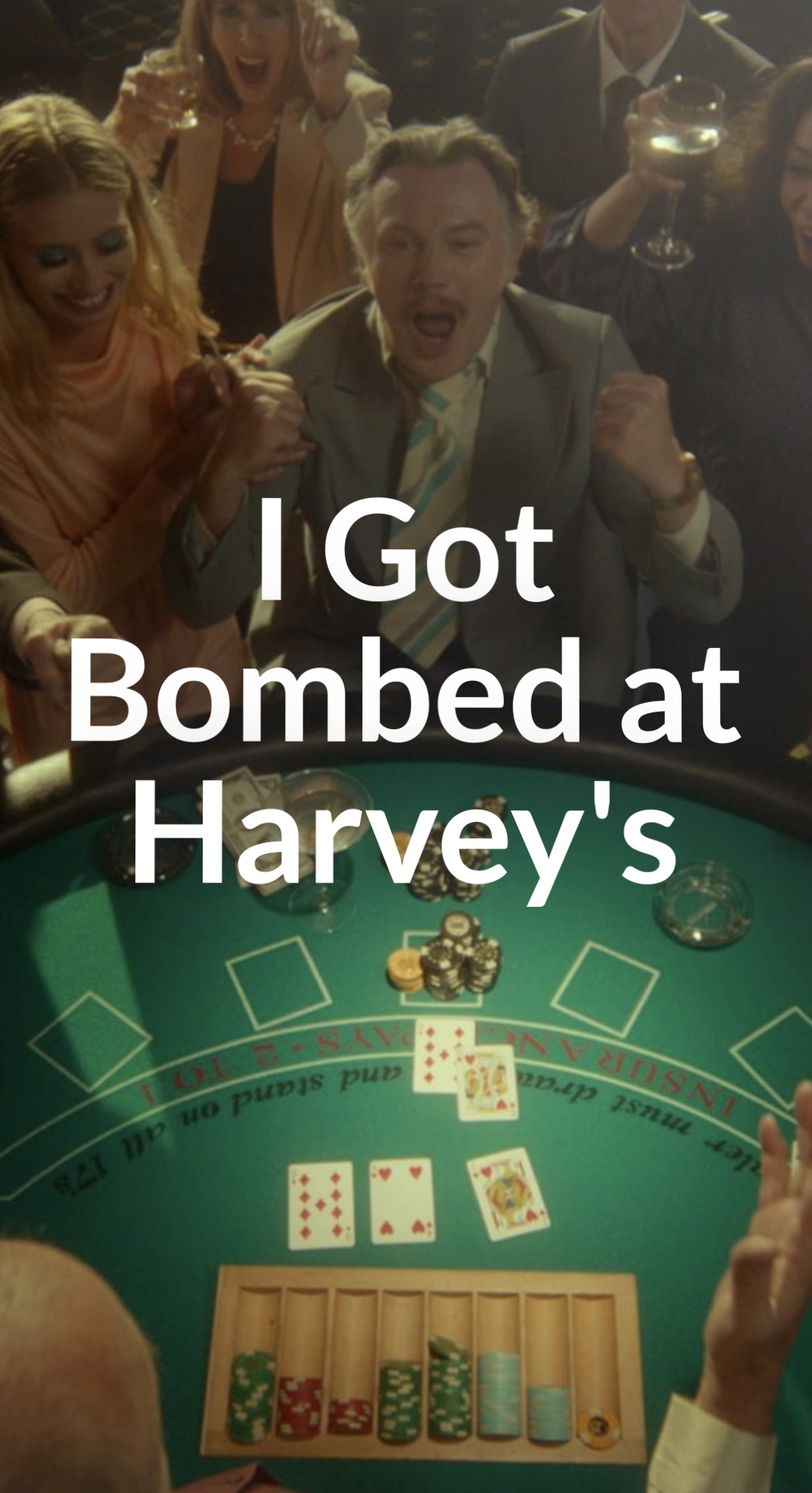
The compelling, shocking, and deeply entertaining documentary feature I Got Bombed at Harvey’s comes from the MLFF alumni directing team of Amy Bandlien Storkel and Bryan Storkel.

Using the Storkels’ seamless and exciting mix of actual and recreated footage along with interviews, the film follows a wild extortion plot, a homemade bomb packed with 1,000 pounds of dynamite, an evil father’s hold over his sons, and the true story of one of those sons,, Jim Birges.

According to Birges, the bomb was wheeled into Harvey’s Wagon Wheel Casino in Lake Tahoe; the resulting explosion led to Jim’s rescue from abuse.

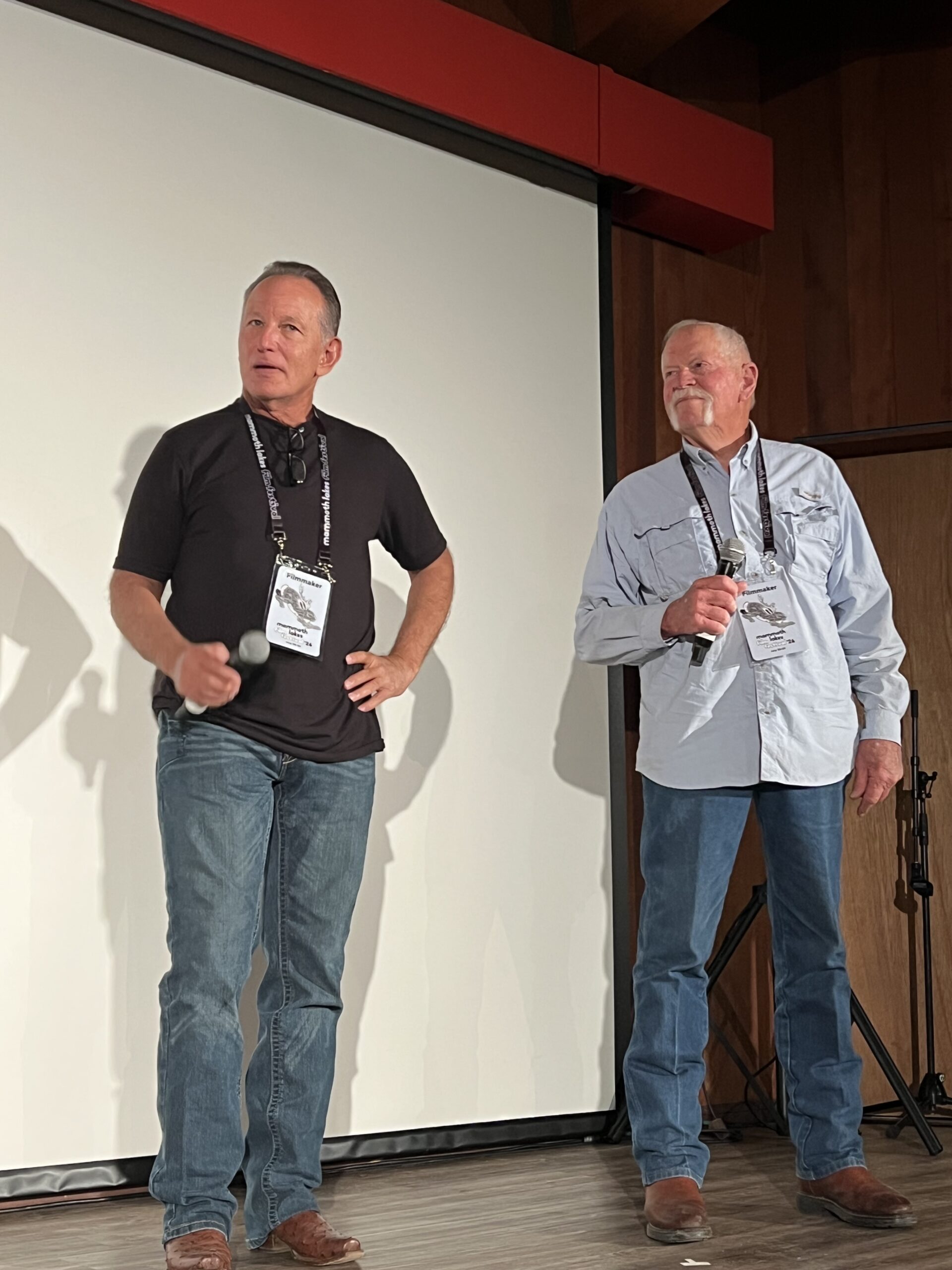
“Very few people can go back in time to where a stranger in the 80s could’ve arrested me but instead came to protect me and change my life,” Birgis says of the FBI agent who has become his long-time friend, and who also joined him at the fest.

A fascinating, warm, and perfectly realized film, this one is a winning bet for widespread viewing, and a definite favorite.

The Documentary Shorts 3 block featured some weighty subjects.

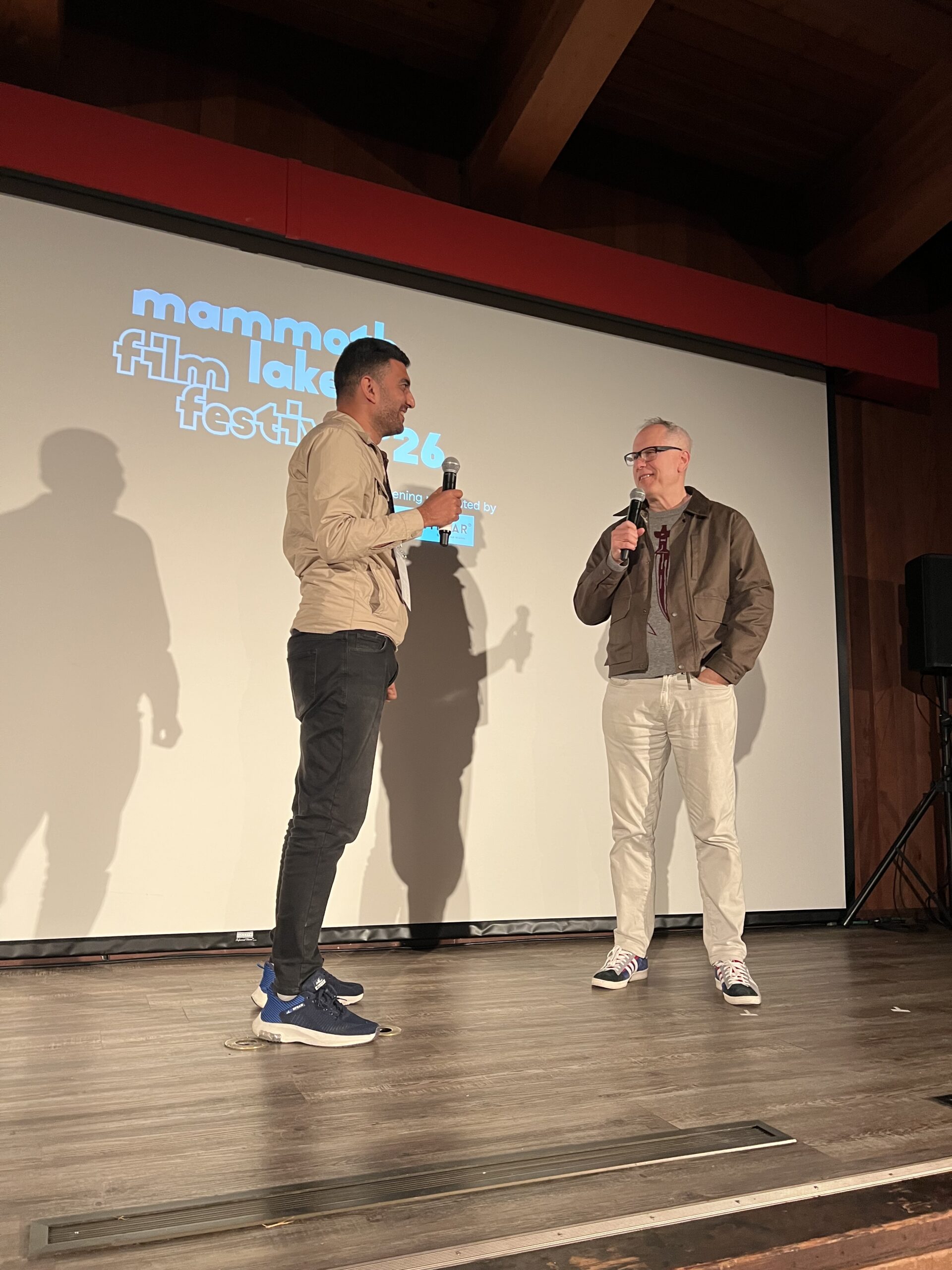
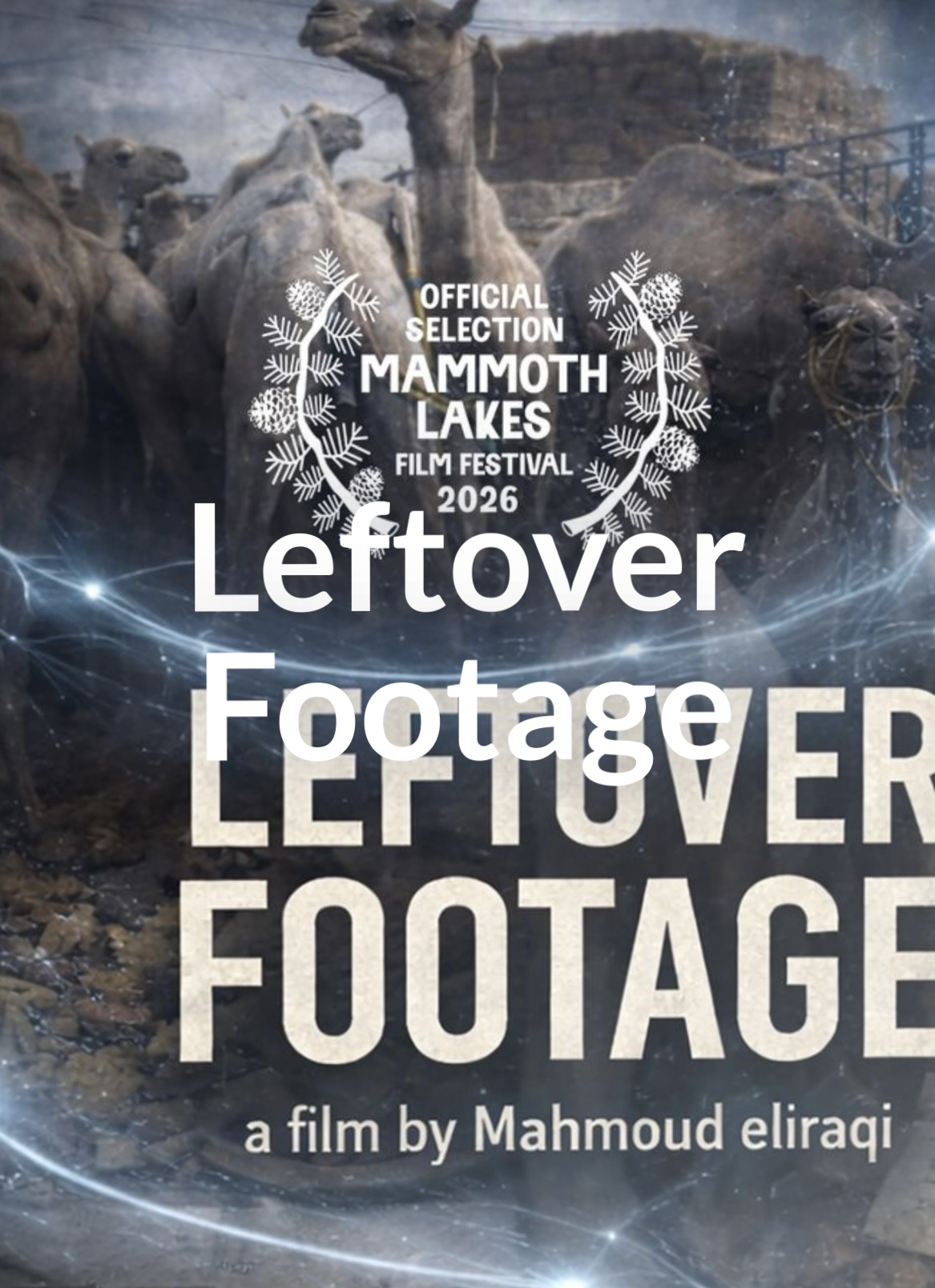
Egyptian director and photojournalist Mahmoud Eliraqi presented the elegiac Leftover Footage. The filmmaker searched for meaning and connection between his own captured images.

He employs principles of quantum mechanics to explore unseen relationships between reality, perception, and the universe.

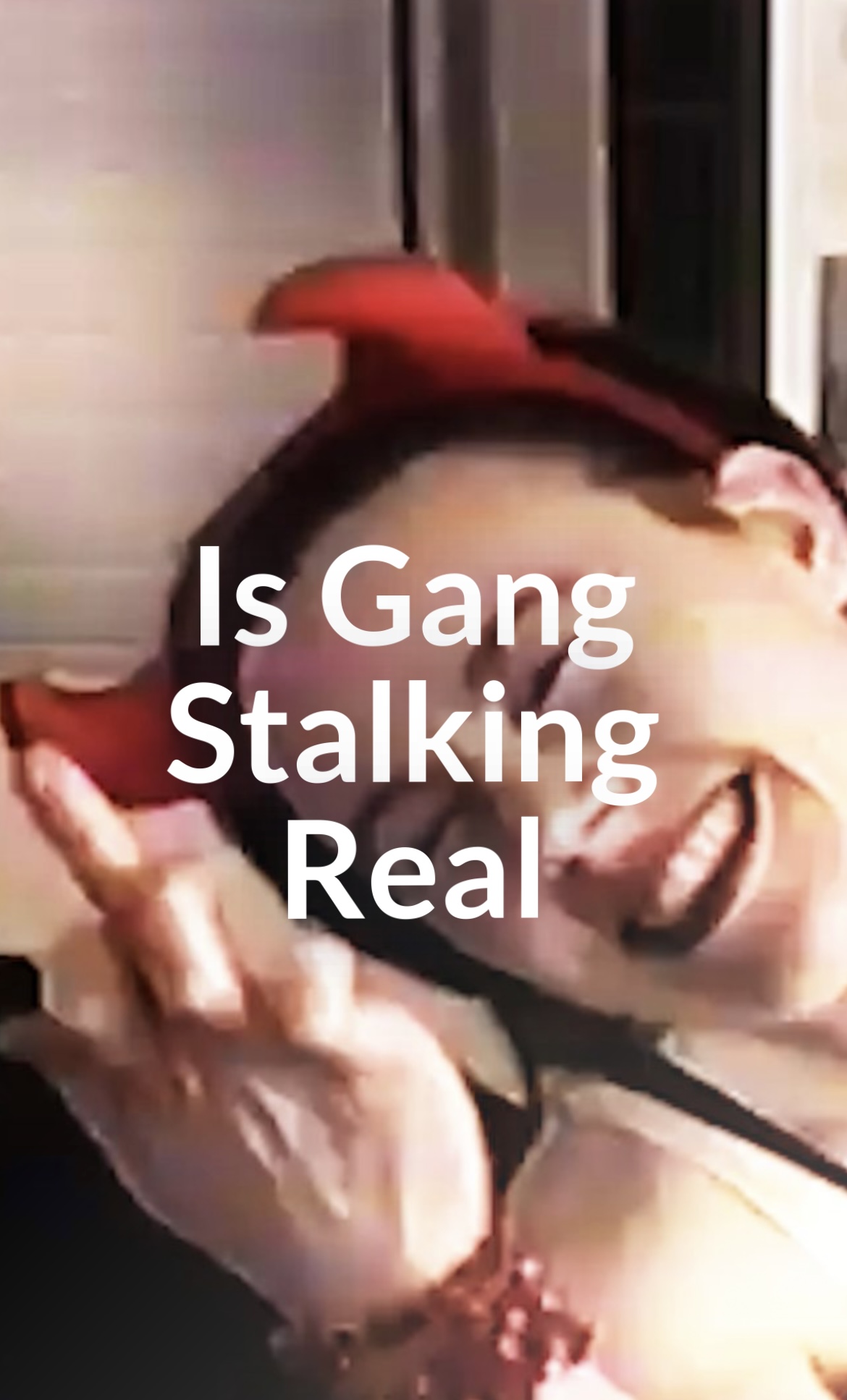
Is Gang Stalking Real explores a struggling friendship due to one of the friends’ addiction to meth and his fragile mental health when jailed. Director Theodore Collatos weaves a haunting story.

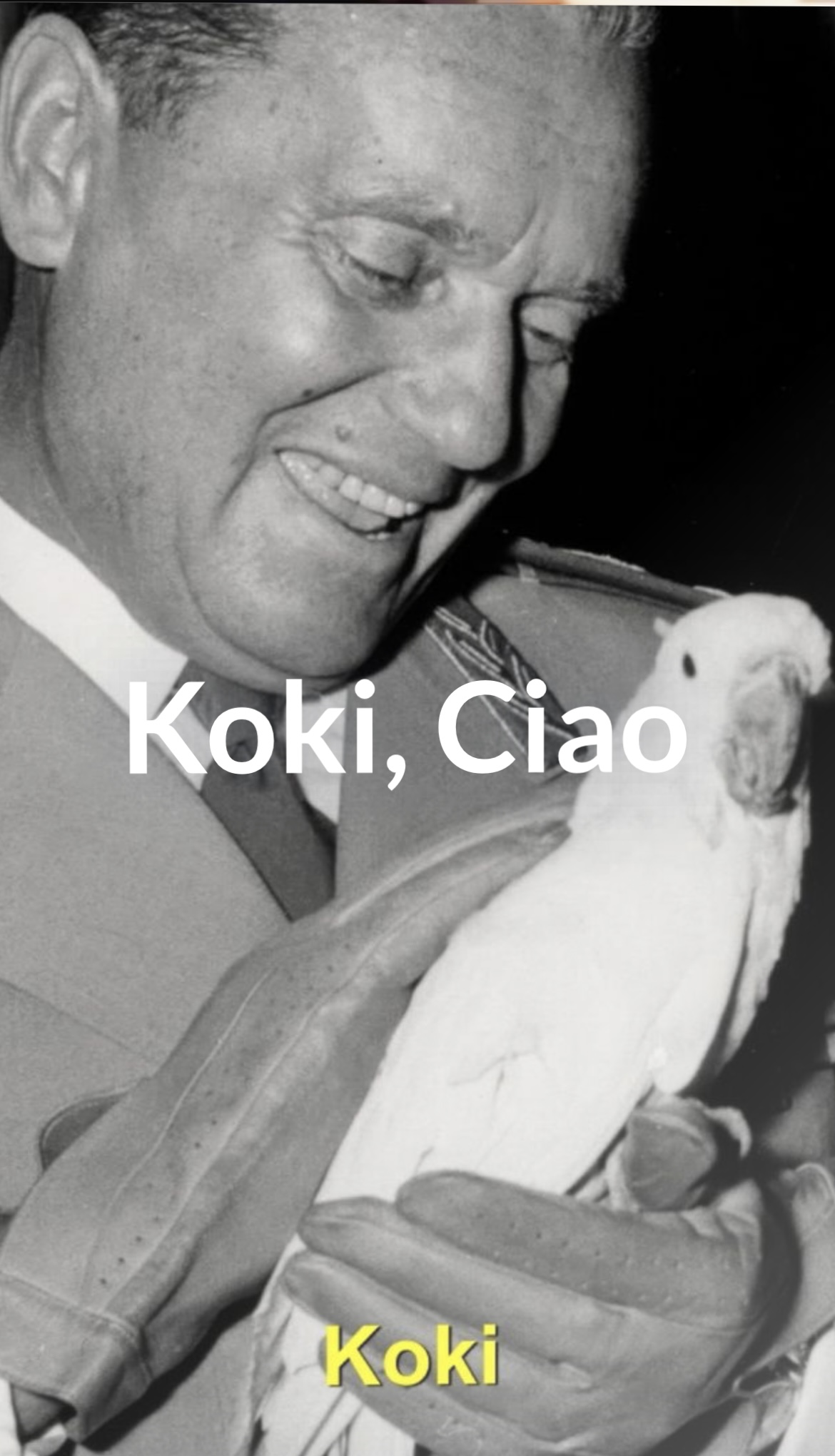
Koki, Ciao presents the story of the parrot companion of Marshal Tito, leader of Yugoslavia for 35 years. The bird led a celebrated and cosseted life before Tito’s demise, and his zoo cage is a sad substitute.

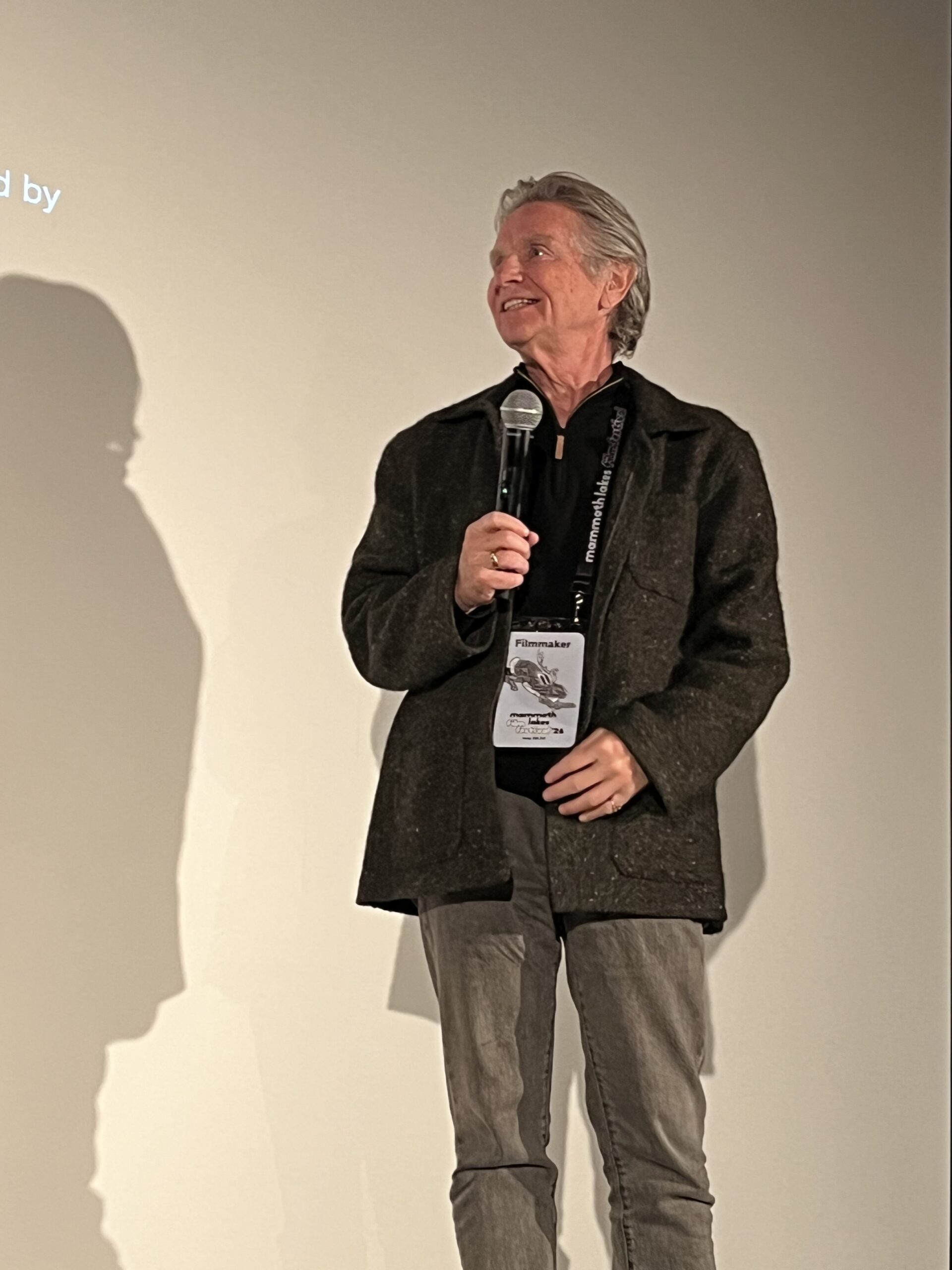
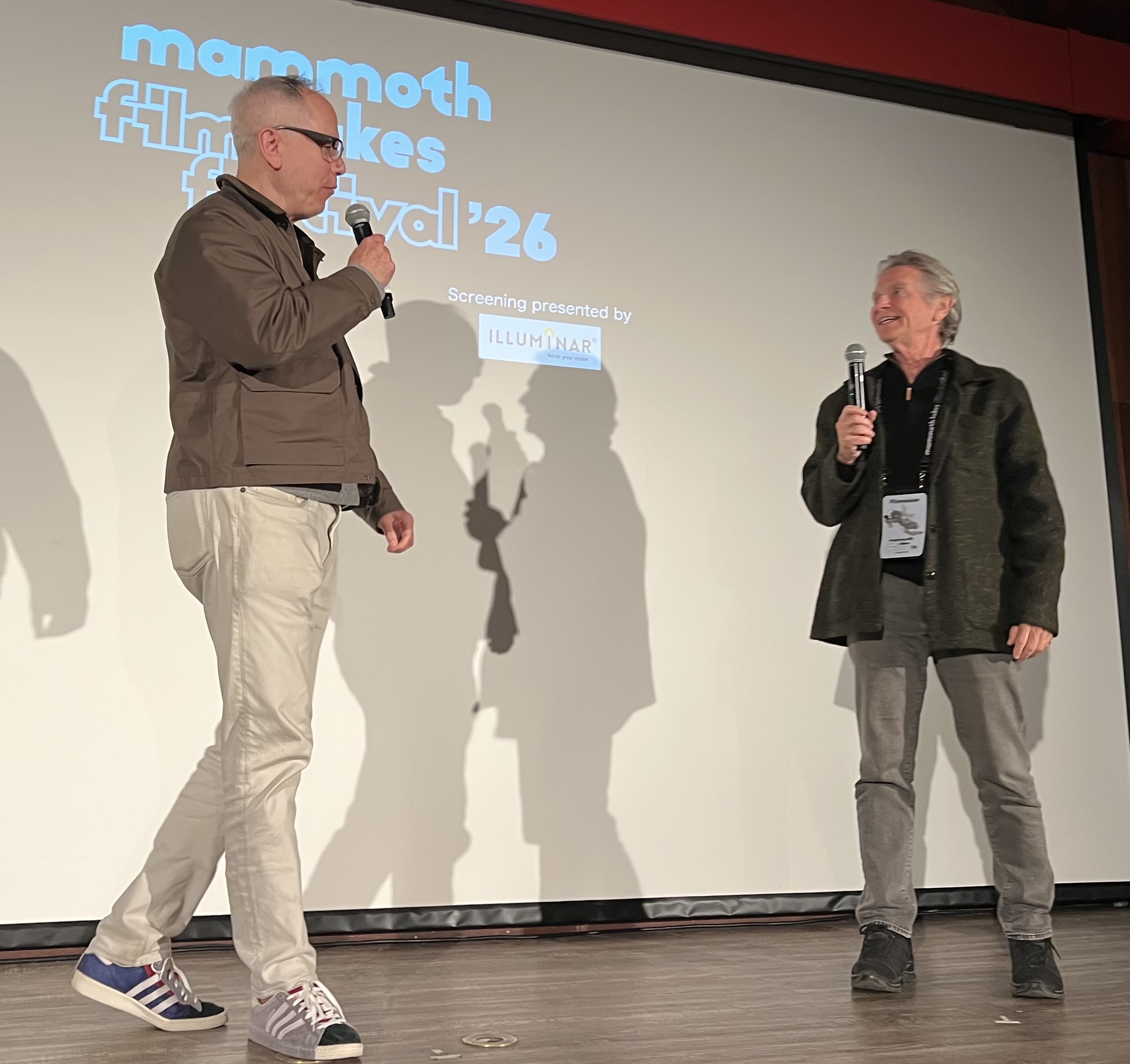
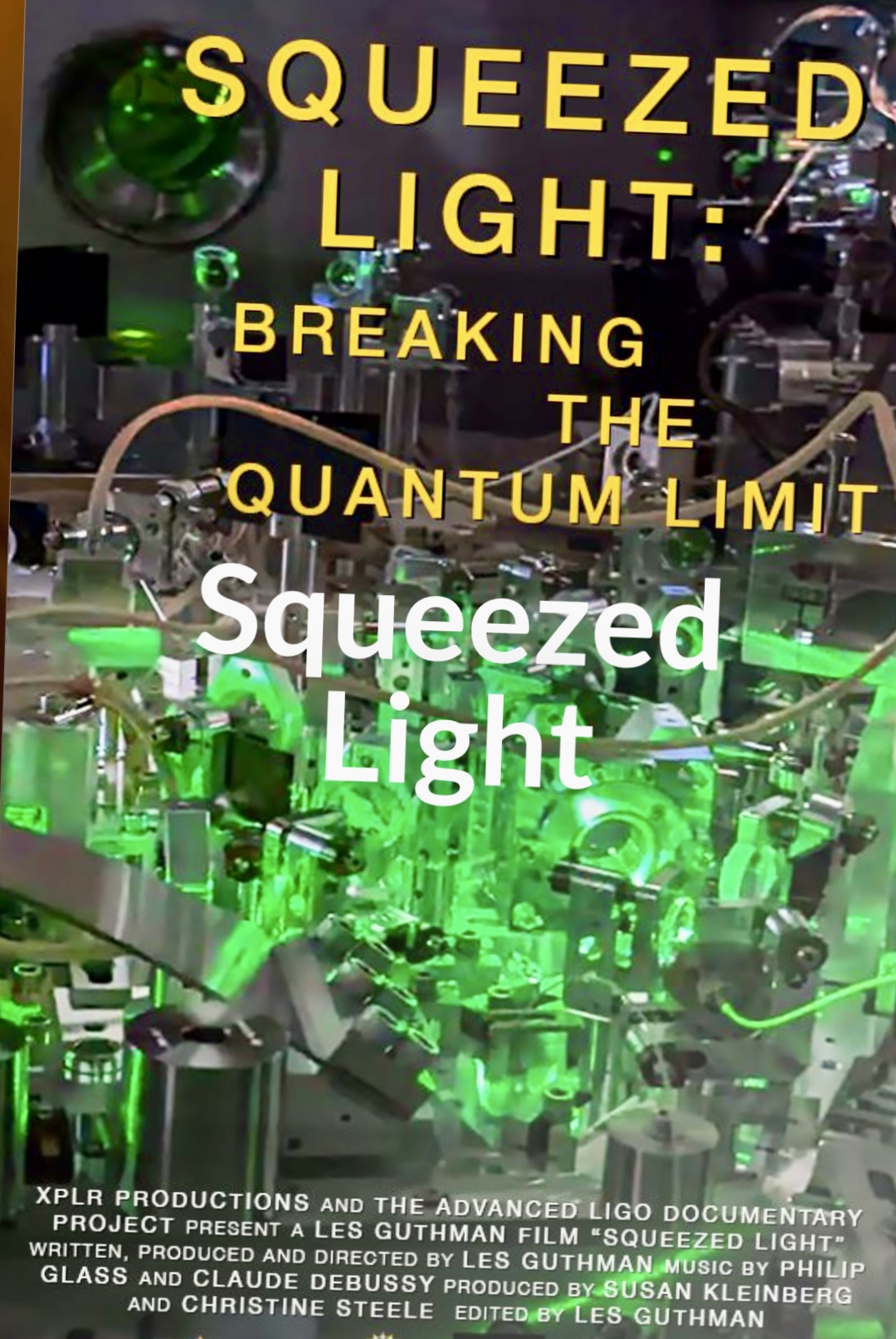
Finally, there’s Squeezed Light from filmmaker Les Guthman. The director looks at the Nobel-winning LIGO Scientific Collaboration’s stunning 2024 breakthrough on squeezing in quantum physics.

Guthman says that “squeezing has been an obsession for me; I have worked on this project for 11 years.”

He notes that in “these anti-science,  and anti women and people of color times, the film is important – showing women and showing science is important.”

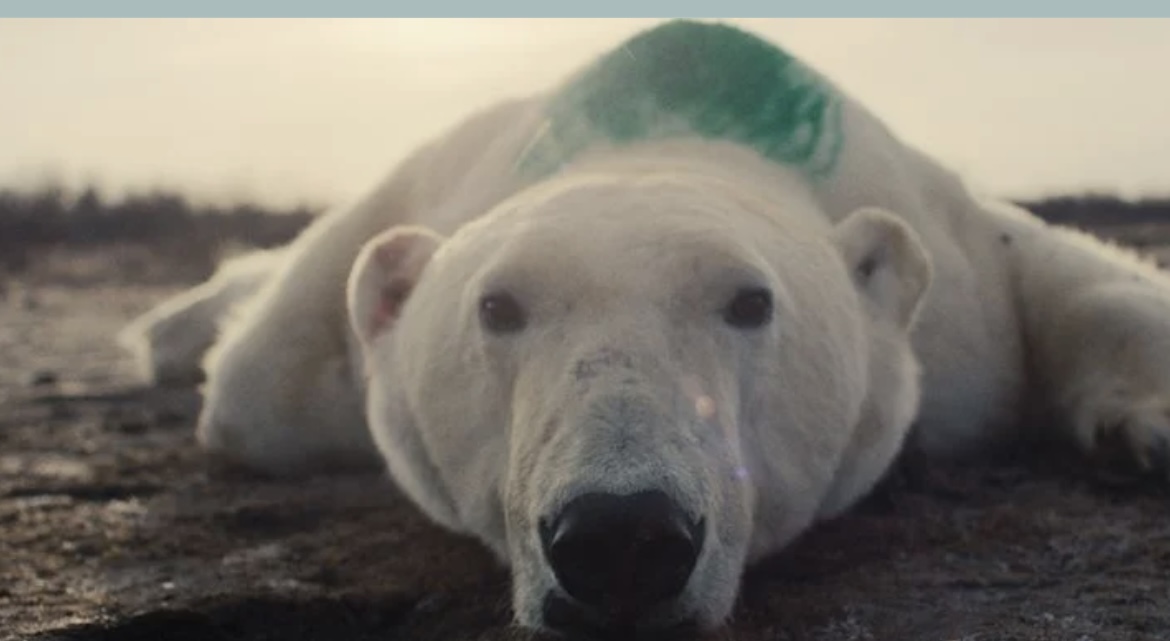
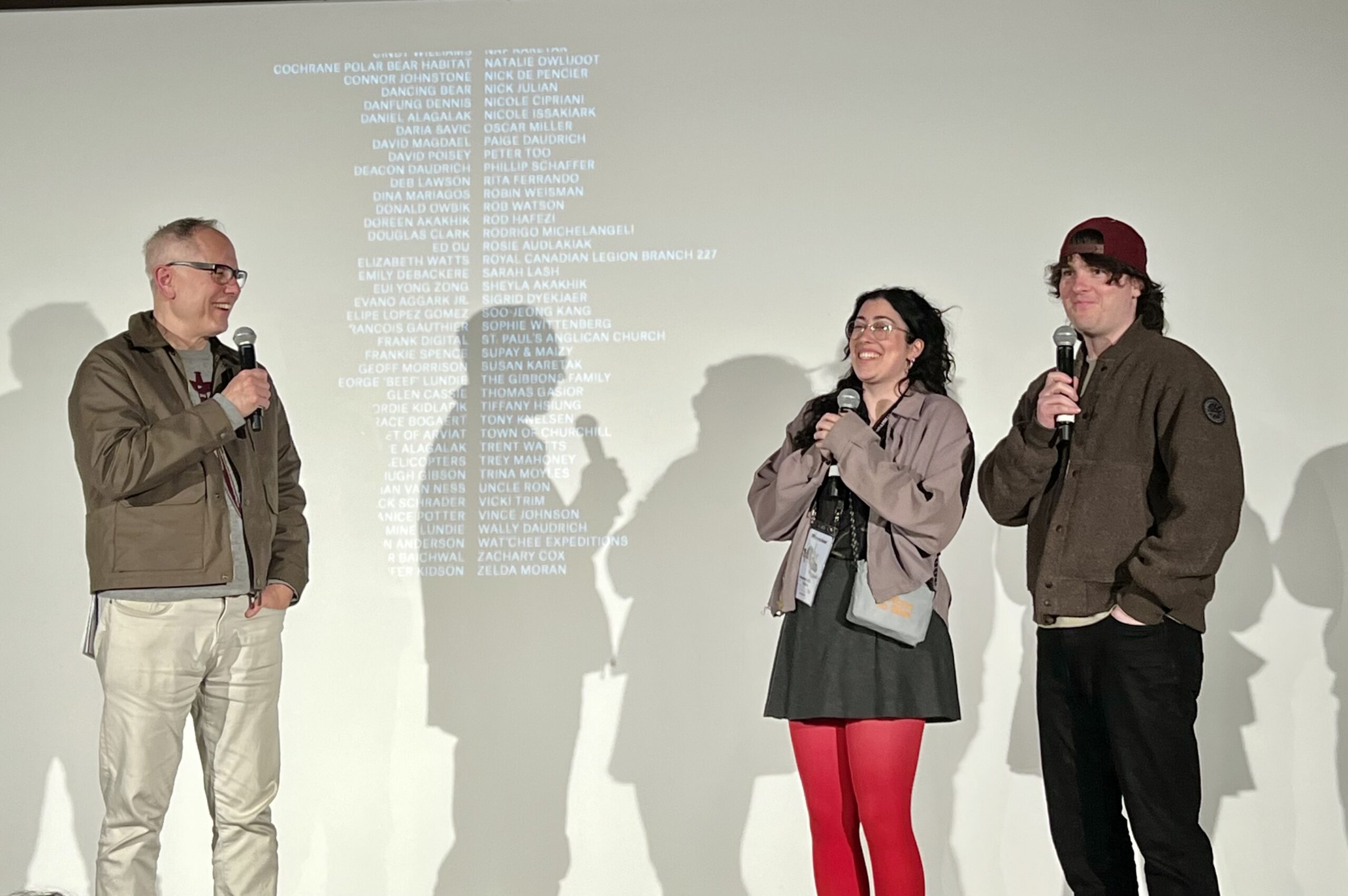
The moving and emotional Nuisance Bear closed the fest with a stunning documentary  about polar bears navigating human life. Filmmakers Jack Wisman & Gabriela Osio. They report that the film was a “ten year investment that felt like a spiritual experience.”

This is a dynamic and stirring film that also explores Inuit life and culture as well as that of the bears.

The evening ended with festival awards – we will be back to cover the winners tomorrow.

  • Genie Davis; photos by Davis and Cheryl Henderson
Super Saturday at Mammoth Lakes Film Festival 2026

Feature film fun was the order of the day at Saturday’s edition of the 2026 Mammoth Lakes Film Festival.

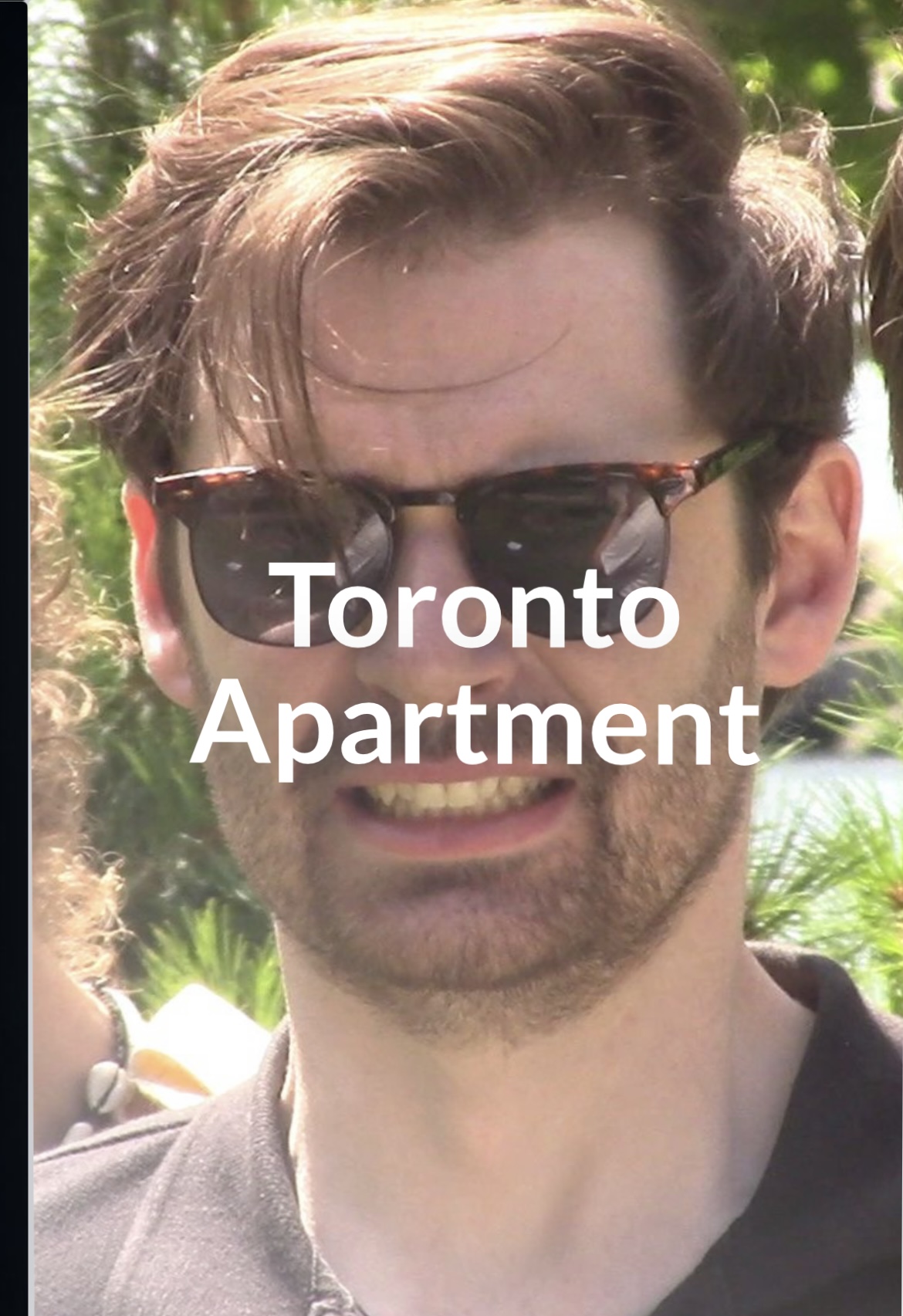
First up was the zany tour de force for filmmaker and actor Tristan Wheeler, Toronto Apartment.

After being left with an apartment he can’t afford anymore, hapless tenant Lock comes up with a plan to sublease his unit for an hour or two at a time, becoming a community meeting space for musicians, dating groups and clandestine terrorist cells, and an attractive opera-singing video artist in need of a green screen.

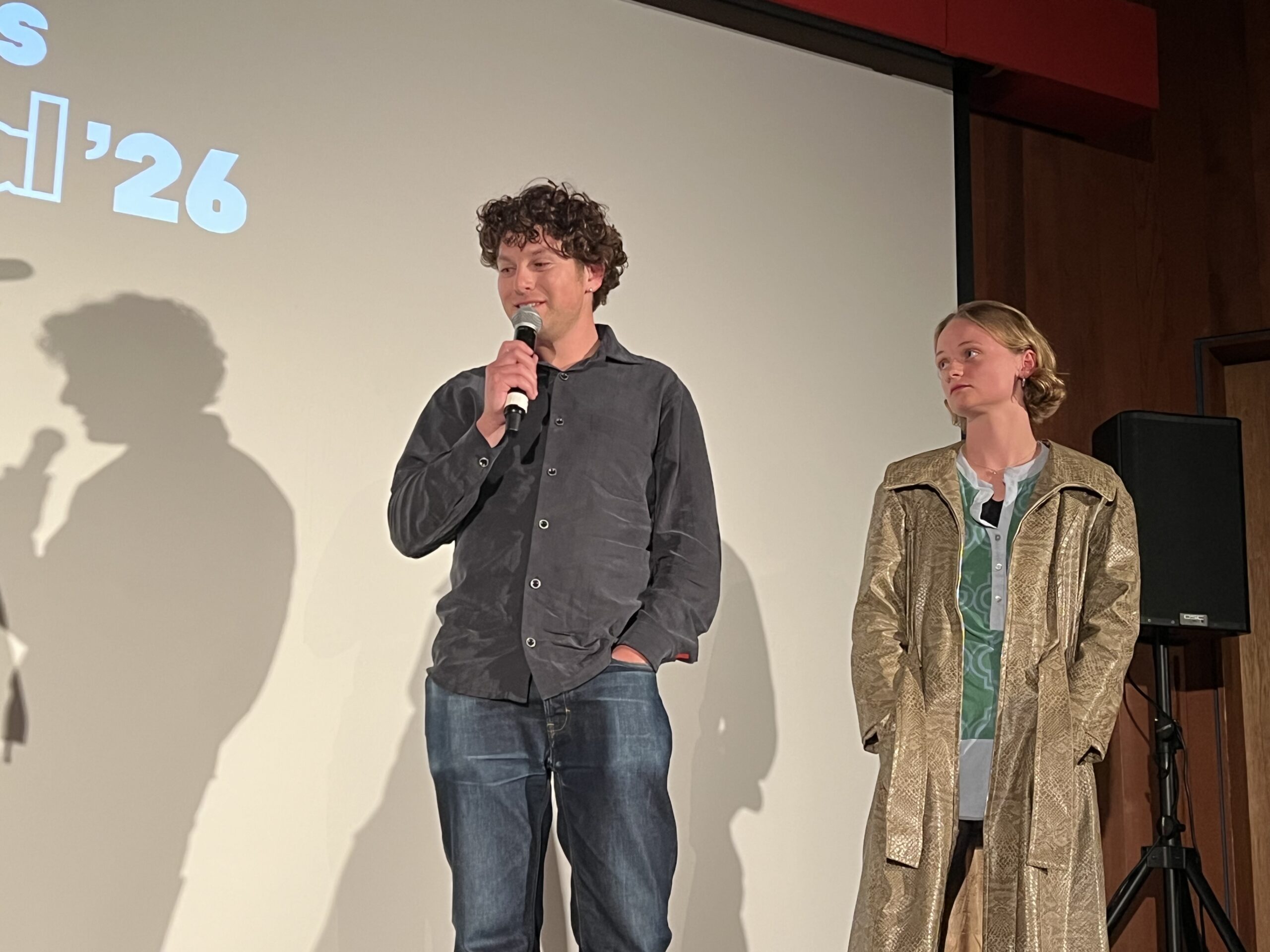
According to Wheeler, the freewheeling film “cost $7000 and was a lot of pressure as the main guy; I had to make sure I was as much on it as I can be in a kind of intense eleven days.”

He was aided by a donated practical effects creator, and a diverse soundtrack created by the filmmaker’s friend, Creative Suites.

“Its a very Canadian movie and a commentary on the housing market with a character who is a heightened version of myself,” Wheeler reports.

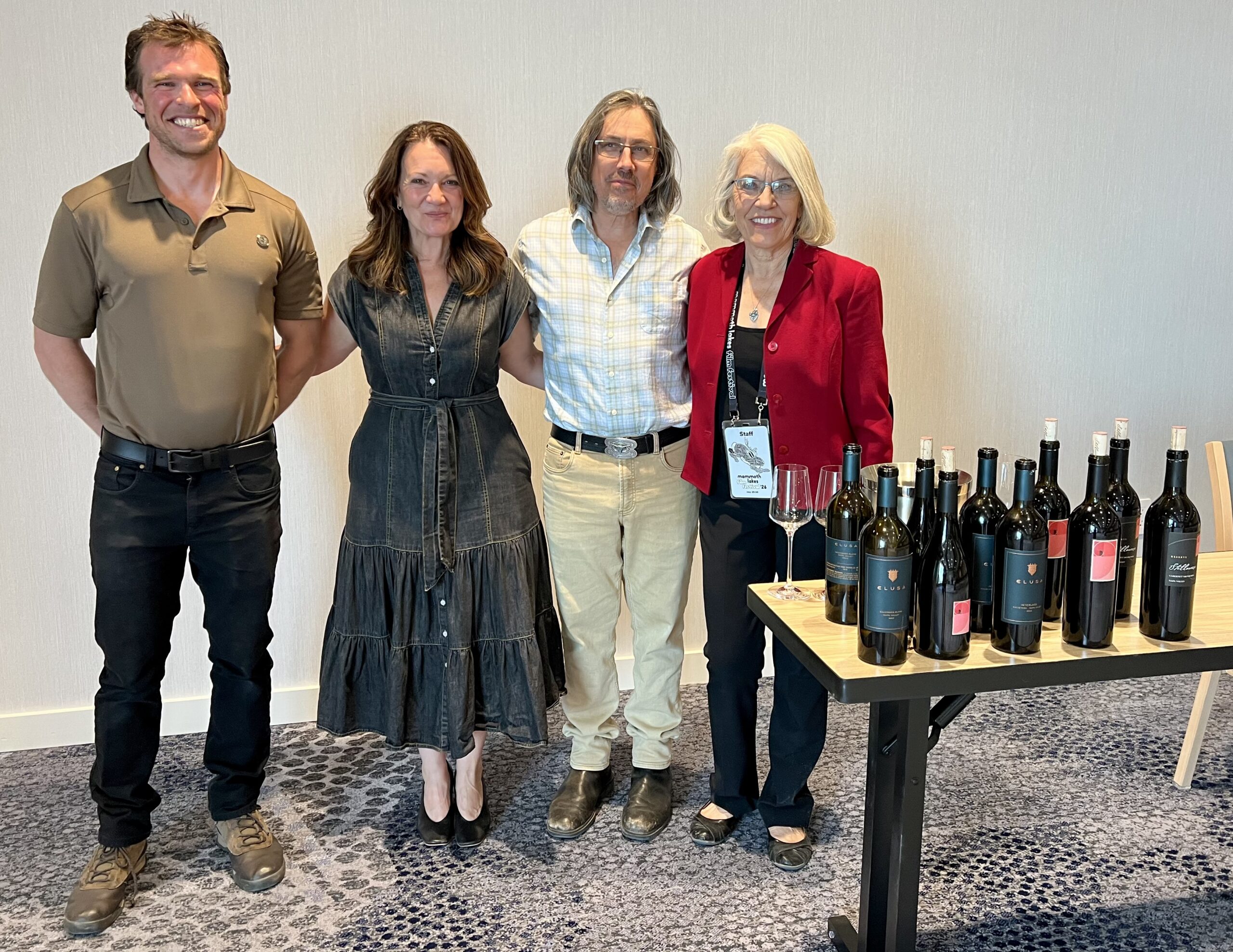
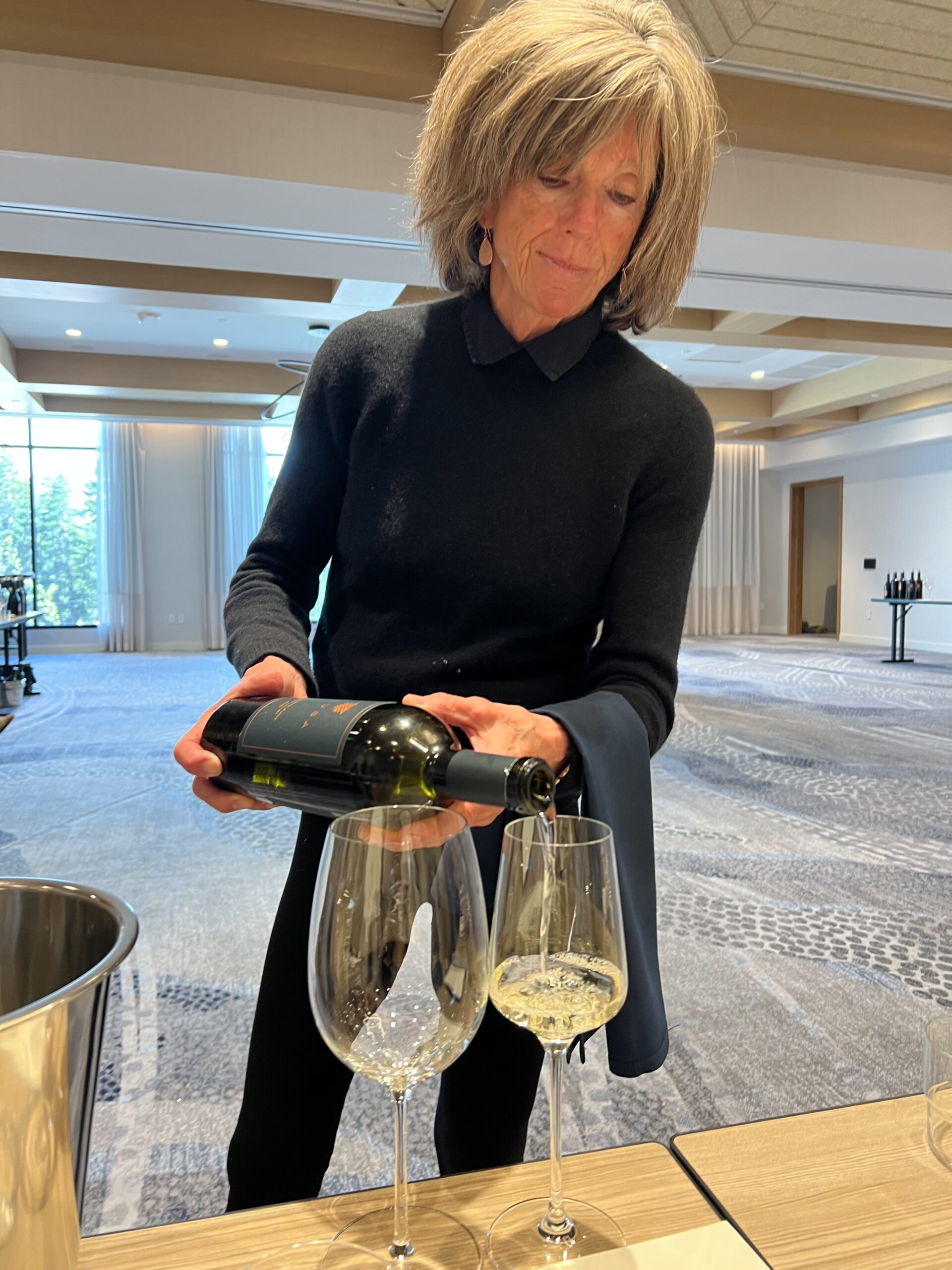
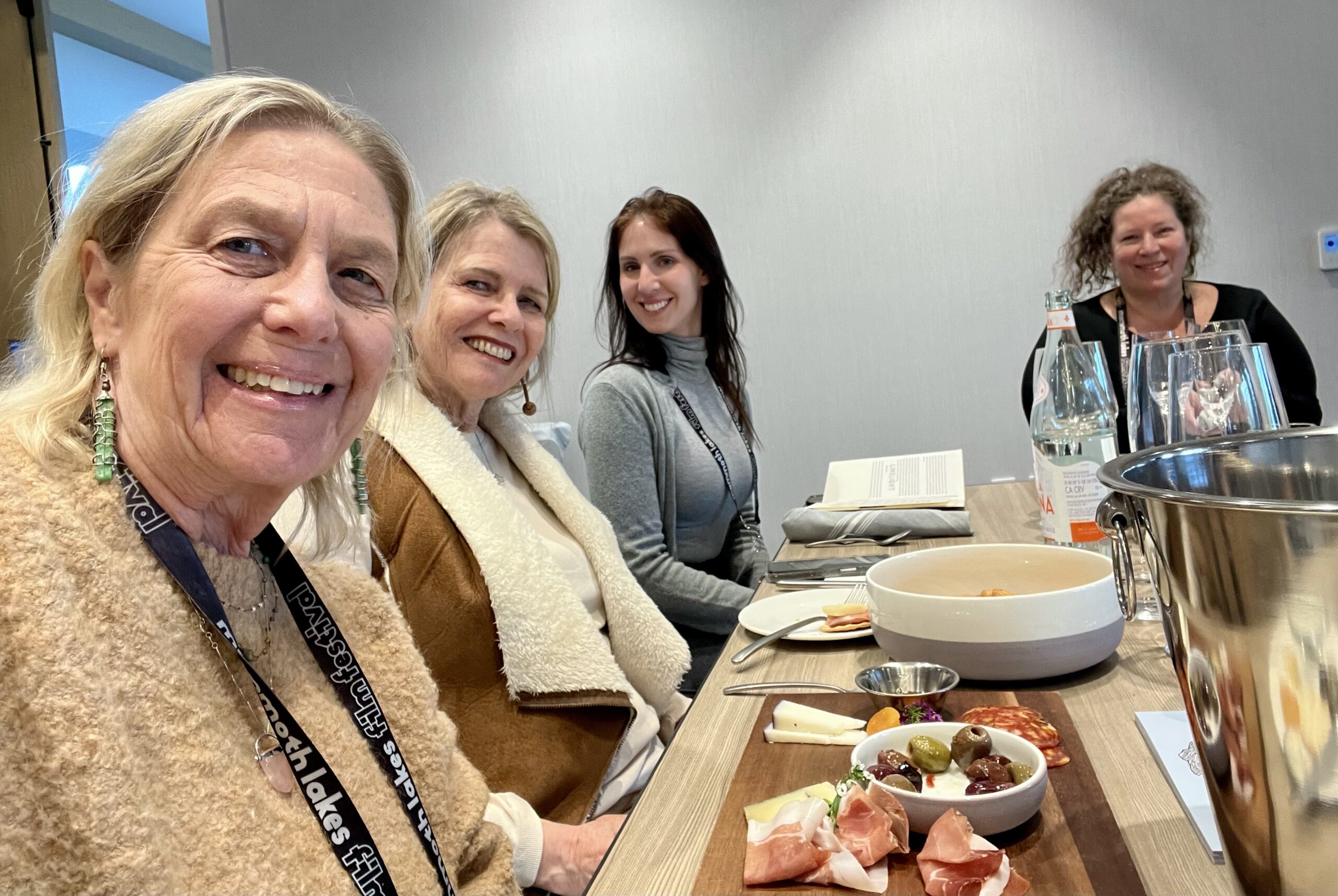
Next up was a first for the fest, a local food and wine tasting, Reel Flavors & Fine Vines with Rachel Stellareese Davies, owner, designer, and vintner of Stellareese Wines.

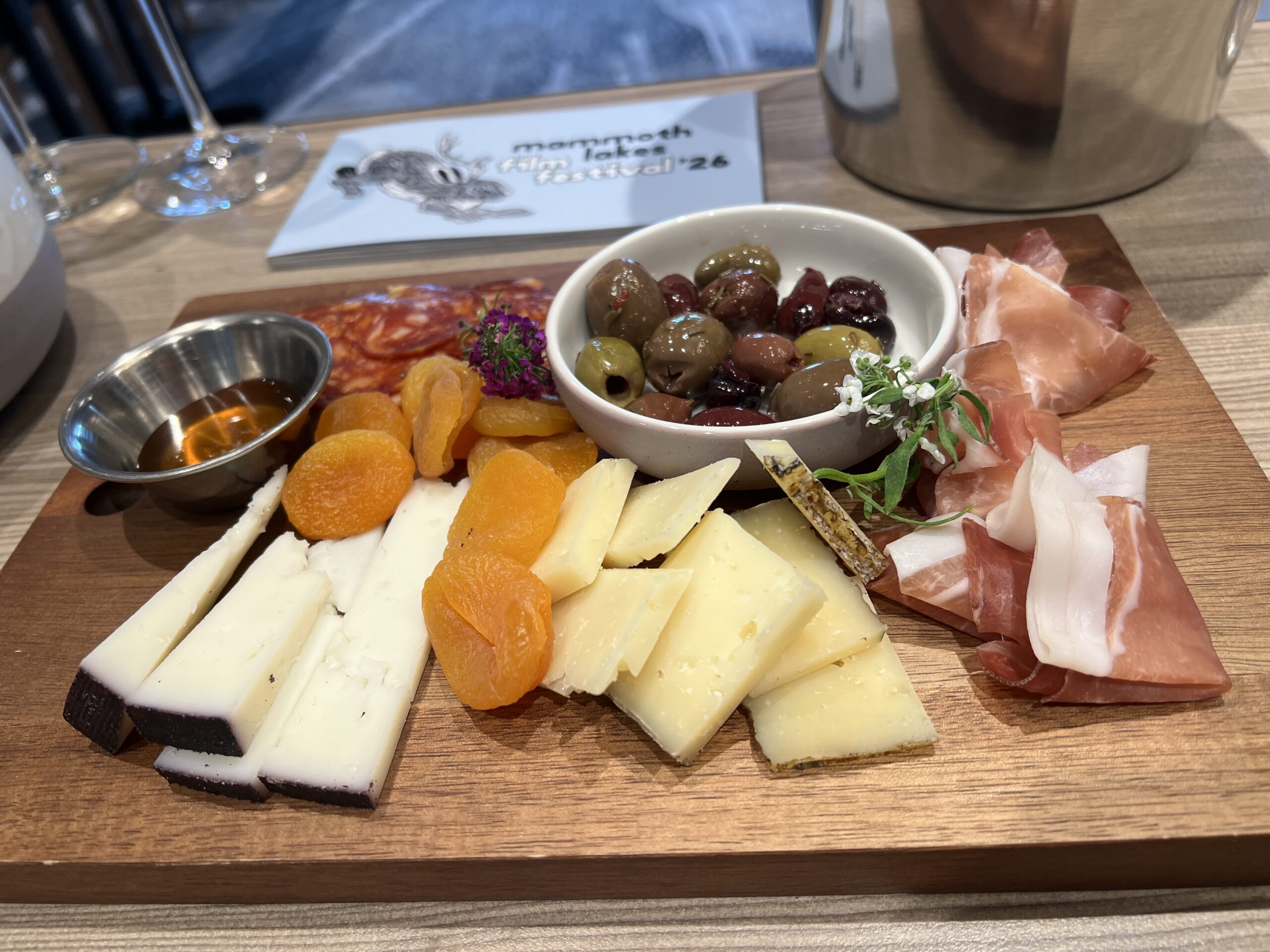
Wine tastings included Sauvignon Blanc, Grenache, and Cabernets,  paired with curated small plates from the chef at Limelight Hotel, a stunning new property with a stellar mountain view.

Food selections included fine cheeses, Wagyu sliders, beet and carrot hummus, and charred octopus.

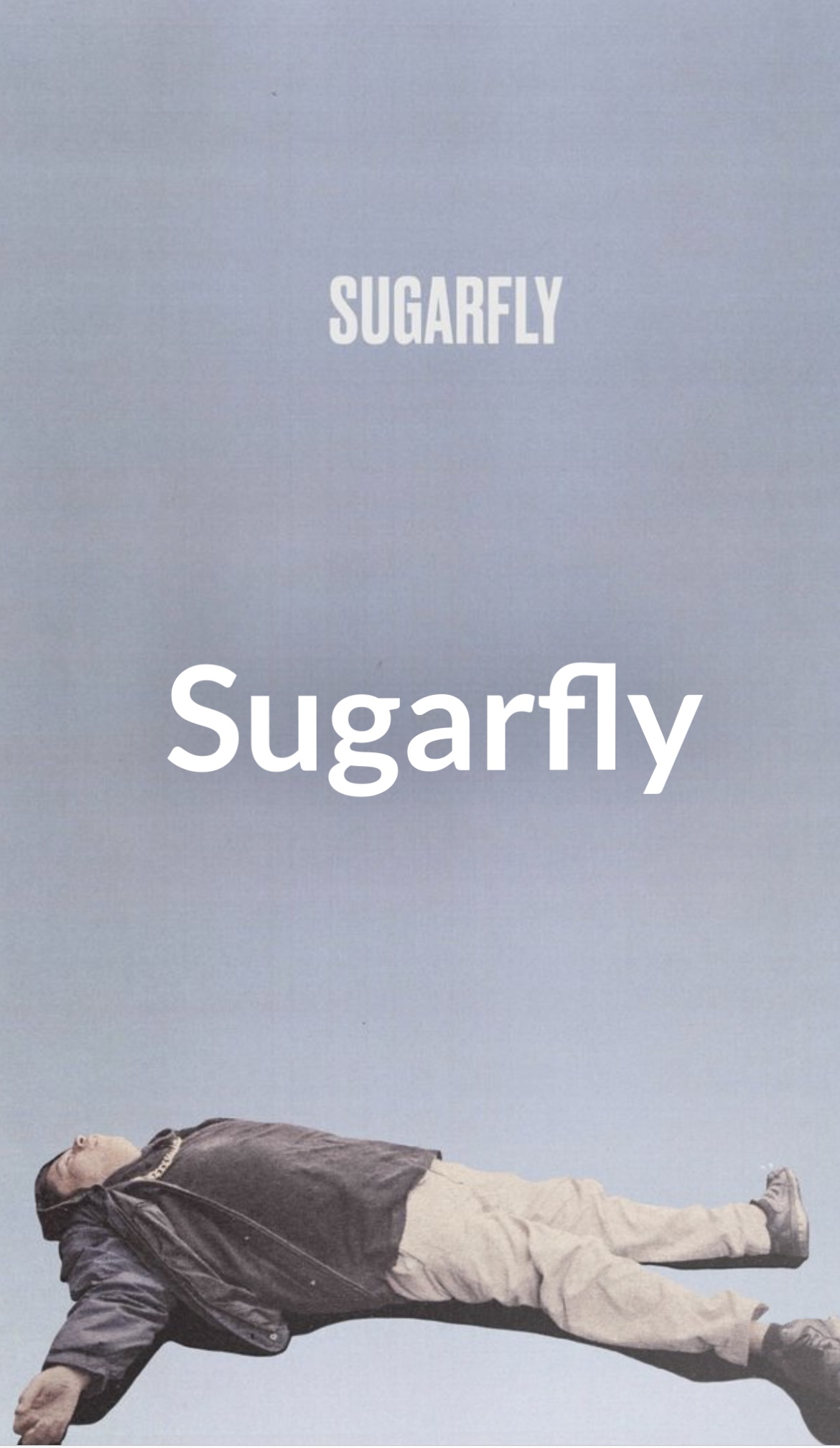
Returning from fine wines to the fine film selection at MLFF, we viewed the intense,deeply moving, and highly personal documentary, Sugarfly.

Filmmaker Max Schoenfeld followed
subjects Skye Thomas and Kenneth “Big Jake” Madsen as they navigate a treacherous path of addiction and mental illness in Seattle.

After a suicide attempt, Skye resolves to get sober, leaning on Big Jake, a longtime addict with rapidly declining health. The failures of the health system that should have been supporting them underscores the difficult family histories of both men and the fragility of their situation.

Schoenfeld creates a haunting, harrowing, and bravely connected conversation between the filmmaker and his subjects, movingly depicting hope and hopelessness, friendship, fear, and the fragility of human life.

Touchingly, Big Jake passed away before the film was completed but asked not to be cut from the film.

Schoenfeld explains that his relationship with the two men was “a tender one…it was very intense. We waited eight to ten months to edit the footage.”

There was some 55 hours of footage to compile, shot over a six month period.

“It’s a film about addiction and mental health, traumatizing situations, and the failures of Skye’s social worker and the overall system” to address these issues.

This is a rewarding, important film about the human lives caught up in pain, addiction, and a system that struggles to keep up much less recognize their stories. Brave and powerful.

Next up for the filmmaker and his incredibly talented editor – now a married team – is a comprehensive look at agriculture in America.

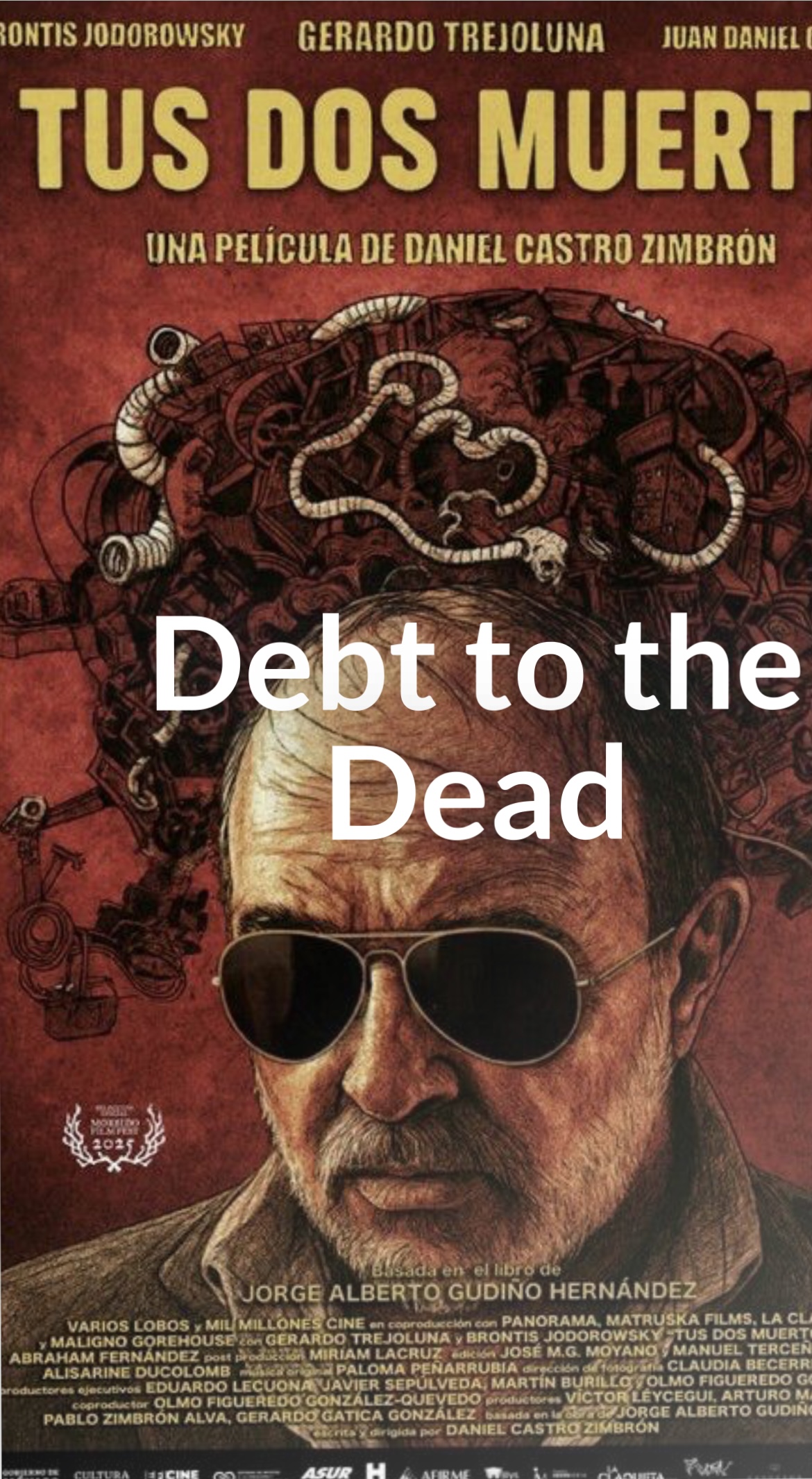
Debt to the Dead is a beautiful noir narrative feature from Mexican director Daniel Castro Zimbróna.

The moody, layered film tells the story of aging, demoted Cipriano Zuzunaga a police officer relegated initially to collecting pay outs for a corrupt department.

But when the son of a prominent congressman is kidnapped, Zuzunaga is assigned to carry out a solitary investigation in a city neighborhood well-known to him and filled  with suspects.

There is a lot to unpack from Zuzunaga’s past to a murdered lover and an estranged daughter in this beautifully woven, dark, and involving film.

Based on a novel of the same name, initially filmmaker Zimbrona felt disconnected from the source material, but after rewriting for the screen “I felt the character had much more connection to me. I made the experience mine.”

The stunning visualization was part of a long-time collaboration with his cinematographer and producer. Shot in 6 weeks on an Alexa 35 mm on a $1.5 million budget, this is an impressive tapestry of a work that “confronts the effects of toxic masculinity” as well as unraveling the story’s central whodunit.

The filmmaker says he was inspired in part by the American film Bad Lieutenant, as well as work by Lars Van Tier.

The film already has distribution in Mexico and is making its U.S. debut here.

Rather than embracing a melodramatic style, the film is artistic, the director explains, as well as richly nuanced.

Next up: Zimbróna is working on documentsry about his grandfather, a contradictory man who was “very saintly externally but violent and abusive in personal life.”

Closing out the day: partying with the filmmakers for karaoke, pizza, and brews at the tasty, convivial Main Street Pizza & Tap.

  • Genie Davis; photos by Davis and Cheryl Henderson