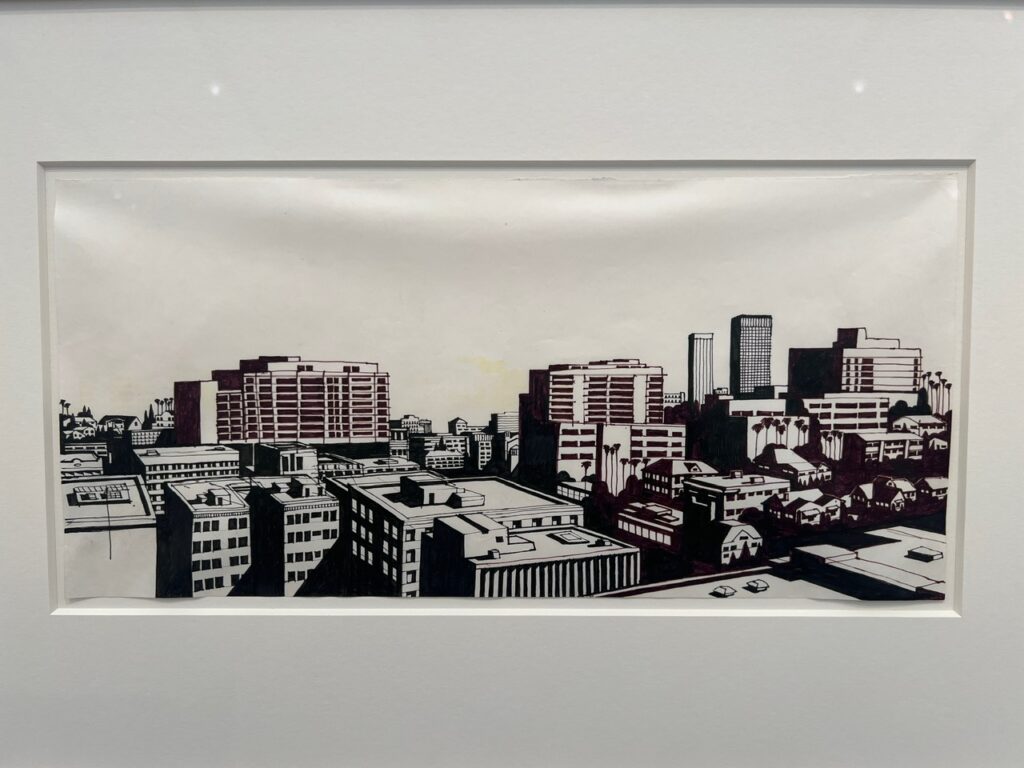
The 29th Edition of the LA Art Show is Set For a Valentine’s Day Debut

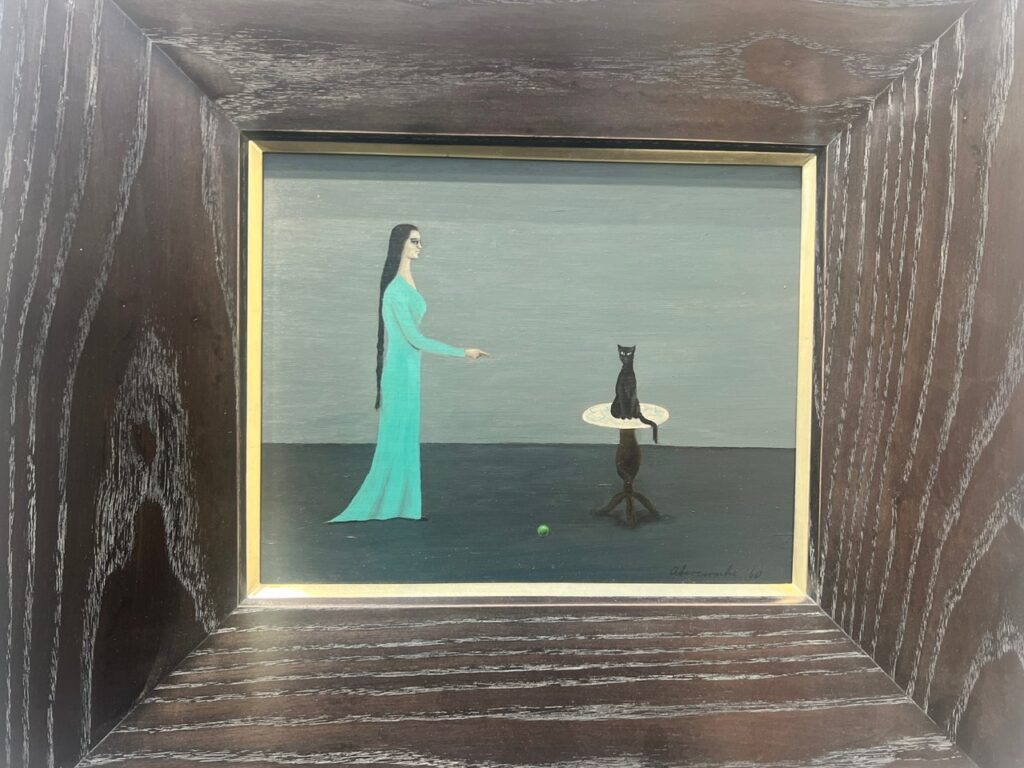
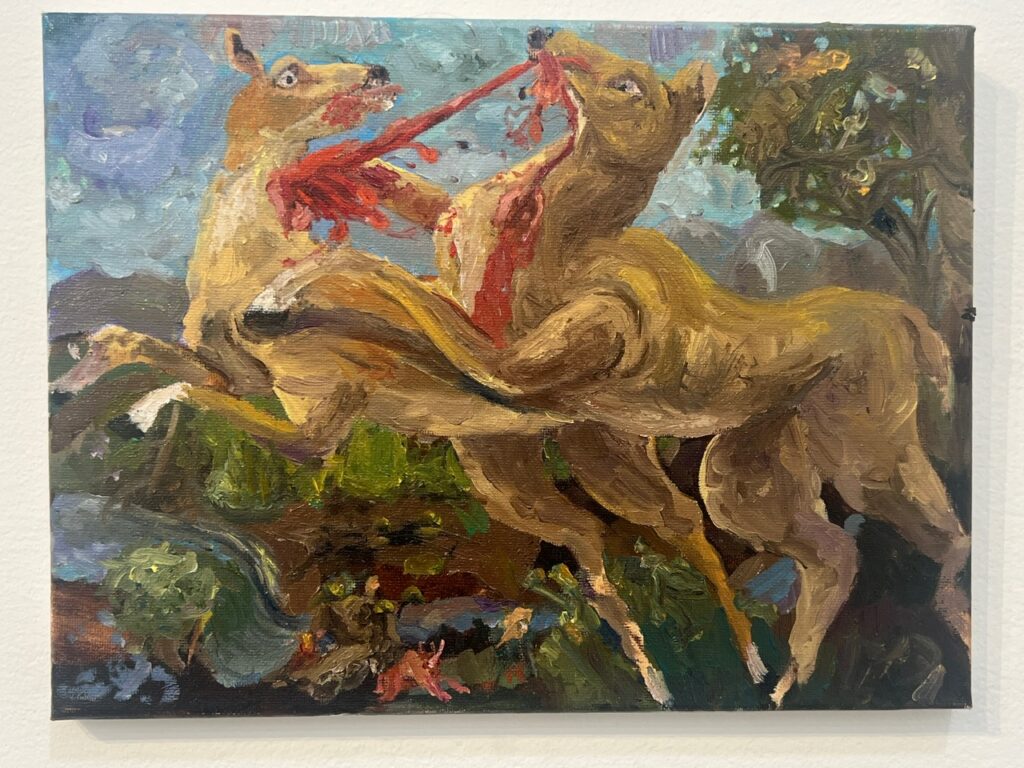
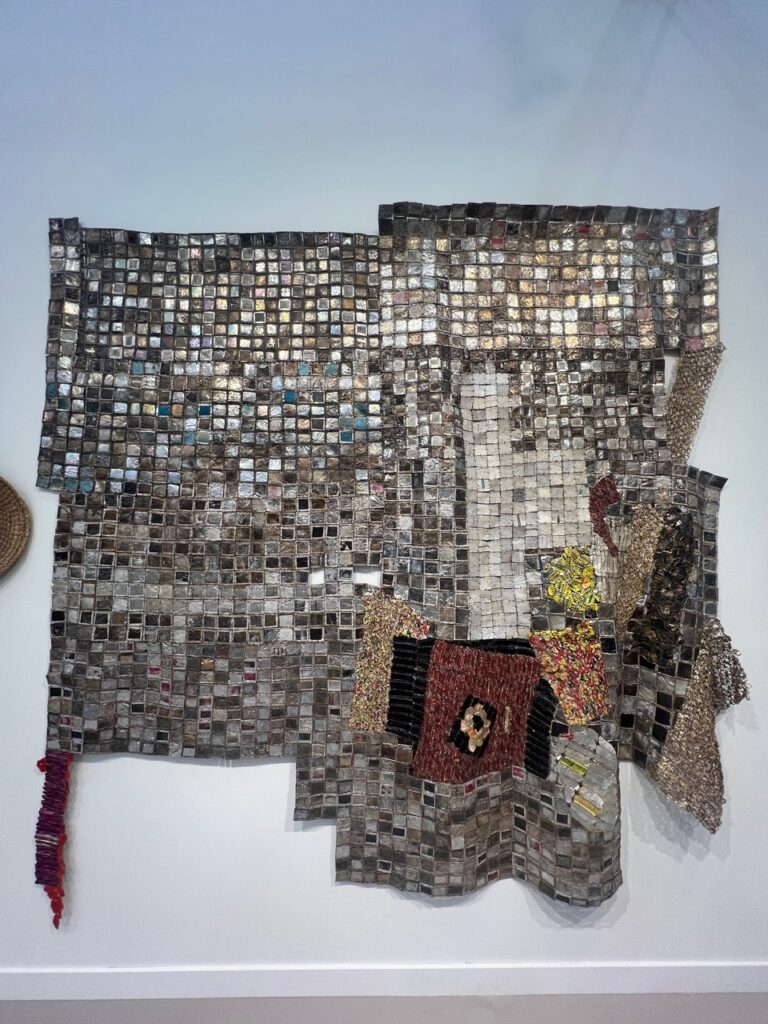
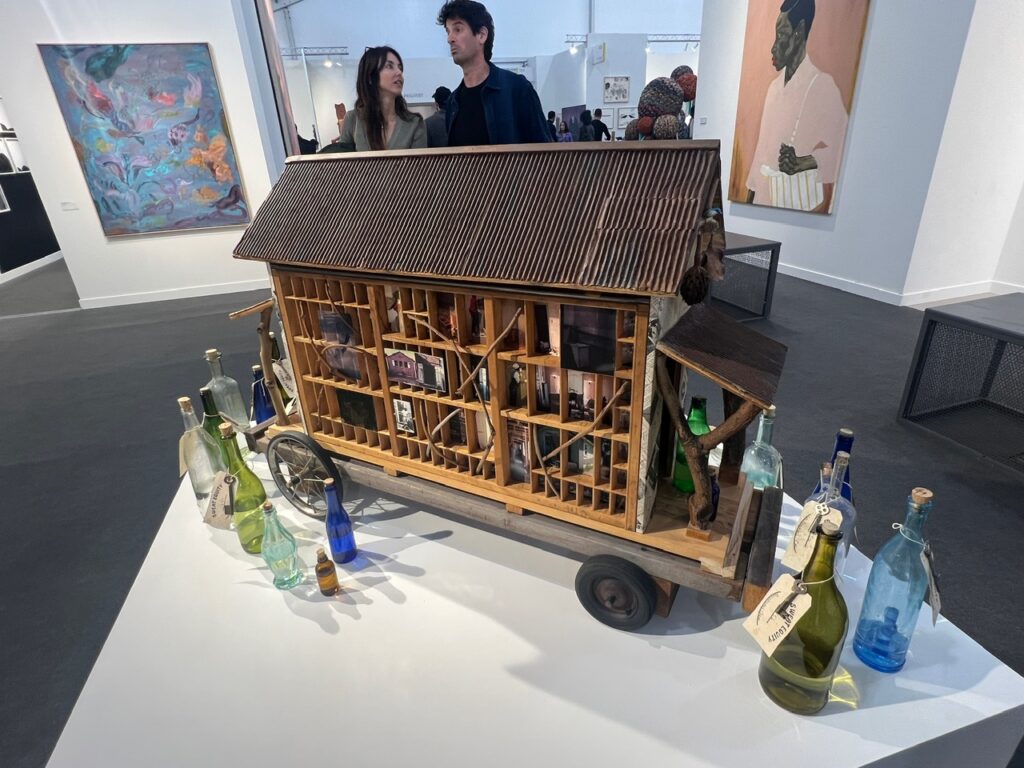
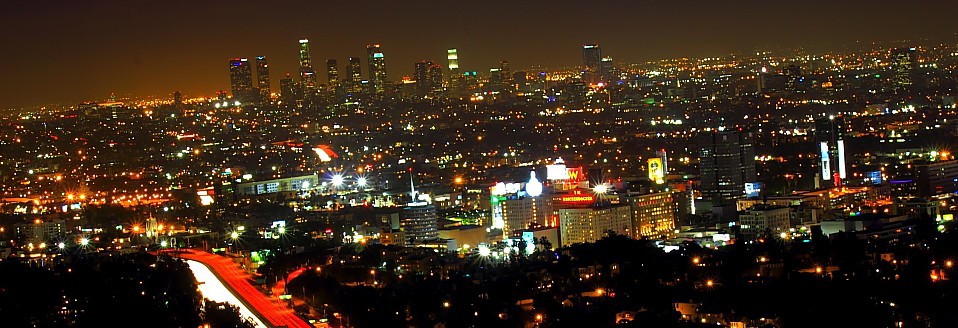
It’s going to be a sweetheart of a Valentine’s Day for art lovers, as the LA Art Show, LA’s largest and longest-running fair, returns to the Los Angeles Convention Center February 14-18, 2024.
The 29th edition will be produced and directed by Kassandra Voyagis, who promises a strong 2024 exhibition. According to Voyagis, the LA Art Show’s mission “is always to deliver the most comprehensive international contemporary art experience imaginable. The 2023 iteration welcomed over 60,000 visitors and 2024 promises another spectacular lineup of exhibiting galleries from around the world…we keep building a bigger and better version every year.”
This year, the show will include many international exhibitors, including those from the Philippines, Italy, Israel, Peru and South Korea, with the shows largest section featuring contemporary artworks from galleries located in LA, the Pacific Rim and around the world.

Among returning presenters, Voyagis cites Arcadia Contemporary, in their 17th year at the LA Art Show, K+Y Contemporary, Licht Feld Gallery, and Markowicz Fine Art along with the gallery’s European partner, Bel Air Fine Art, participating in the show for the first time. She notes other new exhibitors including Cube Gallery and Cynthia Corbett Gallery, and the exhibition’s penchant for women-owned and directed galleries, including the Rebecca Hossack Art Gallery, Daphne Alazraki Fine Art and Cynthia Corbett as well as Melissa Morgan Gallery.

And of course, a major focal point of the show is DIVERSEArtLA, about which Voyagis says “We are excited to continue facilitating this pioneering program…It ignites important dialogue through art and helps to deepen our understanding of what it means to be human.”

Curated by Marisa Caichiolo, DIVERSEartLA connects local and international art institutions to generate thoughtful dialogue through art while also honoring the unique biodiversity of Los Angeles.

Caichiolo says the inspiration behind this year’s DIVERSEartLA platform “explores the complex and evolving relationship between memory, humanity, and AI, and is inspired by the ever-evolving relationship between human cognition and artificial intelligence. As we enter an era of rapid technological change and increasing reliance on artificial intelligence, it is important to consider the role that AI can play in shaping our memory and our sense of humanity.” She adds that “We aim to explore the intersection of these two domains and how they influence contemporary artistic movements and expressions. The theme reflects our commitment to engaging with the profound impact of technology on human memory, identity, experiences, and of course, creativity.”

She wants those interested in attending to note that this year’s exhibition will offer a “thought-provoking exploration of the complex interplay between human memory and artificial intelligence, as interpreted by a diverse group of arts institutions, museums and artists.”

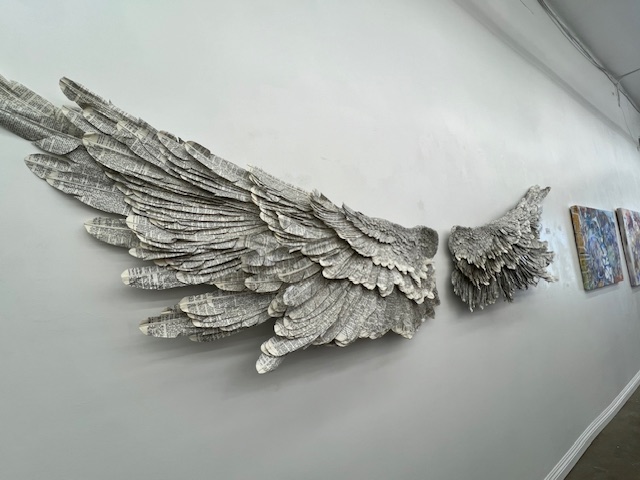
Their work will include installation, immersive video, and large-scale sculptural pieces and textiles. Through it, Caichiolo says, “We seek to prompt reflection on the ways in which AI and human memory intersect and influence one another, offering new perspectives on the nature of creativity, identity, and the evolving human experience in the digital age. From AI-generated artworks to immersive virtual reality experiences that challenge our sense of self, the works in this edition invite us to consider the opportunities and challenges presented by AI and memory. What does it mean to remember in an age of digital memory? How can AI be used to enhance our memory and our understanding of the world? And what are the ethical and social implications of relying on AI as a tool for memory and identity?”

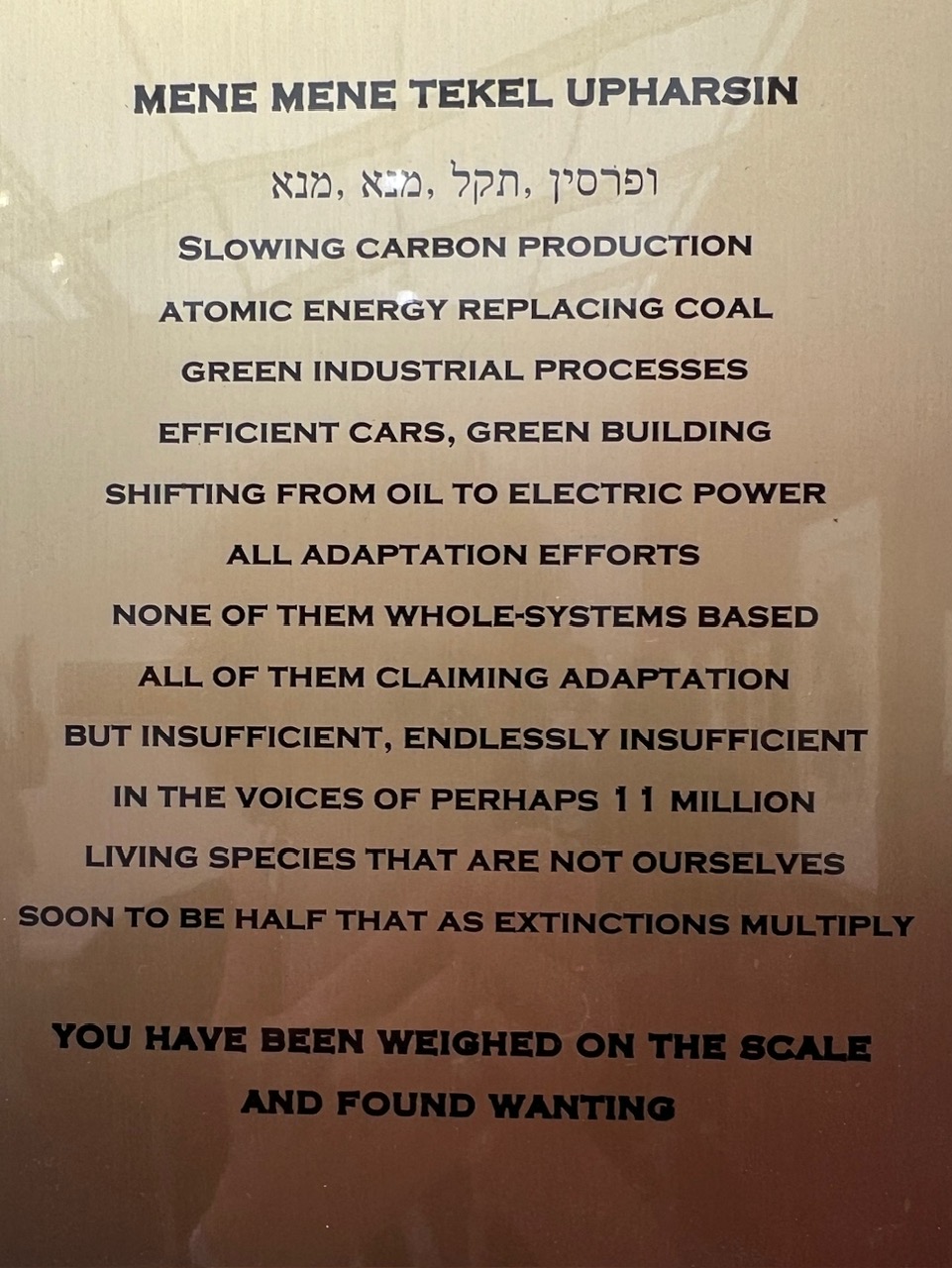
These questions will lead viewers in a new direction from previous DIVERSEartLA iterations. Last year’s featured nine interdisciplinary projects examining the climate crisis, including inspiring works by artist and ecofeminist Judy Baca and renowned Korean artist Han Ho.

This year will be quite different from the focus of the last two years on climate change. The 2024 experience will be a “distinct departure in thematic focus,” according to Caichiolo. “We have intentionally shifted our attention to the dynamic relationship between human memory and AI, presenting an entirely new direction that reflects the evolving landscape of contemporary art and technological influence. We are excited to present this fresh perspective and welcome visitors to engage with the innovative and compelling installations.”

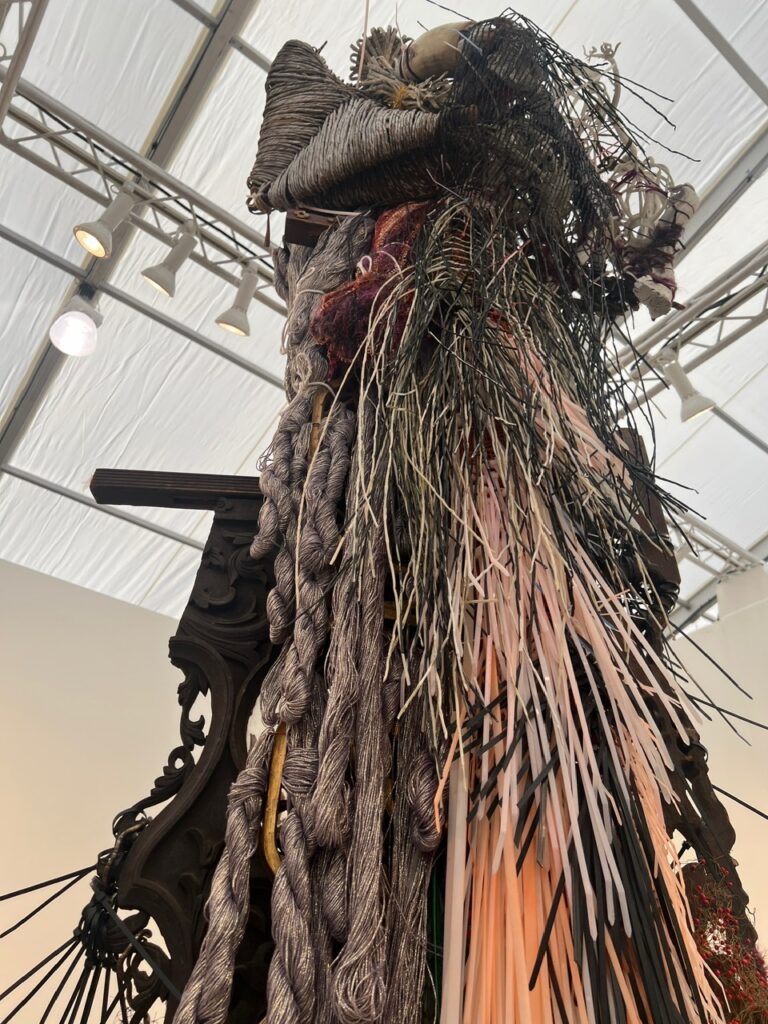
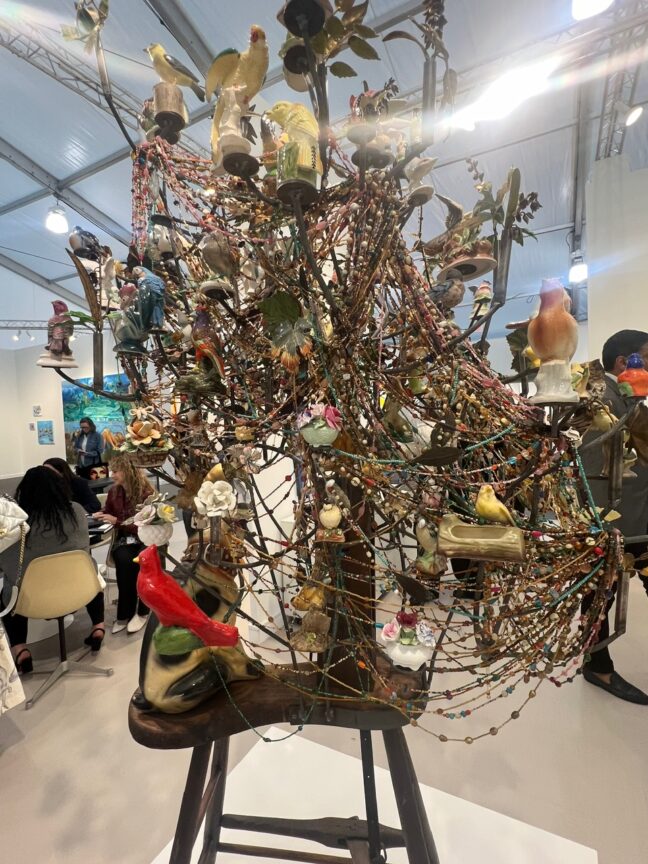
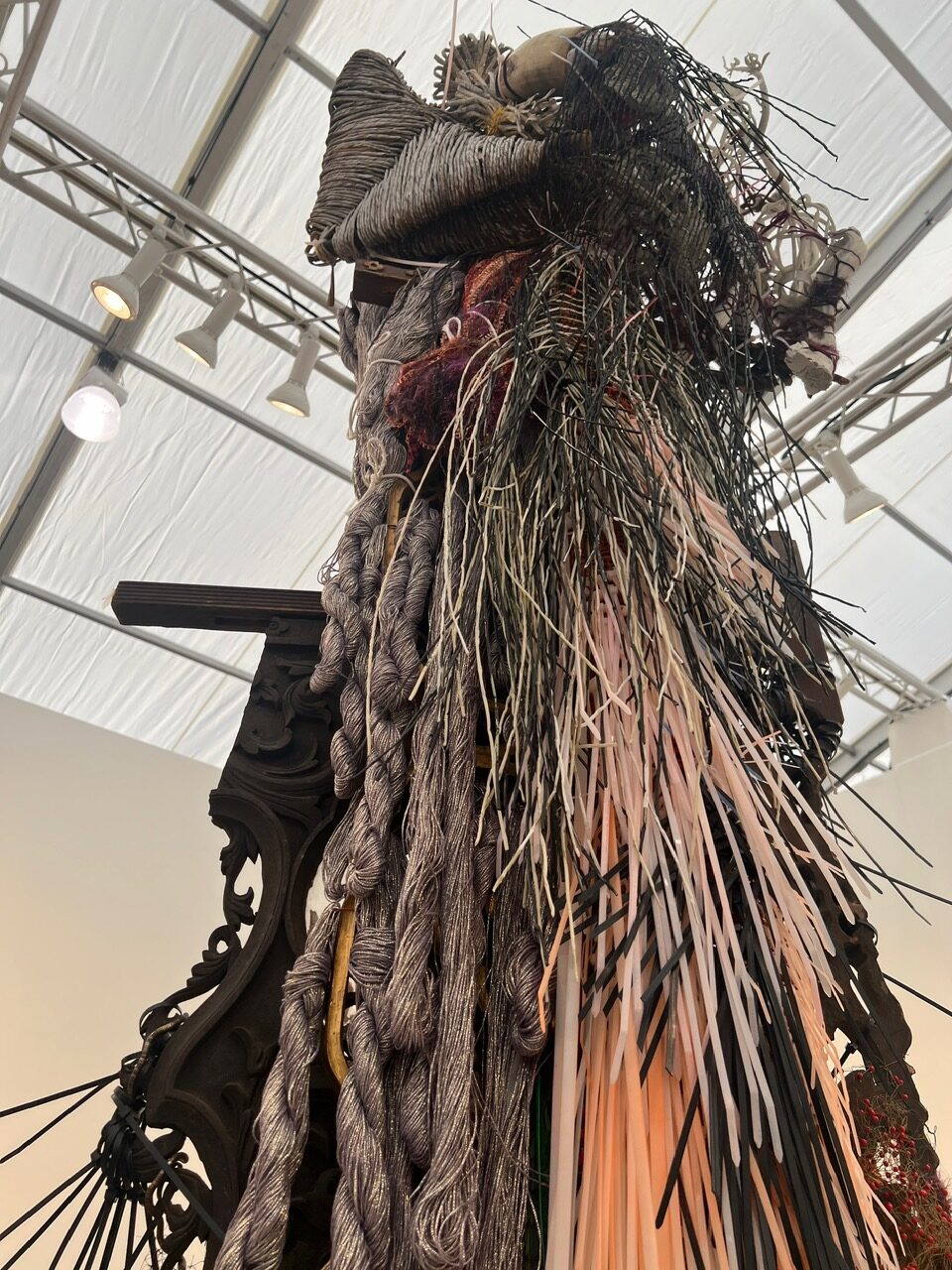
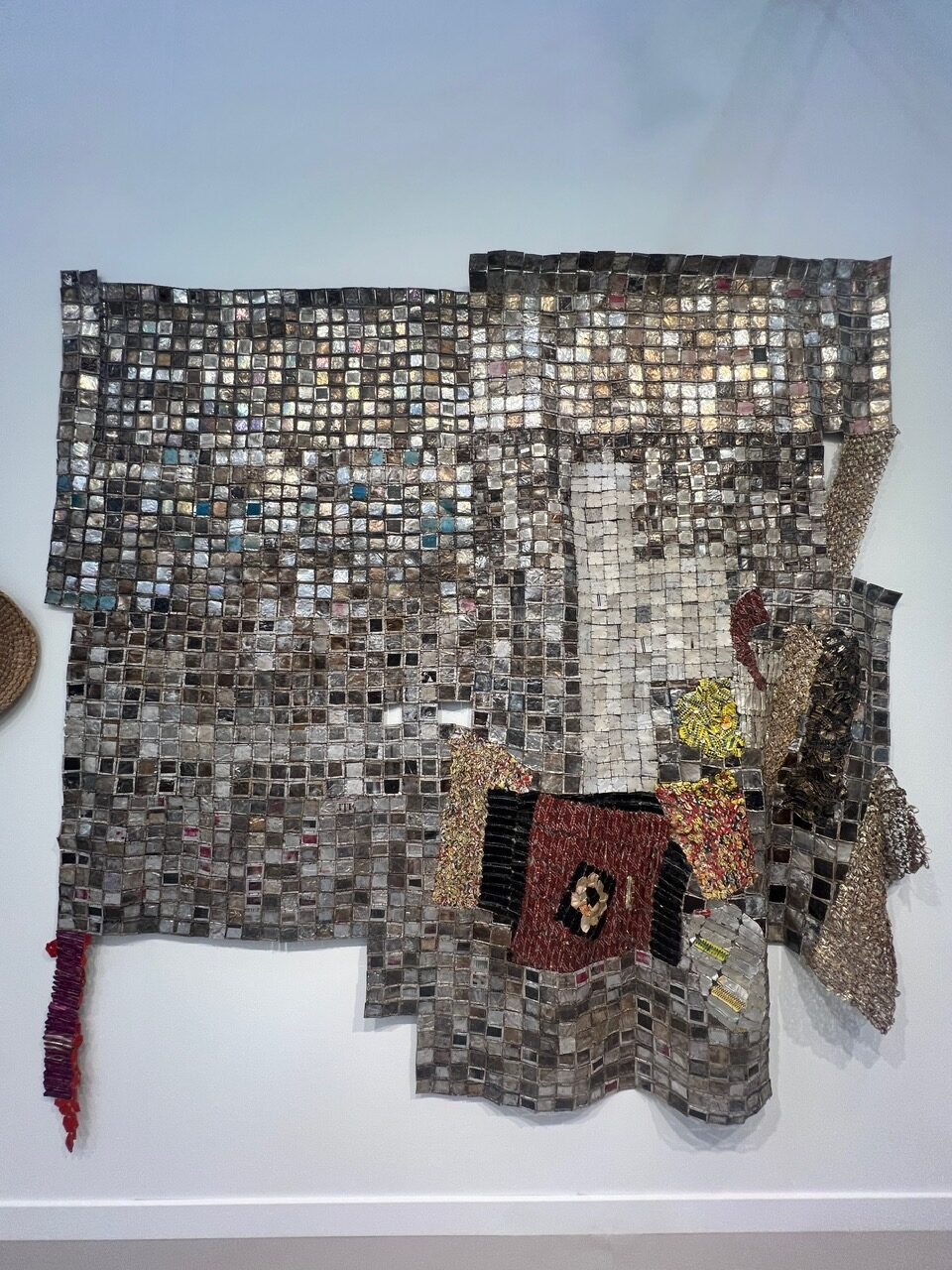
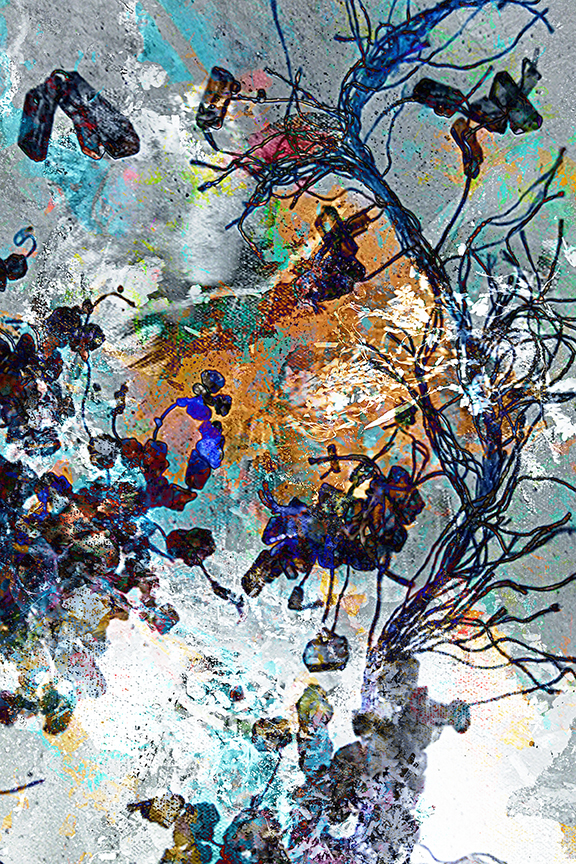
Eight of the world’s top art museums, nonprofits and institutions will present solo projects in DIVERSEartLA, including The Nevada Museum of Art presenting “The Journey” by contemporary artist Guillermo Bert and curated by Vivian Zavataro, an installation featuring a series of 20 highly-detailed, life-sized wood sculptures of actual immigrants employed as frontline workers. Among the other institutions presenting solo projects, The Museum of Contemporary Art in Bogotá will offer “Mythstories” by multimedia artist Carlos Castro Arias and curated by Gustavo Adolfo Ortiz Serrano. Appropriating the style and iconography of medieval tapestry, Castro uses anachronisms and the re-contextualization of found objects to create connections across times and cultures, while experimenting with themes of myth, history, and AI, exploring individual and collective identity.

DIVERSEartLA 2024 is also proud to announce the second edition of the Museum Acquisition Award for Emerging and Mid-Career Artists. The Museum Collection AAL from Santiago, Chile, will select an artist from the LA Art Show to add work to the permanent museum collection.

If all of this isn’t enough to plan your Valentine’s Day weekend around, the LA Art Show is donating 15% of proceeds from every ticket to the life-saving mission of the American Heart Association’s Life is Why™ campaign. The organization is LA Art Show’s new charity beneficiary this year.

You can find more information about attending the LA Art Show here.

  • Genie Davis; photos provided by LA Art Show

Bryan Ida’s Life of Change Reveals a Compelling Journey

Life of Change, a retrospective exhibition of artist Bryan Ida now at the Bakersfield Museum of Art, offers an immersive art journey, the destination still on-going. Ida is a master artist, working in a wide range of mediums and styles throughout the years. As skillful and powerful as this show is, it is just a small sampling of the art Ida has created through multiple mediums and series.

His varied career is packed with treasures, which unfold initially in chronology, blending seamlessly into a mix of works from throughout the latter half of his career so far. As curated by the museum’s Victor Gonzales, the works speak well to each other in terms of palette and detail.

Whether working in oil, acrylic, or ink, on paper, canvas, or panel, Ida’s skill is thrilling to observe, his subjects rich and deep. There are whimsical works – a lively, communicative chicken, a triptych of floating, joyous flowers; cosmic and ethereal abstracts; and urgent, imperative messaging about ecology, culture, and human cruelty and human purpose.

Spreading over the two largest rooms in the spacious, modern museum, Ida’s works lead the viewer through changes of their own, even as they follow the shifts in the artist’s approach and subjects, moving from 1993 to 2023.

Ida’s contemporary art career began with the study of electronic music composition, but his artistic passion shifted to visual art working side by side with abstract expressionist Sam Francis, whose style he emulated during the first five years of painting. He continues to embody Francis’ love of light, color, and movement, even as his work has dramatically morphed to embody so many other approaches and forms.

A California native of Japanese American heritage, Ida’s work is both free floating and meticulous, moving in his most recent works between portraits of people affected by society’s discrimination and ills in mesmerizing, highly detailed black and white, to vivid acrylic works examining the adverse effects of human life on flora and fauna throughout earth’s ecosystem.

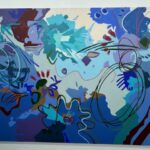
Viewers will experience the circular acrylic on canvas “Untitled” from 1995, in which splashes of color are carefully conjoined by lines, and a mix of fierce deep green, yellow, midnight blue, and bright orange spill together like a mix of autumnal and spring leaves. Switching to oil, a 1996 “Untitled” work is oil on paper, dense and delicate, blues and golds and white married by a weaving of bold, black, almost representational lines (profiles, moons?) and dots and splashes of color in an exploration of his then-new medium that’s sinuous and explosive all at once.

There are abstract works in black and white, too, and smaller, vivid pieces that resemble planetary explosions, a red volcano in a blue sky, or intricate plant life in a green and blue work ribbed with light.

Moving onto Ida’s Renaissance Series in the late 1990s, viewers are treated to works like “Impermanence,” in which layers of paint  glow with luminosity, including a technique the artist created layering a mix of colors to create a black that glows from within like obsidian in sunlight. It’s extremely unusual to see black as a color that’s opalescent, and yet that is what one sees in this piece, which mingles the rich black with blue and orange and gold and green to create an abstract work that holds light the way that stained glass will when sunlight strikes it. The shapes here are almost human, or like the fire spirits one can see dancing in the flames of a campfire.

From the same period, viewers will also experience pieces like “Take Five,” in which river stones are shaded with blues and greens against a black surface, thin paint streaking over them like the water dancing over the rocks that inspired the work.

Ida’s Lights series, from later in this same period, explores techniques such as glazing and layering, varying color to embody a wide range of huges and shadow within each work. “Green Lights 2” is such a piece, and speaks to a dimension beyond our own, and the outer reaches of space and comprehension.

Becoming representational, Ida created worked such as those in his Leaves series of 2001. “Autumn Leaves” is a burnished delicate mix of browns, oranges, and golds against a pale blue reminiscent of a November sky. The oil on canvas work, like each image of Ida’s, contains a translucent, almost ephemeral beauty.

So too does the exhibition’s representation of the artist’s Funny Animals series from the same time – a large scale oil on canvas work titled “Buck Why” gives us a talkative, gold-orange and blue-green chicken with a radiant red comb.

The early 2000s also saw Ida experimenting with cold wax mixed with oil paint, in which this intense perfectionist created astoundingly intricate works such as “Talisman II.” The technique used in this piece involved essentially carving into the painting, sanding the surface, revealing a series of fine lines seemingly impossible to create. It is both woven lace and spider web, but more free of form.

From later in this decade, viewers can take in works such as Ida’s “Generation One,” a vivid blue oil on panel with a grid that looks like a fishing net, with squirming small orange and gold fishes suspended on it, inspired by Ida’s own experiences fishing.

His Cityscapes series (2014-2017) is intensely geometric, using acrylic on panel and thick layers of epoxy, creating glossy and layered futuristic landscapes that pulse with energy, such as “China Basin.”

The artist’s Water series, from the same period, provides an equally layered and geometric view of man’s relation to water, seething with current-like motion.


Ida’s most recent works include those in his Con.text series, ink on panel, black and white works that take the artist’s recreation of minute words to shape the texture and form of full-body portraits. Intimate, even heartbreaking, and uniquely powerful, we see images including “Neighbor,” 2018’s depiction of a Muslim woman who was headed to worship at her mosque. Ida uses the text of Trump’s hateful 2017 tweets to form the image’s shading and textures, a highly personal critique of the cruelty of the words, and the humanity of his subject. This series offers profound work, intuitively passionate. It includes images of Ida’s late brother, “Blaine,” composed of text from the NRA bylaws; his father as originally captured in a Dorothea Lange photograph bound for a “relocation camp” during World War II, and “Mary Jo,” the text of which uses two sources to powerfully comment about a woman’s right to choose.

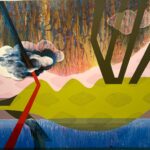
Ida’s other current series, Nature, uses a vivid acrylic palette to depict the relationship between humans and nature. He has animals and landscapes layered within layers, as if a screen of human-making separated our view of the natural world. “Sunset Desire” is an incredible piece, in which we are divided from our view of, in Ida’s own words, “A sunset, a dark forest, the depth of the ocean’s edge” yet we are inextricably linked “there exists a balance and interconnectedness between humanity and nature.”

It’s hard to express the monumental emotional effect Ida’s work creates. While it is fair to say that his work grows more powerful each year even as he shifts subjects and approaches, each image exudes a profound sense of beauty and wonder, a realization of the fragility of the world and its grandeur. Ida is an artist’s artist, working so many hours a day on his detailed Con.Text series that a nerve injury developed in his wrist. Yet the artist has not let that stop him, even as he heals – he has become ambidextrous and continues to create compelling works that drive the eye and piece the heart.

Speaking of driving – make a drive to Bakersfield. The exhibition runs through January 6th, and BMOA is open Tuesday-Saturday 10 a.m. to 4 p.m. An exhibition tour will take place December 16th. This is singular work, and an event to be relished.

  • Genie Davis; Photos by Genie Davis and provided by the artist

Trolls Happily Guide Visitors To South Coast Botanic Garden

Give a hearty welcome to Kamma Can the Trash Troll, Ibbi Pip the Birdhouse Troll and their four friends. Ibbi will even invite you into her playhouse for a walk-through replete with seating, multiple bird houses, and engaging signage, which is where the fun and adventure begins.

Now residing joyfully at South Coast Botanic Garden on the Palos Verdes Peninsula, these immense, impressive, and super fun sculptures have taken up a temporary residence through mid-January at the garden. Created by Thomas Dambro with the message of “Save the Humans,” these trolls are spreading a lovely theme of sustainability, the preservation of nature, and gentle guidance.

The mammoth folklore-inspired sculptures are made from reclaimed materials, and the six delightful figures stand at a variety of locations throughout the garden’s 87-acres. Their mission: help humans save themselves and their world.

The story behind the exhibited Trolls sculptures relates that “hundreds of trolls came together at “Trolliefolkyfest” to discuss their favorite topic – us . While they know we mean well, we keep failing them by making questionable choices, like cutting down forests, emptying rivers, and putting humans – and them – in danger. While most of the trolls think we are past saving, these SIX think they can help us.”

Certainly their beautifully crafted faces speak of wisdom and love, their big hands must match their big art-hearts.

Dambo is undoubtedly the world’s leading recycle artist. Before he created these figures and other larger-than-life sculptures, his career ranged from music to street art and scenic design. With a master’s degree from the Kolding Design School, the internationally-renowned artist created the Trolls from recycled wood. There are 87 such figures on exhibit globally from Denmark to South Korea, and of course, here in the U.S. Dambro’s vision is to create inspiring art that demonstrates trash can be used to create beauty – and spread a message of environmental rescue.

Along with the trolls themselves, Dambro’s exhibition at South Coast Botanic Garden includes colorful wooden birdhouses, which also play a key role in his work. In fact, the artist has birdhouses placed throughout Denmark. The birdhouse troll, Ibbi Pip is said to speak to humans via birdhouses using them to bring animals close to us and encourage human compassion, according to exhibition media.

This is a truly wonderful, charming, innovative exhibition that deserves to be seen as art, and for its message. Add to that the allure of strolling through the gardens themselves in the wintery sunlight, and this is a perfect afternoon adventure for all ages – so bring any kids along, too.

The exhibition runs through January 14, and is included with garden admission. South Coast Botanic Garden, the world’s first to be built atop a former landfill, was dedicated as a garden in 1960.

It’s located at 25300 Crenshaw Blvd in South Torrance, on the Palos Verdes Peninsula. Tickets which are $15 for adults, $11 for seniors, and $5 for kids 5-12, can be purchased here. 

  • Genie Davis; photos by Genie Davis


Kerrie Smith Provides Fabulous Fecund Beauty with Flora Ficciones and More At Gallery 825

The immersive experience of Kerrie Smith’s work in Portals and Pathways, at LAAA’s 825 Gallery through December 1st, is one that is both delicately beautiful and intimate.

The exhibition takes viewers on a journey inspired by Smith’s own daily walks along More Mesa in Santa Barbara. It’s a literal and emotional garden of delights that stretches from floor to ceiling with gauzily floating banners forming a kind of forest, printed with images of Smith’s paintings and sheer fabric with the lovely words of the artist’s own poetry.

The poetry was imprinted using hand-stamped wooden blocks that Smith carved. Both hanging, and positioned like small pools of nature on the floor, circular photographic images of the More Mesa’s wildlife and plants offer a joyous glimpse into Smith’s inspiration. Adding to the immersive quality of the viewing experience is an audio component recorded by the artist, providing the sounds of chittering animals and birds, wind, and ocean waves.

The artist says she’s inspired by “California light and the interaction of color,” and that she has a “passion for patterns in nature.” In her exhibited poetry she describes the nature around her – birds, butterflies, flowers, as containing a “quiet joy” that brings them “contentment and peace within their worlds.” These words could also describe the sensation of viewing her paintings.

Entering the gallery, it’s immediately striking how beautifully Smith captures the natural light she loves. The banners, interspersed with small, circular hanging discs that depict her photographs of nature, as well as the artist’s portal-like circular photographs on the floor of mandala-like stones, sand, and grasses, all contribute to a sense of the ethereal. Texturally, of course, the banners are “floating” from the ceiling; sunlight spills in the gallery windows. But like a fine cut-glass prism or natural gemstone, the light is refracted in and reflected through, Smith’s art.

“More Mesa,” she writes on one banner, “There is so much happening it could be called a field of dreams. It always surpasses our imagination.”

As beautiful as this experience is, it’s only the start. Smith’s artworks, a mix of circular and more conventional shapes, offers viewers a vivid palette and a details delicate brush, as she literally pulls the eye and heart into plants and flowers. The work is both sensual and magical, a lush combination that evokes the Eden that Smith has found near her home of 28 years through the prism of her brush.

In short, her paintings bring the mesa she loves so much to vibrant life, as she records and experiences them on her walks in nature.

Smith’s 24-inch circular wood panel, “Bellum Natura,” deftly blends acrylic and mixed media with gold leaf, the latter heightening the sense of the preciousness of the flora. Here, a vivid purple flower is the centerpiece of a swirl of greens and golds, with lines and shadows that evoke the sea-close location.

From the same series, her Flora Ficciones, comes the acrylic painting “Deena Dallancia Desconsita,” a dazzling pink and yellow sea plant surrounded by dark yet radiant blue water and nearly translucent pale green fronds of sea lettuce.

A combination of acrylic with mixed media, “Clytie Girasol Galaxis” is a glorious rust orange flower with a purple and gold center, surrounded by yellow/green blossoms, and what resembles floating orbs of yellow light, or a magnified seed pod, carried by air. A similar flower, but this image a startlingly deep pink, is aswirl on circular wood panel in “Carpos Medea.”

The titles of each piece are derived from the ancient Greek – for example, Clytie means glorious. They also recall Greek myths. Clytie was a water nymph who fell in love with Apollo, keeping her eyes always upon him as he moved through the sky. She was transformed and became a sunflower, always turning toward the glowing sun.

Each of these works are special, both for their color and depth, and for their luminous beauty. These paintings are Smith’s true poems and tributes to the nature she loves, a reverent tribute, to the earth we so often fail to appreciate – but which Smith cares about and for quite deeply.

If you can’t see this special show in person, visit many of her images online . Smith will also have one of her Flora Ficciones “Calendula Asterales,”  as part of the Sullivan Gross Gallery’s annual holiday exhibition starting December 4th, with a reception on the 7th. Sullivan Gross is located in Santa Barbara.

  • Genie Davis; images provided by gallery, artist, and by Genie Davis