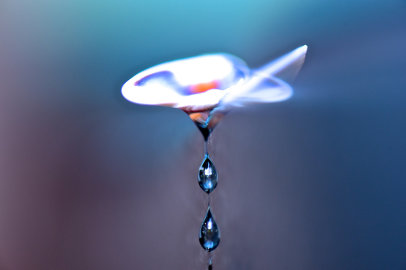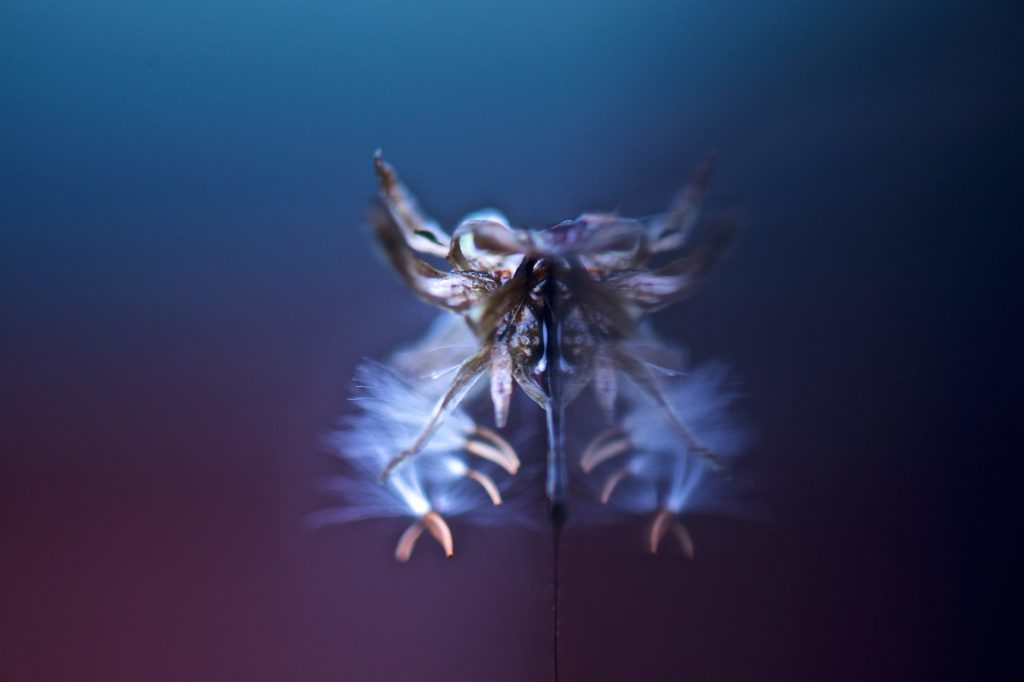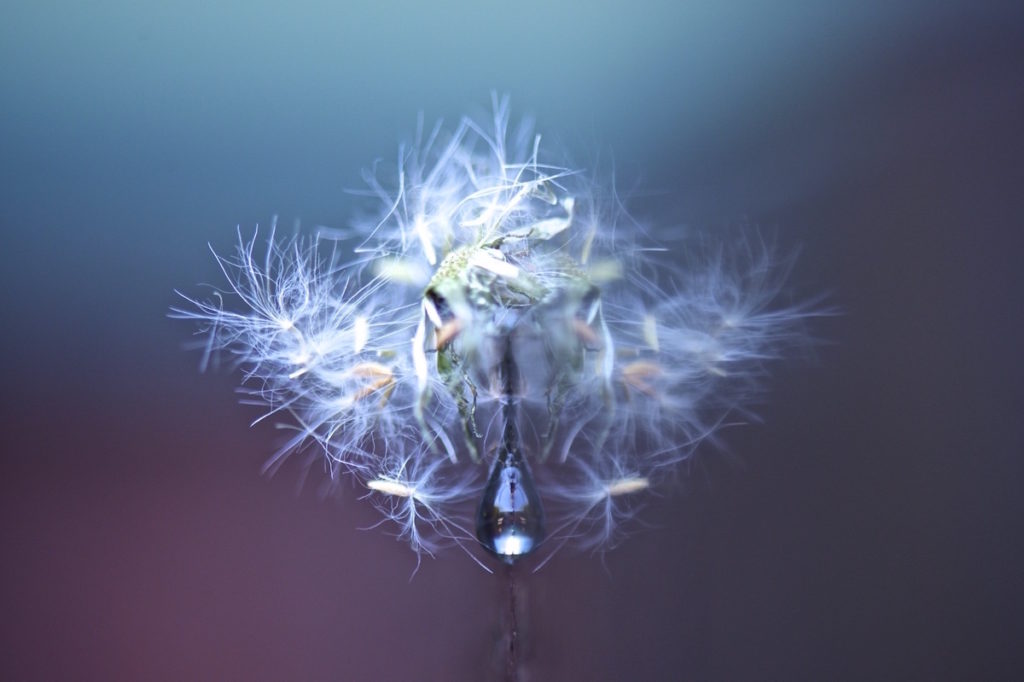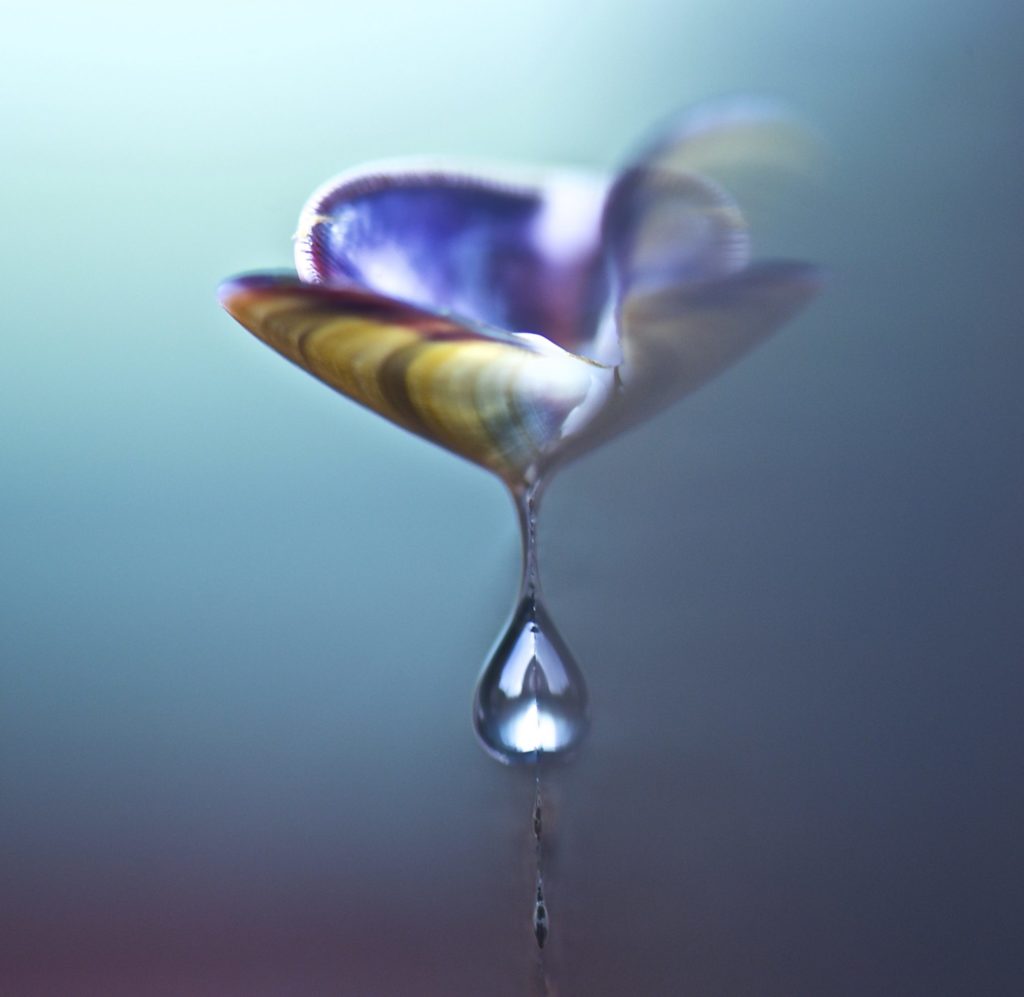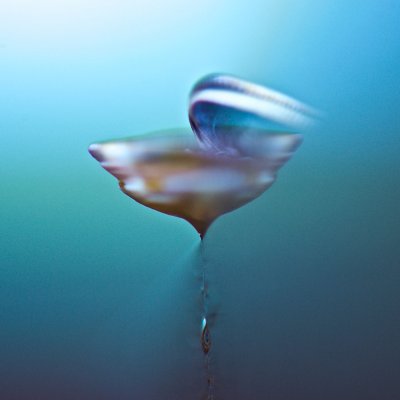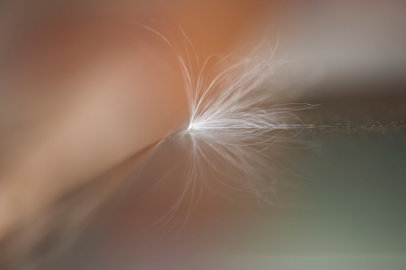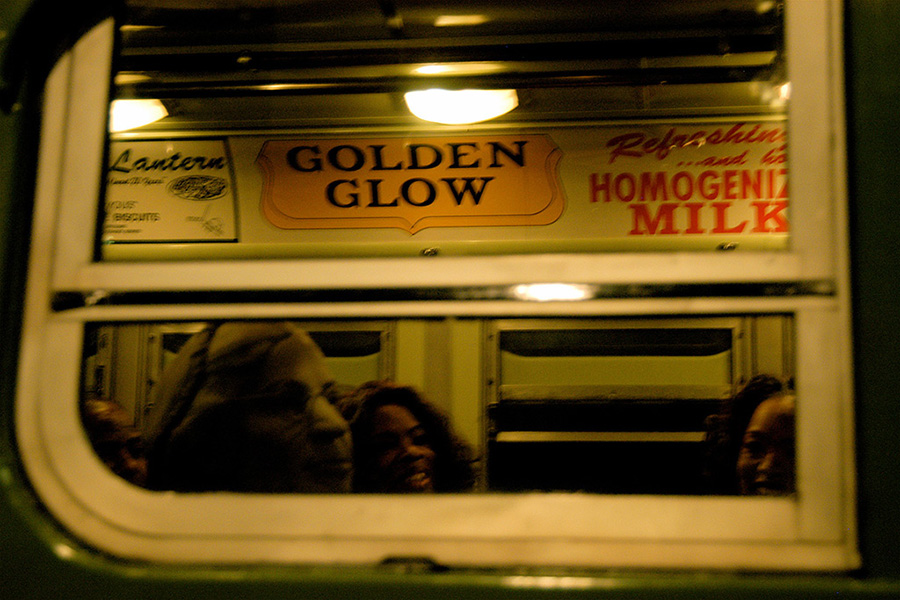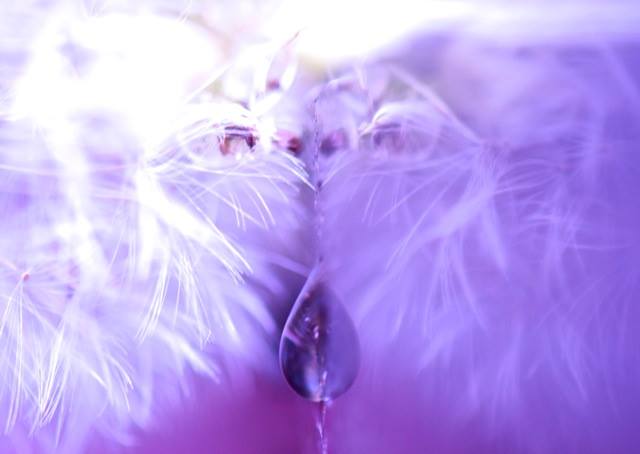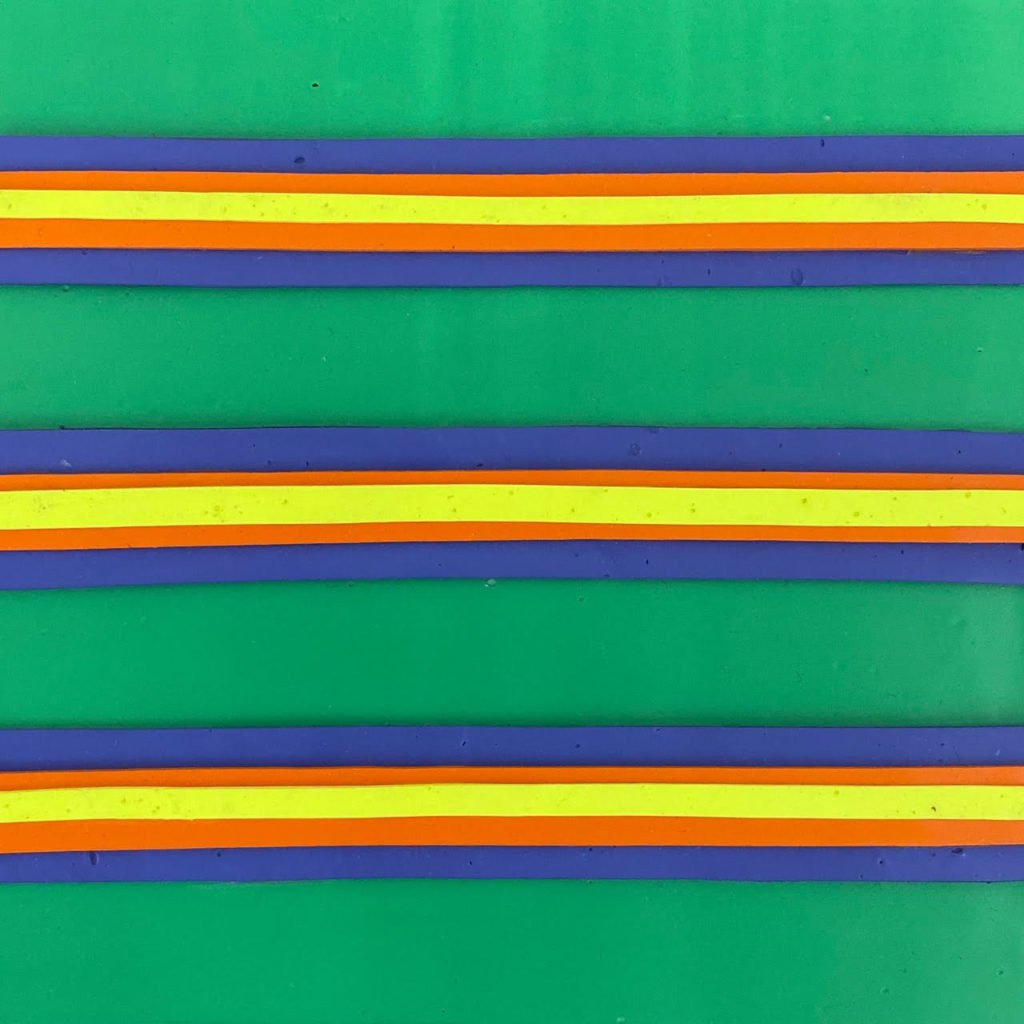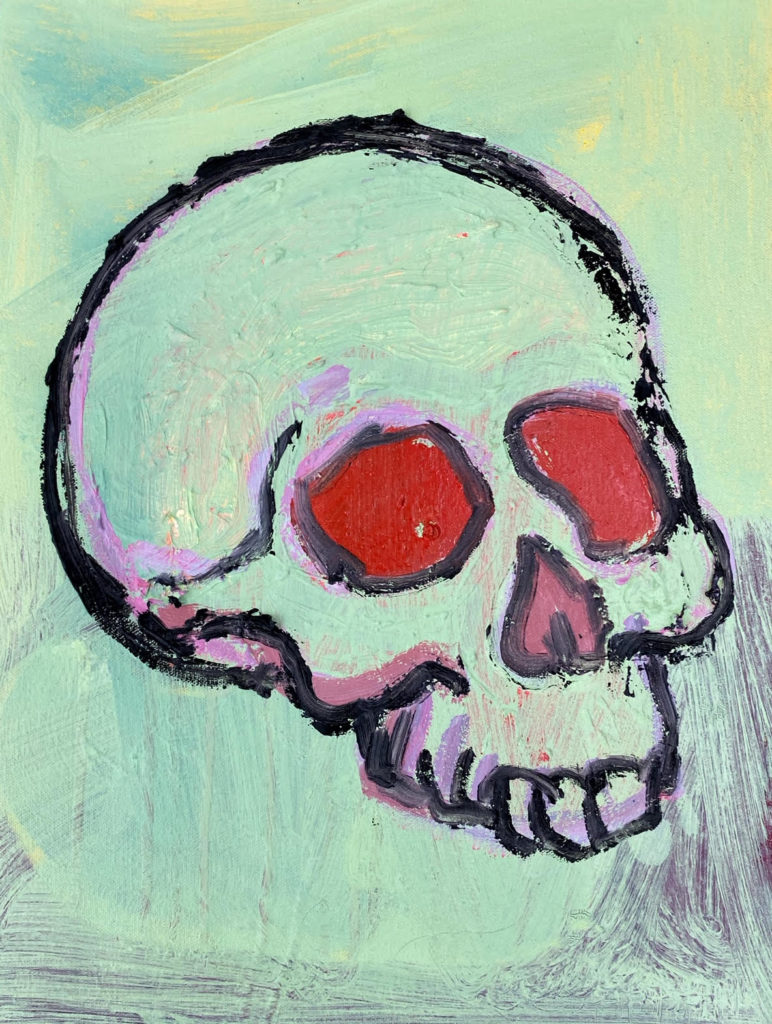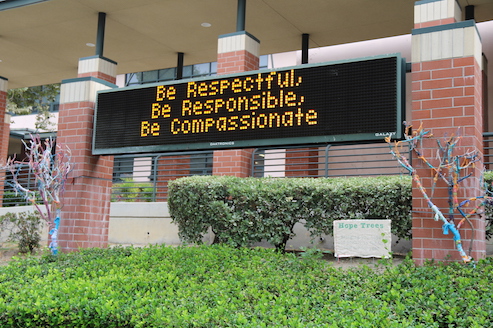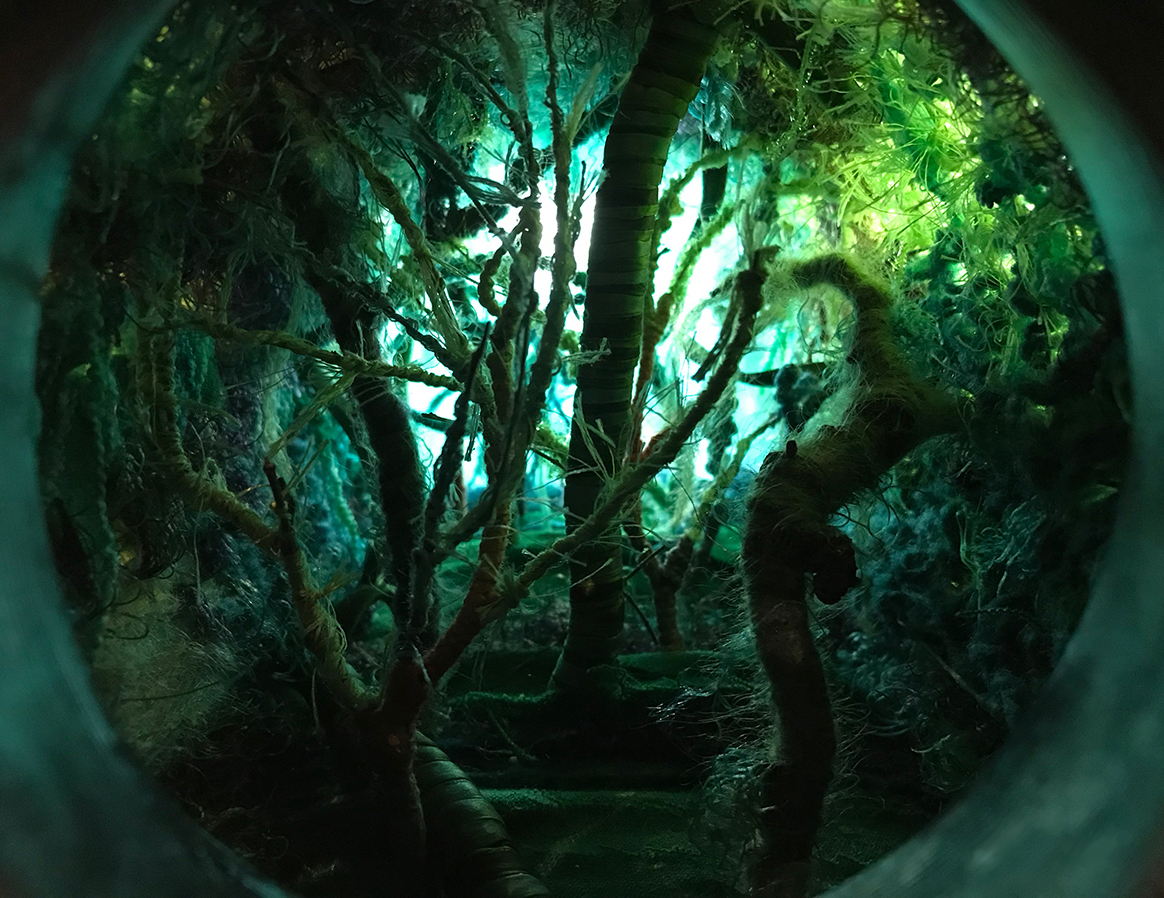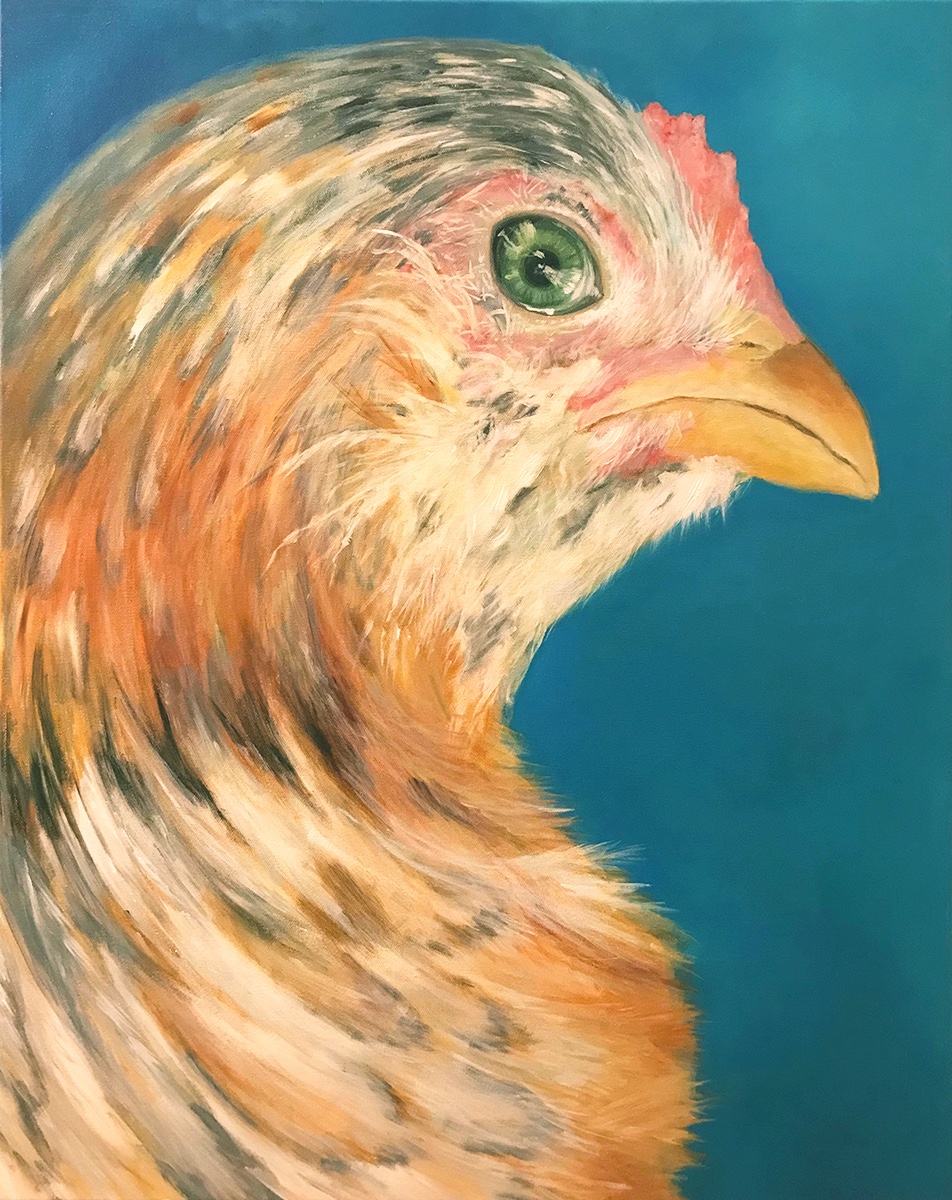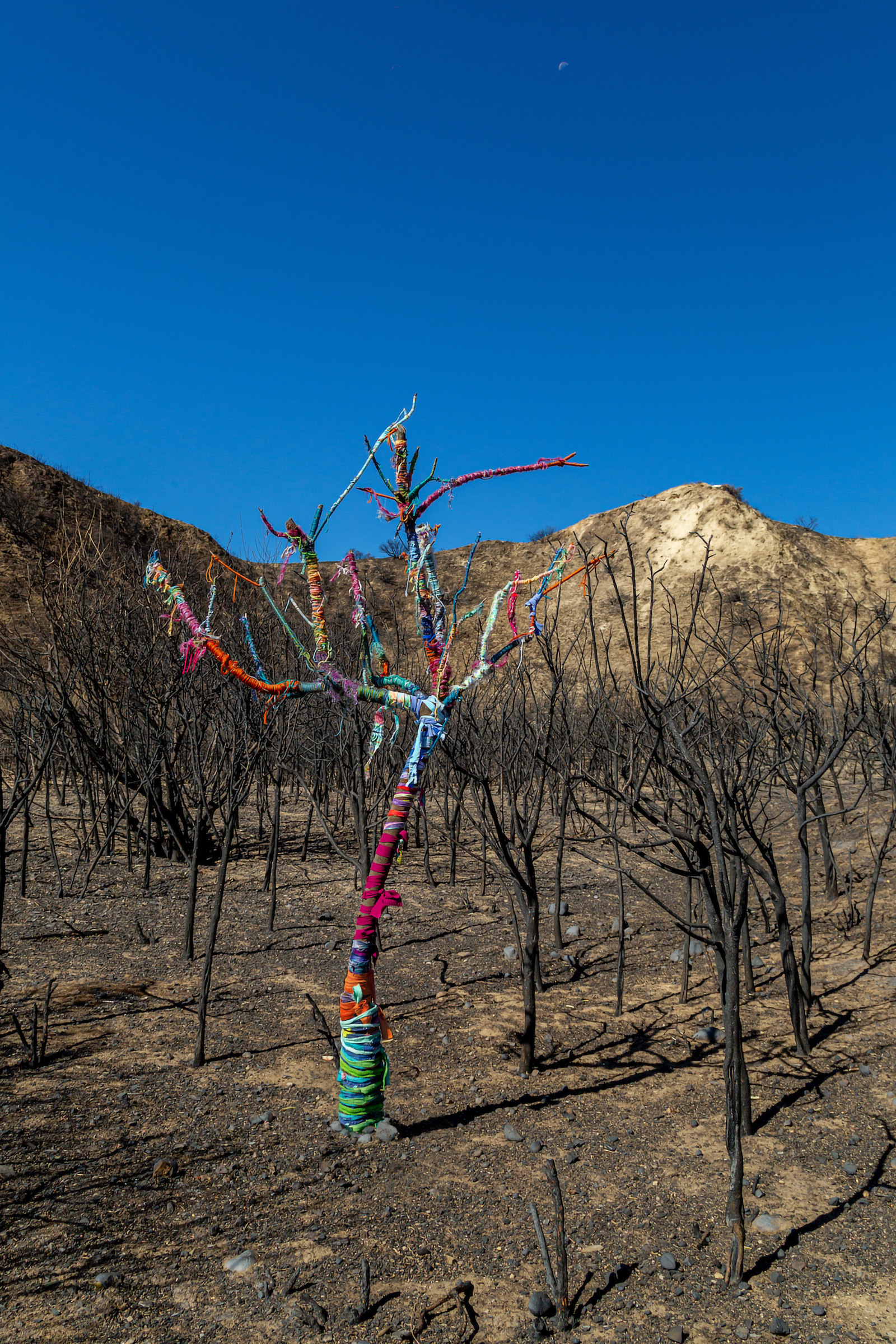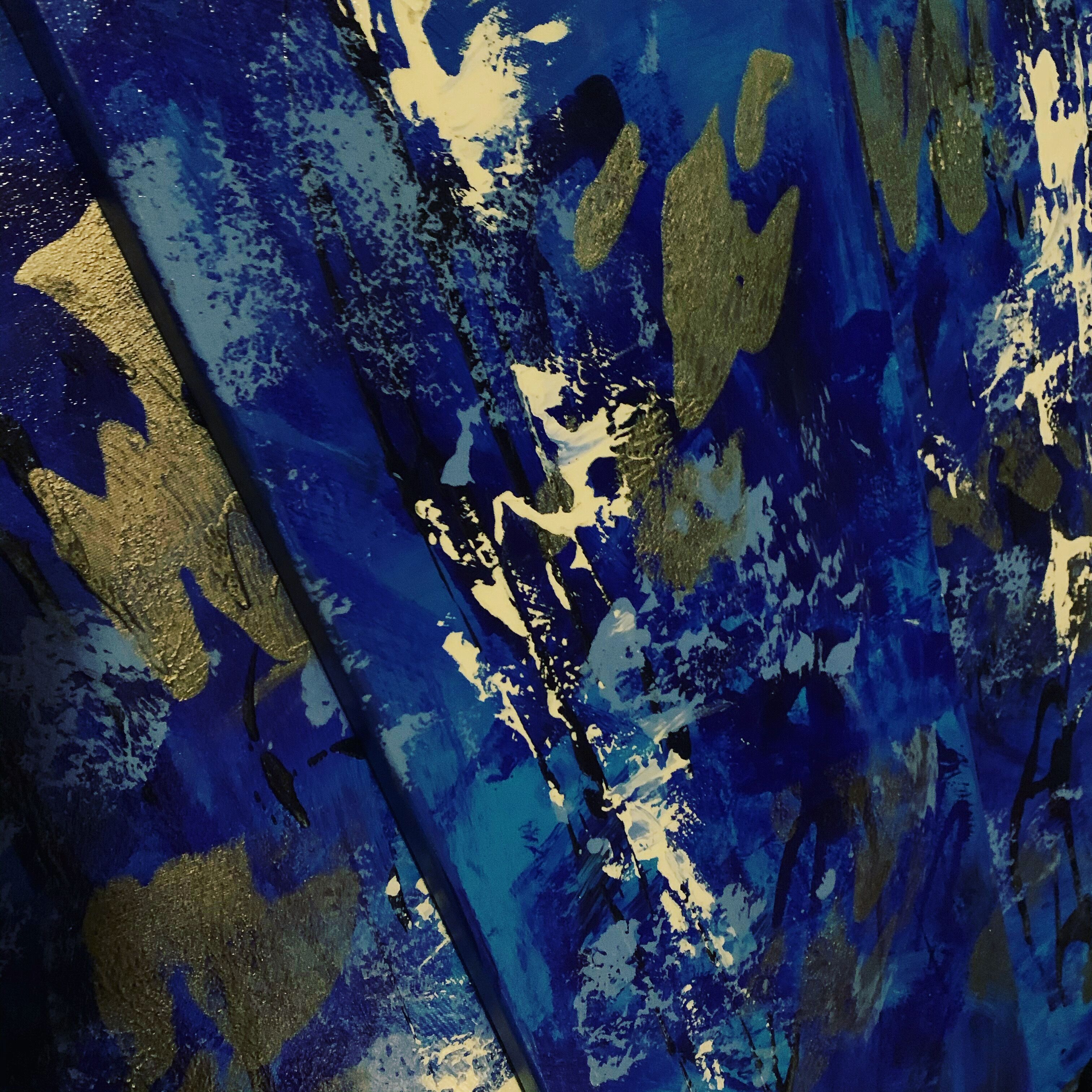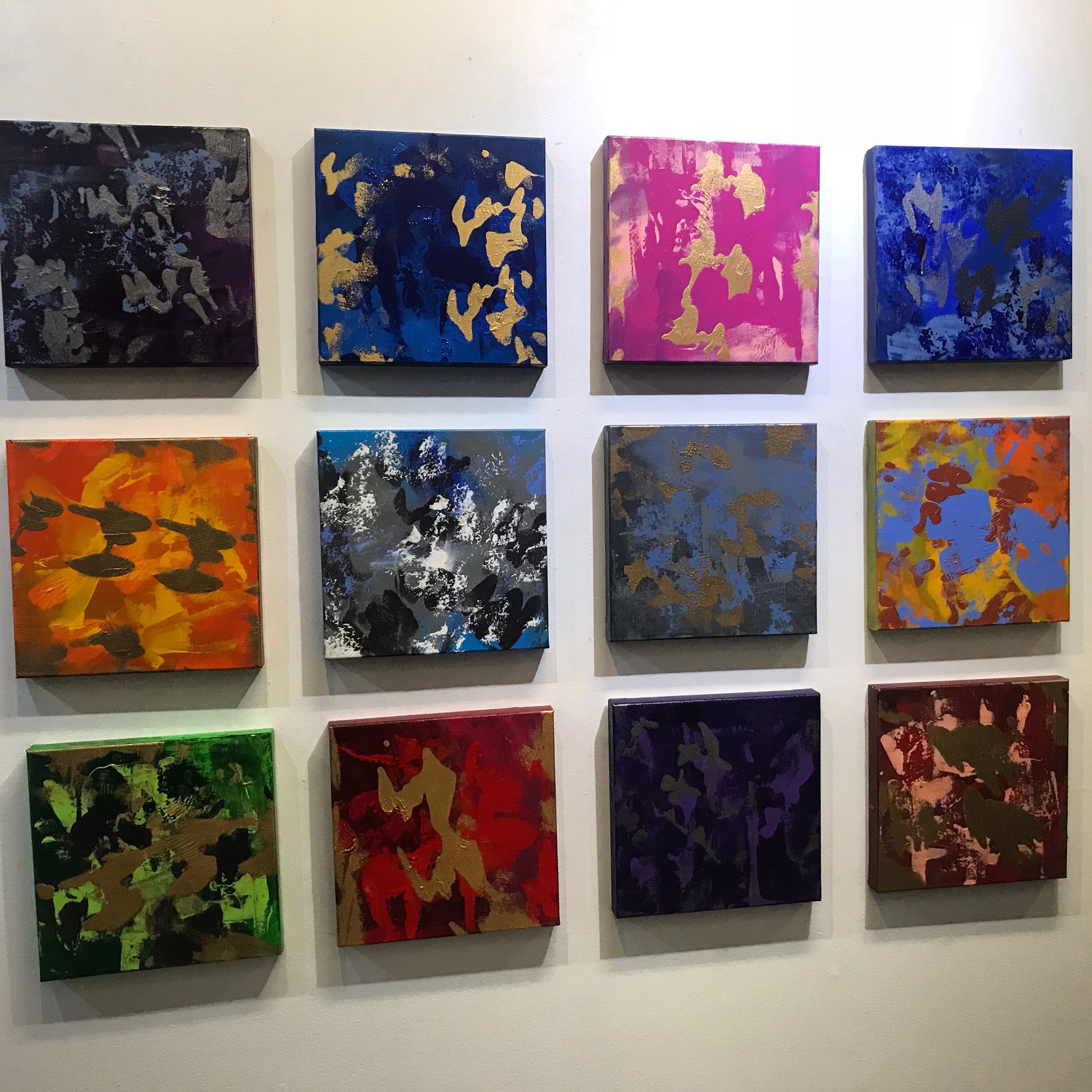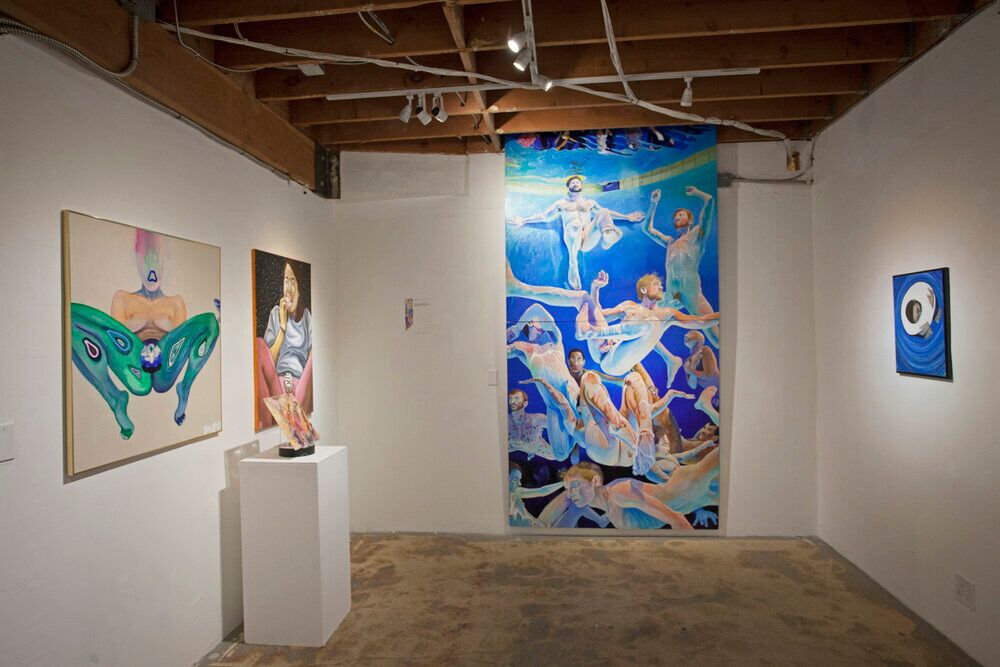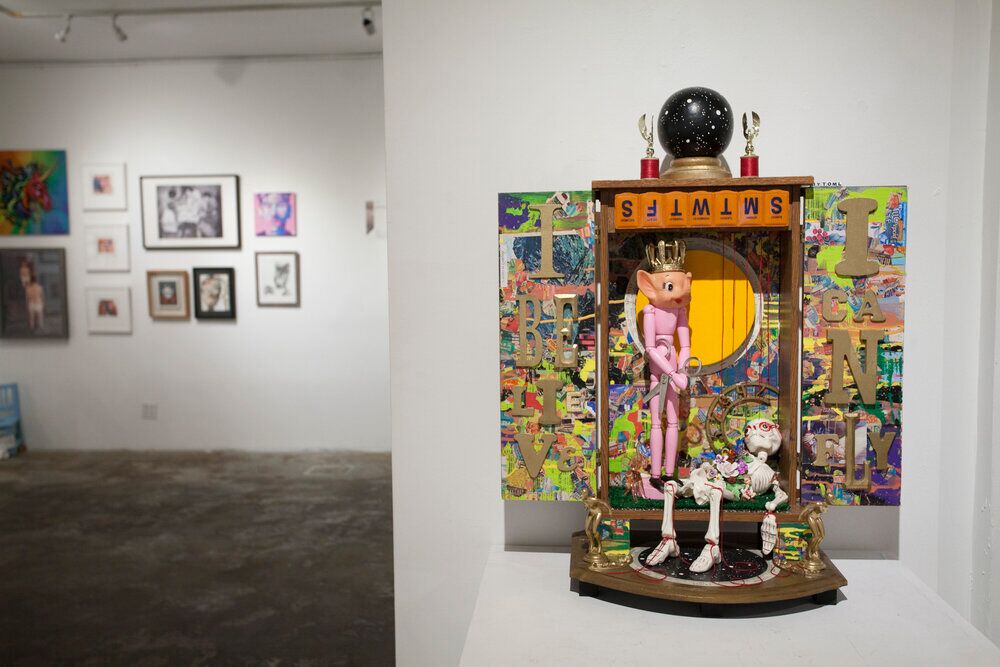

Featured image, Nurit Avesar; image above, by artist Dani Dodge
We are sponsoring this event along with fabulous folks at TAG Gallery with the help of artist and gallerist Rakeem Cunningham and neon artist Linda Sue Price – whose exhibition will be reviewed here next week – and will be on display during this event!
Above, artist L. Aviva Diamond
And what is the event?
Above, from artist Dwora Fried
At TAG Gallery in mid-city, Sunday, July 21, 3-6 p.m., enjoy an afternoon of food, drink, and of course, ART at Lyme Away 4: Heading to Germany for Treatment – Help Nicole Saari Win the Fight Against Late Stage and Congenital Lyme Disease. It includes a silent auction and raffle featuring dozens of AMAZING art works donated by prominent Los Angeles area artists to raise funds for Nicole‘s medical care for chronic tick-borne disease.
Above by artist Francisco Alvarado
Live music by Adam Even and enough great art and other auction goodies to help you knock off your entire holiday shopping list – in July.
Above, artist Glenn Waggner
There will be over 80 pieces of art, plus gift certificates for everything from massage to beautiful home decor components from Liz’s Hardware.
Above, artist Cynthia Friedlob
Despite an ongoing epidemic in the U.S., late stage Lyme disease is not recognized as a condition by the Center for Disease Control (CDC), so little to none of the complex treatments – which can cost $1,000 a week – is covered by insurance; with Nicole unable to work, this family still NEEDS HELP. The St. Georg Klinik in Germany, which her doctors find promising, alone is a whopping $35,000 for the three-week program.
Above, artist Diane Cockerill
Fundraiser event
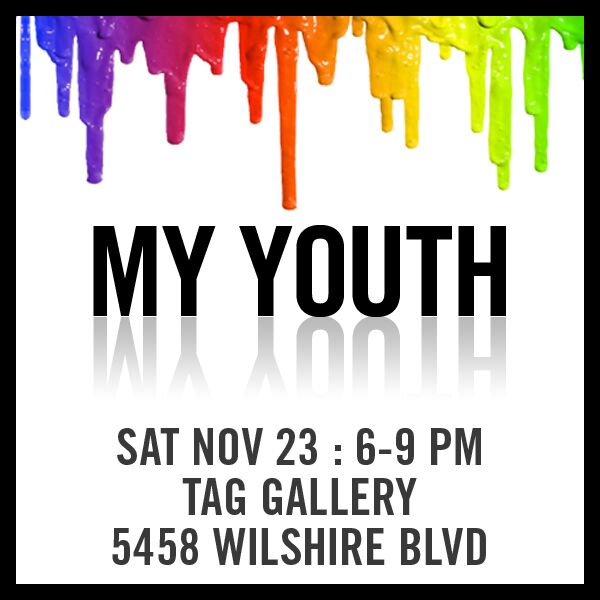
Sunday, July 21st, 2019 at TAG Gallery from 3 p.m. to 6 p.m. located at 5458 Wilshire near LACMA. Street and lot parking!
Francisco Alvarado lives, breathes, and is art. He calls himself an “outsider artist,” creating his work on paper, canvas, or digitally on an iPad. “Sometimes I will make an art piece by physically working on wood, metal and or cardboard or some found material,” he says.
But Alvarado is in many ways more of an “inside” artist – he grabs at the soul within every living being, alive in the landscapes he sees, the abstracts he shapes.
He is improvistational in spirit, joyous in palette, his works radiant with light – both in terms of technique and intent.
Born in Ecuador, Alvarado says his work reflects “life experiences through…colorful abstractions.” Inspired by nature, travel, and flora and fauna, he uses vibrant colors and patterns, noting that in his work he often creates “happy pieces,” images that are also powerful and daring. And prolific.
“I work out of my home, so I don’t have much storage space and I am happy when the work goes out to shows or collectors,” he says modesly, adding that “I create work for me. I like the observation of people, places and everyday things and activities and the decisions-explorations that are made along the way; like taking a trip down a fork in the road… except that this type of exploration does not lock me in. I can always come back, allowing my curiosity to roam free.”
Alvarado sees art everywhere and creates works from images that inspire him to inspire his viewers.
“The possibilities are endless; the hard part is not having enough time to explore it all,” he explains. “My inspiration comes from my trips and the people and places visited.” A recent trip to France gave him new inspiration “In France, the nights make all the buildings stand out as the sun sets, much like California, but with a vibrant quality that is the people in the streets.”
He feels his work has a evolved in recent years, in part through his practice of painting based on his daily experiences. “I don’t have a traditional arc that I can trace regarding my work,” he notes. “About three years ago I made a decision to limit the colors I use to three basic colors – like downsizing the palette. I have been following this approach during my trips and daily walks, and taking pictures along the way to reference the moment. It has not been easy but the daily habit is helping me to stay focused.”
The voluminous and magical body of his work has shown up at a variety of locations recently. “Last year I had a lot of fun working with Robert Soffian at a residency with Shoebox Projects, and at the same time finishing a project for Artists and Reseachers 2 at Keck USC . The project teamed 13 USC Medical Researchers with 13 local artists. My role was to create a painting that reflected the work done by one team of researchers addressing youth suicide prevention.” According to Alvarado, “Both experiences reminded me how much I love working with others and community participation. I plan to do more of these later this year.”
His amazing color palette and vibrance he attributes to “observing with an inquisitive eye during my travels and daily walks. The pictures I take help me to select the colors to use.”
His diverse range of mediums leads to the question as to which he prefers, which he says varies.
“I work a lot of my sketches and color selection with the iPad, and that saves me a lot of time. I work daily, often at night, and will create two or more pieces. Often these pieces are finished and can go directly to print for a show or collector. In other cases, I would take one of these digital pieces and paint it on paper or canvas.” Alvarado stresses that “I like the scale of large canvas paintings, but I have to be mindful of my transportation and storage space.”
While he creates astounding figurative work, it is the abstract that draws him the most. “I like abstract work the most, in my mind taking a walk in a fantasy, a colorful nature walk.” He believes his childhood in Ecuador and travels with his family into the tropical forests and Amazon jungle created a lasting impression that figures into his work to this day, of “the people, the colorful landscapes, birds, and insects.”
Above, Alvarado recalls red ants at a picnic
Alvarado recently wrapped a solo show at the Monica Film Center in Santa Monica in May; in late June, a second solo show, curated by Skye Amber Sweet, concluded its run at the Vista Library. New projects range ahead.
Alvarado at Vista exhibition, photo and curation, Skye Amber Sweet
The event, hosted by arts writer Genie Davis with neon artist Linda Sue Price, is the perfect way to start your summer art shopping. It includes a silent auction and raffle featuring dozens of AMAZING art works donated by prominent Los Angeles area artists to raise funds for Nicole‘s medical care for chronic tick-borne disease.
Her son Aaron has beaten this, and although her case is more complex due to years of misdiagnosis, the St. Georg Klinik in Germany has promising treatment her doctor feels should eliminate the lyme and allow her to more easily heal from the co-infections upon her return.
So come out and enjoy this free event, hors d’oeuvres, salads, drinks, and music! And find some art you’ll love or a raffle item to bid on!
A singer-songwriter and young mother, Nicole is the daughter of arts and culture writer Genie Davis. She contracted undetected Lyme 8 years ago on a camping trip and is now undergoing long term treatment; she has recently developed two autoimmune diseases. 4-year-old Aaron contracted the disease in utero and successfully completed his treatment over a year ago and is in great health.
Despite an ongoing epidemic in the U.S., late stage Lyme disease is not recognized as a condition by the Center for Disease Control (CDC), so little to none of the complex treatments – which can cost $1,000 a week – is covered by insurance; with Nicole unable to work, this family still NEEDS HELP. The St. Georg Klinik alone is a whopping $35,000 for the three-week program.
So, come out and enjoy this free event, hors d’oeuvres, salads, drinks, and music! And find some art you’ll love or a raffle item to bid on!
YES, WE ARE ONCE AGAIN EAGERLY ACCEPTING ART DONATIONS!
Drop off is at TAG GALLERY 5458 Wilshire between 11 a.m. and 5 p.m. July 17 through 20; on the 21st, 11 a.m. to event start at 3. Art Donations should be marked as Lyme Away 4 Fundraiser if dropped off. To arrange another time or place, text (310) 918-5586. TAG is located close to LACMA and the El Rey theater.
Join these contributing artists – works by Catherine Ruane, Valerie Wilcox, Janet Milholme, Sandra Vista, Ron Therrio, Kaloust Guedel, Zadik Zadikian, Robyn Alatorre, Stephen Levy, Skye Amber Sweet, Aline Mare, Jenny Hager, Carl Shubs, Trine Churchill, Robyn Alatorre, Phil Santos, Karrie Ross, Tom Dunn, Cynthia Friedlobe, J.J. L’Hereaux, Chenhung Chen, Gary Pawler, Bleep, Diane Williams, John Waiblinger, Alison Woods, Richard Chow, Sarah Stone, Nathalie Tierce, L. Aviva Diamond, Scott Trimble, Samuelle Richardson, Karen Hochman Brown, Dani Dodge, Nurit Avesar, Francisco Alvarado, Diane Cockerill, and many more to come! We will be updating with images via Facebook and Instagram with opportunities to pre-purchase online.
In Nicole’s own words: “I have a dangerous combination of tick-borne infections that have become chronic and incredibly difficult to treat – severely weak my immune system and affecting every part of my body. Without knowing it at the time, a tick bite on a backpacking trip years ago caused me to become infected with Lyme disease and the co-infections Babesia (a parasite) and Bartonella (a bacteria). For some people, typical presentation does not immediately occur and these illnesses can slowly wreak havoc, destroying health over the course of years as was the case for me.” To read more of her statement or make a monetary donation, visit https://www.gofundme.com/help-nicole-beat-chronic-lyme
TAG Gallery is located at 5458 Wilshire Blvd, Los Angeles, CA 90036
Art is not just about seeing, it is about observing. Whether the artist’s eye is turned outward towards the world or inward towards the self, the art arises from the phenomena, glorious and mundane, that present themselves to attentive vision. Even non-objective or conceptual art begins with a note of some kind, visual or not, that triggers passage down an experiential and expressive path. It may seem obvious that more traditionally pictorial art results from, even seeks to “capture,” observation. But the nature of that observation, allowed its subjectivity, can prove as elusive as it is rich.
That is to ask, is there mystery as well as revelation in the painting of Steve Shriver and Candice Gawne? What is left unseen but still sensed? The two painters are about as far apart stylistically and spiritually as two artists can get (at least within the context of two-dimensional representation). Their modes of observation are polar opposites, Gawne’s a register of the seen-world, a voyage through space and light, while Shriver’s is a fantastical rhapsody on the internal and the external — indeed, on the interplay of personhood and specific location with many stylizing, and culturally self-conscious, tropes.
Shriver’s painting over the past two years all stems from a near-fatal accident he suffered while bicycling. On one level the elaborate, icon-like images — and the finely wrought frames and other accoutrements bedecking them — are a simple declaration of thanks to whatever force allowed Shriver not only to survive but to heal back into the artist he had been before. Except that, after such trauma, he couldn’t quite be the artist he was before. Pop irony was not appropriate for an extended (indeed ongoing) reflection on death, but the more exaggerated, yet more sincere, stylizations of lowbrow figuration were. In particular, the culture of the road, a motif central to the mythos of southern California as maintained by its inhabitants, figures in Shriver’s work as an imagined realm as well as a specific site (that site supposedly but not necessarily the location of the accident).
These images are at once violent and elegant, poised and calamitous, mocking and marveling. Having been there, Shriver knows how elaborate the complexities of personal disaster can be, in its moment no less than in its aftermath. Shriver’s is the PTSD not of the long-term sufferer, but of the ambushed, of the man all of a sudden knocked out of his comfortable life trajectory. These pictures are not exercises in self-pity. (If anything, more than a few of them are self-parodying.) They are not gore tests or macho poses of fury or nonchalance. They are declarations of a lesson learned and they brim with the humility of someone given his body and his life back. With a grandiosity born of relief and amazement they pay homage to the traditions of heraldry as well as to car customizing, mural painting as well as portrait and still life painting, political art as well as religious art. But, florid and dramatic as they can get, their energy seems to come from within and gather what’s out there — and to react from within a once-broken body to the mystery of life. Having observed his own dying, Shriver now observes his own living.
Gawne is awed less by such metaphysical apprehension than by its purely optical manifestation. She has become enthralled by light itself, its ability to hover seemingly in the eye, the contradictory conditions it sets up that at once shatter and build objects and surfaces, mass and movement. Gawne celebrates light — or, if you would, color — for its own sake the way Monet and Seurat and Balla did a century or more ago, as a radiant force that embraces, formulates, and pulverizes the observed world. Gawne regards the seen world not simply as the result of invisible sub-atomic particles in motion, in compliance with the concepts of quantum energy, but as the embodiment of that motion, a dynamic ongoing demonstration of the buzz at the heart of the universe, a buzz that is observable. Perhaps, her work posits, art’s purpose is to make the invisible visible — even as the eye admits its own myriad shortcomings.
Gawne brings the sub-observable universe to observable levels by giving the eye, that most inefficient of human organs, the opportunity to indulge itself. Whatever it wants to see amidst the flood of light, Gawne allows, even encourages, it to see. Rich in detail as her intimately scaled paintings are, they allow the eye to rest on blank passages as well as articulated, open fields of color as well as intricate chiaroscuro, stretches of abstraction containing, commingling, or separating figures and objects and portals and spaces so that we read her pictures as human and, at the same time, painterly events. Refraction is the steady state here: Gawne suspends her moments at a crucial point of observation, that point where the eye passes rapidly from dark to light or vice versa and shifts temporarily into a state of sun-white blindness or “visual purple.”
19″ x 15″ framed encaustic
What Candice Gawne does looks hardly at all like what Steve Shriver does. Both paint, both reference the human figure, both fundamentally rely on concentrated observation to derive the images they depict. But, as noted, each does so to an end entirely foreign to the other. Gawne looks outward, Shriver in. And, notably, Gawne addresses space with light while Shriver addresses time — a fateful moment and its lasting effect — with graphic symbology. Still, both artists rely on deep, abiding observation, manifesting what they see and know with deep conviction, and without resort to the literal. That avoidance of the merely seen, and that conviction about the subjectivity of vision, create a mystery where our eyes can see what they normally don’t — or can’t.
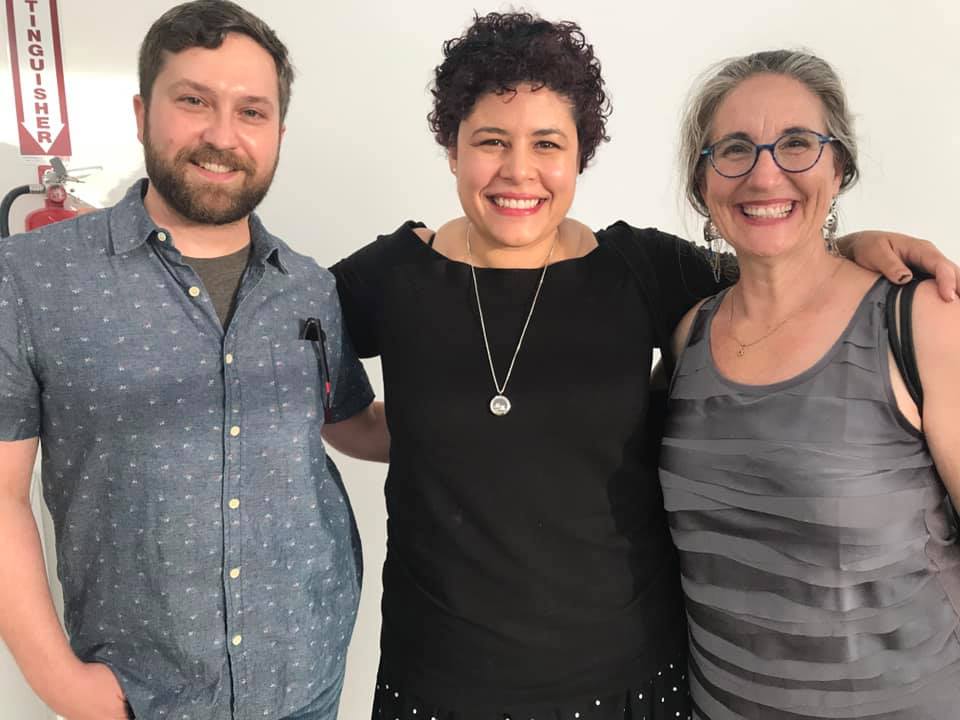
Steve Shriver, gallerist Peggy Silvert Zask, Candice Gawne