
Nagisa Kamae: Adorable and Poignant Creatures Reach Out at Gabba Gallery

AAAAAAAAAADDAgAAW4NWg1iDZYOAXQ0Kg2+BW4NXg4eDkz0xLjAxDQoNCluIypJ1gV6DVINDg1ld DQqKSo5uWD0wLjANCopKjm5ZPTAuMA0KlZ09NjAwLjANCo2CgrM9ODQxLjANCg0KW4NYg0yDg4OT XQ0Kg0qDiYFbPTANCoOCgVuDaD0wDQqDWINMg4ODk5WdPTMwLjANCo9kgsuNh4LtgrmVnT0yMA0K j2SCy42Hgu2CuZW9i8+Juz0wDQqJ8JGck3g9NjAwDQoNCluQRpKyleKQs10NCoNug0ODiYNDg2c9 MjU1DQqDVoODg2iDRT0wDQqDdYOJg0ODZ4Nsg1g9MA0Kg1KDk4Nng4mDWINnPTANCoNLg5ODfZXi kLM9MS4wMA0KDQpbg0qDiYFbg2iDiYNDg3VdDQqDVoODgVuDdoNsg1g9MA0Kg0+DjIFbg2+DiYOT g1g9MA0Kg4yDk4NXleKQsz0wDQqOqZOug0qDiYFbg2+DiYOTg1g9MA0Kg2yDSz0wDQpJQ0ODSoOJ gVuDdoONg3SDQINDg4s9MA0KDQpbg3eDYoNolZRdDQqO5ZGWjbiIypJ1KFgpPTAuMA0KjuWRlo24 iMqSdShZKT0wLjANCo/jibqIypJ1KFopPTAuMA0KjFiOzopwk3g9MA0KDQpbjLSNZZHkXQ0KifGT XYpwk3g9MA0KDQpbjPWMuZWUXQ0KjPWMuZDdkug9Mg0KiUWRpIz1jLmIypJ1PTAuMA0KiUWRpIxY js6KcJN4PTANCo22kaSM9Yy5iMqSdT0wLjANCo22kaSMWI7OinCTeD0wDQqM9Yy5iMqSdT0xDQoN CluQ3ZLog3SDQINDg4tdDQqDSoOJgVuSspCug3SDQINDg4s9QzpcUHJvZ3JhbSBGaWxlcyAoeDg2 KVxOZXdseVxNQUNILU5BMTYwXFdvcmtcQ29HYW0ubmNjDQo=

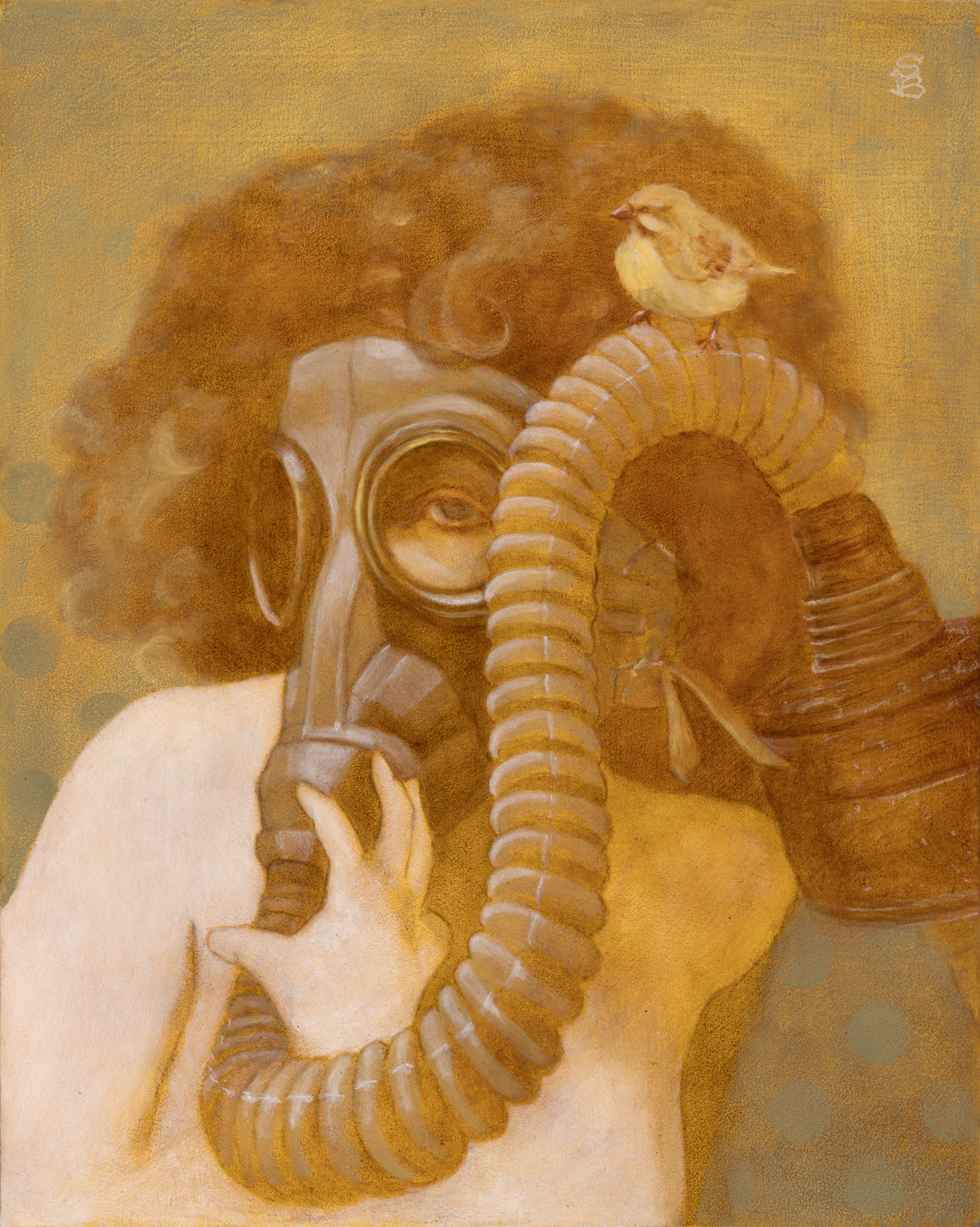
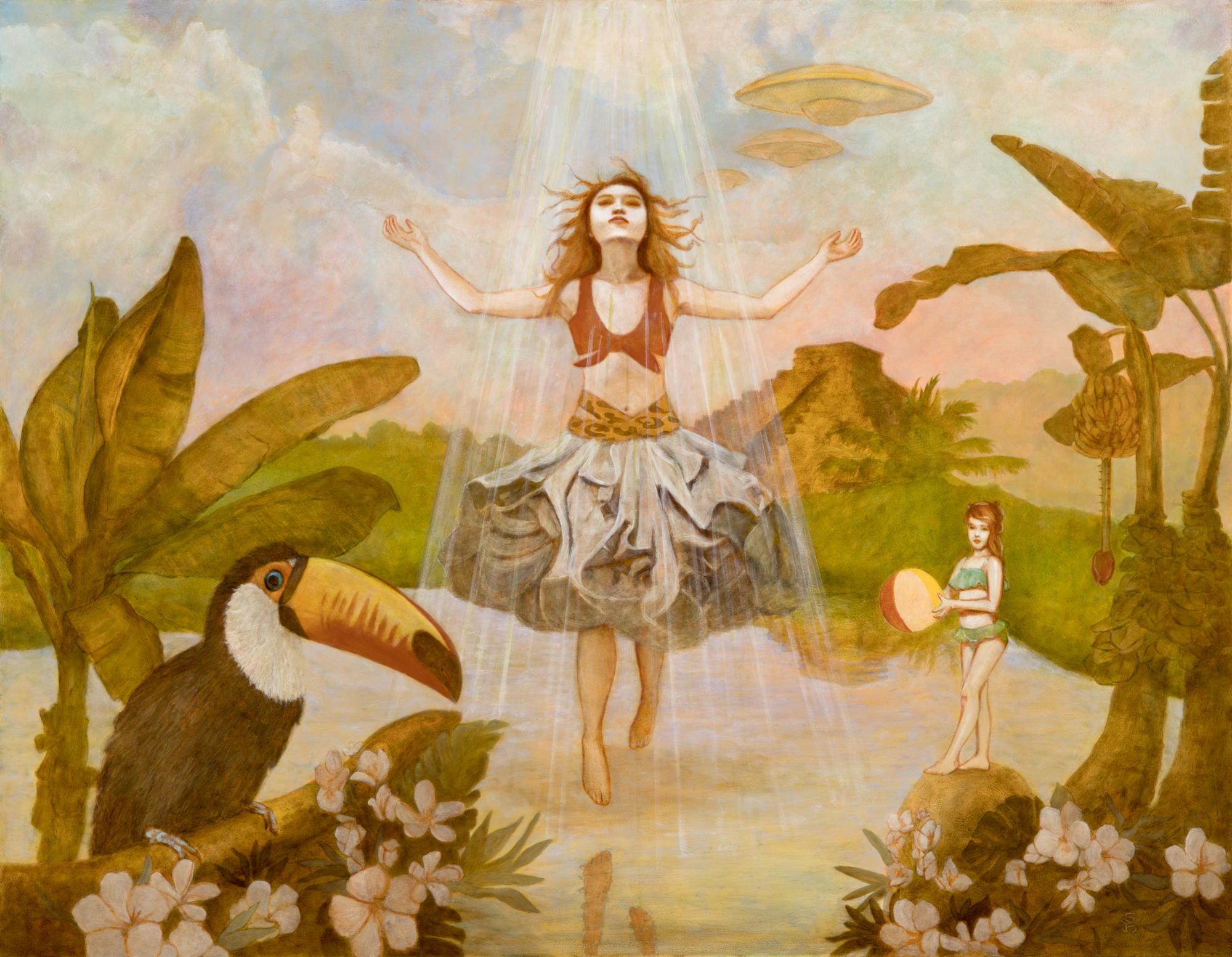
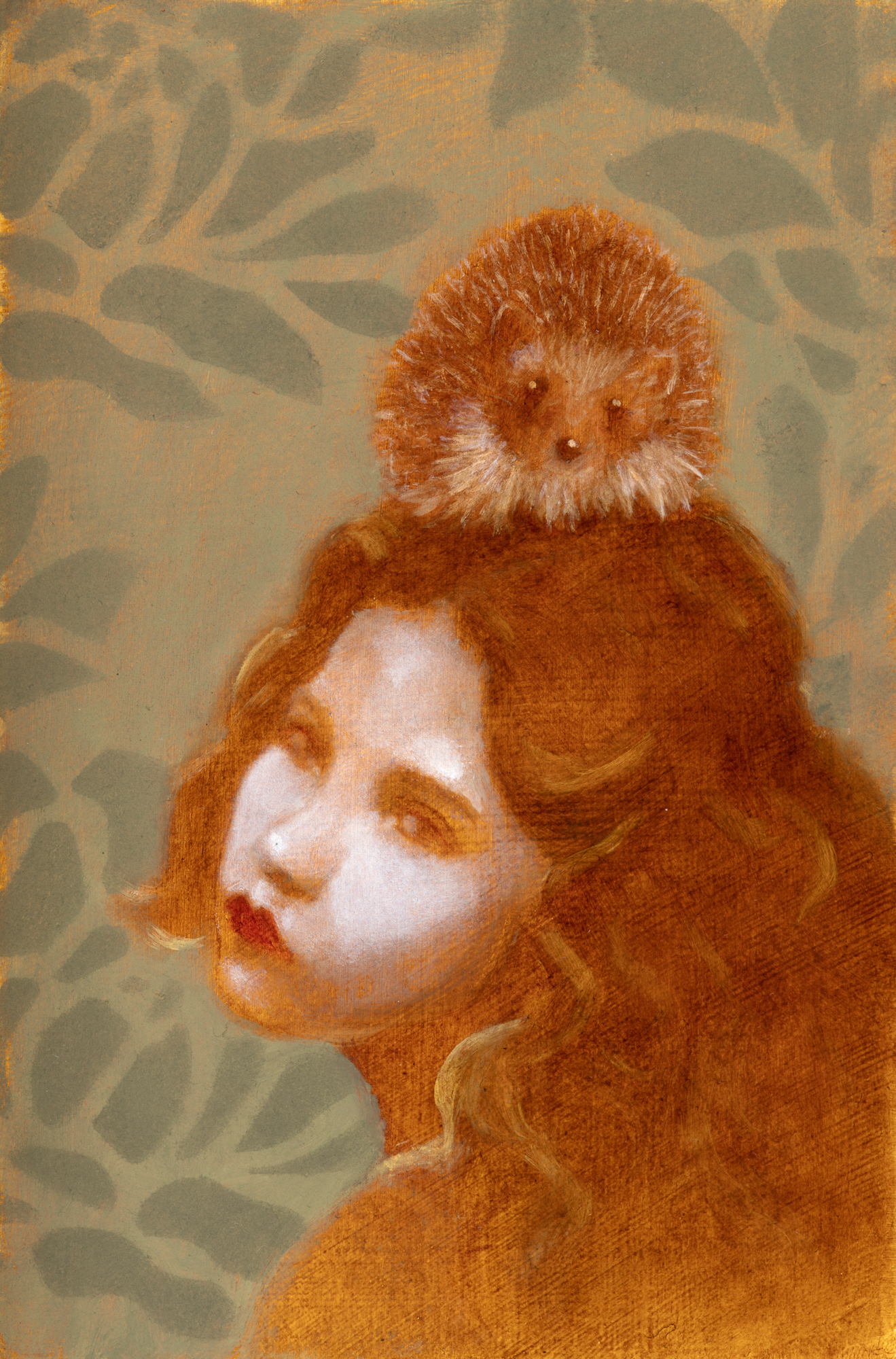
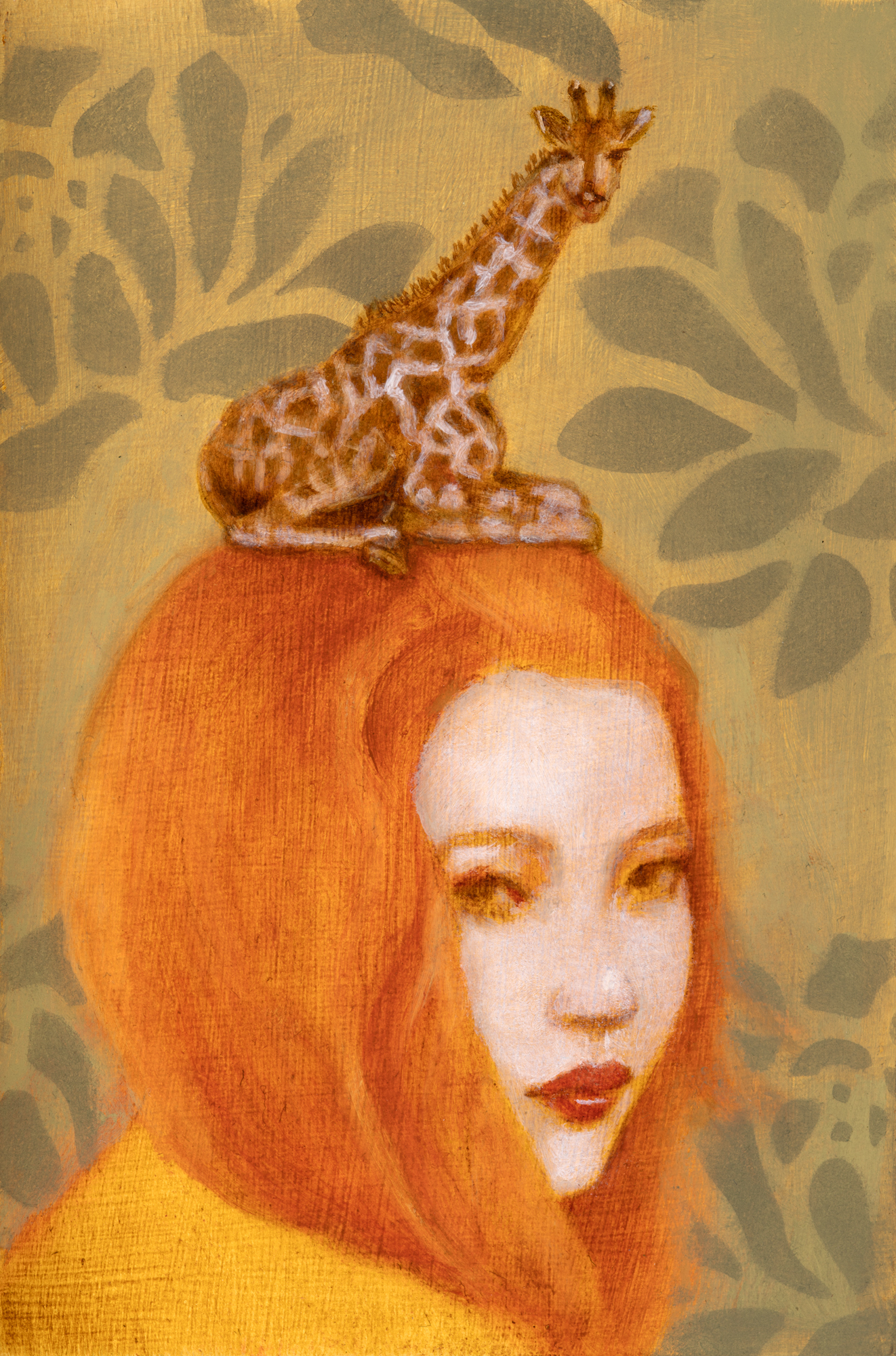
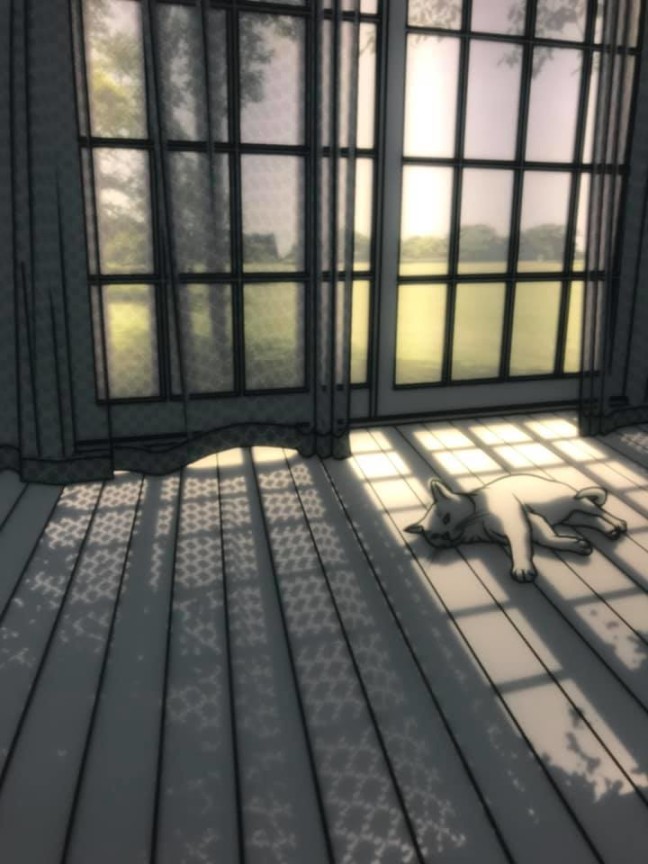
Japan-based artist Nagisa Kamae creates adorable, touching images of small creatures. Rabbits, kittens, puppies, squirrels – Kamae realizes her images perfectly, touching them with a delicate brush of the whimsical. Both magical and moving, her lovely little beings are, she says, “very personal…every piece has a story behind it and a deeper meaning. They come from my experiences and things I observe in everyday life.”   

The richness of her work is on view at Gabba Gallery through June 22nd, in a delightful exhibition titled Sharing is Caring.

cannot sleep Koala

Kamae started working as an artist full-time in 2017, when she moved from the U.S. back to Japan. “I used to paint on tiny canvases, but I slowly worked my way up to bigger pieces. But then and now, I have always painted cute fluffy animals with food.”

corgi

While that description is true as far as it goes, these cute animals are more than she describes. They’re eminently alive, beautifully detailed, and exude the artist’s passion for her subjects.

Her inspiration comes from small animals she finds them at the zoo, pet stores, and even in vintage animal picture books, she says; her accompanying food images are as likely to come from packaging as from vintage cook book illustrations.

bunnies with a whole cake

“My favorite animal to paint is a rabbit, because I have fond memories of my pet Moko, a grey bunny I had when I was little,” she says. But each of her creations exudes an inherent love and respect, which is part of the attraction of her work. As to the candy images, she swears she doesn’t particularly enjoy the taste of American candies and snacks, but she loves the packaging.

“I used to decorate my room with American items when I was in high school,” she laughs. “I even taped M&M chocolate and gummy worms packages on my wall – I was just obsessed.”

popsiclePenguin

Kamae lived in the U.S. for ten years, and says she never got tired of living here. Among the activities she most enjoyed, “Going to American chain grocery stores, the 99 Cent Store, looking at interesting items in the cereal aisle, and unhealthy looking Jello in the fridge sections – that was one of my guilty pleasures.”

flying squirrel tootsie roll

Kamae’s current solo show at Gabba is exciting for her. The gallery has showcased Kamae’s work before, and she has a wide range of American fans, but this is her first solo.
Her  heart-meltingly appealing work includes pieces larger than those she’s presented in the past.

“It was intimidating to paint on bigger panels at first, but it gave me the opportunity to explore more complex narratives and new concepts. I feel proud that I could get out of my comfort zone with the bigger pieces.” Kamae’s modesty aside, her charming works are a pure pleasure to take in.

flying squirrel snickers

The prolific artist is now planning an illustrated book directed at children of all ages – and art loving readers regardless of age. Her proposed title matches this exhibition: Sharing is Caring.

“The basis for the book, this current painting series, features a group of animals sharing food and a single animal having food by himself.  At the end of the book, the animal shares his food with others.”

swan and the baby

She adds “My favorite kind of book is a picture book with almost no words, because it leaves more to the imagination and you can create the story using your own interpretation. My favorite book from my childhood is Ennichi, which means Japanese summer festival.  This book has no words. but has super-detailed fun images, and the colors are beautiful.  I checked this book out over and over again from the local library. Thirty years later, I found it again, and had to buy it immediately.”

In short, she notes “Some people are affected by reading books, but powerful artwork and images have had a more lasting impression on me ever since I was little.”

It was perhaps the same sort of lasting impression her jewel-perfect little animals make on viewers now. One is never too old to take a long look at magic.

IMG_1254

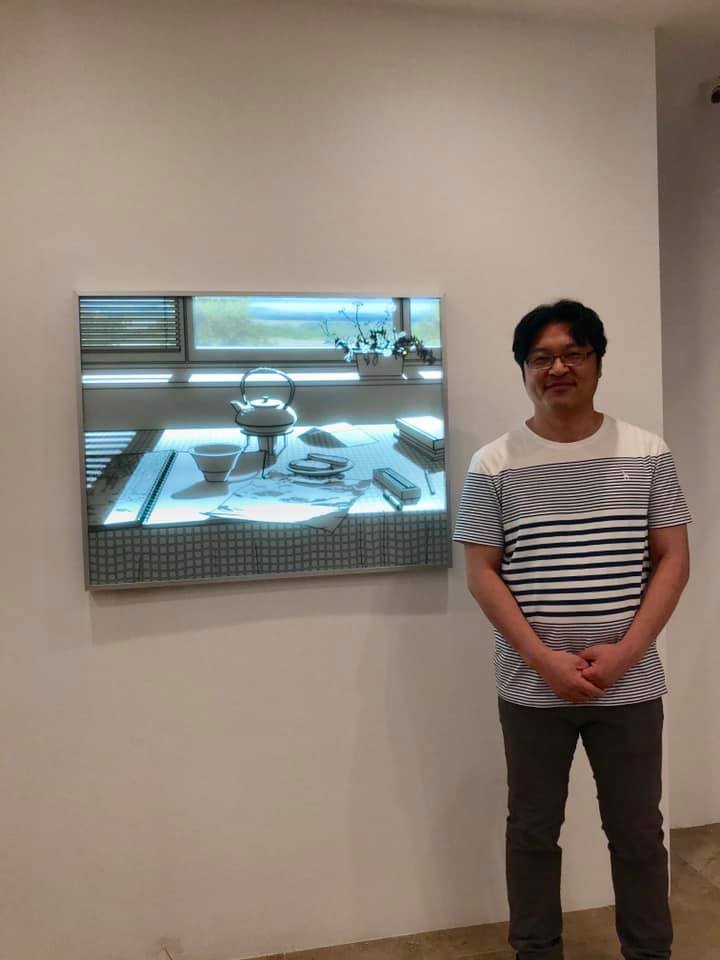
Above, artist Kamae.

Gabba Gallery is located at 3126 Beverly Blvd. View Kamae’s work in Sharing is Caring through June 22nd. The gallery is also exhibiting solo shows from Morley, All Things Aspire Madly, and Jeremy Novy, A Queer Examination.
  • Genie Davis; photos courtesy of the artist


Forest Bathing Takes Root at Loft at Liz’s

60359713_10217147392304111_2537891845879365632_n

Memory Tree by Catherine Ruane, above

Through June 17th, take a walk in a forest of art with Forest Bathing, now at Loft at Liz’s. Curated by Betty Brown, the exhibition is a celebration of nature. Paying homage to the Japanese practice of Shinrin-yoku, the exhibition takes the idea of mindful discovery and peace through nature and transforms it into an experience in the gallery through paintings, drawings, sculptures, and photography, as well as mixed media installations. 17 artists create their own depictions of nature, and it is worthy of a long, deep forest-bath.
60180099_10217147438585268_6138521319920107520_n

Above, artist Catherine Ruane.

Catherine Ruane’s brilliantly realistic graphite drawing, “Memory Tree,” draws viewers within its massive, comforting branches.

60464905_10217147392704121_755321779127320576_n

Lyrical and wondrous, the work feels tactile, as if the branches were embracing the viewer.

60194657_10217147578348762_7824692400491593728_n

Bibi Davidson, in contrast, gives us brightly colored trees in a surreal world that leads viewers into a dream-like state. Viewing her work is a fabulous adventure.

60226690_10217147398384263_8344621573474353152_n

Linda Vallejo’s graceful paintings of the oak trees around Topanga Canyon exude peace.

59866936_10217147441105331_510837586210586624_n

Hung Viet Nguyen’s richly textured tributes to the trees of the Ancient Bristle Cone Pine Forest outside Big Pine, Calif., seem magical and beyond this world.

60069985_10217147440265310_8015423574460334080_n

His thick paint and vibrant palette add to the sensation of having entered a new realm.

60198166_10217147580228809_8177184055851220992_n

Speaking of a different world, Marthe Aponte takes over the Projects Room, with “Sacred Trees,” using drawing, embroidery, and paint and picote, a traditional, painstaking, and delicate form of French paper art.

60359336_10217147580468815_325503777383645184_n

60227280_10217147399904301_2273217887877464064_n

To enter the room is to step into a different dimension, a hushed and holy and strange place that glows. In the back of the room, a Joshua Tree of slightly different construction stands, as if watching over the viewers who enter the room, a guardian of a reverent place.

60226925_10217147397464240_6500211553982218240_n

Another mixed media work comes from Dave Lovejoy and Susan Feldman, who have created a contemporary grotto in one of the gallery’s stairwells, one made of wood and thread, shaping trees that are instantly recognizable as such, and yet deconstructing the shape of limbs and trunks. The use of lighting, the evocative green glow of this dimensional installation, make the work seem like a portal. It beckons, fecund.

60015238_10217147579788798_1656396417360461824_n

Also contemporary: Chenhung Chen’s 3-D tree constructed of electrical cords and wires: using this detritus of technology, she’s created a poetic and lovely reduction of the essence of “treeness.”

60138778_10217147399704296_8280690426927644672_n

Another true stunner is Samuelle Richardson’s white wood tree, occupied by cacophonus crows. You can almost hear them.

60475843_10217147443145382_1355542346346790912_n

Her fabric sculpture is evocative and haunting, but at the same time, she’s managed to convey a sense of whimsy in the work, as if one had entered a fairy tale.

60234243_10217147577988753_4136108623363309568_n

Above, glittering trees from Hermine Harman.

There are many other wonderful works taking root in the gallery forest as well. Exhibition artists include in all: Marthe Aponte, Chenhung Chen, Bibi Davidson, Barbara Edelstein, Susan Feldman & Dave Lovejoy, Renee Fox, Maria Greenshields-Ziman, Hermine Harman (whose glittering trees explode with color above), Joanne Julian, Sant Khalsa, Alberto Mesirca, Hung Viet Nguyen, Samuelle Richardson, Catherine Ruane, Jill Sykes and Linda Vallejo.
59910993_10217147577748747_7069128475403091968_n

Above, beautiful, elegatic photographic work from Sant Khlasa.

If the words dream, other worldly, mysterious, and haunting have come up in this review – and they have – it is because entering the gallery, one must give up a sense of the “real world:” the noise of the street, the crowds on the stairs at the opening, and instead embrace the sensory experience of stepping into a forest of art, one that is indeed all of those things.

From the most realistic to the most fantastical renderings, Brown has shaped a forest that embraces and explores natural beauty and our perception of it, soaking us in the shadows, serenity, and life force that is inherent in these artistic woods.  Emerge from this forest refreshed, yes, but also expanded: let these images of nature and wonder slip into your soul, and feel the better for it.

You’ll need to hurry in – but once you’re there, bask. Loft at Liz’s is located at 453 S. La Brea in mid-city. The exhibition closes June 17th.

59973425_10217147442145357_5553345701015977984_nAbove, curator Brown introduces the artwork and artists to the opening night crowd.


  • Genie Davis; photos: Genie Davis, Susan Feldman installation photo courtesy Cheryl Henderson.


Saturday Films and Sierra Spirit Award to The Groundlings: Mammoth Lakes Film Festival 2019 Day 4

3R1A6901

What’s a Saturday morning without cartoons? As Day 4 of the Mammoth Lakes Film Festival 2019 began — with sun instead of snow showers — a screening of animated kids shorts began the day.

3R1A6782

Narrated by the ever-irrepressible Flula Borg, the shorts included the hilariously sardonic Troll Bridge, an Australian short about an old Barbarian named Cohen and his friendly encounter with a troll he was planning to annihilate, and the rather surreal and beautiful Swiss short: Autour de l’Escalier,  depicting a mysterious and fantastical town in which images and events repeat. As it concluded, Borg drew laughs saying “That’s Pittsburgh.”

3R1A6790

Borg also offered his take on the Shleep which disappeared as a man drifted off to slumber, quizzically asking “Where did they all go?”

3R1A6795

After this delightful start to the morning, festival filmmakers and press attended a panel on distribution and publicity among other topics, featuring Shalinni Dore; Andrew Borden, Katie Walsh, Gus Krieger, Mia Galuppo, and Sean McDonnell.

3R1A6801

McDonnell, from releasing and production company A-24 explained the importance of making one’s work known on the festival circuit; Dore discussed the ways in which she can be attracted to providing press coverage for an unknown auteur, among the other topics discussed over mimosas, coffee, and quiche.

3R1A6826

Shorts Block 4 included a charming but dark stop-motion animation depicting love, binary code, and a dissolving world in 11010; and the haunting cosmic images of Eyes at the Specter Glass from filmmaker Mathew Wade. Wade notes “This started as a project to see how far I could push my computer’s ability…I just started building these scenes and movements, I then wrote the score that I matched to it without even seeing the visuals again. At first I thought maybe this would just be a gallery piece, but then film festivals gravitated toward it.” Wade’s abstract vision of what appears to the creation of a universe or a space travel dream defies easy categorization; Wade himself replied to a question asking what the short meant, “I make up a different story each time someone asks me that. I don’t want to ruin other people’s take on it.”
Gone is a heart-breaking take on Lysistrata,  a beautiful, funny, sad, and terrible response to women abandoning men and boys for 5 months and counting. We see a men’s support group of one counselor and three men, each with their issues; and we see one woman leaving, making a decision that tears at her heart as well as the viewer’s. A profound film from UK-based director Emma Sullivan.

3R1A6850

Lemons, from Simon Werdmuller Von Elgg, was the director’s response to stories he’d listened to about child abuse and sex abuse. The film depicts a man who may or may not be a missionary revisting a childhood nanny who’d abused him. As writer as well as director, Von Elgg notes “When I moved to Nashville, the culture struck me as potentially being ripe for this kind of story about subtext.” He’ll be working with his lead actress and his producer again on future projects, asserting “We’re a team now.” The film has a gothic, tension-filled pace and palette that evokes a sense of dread in the viewer, even before its intent is revealed.

3R1A6871

In Diva & Astro, director Angel Barroeta and his astonishingly skilled director of photography have created  a work that “is really different. We wanted to do a piece all in one day. We shot using a telephoto lens from different locations.” Seen from a distance, the piece follows the parallel paths of the two title characters in a riveting street drama whose style as well as virtually silent story is a richly involving 9 minutes.

3R1A6892

For director Ariel Gardner,  the funny/sad take on dating culture in Los Angeles, Molly’s Single, became an exercise in practicality. “I shot on mini-DV because I wanted to stand out by making it look as dirty as possible. And I know how to use auto exposure and auto focus, not sure I wanted to learn on an AK rig.” He wrote out beats but allowed the actors to fill in their own dialog as he crafted a semi-autobiographical piece about a bad break up. “It was kind of a cathartic experience which began with me watching Somewhere over the Rainbow in a film clip on my phone.”

3R1A6924

The narrative feature A Great Lamp from director Saad Qureshi and his highly collaborative cast including Max Wilde, who also provided scoring and animated elements, was a beautiful black and white piece about three lost souls:  Max, a good-hearted,  cross-dressing street kid posting flyers about his late grandmother throughout the town; Gene, a drop out from the world of insurance processing who is lying to his father about leaving his job; and Howie, who fears a recurring dream and hopes to see a rocket launch through binoculars. Set in the dark and often derelict looking streets of downtown Wilmington, N.C., the lushly filmed, moody piece has an interesting back story. “I was having a very rough time,” Qureshi reports, “so since my friends and I all love each other, we all quit are jobs to make the movie.” Cinematographer Donald Monroe laid out the film and locations daily, cast and crew while minimal, shared fun as well as filming a work which the director calls “really a combination of ideas from three different minds.” Monroe adds “With no crew I knew I had one light and black and white was easier for me to make a cohesive language.” Qureshi sums up the experience “It was the best moment of my life to see my friends together. Life can be a sad thing, but the best way to survive is to be with your friends.” The film, which premiered at Slamdance this year, will be screening at the Arclight Hollywood July 8th.
3R1A6930

An Evening with the Groundlings, the renowned comedy theater troupe and school based in LA, offered a short documentary on the history of the group and its alums; Groundling Cheri Oteri’s hilarious  short Turkey’s Done, and a second viewing of Groundlings’ member Ryan Gaul’s poignant and funny Jack.  Oteri’s short was a straight-up hilarious revenge comedy of a cheated-on Philly wife on Thanksgiving; Gaul’s – discussed at length in yesterday’s review segment – is a sweetly humorous tale of putting a beloved pet to sleep.
3R1A6953

What followed was a pure hour of delight, in which festival director Shira Dubrovner presented the group’s managing director, Heather de Michele with the Sierra Spirit Award.

3R1A6954

Dubrovner, Sweeney, Sterling, above

Dubrovner conducted an absorbing hour-long panel celebrating Groundlings members “for life” Julia Sweeney, Ryan Gaul, Jordan Black, Mindy Sterling, and Cheri Oteri discussed how many years of Groundlings classes they took; current projects; working in a male-dominated world on Saturday Night Live – where many Groundlings alums found new homes; and the differences between the Groundlings rigorous Sunday Show, which the “best of the best” participate in following class training, before graduating to the Saturday company.

3R1A6963

Oteri, Gaul, Black, above.

As Gaul says “We are like a weird gang. We’re addicted to improv, we love it.” Sterling seconded that assessment. “You do it for the love of it.”

3R1A6958

The group discussed everything from the non-pay of Groundlings actors and their labor-of-love experiences in the theater, to performing on SNL, developing their characters, and more.

3R1A6966

A highlight: Black and Gaul performed a short-form improv with an audience member: a father-daughter talk about car ownership, below.

3R1A6994

To catch any of these performers live at The Groundlings — still located on Melrose Ave. in West Hollywood after all these years – stop by regularly: almost everyone on stage still drops by to perform. Black runs a regular monthly show called The Black Version, which he described as “long form improv. Audience members suggest a movie, and my cast and I do our ‘black version’ whether it’s the Titanic or whatever is suggested.” Sweeney, who just jubilantly returned to showbiz after a 15-year hiatus raising her daughter, is back doing improv regularly on Tuesday and Wednesday nights. Gaul can also be seen performing in The Last OG on TBS weekly.

Full day, fun night – and more tomorrow.

  • Genie Davis; photos: Jack Burke


Randi Matushevitz: Reflecting Her Existence Through Art

01. Matushevitz_DoYouSeeMe_...KeepYourEyesOnTheRoad_154x277cm_LgArtist Randi Matushevitz is something of a chameleon, always driven by an exploration of the human spirit and the desire to evoke and reflect the reality of existence: both her own, and that of others.  Prolific and profound, her work has shifted and changed over time, moving from pastels and bright colors to darker and edgier territory in terms of both palette and subject. As layered and nuanced as her art itself is the meaningful thematic nature of her work: regardless of style, a deep sense of kindness and hope can be extruded from even the darkest piece.

She describes her earliest works as “‘an exploration in making special,’ a phrase coined by social anthropologist Ellen Dissanyake. Dissanyake’s book proposed that making special is a social biological need necessary for good health. Her emphasis was on the need to partake in the creative act as nurturing and necessary.” The book offered examples ranging from tribal culture to today’s city dwellers, touching on creative work from body marking to designing clothing.  Matushevitz says “The idea of nurturing through artwork was interesting to me, as a woman who did not follow the traditional role model for marriage and children that was the standard.”

She created three installation works between 1998 and 2000 that explored female identity at the beginning of her career.

Milktomeatdetail

The first, Milk to Meat exhibited at Leonora Vega Gallery in New York City.  It was an installation of 1500, Even-flo glass baby bottles with the company name embossed,  wooden tables, and personal ephemera.  “The quip, ‘you are what you eat,’ led me to think about how we feed our young and the priorities of adulthood,” Matushevitz says.

Milktomeat

The bottles were filled with everything from birdseed to battery-operated lights, insects, and plastic multi-racial babies. “The idea is connecting the baby bottle and the water bottle, that we are still suckling, that the bottles were symbolic of nurturing.”

Mush01

Her subsequent installation, The Feminine Side of Life, offered a series of miniature 6” round acrylic and collage paintings. “The bodiless dress is the protagonist in a body of work that compares and contrasts traditional expectations of women with the contemporary life style of contemporary women.”

Rose de Amor

Rose de amore detail

Matushevitz’ Rose de Amor explored life cycle of romantic relationships considering pacification. To create the exhibition which dealt with the how and why in which people pacify themselves, by collaborating with a professional glass blower in Miami, to design and create three 40-inch tall by 25- inch wide glass pacifiers.” The three, frosted glass, purple, rose, and green hand-blown nipple shapes were presented on a vertical bed of sand; the first had lost its nipple, the second was whole, and the third was in pieces.

Salt of the Earth

Matushevitz continued exploring art as a nurturing medium with Salt of the Earth, in which she noted both positive and negative options for self-soothing with an installation of nine over-sized soft sculptures set on astro-turf, vinyl tablecloths, and surrounded by ephemera and site-specific wall drawings connecting “the feminine side of life with ideas of pacification and sex.”

Salt04Lg

Overtime, her work changed and evolved. While some series were whimsical, even light-hearted, others went deeper.

03_Matushevitz_Keep Out_2018_60x 144 (1)

With her work in the 2014-2016 series Mysterious, there arose a stream of consciousness practice in mixed media drawing that involved charcoal, pastel, spray paint and acrylic. “A friend had given me a ream of large print paper, 42 inches by 27 inches, as a moving present. That is how the practice began.” Creating big works led to big ideas. “These open-ended narrative drawings became a metaphysical, spiritual and psychological study in my relationship to myself, to the tough and the joyful experiences that challenge fortitude for survival or madness. I began to see the wear and tear of daily life, aging, love and loss on others,” she relates.

Matushevitz_02_I'm Not A Stereotype

With her series Conundrum, Matushevitz moved into darker territory, with immersive and emotional images that can best be described as dark and intense. The work used multiple layers of charcoal, pastel, spray paint, and acrylic, and involved symbols, stencils, and a deep look at the emotion of human culture and society, bursting with the hope and fear of our current socio-political times.

Matushevitz_Resse_2018_oil_24x24_PV copy

Currently, Matushevitz is at work on a richly diverse series titled Ugly Portraits, which she recently exhibited at Coagula Gallery in downtown Los Angeles. The series grew out of a desire to paint with oil, she explains, as well as an interest in “finding alternative ways to see each other.”  She adds that “The recognizable power of a facial expression transmits inaudible information that engages the viewer in a conversation that is simultaneously anonymous and identifiable. Growing up in Las Vegas provided the perfect backdrop to observe us, humankind. These portraits meet the viewer on their own terms with a silent gesture in an inaudible moment.”

Matushevitz_Delusioned_2019_20x20in_oil

She describes the work aptly as being both sublime and grotesque, “colorful and textured, these synthesized expressions of strangers, family and friends serve as a tactile and psychological expression of humankind absent of culture or language.” The faces are not just of everyone, they are with the “every” that we each carry inside us.

Matushevitz says that what draws her into darker places is the through-line of each series she creates, an exploration of the human condition and spirit.

Matushevitz_Do You See Me_detail1_2017

With Mysterious, she began to release the darkness from inside out, making a decision to work in a stream of consciousness. “I needed to release…the dark, dystopian, and anxious came out, of me, or rather through me, and so did the light, the uplifting and the joyful.” She asserts that “The spirit of my work is reflective of my existence.  As I grow and evolve into a more complete human, I see my work as connected to the larger energy of the whole. Communicating, affecting the world to be a connected place, where humans consider all life, culture and language as special.  It is what drives me. I am the vehicle.”

Matushevitz_The King and I

The artist terms her work both existential and figurative. It is intuitive and formal both, and it would be remiss not to note that it is also infused with elements of magic, and the power of “our ability to affect the world for positive or negative outcomes.”

Matushevitz_03_It's A Joke

Her art often has the quality of a fairy or folktale; a narrative that’s brave, loving, and a little bit spooky. There are symbols and signs, figures and landscapes – the impact of viewing her work is immersive and emotional. Enter the world of Matushevitz and become transformed. This is an alternative universe, like our own but unlike it, both delicate and intense.

2Matushevitz_In My Eye

Matushevitz says her favorite mediums are whatever she is exploring at the time. “The medium that best solves the questions I am asking,” is the one she most prefers in the moment. She also notes that palette and texture are both developed through the process of making. “Each painting develops within a wide spectrum of layered materials, hues and values to create a psychological state, an illusionistic place and time, a philosophical inference.” Approaching color both intuitively and formally is also an important aspect of her work and the development of the inferences and nuances in her work.

Matushevitz_04_DrinkUp

As her work evolves, so does Matushevitz’ sense of both the beautiful and the bleak in human nature, and in finding the good in even the darkest moments. It is an almost spiritual place that she reaches with her work, the spiritual place that lives in each being. She attests “I do not shrink from responsibilities. I’m not afraid to change my mind. I try to practice what I preach. I am afraid of the hate human beings can have for each other.  My motto is ‘we are more connected than we realize.'”

The artist’s work is based on the idea that what we see has a deep effect on human perception and feeling – and what affects the individual also affects a larger society. She’s exploring all sides of the idea of love and the artifacts of human emotion, using her own unique combinations of symbols, palettes, and patterns.

  • Genie Davis; photos provided by Randi Matushevitz