
Paint the Town Red: Ajo, Arizona and the Sonoran Desert Conference Center


ajo red

The hills appear to be painted red and gold around the former copper mining community of Ajo. The town name means garlic in Spanish, but it was probably a translation error: the Tohono O’odham tribe in the area had a similar word for paint, and they took their red paint pigments from those vibrant hills.

Ajo’s name is just one interesting story in a town filled with them. Here is what could’ve been an abandoned community, revising, renewing, and revitalizing itself when the copper mine that gave it a reason to exist was closed. In the middle of the raw and beautiful desert the sparkling white Spanish-colonial town square and a series of beautiful murals all around town draw the eye like a very pleasant mirage.
F23C7320

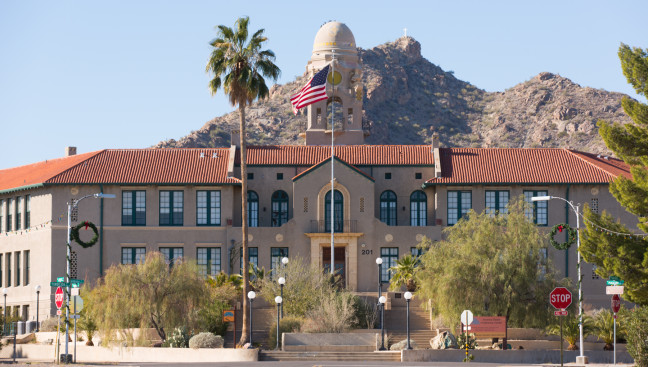
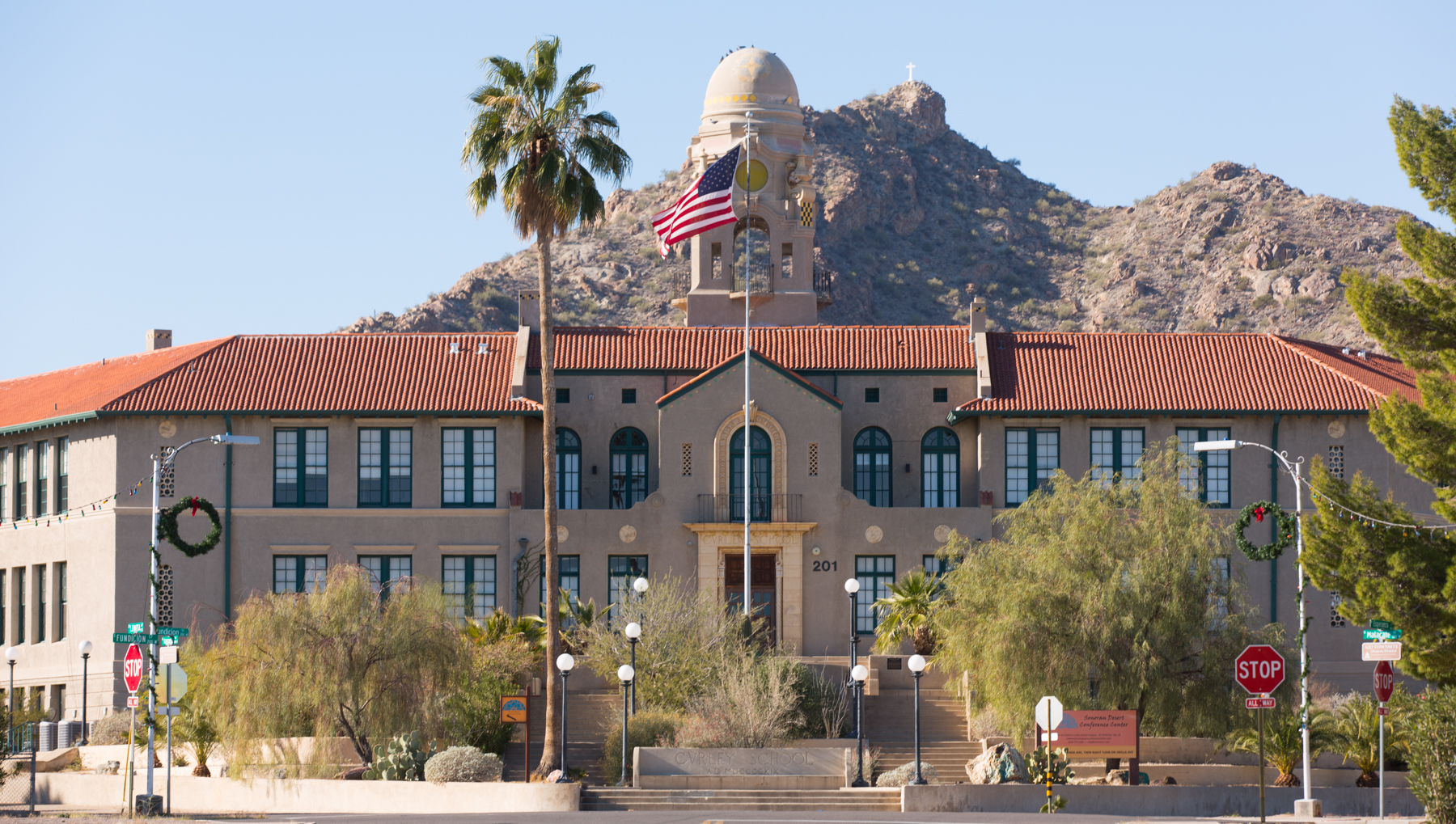
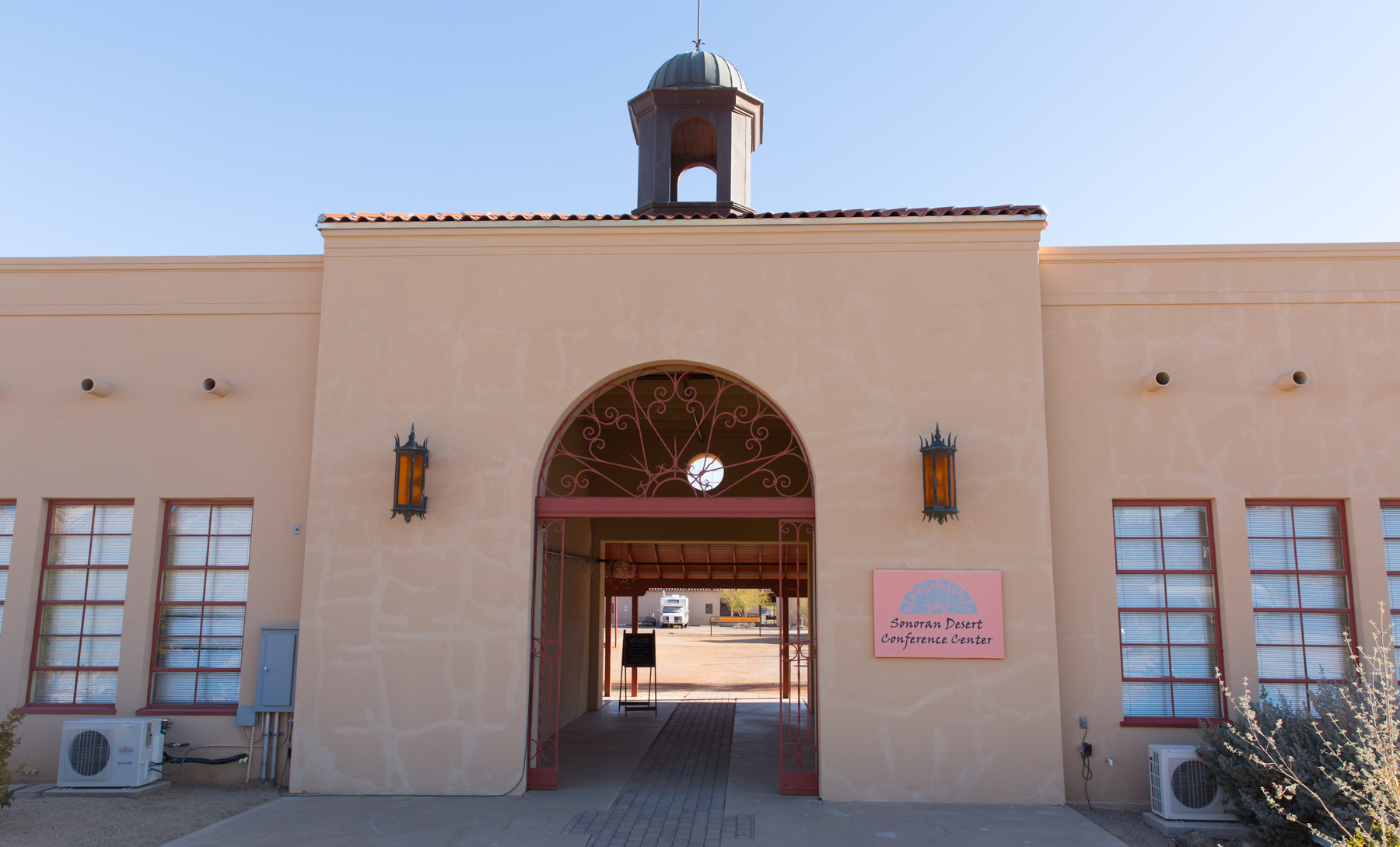
Perhaps most interesting of all is the town’s former Curley School, a large and beautiful structure that now houses artists residences in one wing, and in another, an incredible hotel. How such a place came to be is a story in itself.

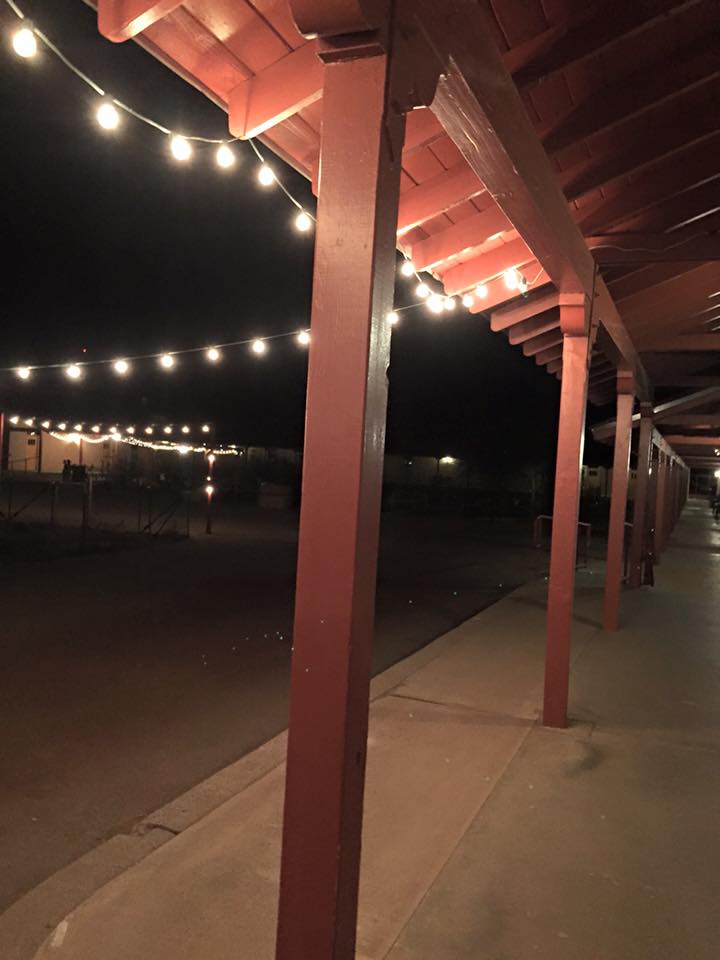
The Sonoran Desert Conference Center is a beautifully designed, industrial-chic hotel with high ceilings, luxurious bedding, and expansive rooms that were once school classrooms. It is one part of the former Curley School; the complex also includes a community garden, a courtyard with a fire pit, an auditorium, and renovated, low-income artist’s lofts. The entire campus is gorgeous.

F23C7231

According to Emily Siegel, who manages the property along with husband Stuart, there are 21 completed rooms at the hotel, with construction being completed on two additional small dorm-style rooms designed for large groups and families. The school campus was originally built over a period of time from 1919 to 1948, with the hotel wing being the most modern construction.
F23C7527

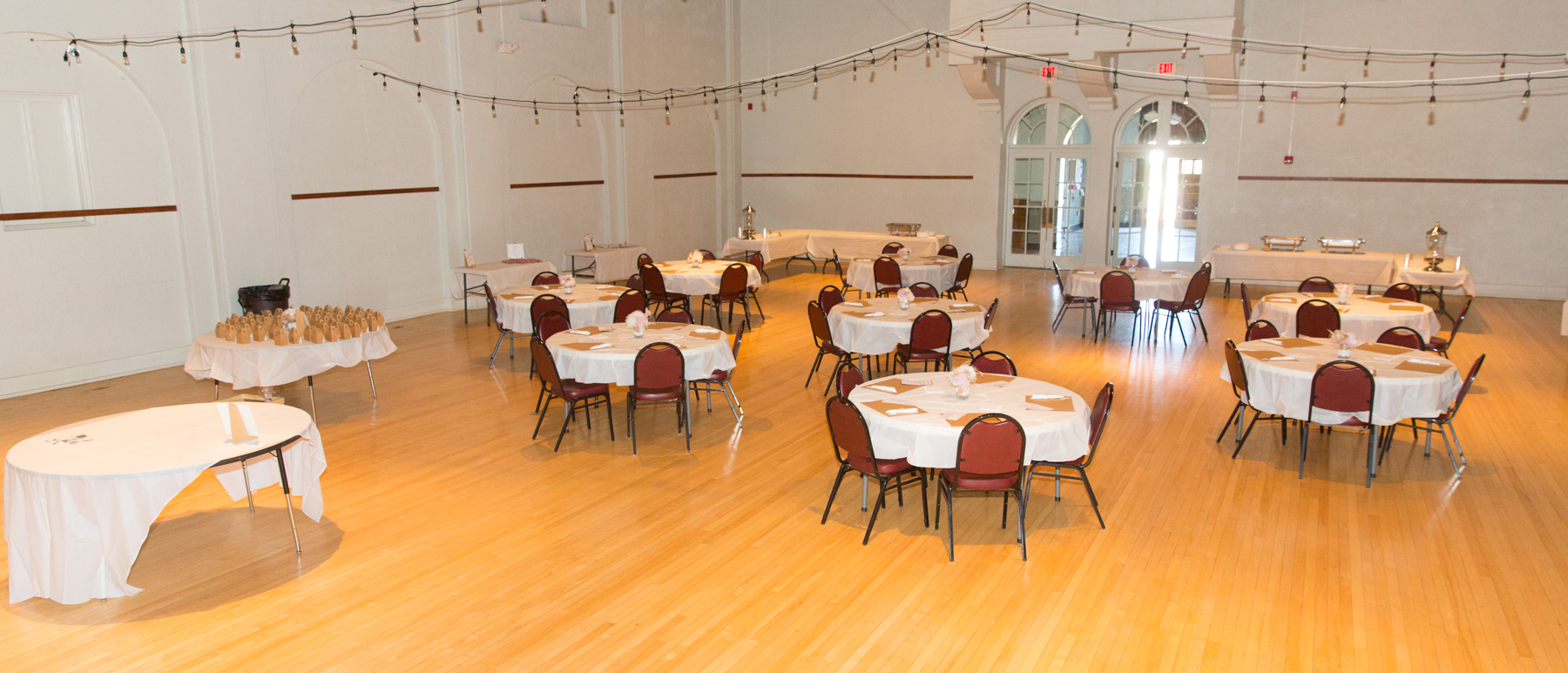
While The Sonoran Desert Conference Center is a truly wonderful vacation destination, it does in fact contain the space for conferences. The original high school auditorium has been redone and features retractable walls that offer an incredible view of the property and desert beyond. Group activities such as yoga retreats and large reunions are naturals for the property, but so are visits from couples looking for a romantic getaway, family vacationers, and adventure travelers.

To see this spot is to fall in love with it – the ornate architecture, the wild javalinas occasionally scurrying through yards, the spectacular sunsets. And that’s precisely what Emily and Stuart did when they were passing through Ajo a few years ago.

“Stuart and I made the unconventional decision to leave jobs and home and take a great American road trip. We planned it to be ten months long, but five and a half months in, driving from Joshua Tree, California to New Mexico, we got in a touch with a friend who lived here in town. We came by for just one night and were fascinated,” Emily relates.

That fascination led to a meeting with Tracy Taft, who owns the non-profit that owns the former school, and led to the Siegels’ signing on as volunteers onsite six weeks later. They helped furnish the units – which are hip, comfortable, and employ recycled materials; they hired housekeeping staff; and they set up the website for the property. The next thing they knew, they were asked to stay on and run the place.
F23C7279

F23C7228

“We love this place, and the important mission this non-profit represents in improving and restoring the town,” Siegel says.

Taft herself ended up in Ajo somewhat by accident. “Driving past the Crater mountain range fifteen miles north of here, I found the scenery compelling,” she attests. “I bought a house the same day I drove through in 1992.”

Taft didn’t move to Ajo full time until 2000, when she discovered the former school occupied by several small non-profit organizations. A new, modern school has been built on the other side of town. “I came here to retire, and within a year I joined a non-profit, and hatched this idea of renovating the Curley school. The first project was creating thirty units of live and work space for artists. We worked with the department of housing and the state as a way to save the building and bring skills and a new economic niche into Ajo.”

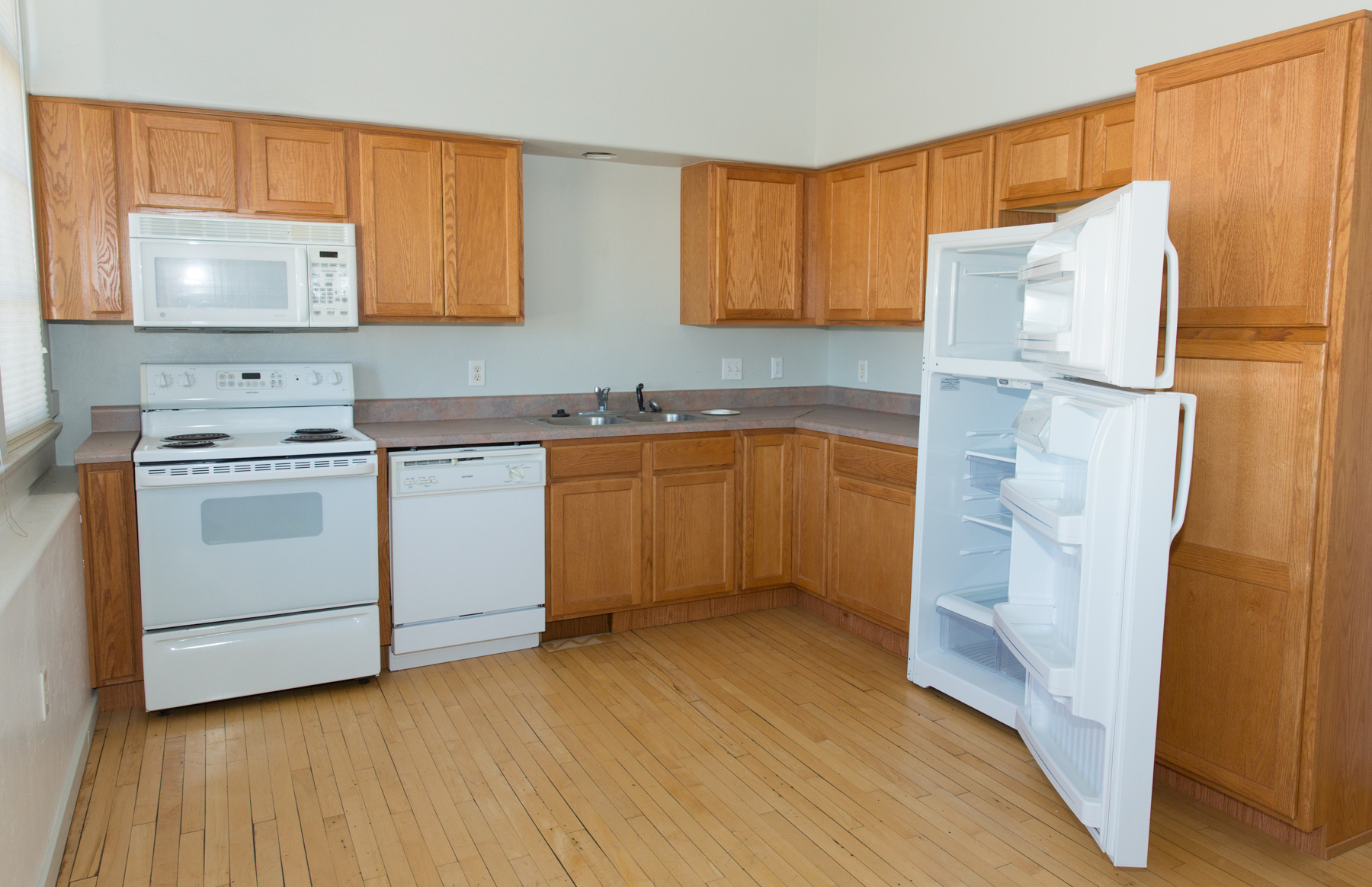
Below, a glimpse at one of the few vacant units in the artist’s residences, where large loft live/work space rents for $300 to $625 a month.

F23C7541

F23C7538

There were already artists living in town, and it was clear that there was plenty of interest from artists outside the community to come and live in the large, low cost studio and living space. The building was purchased in 2006, and the artists’ residences opened in 2007.

F23C7535

“Our mission is about community development. We want to draw more people here who create art, who invent things. And we want to encourage them to open other businesses,” Taft says.

F23C7547

The non-profit now also owns the historic town plaza, which is part of what was once a carefully designed, planned community that supported the mining industry. Both mine and property were owned by the Greenway family, the same family whose descendants still run the elegant Arizona Inn in Tucson. John Campbell Greenway was a beloved figure in town, and when he passed away in an untimely death, he left $100,000 to the miners of New Cornelia Copper Company.

But all this backstory is merely an entry point to add to the appreciation of a truly cool community and an attractive, peaceful hotel that is more than worth a visit – and a repeat visit or two.

Like Taft and the Siegels before us, we were smitten by the place. The craggy hills, the cactuses, the quirky and wonderful murals throughout town, the historic and beautifully preserved town square, and the spotless, sleek hotel rooms won us over fast.

At first glance, there isn’t a lot to do. But look again. Take a stroll through the pretty plaza, which contains an art gallery and coffee house, and should soon be adding a craft brew pub to its quiver. Drive, bike, or hike the scenic loop road that starts just a few blocks from the hotel, catch a sunset.
ajo mining pit

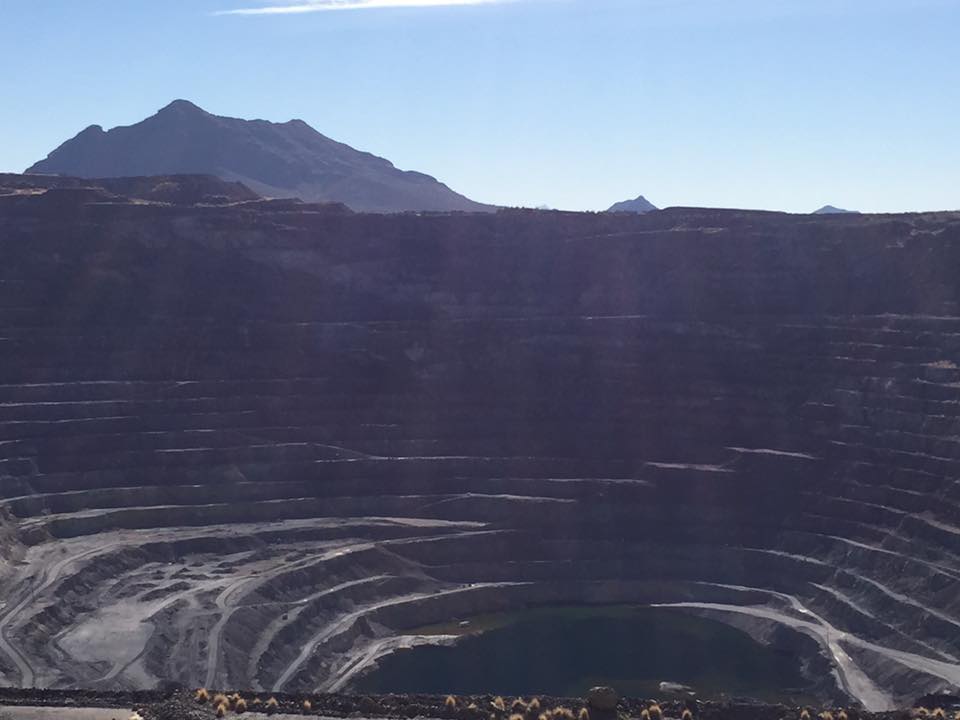
There’s a mining museum that pays tribute to and allows a good look at the Ajo mine which was purchased from the Greenway family and by the Phelps Dodge company who shut it down in 1984. The mine is still a sight to see: it measures a mile and a half across and 1200 feet deep to the bottom pit. The mining crater is circled in levels, each forty feet. Formerly one of the largest copper mines in the world, the New Cornelia pit also offers a glimpse of a startlingly turquoise hued lake at the bottom of the pit.
ajo organ pipe long shot

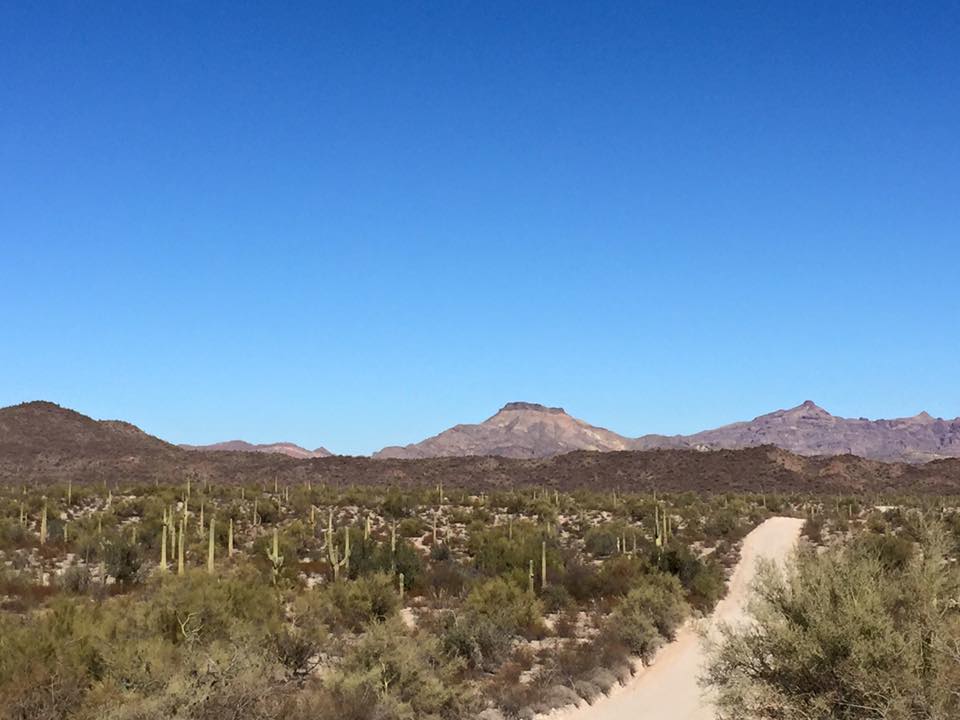
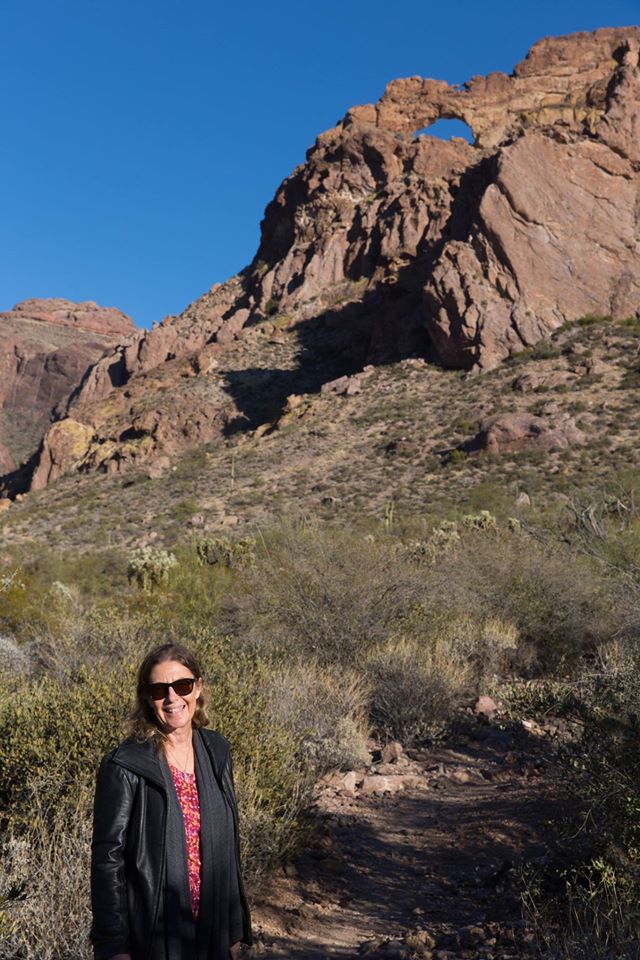
Beyond Ajo, a less-than-thirty minute drive takes visitors to the stunning Organ Pipe National Monument.
Ajo Organi Pipe me

The relatively quiet preserve allows plenty of space to take some stellar hikes and quite wonderful driving loops. We were surprised and enchanted to see a red rock arch delicately etching the bright blue sky;  the main roads, easily driveable dirt, lead drivers and hikers past a variety of scenic stops from unique cacti to rock formations.
F23C7340

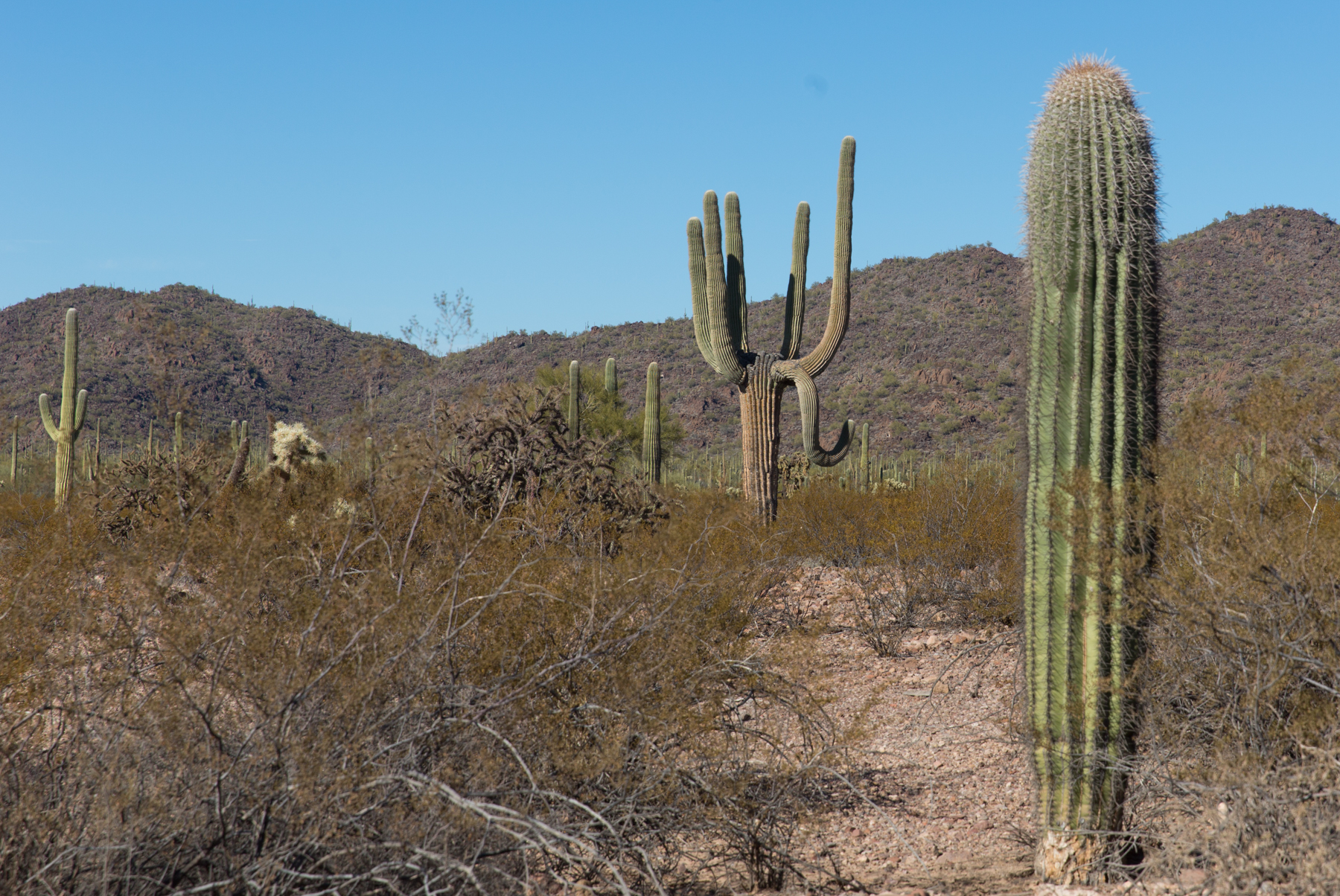
The park was surprisingly lush for the desert. Plenty of green plants, birds, and other wildlife are visible. Interestingly, the Organ Pipe Cactus itself, while common in Mexico is rare in the states, and can’t tolerate cold weather. They also need plenty of sun, and are found throughout the monument in the thickest clusters on south-facing slopes.

F23C7382

Visitors with passports can drive on past the park, cross the Mexican border,and be on the gulf coast at Rocky Point within another 90 minutes.
F23C7596

F23C7580

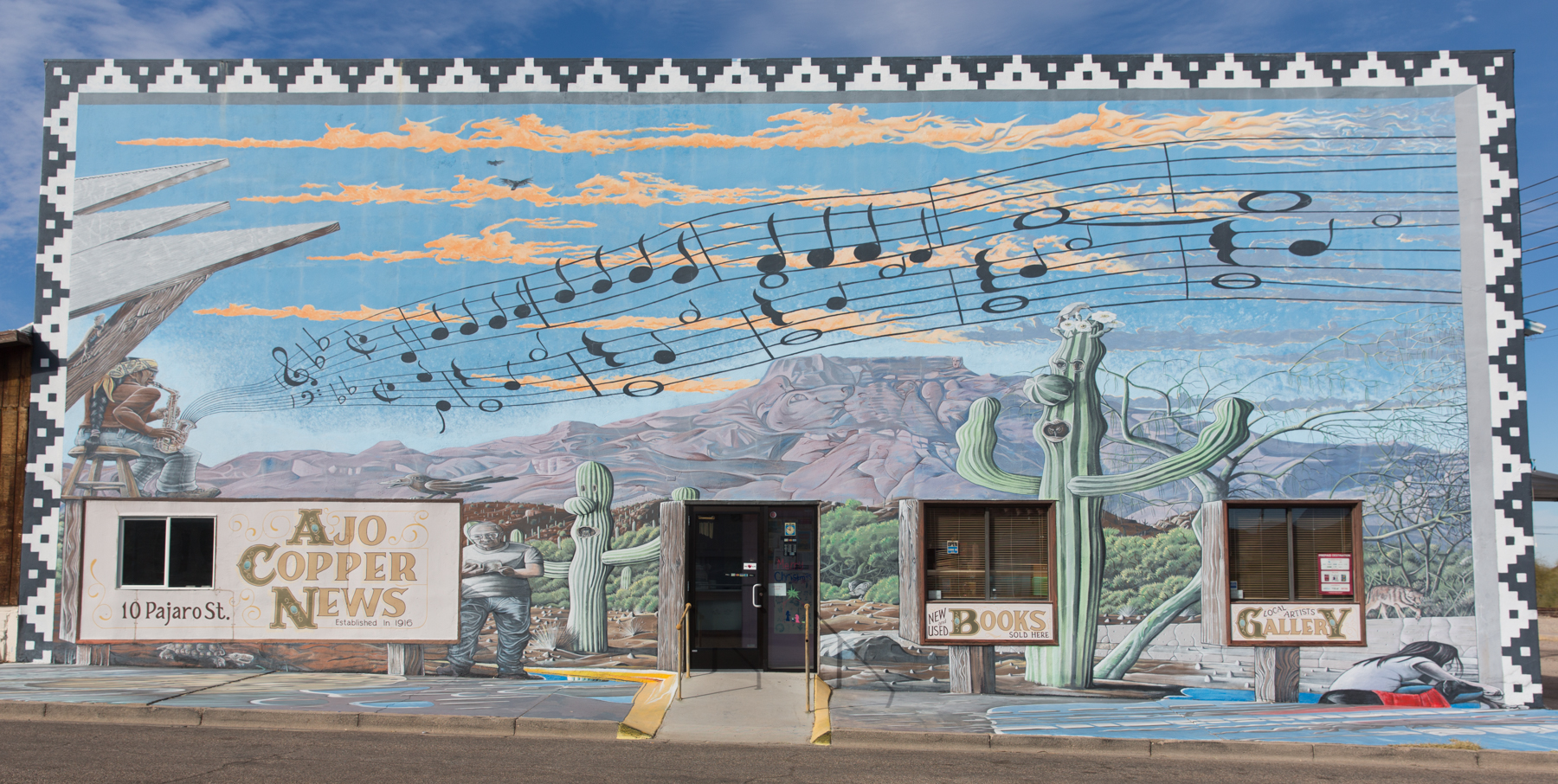
But staying close to Ajo itself also offers pleasurable exploring. With thirty-five plus murals and a number of sculptures scattered throughout the town, some commemorating movies shot in the area, the art scene that the Curley School artist lofts support is definitely a real presence.

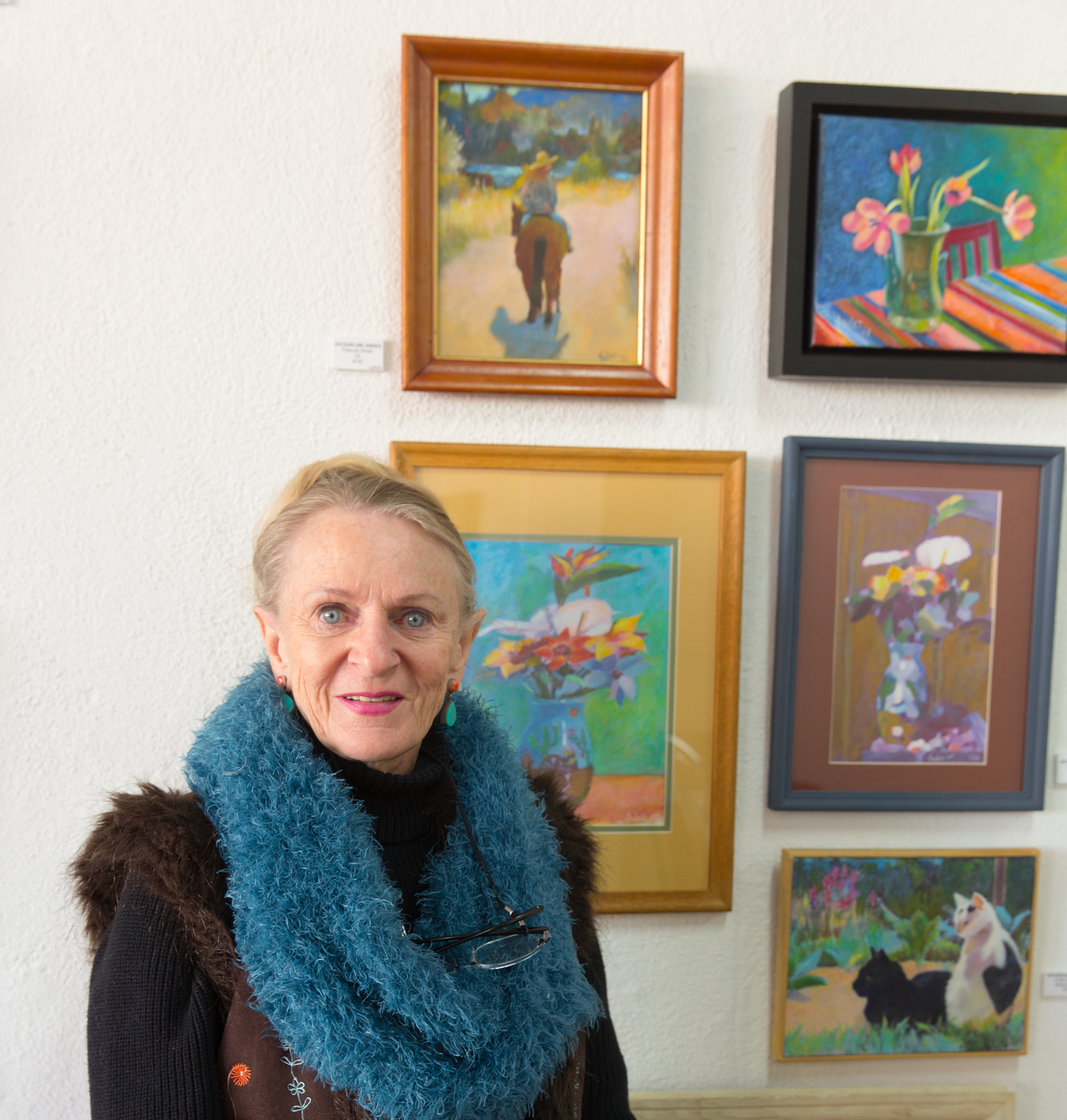
The Spanish colonial revival architecture that makes up the plaza and a number of other historic buildings is also an attraction. Located in the plaza is the Under the Arches Gallery, curated by artist Jacqueline Andes.
F23C7296

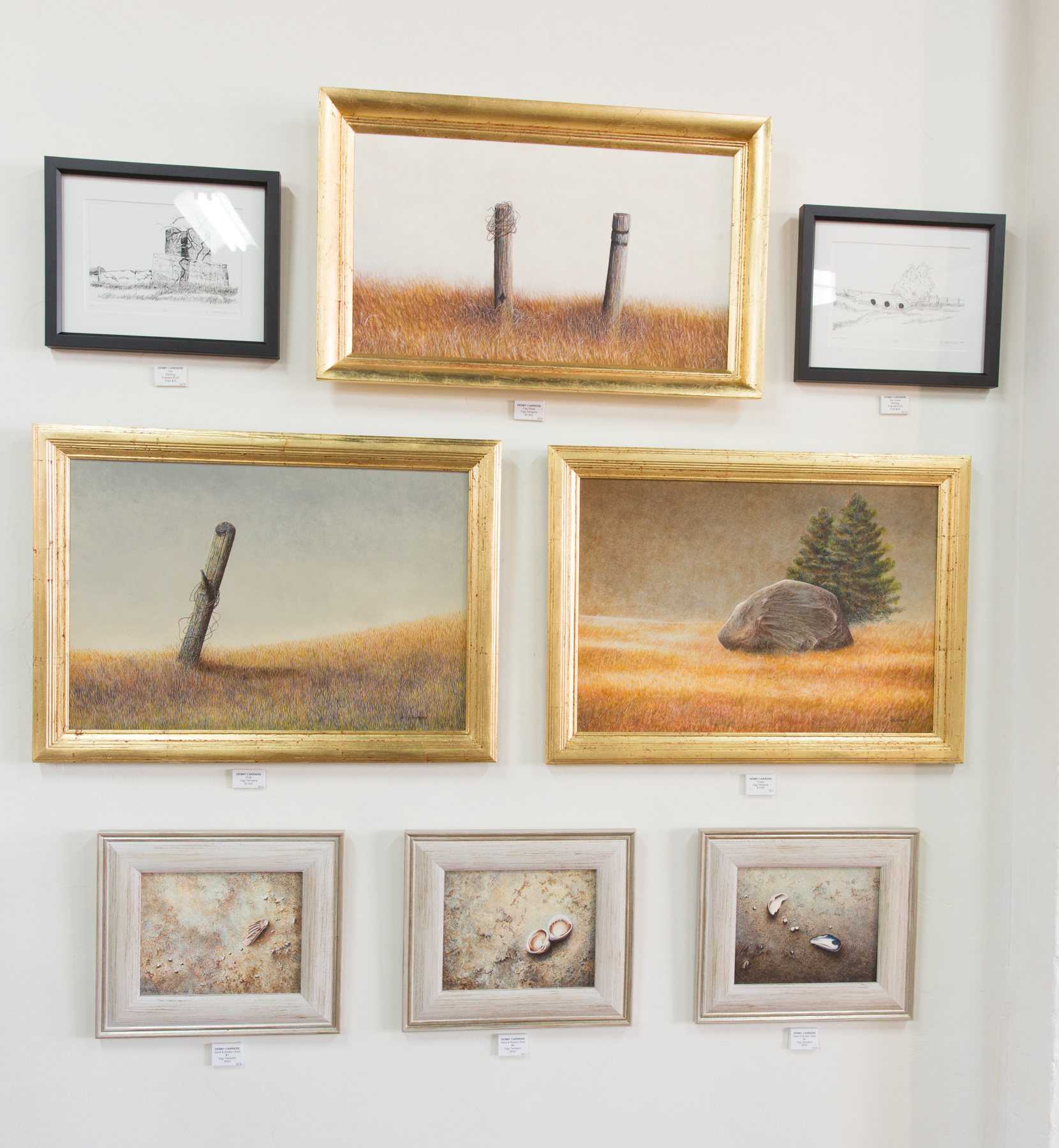
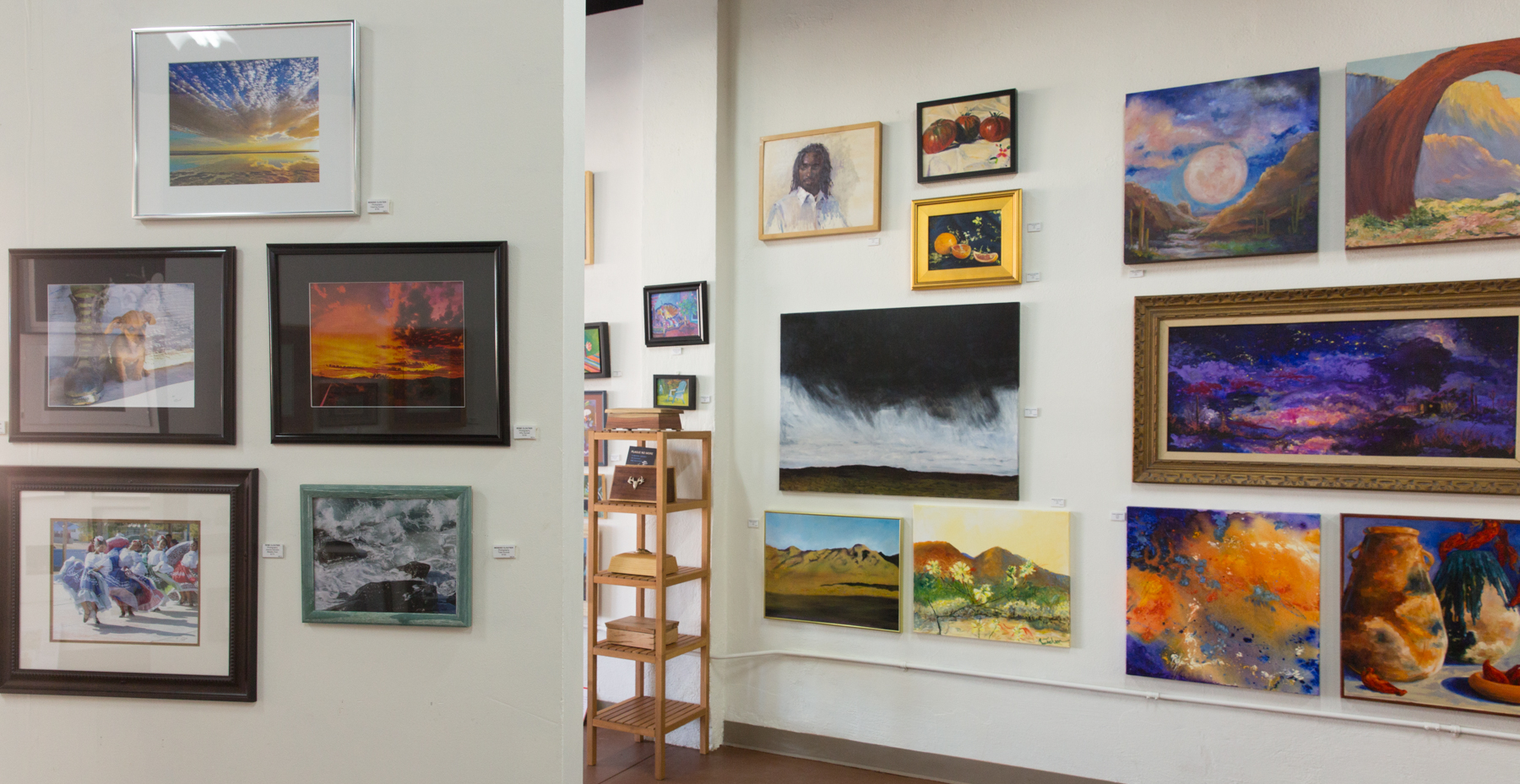
“We’re a non-profit community gallery featuring work by emerging contemporary artists, art from recycled materials, and photography,” Andes relates. “We’re self-sustaining, we draw visitors from Phoenix and snowbirds heading into Mexico.”
F23C7286

F23C7281

The gallery opened in November 2015, and offers evening opening receptions monthly, for artists like Danny Carriere who works as did Andrew Wyeth in egg tempera paint, and photographer John Linton whose subject in a recent show were the homeless residents of Phoenix.  

F23C7283

The gallery, like the Curley School project and the plaza itself are all a part of the International Sonoran Desert Alliance.

Every February, fiddlers from all over the country come to perform in the plaza; the Ajo Peacemakers Annual Quilt show is also held in February, as it has been for twenty years.

The unpolluted skies are relatively dark at night, which means excellent stargazing. Another short drive takes visitors to the Kitt Peak National Observatory which features programs open to the public and viewing through massive, research-grade telescopes.
ajo hotel courtyard

But all of these places to visit and explore are just a sum of the whole: Ajo, whose name may truly mean a place not just where Native Americans came to get the colors with which to paint, but a place which paints itself on the heart, and imprints itself on the mind.

F23C7576

Whether you’re an artist looking to establish residency, an adventure minded tourist longing for an uncrowded desert hike, or just folks who want to get away to a place both quiet and renewing, Ajo is well worth the drive down a relatively untraveled road. Stopping here isn’t only good for the soul of the visitor, its good for the soul of the town – tourist dollars are helping to renew the community. Perhaps its that spirit of mutual giving that adds to the feeling of being rewarded for discovering this place.

Ajo sunset

Check out what one non-profit, a group of supportive, driven people, and a focus on the arts can accomplish. Go visit! From Los Angeles, the drive is less than six hours; from Phoenix it’s under two.

  • Genie Davis; Photos: Jack Burke
 

Robolights: The Magical World of Artist Kenny Irwin

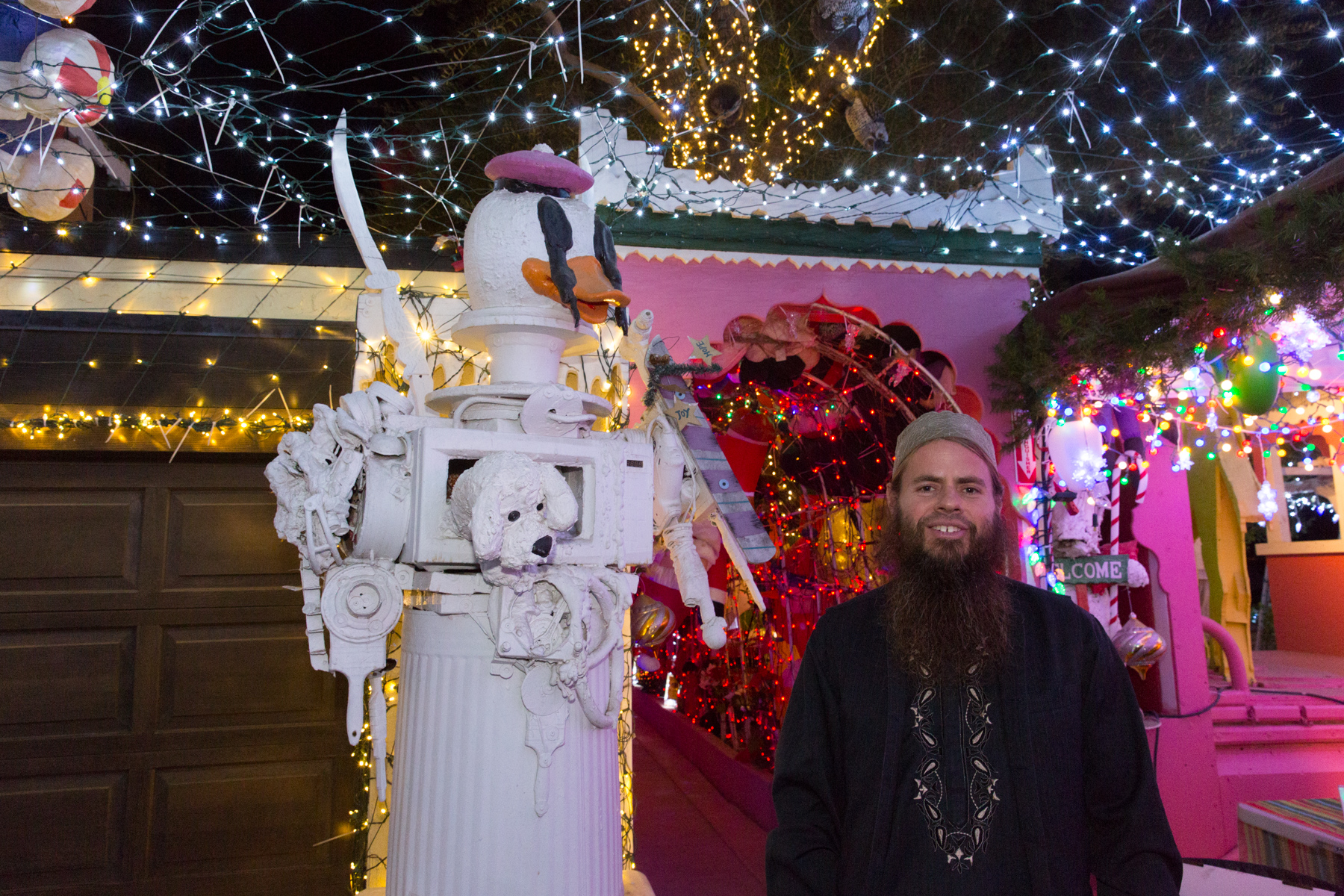
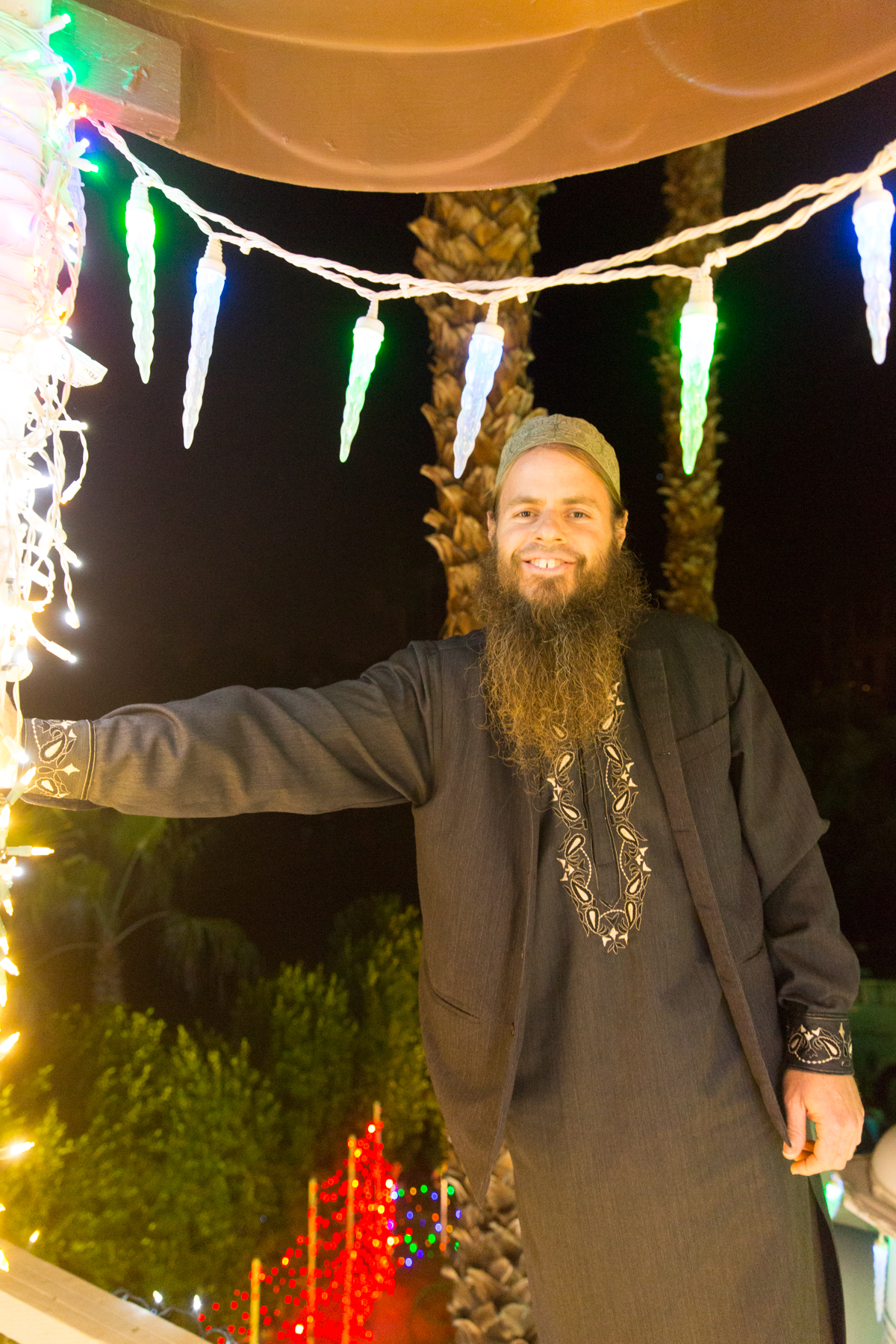
Kenny Irwin and one of his awesome creations

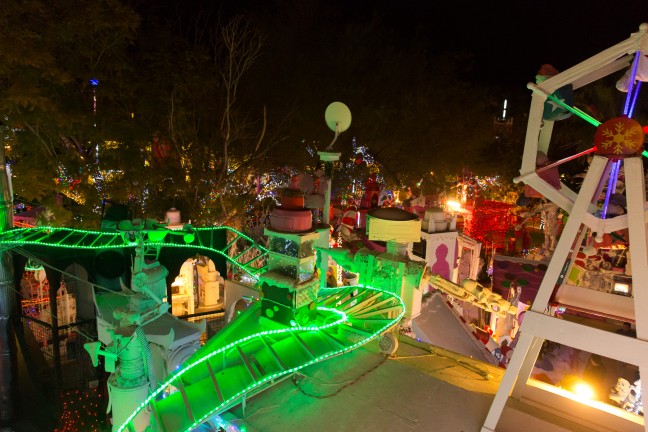
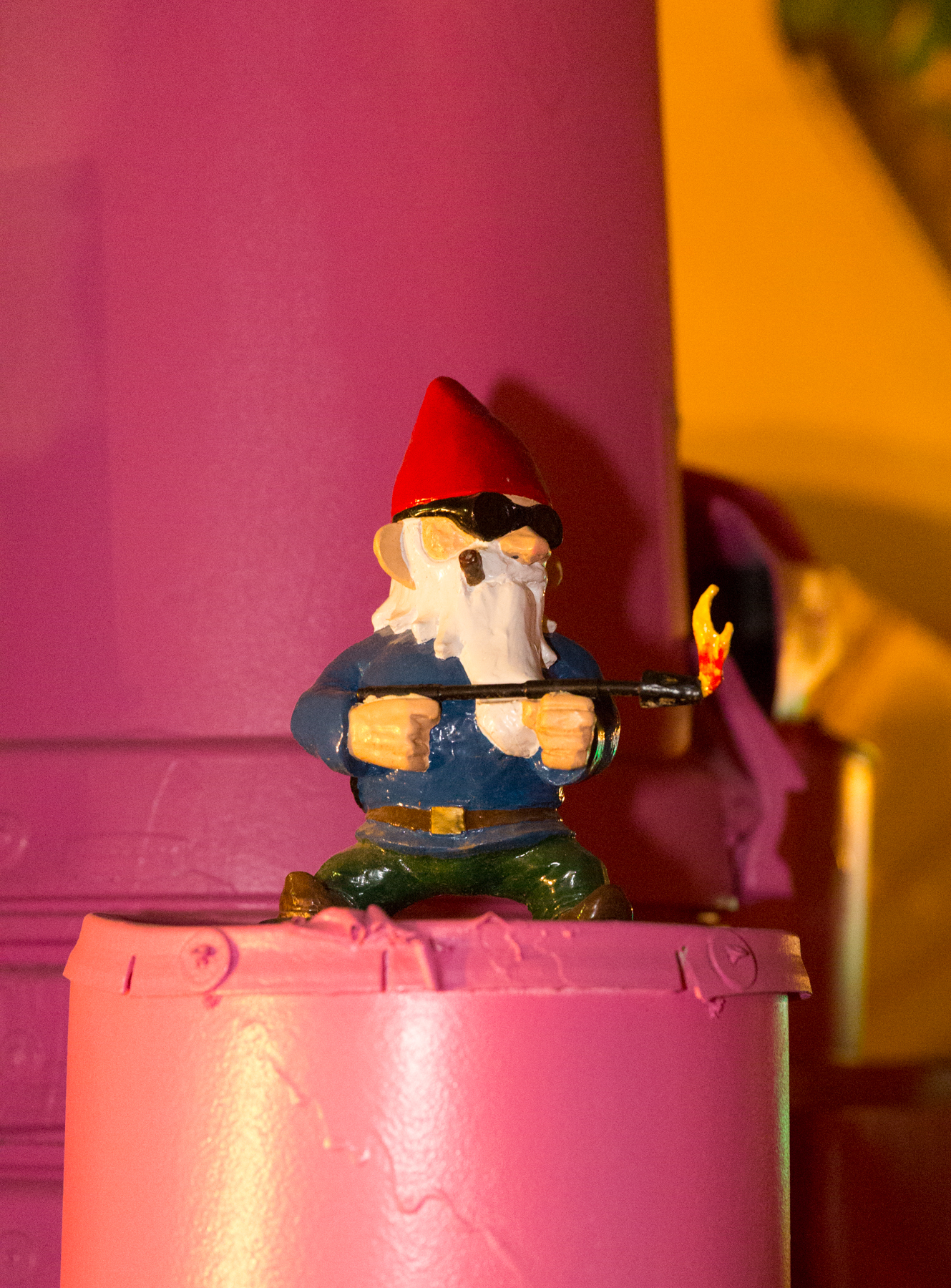
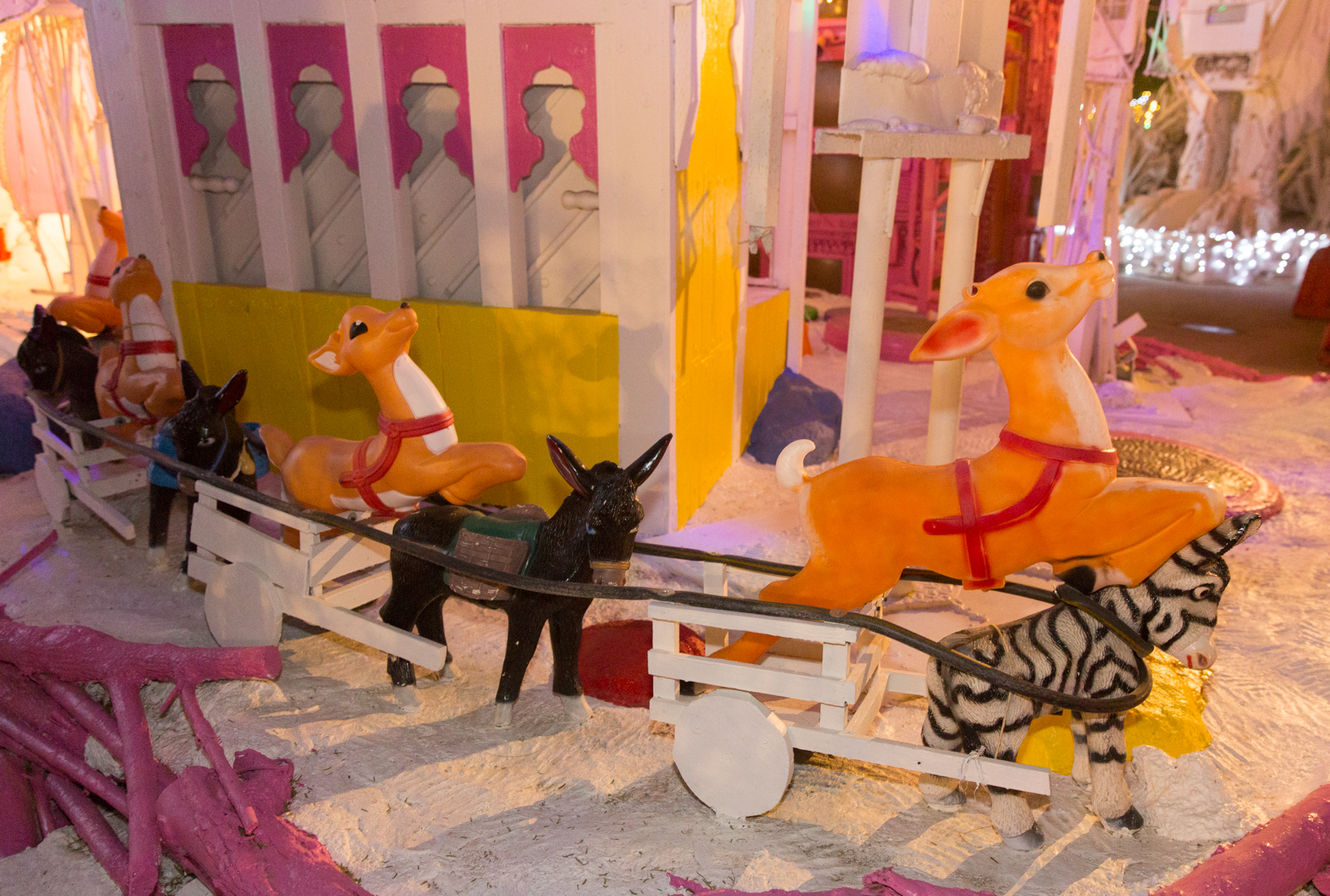
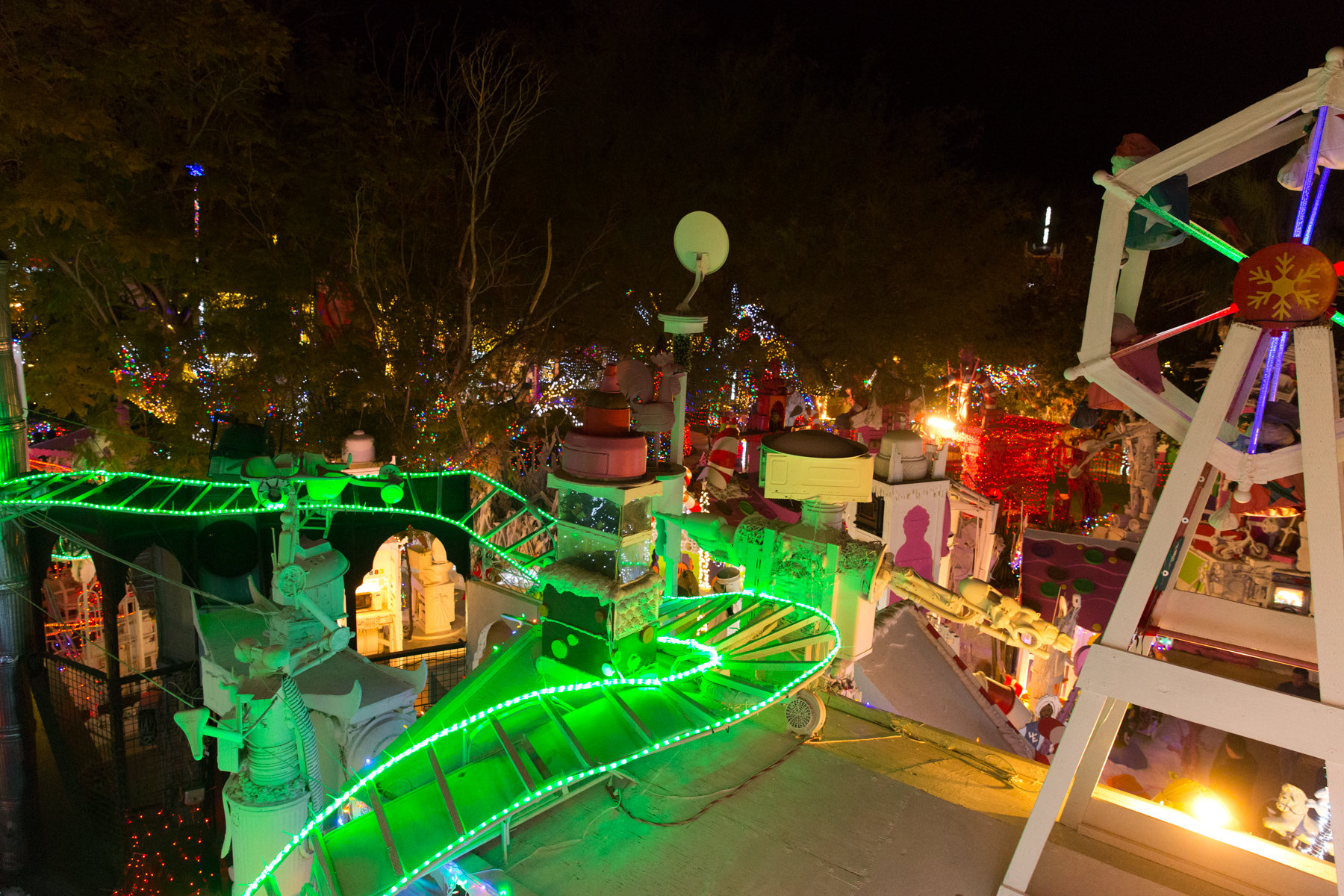
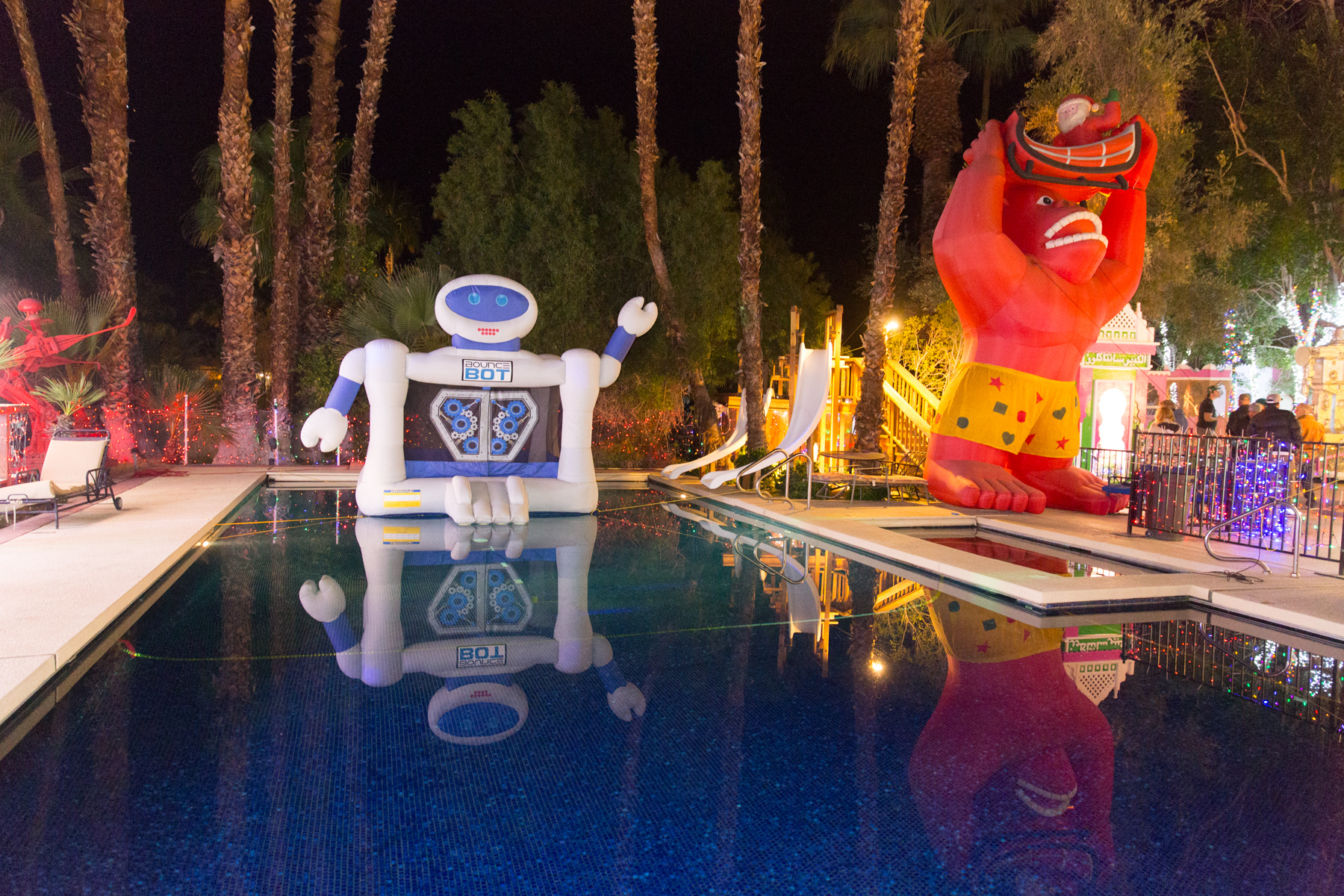
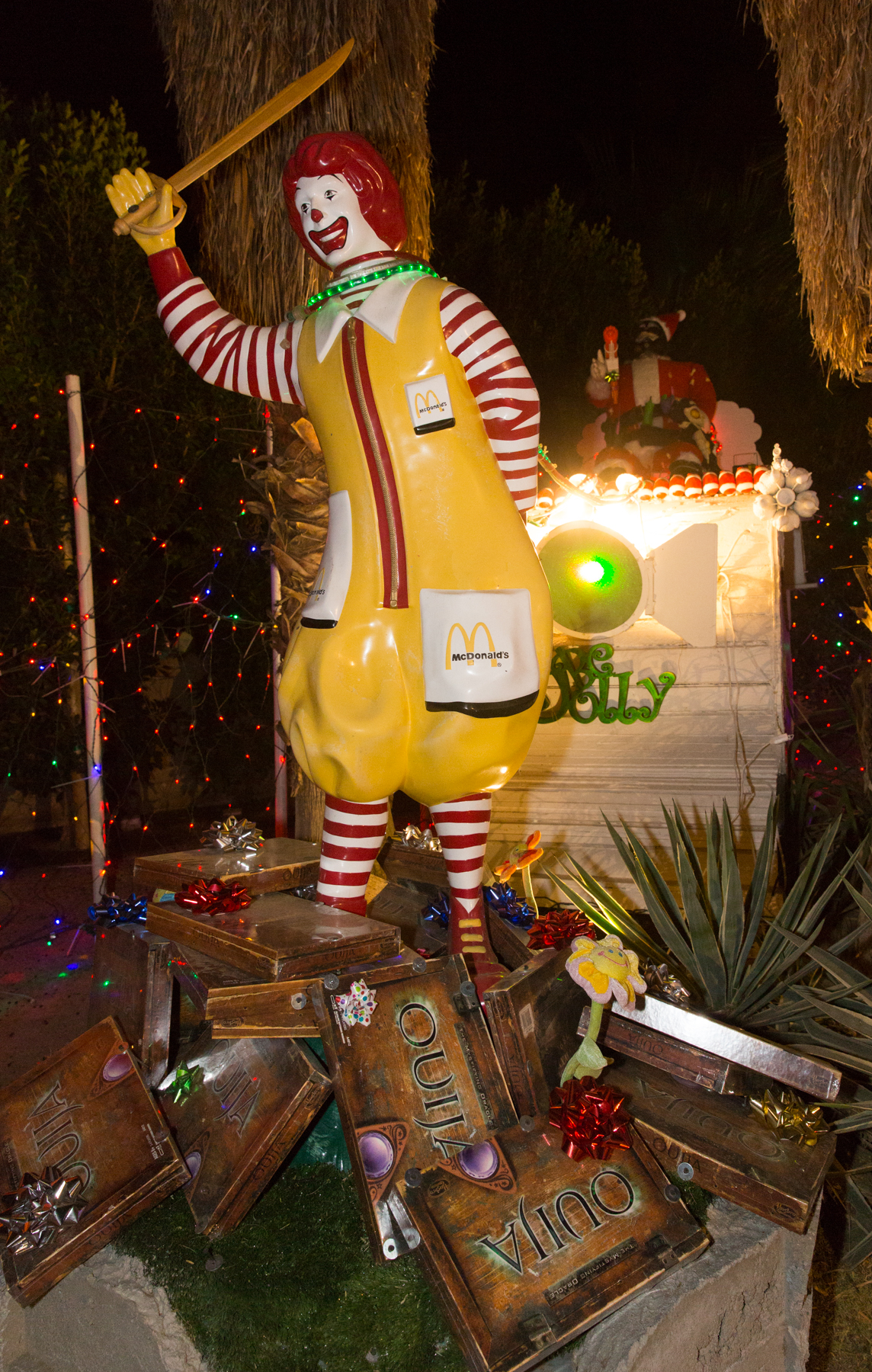
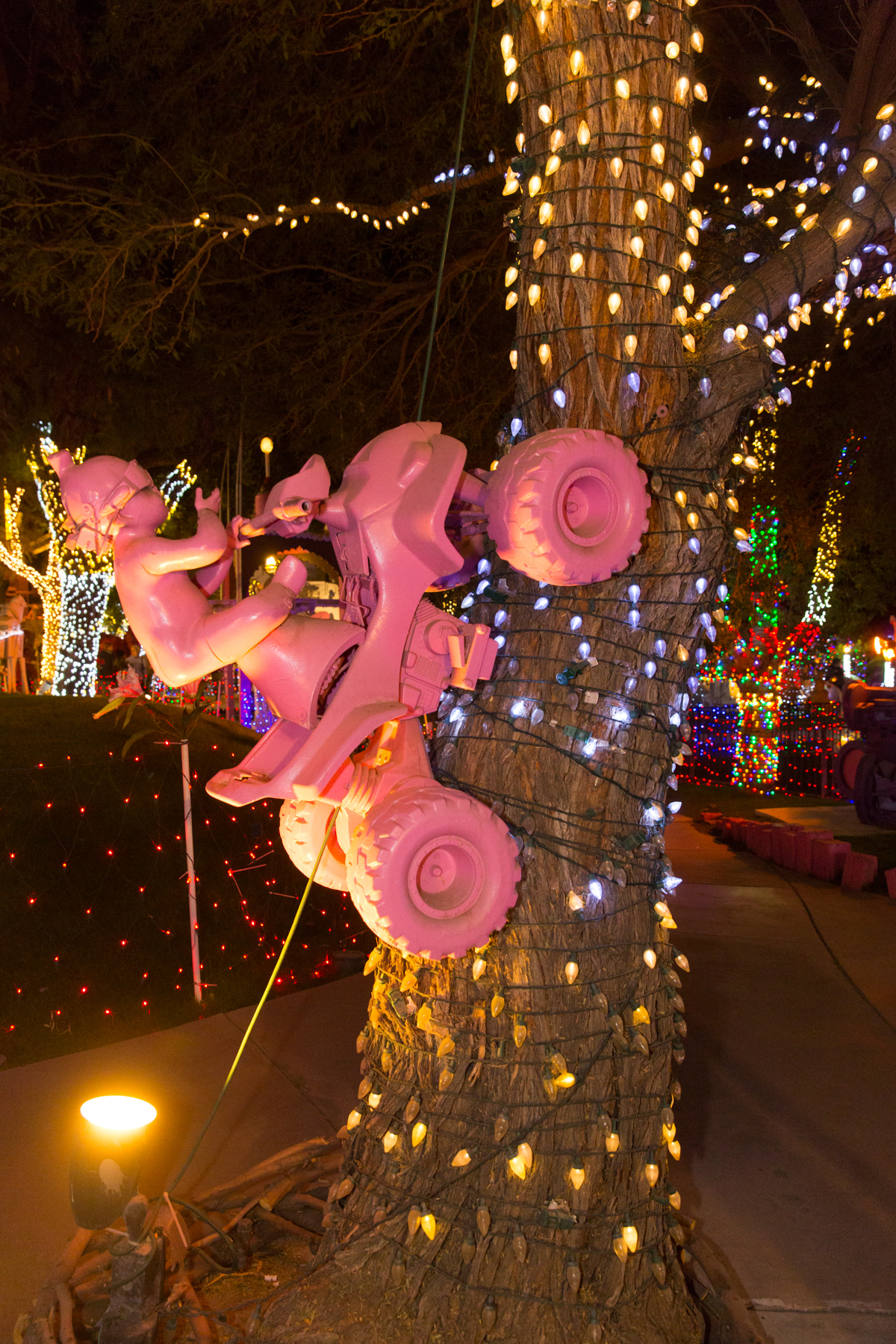
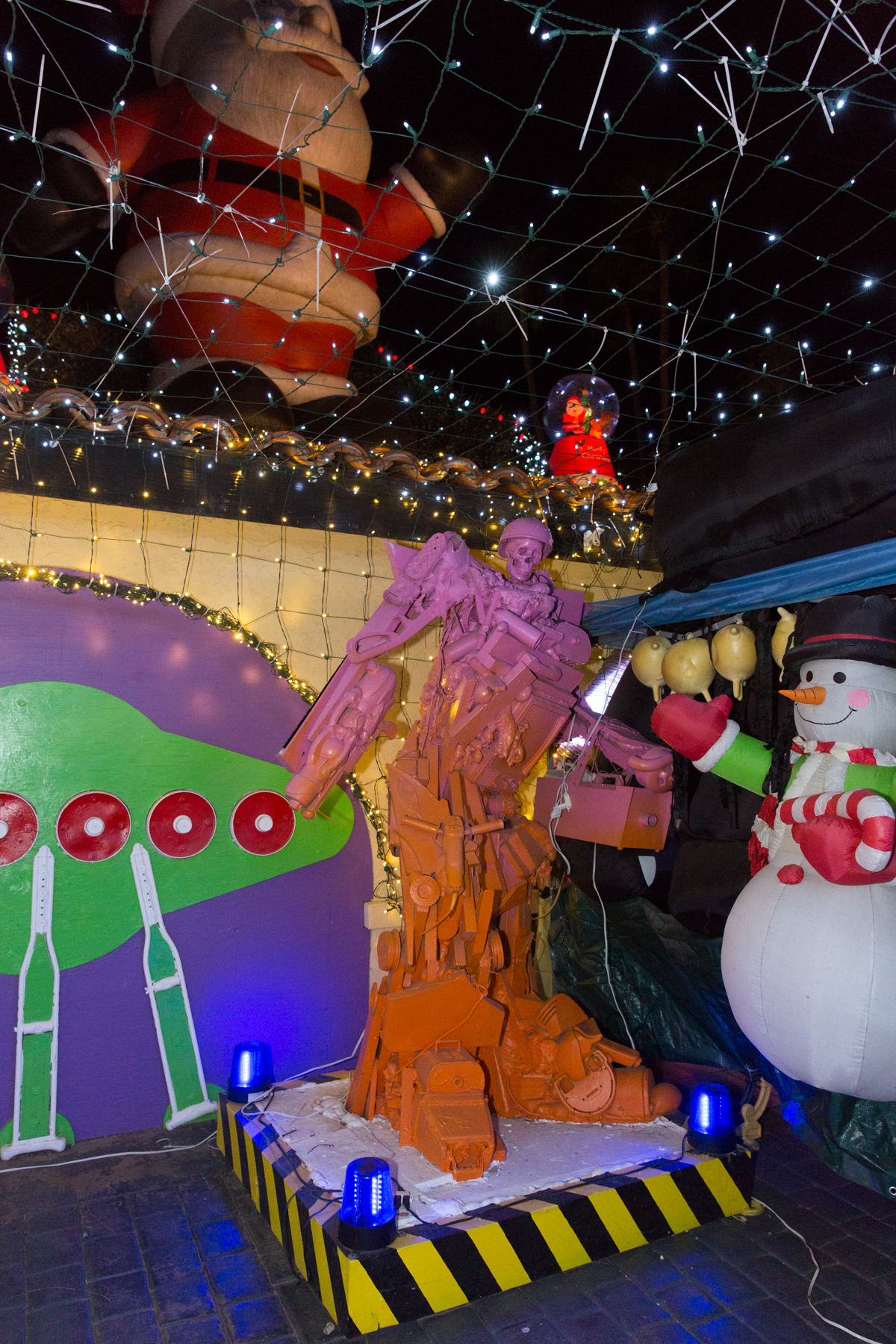
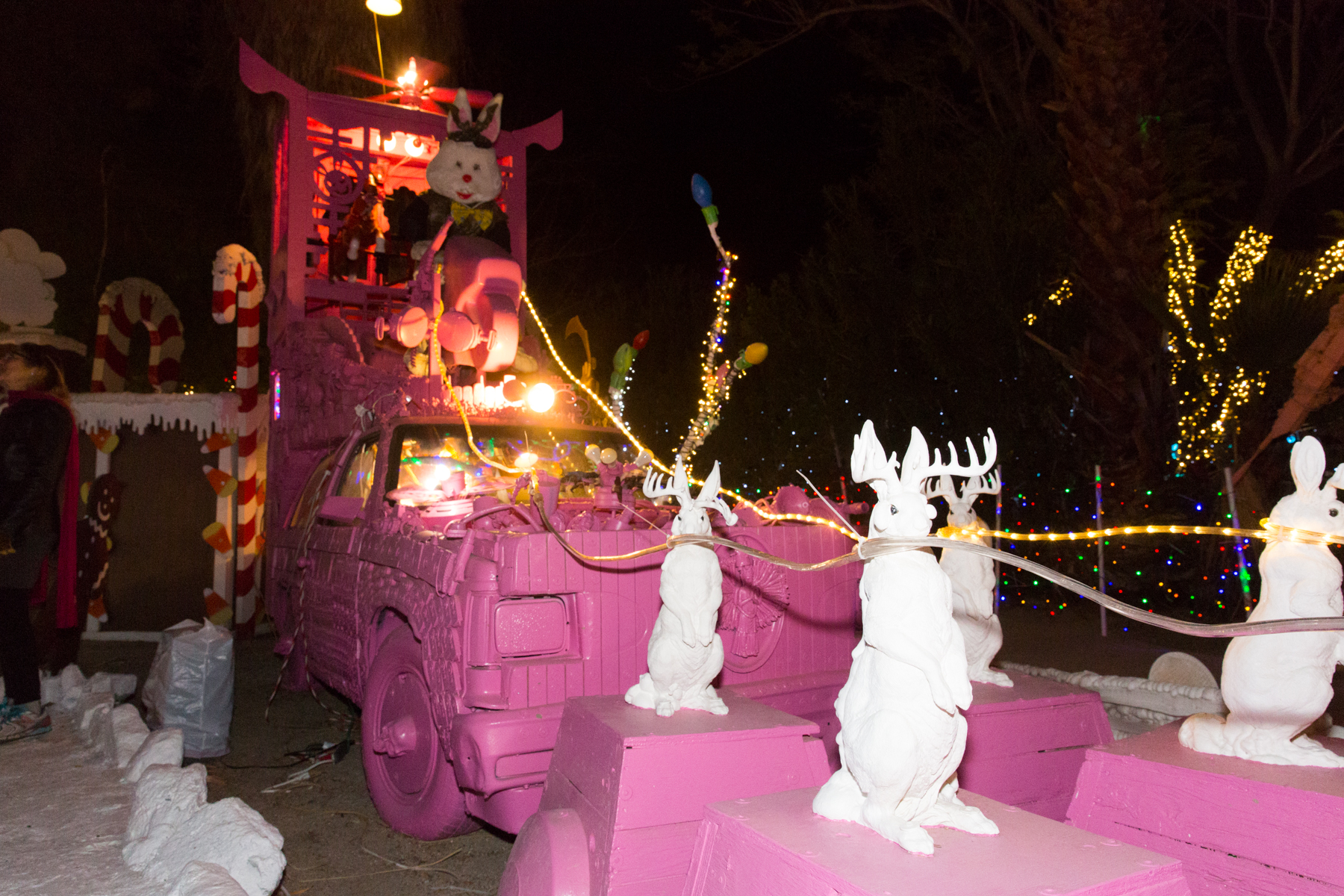
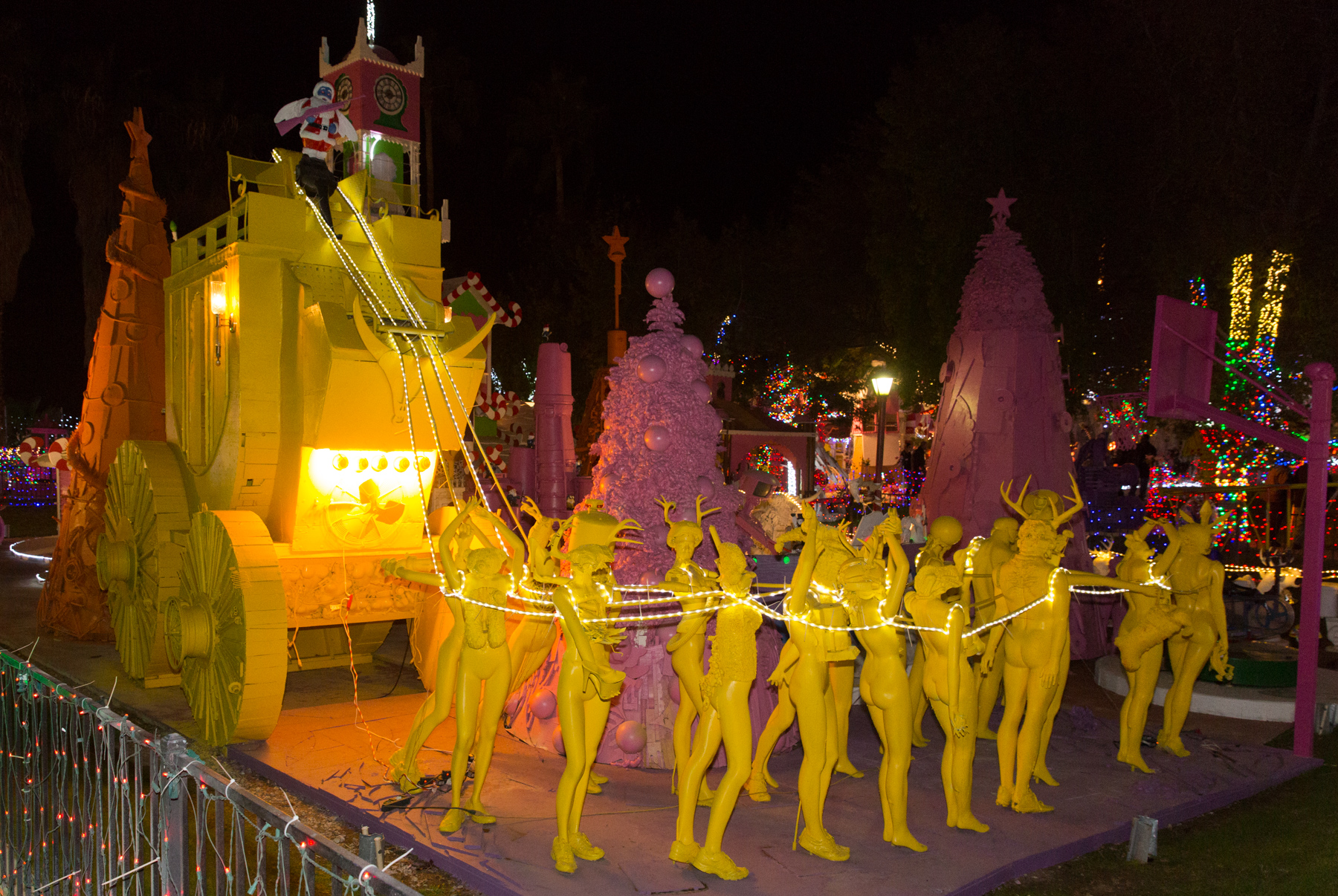
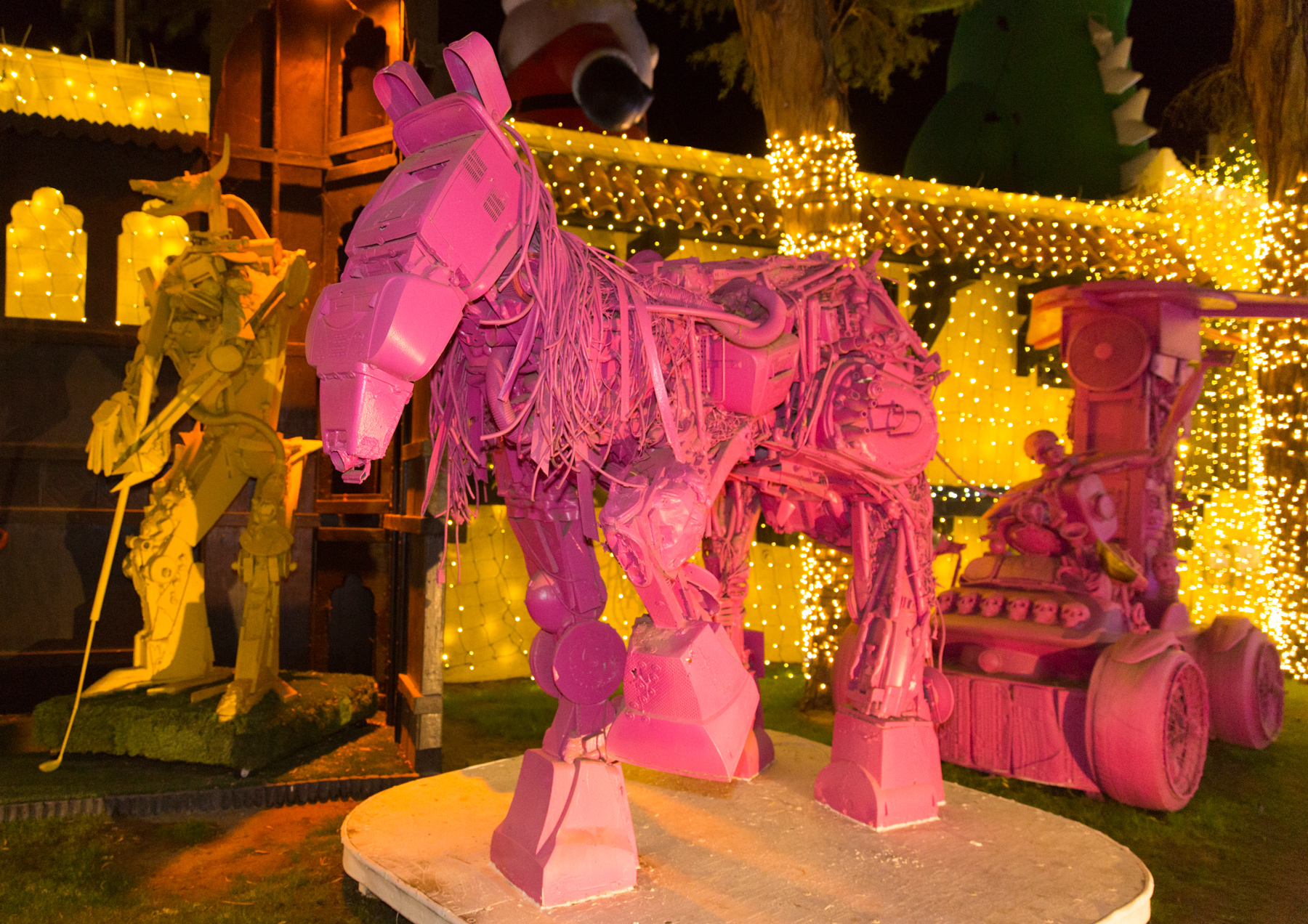
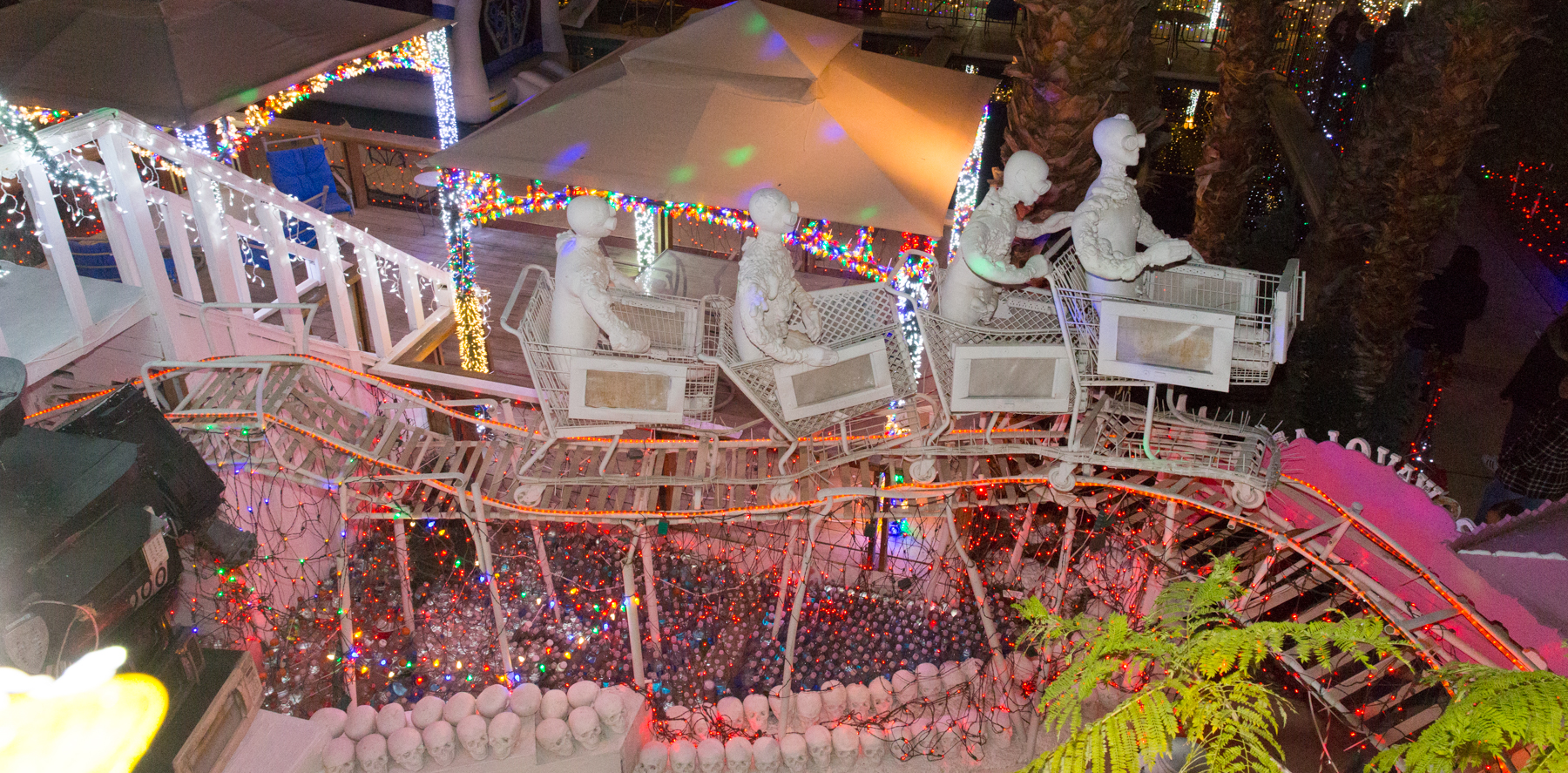
Kenny Irwin has created a kingdom far more magical than Walt Disney’s. In the middle of Palm Springs’ Movie Colony district, Irwin has crafted giant sculptures of robots, animals, and all sorts of other-worldly creatures – a thousand tons of art work, according to the artist – and placed them at his and his father’s four-acre property. It’s a mix of The Nightmare Before Christmas, Iron Giant, science fiction, and yes, Disneyland style, with the fusion of these elements an artistic wonder that will blow viewers’ minds.

F23C7744

“I started making art as a baby,” the 41-year-old Irwin relates. “I always knew I was an artist. It’s kind of like when a cat is a kitten, it knows it’s a cat.”

F23C7737

F23C7738

F23C7740

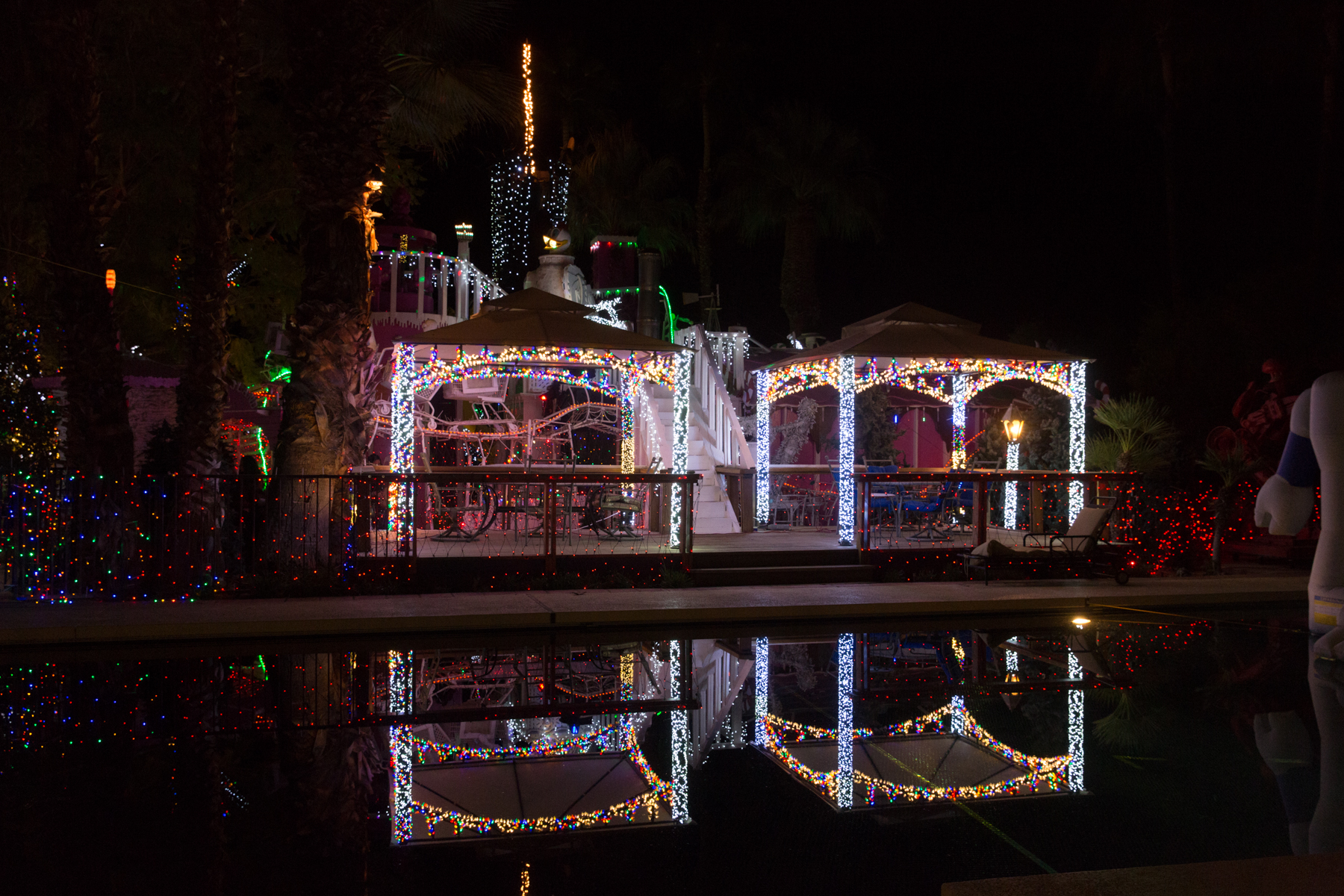
Some 29,000 visitors so far have passed through Irwin’s sculptural works, primarily during the holiday season when the installations are lit up like a million jewels with sparkling, multi-colored, marvelous webs of lights. It takes several months to set up the light display, but Irwin works on his art constantly throughout the year.

F23C7750

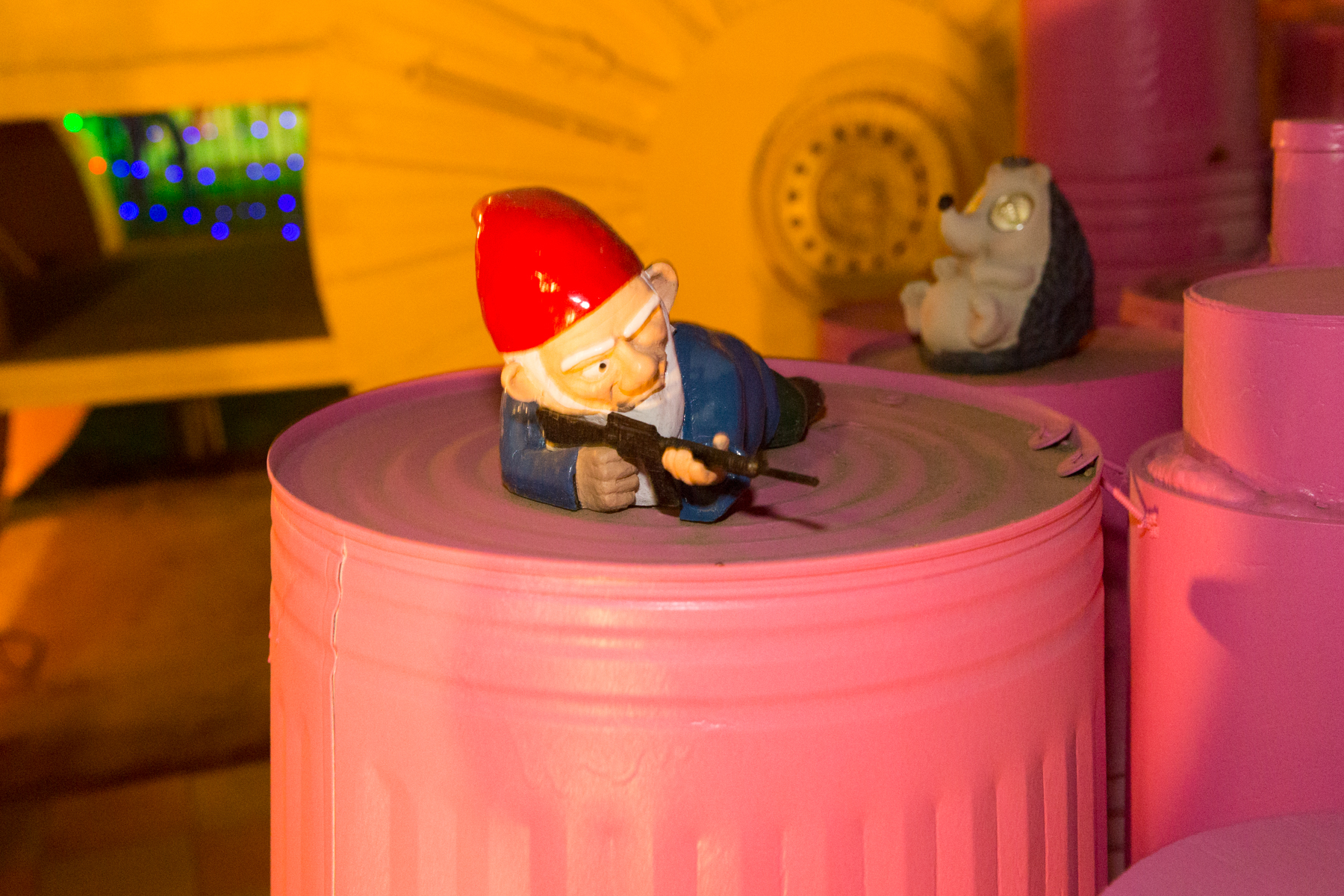
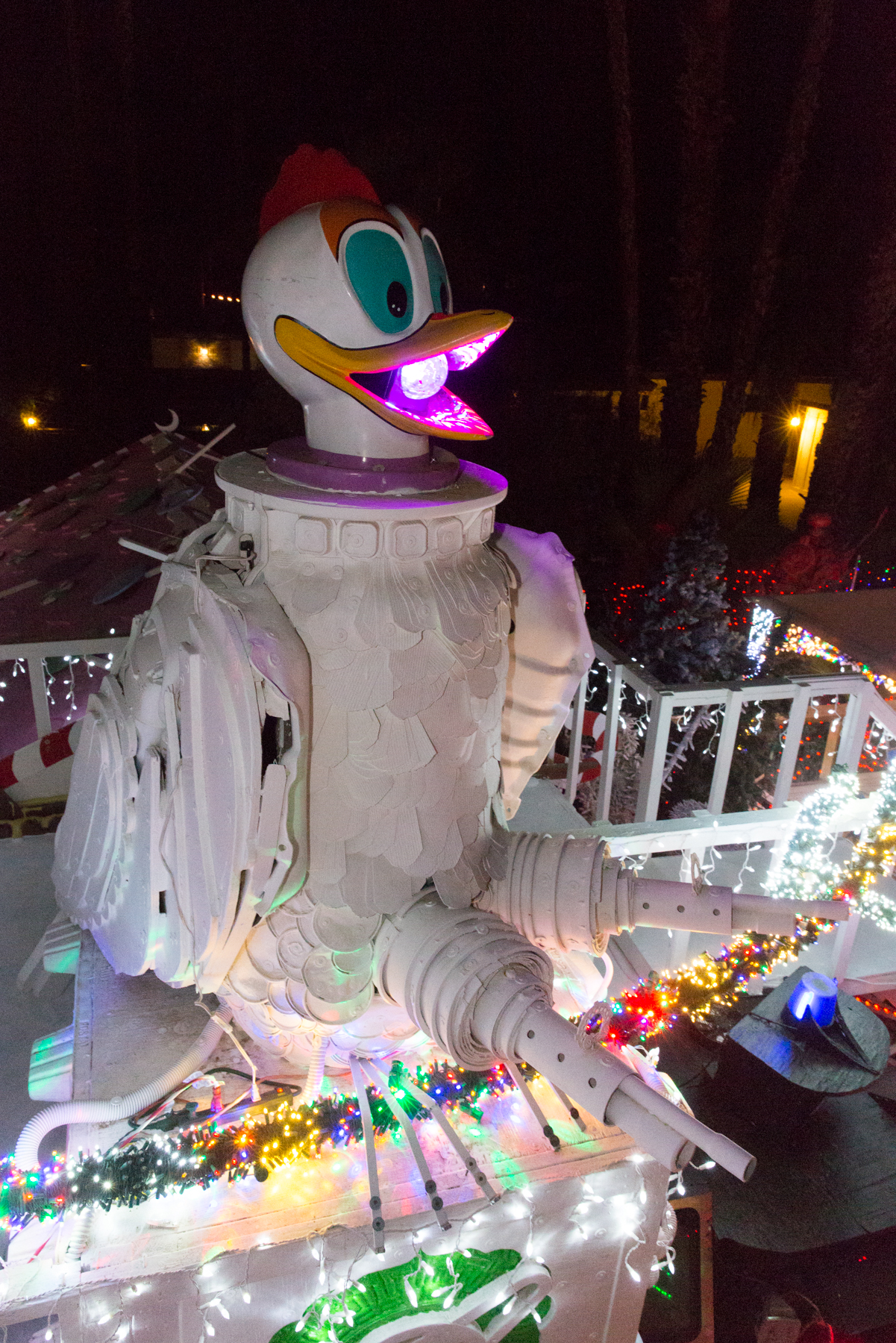
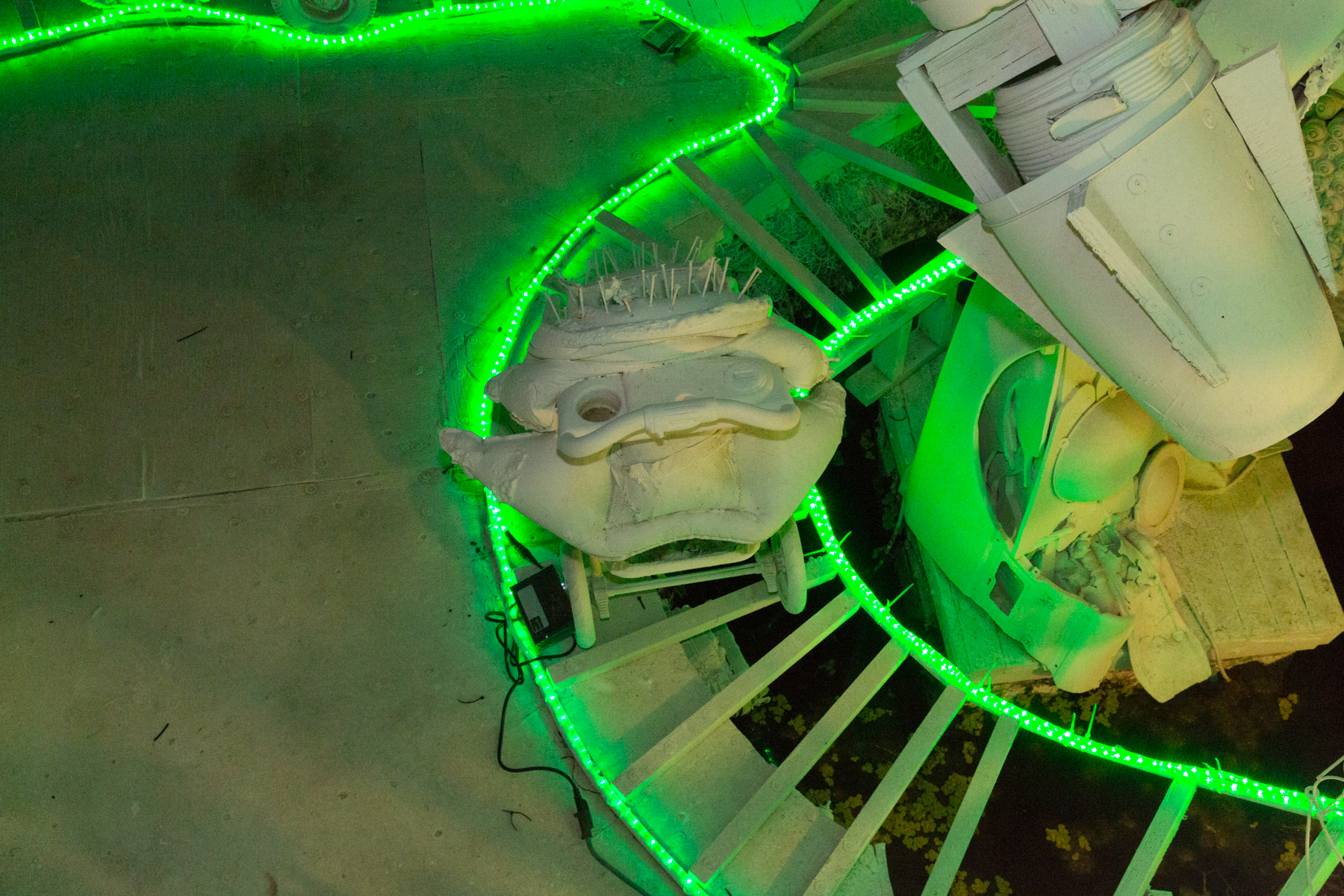
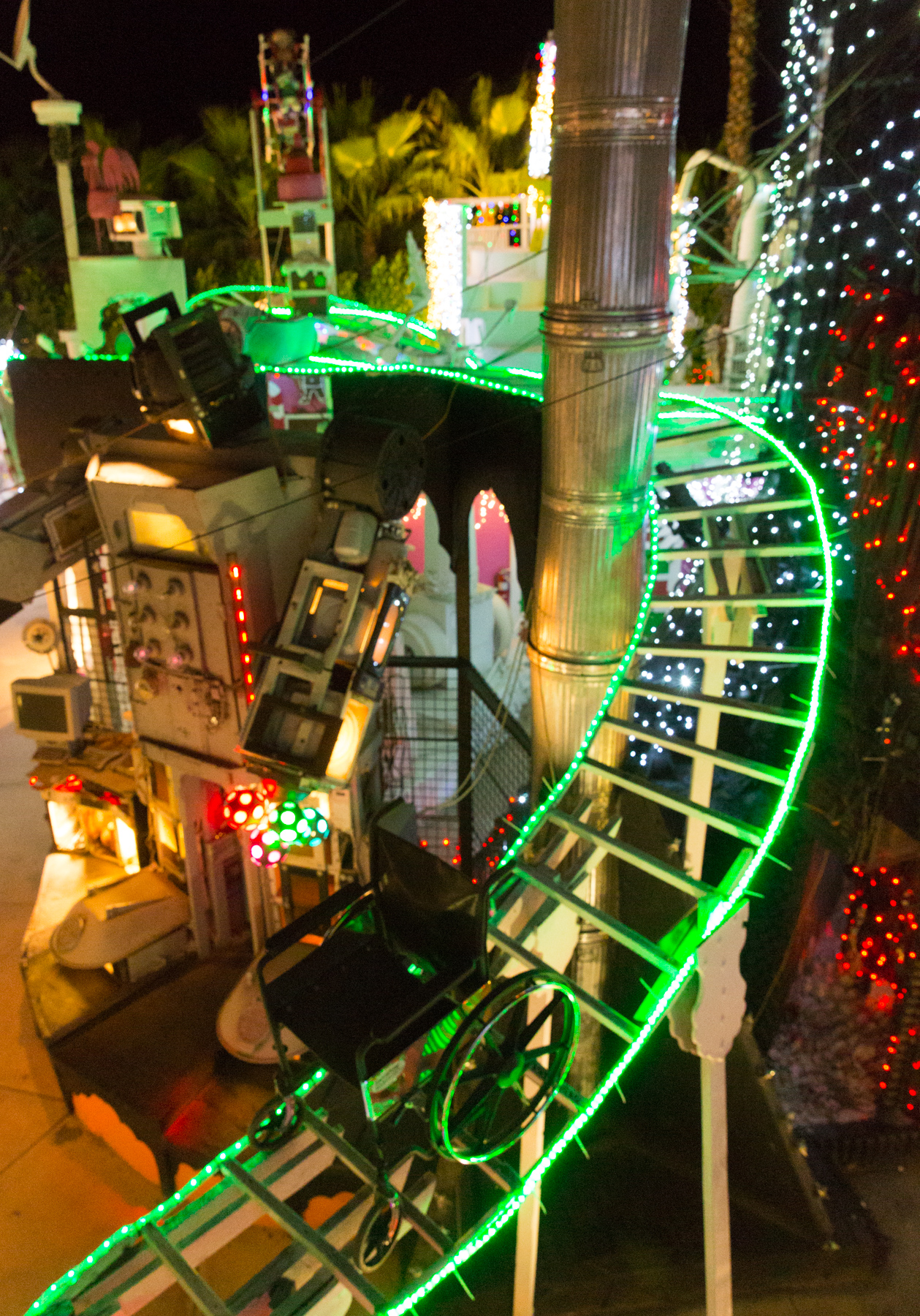
He displays it year ’round, too, and visitors are welcome for a small donation. What will they see? Marvelous works created using scraps and discards from neighbors and pieces bought on eBay. Irwin often makes some of his large pieces right on the spot. Highlights include a “bird bot” with “feathers” made of pallet boards, and 500-feet of rail track made from lawn chairs.

F23C7790

“I visualize my works in my head, completely. Nothing is planned or stored, in my memory indefinitely,” the artist relates.

F23C7799

F23C7703

F23C7792

F23C7766

One enormous, fifty-ton piece was made when he was only eighteen years old, and took him two months to create.

F23C7759

Irwin was kind enough to take us up onto platforms above his mammoth sculptures for a view 30-feet off the ground of his spectacular installations.

F23C7769

F23C7786

F23C7717

F23C7714

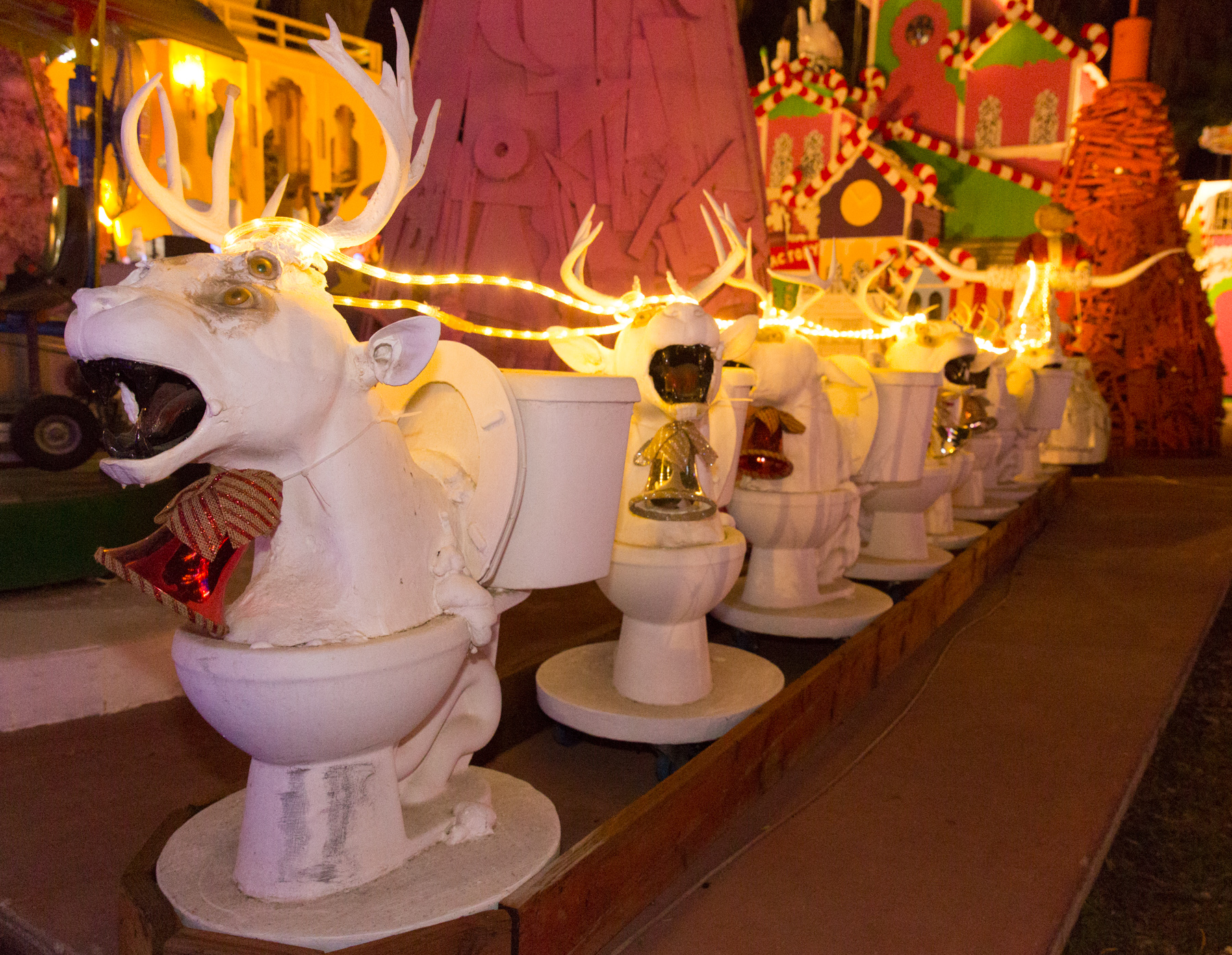
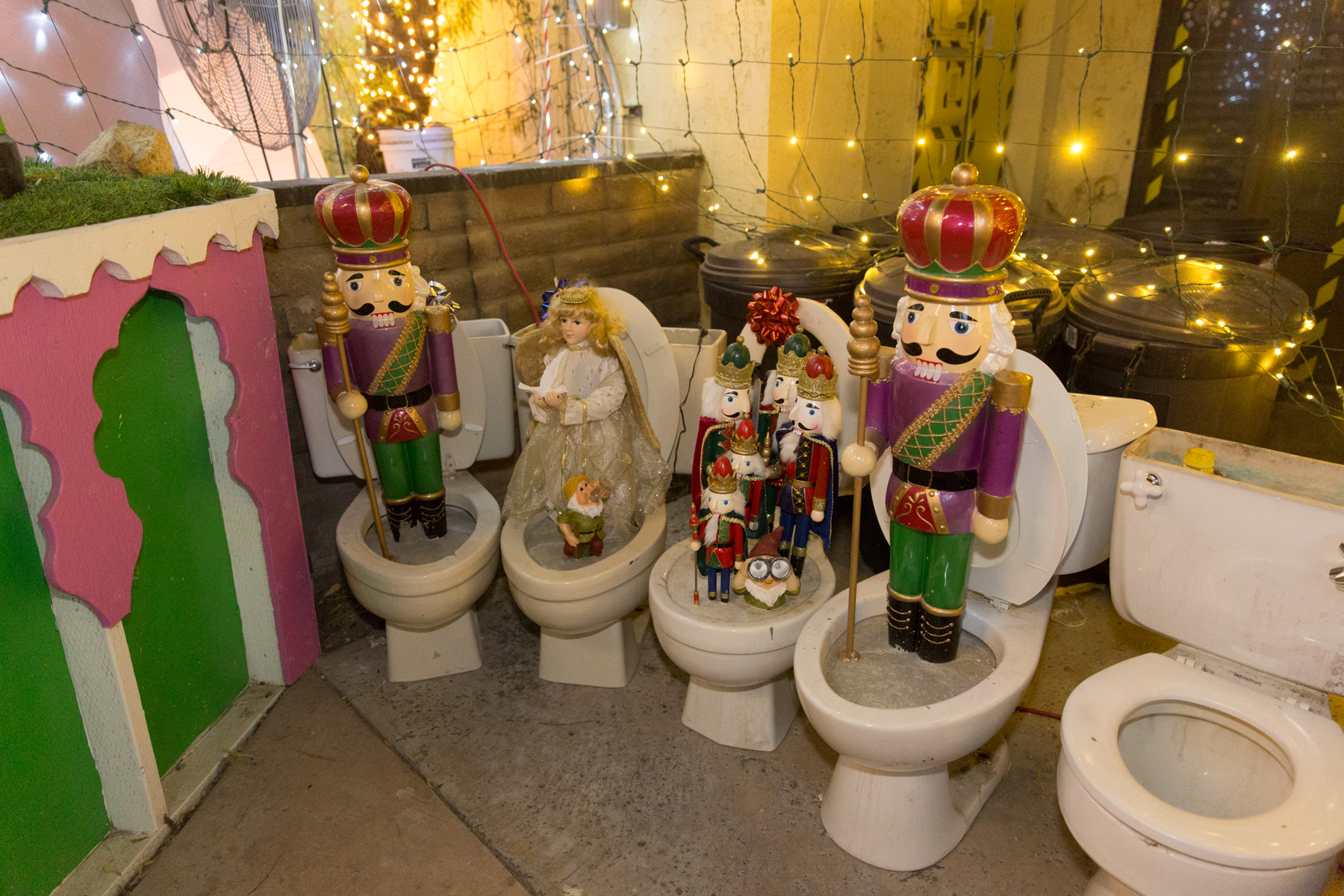
He works in 43 different mediums today, and built his first robot at age 9, a 10-foot tall wooden figure with an antique phone imbedded in its chest. Irwin often uses old appliances and fixtures – from microwaves, which he holds in high disdain, to toilets.


F23C7719


F23C7805

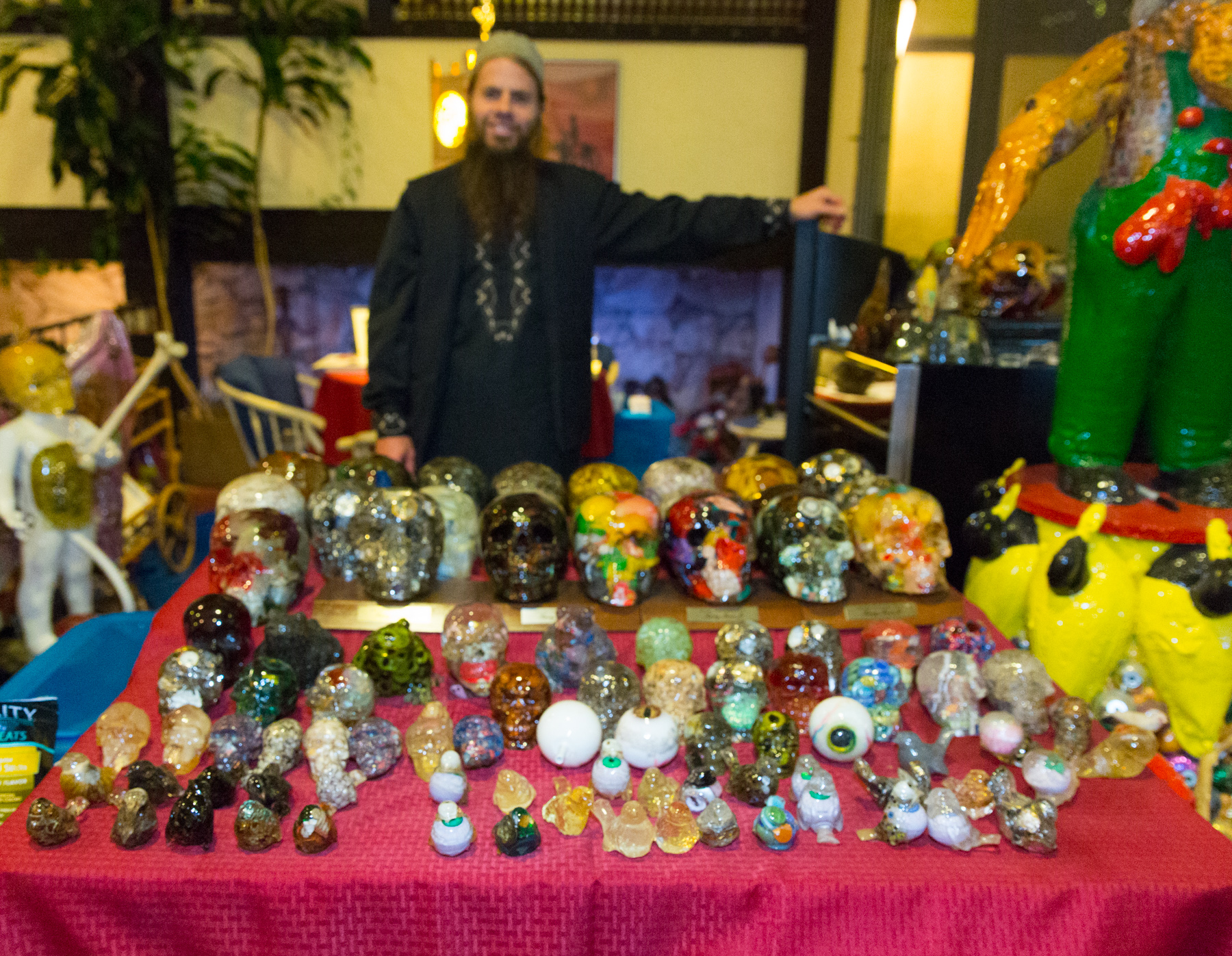
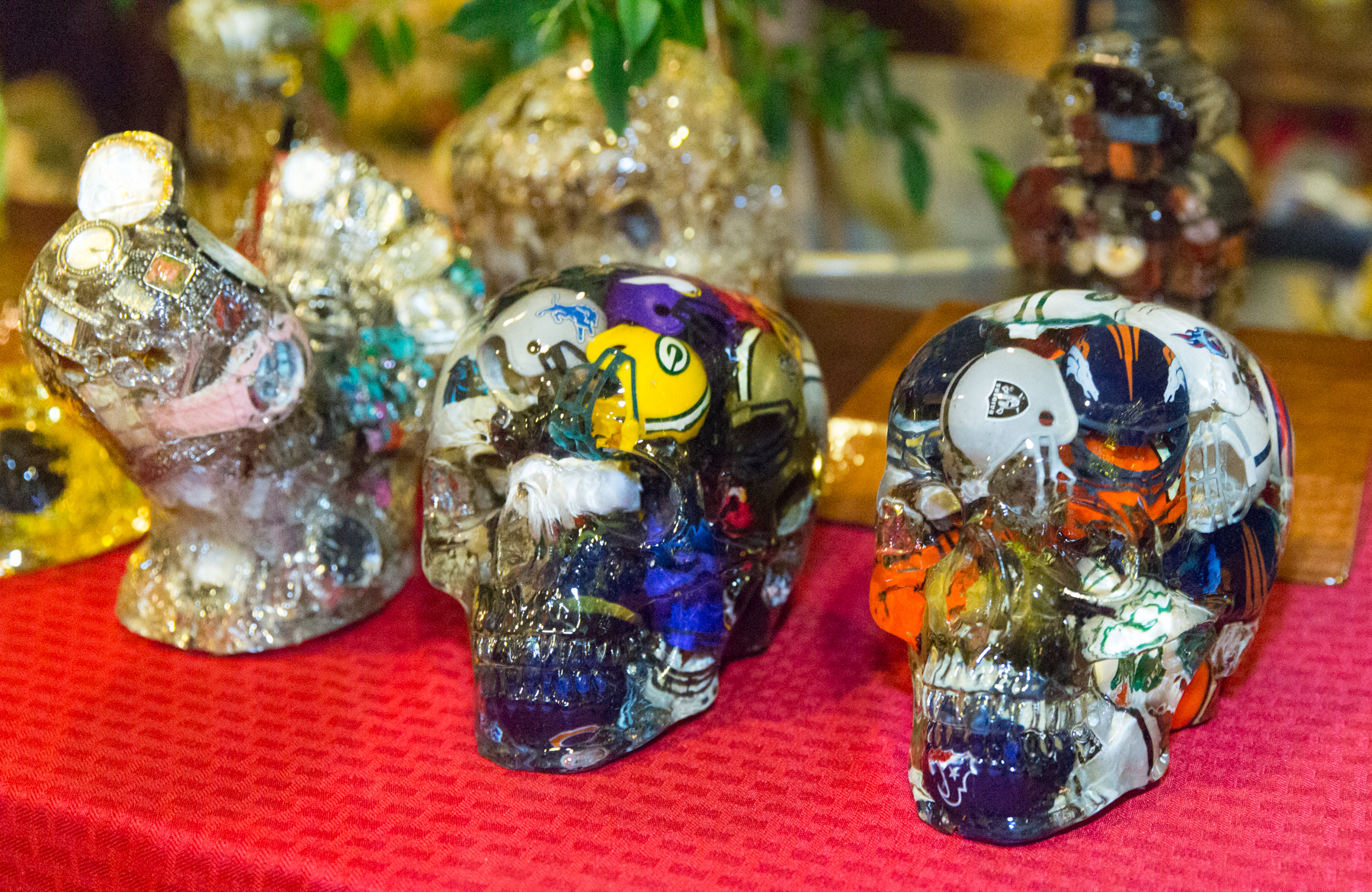
Irwin offers an array of smaller pieces for sale. Above and below, beautifully wrought, hand-fired skulls are filled with common substances from Cheerios to marbles, costume jewelry to sports souvenirs.


F23C7800

His edgy but whimsical work was a part of a major exhibition in Baltimore, Md. in 2013, held at the American Visionary Art Museum in Baltimore. To fit his enormous sculptures inside, the museum’s front doors and a wall needed to be removed.

F23C7702

F23C7695

It goes without saying, then, that Irwin needs a large space – and one larger than he has now – for his works. In fact, he envisions creating his own amusement park one day.

F23C7663

F23C7731

F23C7684

F23C7670

Can art, writ large, be this much fun, this original, this life-consuming, this much of a legacy? Yes. And it’s a must-see for any art lover, anywhere. If you live in SoCal, don’t wait until next holiday season, get a tour of this impressive installation now, and then be sure to mark your calendars for a light-strung glowing visit post-Thanksgiving.

F23C7677

F23C7674

F23C7804

  • Genie Davis, All Photos by Jack Burke


Spiraling Droplets by Aphidoidea

DCIM100MEDIADJI_0096.JPG
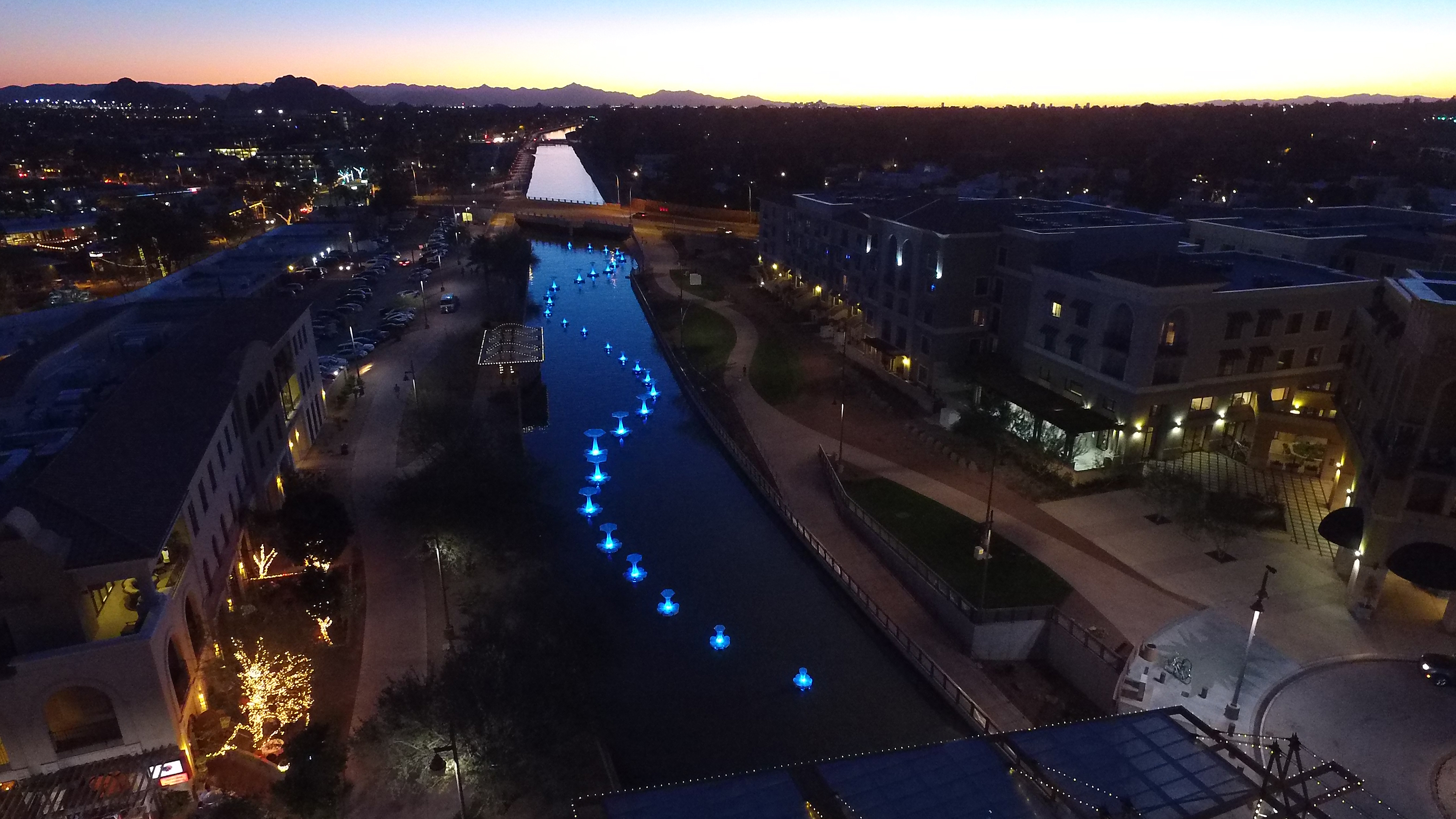
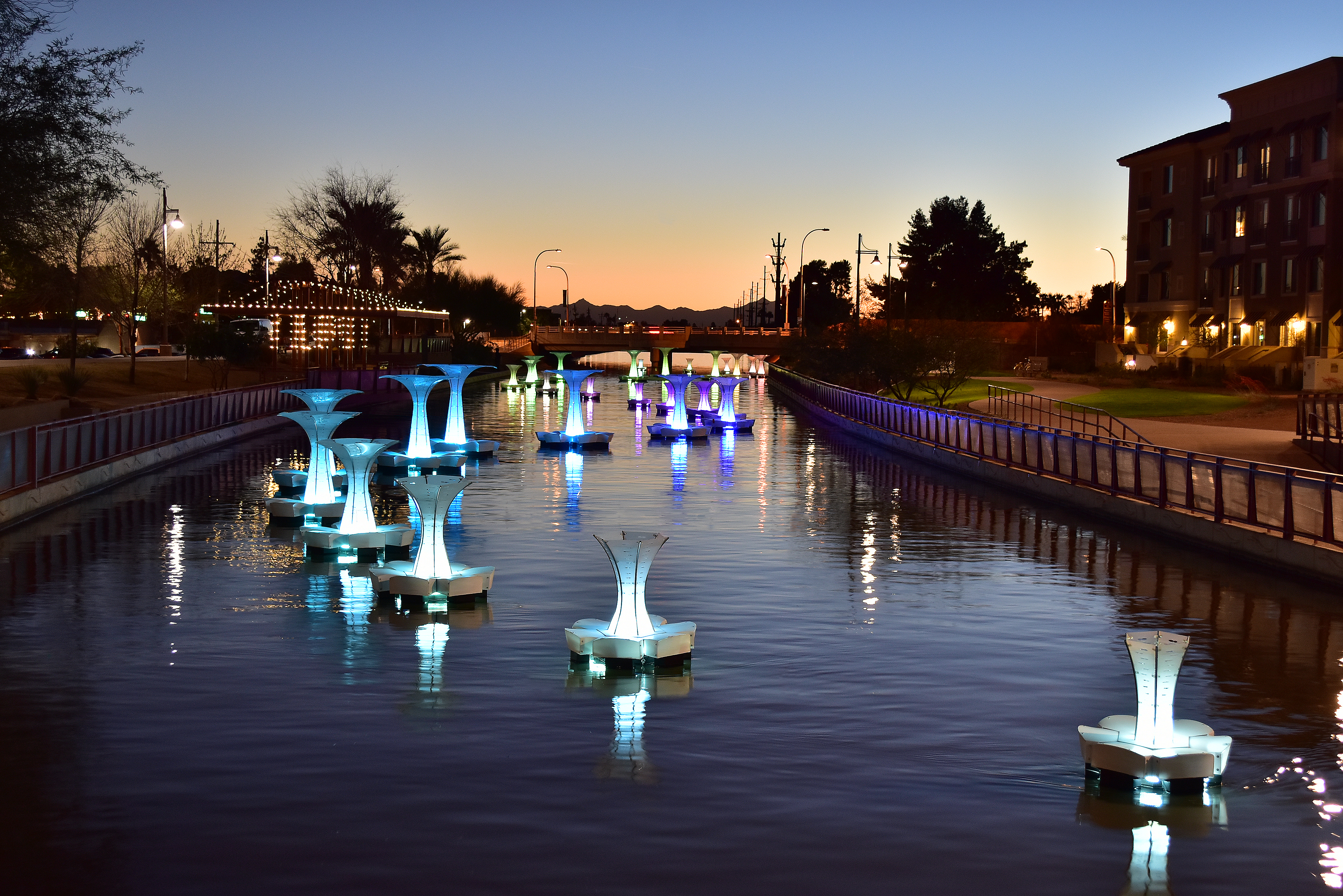
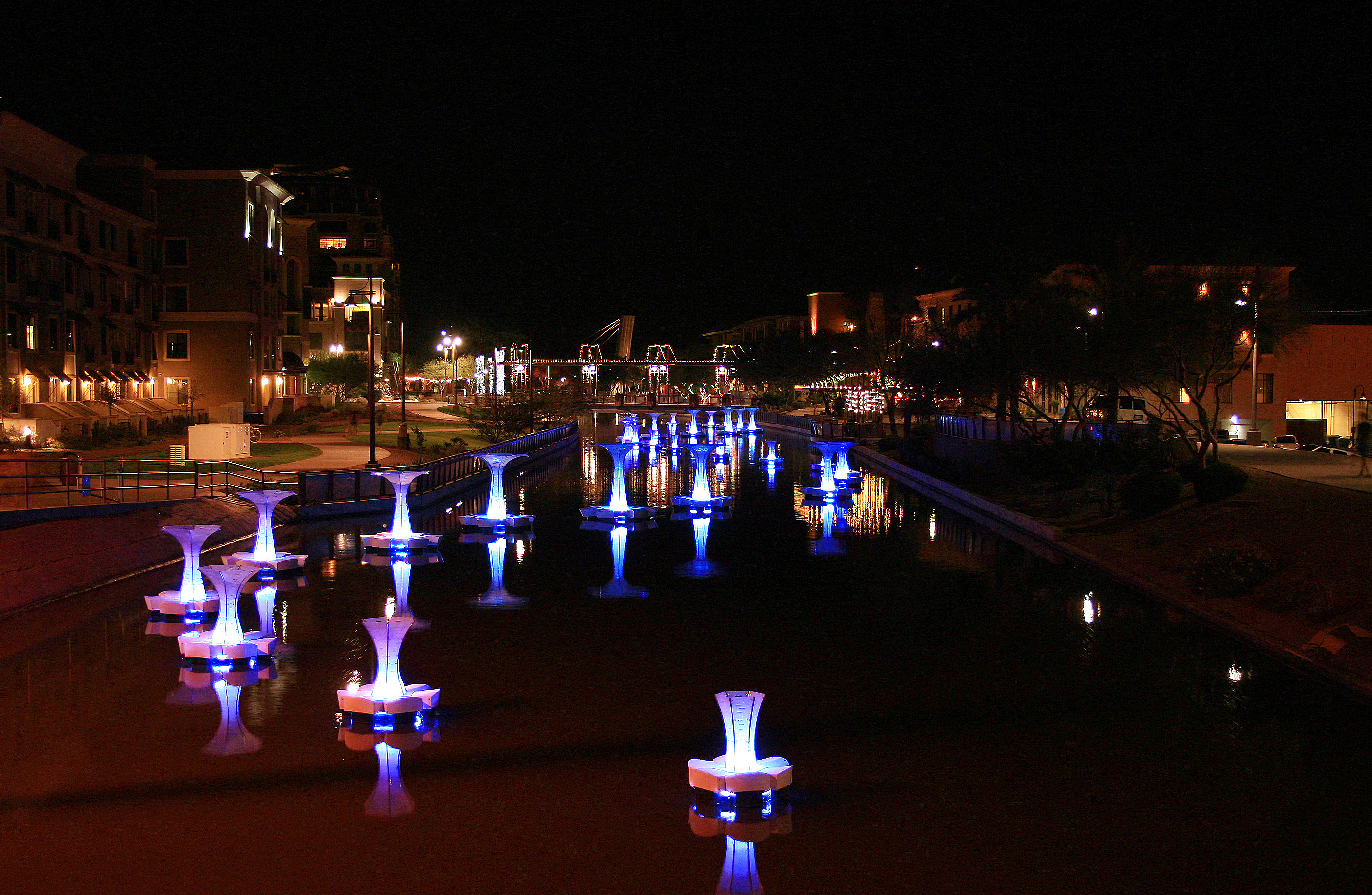
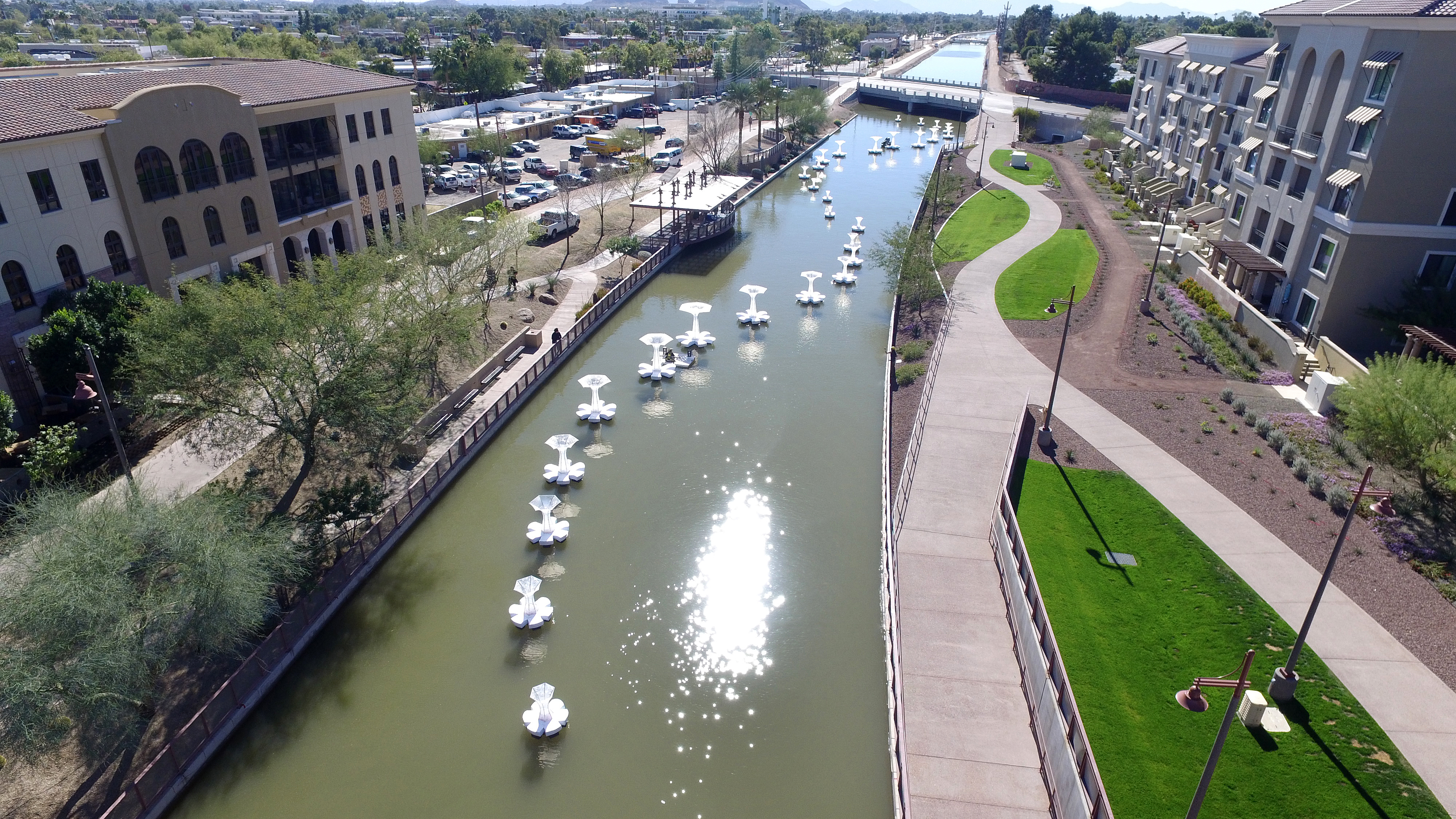
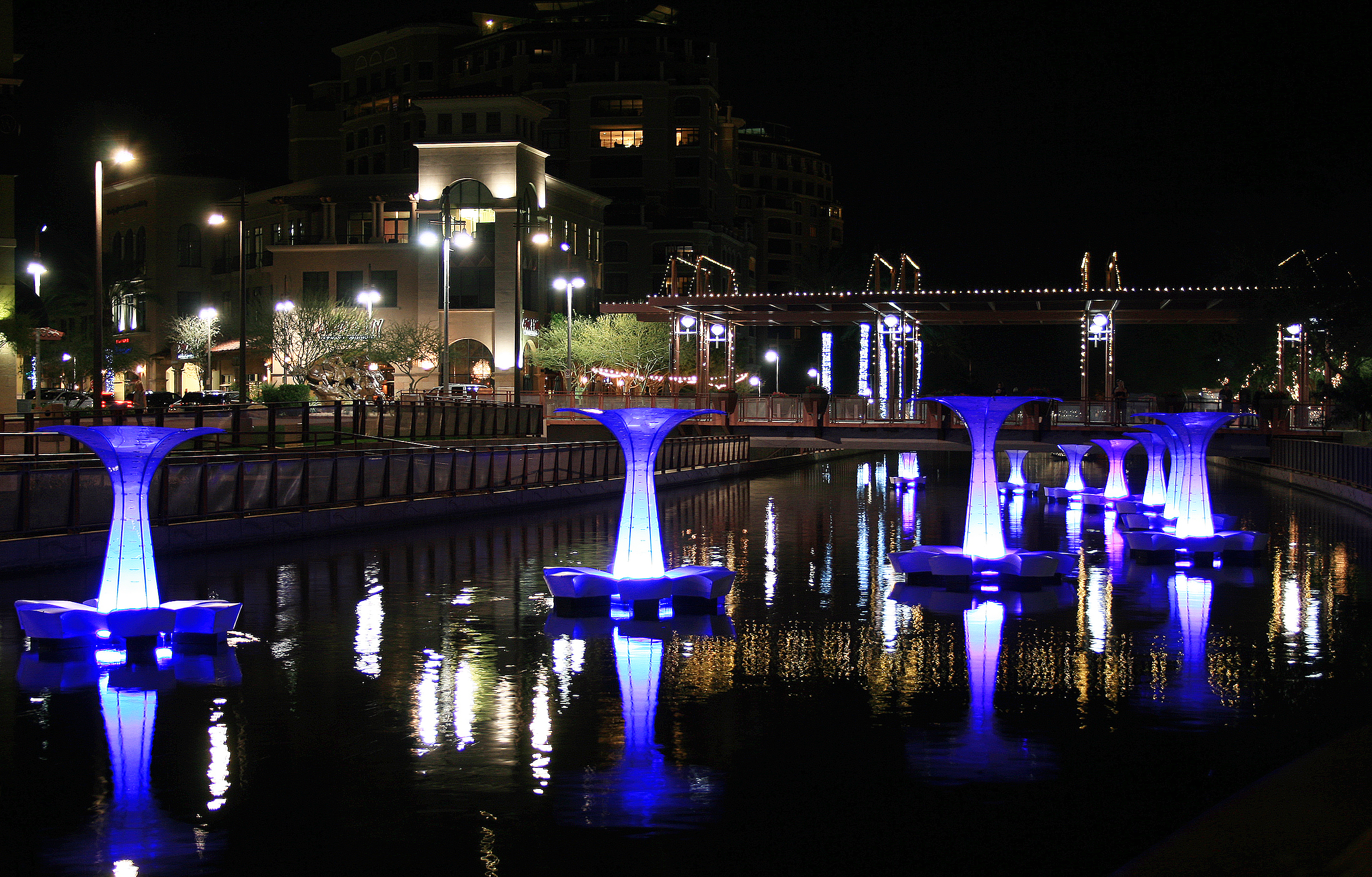
February 24 through 28, Scottsdale, Ariz. will transform from an urbane Phoenix suburb in the desert to a place to explore the beauty and magic of water as an art form. The arid landscape is the perfect backdrop to an annual festival presented by the Scottsdale Public Art and Salt River Project, featuring 12 large scale interactive artworks by local and international artists, comprising the Canal Convergence Art + Water + Light Festival. One of the highlights of the festival will be the large scale water and light installation created by Los Angeles-based art collective, Aphidoidea.

3_SprilDrop_night

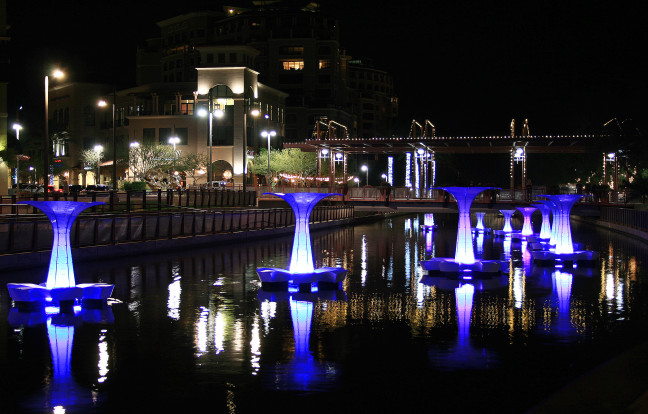
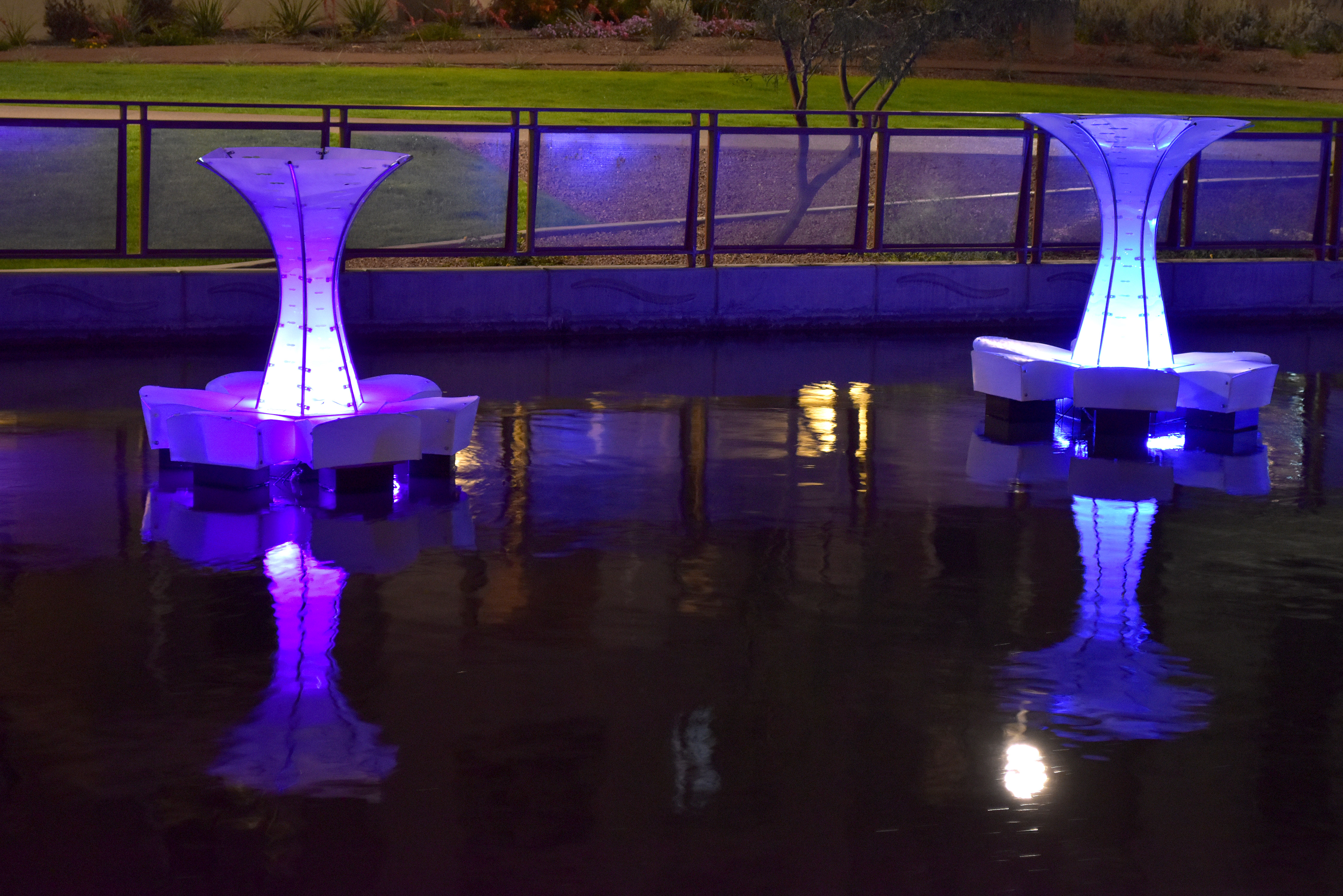
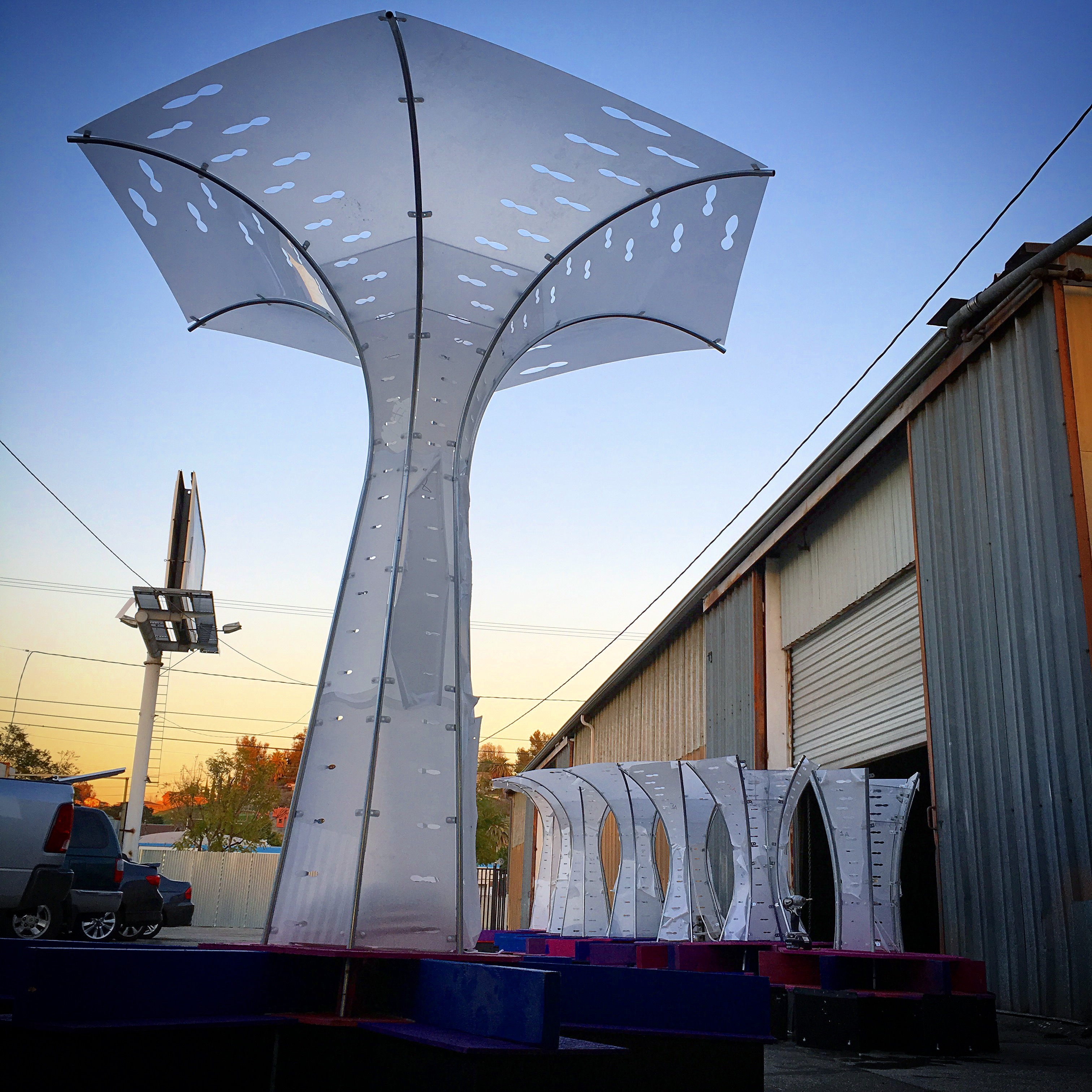
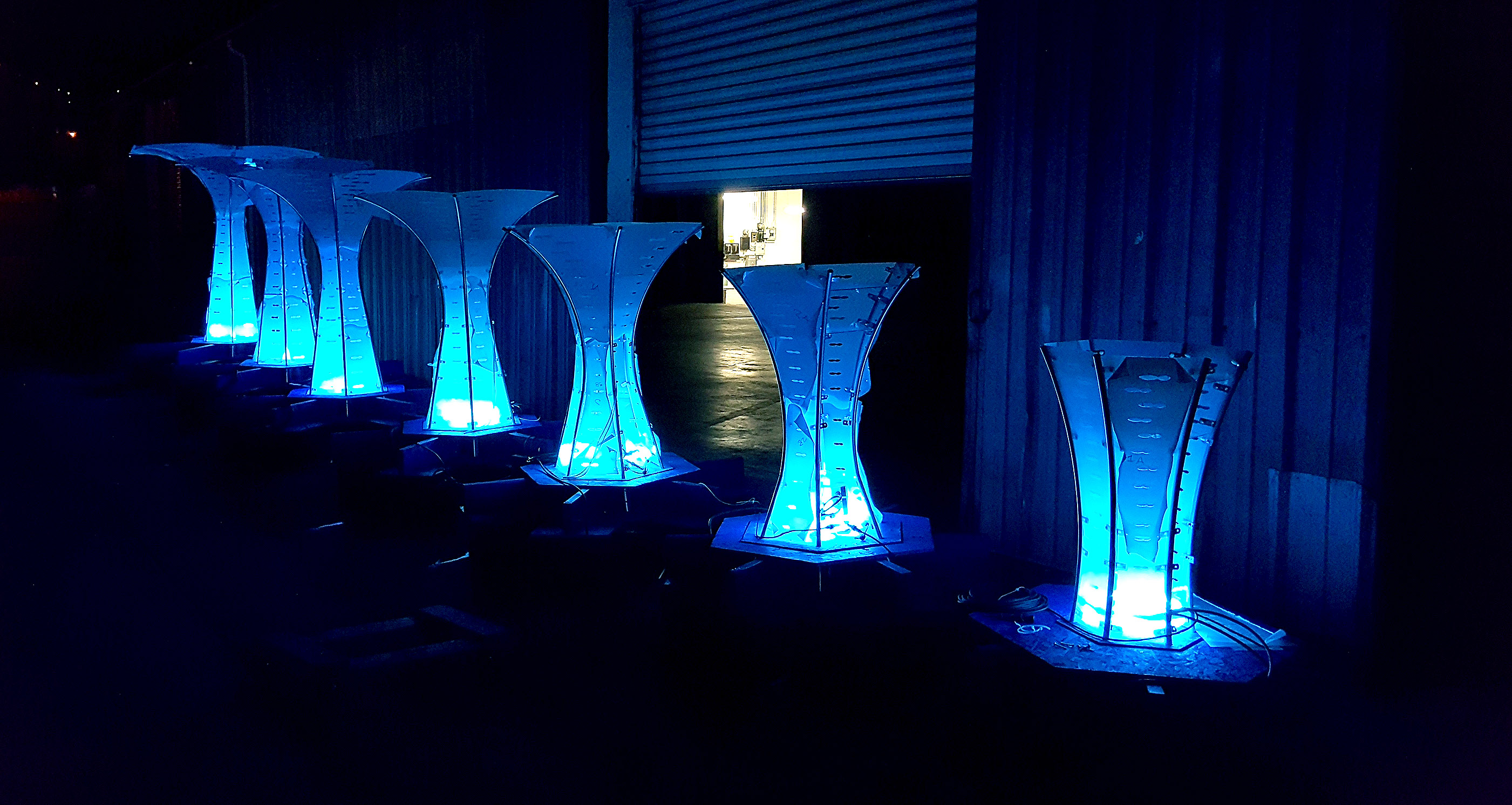
Aphidoidea’s 600-foot piece is titled Spiraling Droplets. It’s designed to reveal the graceful and elegant shape and beauty of a water droplet. To take that shape and create such a massive work yields a visual experience somewhat like projecting and magnifying a minute and delicate image from beneath a microscope, or like viewing a dazzling array of distant stars magnified through a telescope. In other words, taking a small and perfect idea – water droplets – and writing them large results in an astonishing work that features two water splashes, each containing 15 illuminated water droplets. These droplets grow progressively in size and shape, mimicking still-motion images of a water drop expanding. The pattern recreates the shapes and movements of water ripples and currents. Thirty droplets will float the length of the piece over the canal waters south of the Marshall Way Bridge at the Scottsdale Waterfront.
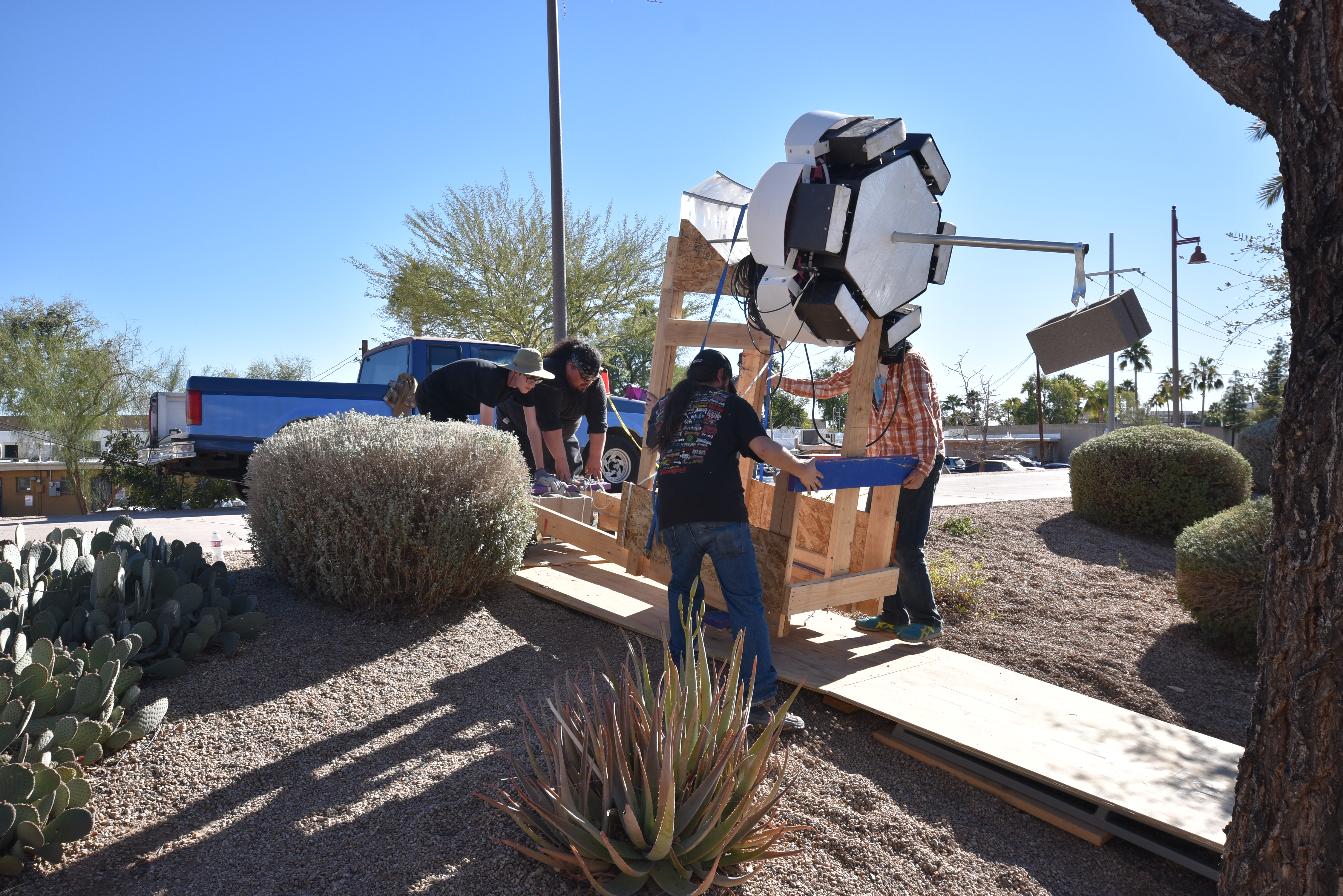
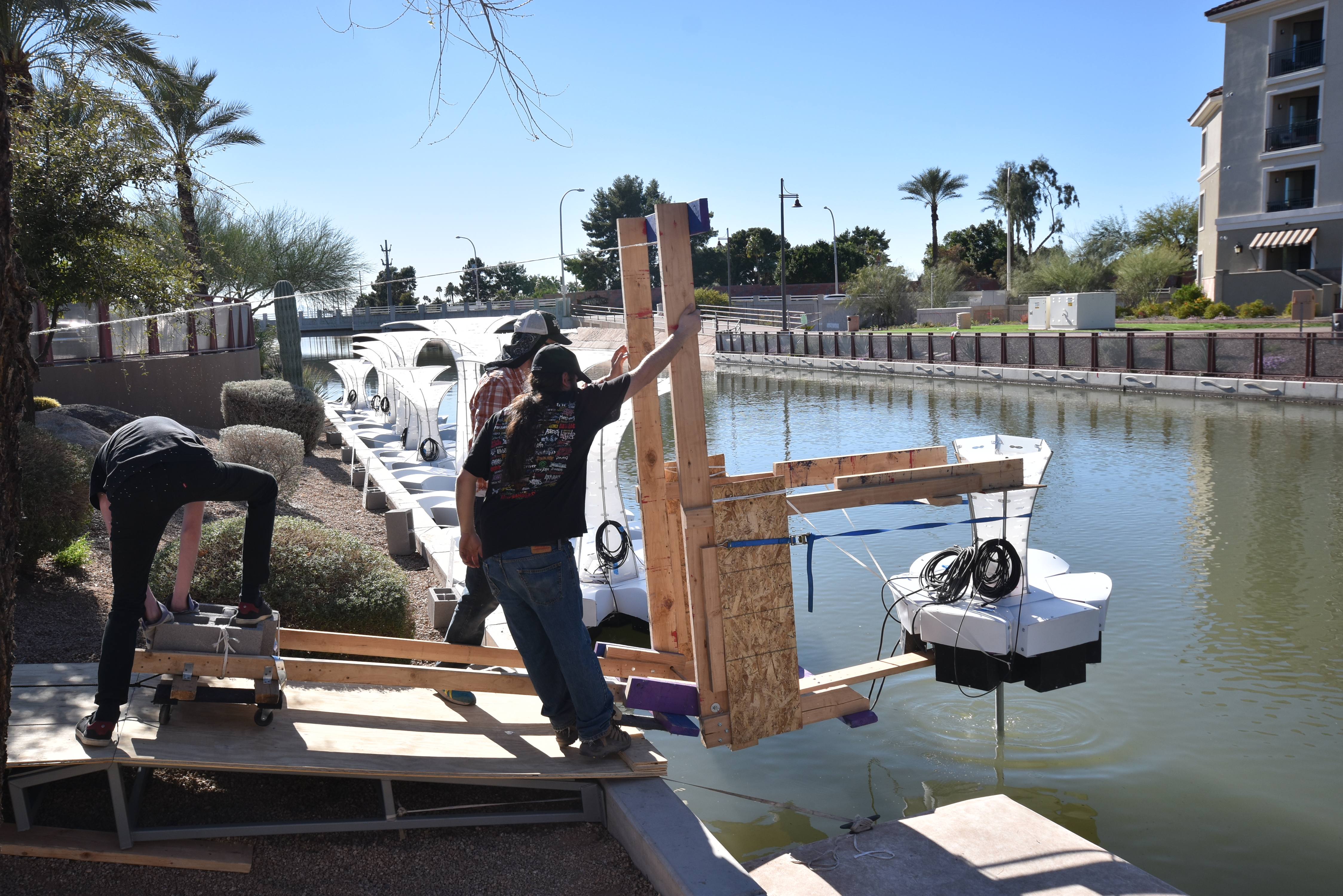
2_SprilDrop_night

A dream-like lighting sequence illuminates the droplets, creating the effect of natural light reflected on water. Running water, falling snow, a shower on a rainy day, and the reflections of light on a swimming pool are represented, as are larger scale water landscapes such as rainbows rising over clouds of mist and icy glaciers breaking.

1_SpirlDrop_night

Spiraling Droplets literally and figuratively reveals the variety of shapes that water can create. Liquid, crystal, gas: these mutations that water makes have within them a wide variety of forms from snowflake crystals to softly spun clouds, wavering mist, and plummeting droplets. Many of these shapes are close to intangible to human sight, and yet we know of these shapes, and the feelings they evoke. While we may have never examined the intricacies of a snowflake with the naked eye, we know how they should look, and the wintery magic they invoke. The elegant beauty of a water droplet’s pulsating shape is again, emotionally imagined, but heretofore visually uncaptured. Spiraling Droplets allows viewers to see the process of a droplet forming and falling by a kind of stop motion technique which creates still views of that precious droplet within thousandths of a second.

DCIM100MEDIADJI_0003.JPG

The Aphidoidea collective was entranced with the image and idea of a single droplet and its perfect transitions in shape and size – in a way, it’s wet universe contained in that single drop. It’s that vastness that is expanded and expressed at the astonishing exhibition in Scottsdale.

Finishing Up_Aphidoidea

Aphidoidea itself is an art, design and architecture collective that creates site-specific art installations that engage and inspire viewers while enhancing the environment. Collective members Jesus Eduardo Magaña, Paulina Bouyer-Magana, Jackie Muñoz, and Andrew Hernandez, craft art that explores and stimulates each site, through a combination of a conceptual approach, a variety of materials, interaction and perception.

Light Test_series_Aphidoidea

Initial site-specific installations have evolved for the collective, as their pieces have grown to include response and interaction from viewers.

10_progress

13_progress

Based in Los Angeles, Aphidoidea has exhibited in the Boca Raton Museum of Art, the City of Long Beach, Inner City Arts, YMCA, in the City of Santa Monica, and at Burning Man. Recent exhibits have included installations for the Coachella Music and Art Festival, and public works at the Red Rocks College Metro Station for Denver’s Regional Transportation District and the city of Golden, Colorado. In 2010, the collective created the Icup II_Synthetic Landscape, which used 4,000 paper cups and 15,000 staples, to suspend the cups and create an entirely new spatial experience. The exhibition was held at Phantom Galleries, which places temporary installations in vacant storefronts throughout the Los Angeles area. Using the ordinary material of a paper cup, the installation took that unremarkable object and transformed it into a vibrant component of an other-worldly design, an abstract landscape that literally became alive with motion through a motion/heat sensor that activated a crankshaft to rotate the cups.

Work In Progress_Aphidoidea View From Below_Aphidoidea

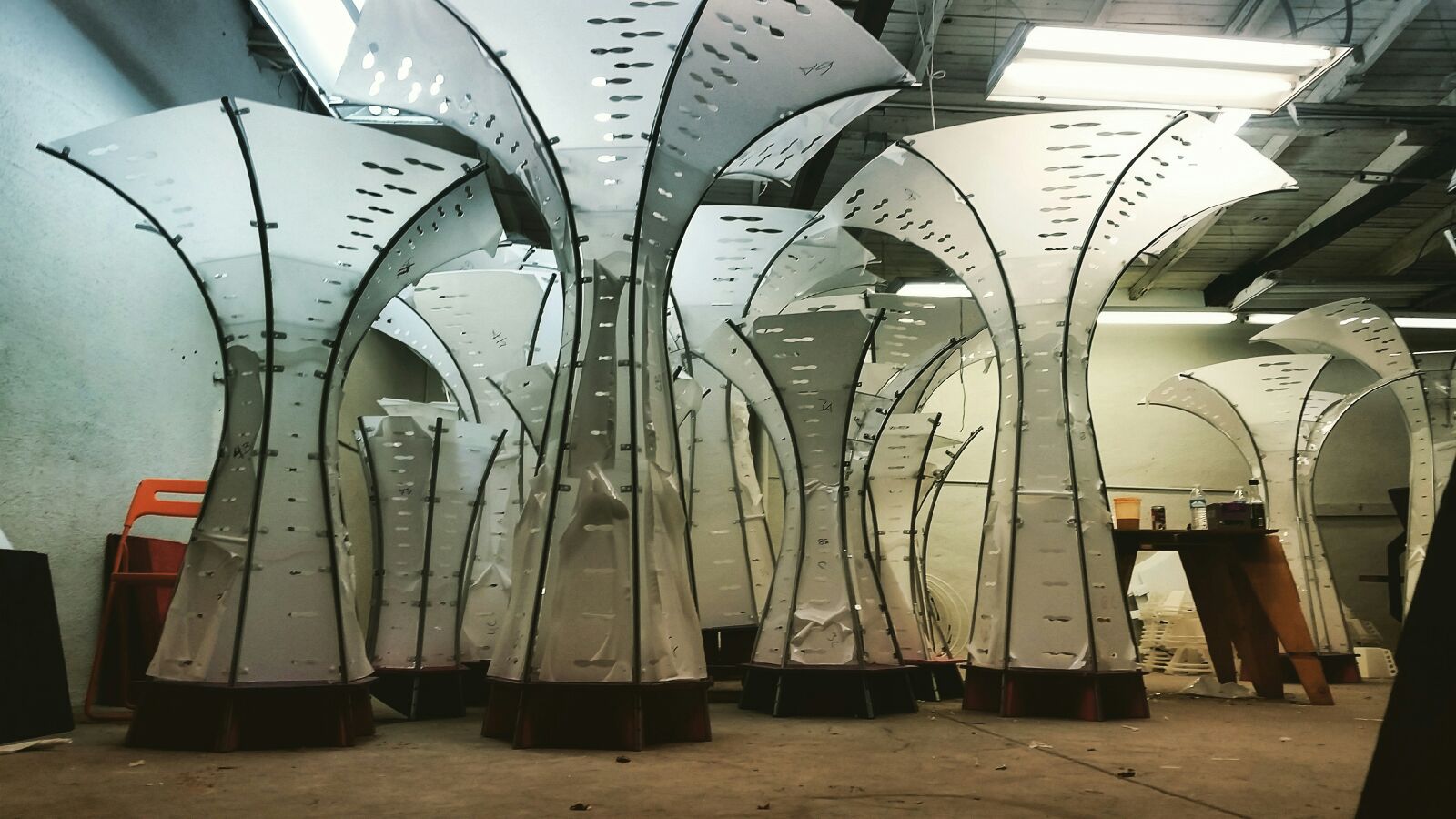
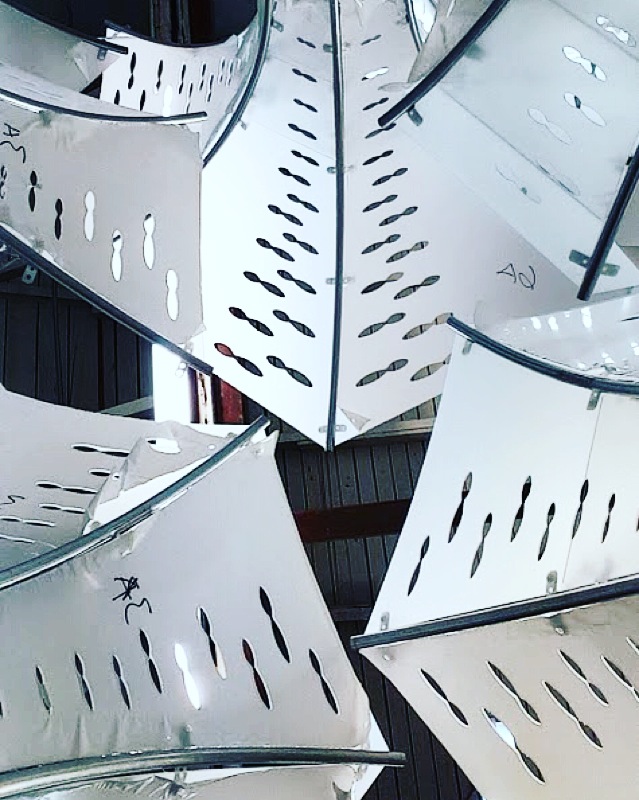
Water is a more mutable form to begin with, and Aphidoidea’s blurring of the lines between art and technology should be a perfect match for such a shifting, enigmatic medium. The Aphidoidea team integrates skills in metal sculpture, intuitive architectural design, large scale art works, traditional art mediums from acrylics to water color, and found art forms. This multi-disciplinary collective utilizes materials and technologies such as CNC prototyping, 3D modeling, lighting, and interactive graphics.

4_SprilDrop_night

Whatever their methodology, the results Aphidoidea accomplishes are magical creations that fuse technology with wonder.

  • Genie Davis; Photos provided by Shoebox PR

Pomonacopia: Big Art in the Inland Empire

pomonacopia_south_and_east_sides

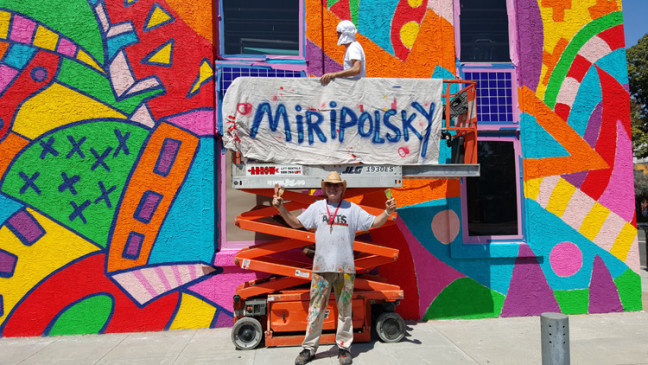
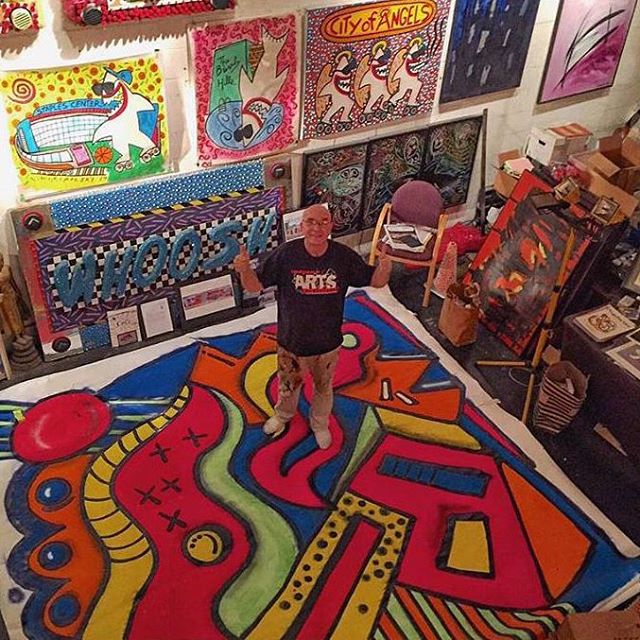
Andre Miripolsky has always thought big. His cutting edge paintings, sculptures, mobiles, graphics, film sets, and costumes all mean big color, big design, big ideas. The Paris-born, CalArts-educated artist describes himself as “Maestro of his Kingdom of Color.”

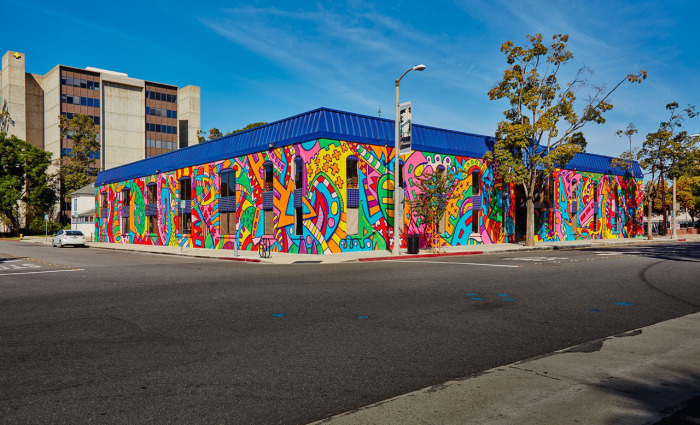
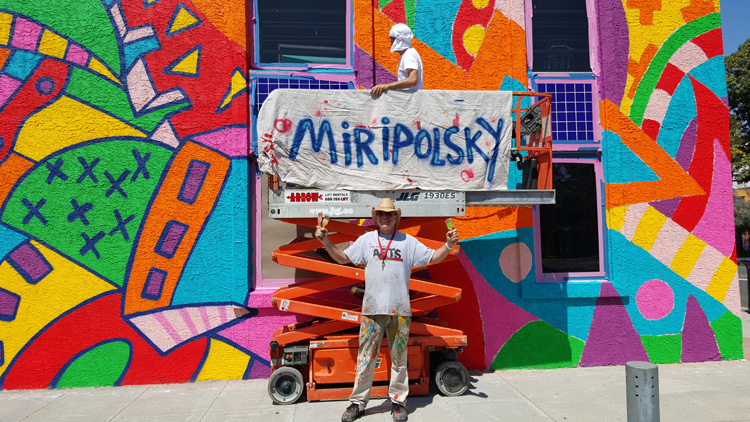
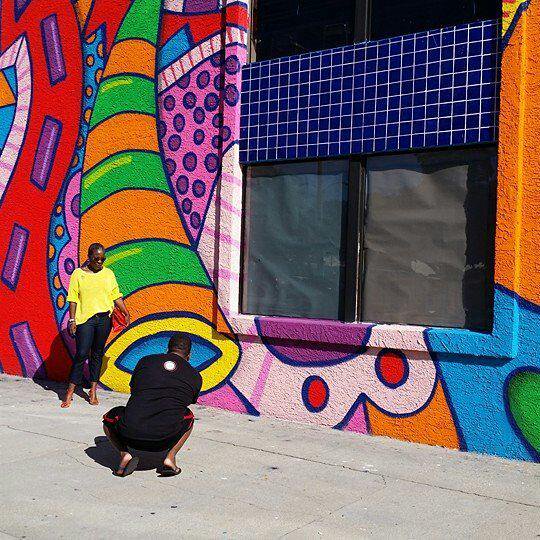
So it’s a natural progression that Miripolsky’s most recent art project is a kingdom unto itself:  the vibrant mural “Pomonacopia,” which stretches over four sides of the School of Arts and Enterprise in downtown Pomona, Calif. Designed to illuminate Pomona’s commitment to public art, the vast and joyous piece serves as the heart of the art scene for the community.

pomonacopia painting

Miripolsky’s stunning mural is hardly his first large-scale piece. In 2013, whimsical sharks titled “Sharks in the City,” looked down from a CBS outdoor billboard, and in 2012, his cityscape mural, “Rising Realty Partners” graced Pershing Square. He’s even taken on elephants – “Punkaphant” was created for the Elephant Parade, an organization supporting the endangered Asian elephant with outside art on parade around the globe, including a recent stop in Dana Point.  He’s no stranger to crowd-pleasing, crowd-drawing images either.  From costumes for Elton John and album package and visual design for Bette Midler to serving on the boards of LA area art organizations including the L.A. Art Alliance, the Downtown Artwalk, and the Hollywood Arts Council, Miripolsky brings his love of color, shape, and form to everything he touches. If Midas turned things into kaleidoscopic stained glass instead of boring old gold, then he would get along just fine with Miripolsky.

It’s that stained glass, pop, rainbow-spinning abstract richness that the artist has now used on his biggest project yet.pomonacopia Miripolsky

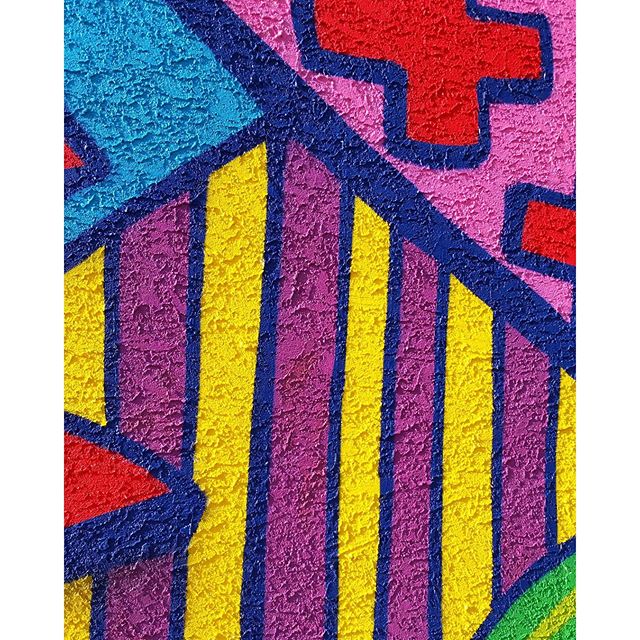
“I consider this a world-class public art installation,” Miripolsky says, and it is – smack in the heart of Pomona, Calif., a city previously not synonymous with art. But that may have changed along with the transformation of a white stucco building into a vast 10,500-square-foot canvas of shapes and symbols that are so deeply combined and intricately designed that they take on a strange depth, pulling the eye into them as if the images were 3-D.

pomonacopia detail

Miripolsky notes that his brilliantly colored images were inspired by the area’s agriculture. Oranges and grapes once reigned here rather than industry, and the name Pomona itself represents the Roman goddess of fruit.

The artist chose dots and circular shapes to represent fruit and the area’s fecund and fertile crops; arrows are also prevalent. Miripolsky calls them “iconic symbols for positive direction.”

They point in many directions here, including to the school building’s main entrance. The idea: directing students toward art education, according to Miripolsky.

pomonacopia studio


The eye is also directed up, down, and around the building, led by brightly colored stripes that represent the highways leading into Pomona. Visually traverse these roads and find titular cornucopias, the symbols of abundance. To Miripolsky, such abundance is at the core of his mural, which serves up the fruit of his artistic labors rather than literal fruit.

Pomonacopia exudes the joy and vividness of its creator, and marks a major success for the city’s Public Art Fee Fund which is assisting with the mural’s cost.


Miripolsky’s mural is not just about the abundance of sunshine and agriculture in the region. It’s also designed to express the essence of the school and the community Arts Colony.


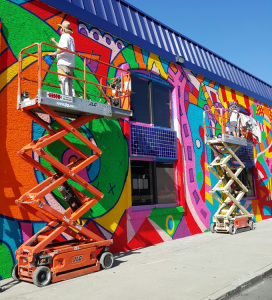
This riveting piece of art was created entirely by Miripolsky and his mural team:  Bisco Smith of Venice, Paul Juno of North Hollywood and Christian Ornelas of Pomona.

Together, their project has become a living, breathing history, with sight-seers and community members alike enjoying watching the process of art being shaped in a real-time environment. Passer-bys stop for photo ops, and community members are embracing the art itself and the process of creation in their midst.

pomonacopia public

The School of Arts and Enterprise (The SAE) and the Friends of the SAE have committed themselves to establishing the largest public art project unveiled in the Pomona Arts Colony in years with Pomonacopia.

Working and living at the Brewery Arts Colony just east of DTLA, Miripolsky is no strange to the idea of taking an urban area once artistically dormant and helping it blossom into a focal point for culture and innovation.

Located at 375 South Main Street, the work celebrates the community’s history, and makes a worthy road trip from Los Angeles or Palm Springs. This vast mural is frankly the beginning of something even bigger: SAE’s commitment to shaping downtown Pomona into a culture center. Thanks to Miripolsky, the community is on its way.