
Catalina Dreamin’ – On Such a Winter’s Day Part 1

Catalina Dreamin’ – On Such a Winter’s Day Part 1 by Genie Davis

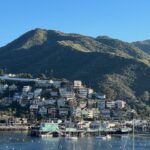
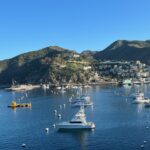
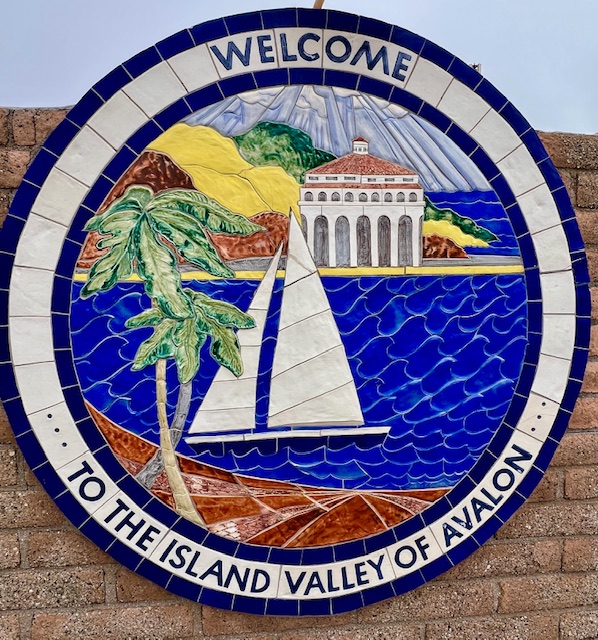
Any time is the right season to visit Catalina, Southern California’s own special island getaway. But while summer’s joys are approaching, bringing bathing suit weather and gentle waves, the quieter months that stretch between November and March are beautiful times to visit.

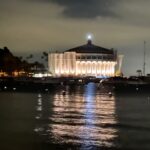
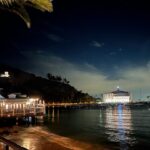
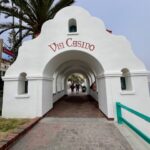
We had the pleasure of experiencing new and revamped favorite dining spots, our first ever golf-cart-ride into the hills, just-beginning to bloom gardens, a terrific kombucha and beer garden, and fine art exhibitions, still on-going at the Catalina Museum of Art and History.  We also enjoyed a spooky, EMF enhanced ghost tour and of course, no visit is complete without exploring the hauntingly lovely Casino.


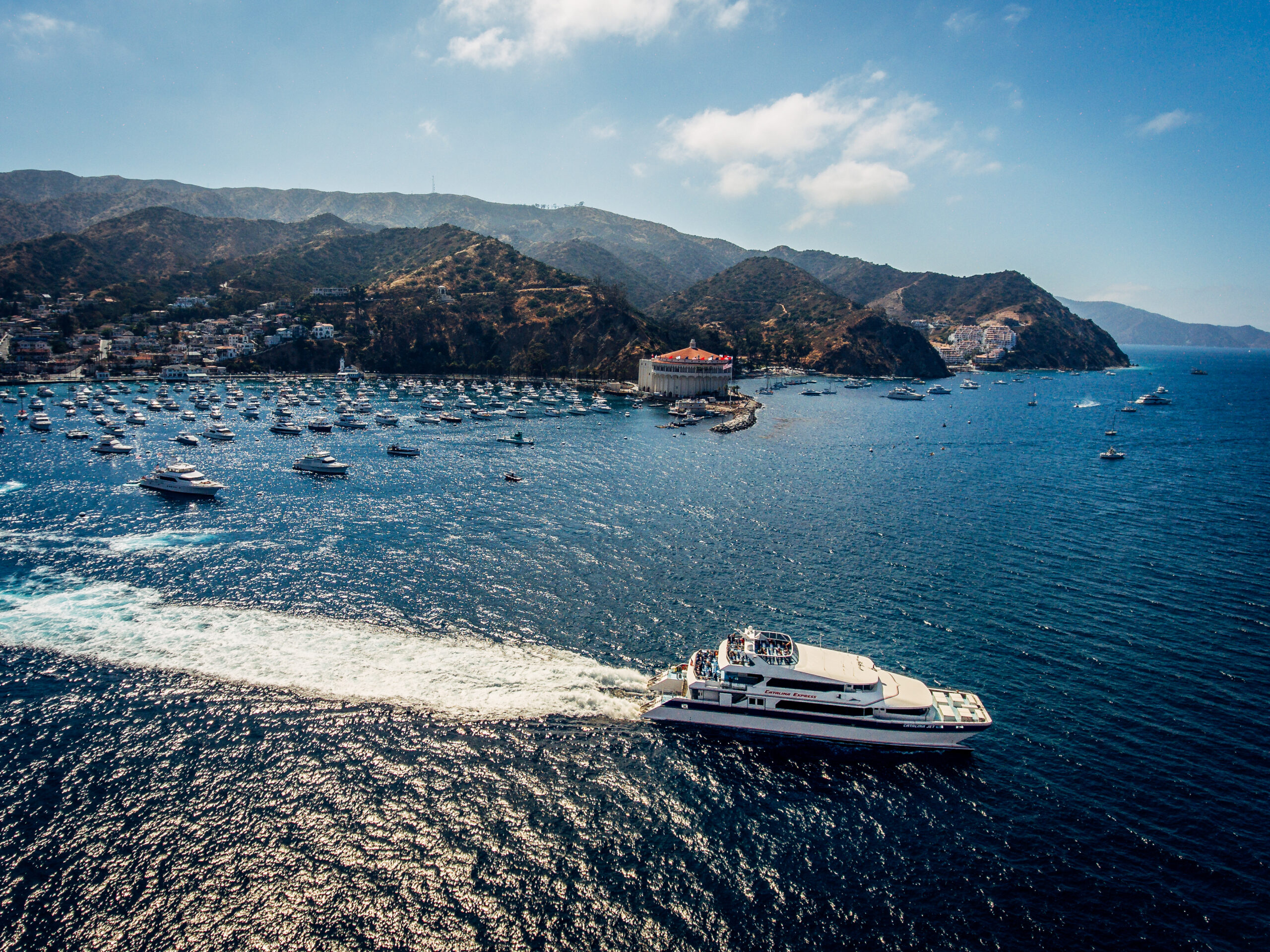
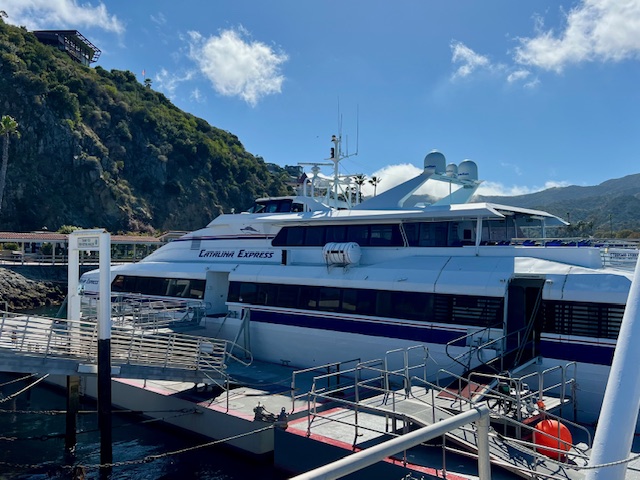
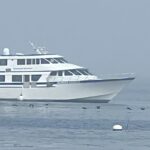
Traveling to Catalina is a literal breeze – windswept outdoors or comfortably seated in the Commodore lounge indoors, an experience we enjoyed, Catalina Express is the way go from San Pedro, Long Beach, or Newport Beach to the island.

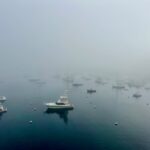
Founded in 1981 as a commuter service, Catalina Express operates eight vessels today, carying more than one million passengers annually. Four high speed catamarans offer the smooth gliding ride we took, crossing from Long Beach to Avalon in an hour and offering both comfortable indoor and outdoor seating. The Commodore Lounge is on the upper deck, with plush leather-trim airline-like seating, relaxing priority boarding and check-in, and beverage and snack service included. We had the top-of-the-line lounge experience, enjoying delightfully sparkling champagne with our crackers and cookies snacks, watching as our vessel sailed from past the fog shrouded Queen Mary.  As much as we enjoyed the romantically foggy views, when the fog cleared away, bright and sunny was perfect, too.
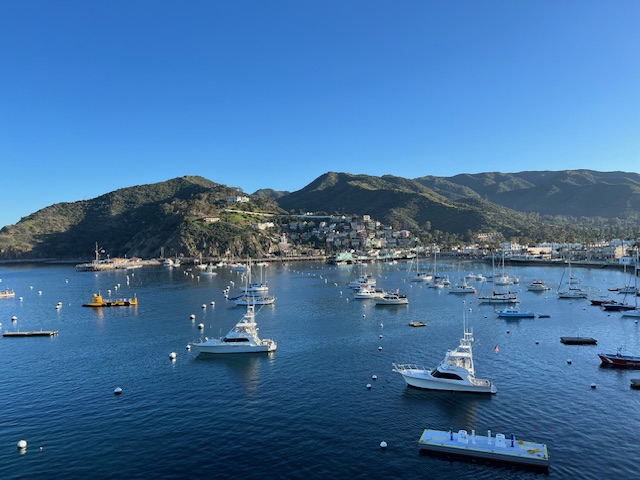
Once on the island, we checked in to the quiet, comfortable Catalina Island Inn. From our large 3rd floor room, we enjoyed a clear harbor view from our balcony. The step-in rain shower was also a delight, and staff was friendly and accommodating.

The boutique hotel’s mix of nautical and historical decor added to the relaxing ambiance. Also relaxing – the bed, with a terrific mattress, soft linens, and the sound of distant fog horns and gentle waves to lull us, we had a great night’s sleep in our spacious and peaceful room. Well-located just down the street from the Catalina Museum of Art and History, the hotel is convenient and easy to reach while being away from the sounds of nightlife directly along the waterfront. Having a balcony with a view was a special treat, and a fantastic first for us when visiting the island.
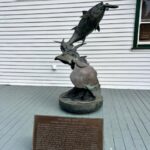
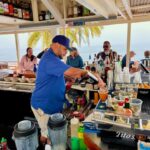
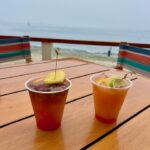
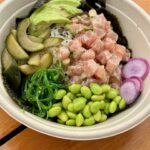
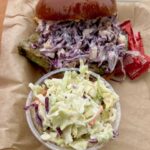
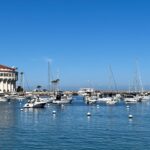
For lunch, we visited Descanso Beach Club, with its blissful beachside restaurant and bar – the only beachside restaurant in Avalon. The ocean view patio gave us a stellar view of gulls and pelicans in flight, boats bobbing picturesquely on the water, and of course, the ocean itself. We were seated on the deck, where we enjoyed the California Sushi Bowl with fresh-from-the-sea spicy poke, edamame, and avocado; and the Cilantro Grilled Swordfish sandwich, which came with a crisp but creamy slaw topping featuring red cabbage and pineapple. Fresh fish, a deliciously relaxing vibe, and two of the Descanso Beach Club specialty cocktail, the potent and tasty Descanso Destroyer featuring Sailor Jerry Spiced Rum, Don Q 151, Amaretto, Grenadine, plus orange and pineapple.
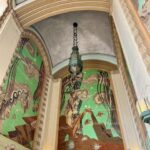
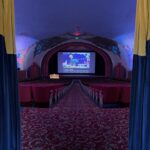
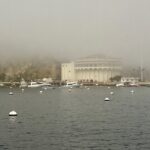
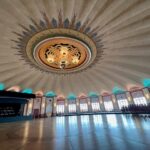
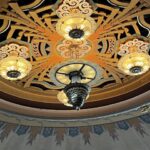
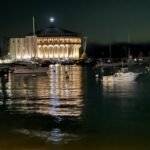
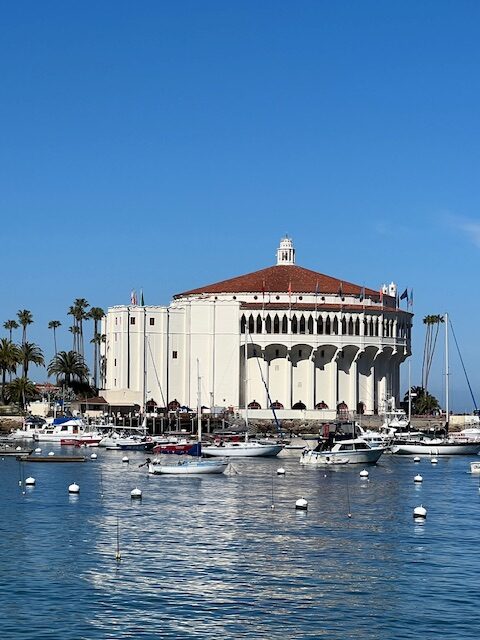
While we could’ve lingered all day, it was time for the afternoon Catalina Casino VIP tour. High recommends for those visiting to enjoy the VIP experience. Not only do visitors get to see far more of the casino, including backstage green rooms, dressing rooms, and the Wrigley screening room, you’ll learn the inside story on the casino, which held many firsts over the years, including being constructed to show the then-innovative new film technique – movies with sound. And in the gorgeous upstairs ballroom, replete with cork flooring to insulate sound, you can see the stage where the King of Swing himself, Benny Goodman, once played. Outside the ballroom, the view was superb, even as the fog crept softly in again, and the ornate construction is a true jewel of architecture and California history.
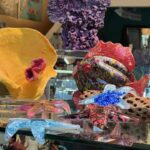
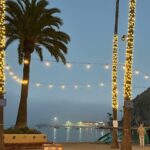
After strolling around town enjoying both window shopping and the purchase of some Catalina-made soaps and candles as souvenirs, we had dinner at another Catalina tradition– The Lobster Trap.
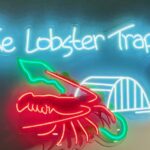
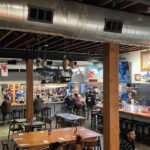
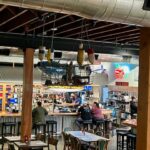
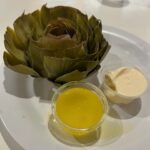
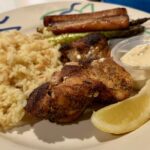
This lively locals-favorite recently expanded its lively dining room, bright with a neon sign or two, and sporting fish-centric decor.  Everything’s fresh here: commercial fisherman Caleb Lins is the owner, and he brings in local fish caught form his own 40-foot boat. Our appetizer was from the land, not sea, however – a perfectly prepared steamed artichoke served with, of course, clarified butter for delightfully decadent dipping. But our main dishes were decidedly fresh from the sea: while I had a special, savory and tender sand dabs paired with asparagus and a baked potato; my dining partner opted for locally caught sea bass, one of his favorite fish, recommended by the venue’s friendly waitstaff.

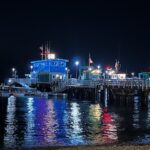
Decamping to our room, the foggy night had cleared, making our balcony at the Catalina Island Inn the perfect spot for some stargazing.

All of this in one day — but we had a second full day on the island, and an additional half day – and we enjoyed even more adventures.  If you’d like to read more, all our second day and night fun will post right here, later this week.

We had a truly beautiful mix of sunshine and fog on our visit – and the end result of our beautiful stay was a refrence to yet another classic mellow rock song “Winter spring summer or fall, all you have to do is…” go visit Catalina, where you’ll always feel like “you’ve got a friend” in nature, fun adventures, and fine dining.

  • Genie Davis; photos: Genie Davis and Jack Burke
Tijuana Triennial – Exciting International Art Just Across the Border

Tijuana Triennial – Exciting International Art Just Across the Border by Genie Davis

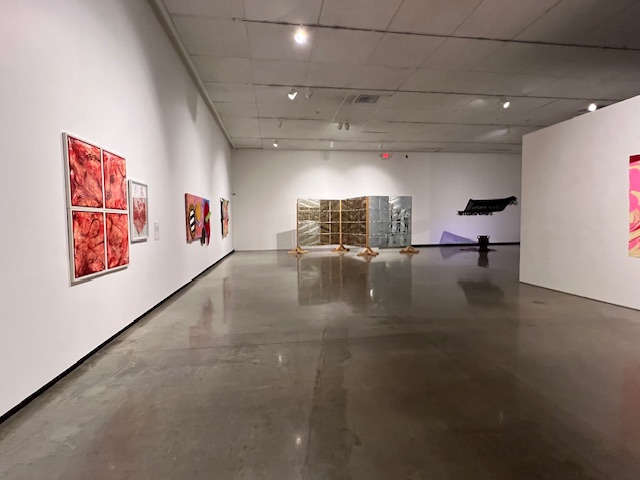
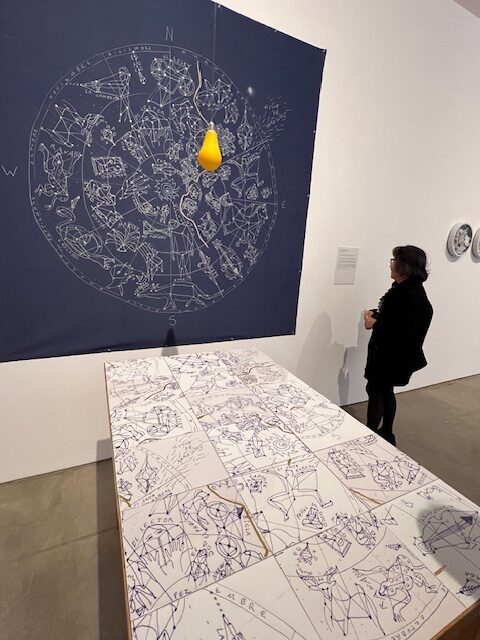
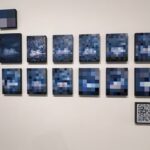
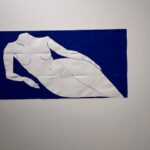
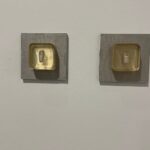
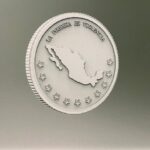
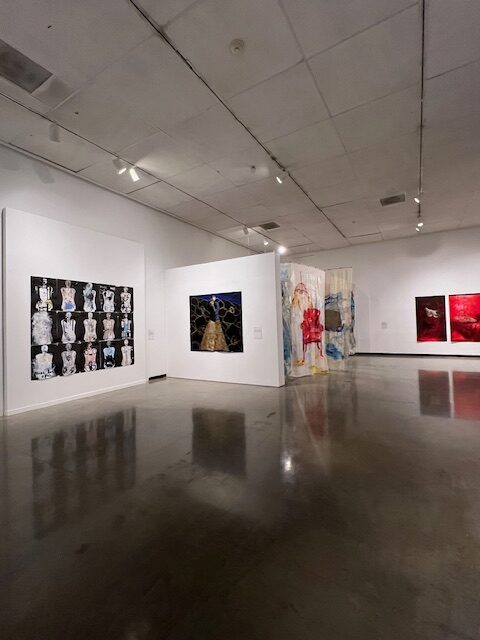
Centro Cultural Tijuana (CECUT) is beautiful museum and art center, and the home to the 2024-2025 Tijuana Triennial art exhibition. In its second iteration, the International Pictorico features a wide array of stunning installations, paintings, sculptures, and more from 87 artists from 14 international locations.

Cultural promoter and plastics artist Alvara Blancarte, along with Mexico’s Secretariat of Culture, and CECUT itself brought this program into being to both support artistic talent in Mexico and abroad, and to position Tijuana itself as home to a superb exhibition and musuem.  The international call to artists focused on conceptualizing artistic possibility that were fresh and creative to rpresent new artistic explorations, dimensions, and techniques, and above all, to challenge traditional ideas of “art.” Over 537 proposals were received, from which the 86 exhibiting artists were carefully culled, representing Mexico, the U.S., Germany, Brazil, Argentina, Colombia, England, Costa Rica, Cuba, Venezuela, Panama, Ecuador, Paraguay, Spain, and Peru.

The artists’ work runs the gamut interms of medium and subject, the latter ranging from artificial intelligence to migration, personal violence, and politcal and social strife. Per the museum’s curatorial statement,  the works “contribute to the biological, literary, environmentalist, femicidal, racist, territorial, gender narratives, and more.” Curated and juried by Brazilian critic, writer, and academic Leonor Amarante, the exhibition opened last July and runs through February 2025. Viewers can engage in the exhibition as well,  by voting for the works affect them the most. The winning artist receives a prize of 1 million pesos, with additional prizes for the second and third place winners.

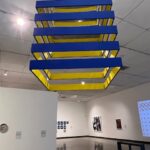
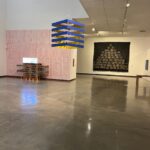
Among those exhibiting are returning Miami-based Venezuelan artist Rafael Montilla, this time with his suspended pyramidic sculpture “Door to the Universe.”

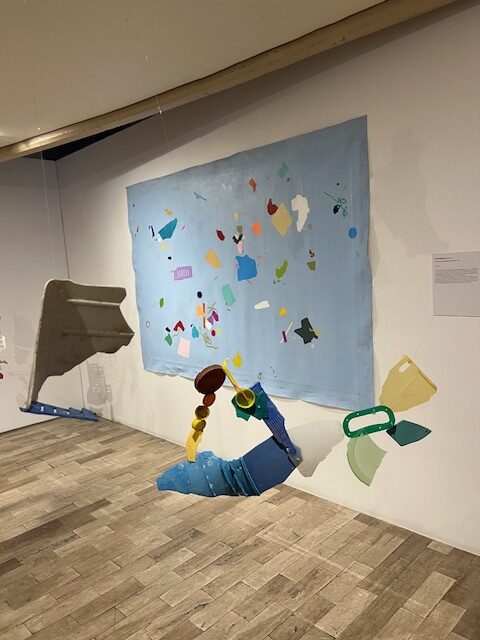
Costa Rican artist Karla Herencia, with “What are those stains that float?”, an installation that combines paintings and sculptures shaped from plastic fragments found beaches near Cóbano, Puntarenas, that speaks to the destructive plastic waste disposed of and dispersed in our oceans.

On the politcal and social front, Mexican artist Daniel Ruanova’s “Heraldy for an Emerging Political Society,” and Yumnia Duarte (Mexico)’s “We Can’t Hold Back the Water,” also shine.

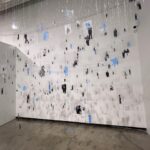
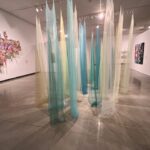
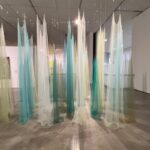
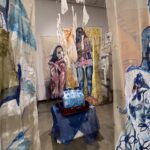
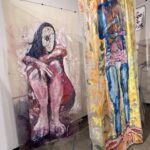
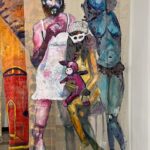
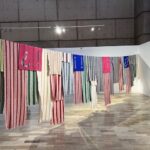
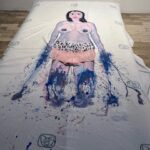
There are fabric based works including a haunting familial circle that depict ephmeral hanging dresses; a vast “room” shaped from diaphonous fabric panels of larger-than-life female figures enduring often frightening changes in “Volatile intimacy: tales from a nomadic body-house that manages to cross legal and inhuman boundaries,” a powerful piece by Venezuelan artist Sofia Saavedra.

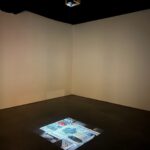
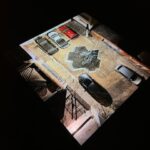
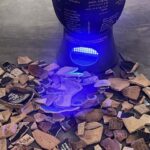
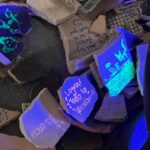
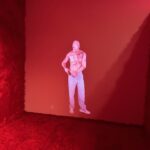
There are light and sound works, from Argentinian/Brazilian artist TEC with his projected floor work depicting the moving outline of a body and cars in a parking lot,  “Asphalt in Motion,” and the wonderfully interactive – visitors may write on a shard of pottery – black light installation replete with “flying carpet” and a celestial-appearing black urn, “Take Off Terminal” from EcoPola Art (Mexico.)
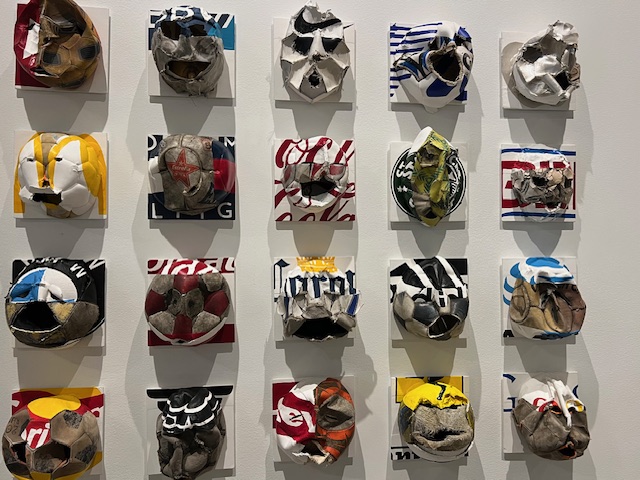
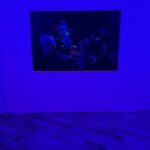
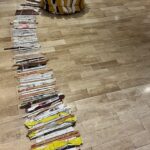
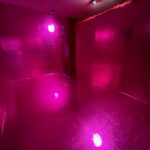
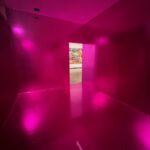
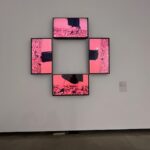
There’s a sculptural work consisting of trash found along the Tijuana border crossing with the U.S.; a black-lit room illuminating glowing paintings of men with large bottles of water; and a magenta and hot pink shiny room, which when crossed – wearing paper booties to protect the floor’s surface – reveals a soft furry magenta room, and a video depicting a wounded man.
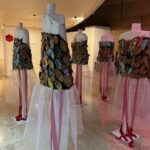
 

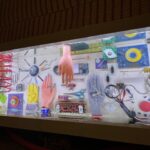
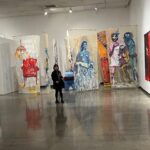
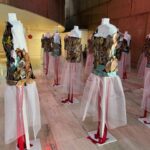
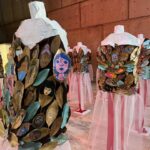
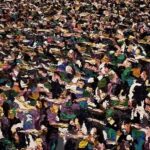
In another space there stands a vast army of headless female maniquins clad in diaphonous skirts with vests made of leaves, on which are painted a series of faces.

The work was created by XoQue, an art group that invites viewers to “walk among the pinata dress-form to highlight the injustices occuring on the the female body where many are violantly assaulted in public spaces. Here we can reflect on how a united community can create healing change in third spaces. Which body form speaks to you?”

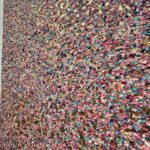
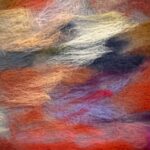
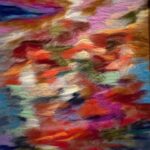
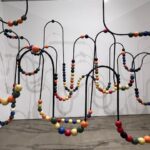
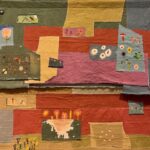
From a large sculptural abacus to lush fiber art that moves in multi-colored waves across a surface and Pablo Castaneda’s “The Sentinel,” spray paint on found objects, there are so many fascinating, meaningful works to view, roadmaps, as it were, to the human condition.

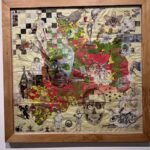
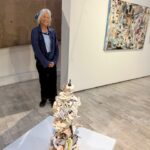
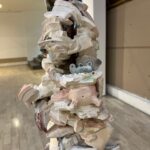
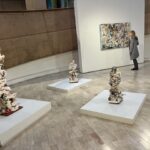
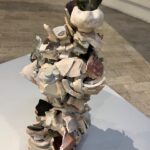
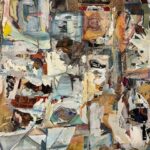
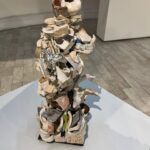
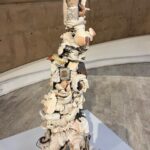
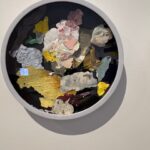
Among these many stellar works are an astonishing collage and series of delicate, haunting mosaic tower scultpures made of ceramic shards from Peggy Sivert (Portugese Bend Projects) “The Past Presents.” Sivert layers ceramic fragments around a central iron armature, and a concrete mastic, giving a fresh new life to castoff ceramics.


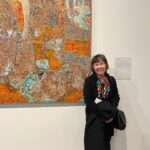
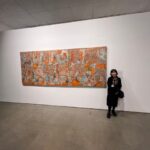
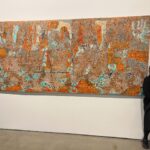
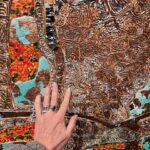
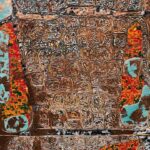
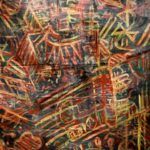
Also singularly imperssive is a large-scale, layered, and richly evocative acrylic painting from Sierra Madre-based artist Eva Malhorta, who quite literally carves into her painted works, here, the lushly intricate work, “Call to the Sacred.” Malhorta works in encaustic and carved work, oil and acrylic painting, installations, performance, and photography. The work is glowing, an intimately connected network of lines and shapes, intricate and mysterious.

Both Sivert and Malhorta are tremendously accomplished artists, whose versality and range have led to countless LA-area and international exhibitions. While completely different concepturally, both artists’ works were among the most beautiful and powerful in the vast exhibition. It’s not easy to be standouts in a collection of standouts, but these two Los Angeles artists have more than managed it.

In all, exhibiting artists include:

Alba Esperanzaaa
Alexander V Molina
Alfredo Gallegos Mena
Alicia In Spiral
Alvaro Fernandez Melchor
Ana Karen Rodriguez Sanchez
Angelica Escoto
Anirakconk
Architectural Artist Alvaro Alvarez
Armand
Azucena Leticia Gomez Rodriguez
Becky Guttin
Braulio Adrian Huerta Ortiz
Camilo Bojaca Ardila
Candor Chavez
Carolina Villanueva Lucero
Celeste Flores
Cesar Meneghetti
Christian Becerra
Claudia Casarino
Coletivo Duas Marias
Constanza Fregoso
Dalia Ortega
Daniel Ruanova
David Bucio
Julie Hermoso
Jupiterfab
Karla Herencia
Kubemanart
Leka Mendes
Leonor Hochschild
Luis Aduna
Luis Fitch
Maik Jimenez
Marcela Roldan De Luna
Marcio Almeida
Maria Belen Robeda
Maria Gloria Nieto Montero
Maria Orozco
Marila Dardot
Maru Ulivi
Mila Gross
Monica Aceves
Nereida Dusten
Omar Castillo
Oscar Ratto
Oslyn Whizar Toscano
Othon Castaneda
Pablo Castaneda
Patricia Henriquez
Patricie Gerber
David Eduardo Santillan Caicedo
Diana Olarte
Ecopola Art
Caradura Editions
Elena Parau
Emmanuel Bornstein
Enrique Rubio
Esmeralda Torres
Eva Malhotra
Evangelista
Fabiana Wolf
Felipe Coaquira Charca
Franco Mendéz Calvillo
Gabriela González Leal
Geoneide Brandão
Gerardo Mendez
German Betancur
Groom
Guadalupe Reyes
Gustavo Dalinha
Hector Zamora
Ivan Martinez
Jonathan Vasquez
Jorge A Palos
Jose Patricio
Peggy Sivert
R. Trompaz
Rafael Perea De La Cabada
Regina Silveira
Renato Pera
Rene Gomez Ome
Ricardo Pinto
Ricardo Van Steen
Rocco Almanza
Saldaña
Salgado
Samara Colina
Scott Henry Hopkins
Shuta Ruelas
Sofia Saavedra
Solis Apollon
Stephania Bueno
Suzanna Gonzalez-Revillo
Tec
Ttzarzar
Tufo
Xoque Art In Motion
Yuan Gong
Yumnia Duarte
Zaka


Do cross the border this month and experience this involving and lovely exhibition. The museum offers easy parking; if you prefer to park on the Chula Vista U.S. side, you can cross the border on foot and take a five minute cab ride to the museum for a few dollars. CECUT is open 10-7, Tuesday-Sunday. The address is: P.º de los Héroes 9350, Zona Urbana Rio Tijuana
Tijuana, B.C., Mexico, CA

  • Genie Davis; photos, Genie Davis

A Winter Island Get Away

A Winter Island Getaway – by Genie Davis

We’ve stayed on Catalina Island many times, often exploring the museum, the casino, or inland hiking. Off-season is one of the best times to go – fewer crowds, often perfect weather, and excellent ways to save on costs, too. This year, Catalina Express and close to 20 hotel partners, including for  Banning House Lodge in Two Harbors for the first time,  are sharing its popular “Best of Winter” ferry and hotel packages, now through March 14th.

The Casino is stunning, as are its tours; the museum always has special exhibitions and a terrific, historic permanent collection. There are new restaurants to experience such as the first biergarten in Avalon, Fix Biergarten, and the revamped Lobster Trap, as well as the brand new waterfront Pier 24, which pays tribute to the island’s original Steamer Pier from 1924.  There’s also a new  Pearl Discovery Experience, an interactive pearl jewelry experience, many eco tours into Catalina’s interior, and of course outdoor fun from hiking to parasailing, kayaking, and diving.

Speaking of diving, perhaps you’ll want to participate in the Underwater Cleanup in its 43rd annual iteration on February 22nd, or the Catalina Island Maraton 10k or 5k on March 8th.

The package offers round trip boat transport for two, and a variety of hotel packages:

At Banning House Lodge, guests can experience the beauty of Two Harbors, and wide views of both the Isthmus and Catalina Harbor, along with a selection of evening wine and cheese, and continental breakfast. Note that this venue is not open in January; check dates with the hotel, but due to weather, the property is typically open starting March 1st.

Ready for your visit right now, the Catalina Canyon Inn offers views, a pool, shuttle service from its spot just above town into Avalon Center, and an on-site restaurant.

The Aurora provides an ocean-centric theme and ambiance in a boutique hotel vibe, with Continental breakfast; Hotel Mac Rae is beach front in the center of town, a Continental breakfast served in its open-air courtyard, and after check-out shower facilities if you plan to get in a kayak session, dive, or swim before departing. At the Bellanca, guest will enjoy a bottle of sparkling wine, as well as a taxi ride to and from the boat landing.

Stay tuned to see what we will experience on the island, which is accessible via Catalina Express form San Pedro, Long Beach, and Dana Point in as little as one hour.  From nature to cultural experiences, from history to hiking, snorkeling to fishing to spa experiences, Catalina has a little bit of everything an island getaway can offer – close to home and mellower and more magical off-season. For more info, check out the Winter Packages here. 

  • Genie Davis; island photos by Genie Davis; Catalina Express image provided by Catalina Express.


Island Hop: Ann Weber’s Sinuous Sculptures Wash to Shore in Catalina

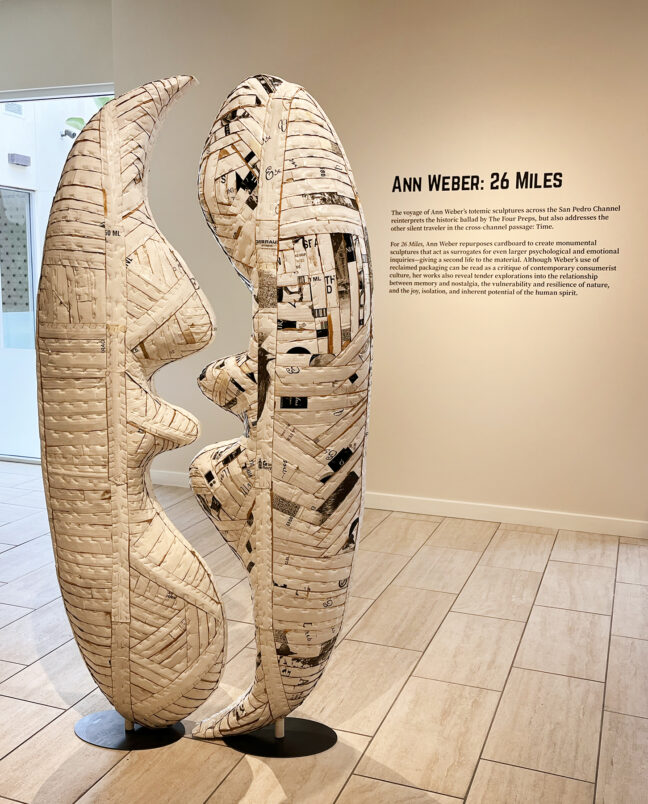
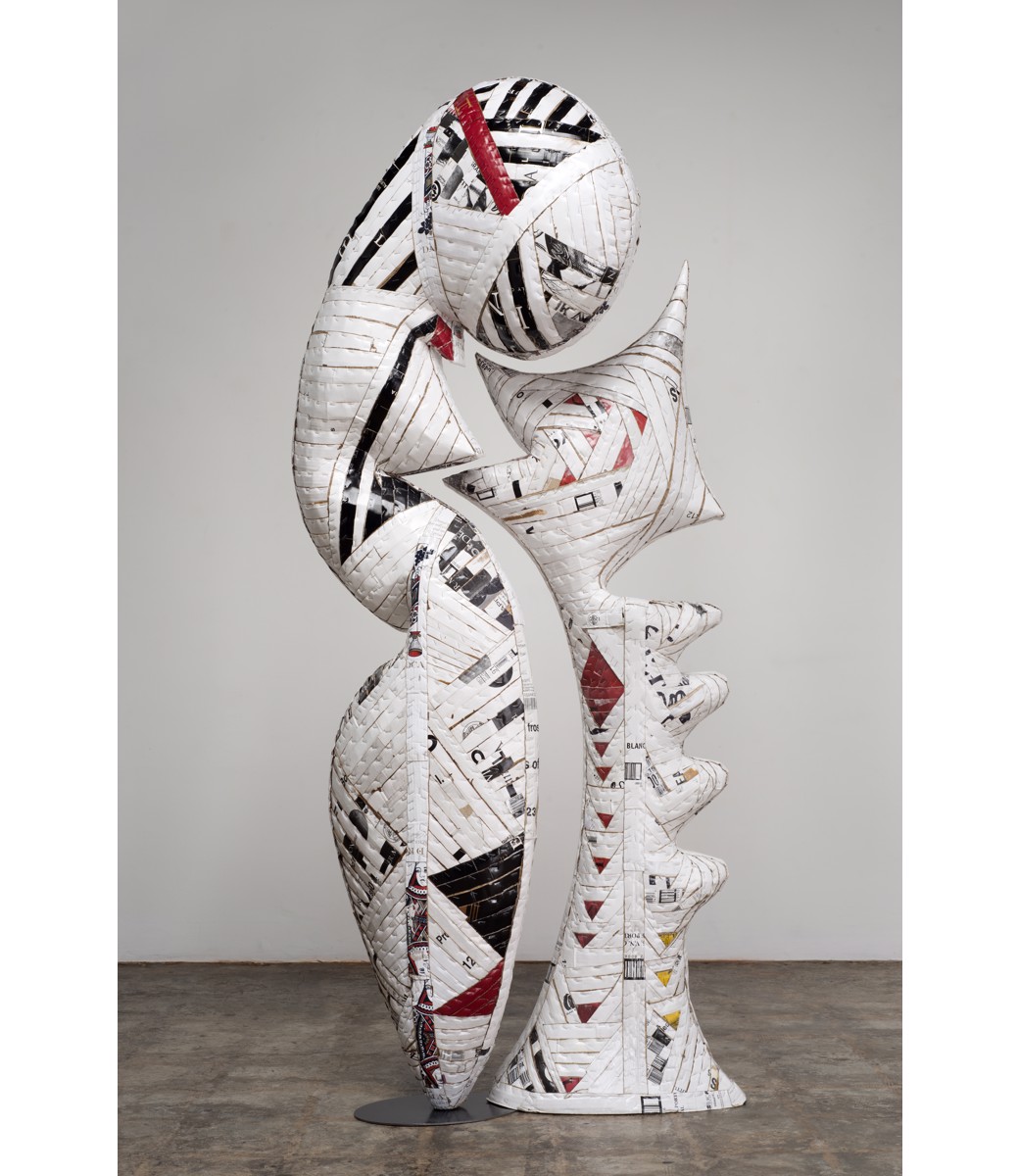
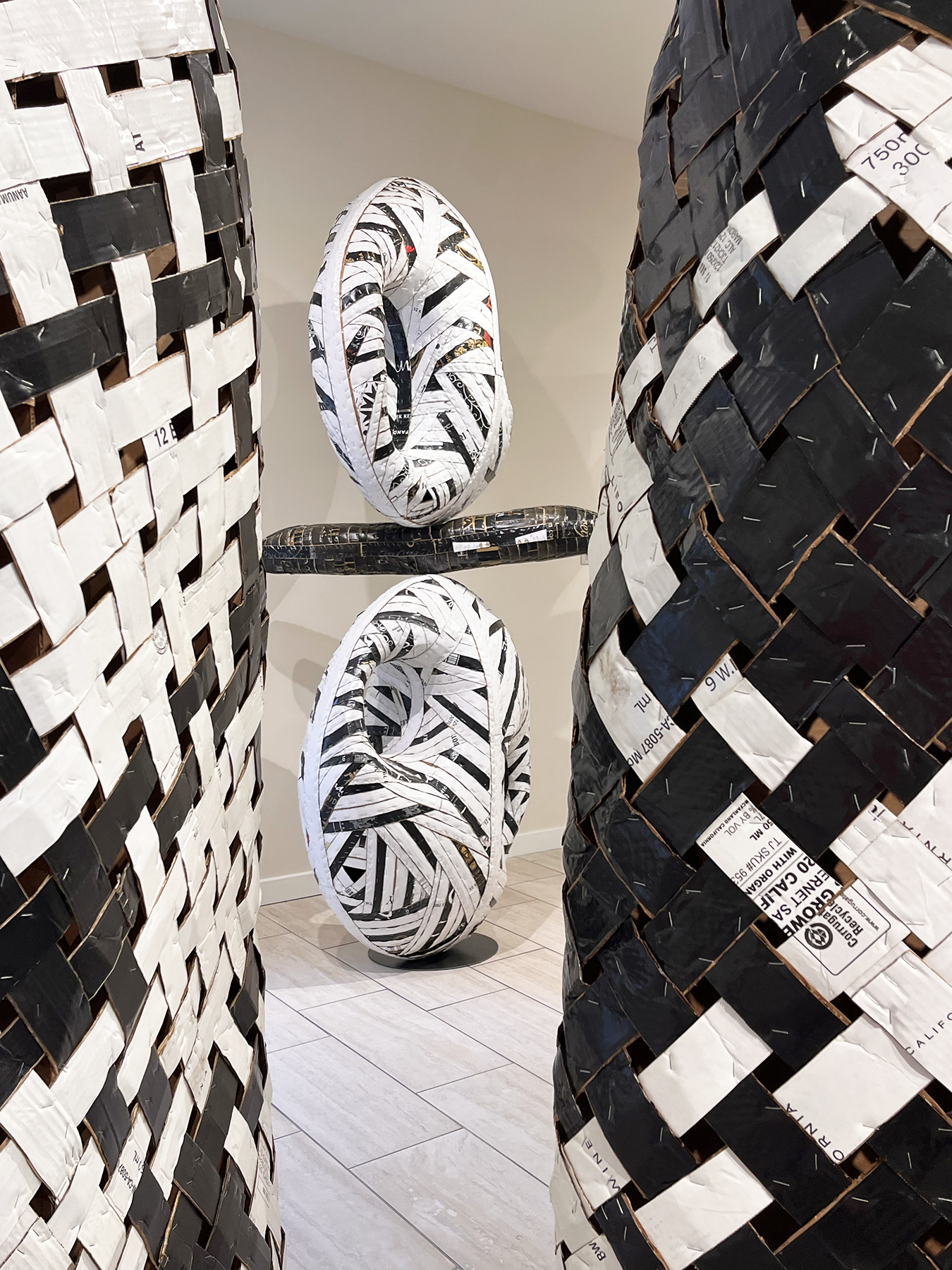
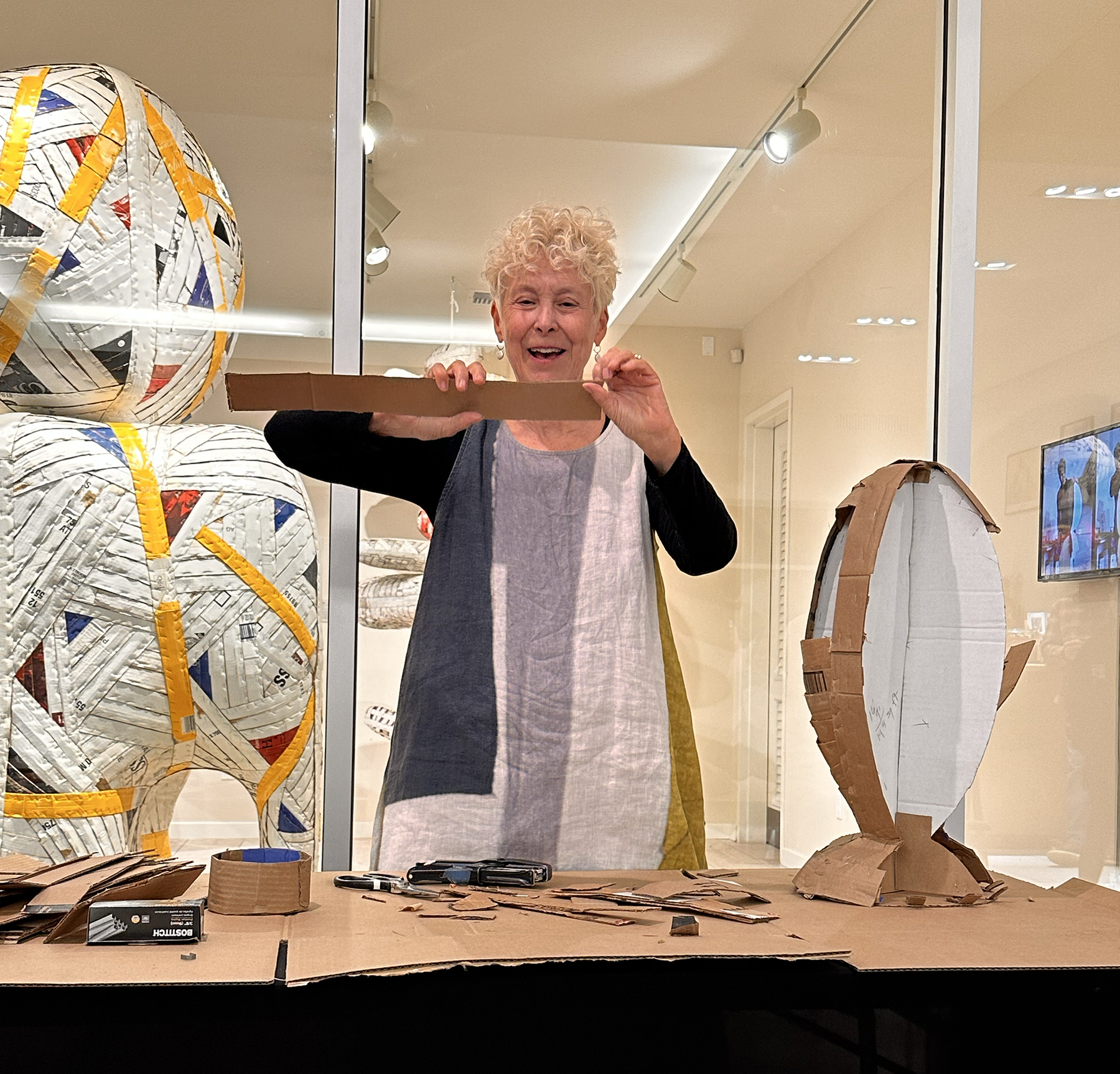
Now through December 1st, visitors have one more reason to explore Catalina Island and the beautifully exhibited Catalina Art and History Museum.  Ann Weber’s 26 Miles, a solo exhibition featuring Weber’s always mysterious and magical large-scale cardboard sculptures encourages a rethinking of the island – and the journey from the mainland to it – itself.

The massive sculptural works recall images of nature, transformed into new and shapes and identities through the shifting of time, the sea, and ourselves. They speak to the resilency of nature, the way in which it impacts human creativity, and also to the transformative vibes of island life itself.

Have you ever watched bits of broken glass shift into the soft, colorful translucence into the sea glass we treasure when washed to shore? That softening and perfection is a facet of all Weber’s work, which repurposes the crude rough-edged material of cardboard into something graceful. Pieces here resemble stones and shells and sea creatures, every memory of the ocean and every small bit of beauty we find along her shoreline.

Her art recycles, and reimagines surfaces and shapes – not unlike the rhythm of the sea on a jagged shoreline. On Catalina Island, these works have found a perfect home, speaking to the joys and vicissitudes of nature, manmade worlds, and the longing for paradise.

Additionally on view through September 8th: Philadelphia-based illustrator and designer Sarah Kaizar’s delicious original gouache and ink artwork from the book RARE AIR: Endangered Birds, Bats, Butterflies, and Bees. The two exhibitions create a lovely pairing along with permanent displays depicting island history.

Catalina Museum for Art and History is open 10 a.m. to 5 p.m. daily with extended hours until 6 p.m. Fridays and Saturdays, June – Labor Day weekend. Closed Mondays: September (after Labor Day) through May; open 7 Days: June – Labor Day.

  • Genie Davis, photos provided by the artist and museum