

The hills appear to be painted red and gold around the former copper mining community of Ajo. The town name means garlic in Spanish, but it was probably a translation error: the Tohono O’odham tribe in the area had a similar word for paint, and they took their red paint pigments from those vibrant hills.
Ajo’s name is just one interesting story in a town filled with them. Here is what could’ve been an abandoned community, revising, renewing, and revitalizing itself when the copper mine that gave it a reason to exist was closed. In the middle of the raw and beautiful desert the sparkling white Spanish-colonial town square and a series of beautiful murals all around town draw the eye like a very pleasant mirage.
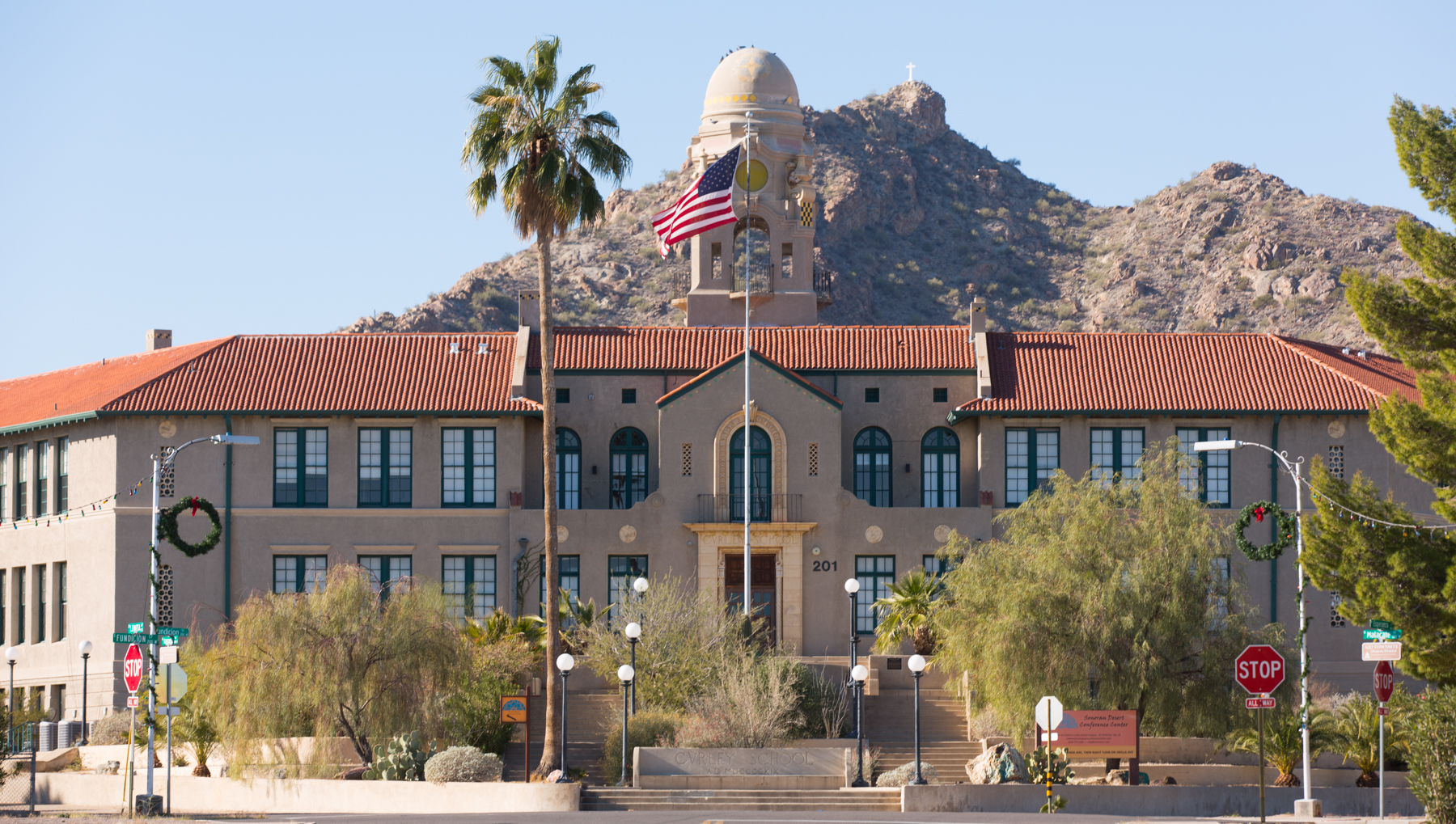
Perhaps most interesting of all is the town’s former Curley School, a large and beautiful structure that now houses artists residences in one wing, and in another, an incredible hotel. How such a place came to be is a story in itself.
The Sonoran Desert Conference Center is a beautifully designed, industrial-chic hotel with high ceilings, luxurious bedding, and expansive rooms that were once school classrooms. It is one part of the former Curley School; the complex also includes a community garden, a courtyard with a fire pit, an auditorium, and renovated, low-income artist’s lofts. The entire campus is gorgeous.

According to Emily Siegel, who manages the property along with husband Stuart, there are 21 completed rooms at the hotel, with construction being completed on two additional small dorm-style rooms designed for large groups and families. The school campus was originally built over a period of time from 1919 to 1948, with the hotel wing being the most modern construction.
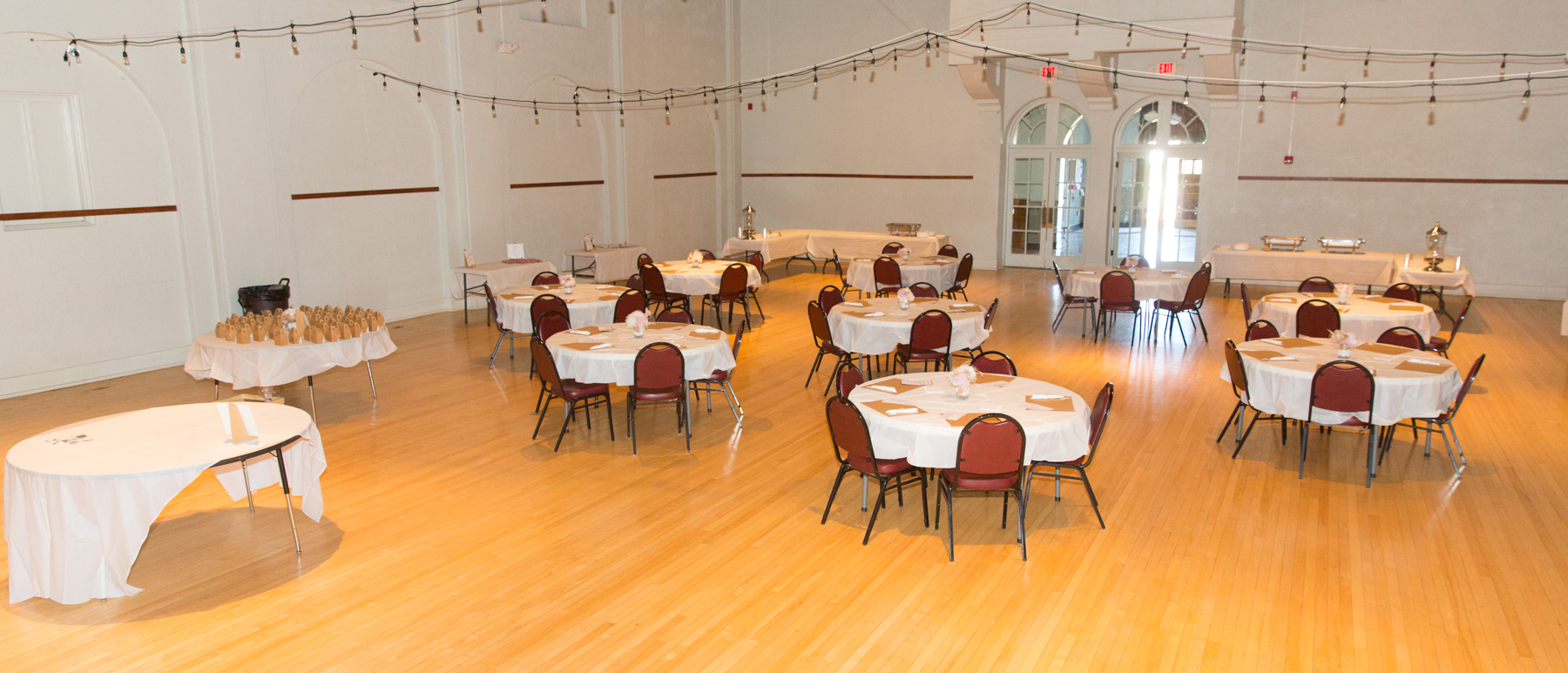
While The Sonoran Desert Conference Center is a truly wonderful vacation destination, it does in fact contain the space for conferences. The original high school auditorium has been redone and features retractable walls that offer an incredible view of the property and desert beyond. Group activities such as yoga retreats and large reunions are naturals for the property, but so are visits from couples looking for a romantic getaway, family vacationers, and adventure travelers.
To see this spot is to fall in love with it – the ornate architecture, the wild javalinas occasionally scurrying through yards, the spectacular sunsets. And that’s precisely what Emily and Stuart did when they were passing through Ajo a few years ago.
“Stuart and I made the unconventional decision to leave jobs and home and take a great American road trip. We planned it to be ten months long, but five and a half months in, driving from Joshua Tree, California to New Mexico, we got in a touch with a friend who lived here in town. We came by for just one night and were fascinated,” Emily relates.
That fascination led to a meeting with Tracy Taft, who owns the non-profit that owns the former school, and led to the Siegels’ signing on as volunteers onsite six weeks later. They helped furnish the units – which are hip, comfortable, and employ recycled materials; they hired housekeeping staff; and they set up the website for the property. The next thing they knew, they were asked to stay on and run the place.
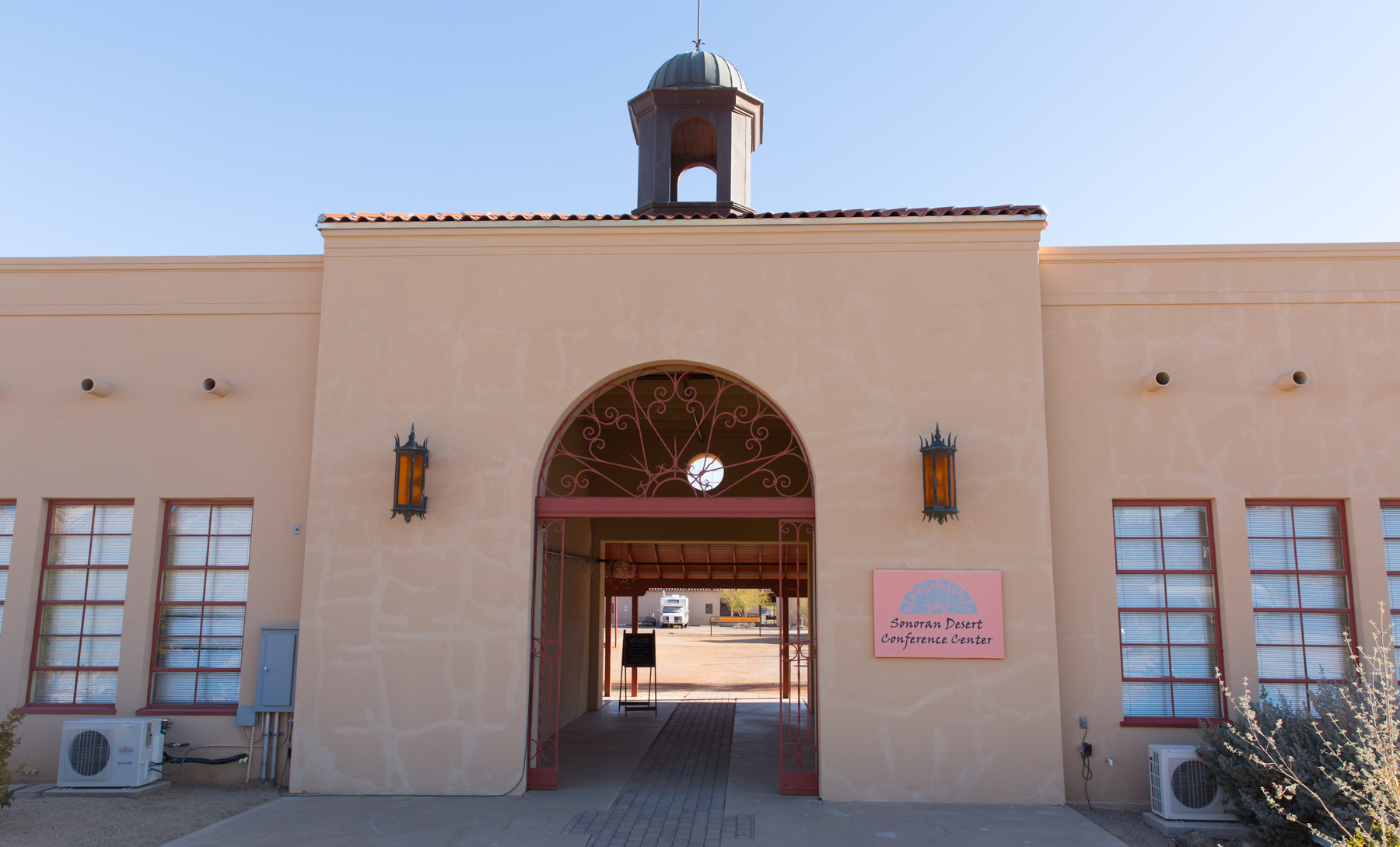

“We love this place, and the important mission this non-profit represents in improving and restoring the town,” Siegel says.
Taft herself ended up in Ajo somewhat by accident. “Driving past the Crater mountain range fifteen miles north of here, I found the scenery compelling,” she attests. “I bought a house the same day I drove through in 1992.”
Taft didn’t move to Ajo full time until 2000, when she discovered the former school occupied by several small non-profit organizations. A new, modern school has been built on the other side of town. “I came here to retire, and within a year I joined a non-profit, and hatched this idea of renovating the Curley school. The first project was creating thirty units of live and work space for artists. We worked with the department of housing and the state as a way to save the building and bring skills and a new economic niche into Ajo.”
Below, a glimpse at one of the few vacant units in the artist’s residences, where large loft live/work space rents for $300 to $625 a month.

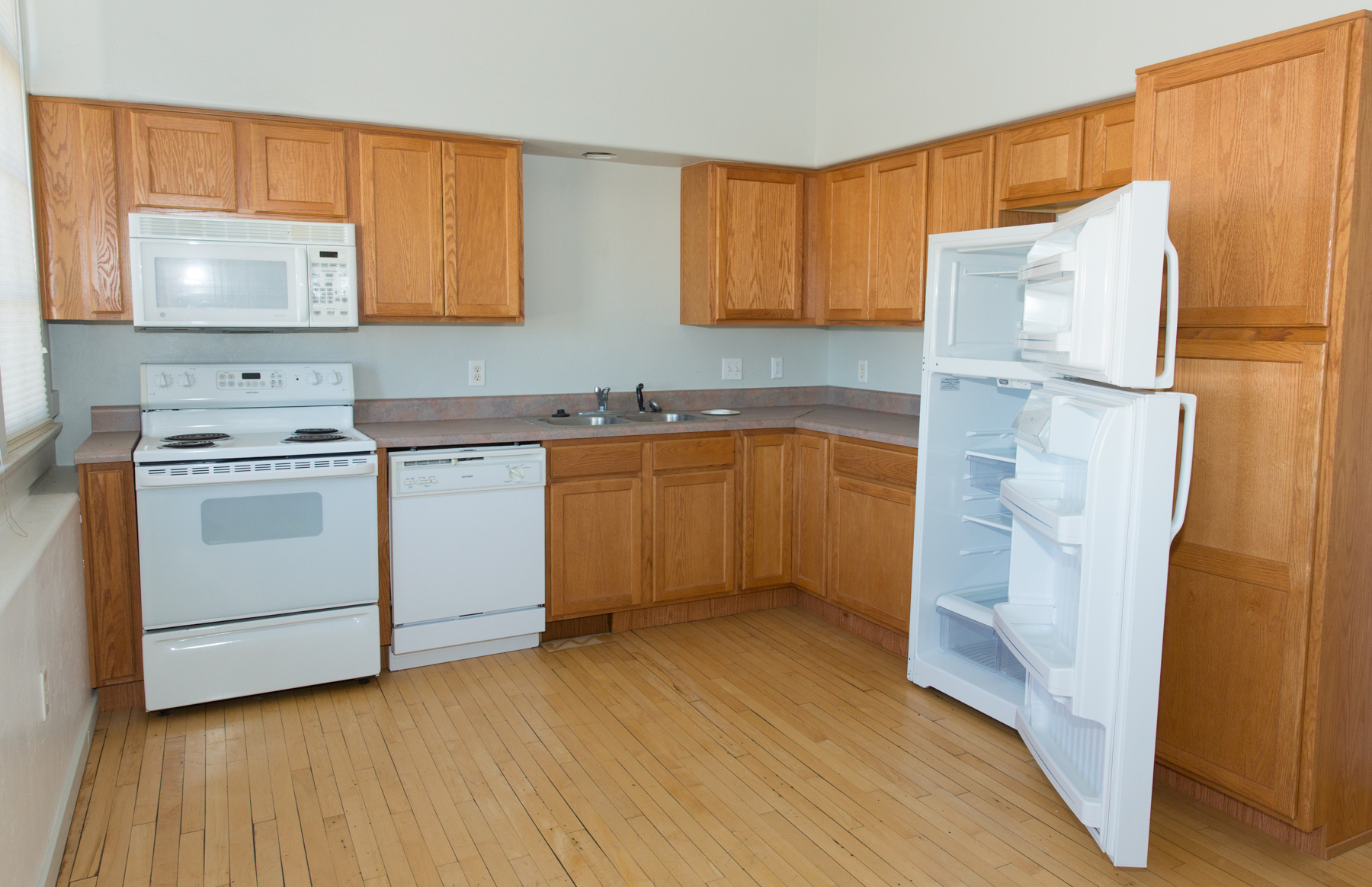
There were already artists living in town, and it was clear that there was plenty of interest from artists outside the community to come and live in the large, low cost studio and living space. The building was purchased in 2006, and the artists’ residences opened in 2007.

“Our mission is about community development. We want to draw more people here who create art, who invent things. And we want to encourage them to open other businesses,” Taft says.

The non-profit now also owns the historic town plaza, which is part of what was once a carefully designed, planned community that supported the mining industry. Both mine and property were owned by the Greenway family, the same family whose descendants still run the elegant Arizona Inn in Tucson. John Campbell Greenway was a beloved figure in town, and when he passed away in an untimely death, he left $100,000 to the miners of New Cornelia Copper Company.
But all this backstory is merely an entry point to add to the appreciation of a truly cool community and an attractive, peaceful hotel that is more than worth a visit – and a repeat visit or two.
Like Taft and the Siegels before us, we were smitten by the place. The craggy hills, the cactuses, the quirky and wonderful murals throughout town, the historic and beautifully preserved town square, and the spotless, sleek hotel rooms won us over fast.
At first glance, there isn’t a lot to do. But look again. Take a stroll through the pretty plaza, which contains an art gallery and coffee house, and should soon be adding a craft brew pub to its quiver. Drive, bike, or hike the scenic loop road that starts just a few blocks from the hotel, catch a sunset.
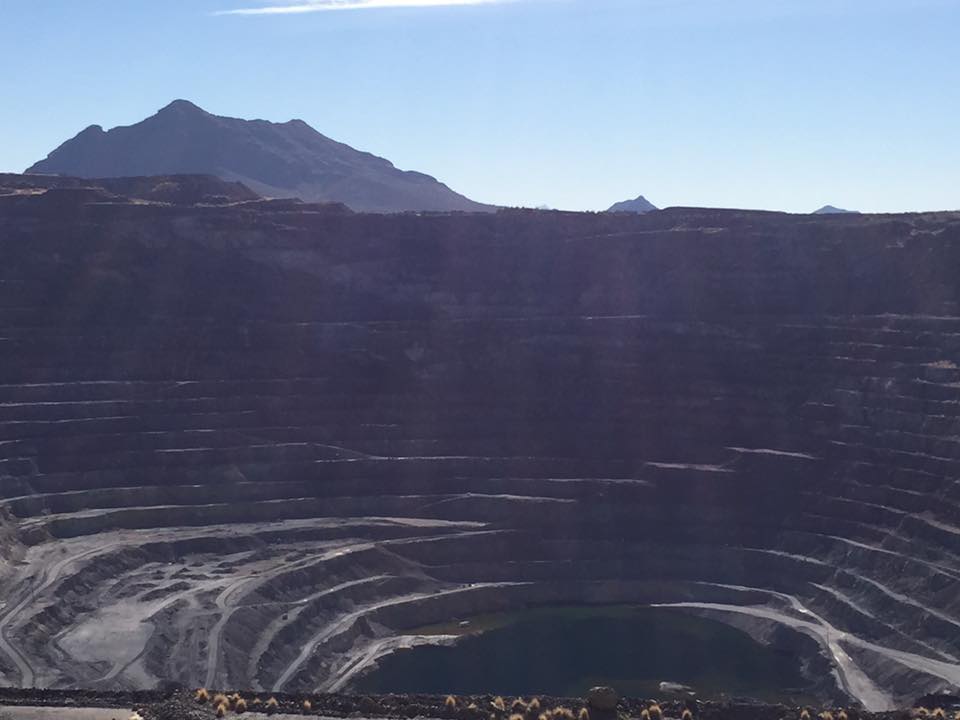
There’s a mining museum that pays tribute to and allows a good look at the Ajo mine which was purchased from the Greenway family and by the Phelps Dodge company who shut it down in 1984. The mine is still a sight to see: it measures a mile and a half across and 1200 feet deep to the bottom pit. The mining crater is circled in levels, each forty feet. Formerly one of the largest copper mines in the world, the New Cornelia pit also offers a glimpse of a startlingly turquoise hued lake at the bottom of the pit.
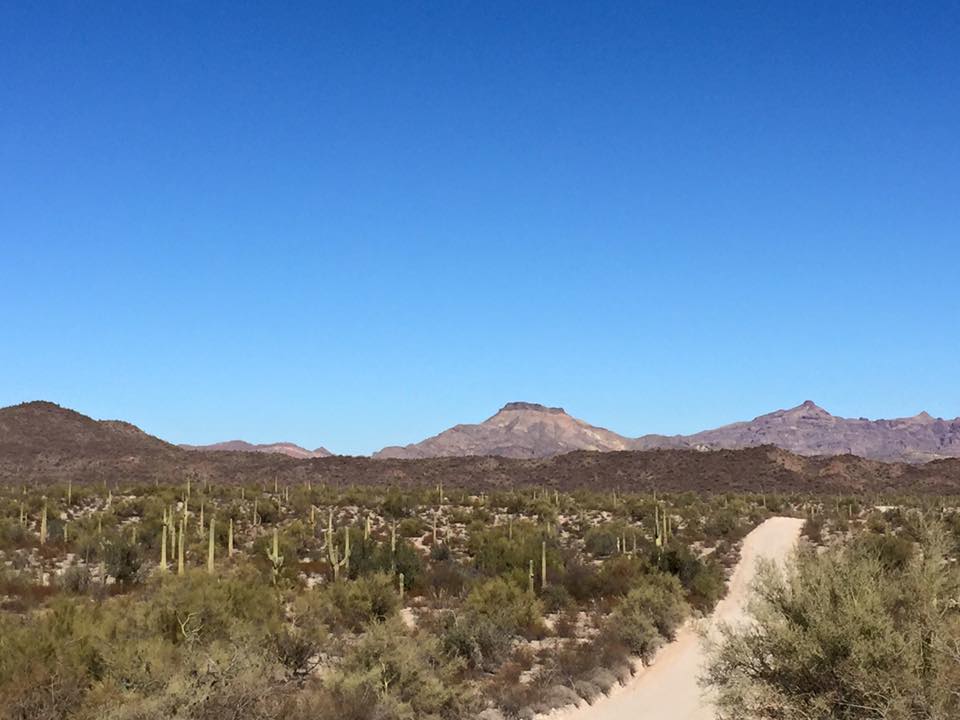
Beyond Ajo, a less-than-thirty minute drive takes visitors to the stunning Organ Pipe National Monument.
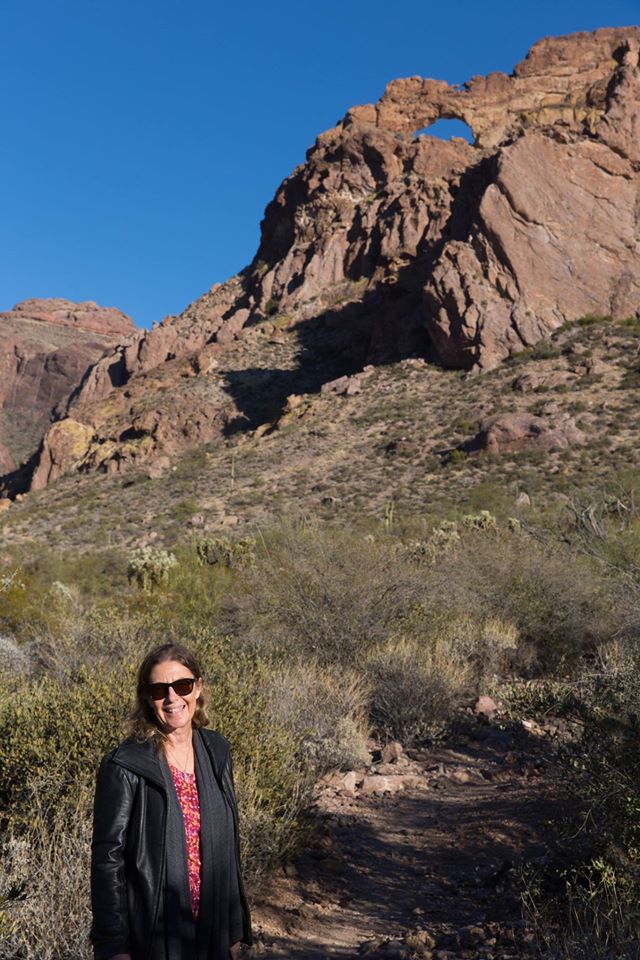
The relatively quiet preserve allows plenty of space to take some stellar hikes and quite wonderful driving loops. We were surprised and enchanted to see a red rock arch delicately etching the bright blue sky; the main roads, easily driveable dirt, lead drivers and hikers past a variety of scenic stops from unique cacti to rock formations.
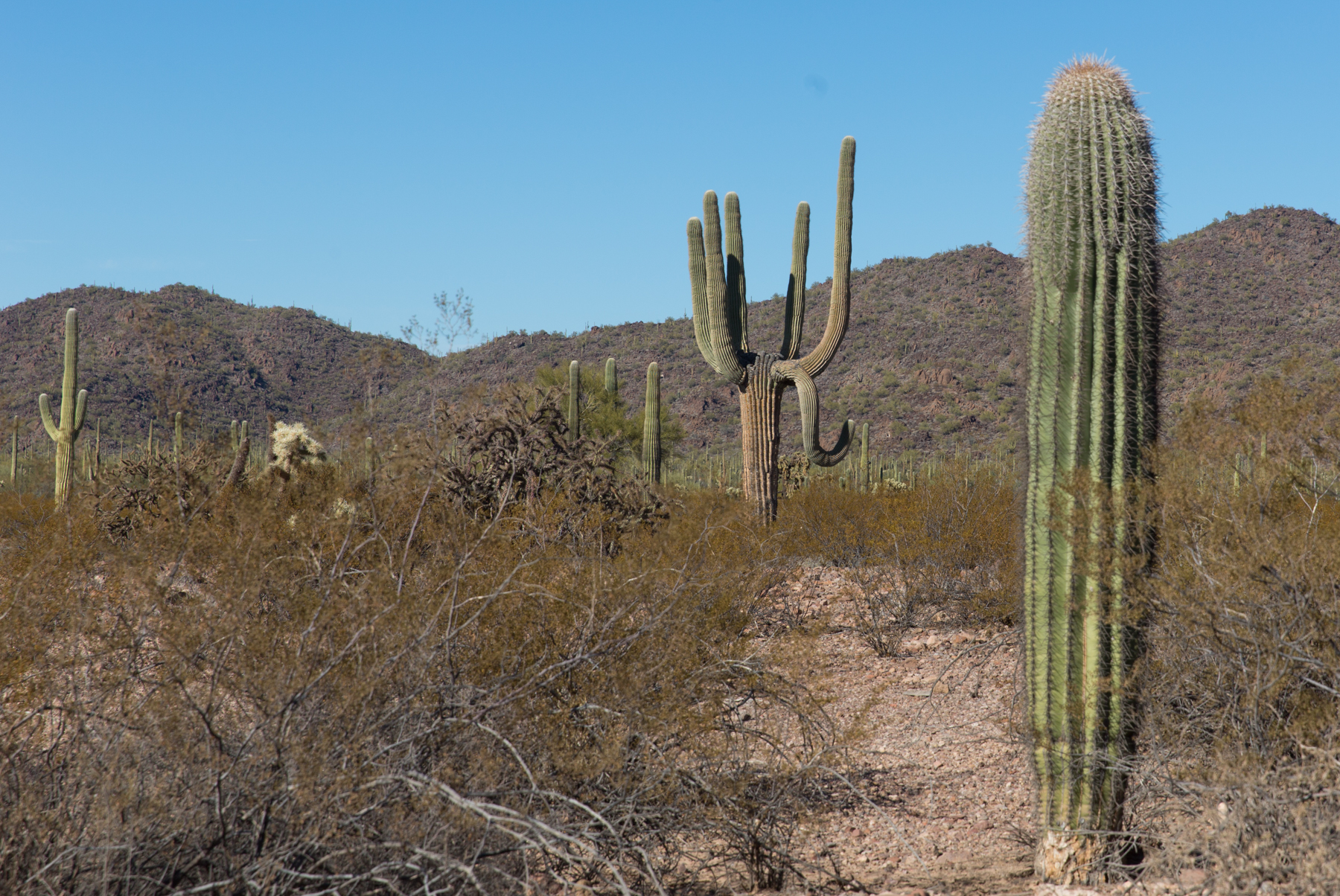
The park was surprisingly lush for the desert. Plenty of green plants, birds, and other wildlife are visible. Interestingly, the Organ Pipe Cactus itself, while common in Mexico is rare in the states, and can’t tolerate cold weather. They also need plenty of sun, and are found throughout the monument in the thickest clusters on south-facing slopes.

Visitors with passports can drive on past the park, cross the Mexican border,and be on the gulf coast at Rocky Point within another 90 minutes.
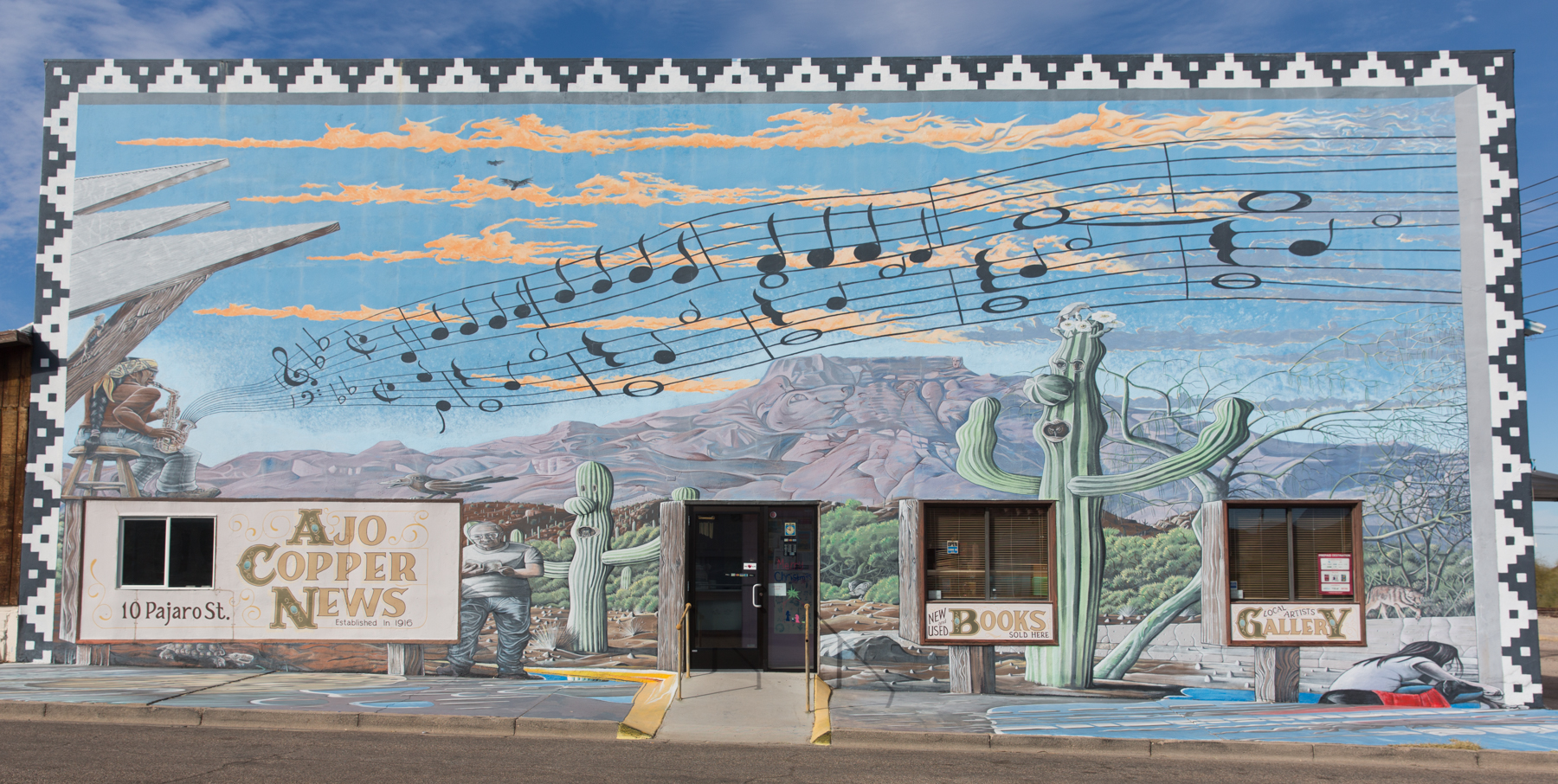

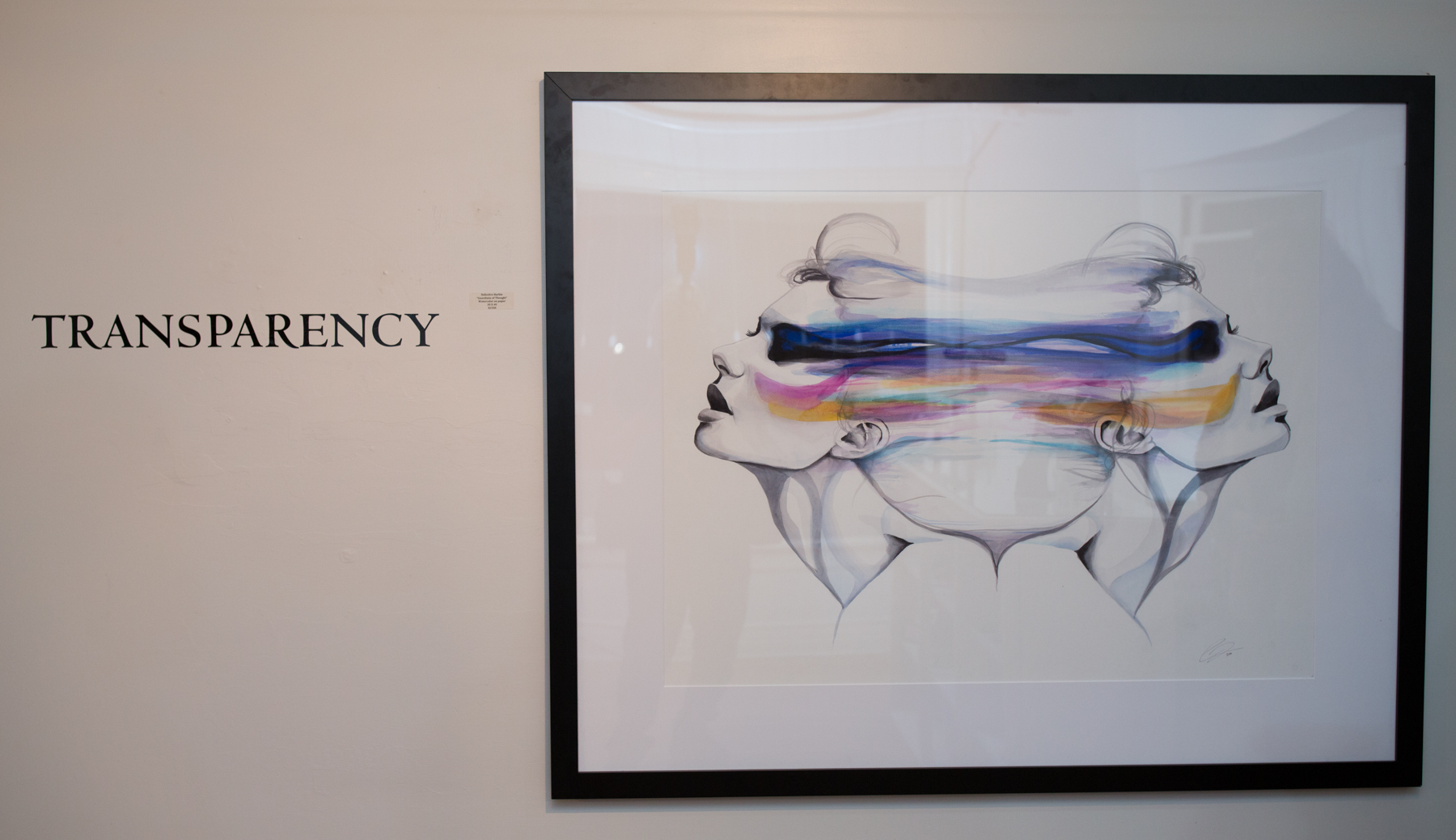
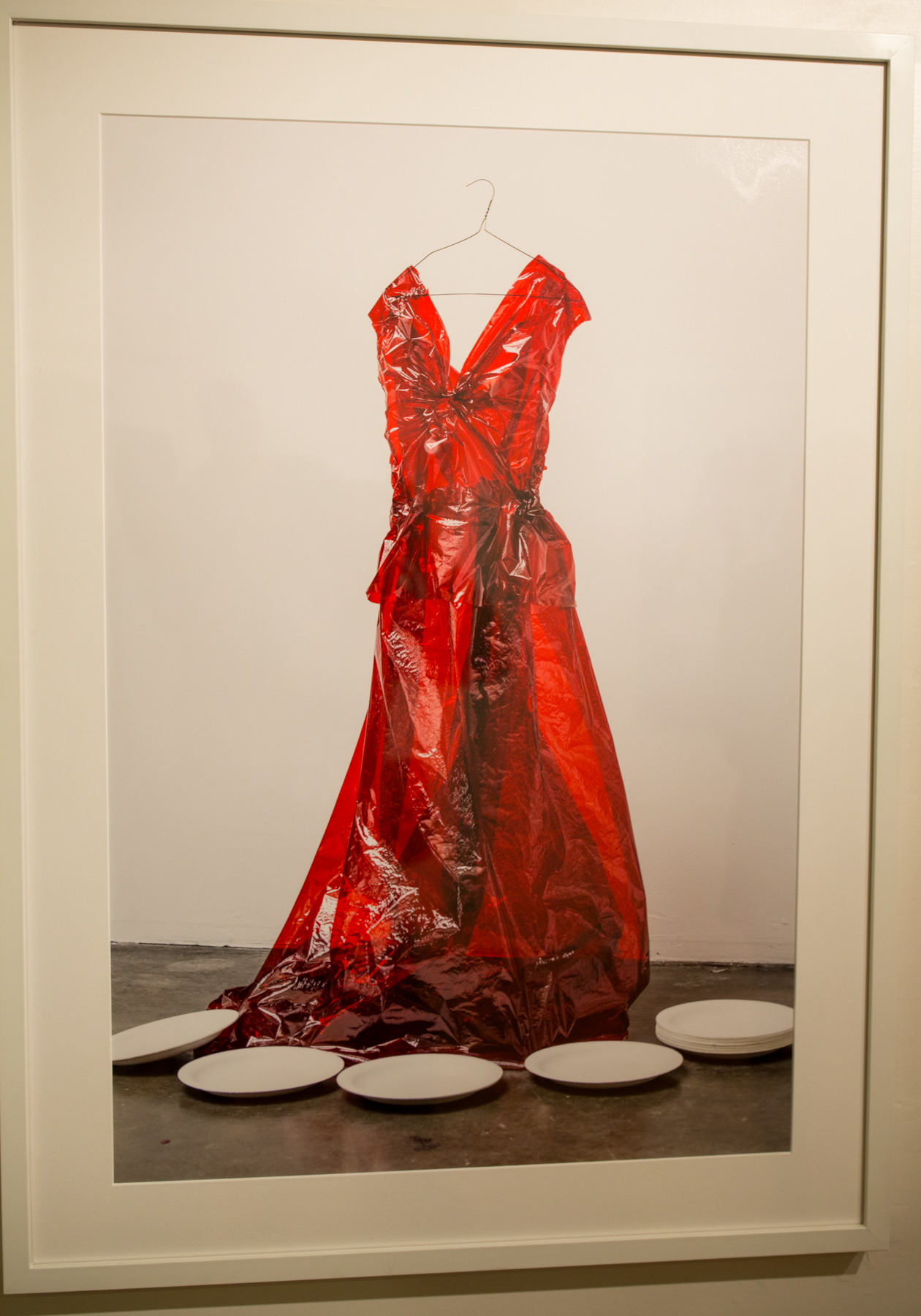
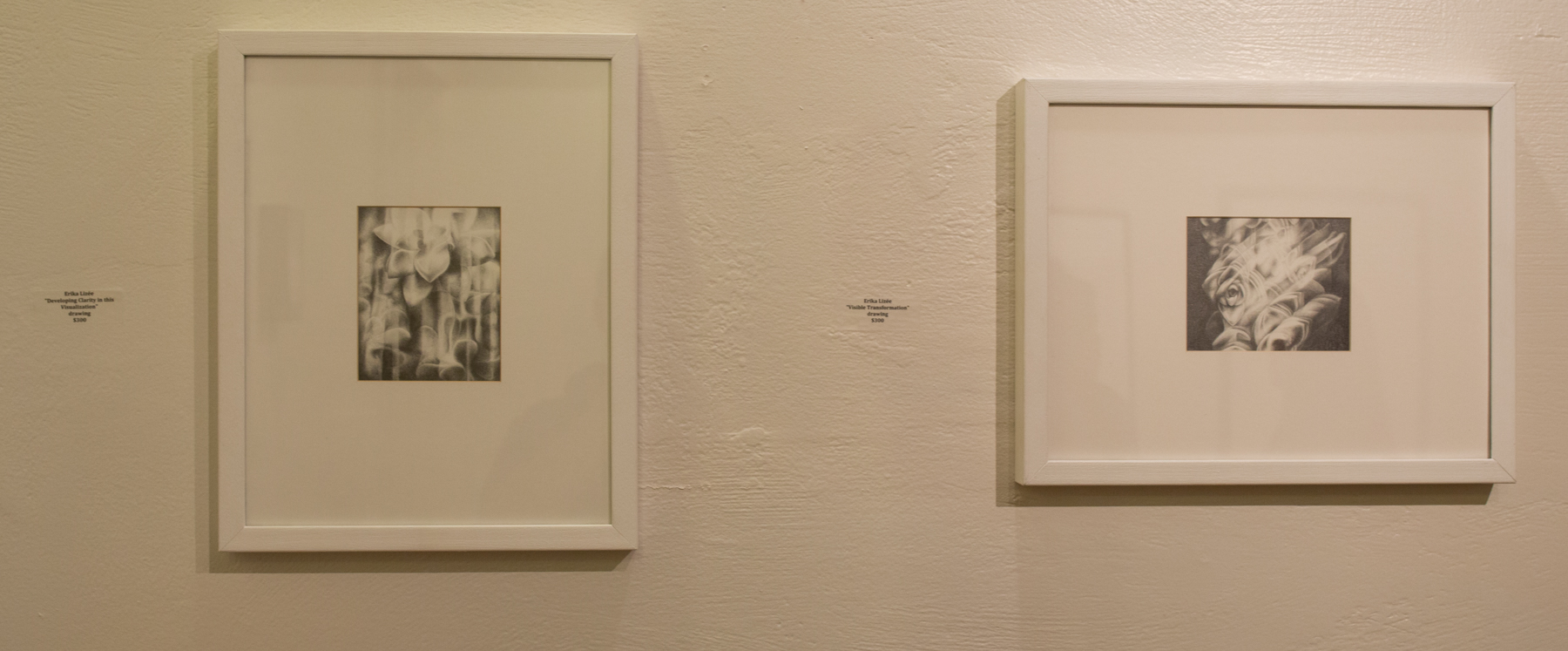
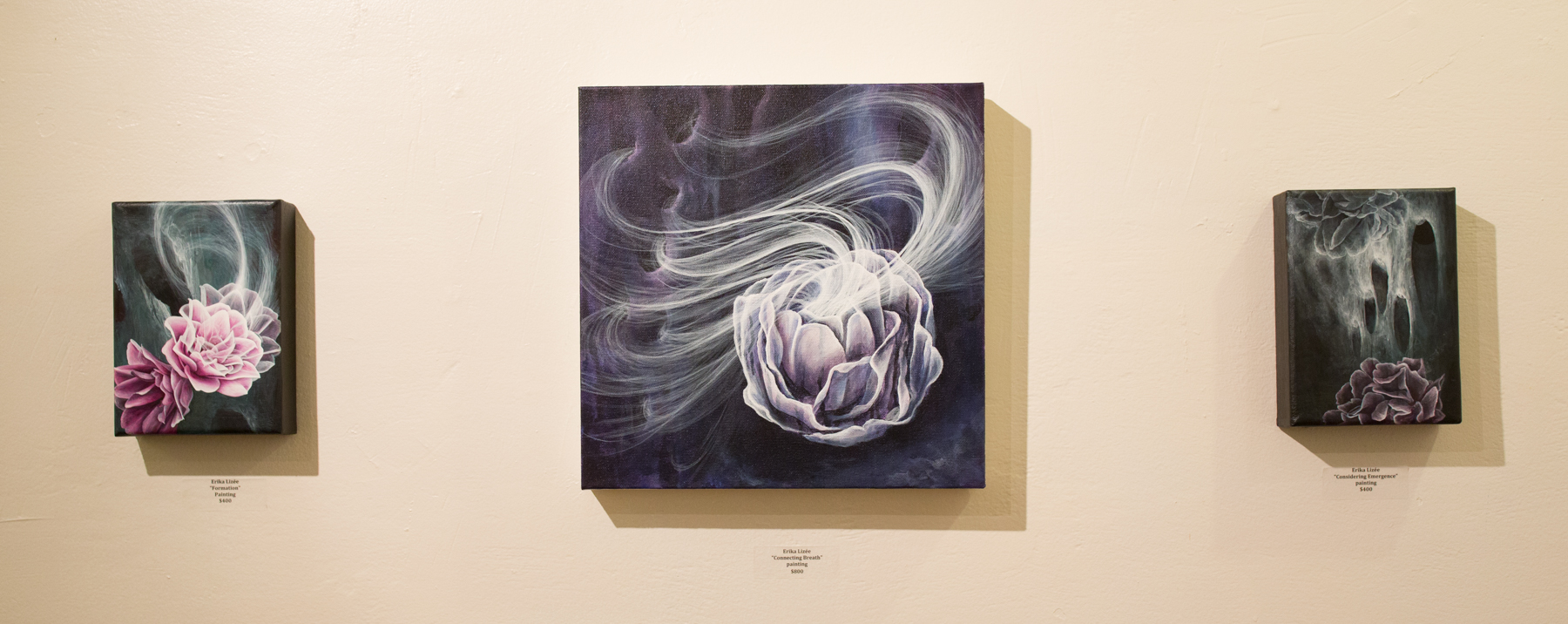
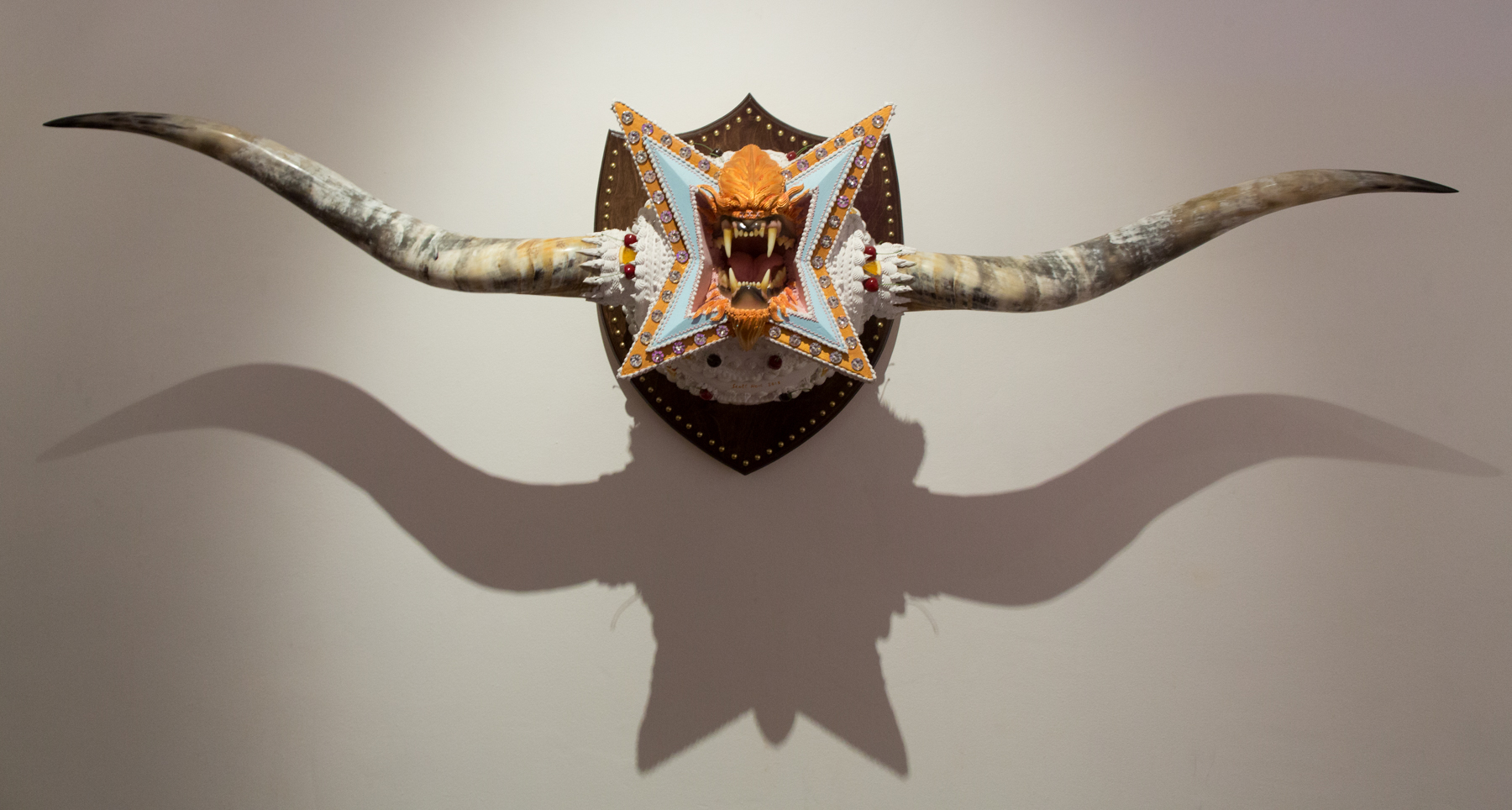
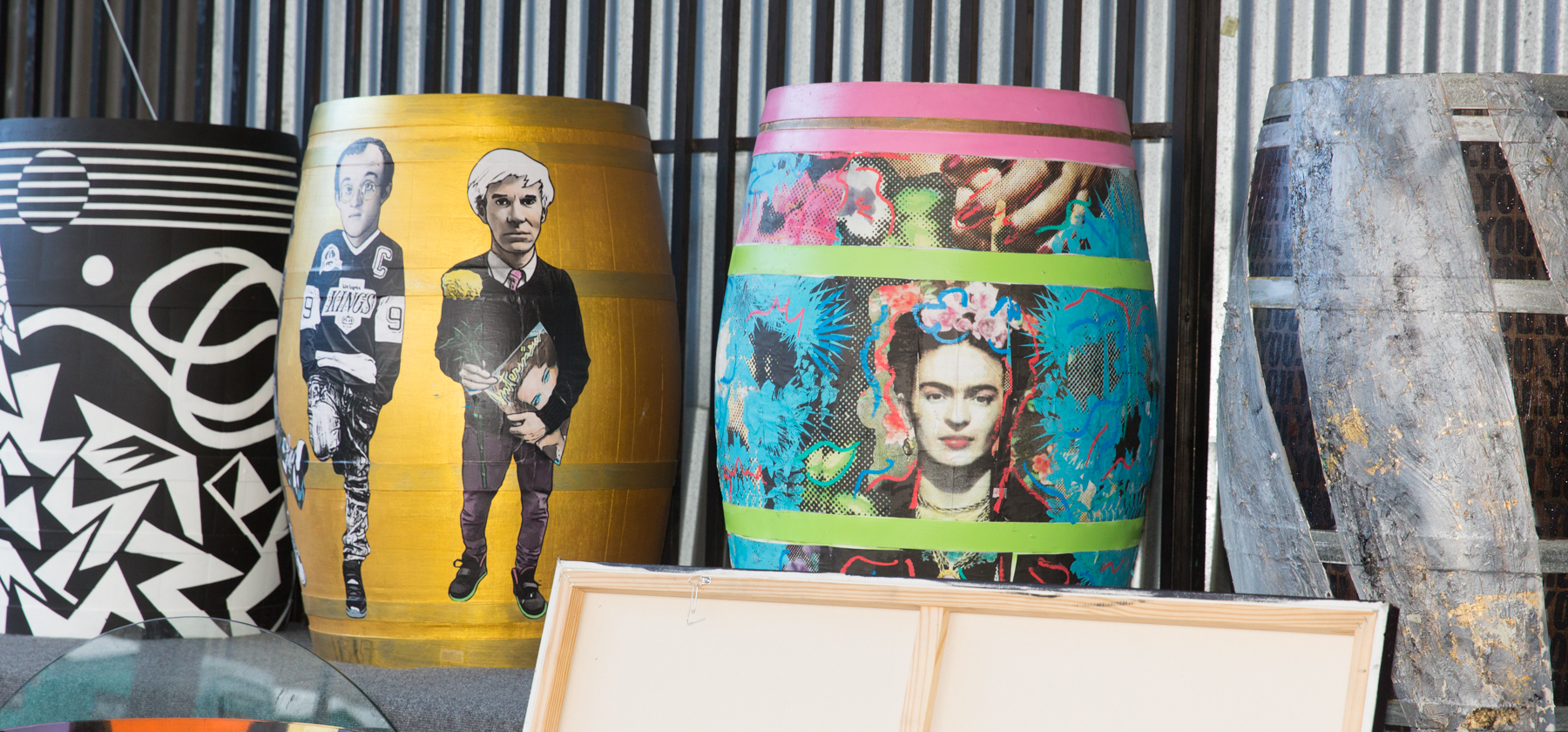
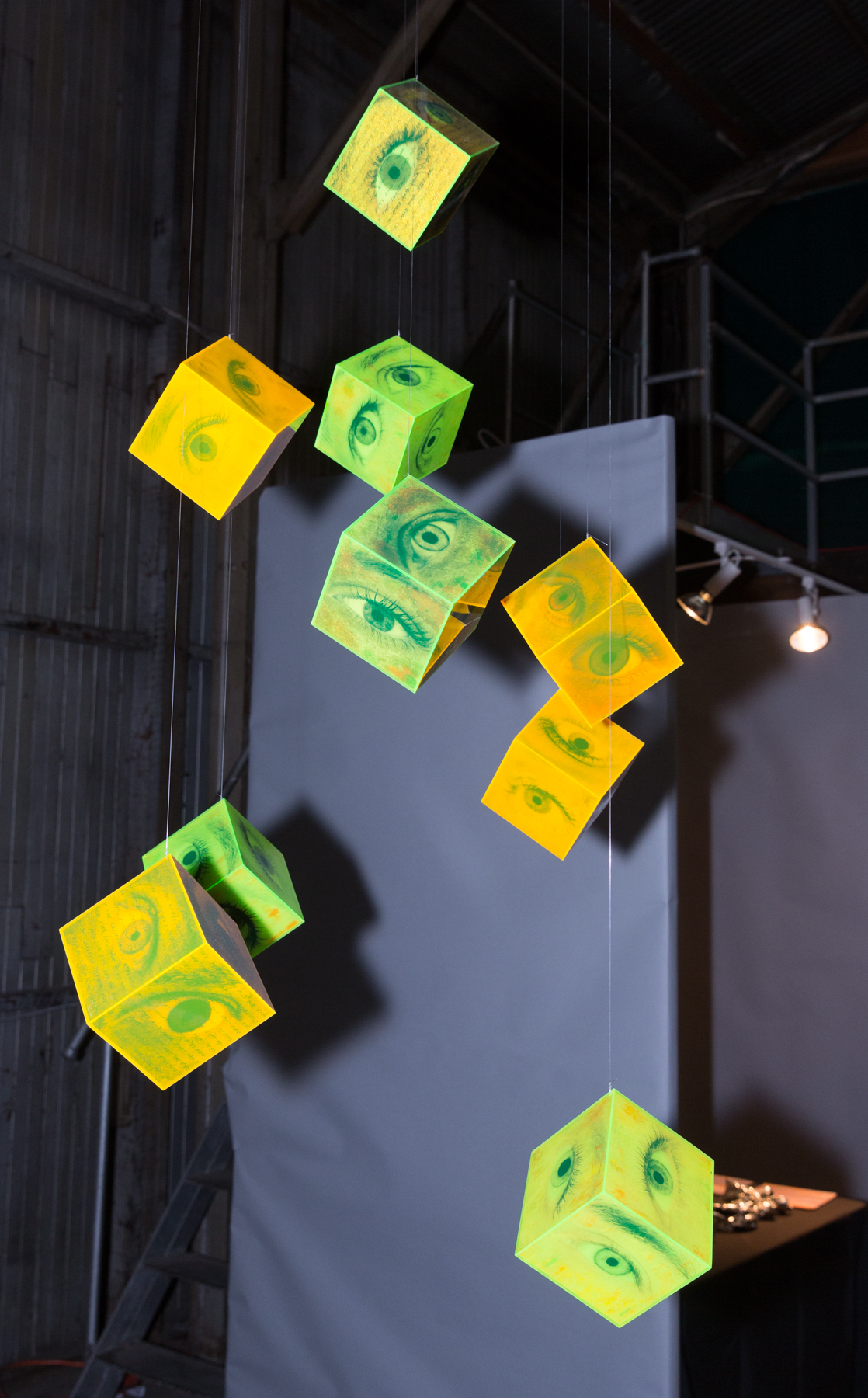
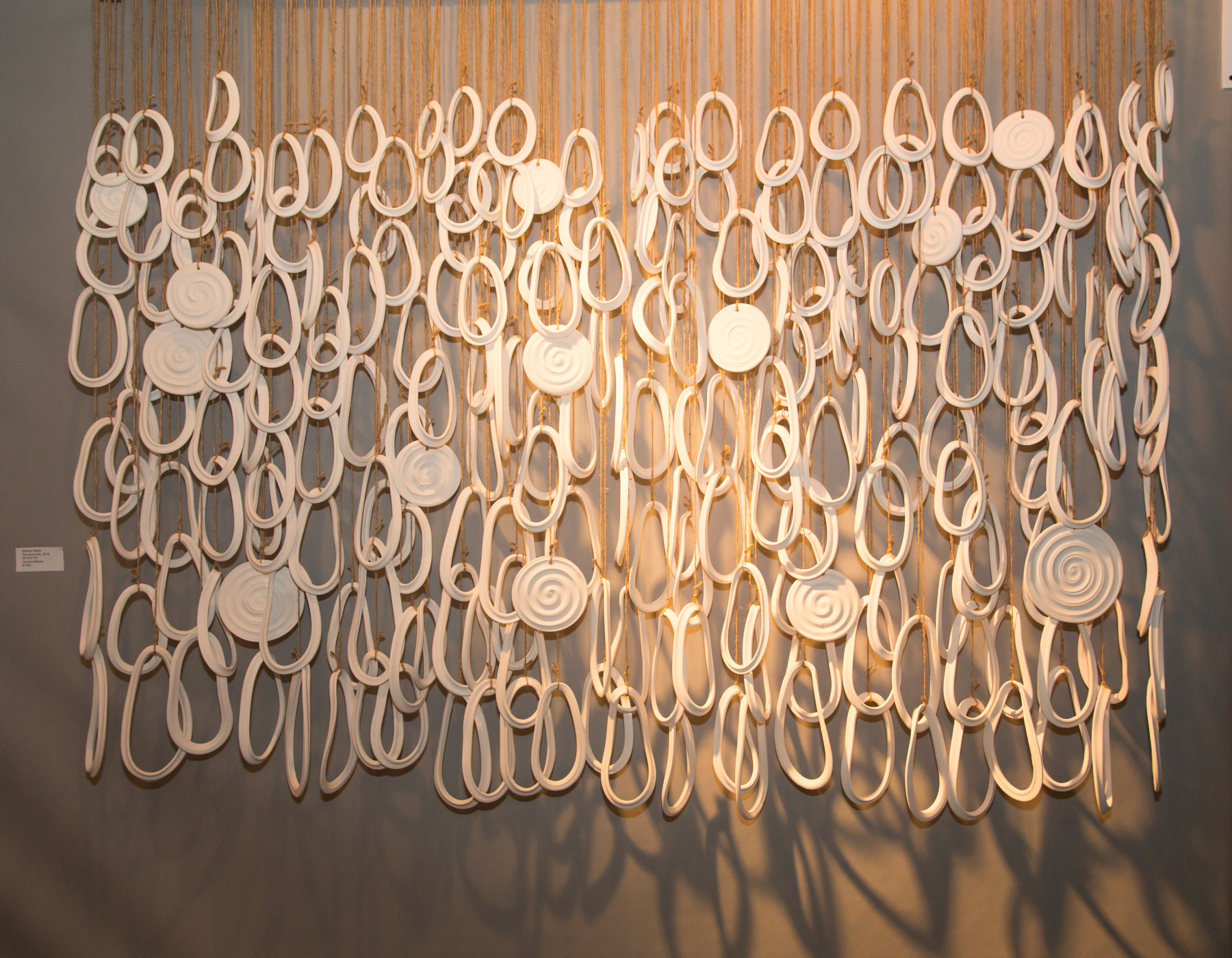
But staying close to Ajo itself also offers pleasurable exploring. With thirty-five plus murals and a number of sculptures scattered throughout the town, some commemorating movies shot in the area, the art scene that the Curley School artist lofts support is definitely a real presence.
The Spanish colonial revival architecture that makes up the plaza and a number of other historic buildings is also an attraction. Located in the plaza is the Under the Arches Gallery, curated by artist Jacqueline Andes.
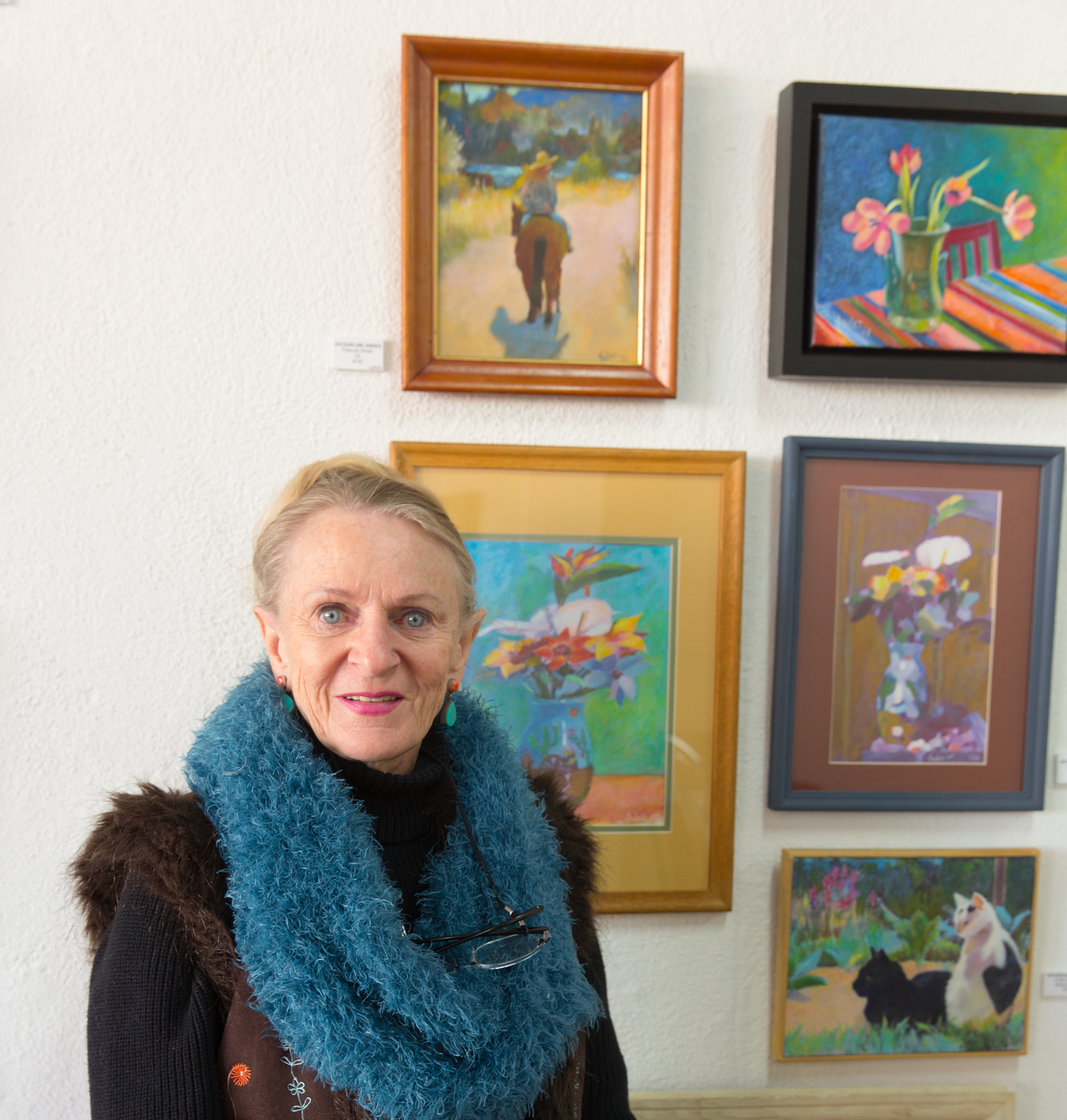
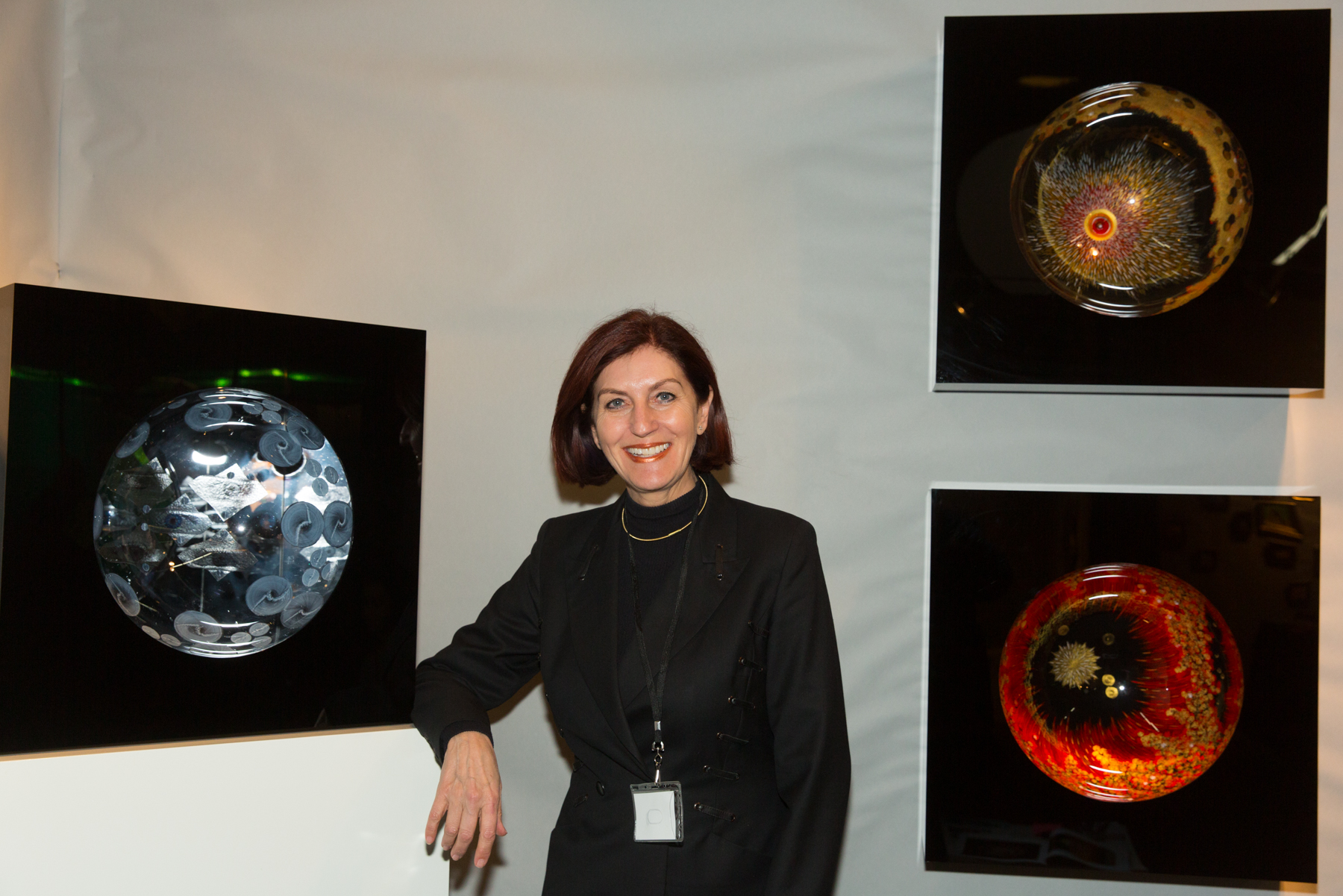
“We’re a non-profit community gallery featuring work by emerging contemporary artists, art from recycled materials, and photography,” Andes relates. “We’re self-sustaining, we draw visitors from Phoenix and snowbirds heading into Mexico.”
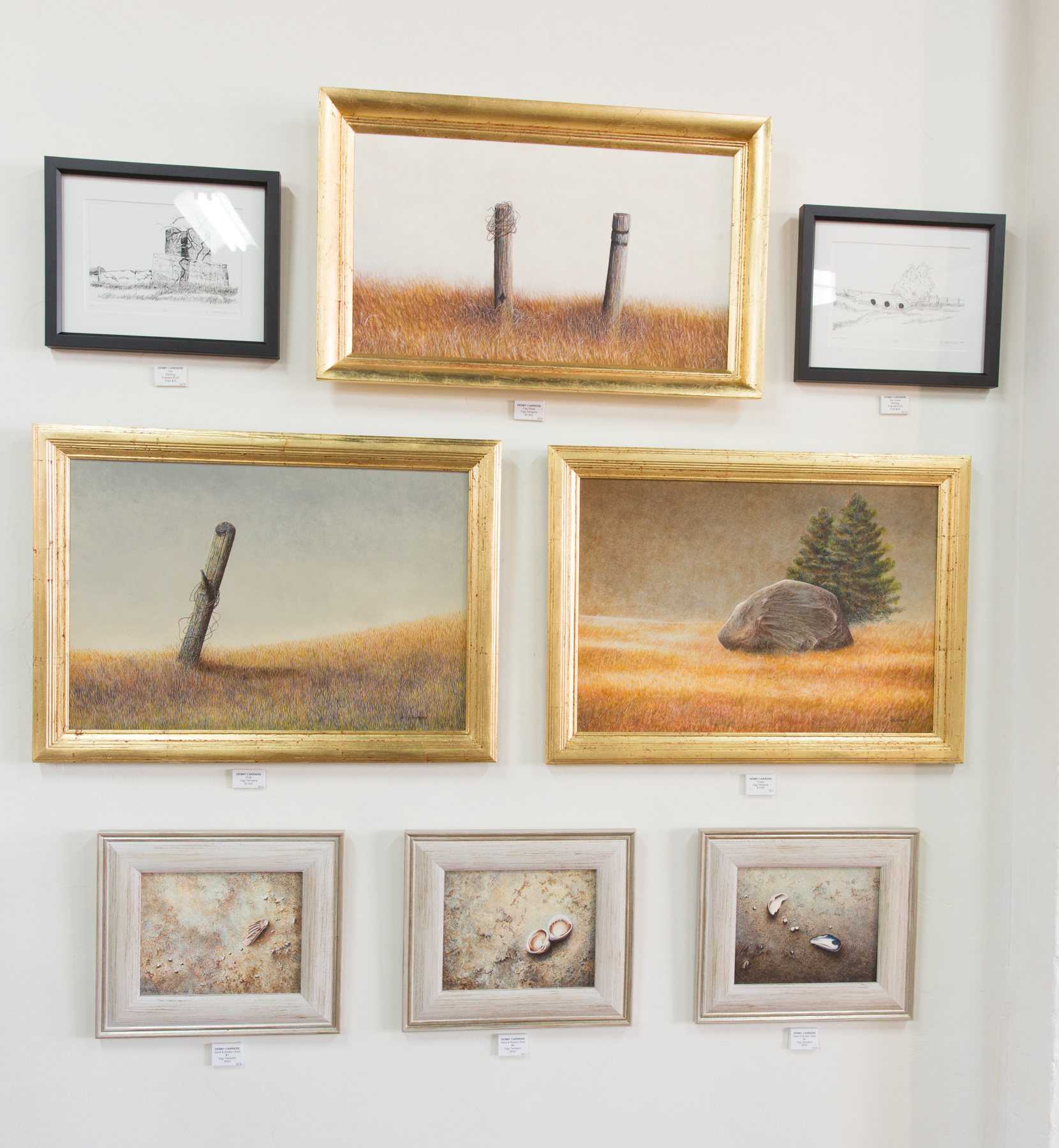

The gallery opened in November 2015, and offers evening opening receptions monthly, for artists like Danny Carriere who works as did Andrew Wyeth in egg tempera paint, and photographer John Linton whose subject in a recent show were the homeless residents of Phoenix.

The gallery, like the Curley School project and the plaza itself are all a part of the International Sonoran Desert Alliance.
Every February, fiddlers from all over the country come to perform in the plaza; the Ajo Peacemakers Annual Quilt show is also held in February, as it has been for twenty years.
The unpolluted skies are relatively dark at night, which means excellent stargazing. Another short drive takes visitors to the Kitt Peak National Observatory which features programs open to the public and viewing through massive, research-grade telescopes.
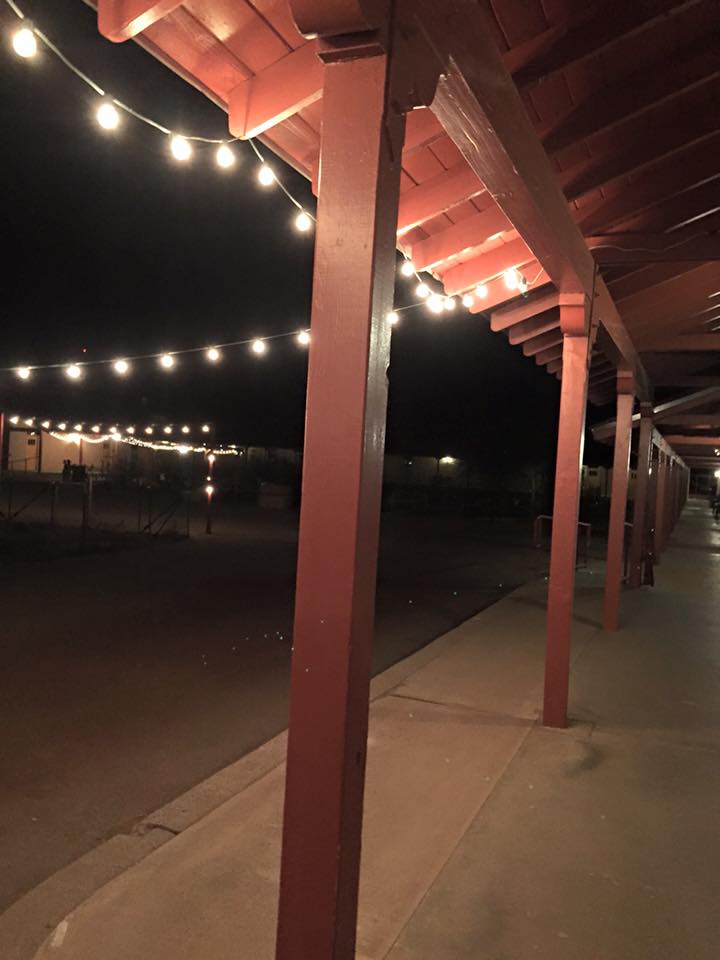
But all of these places to visit and explore are just a sum of the whole: Ajo, whose name may truly mean a place not just where Native Americans came to get the colors with which to paint, but a place which paints itself on the heart, and imprints itself on the mind.

Whether you’re an artist looking to establish residency, an adventure minded tourist longing for an uncrowded desert hike, or just folks who want to get away to a place both quiet and renewing, Ajo is well worth the drive down a relatively untraveled road. Stopping here isn’t only good for the soul of the visitor, its good for the soul of the town – tourist dollars are helping to renew the community. Perhaps its that spirit of mutual giving that adds to the feeling of being rewarded for discovering this place.

Check out what one non-profit, a group of supportive, driven people, and a focus on the arts can accomplish. Go visit! From Los Angeles, the drive is less than six hours; from Phoenix it’s under two.
- Genie Davis; Photos: Jack Burke