
The Fowler’s Fire Kinship Is Prescient and Important PST Art

The Fowler’s Fire Kinship Is Prescient and Important PST Art by Genie Davis

While conceptualized prior to our recent cataclysmic fires, Fire Kinship, now at UCLA Fowler is an incredibly pertinent exhibition that challenges the attitudes of fear and illegality around fire, presenting a cogent and quite honestly spiritual exhibition that proposes a return to lifesaving Native practices of fire.
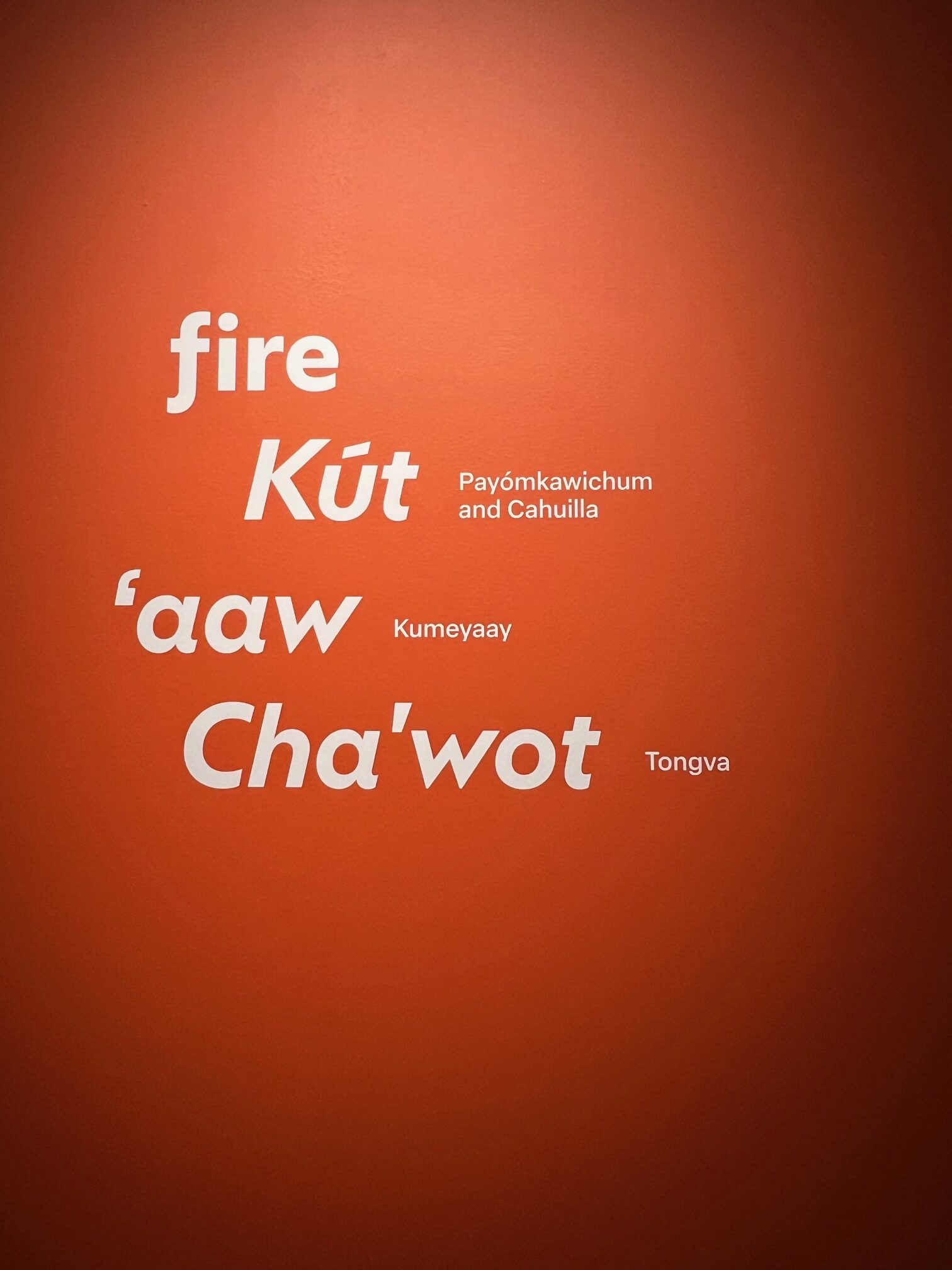
Hundreds of years of knowledge and expertise culled from the Tongva, Cahuilla, Luiseño, and Kumeyaay peoples, is presented in installations, poetry, craftwork, and paintings in the exhibitionn. Works highlight Native understanding of fire as a vital aspect of land stewardship, community well-being, and tribal sovereignty.

The exhibition presents a living history of communities from the past and present as told through a variety of mediums. It introduces the purpose of fire as a generative force and part of a sustainable future as an “elemental relative” creating a cycle of beginnings for all living things.
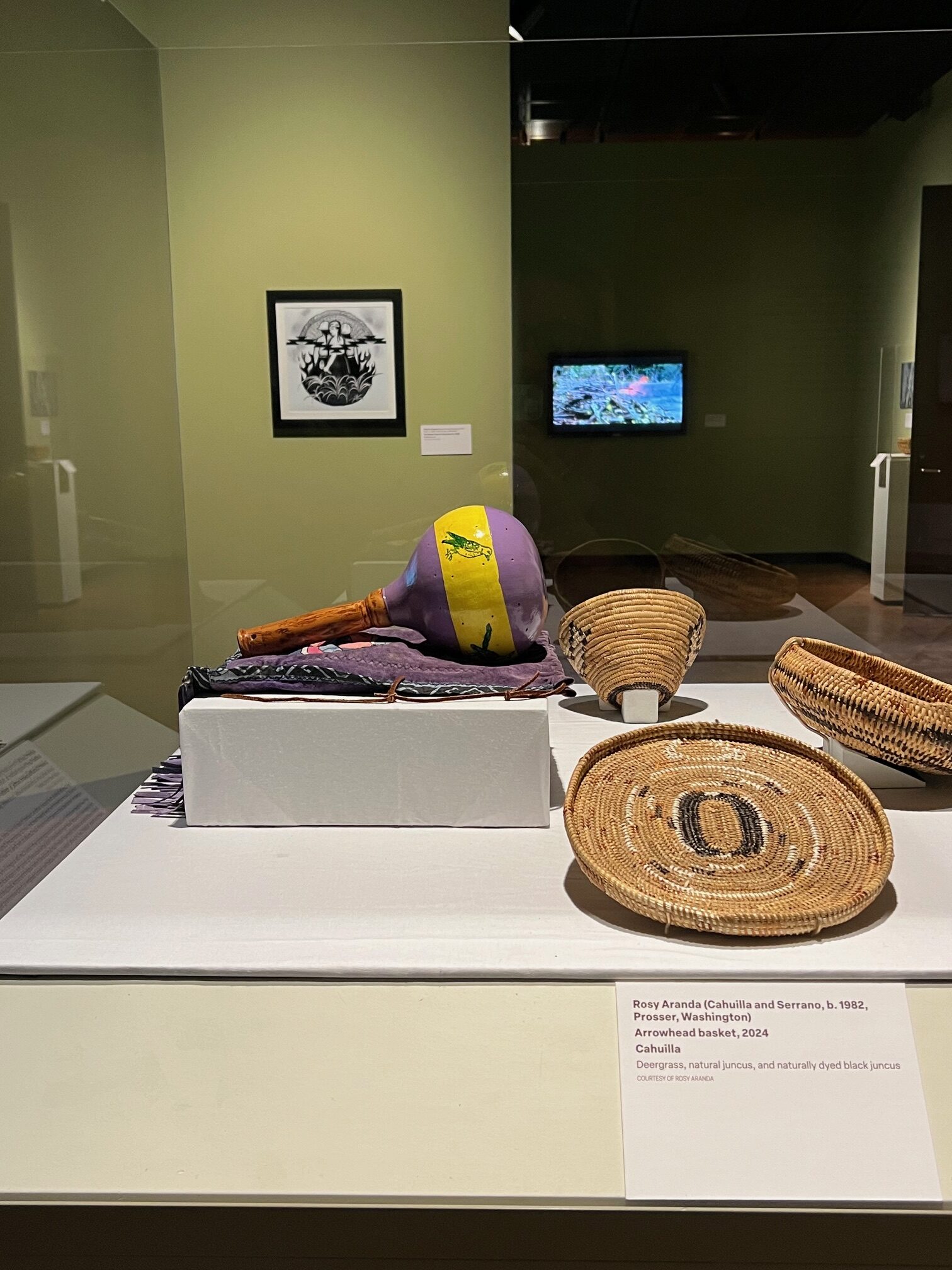
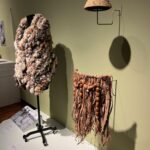
Among the works on display are beautiful items on loan from Native communities including baskets, ollas, rabbit sticks, bark skirts, and canoes. Each of these objects represents salient facts: fire tempers and hardens clay vessels used for cooking and storing food, helps to cultivate plant materials utilized to create baskets, blankets, capes, and skirts, thins out patches of juncus to allow new growth, softens tar used to make canoes seaworthy.Summer Paa’ila Herrera (Payómkawichum) has created two pieces for Fire Kinship. She displays a lovely ceramic vessel made from tó’xat (clay) sourced on traditional Luiseño lands, gathered with the help of her father, and processed at their home at Pechanga. Also on exhibit is a traditional skirt made from burned cottonwood bark that the artist herself has worn and will continue to wear in ceremonial settings.
Collaborating with key Native commuinty leaders, Fire Kinship explores a radical rethinking of our relationship with all the elements of the earth, our home: fire, water, land and air. Native ecological techniques hold vast and essential knowledge for our future survival. Co-curator Daisy Ocampo Diaz relates that “Southern California Native communities are bringing fire practices back from dormancy…Colonization, both past and present, disrupted a cycle that honored fire at the center and caused earth-wrenching ramifications. Native communities have been holding on to these gentle burns despite California’s ravaging by flames. We are all part of this story, and it is a time for listening and (un)learning.”

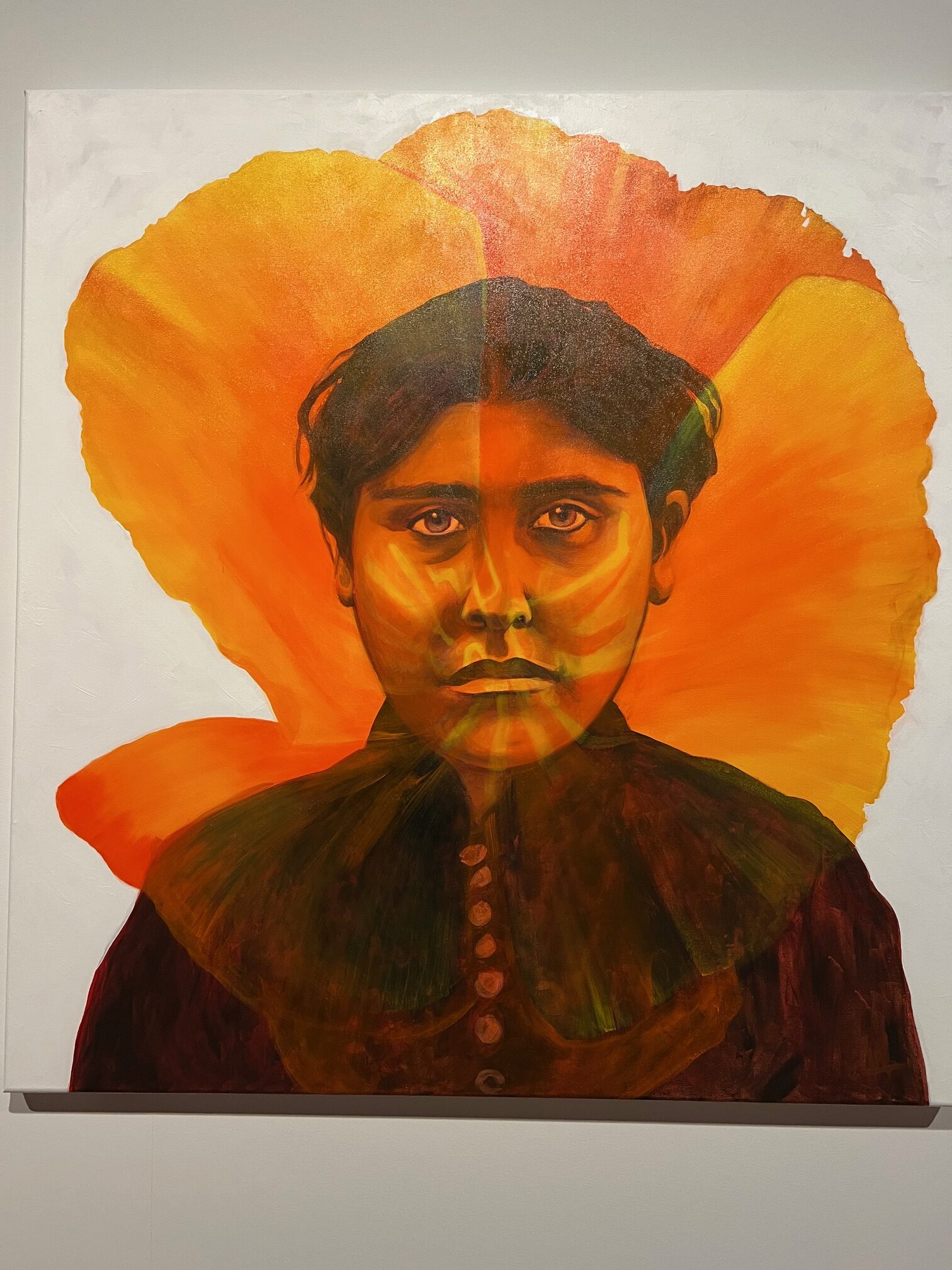
Along with the presentation of beautiful, hand-made objects for use and wear, the exhibition includes some vibrant and truly immersive installations, with several focusing on the vivid colors and growth of our California poppy.
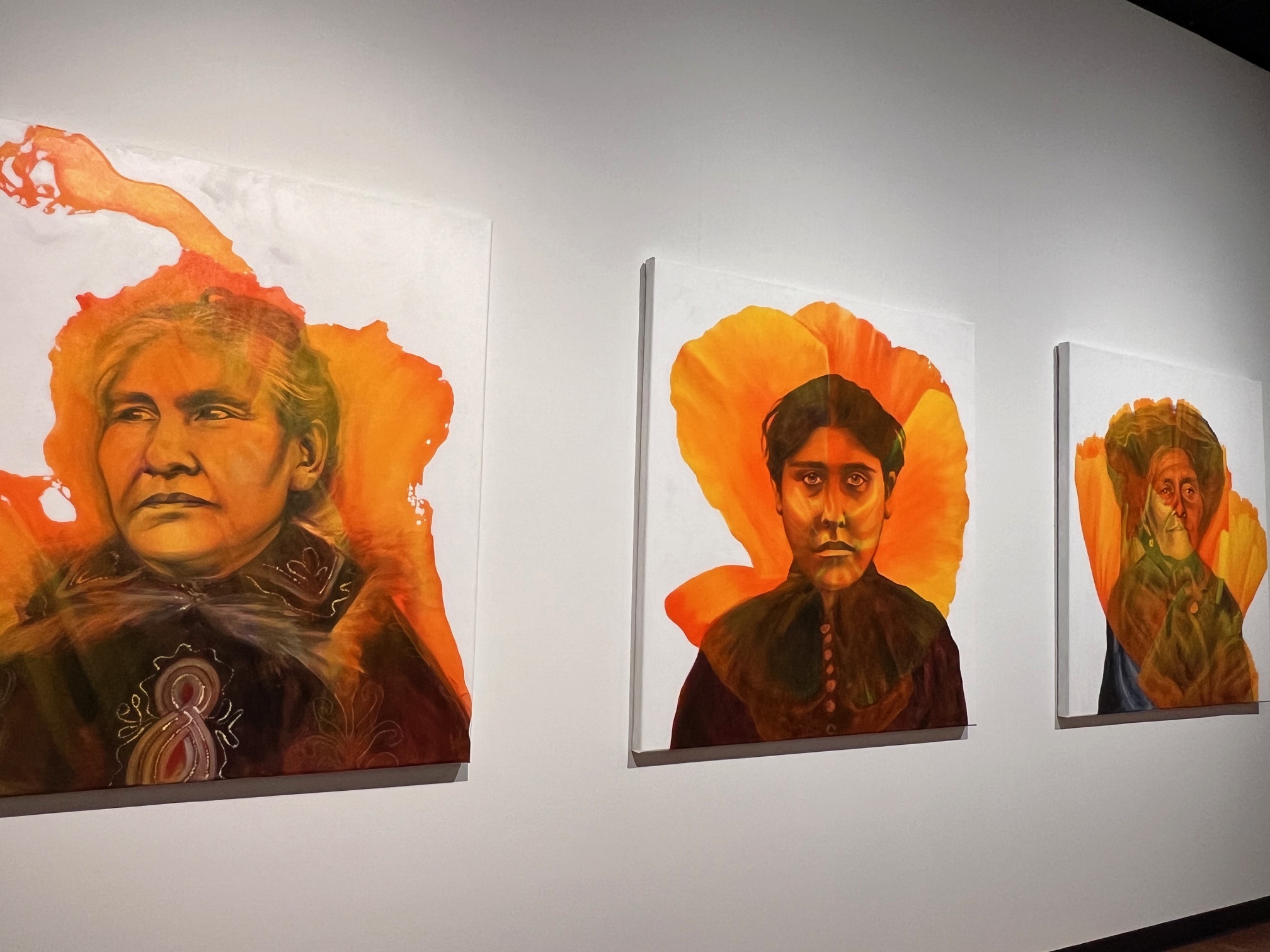
Weshoyot Alvitre creates a poppy-splashed portrait series exploring the multilayered histories of several women from her tribal community who fought for their people’s rights: Narcissa Rosemeye, a Tongva language keeper; Modesta Avila, who protested the development of the Santa Fe Railroad on her family’s land and became the first convicted felon in the state of California; Espiritu Leonis, who protected her ancestral homelands by using the United States legal system in a 15-year case. The portraits are powerful, evocative, and beautifully alive, apt tributes to brave and resourceful Native women.
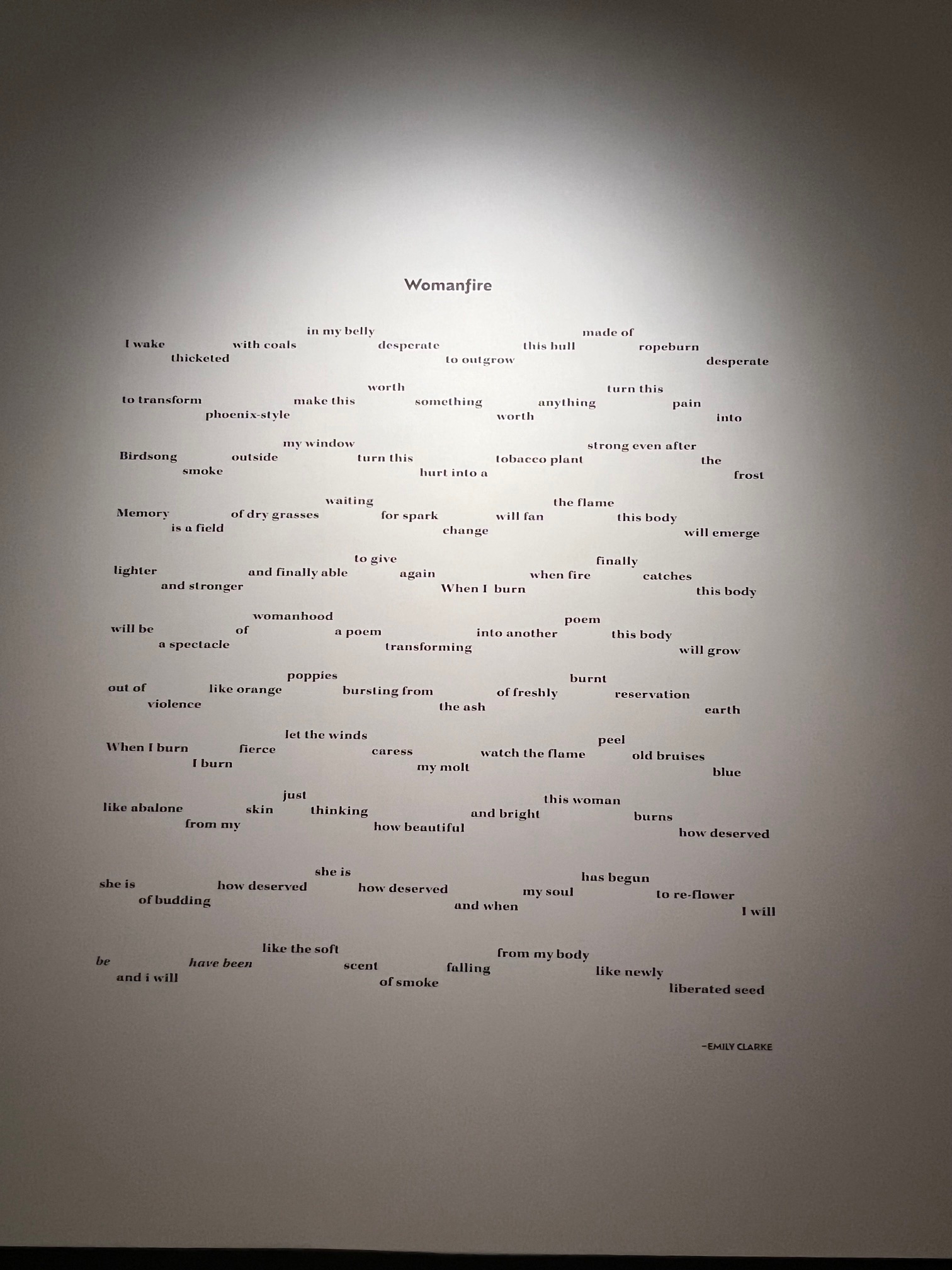
Alvitre’s portraits face a wall installation of a new work from poet Emily Clarke (Cahuilla Band of Indians), Womanfire. The poetry is moving and rich, written in electrocardiogram-esque lines that imitate a Cahuilla basket pattern believed to represent the mountains and valleys in Cahuilla homelands. The gloriously strong writing reflects on the fact that Native women are disproportionately at risk of experiencing violence. She intertwines this fact with another: their survival of abuse and trauma can be compared to a cultural burning, one which encourages renewal, regrowth, and abundance.
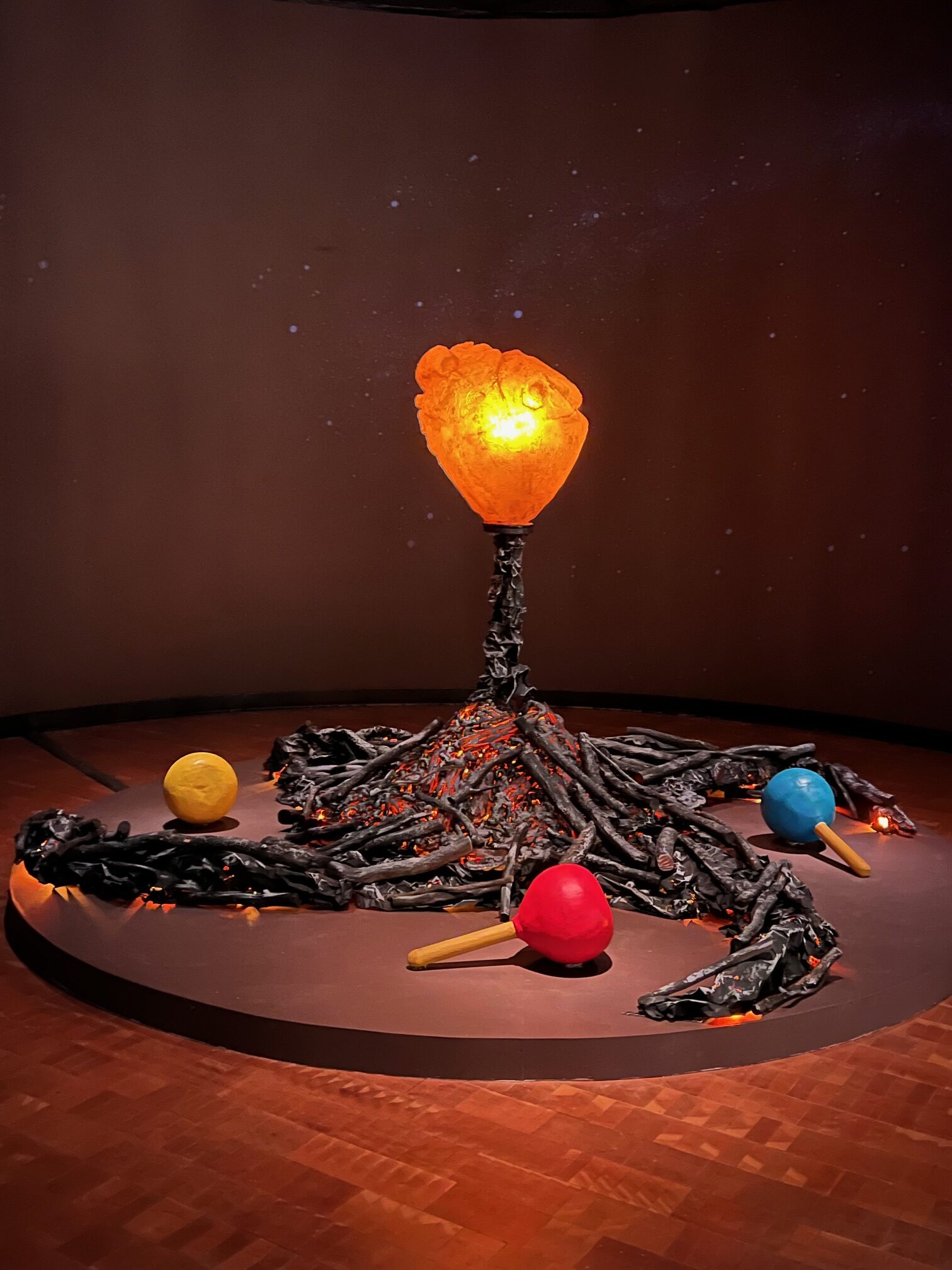
Also poetic is a multimedia installation, “The Heart is Fire.” The installation includes video, birdsong audio, and natural materials and was created by Gerald Clarke Jr. (Cahuilla Band of Indians). The piece is inspired by the Cahuilla creation story, a book about the Cahuilla by Deborarh Dozier, and traditional uses of fire. It also introduces and reflects upon the use of contemporary burns during all-night funerary ceremonies and bird-singing events within Cahuilla communities.
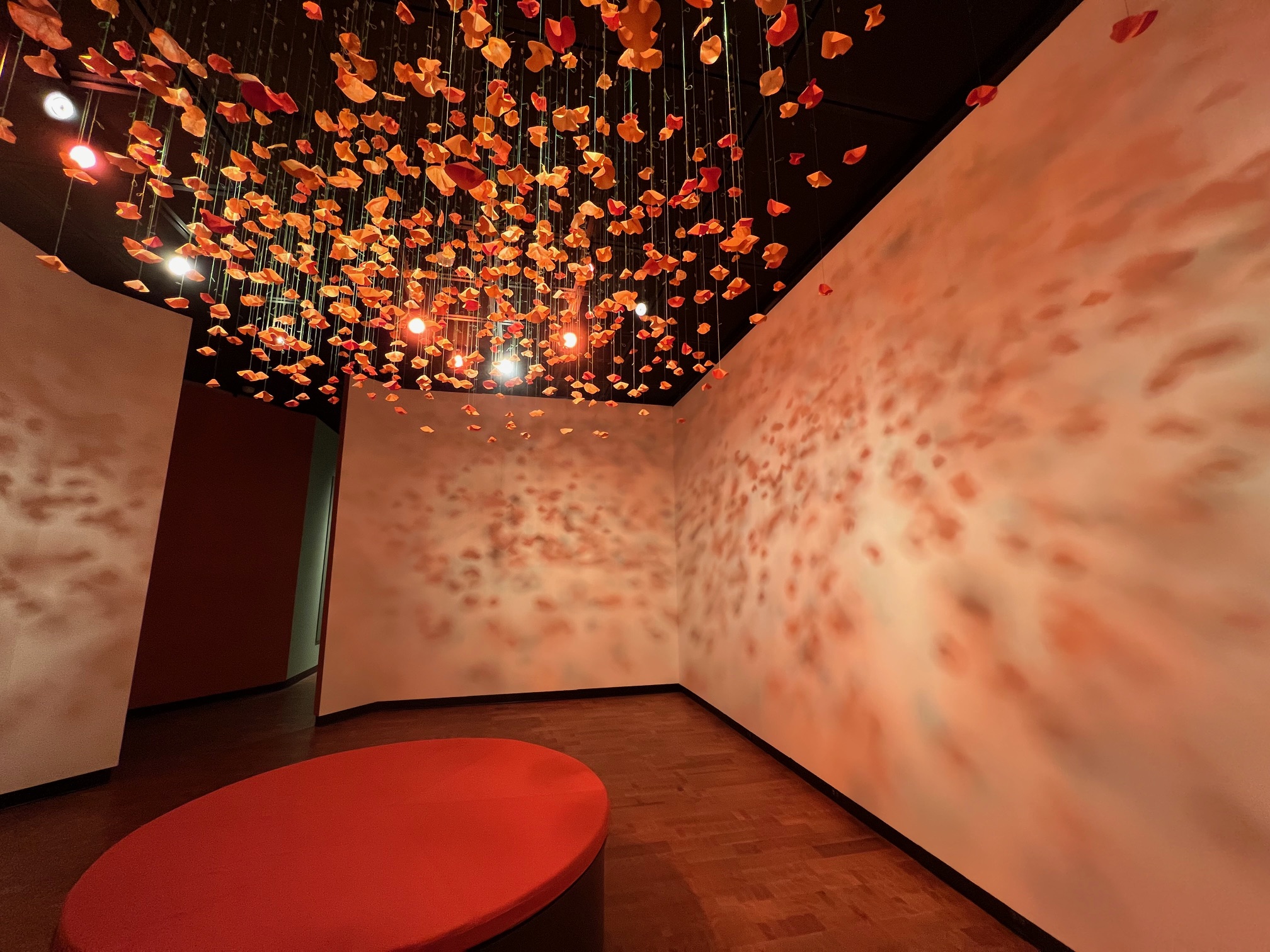
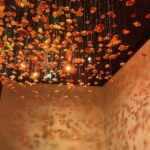
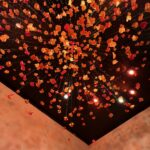
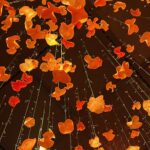
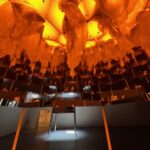
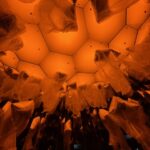
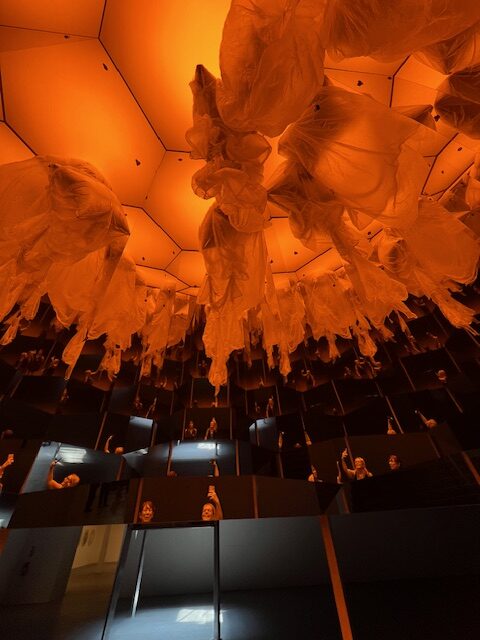
Admittedly my favorite installation is a room sized work by Leah Mata Fragua (yak titYu titYu yak tiłhini, Northern Chumash). The artist reclaims the narrative that the land and its people are intertwined through the use of a multitude of sculptural paper, dyed with poppies, and representing the flowers themselves. There is a small couch in the room on which one can lean back and look at the poppies everywhere in the room, their vast ability to thrive, to astonish, to regrow and regenerate. The installation looks to  land stewardship practices that have shaped the region’s landscapes, long before European colonizers arrived in this country. It is a delicate and honestly divine work, uplifting and yet tragic in its fragility, mirroring ,in a way, the fragility of humankind itself, and our ability to regrow and accept alterations to our landscape.
As astonishingly lovely as it is, the work is meant to be temporary. The artist will return its materials to the earth through fire, symbolizing the cyclical nature of yak yak titYu titYu yak tiłhini Northern Chumash knowledge. The fragile beauty and its ephemeral nature speaks not only to that of flowers and all natural things, but to the spirit, its preservation, its loss.
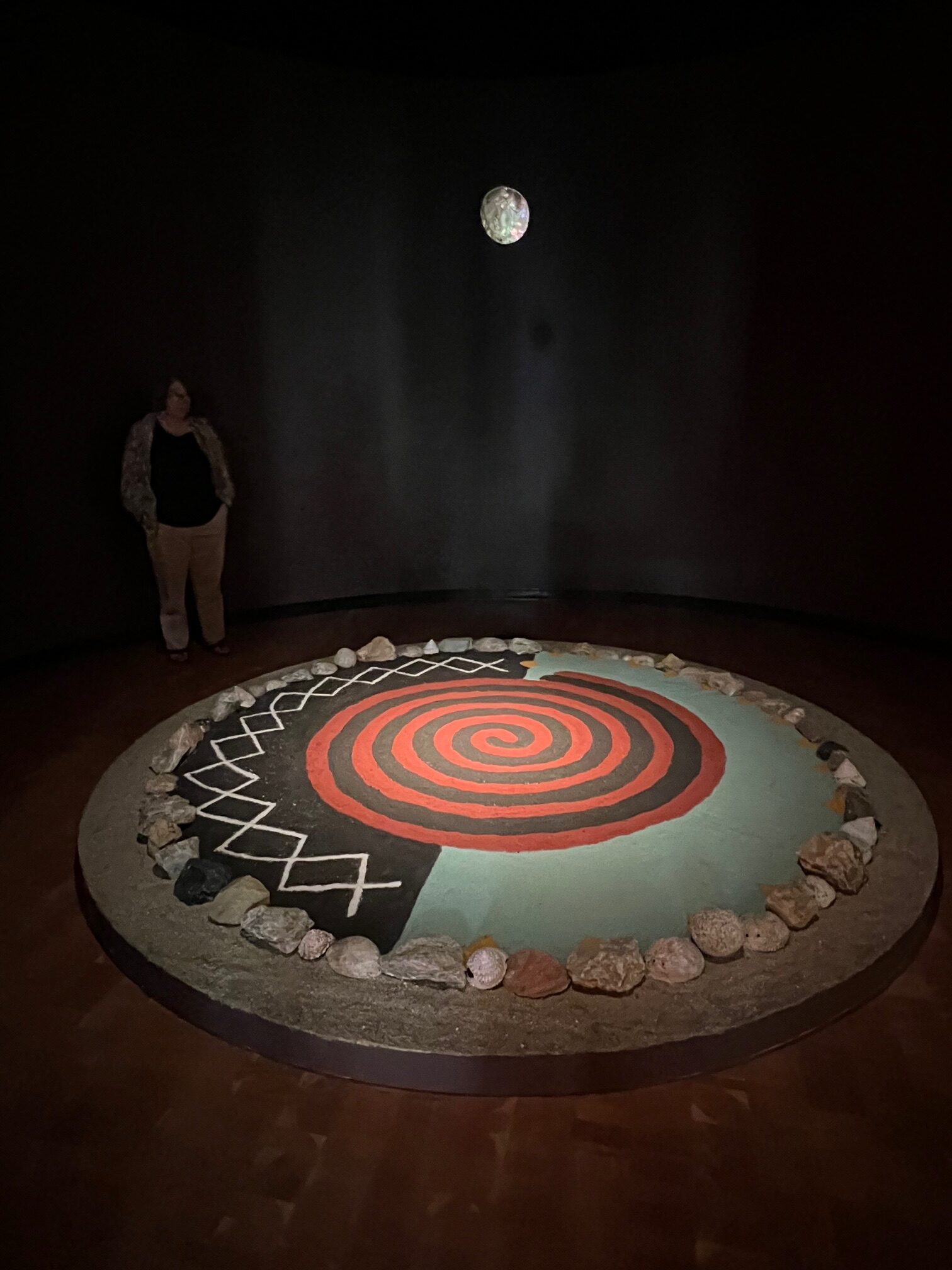
Another highlight is the instalaltion “Sand Acknowledgment” by Lazaro Arvizu (Gabrieleno/Nahua) that reflects traditional and ephemeral sand-painting practices. Arvizu illustrates the connections between the land, humans, the sun, the stars, and animals. Like the installaton of Fragua’s poppies, this work too will return to the earth at the end of the exhibition.
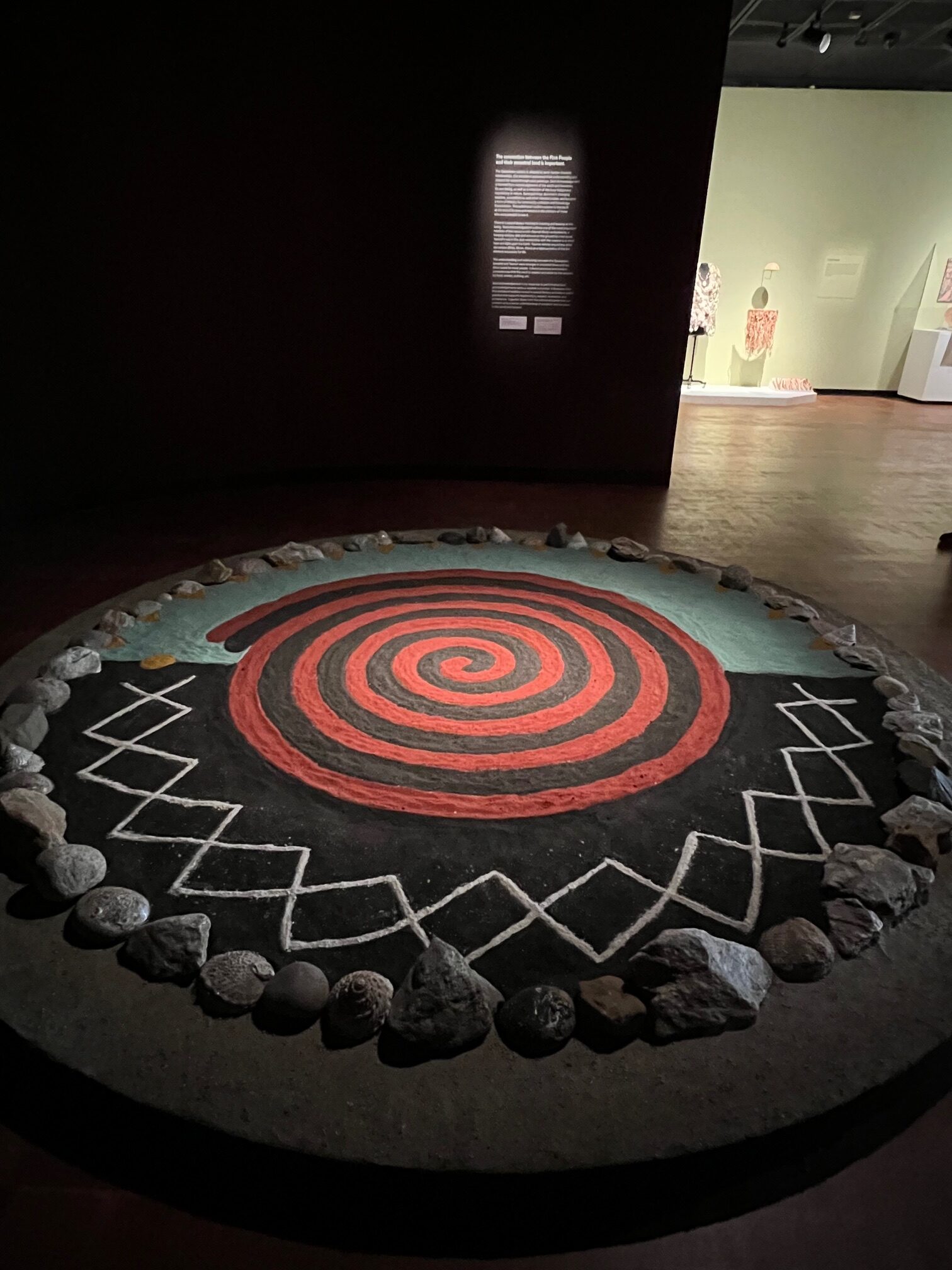
Arvizu will also be present in the gallery for conversations, facilitated meditations, and art-making activities related to her installation throughout the exhibition time period.

Fire Kinship also includes photographs and archival documents that tell the story of colonization, including journal entries from Juan Rodriguez Cabrillo, whose company of Spanish settlers was the first party of non-Indians to set foot in what is now Southern California in 1542.

I would like to note that even more powerful than this graceful and knowledge-filled exhibition itself is the acknowledgement of the fact that Native communities in Southern California continue to face institutional barriers to bringing life and land-saving fire back to the the land. Reintroducing and strengthening Native fire practices requires commitment and accountability from agencies with current jurisdiction over tribal territories.
With this in mind, there is also a  section of the exhibition featuring videos and images of fire practitioners, such as Marlene’ Dusek and other members of the Indigenous Women-In-Fire Training Exchange (TREX), sharing knowledge and participating in controlled burns. The Fowler’s press materials explain that “They make a case for members of Native communities to become state-certified Burn Bosses, responsible for planning fires, obtaining permits, implementing burn plans, monitoring fire effects, and maintaining prescriptive requirements. This has been an option in California since 2018, but to date, only one Native person in Southern California is a certified Burn Boss—Fire Kinship collaborator Wesley Ruise Jr.”
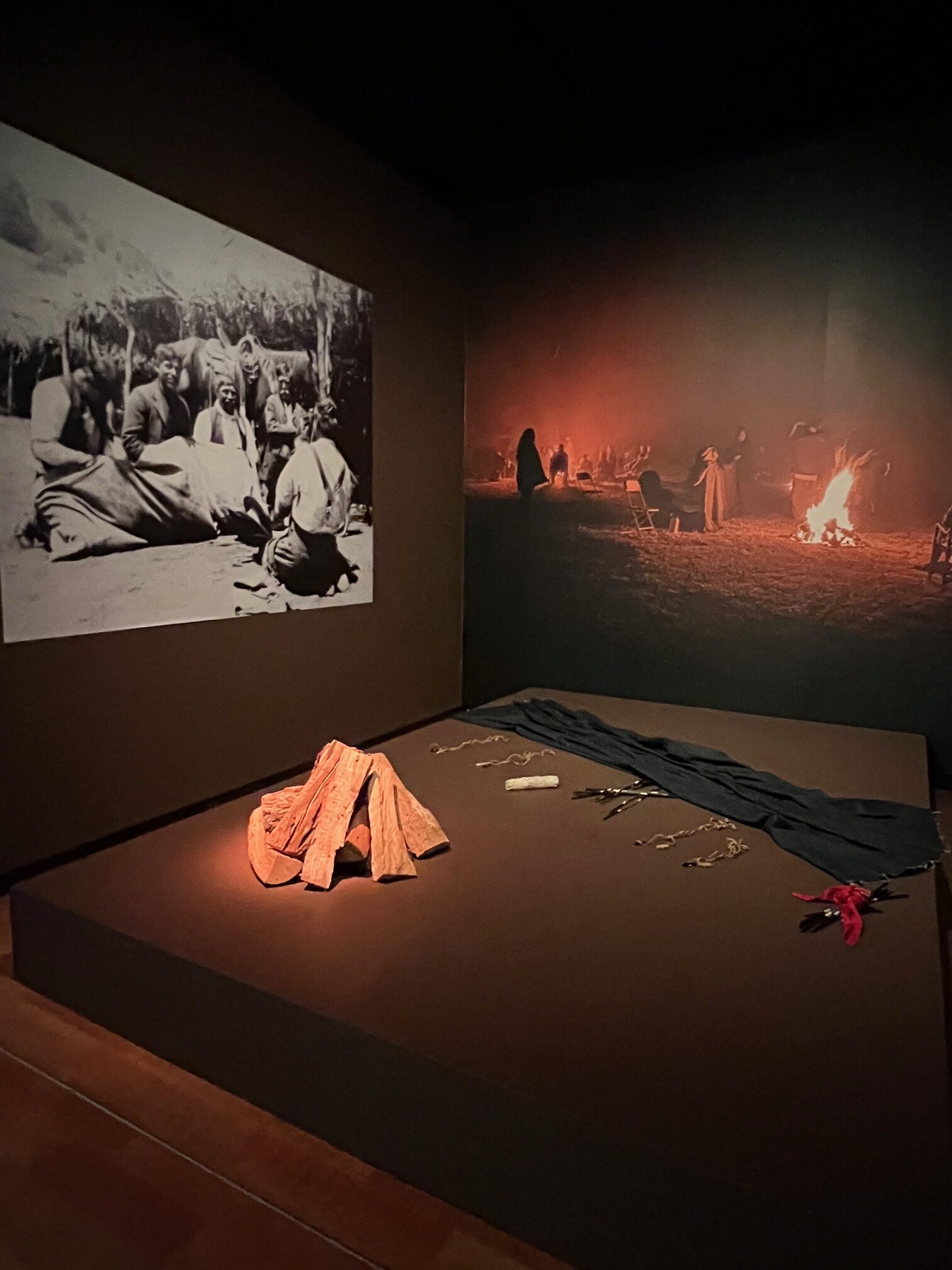
The exhibition is on view through July 13th – and especially given its real-life context as well as its wisdom and beauty, is a must-see. The Fowler Museum is located on the UCLA campus in Westwood, Calif.

It was organized by the Fowler Museum at UCLA and curated by Daisy Ocampo Diaz (Caxcan), assistant professor of history at California State University, San Bernardino (CSUSB); Michael Chavez (Tongva), former Fowler archaeological collections manager and NAGPRA project manager; and Lina Tejeda (Pomo) M.A. in history at CSUSB.

The exhibition is part of the nation’s largest art event, Getty’s PST ART: Art & Science Collide, and as such is one of the most meaningful and important in this iteration of PST ART.

  • Genie Davis; photos by Genie Davis 
Lock/Unlock Opens New Doors to Art at Loft at Liz’s

Lock/Unlock Opens New Doors to Art at Loft At Liz’s  by Genie Davis

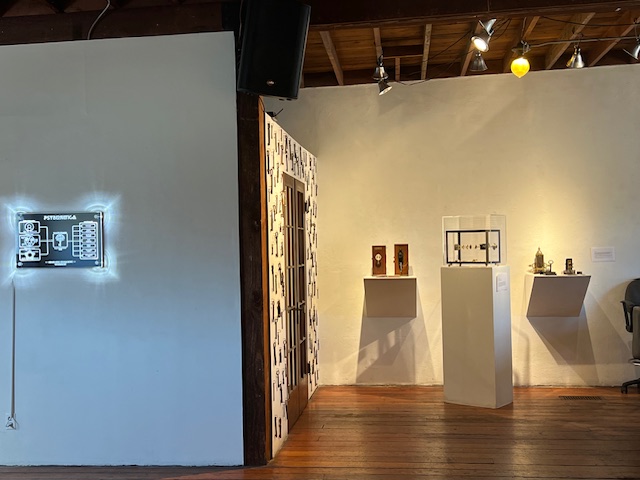
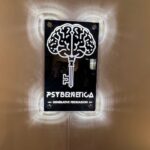
LOCK/UNLOCK examines the past, present and future of security, privacy and protection through art and technology. Interactive, inventive installations and artwork cover the gamut from 19th century BC lock and key mechanisms to today’s present encryption and biometrics.  Participating in the exhibition, a part of the Getty’s PST programming of art and science pairings, are artists, engineers, coders and historians, including:  Krista Blake, Derek Curry, George Dyson, Liz Gordon, Jennifer Gradecki, Debby Kline, Larry Kline, Laure Michelon (Studio MMR), John Peralta, and Lena Alexandra Root.

As the exhibition’s curatorial notes state, the artists in this exhibition are posing questions such as: “Do we consider privacy a human right? What is the trade off between privacy and transparency? Are we afraid of technology or who controls it? Are we willing to change our digital behavior?” All intriguing questions and premises for art exploration, as is the notation that “the need for security systems remains resolute” in today’s world.

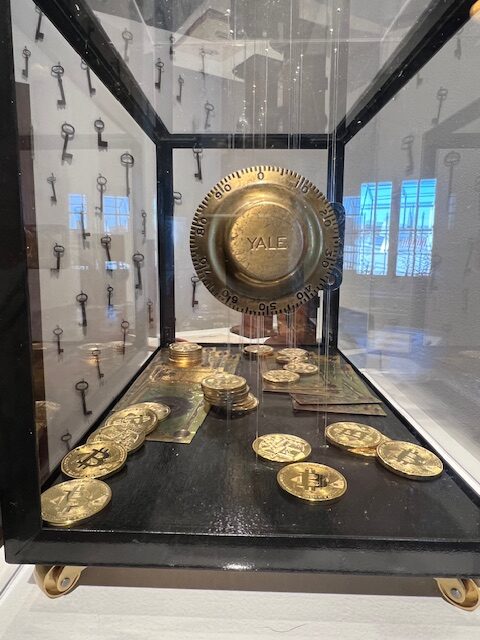
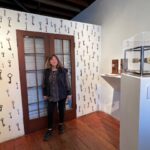
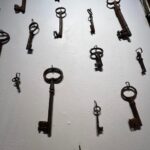
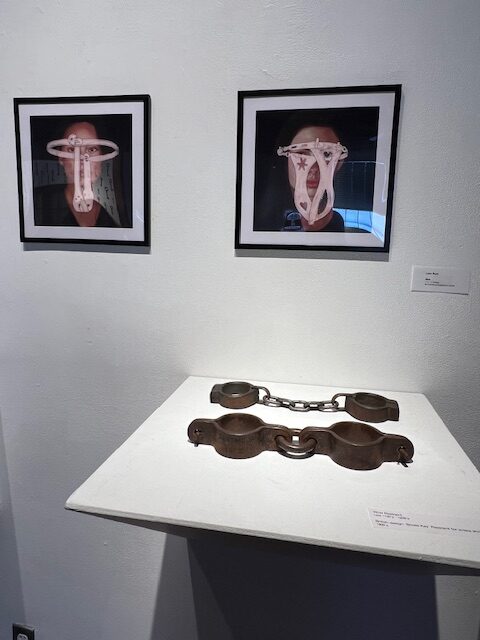
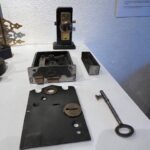
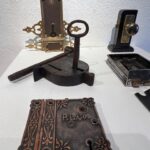
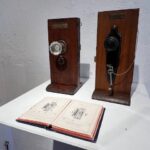
Along with new work by these artists, there are on exhibit historical wrist restraints;  locks and dead bolts and keys, all displayed  by gallerist Liz Gordon. The installation of antique keys is both beautiful and mysterious.

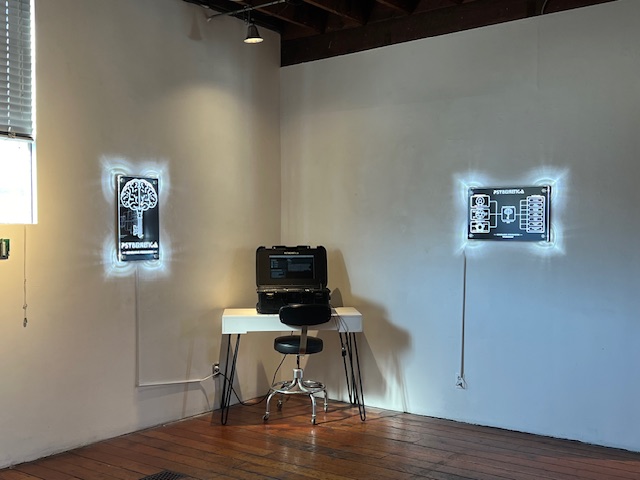
It’s exciting and innovative work, including many fascinating and viewer-involving, thought-provoking works such as Jennifer Gradecki and Derek Curry’s “Generative Persuasion,” an interactive installation with a mobile command center that reveals the startling effectiveness of live language models at generating false content – the world of disinformation we live in now come to demonstrable life.  Those who participate can enter their or another’s bias in perception to generate completely different takes on “reality.”

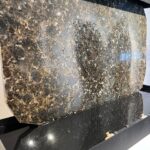
Debbie and Larry Kline offer “Unlocking the Truth,” in which stone sulptures – granite and powdercoated stainless steel – are washed periodically in water to reveal the word “truth” only when the flow of water stops. The intentionally blurry carving increases the viewers focus and analytical capabilities, ably demonstrating an exploration in clarity and confusion. The thematic approach is inspired by a talk given by Thomas Albright at the Salk Institute for Biological Sutdies, discusing the brain’s inability to see accurately.

Even more visceral in terms of the Lock/Unlock subject matter is the Yale safe lock and bitcoin piece created by John A. Peralta, “How Safe,” which is both a visual game and an apt illustration of the illusion of security and the ability to “crack” it.

Lena Root’s “Men” takes a feminist viewpoint of technology and “locking” the truth, with images that depict chastity belts in front of a woman’s face.

Studio MMR has another immersive work in technolgy that interacts in words and image to one’s presence in the secondary, smaller space at the Loft, just off the main gallery – impressive and involving work. “Mediated Realities” provides sensory inputs to interactions with the viewer.

Krista Blake and George Dyson also present involving and thought-provoking work.

Art talk and closing reception are February 1, from 3-5 – time to unlock all the vicissitudes of the new year and uncover possible remedies with a visit to this exciting exhibition.

  • Genie Davis; photos, Genie Davis

Kaleidoscopes of Color and Light at MOCA Geffen

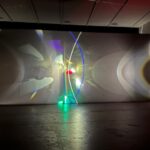
As dazzling as the midnight sun – a sight doubtlessly familiar to Icelandic-Danish artist Olafur Eliasson –  is his new exhibition OPEN. The exhibition fills the MOCA Geffen with light and color in an astonishing series of works by a powerful and deeply compelling artist. As a part of the Getty’s PST ART programming, it’s a dynamic one, and my favorite body of work within it. OPEN is the first solo mueseum show by Eliasson in the greater LA area.

Merging light with color, the precision of the geometric form with child-like wonder, Eliasson continues and expands upon his own explorations, here involving parts of the museum’s  own architecture.

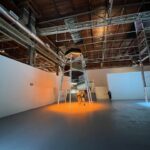
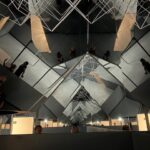
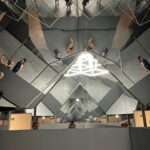
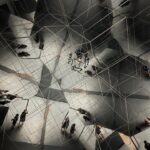
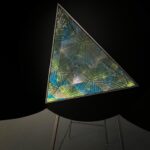
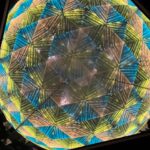
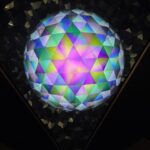
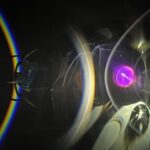
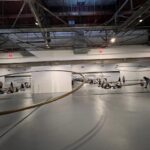
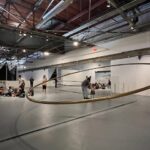
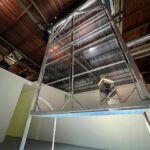
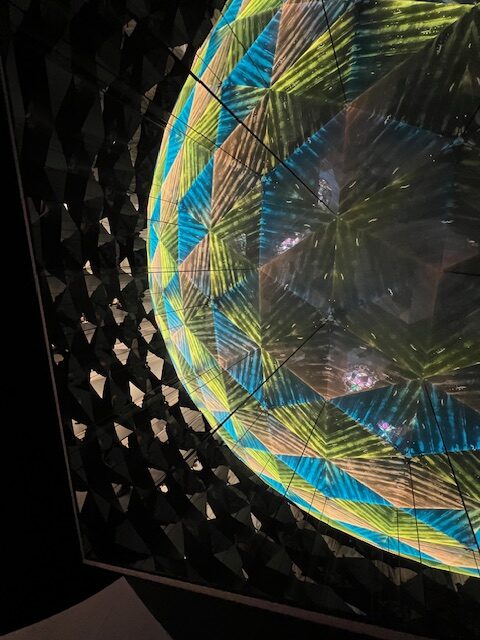
The main gallery is home to towering kaleidoscopes beneath observation structures that point both skyward and to the MOCA Geffen building itself.  While some show the effects of light and mirrors, others offer looks into the sky or roof top.

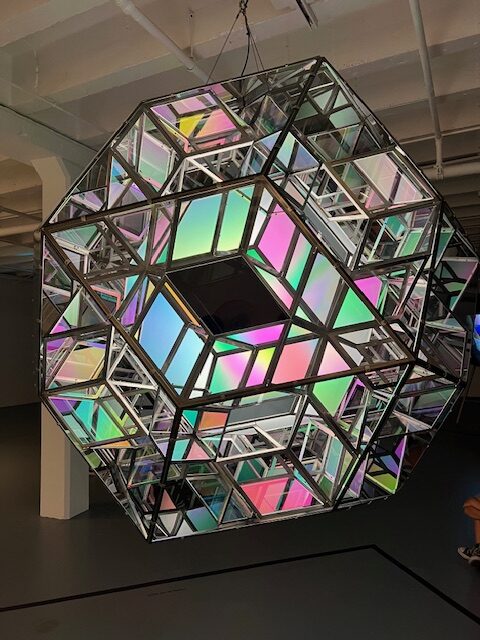
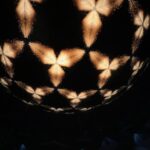
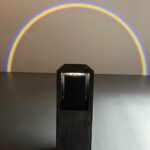
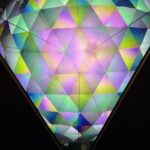
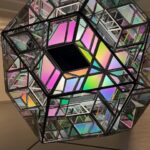
Some offer fascinating, even surreal hexagons and interconnecting, jungle-gym-like lattices that seems as if they came from another world; another is a simple rainbow. Images shift with time of day and weather, creating marvelous illusions of color, shadow, light – and pure joy, in both the artistry and the wonder of the exhibition.

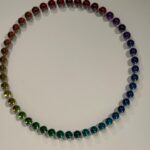
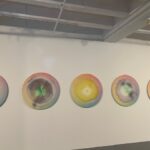
In another gallery space, colorful jeweled rings and painted works represent the color spectrum along the gallery walls.

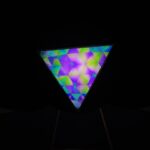
In the center of the space, triangular shaped kaleidoscopes point not outward but inward, forming shifting geometric color shapes that resemble flowers or buildings. In the same gallery a large geometric prism hangs, a sculpted version of light and shape made manifest.

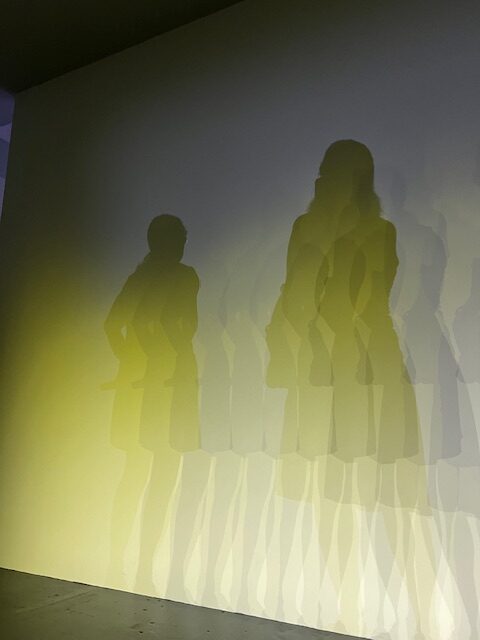
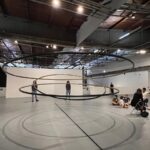
Elsewhere on the museum’s cavernous ground floor, an interactive room invites viewers to become colorful shadow participants in light and color magic; upstairs a series of mirrors and large half rings create riveting optical illusions as if one is standing inside a ring within a ring.

The artist and the museum encourage viewers to borrow a pillow from the information desk and recline or sit beneath the main gallery’s large structures to contemplate and view the magical shifts of light and form. Yes, it is all smoke and mirrors – no real smoke, just that of the imagination – and it is an incredible illusion, one that will entrance, enthrall, and change how you view the world.  It’s the vision of magicians and angels, and the viewer is the better for having seen it.

As the artist himself posits:

“AM I OPEN/ To facing my numbness?/ To receiving a No?

To explore where I place my attention?/To wonder?/To vulnerability?

To explore where I place my attention? To wonder?/To vulnerability?

Step into this exhibition and invite yourself to find out.

Olafur Eliasson: OPEN is organized by José Luis Blondet, Senior Curator, and Rebecca Lowery, Associate Curator, with Emilia Nicholson-Fajardo, Curatorial Assistant, and Anastasia Kahn, former Curatorial Assistant, The Museum of Contemporary Art, Los Angeles.

The exhibition runs through July 6, 2025 – OPEN up your eyes to it this year. MOCA Geffen is located at 152 North Central Avenue, Los Angeles in Little Tokyo.

  • Genie Davis; photos by Genie Davis
PST ART Arrives With a Spectacular Bang in WE ARE

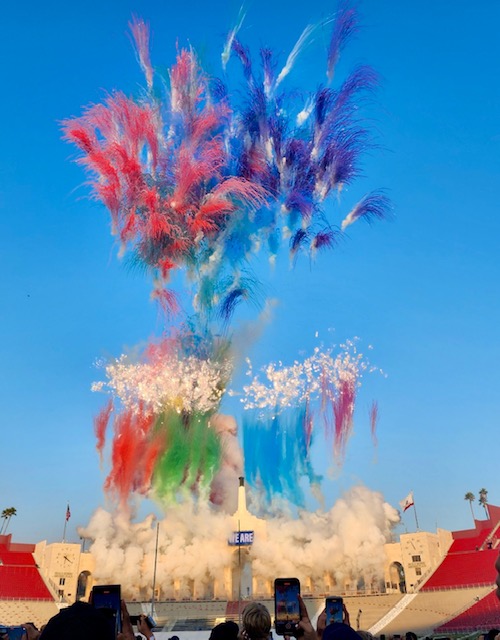
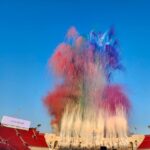
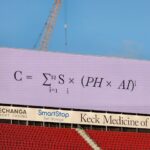
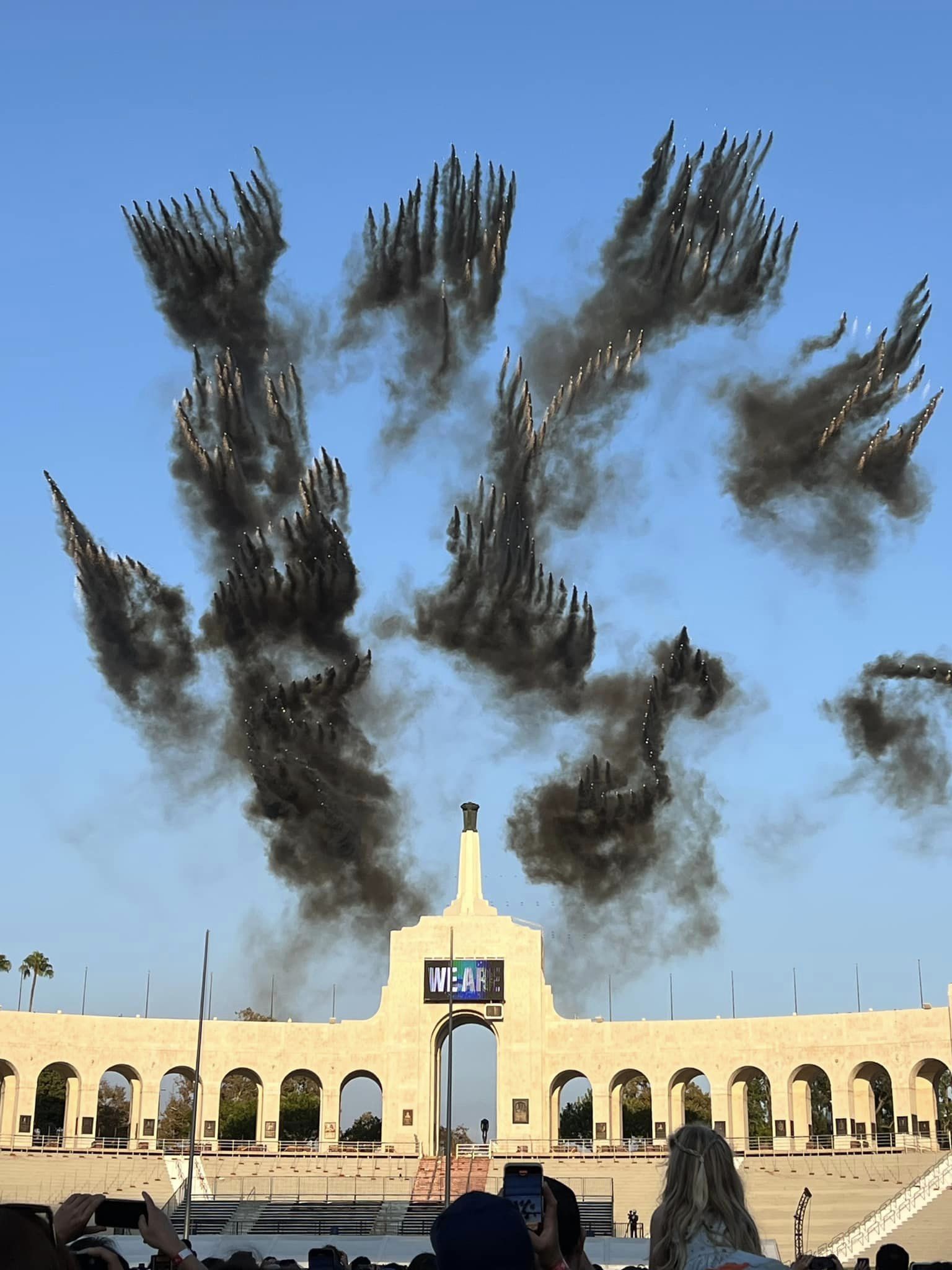
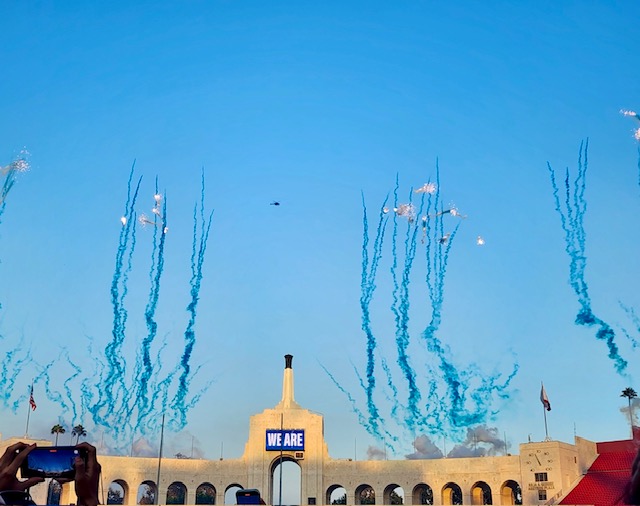
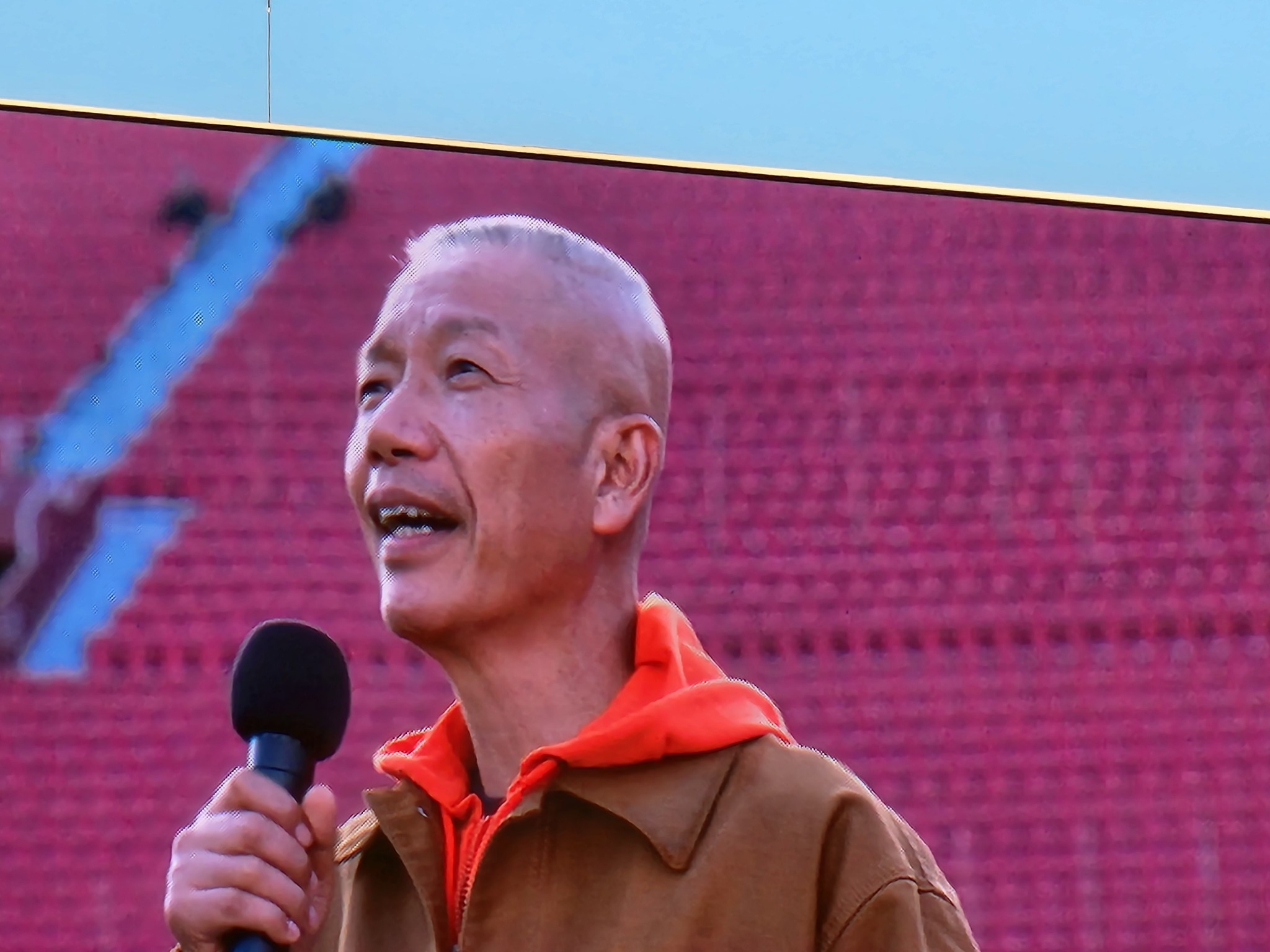
A real wow official opening for PST Art splashed across the sky early Sunday evening with a major event at the Los Angeles Memorial Coliseum by globally renowned artist Cai Guo-Qiang and his custom AI model cAI™ commissioned and presented by Getty in collaboration with the University of Southern California.

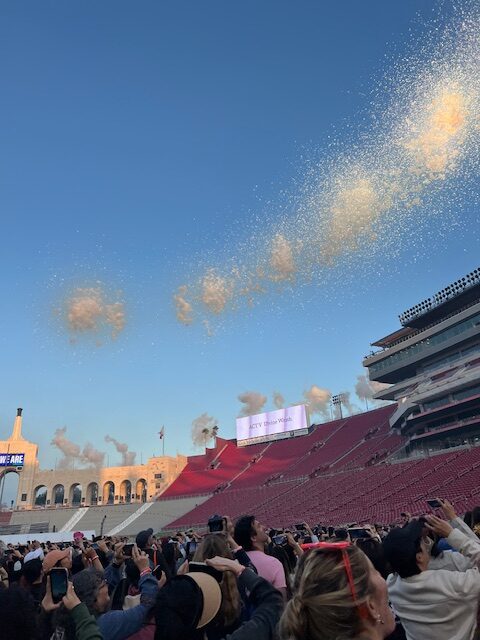
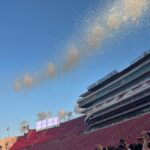
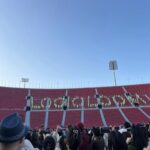
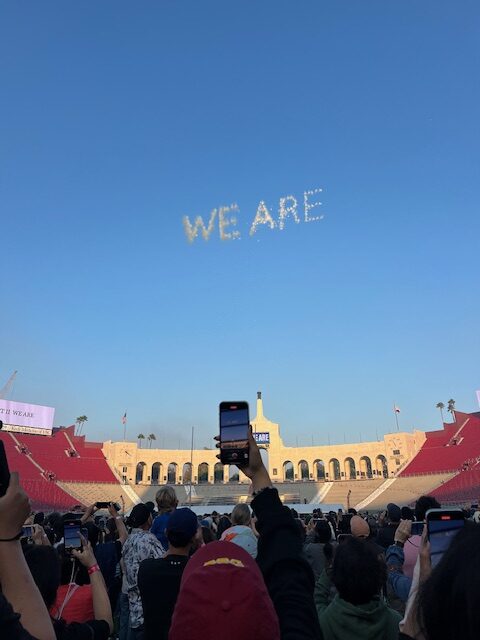
WE ARE was experienced by only 5,000 guests positioned directly on the stadium’s astroturf to witness what Cai calls “daytime fireworks.”  As a note, the stadium typical holds over 77,000 guests.

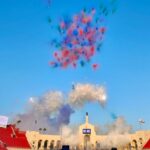
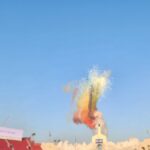
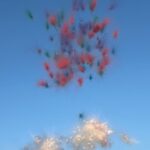
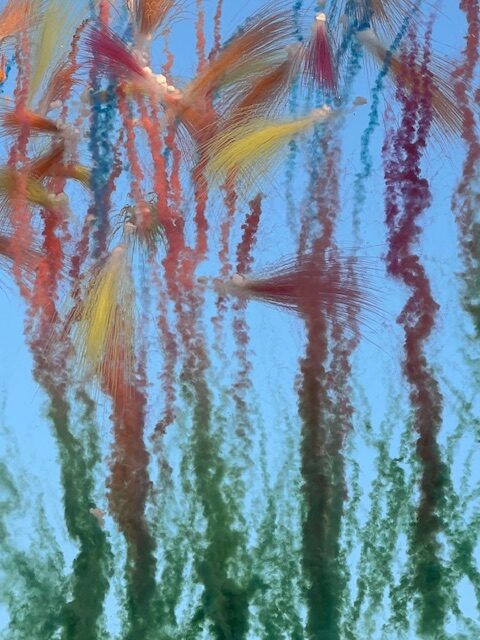
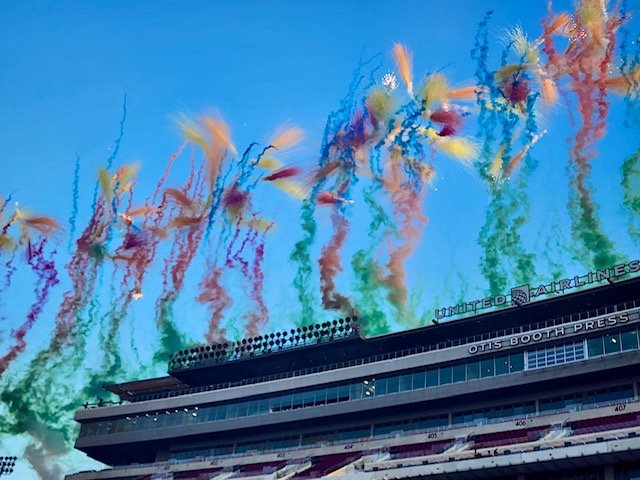
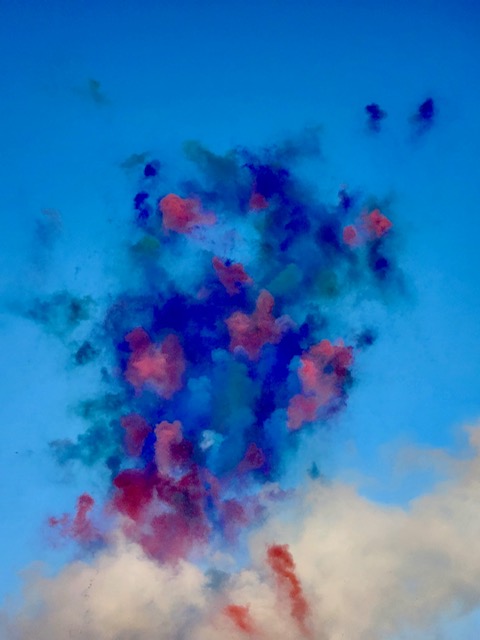
The unique artwork uses organic, sustainable pigments and dyes rather than traditional pyrotechnics. The roughly half-hour long program, conducted live by Cai, debuted the first expansive daytime firework event featuring a drone formation equipped with pyrotechnic products ever in the U.S.

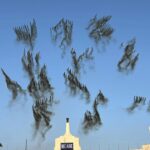
WE ARE presented nearly ten thousand twinkling mini firework shells installed throughout the Coliseum seating, custom-developed daytime fireworks, and choreographed drones carrying pyrotechnic products. When the drones arrived, multiple nearby viewers began to hum some sections of the Star Wars score.

The paints and pyros created a sky that temporarily at least evoked abstract watercolor paintings, igniting the sky with images of myth and humanity and drawing parallels to Prometheus’s theft of fire from the gods.

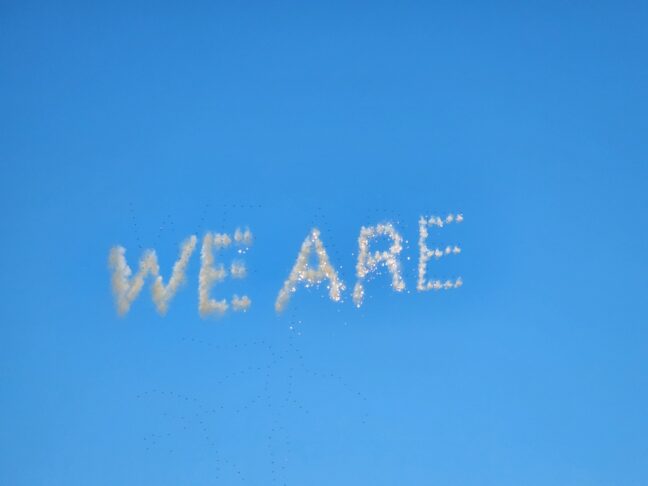
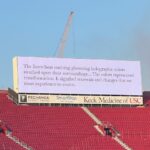
In two separate displays, the official Los Angeles flower, the bird of paradise, played a key part. There was an explosive dragon circling the stands, sparkling and booming loudly for the finale. Drones spelled out “We Are” with sparkles, and poetic electronic billboards offered the titles of five separate art sections along with resonant stories about them.

Cai Guo-Qiang asks “Is humanity’s creation of AI akin to the theft of fire and an attempt to steal the ‘heavenly secret’ with AI? …I hope WE ARE will stand as a grand gesture of the art world integrating the virtual with the real in the era of AI, and also as a powerful voice and decisive action in these turbulent times.”

It certainly integrates a vast created beauty with the natural wonder of the sky, drawing awed responses and cheers as each vibrant, dreamy, surreal, and lush element of the performance unfolded.

It was a brilliant, one-of-a-kind experience.

  • Genie Davis; images by Genie Davis and Jack Burke