
Dances with Films: 19 Years of Indie Cinema Keeps Rocking


F23C5226

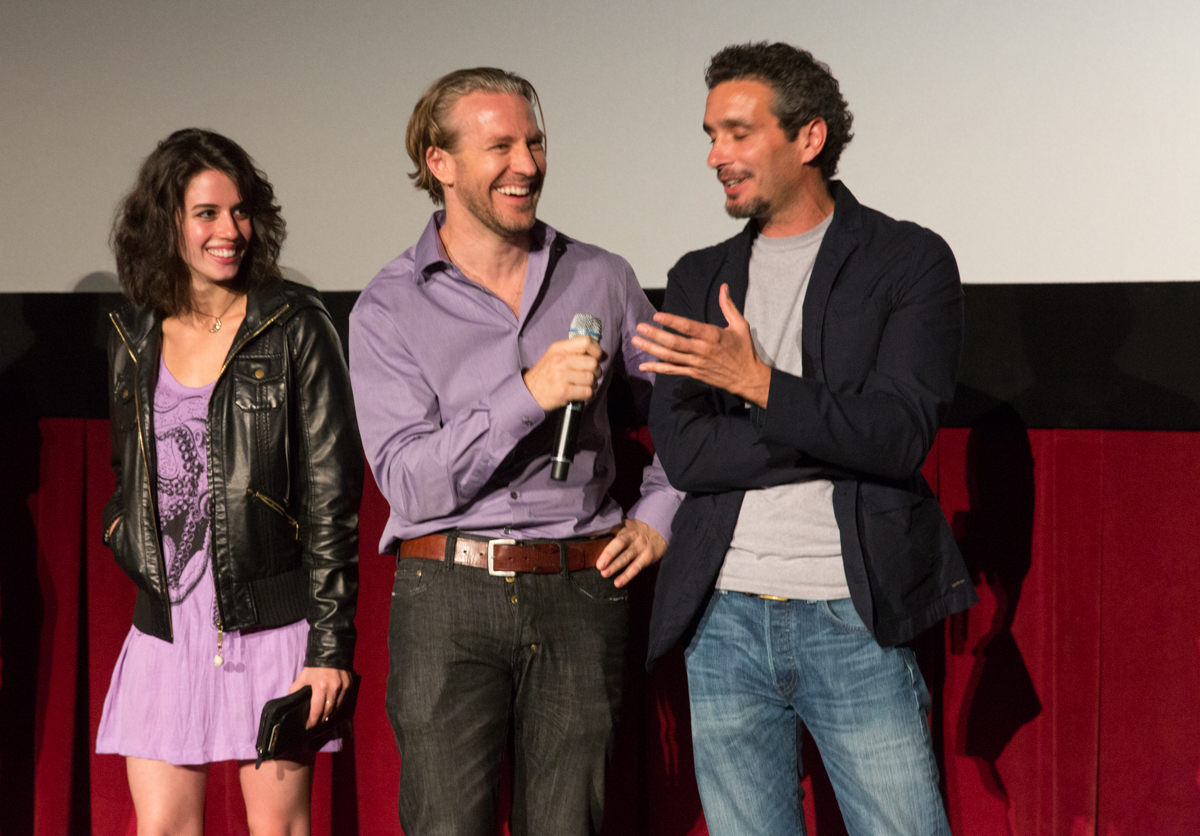
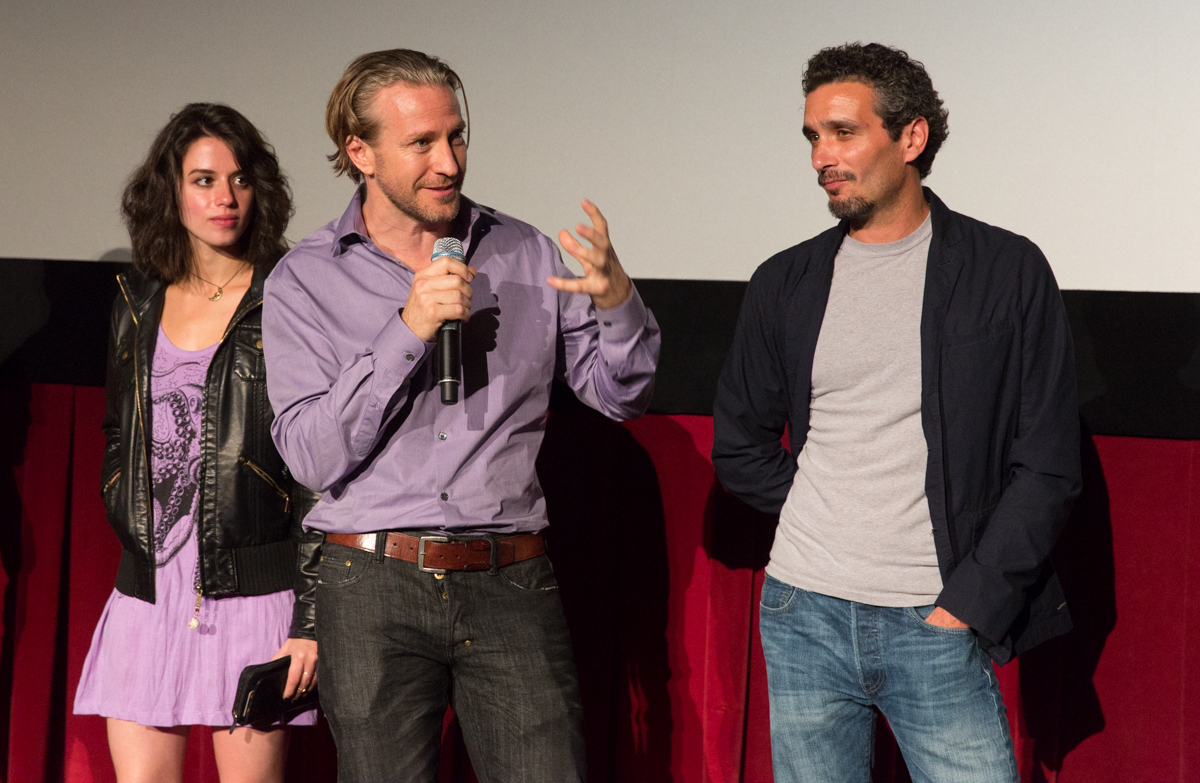
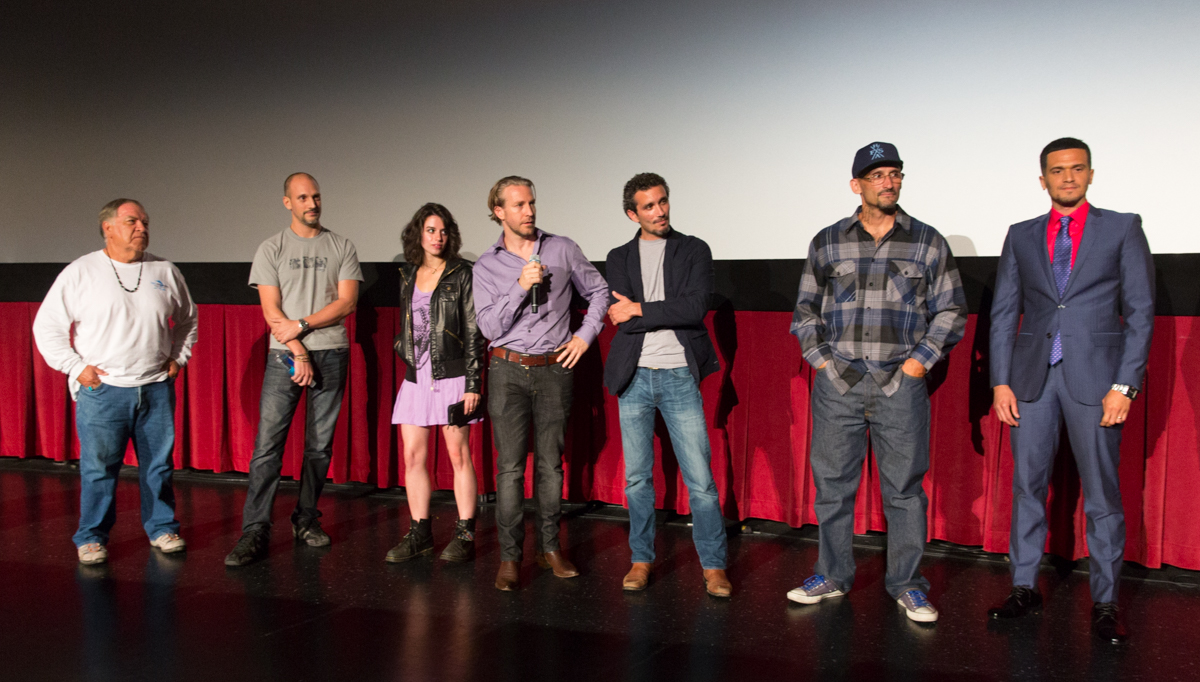
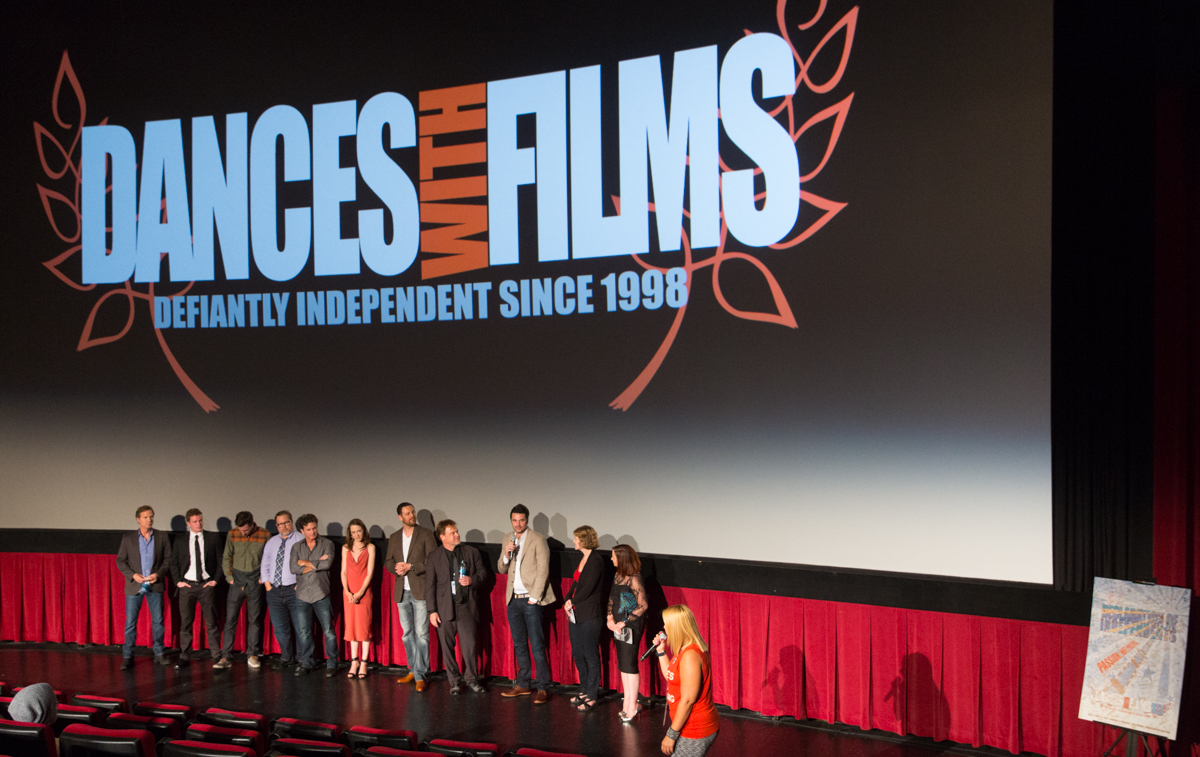
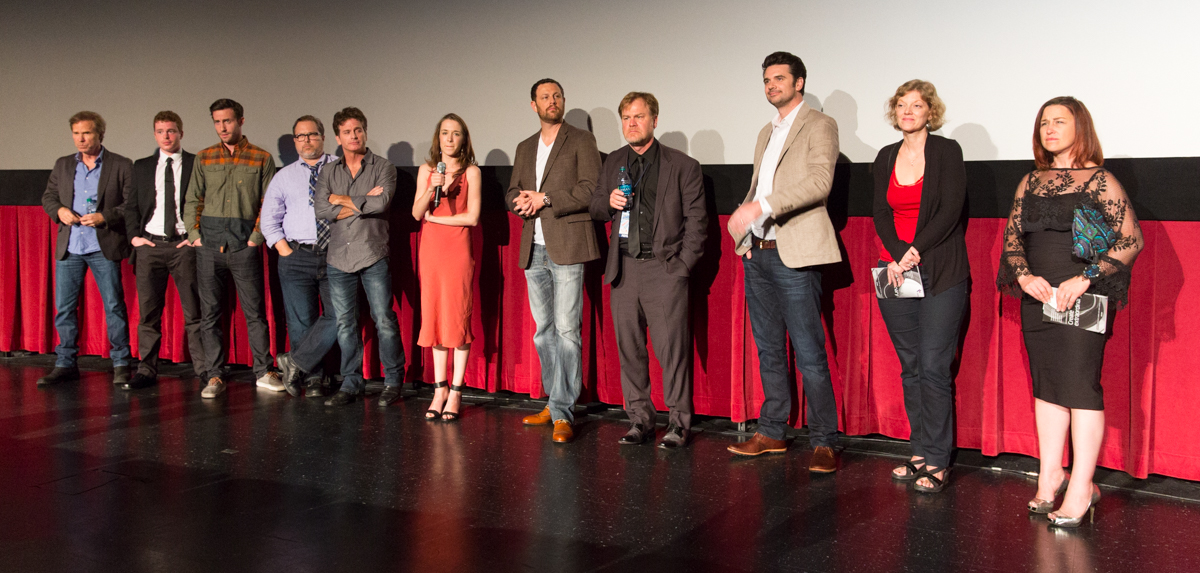
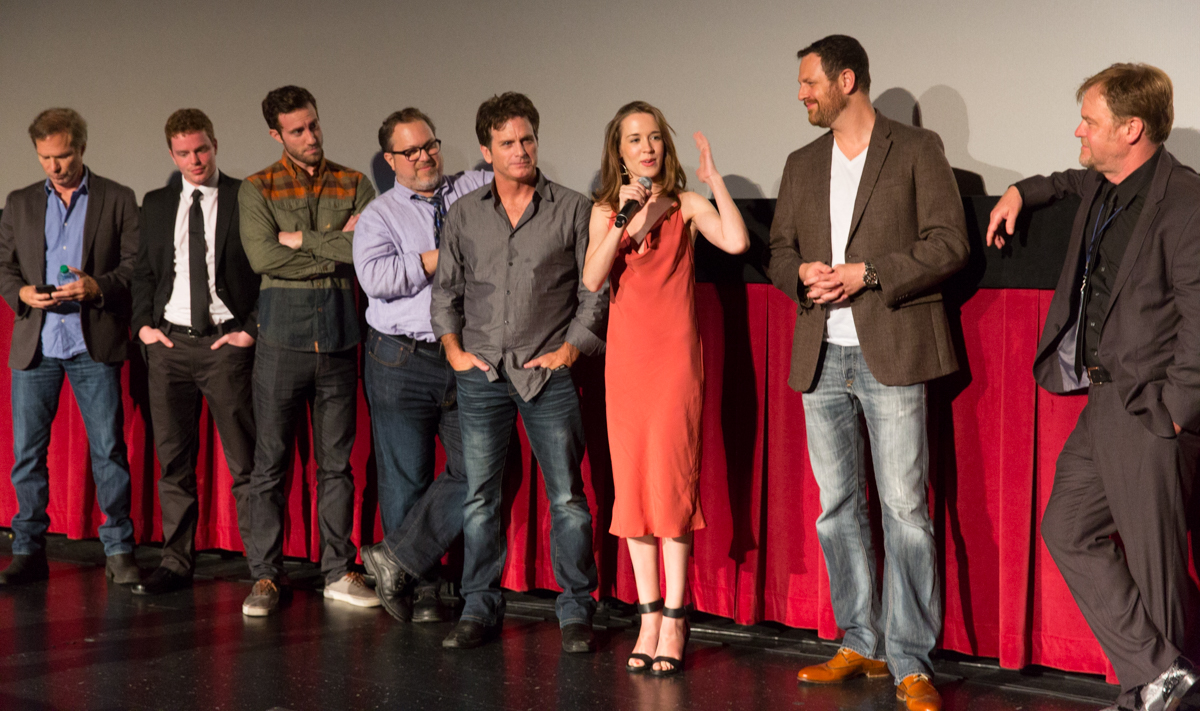
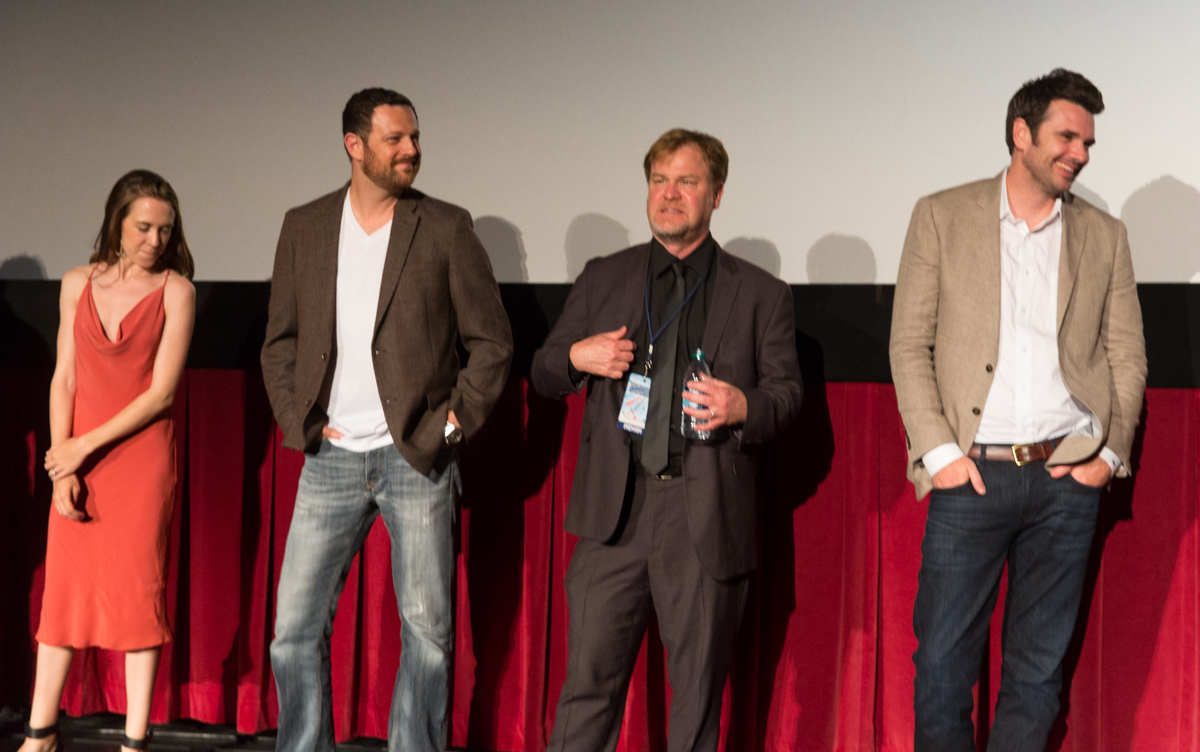
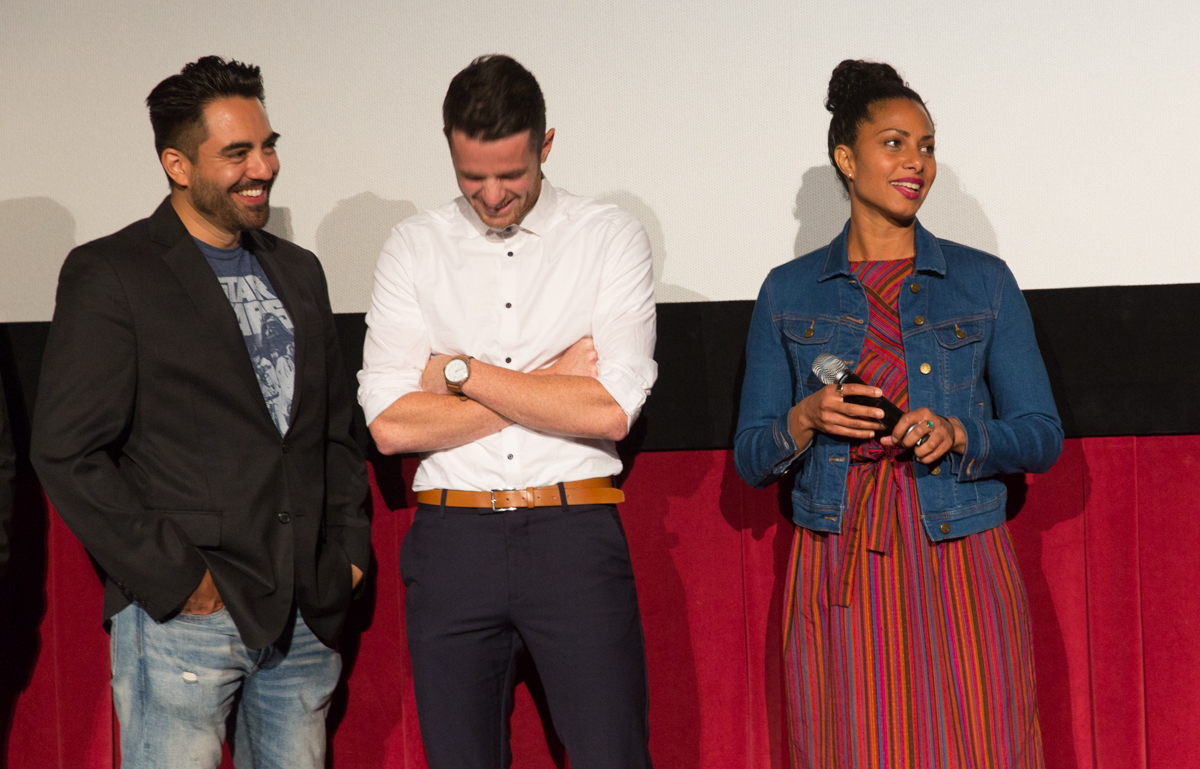
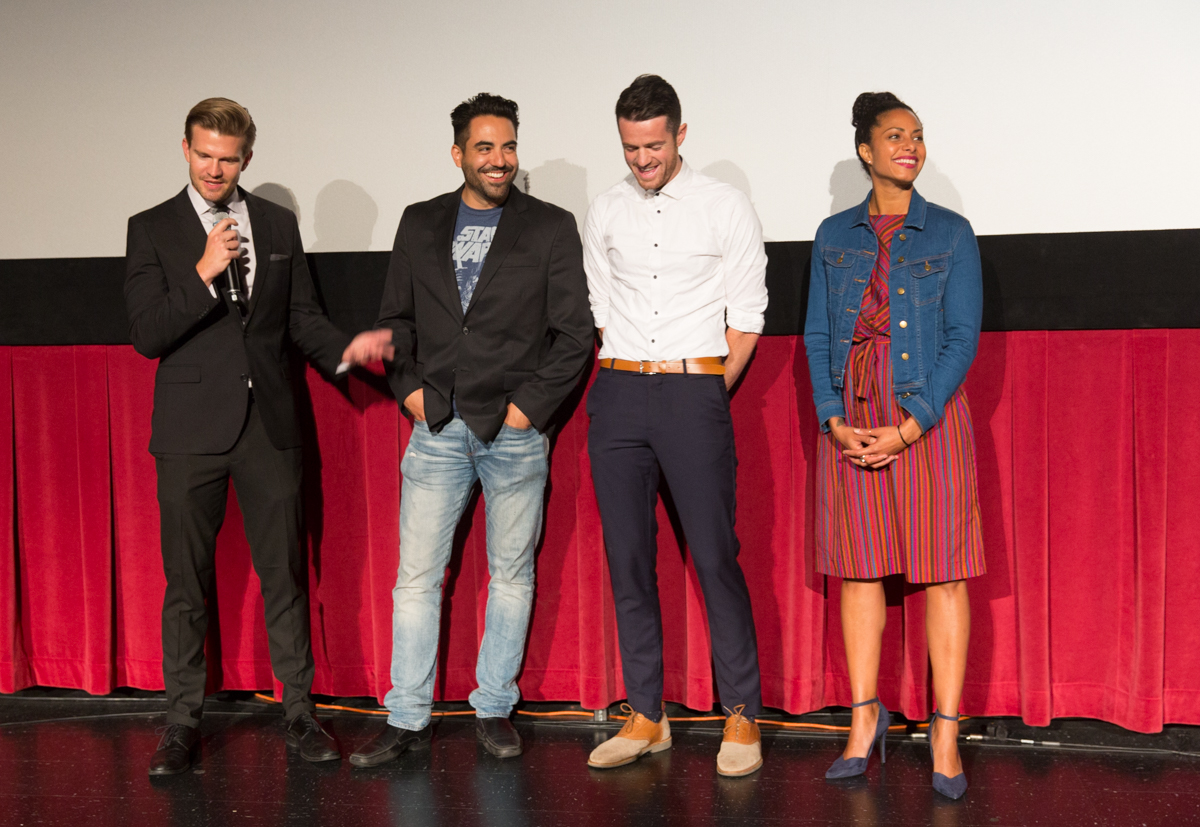
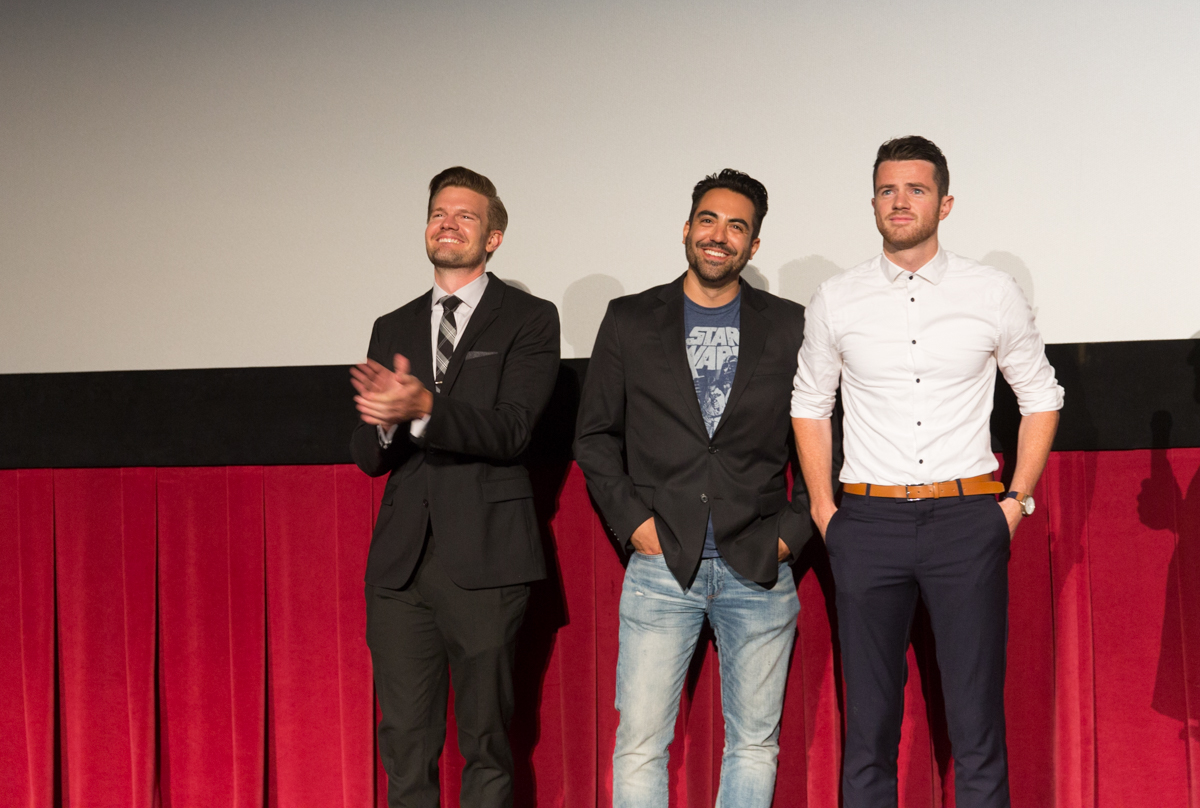
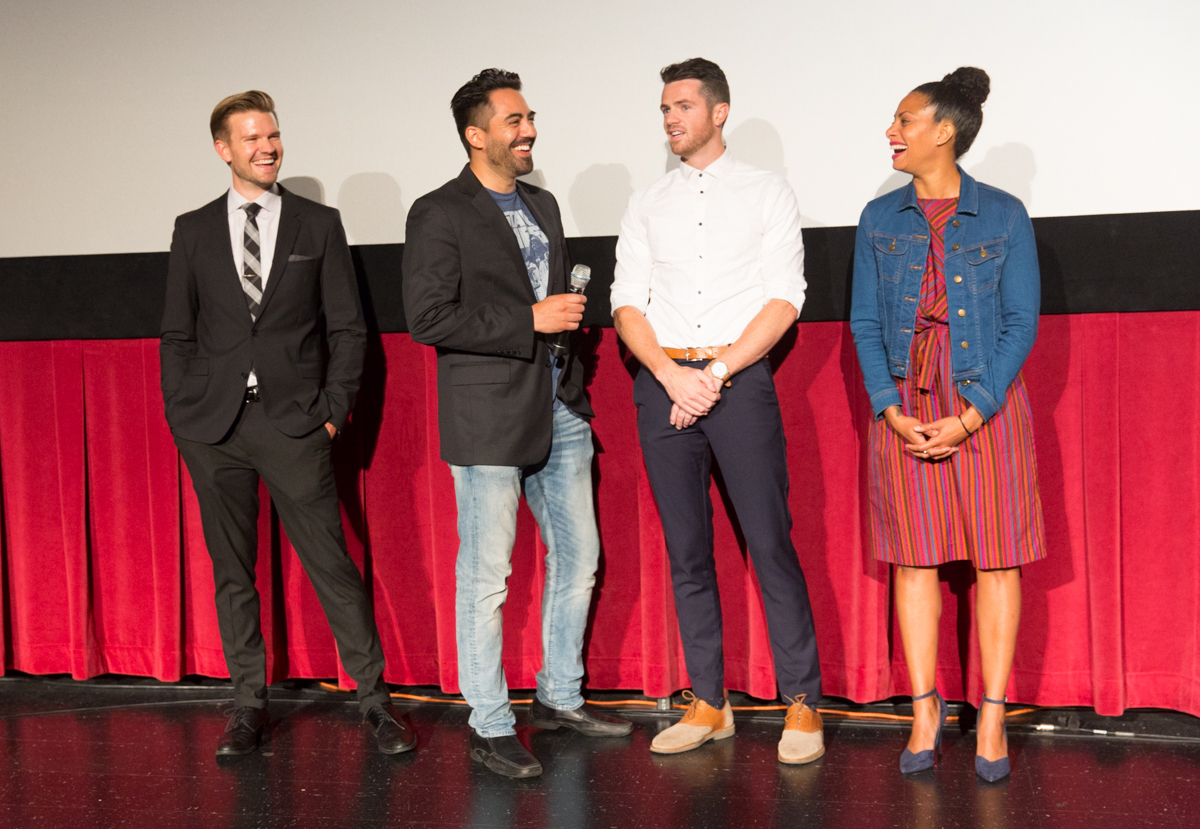
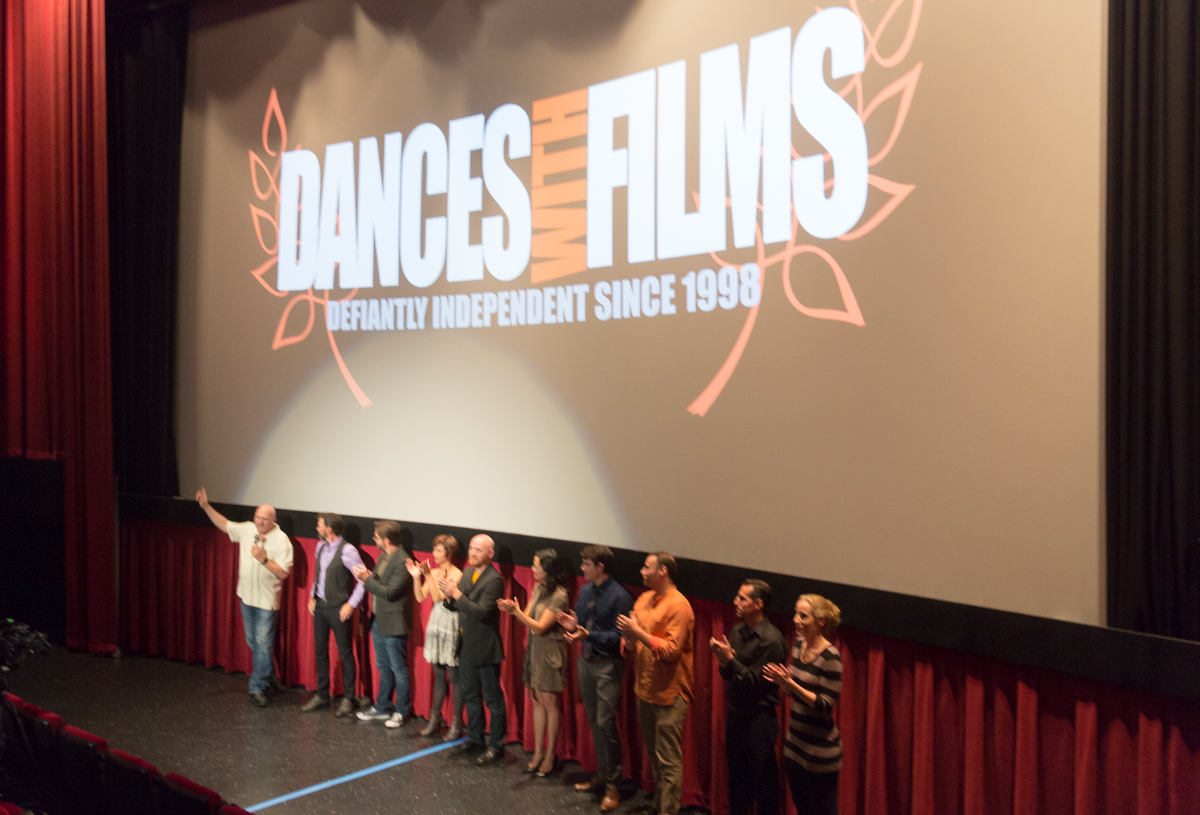
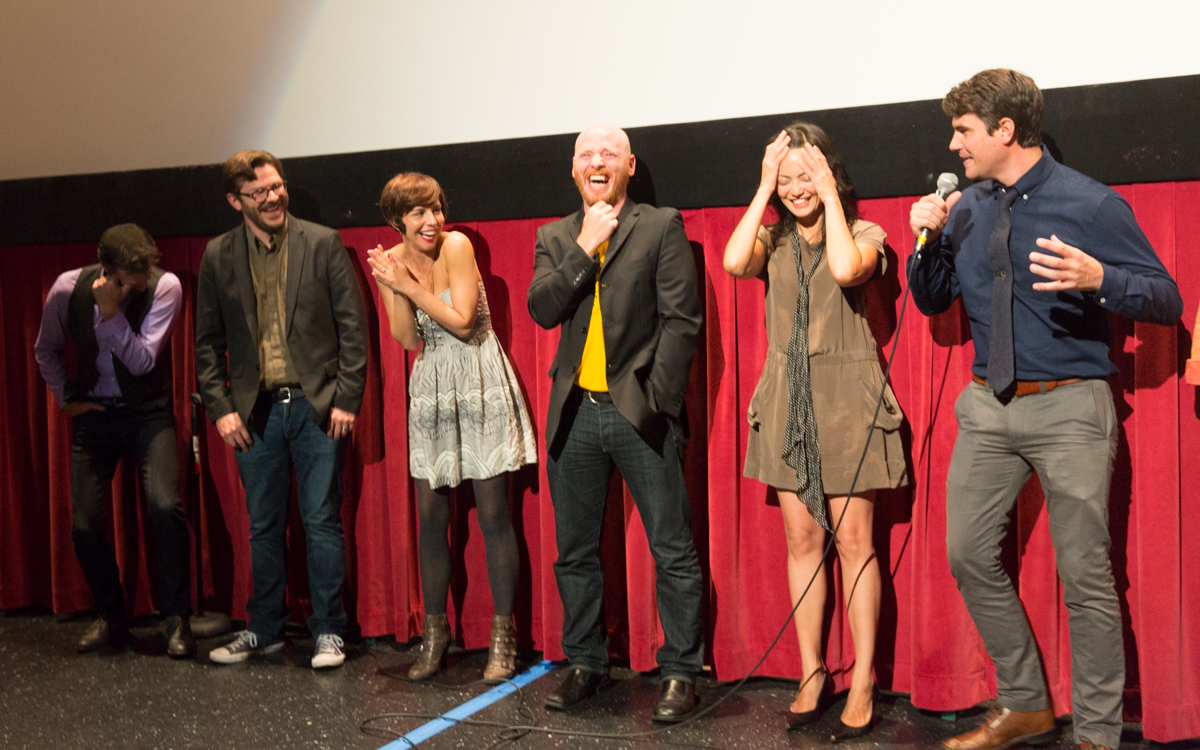
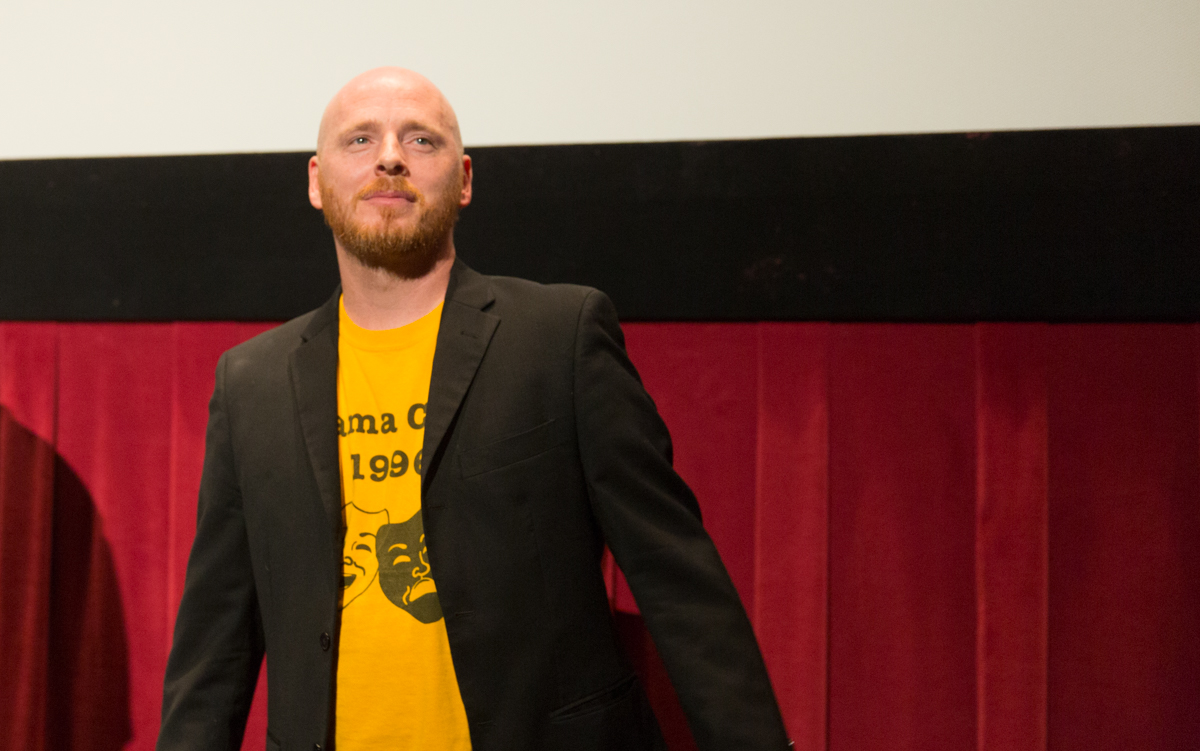
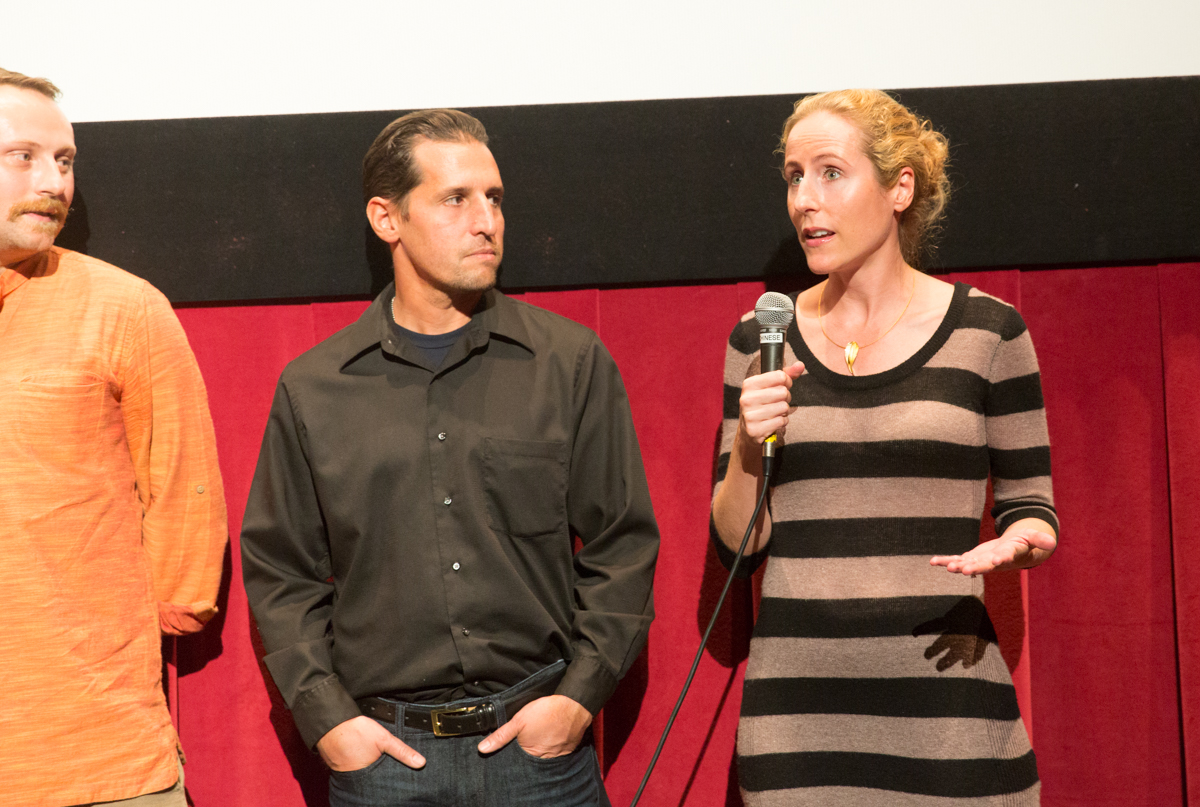
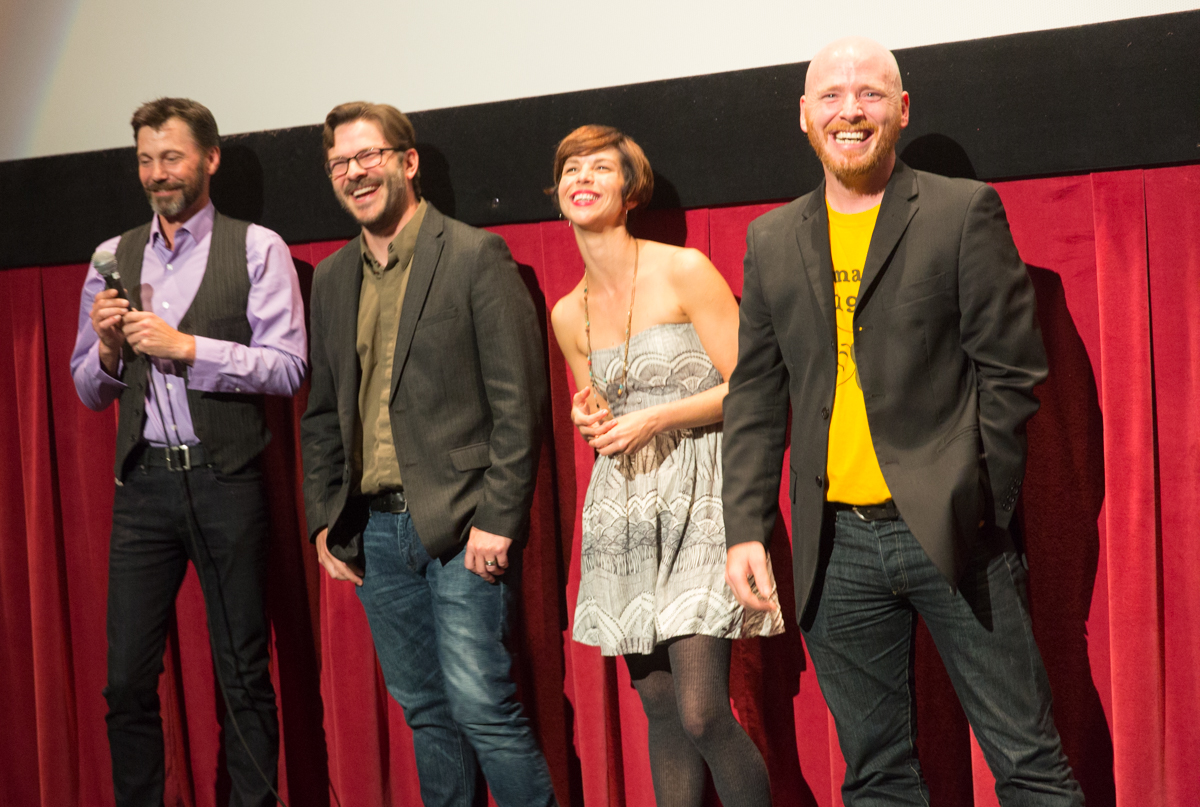
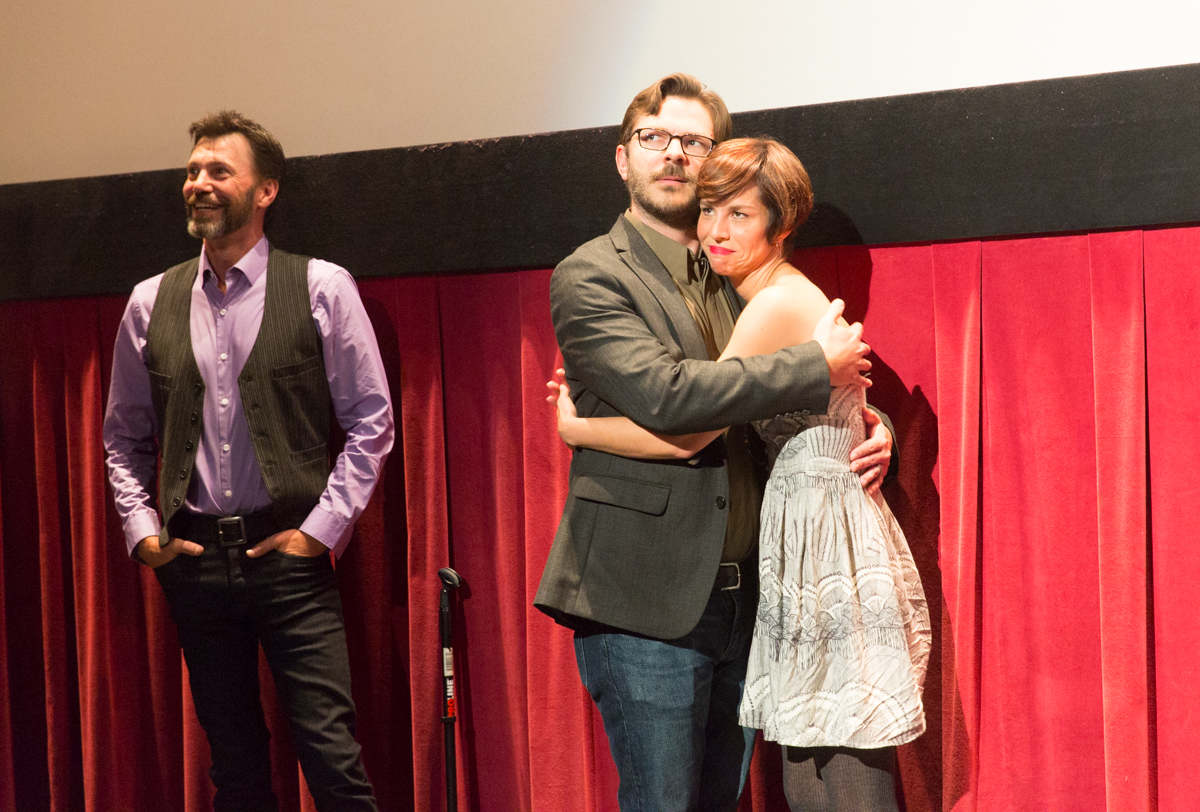
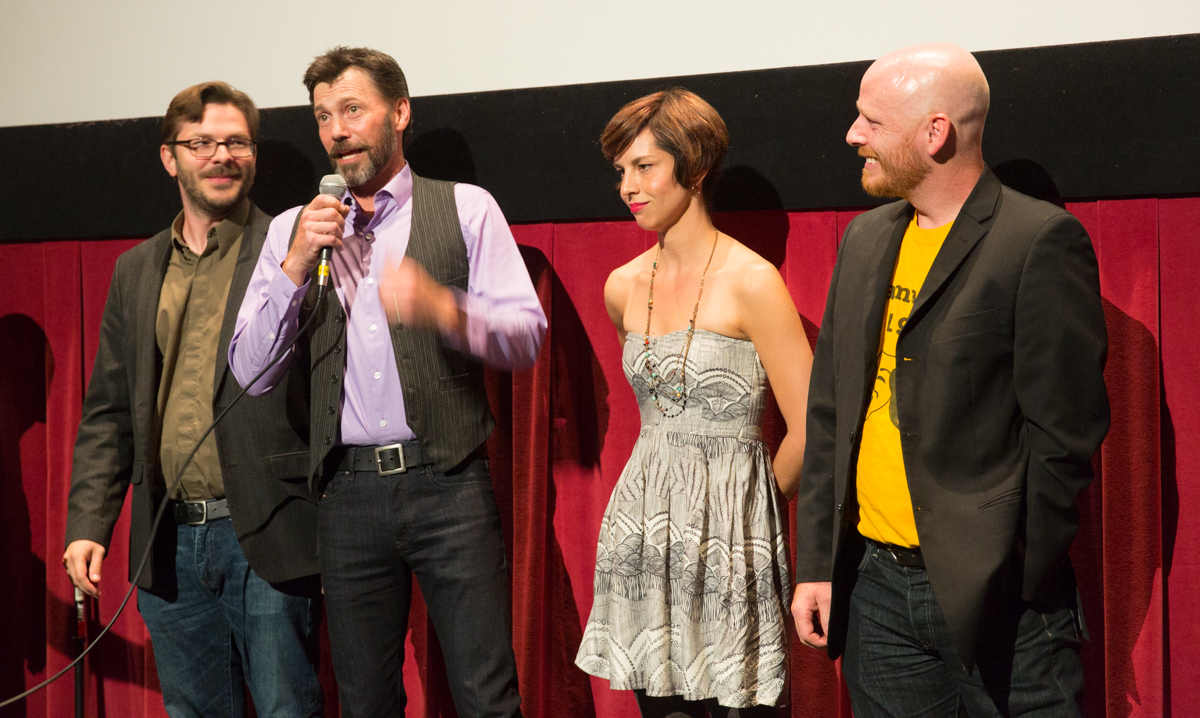
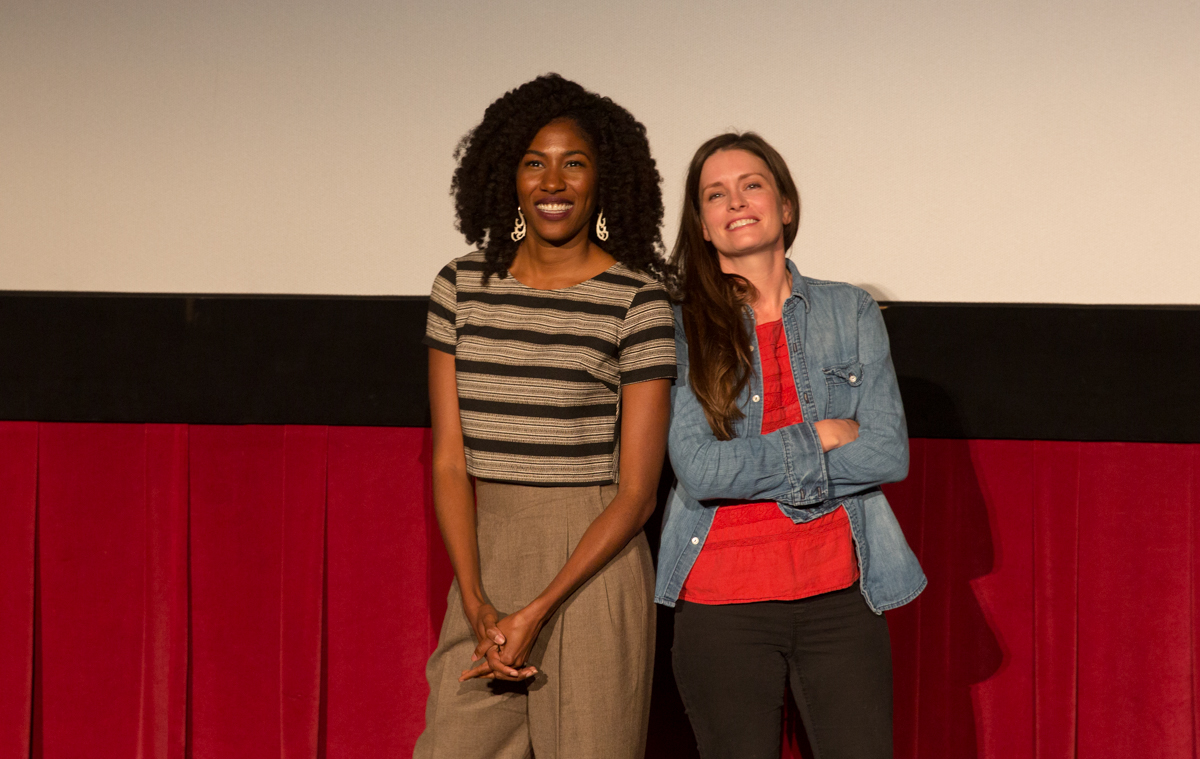
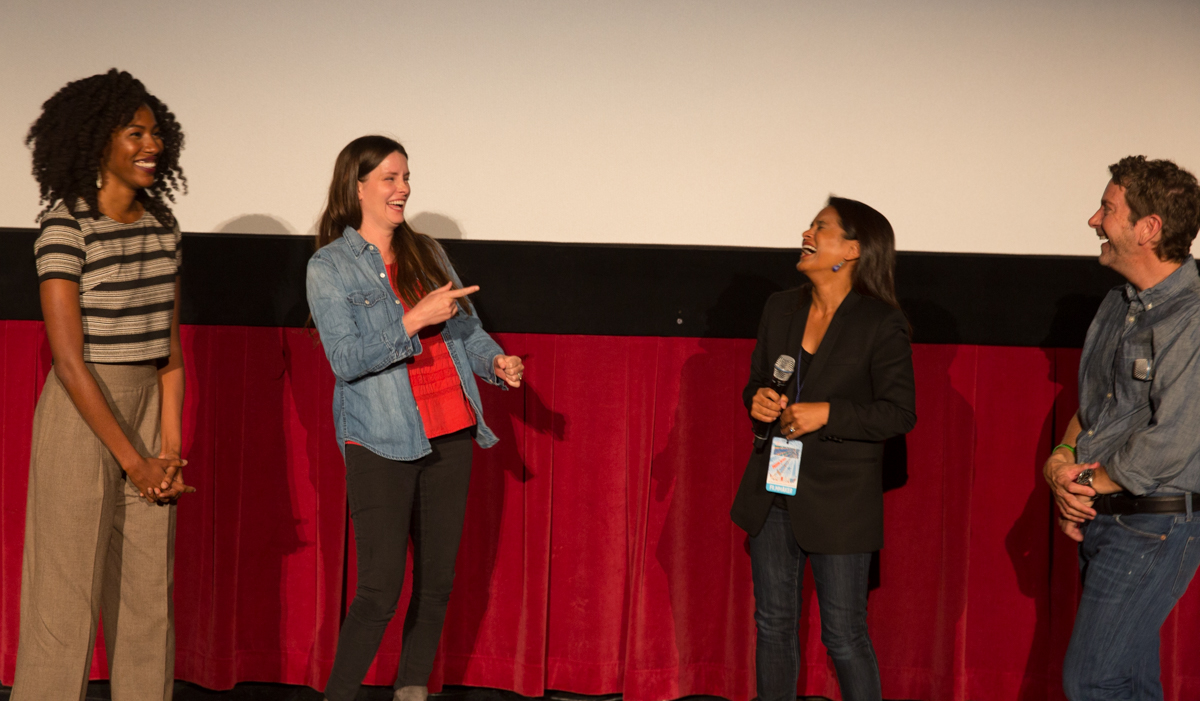
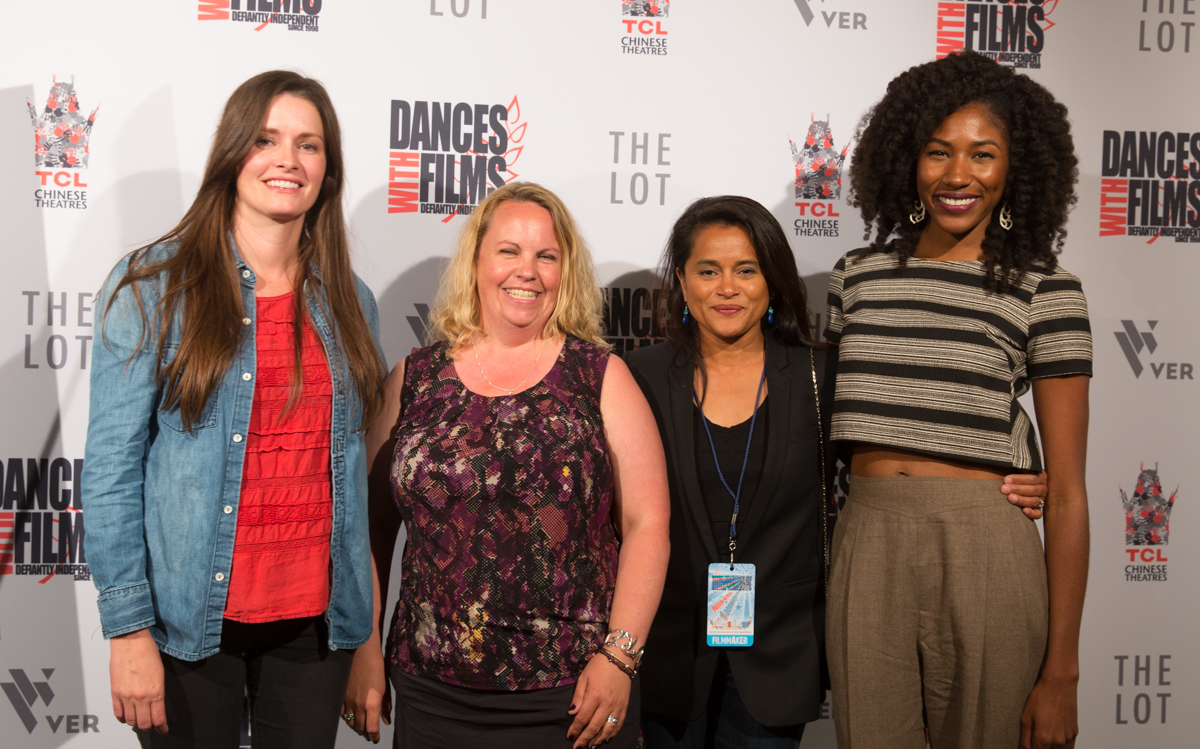
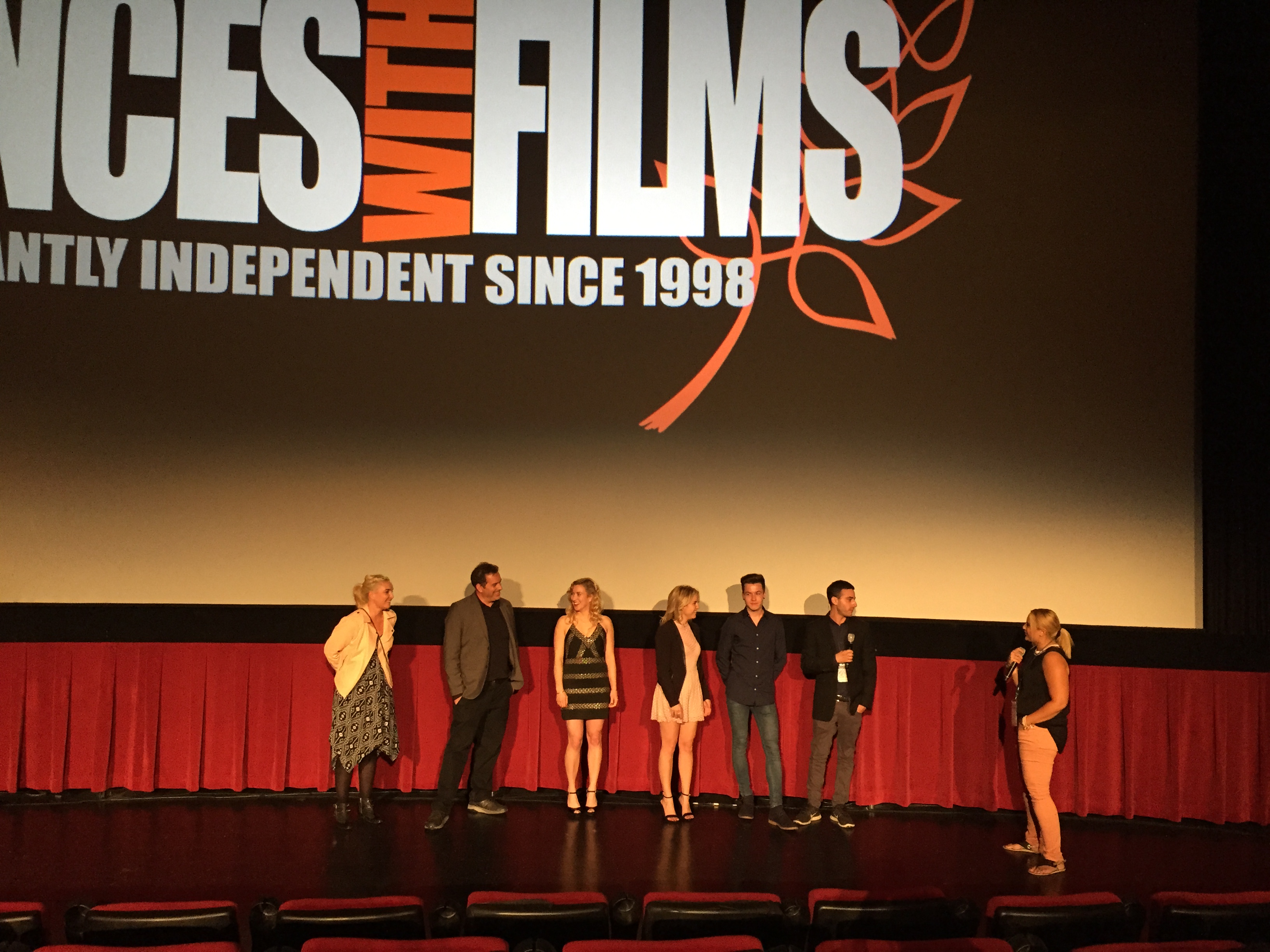
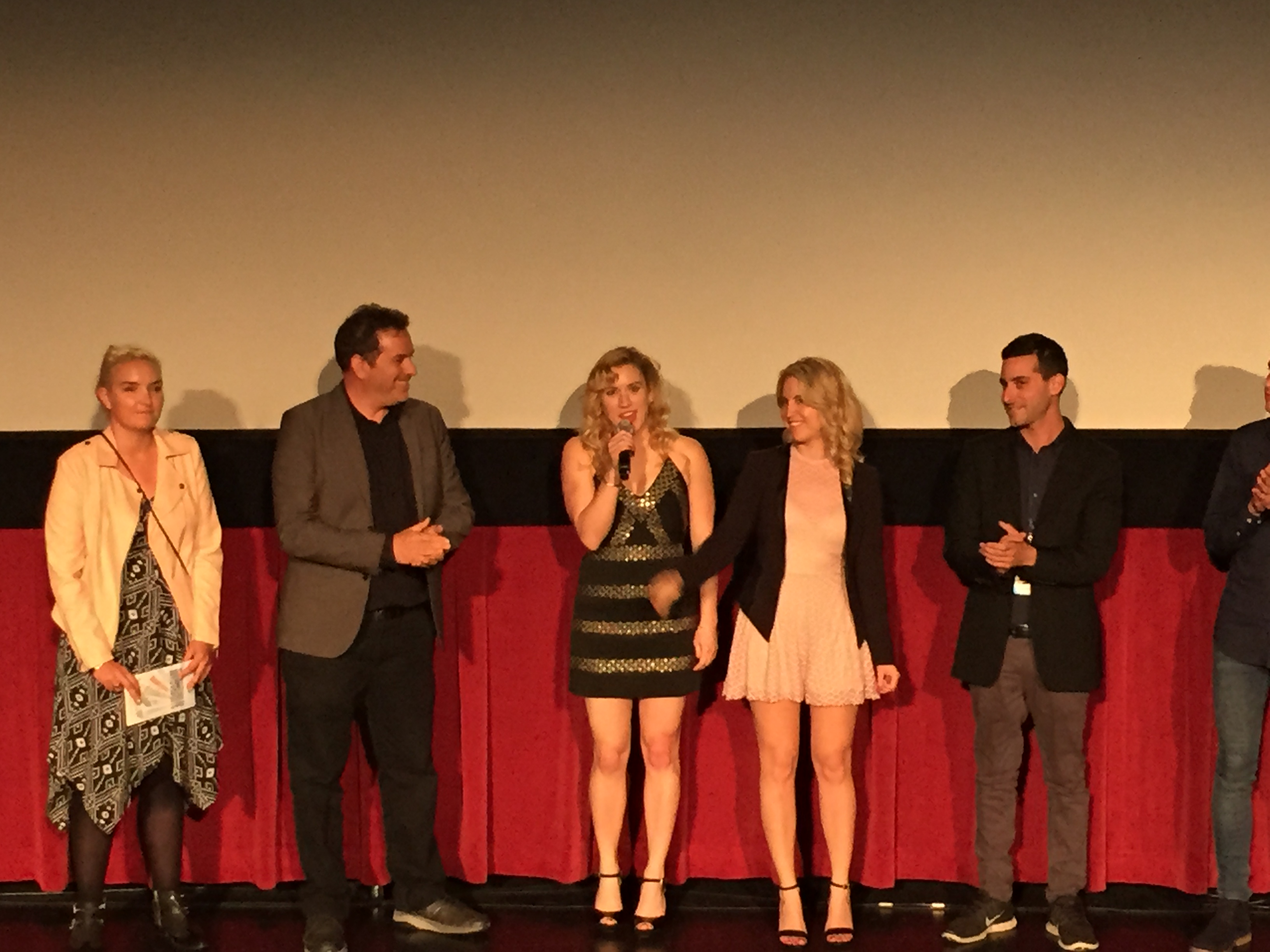
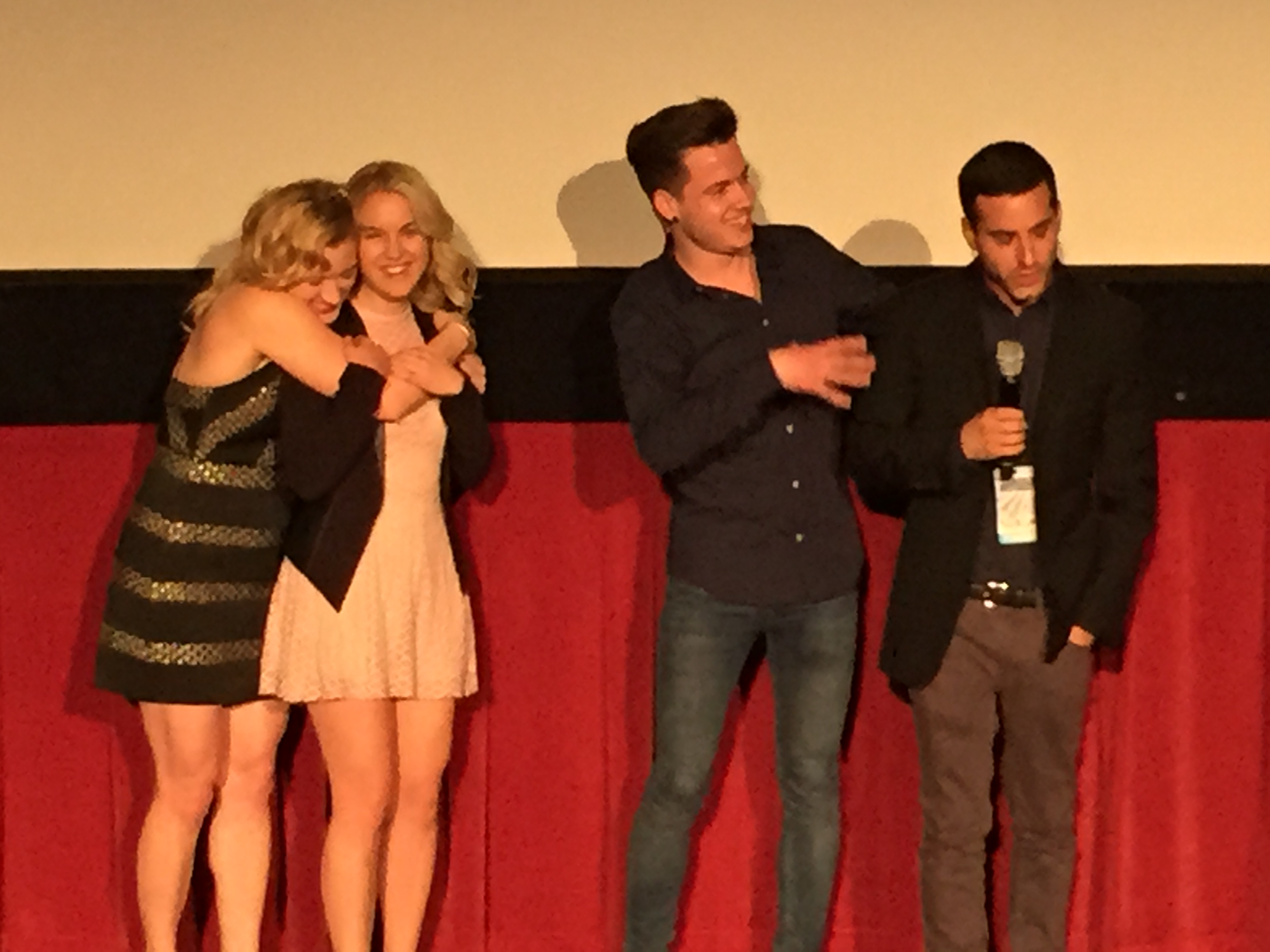
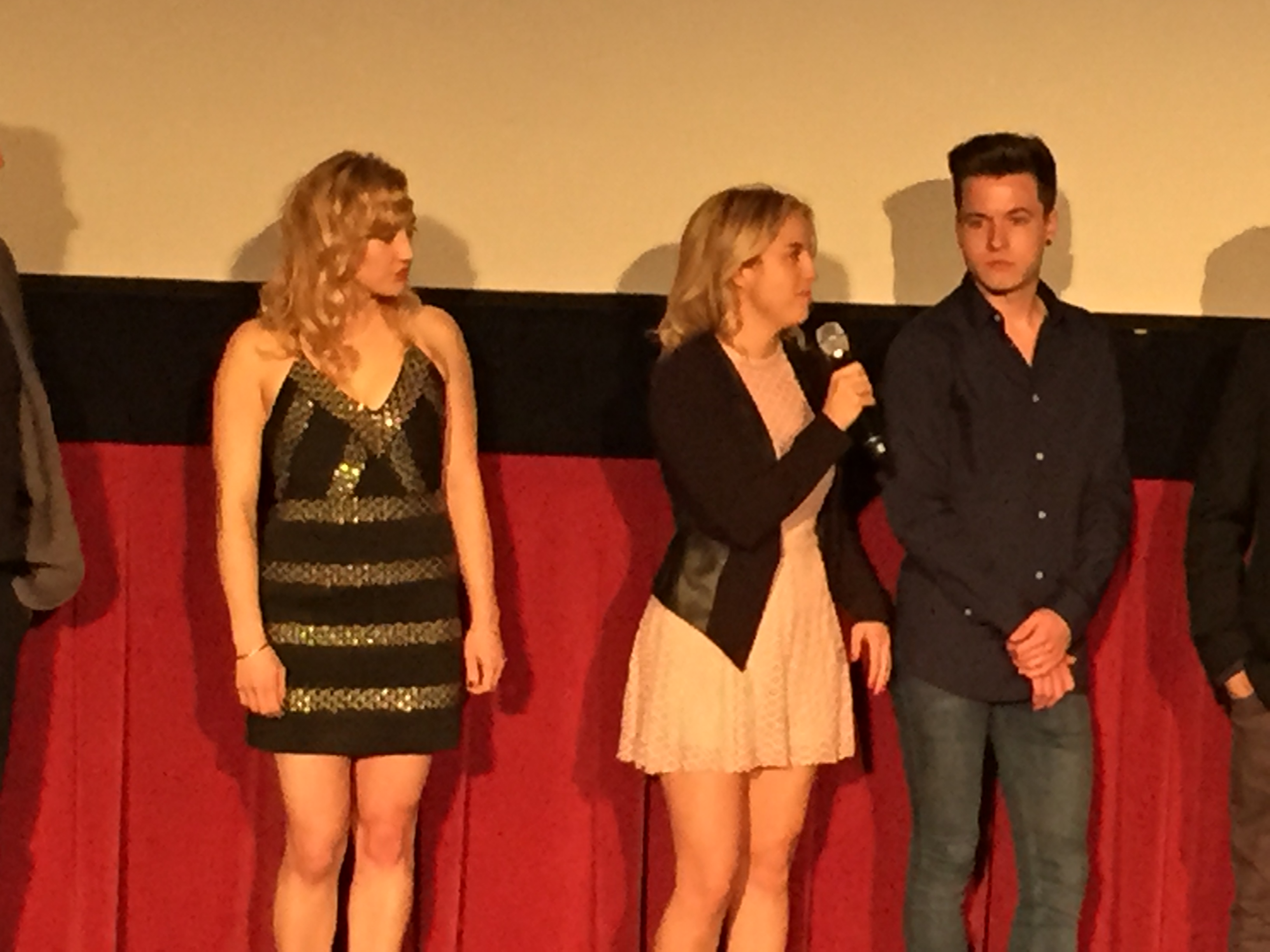
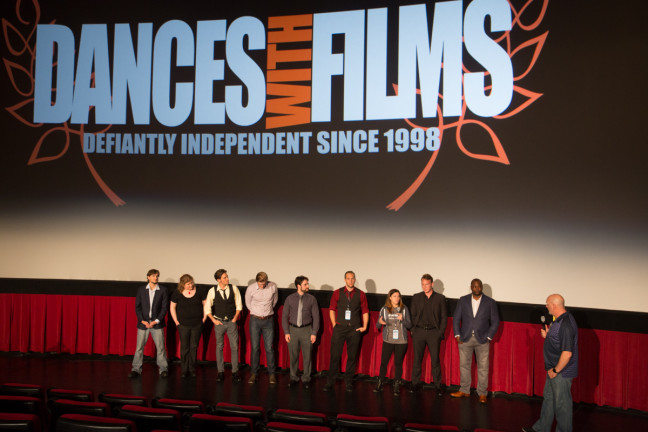
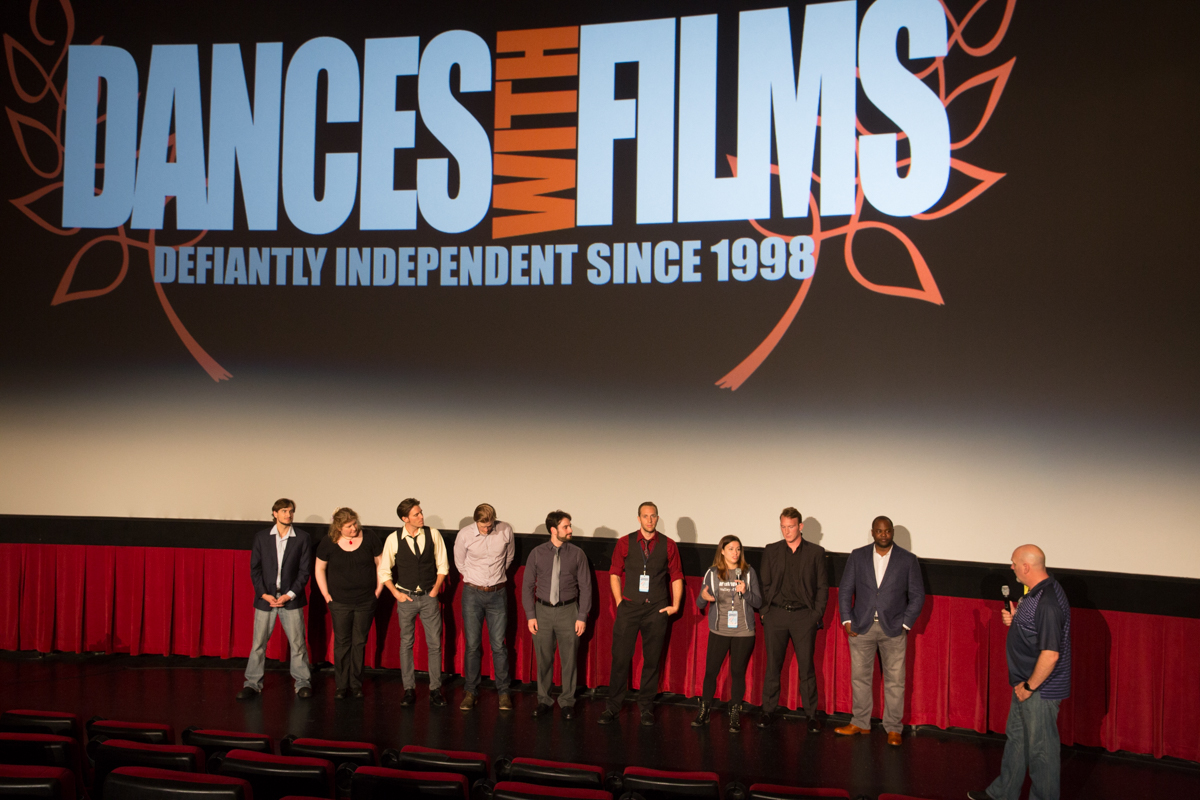
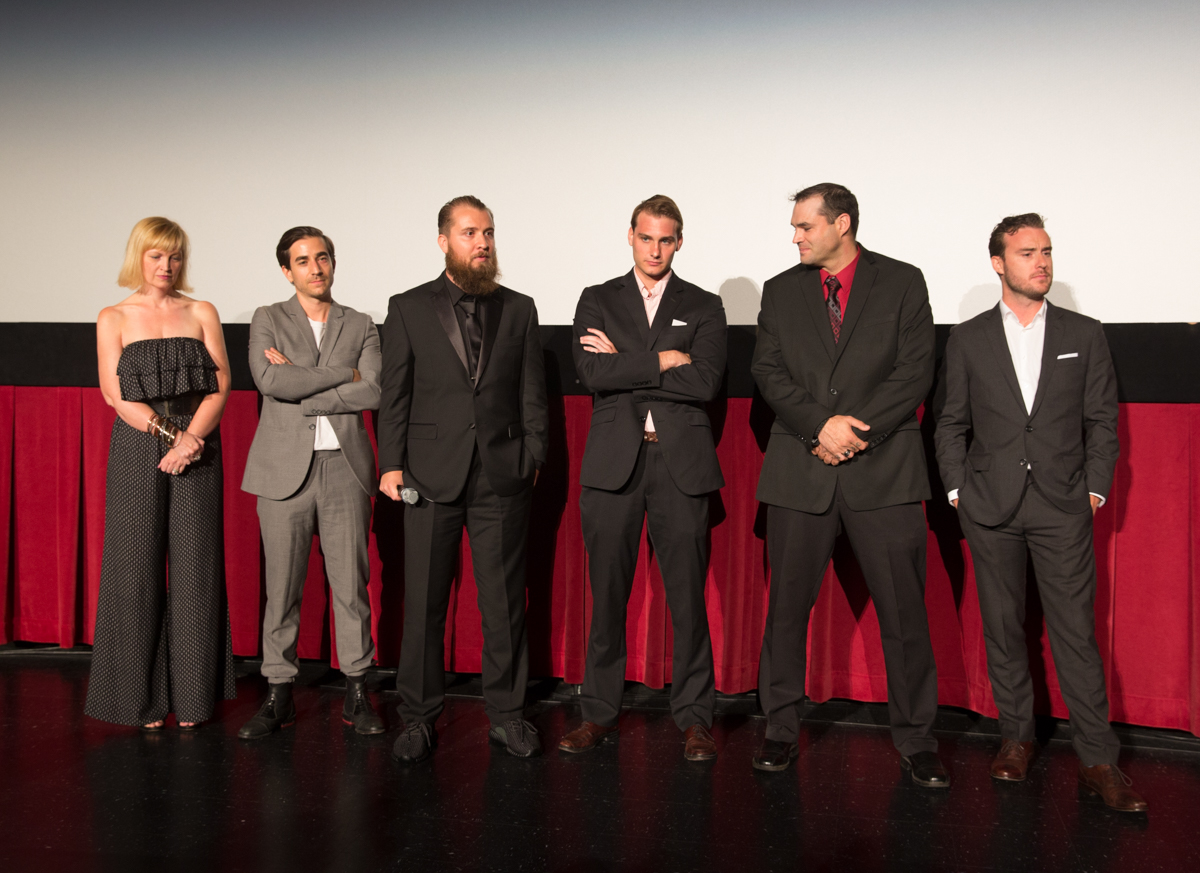
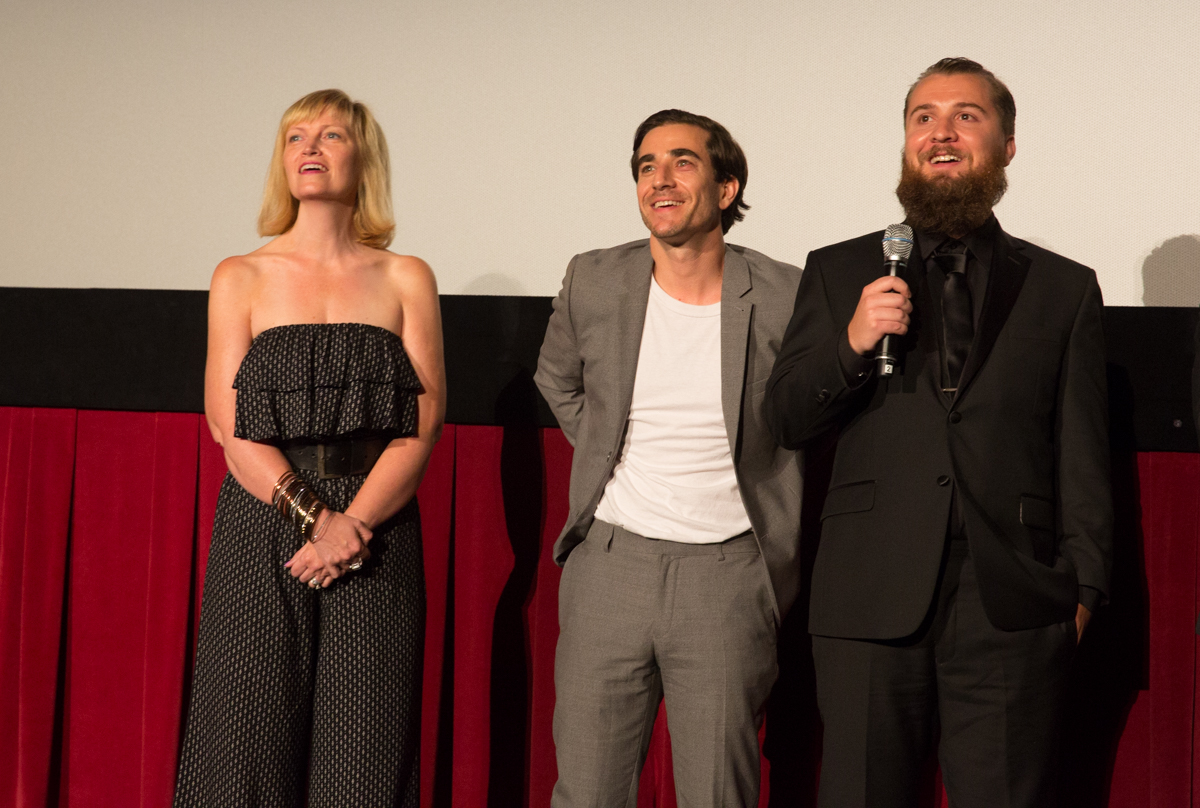
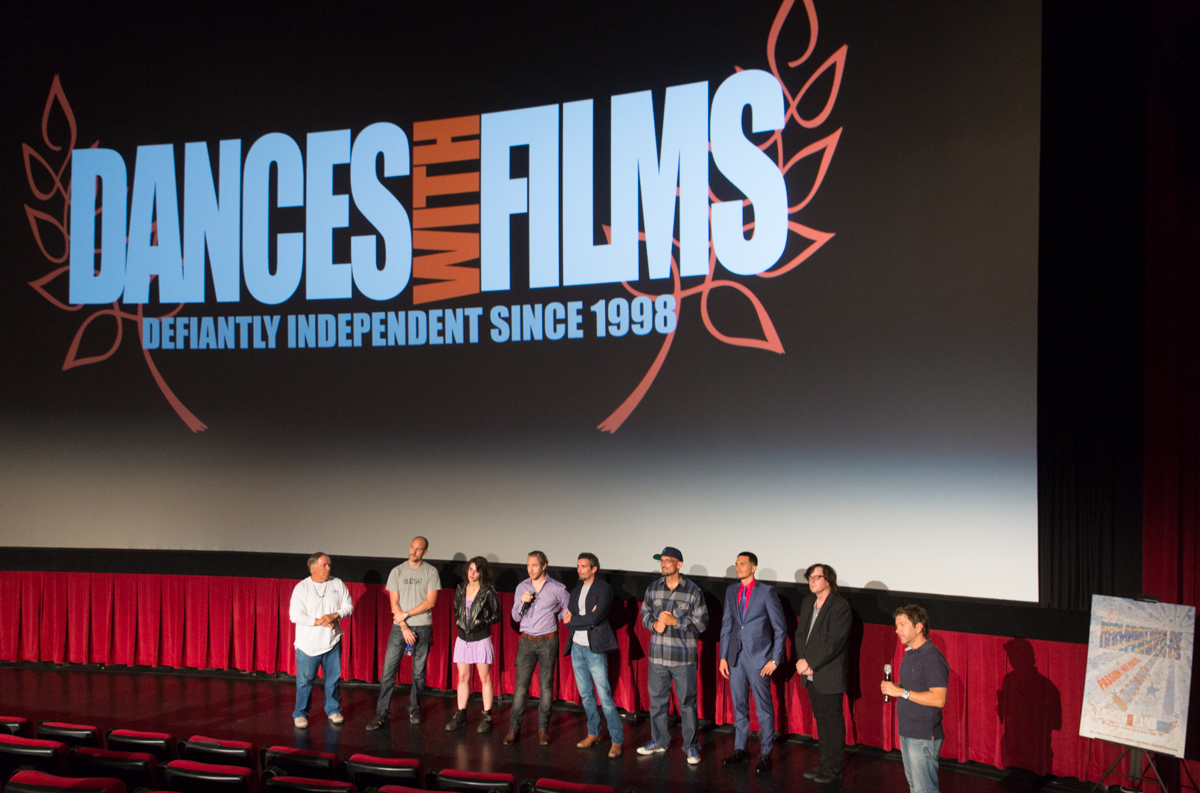
Above, director and stars of The Salton Sea.

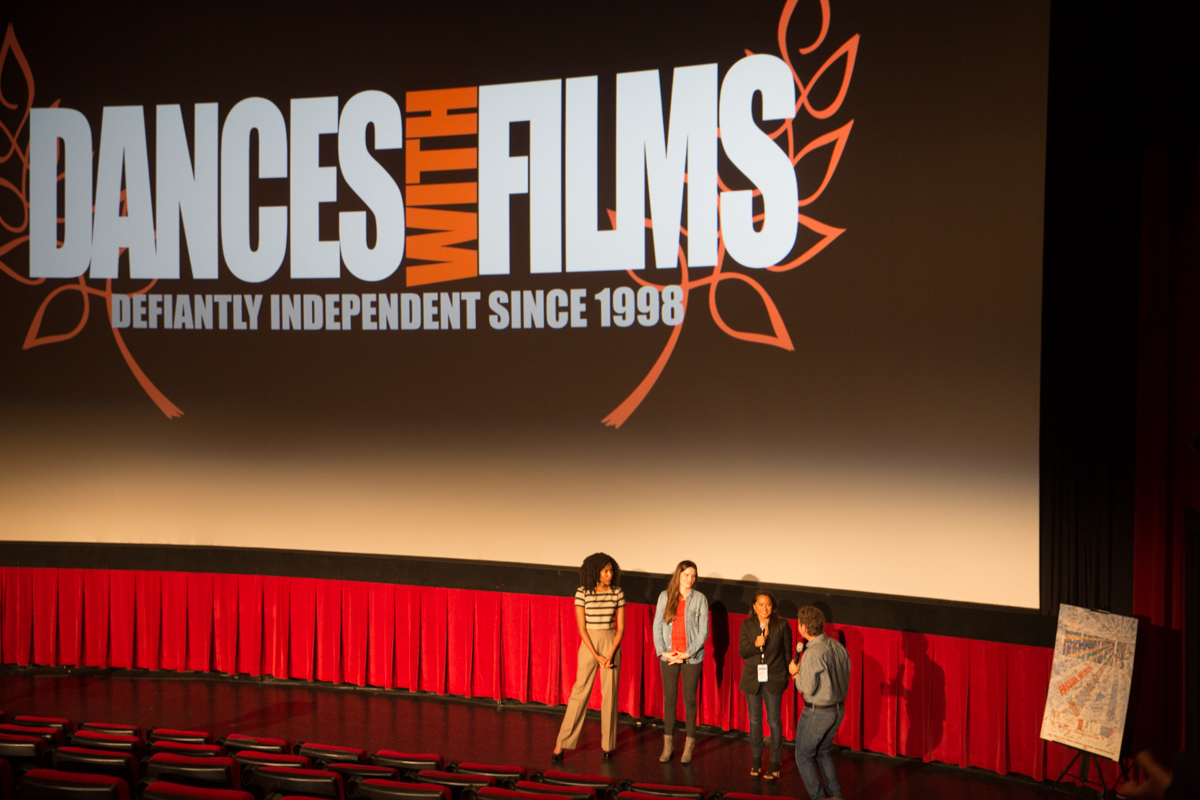
DWF19 has – as Dances with Films does every year – presented a wide slate of films, some absolutely awe-inspiringly wonderful. The variety of narrative films, documentaries, shorts, music videos, and kids programming alone should make film-lovers flock to the festival, and the chance to see some truly transcendent cinema in the mix is something to really celebrate.

F23C5206

This week screenings included The Salton Sea, director Veena Sud’s two-hander about an alcoholic wandering the desert (Jamie Anne Allman) and the hitchhiker (Diarra Kilpatrick) she reluctantly picks up after what may have been a hit and run.  As eerie and exotic as its setting, one which we are personally very familiar with, this unusual redemption story has an ending which surprises and resonates in a film that works both as visual poetry and narrative story telling.

F23C5180

Allman had recently had a baby, and director Sud accommodated during the seven day, two-weekend shoot, providing an air-conditioned truck following behind the actresses to support Allman and her baby. “It was wonderful,” Allman attests, “I had the support of work with women who did not mind working with a new mom.”

F23C5233

Sud describes the film as a “kind of f-d up My Dinner with Andre, a forced intimacy between the two women with a lot of dialog.” Shot on a Sony F-3 and budgeted at $70,000, the elegaic beauty of the film’s locations in Niland, Calipatria, and the sea itself was itself a third character. Sud chose her actors carefully. “I’ve watched Jamie Anne in The Shield, I cast her in The Killing, I knew I wanted her for this. Diana, I saw in the play The Interlopers, and I knew she was the one.”
F23C5275

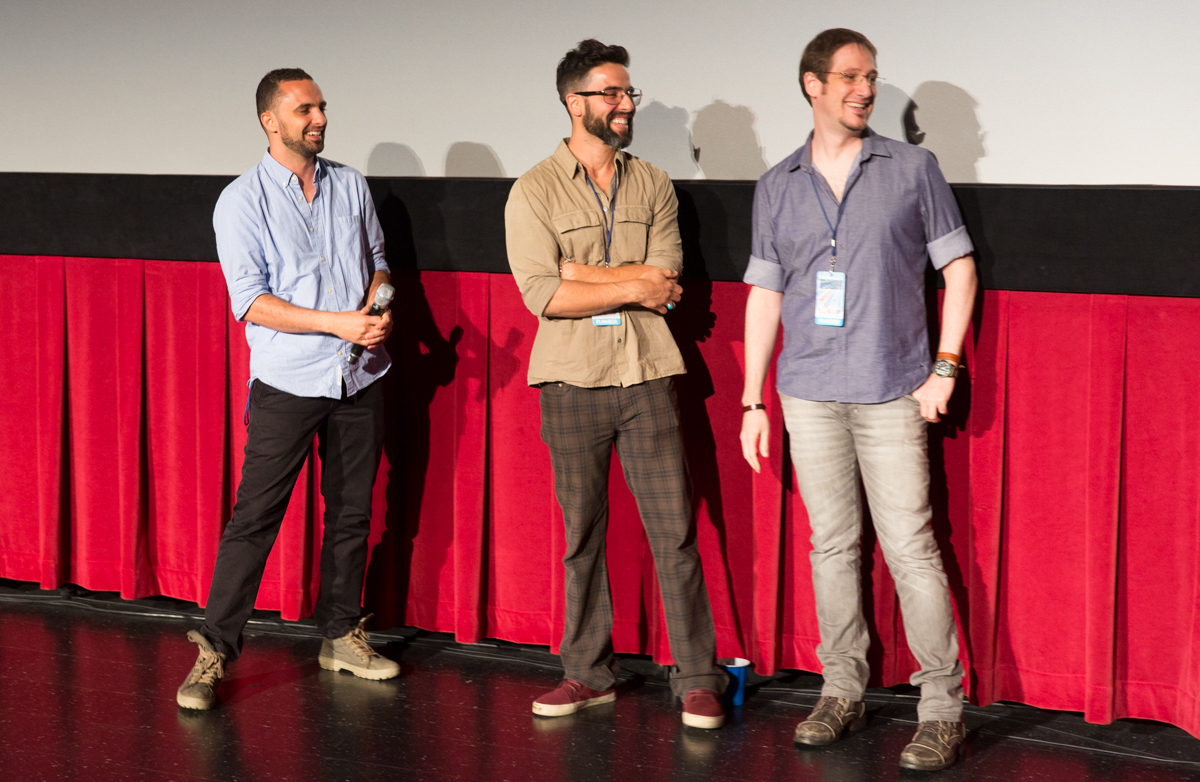
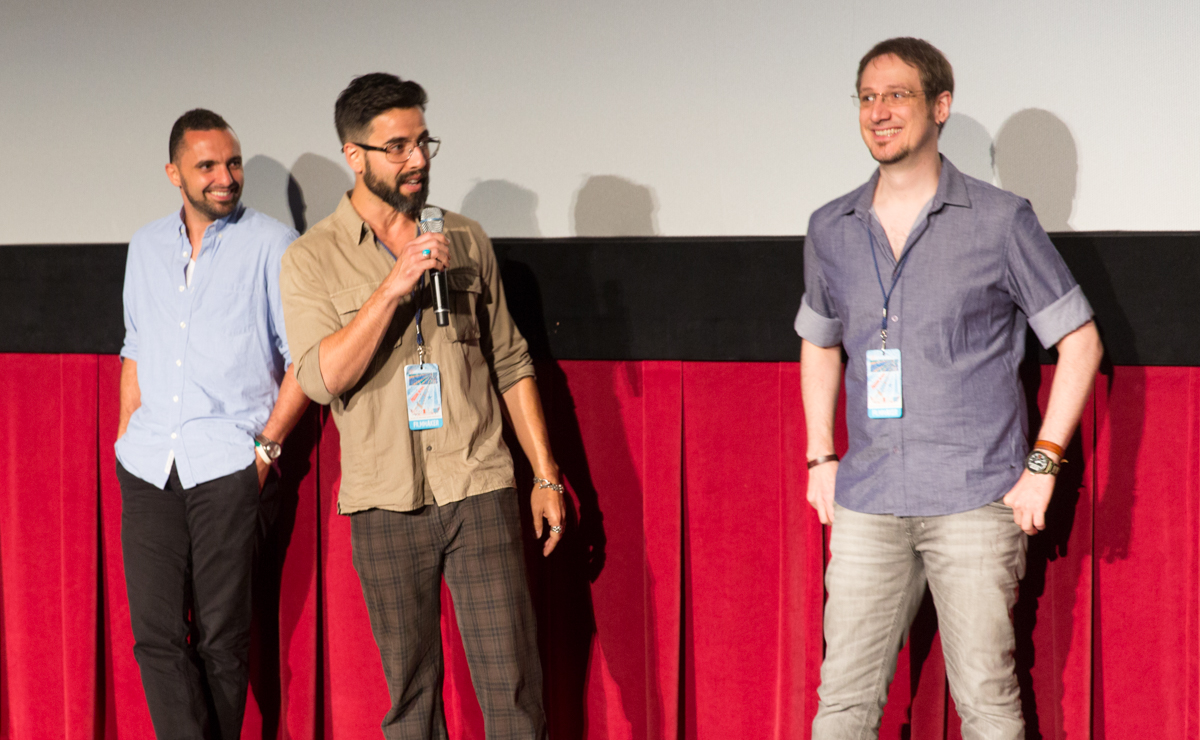
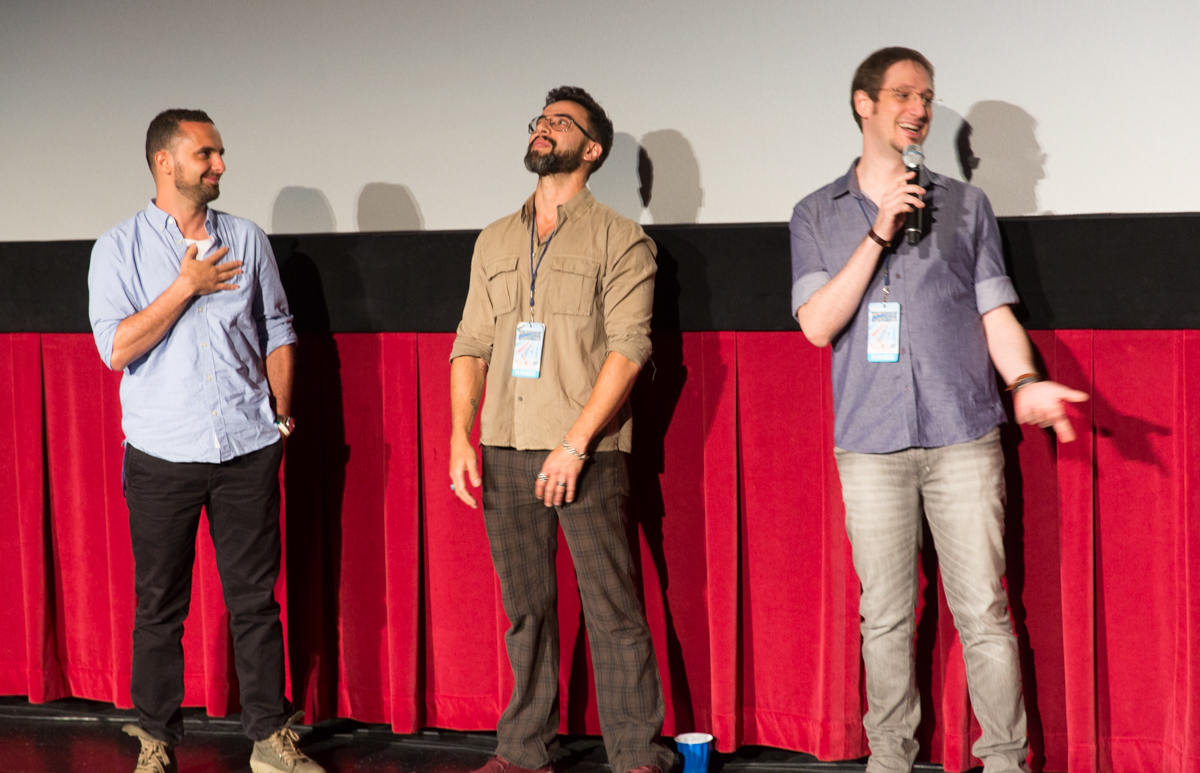
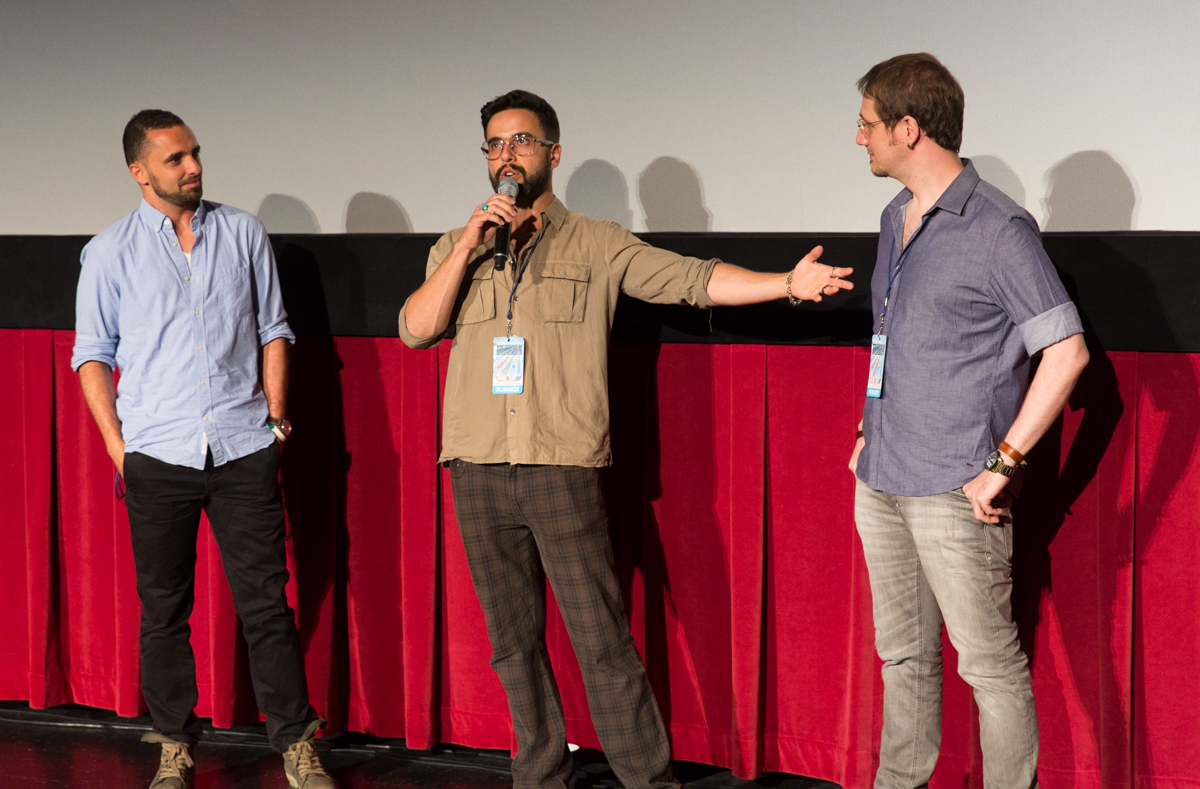
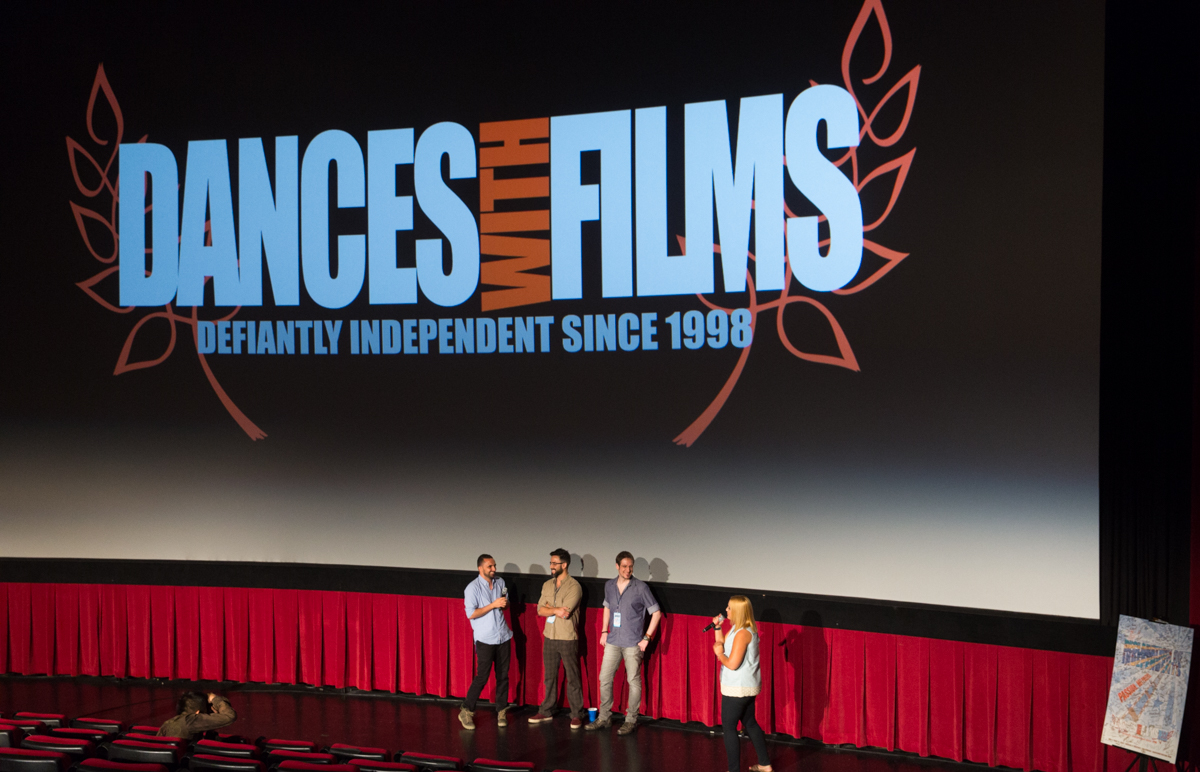
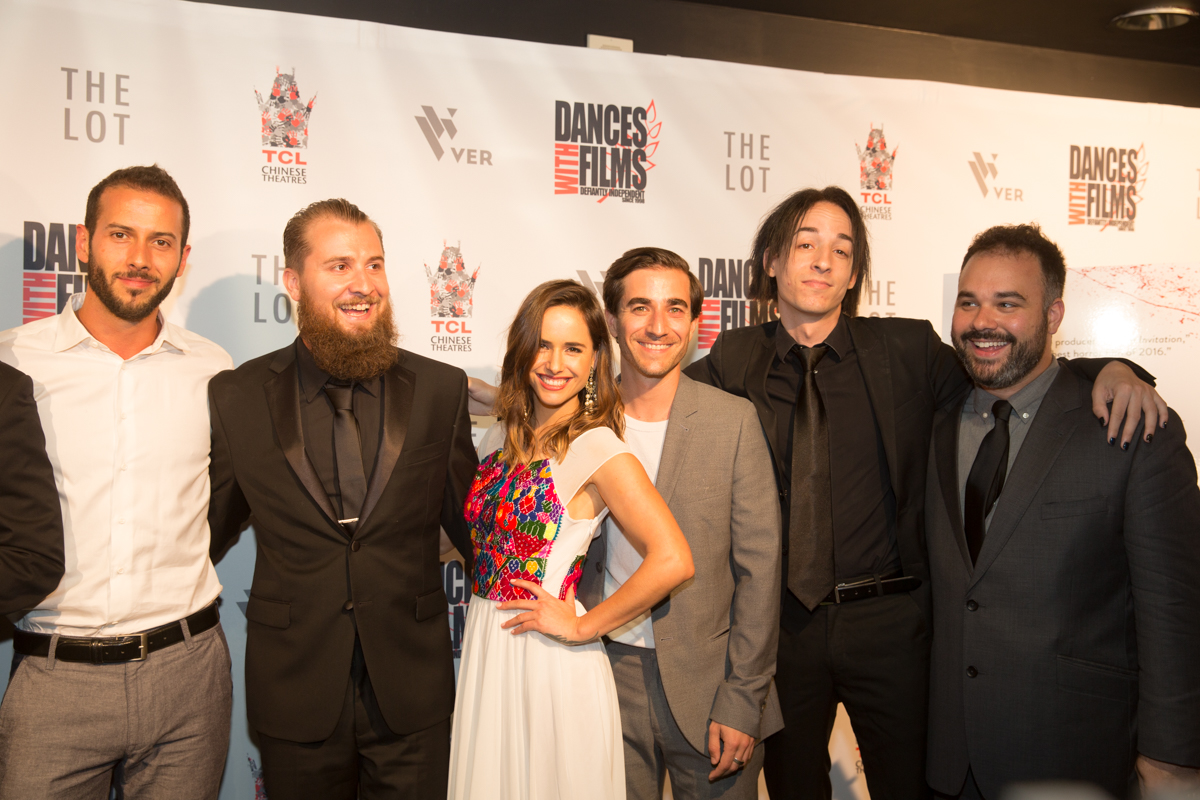
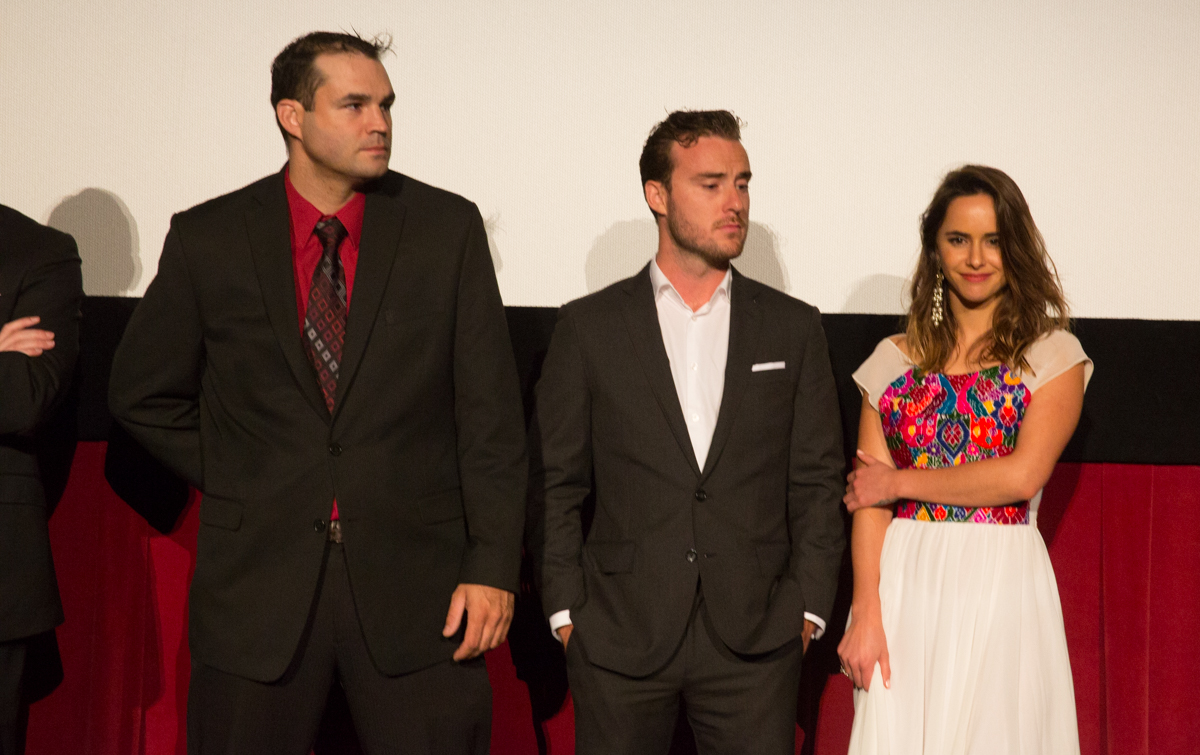
Singapore Sling writer/producer Neto DePaula Pimenta and director Marcus Sigrist with DP Ivan Rodrigues, above.

Singapore Sling is revelatory cinema. Writer/producer Neto DePaula Pimenta and director Marcus Sigrist assembled a stellar cast: Cinthya Hussey, Samuel de Assis, Angelica di Paula, and Neto DePaula Pimenta himself in a brilliant depiction of what happens when two former lovers reconnect – and bring along their current significant others. The Brazillian film is absolutely gorgeous, with DP Ivan Rodrigues crafting something exceptional in every scene. “It’s all about the integrity of style. We did long takes with the characters in perspectives, we used steadycam, mirrors bouncing into the house for light, no articifical lighting. I just had to figure it out and commit to it. It’s hard to shoot dialog heavy scenes, to decide what you are going to do with the camera. We had to figure out how the actors would walk and block their movements. Each day we’d block the next day’s shoot.”

F23C5247

Pimenta adds “I got Ivan involved by the time Marcus and I had finished the script. it worked because he was a part of the movie, we’ve worked together for years and I knew it would not be static of theater-like.”

Almost unbelievable that this gorgeous and emotionally charged film was shot in just eight days for $15,000.

F23C5256

“It started off with Marcus calling me and suggesting we make a movie with very little resources. We’ve known each other since 6th grade,” Pimenta says.

“Oiriginally, Neto wasn’t planning to be in the film, but we needed a fourth actor and he ended up playing Bruno,” Sigrist says.

F23C5242

“I loved creating a film without a standard Hollywood ending,” Pimenta adds. “I’m a big admirer of films like The Graduate.” Don’t miss this film.

F23C5300

IMG_9620

Above, cast and crew of I Live For You.

I Live For You was originally going to be an entirely different film, according to this quirky, very dark comedy mystery’s director,  Monika Wesley. “We were originally going to be shooting a project called Great Barrington, a more standard mystery.” But her co-writer, Brandon Zinn, “got bored.”

IMG_9614

Instead they decided, according to Zinn, to make something “weird and twisted.”

IMG_9621

“We had no money,” Wesley attests, “we were just two people who wanted to make a movie. We pared it down, we shot for as minimal amount as we could, and spent a month just rehearsing. Casting was super important, just really important to have terrific, charming actors because we got a lot of notes that otherwise our characters were despicable.”


Both despicable and charming are Sean (Rob Hook) and Kate (Hannah Telle) as two people who meet through a complex plot involving a dead father, an unknown half brother, a suicide-wish, and so much more.  No spoilers here, but this LA set love story is kind of an anti-rom/com. Telle is a singer-songwriter as well as an actress, and her musical skills become instrinsic to the plot.  Taut and funny, the film’s unexpected twists and turns keeps both audience and its characters on their toes.

IMG_9618

Also viewed: Writer/Director Jake Hulse crafts the tale of two boyfriend friends who decide to the do the patriotic thing and enlist after 9/11 in Heroes Don’t Come Home. One goes, one stays, a strong bond remains between the conflicted heroes, primarily set in rural Maine.

More reviews of more – of course – exciting films and festival summary posting soon. See you at the movies!


Do You Like to Dance? Step on Out with Dances with Films

F23C5095

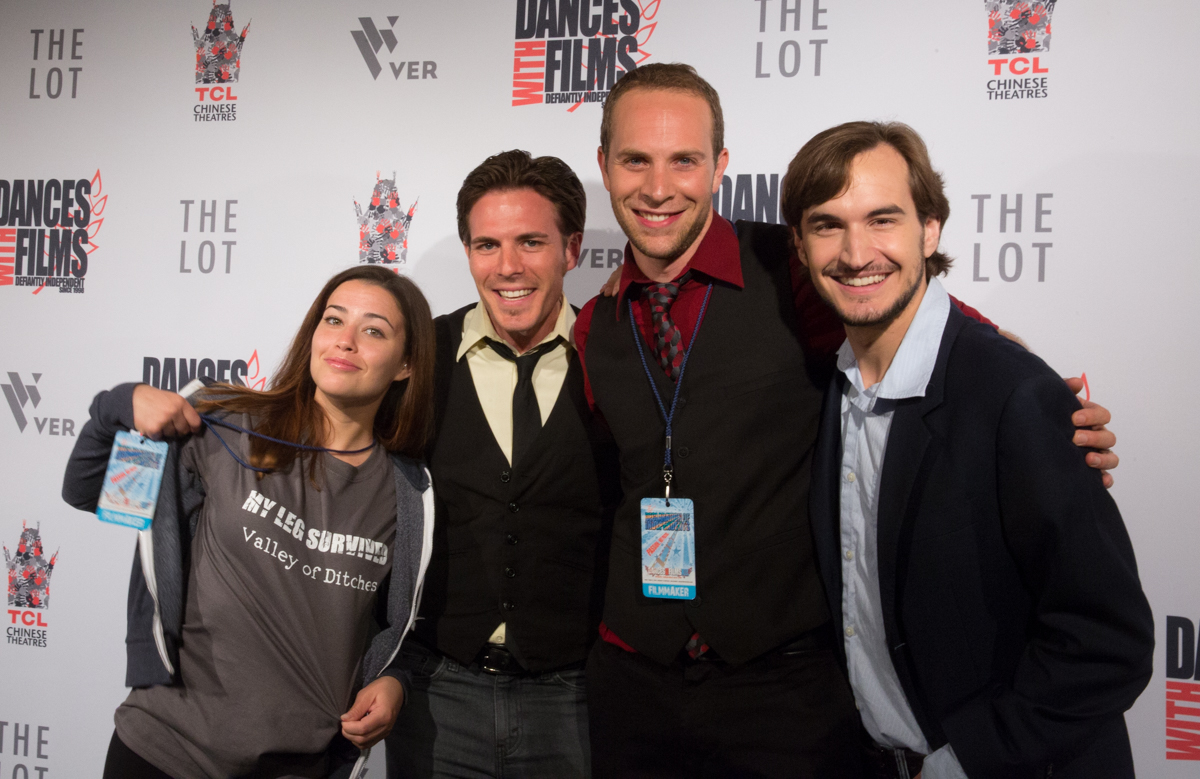
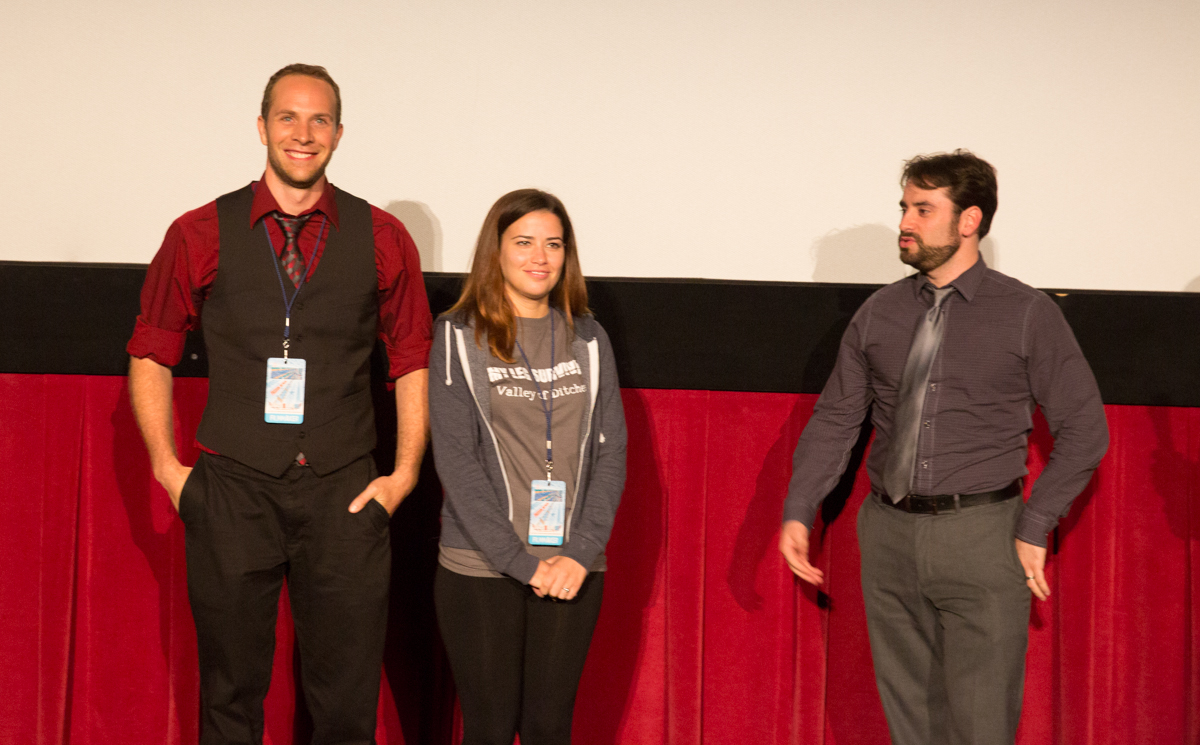
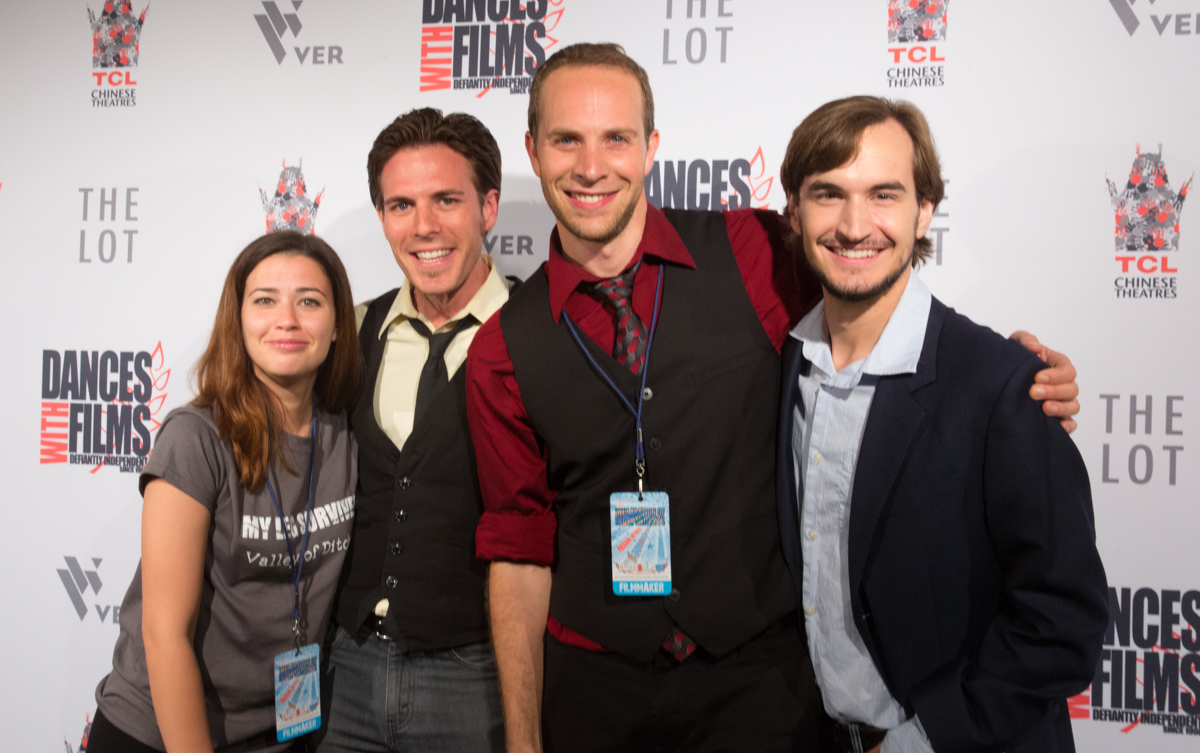
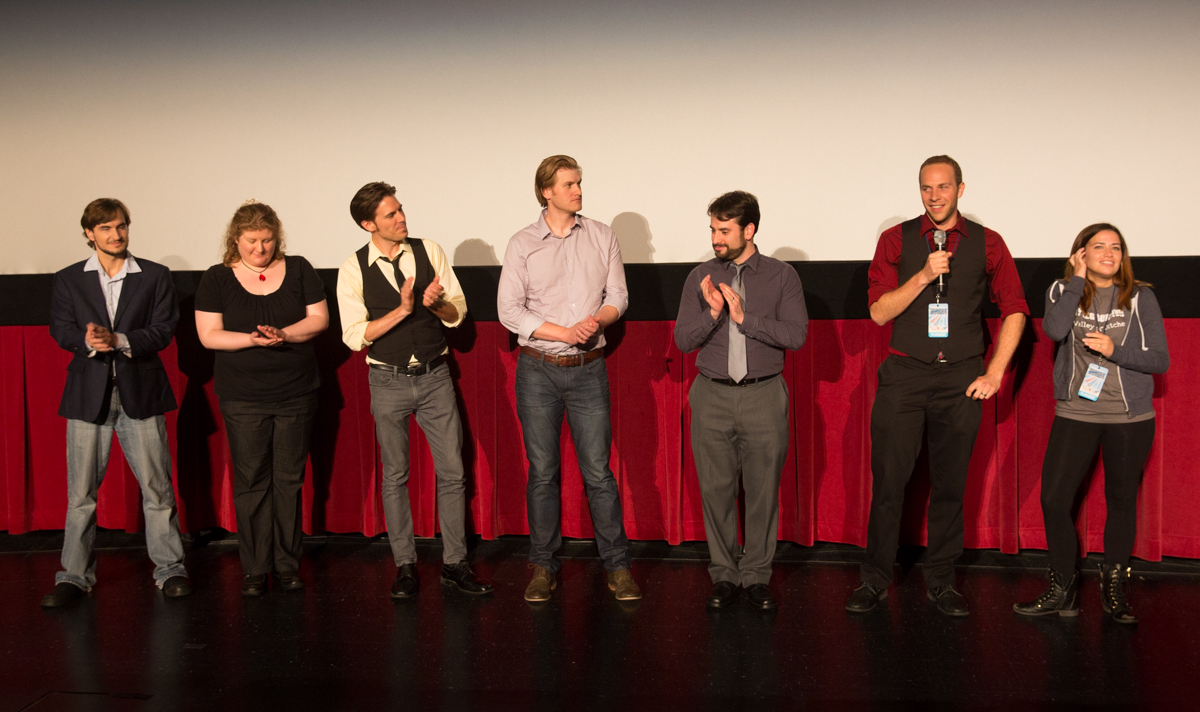
Cast and crew of Valley of Ditches, above.

Dances with Films continues with strong line-ups every day through the 12th.

Two horror/suspense films, Shortwave and Valley of Ditches captured our attention over the weekend.

F23C4993

Shortwave cast and crew above.

Shortwave made me scream and jump – the intense audio soundtrack, stunning camera moves, and sleek/modern contained interior setting brought chills and thrills.

F23C5012

Director/writer Ryan Gregory Phillips was “inspired by creepy sounds coming from the TV, and then the script was written in three days. We really wanted to do something like Ex Machina with our location. We wanted to make the setting real, but we wanted our characters trapped in the modernism, to create a real aura of claustrophobia,” he says.

One technique used was vasoline on the camera lens and diopter. “It allowed us to keep with the negative space, and create isolation in our shots.”

F23C5025

The New York state location is actually the director’s own home. “We built the lab in my garage in four days,” he relates.

F23C5020

He says the biggest challenge in the film was “having our characters express their loss, deal with the loss of their daughter in a meaningful way.” The story revolves around the sudden abduction of the daughter of a research scientist and his wife, aliens seeking contact, mysterious sounds on the shortwave radio, and the intensity of loss. “There’s a prequel and a sequel we’ve talked about,” Phillips says. “If this does well, you’ll see something even more screwed up than what was on screen this time.”

Juanita Ringeling as Isabel, the mom living with her loss day by day, gives an especially intense performance.

F23C5058

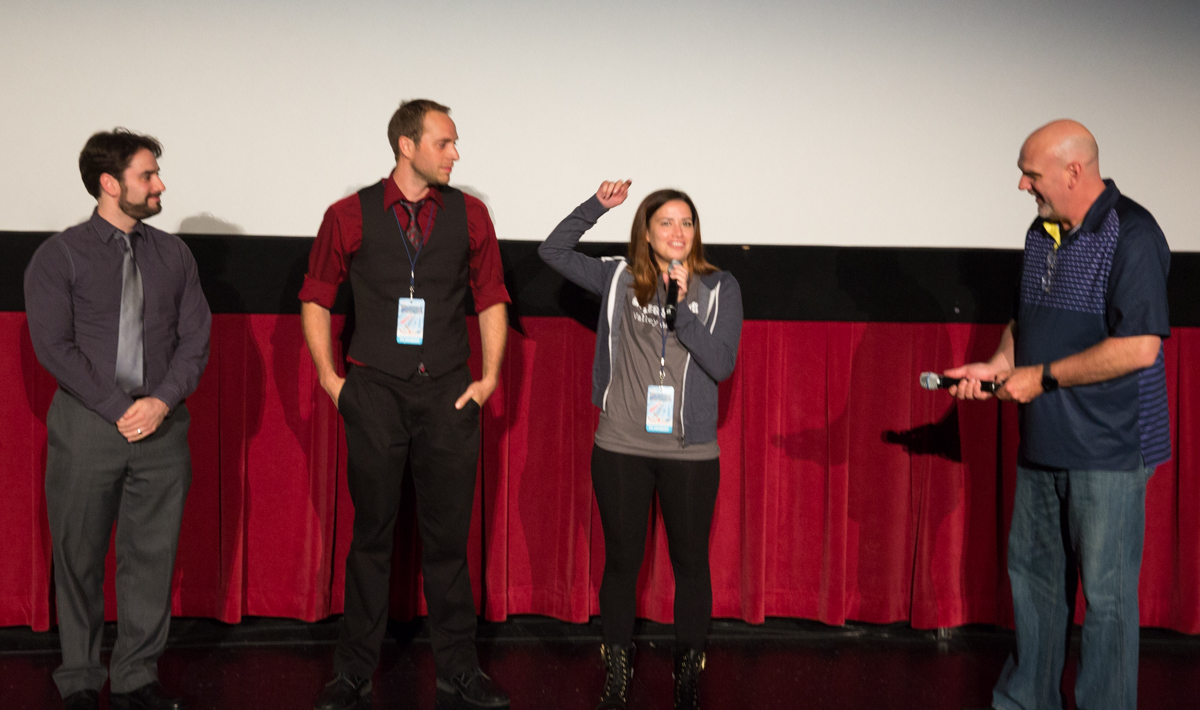
Cast and crew of Valley of Ditches, above.

Valley of Ditches served up a leaner take on horror than Shortwave, but an incredibly effective and beautifully intense one. Set in the desert of Joshua Tree, a girl and her boyfriend are abducted from their van, the boyfriend killed, the girl left for dead by the Bible-quoting madman who kidnapped her.

F23C5075

“Our logline,” director Christopher James Lang explains, “is a woman is left for dead and struggles to keep her sanity in a dark but accessible horror film. It’s an intensely personal struggle. We were trying to make a horror thriller that’s very accessible to general audiences.”

F23C5073

He and writer/star Amanda Todisco have succeeded, shooting over ten days using C300 digital. “It took us a year to edit. The film is having its world premiere at Dances with Films.”

Currently in talks with agents and distributors, the director should see good things ahead for this chilling, nail-biting film with a great third act twist.

F23C5063

“The project came about when Amanda and I were touring with our first feature, Our life in Make Believe, which is basically an uplifting road movie,” Lang states.  “We decided that working together, looking for something darker would have more impact.”

The two worked on the script together, with Lang passing his outline to Todisco.

She says “People told us that with no-name leads it would be easier to sell horror. So James did the outline, the story line, and sent it to me. I added all the weird religious stuff. I wanted to give Sean, the murderer, a reason for what he did. We found a great quote from Kings 2 in the Bible, and built our idea around that.”

F23C5087

While shooting in the desert presented it’s challenges according to cinematographer Jack Yan Chen, who stabbed his hand on a cactus, the setting “shaped the performances. Dealing with the elements was a great challenge, but the desert itself was really another character.”

“It was an amazing setting,” Lang adds.

Pacing and editing are intensely perfect; this is a simply terrific film that will have you looking over your shoulder all the way home.

Don’t have Dances with Films tickets yet? Get them now!


Director Joe Dante Shows Sierra Spirit

F23C3807

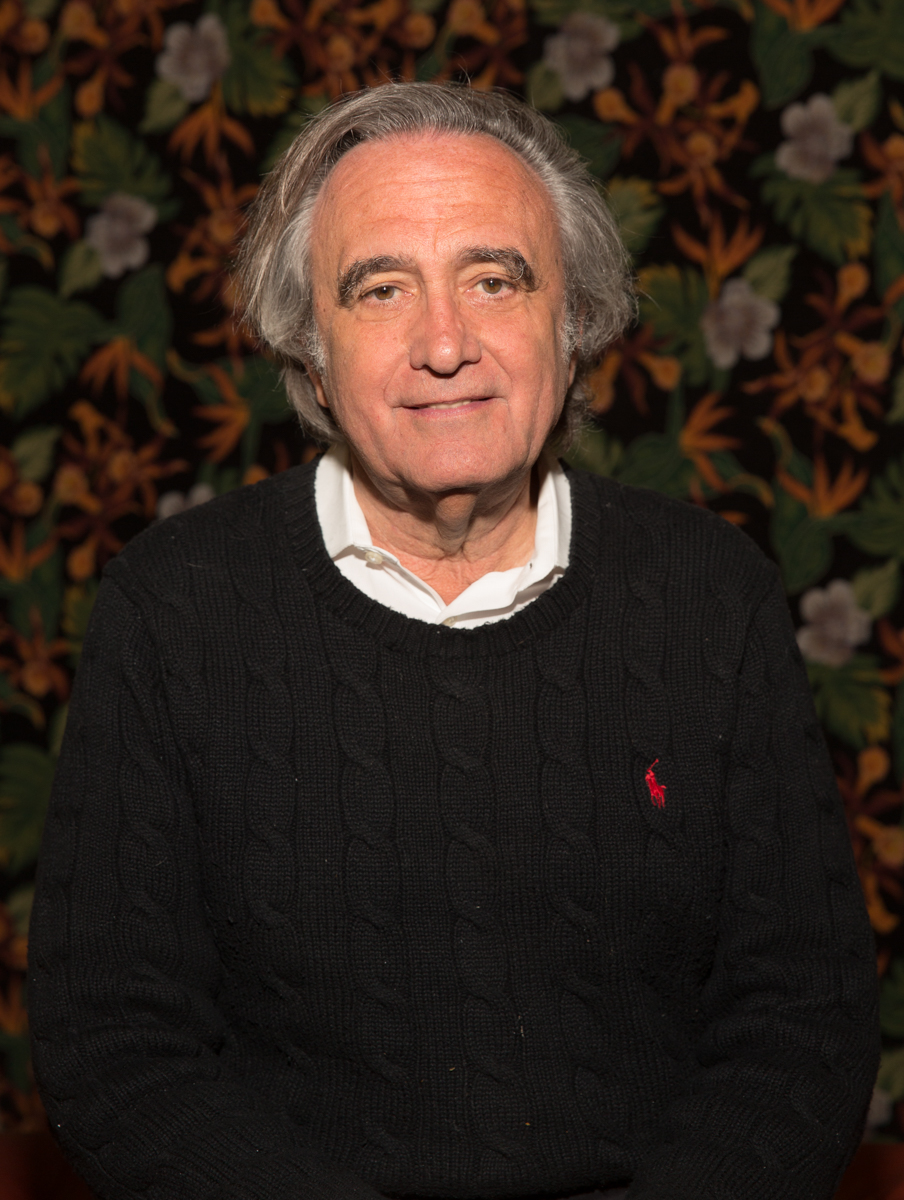
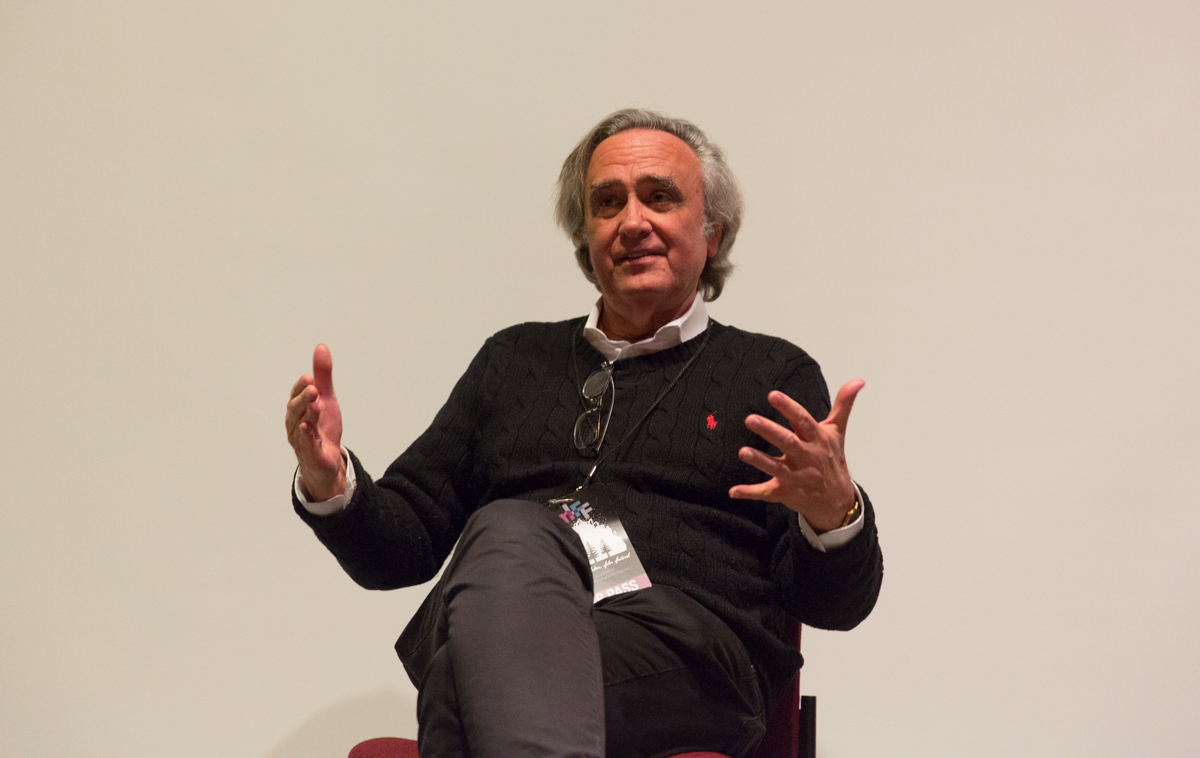
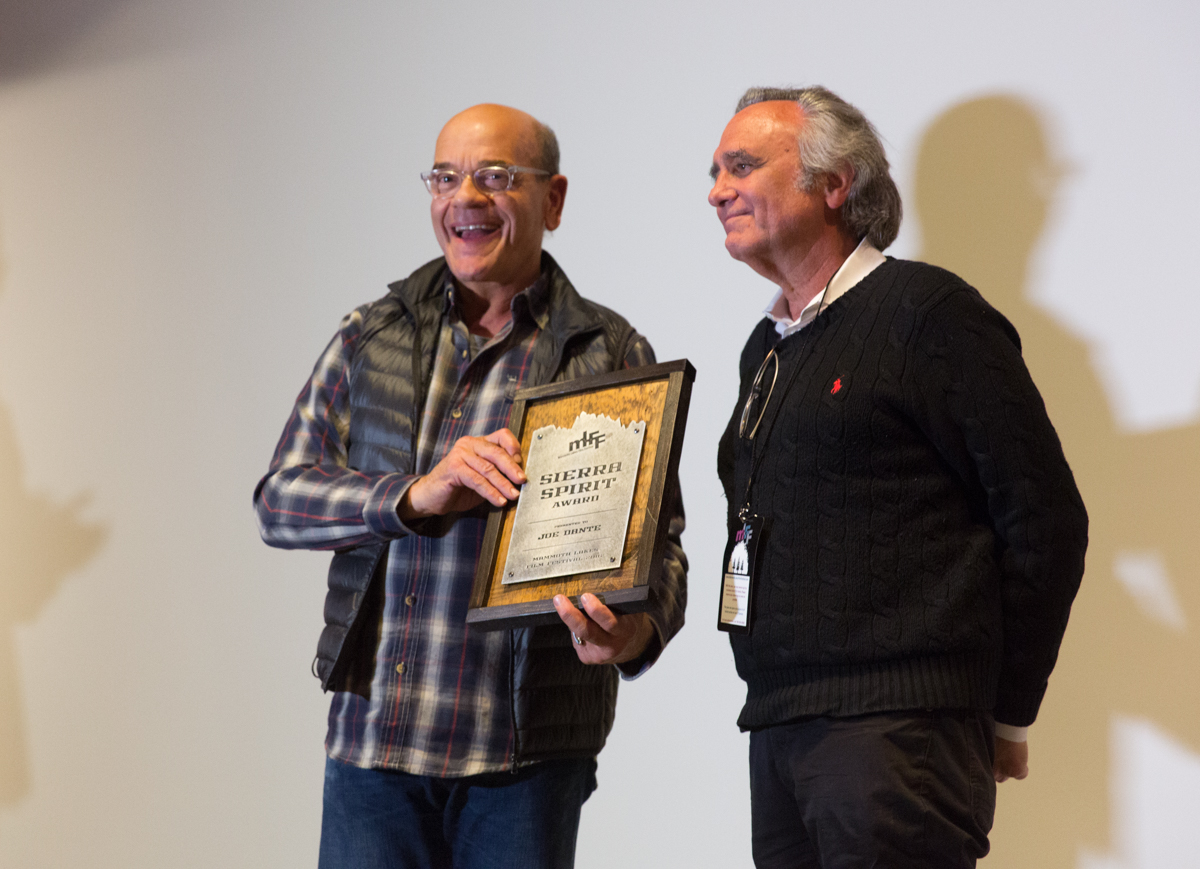
At the Mammoth Lakes Film Festival, held  May 25 through 29th, director Joe Dante (Gremlins, Innerspace) received the first annual Sierra Spirit Award. We interviewed Dante, learning about his past, his films, and his future plans.

F23C3886

What inspired the director to get started in filmmaking? His love of cinema of course.

“I wrote about movies, I watched movies. I never really thought I would end up making movies – I thought the process would be too hard. I remember seeing Lord of the Flies in New York in 1963. I saw it many times. I went back, and I counted the shots, and I thought, I can’t do that, it’s too hard, I’ll just write about movies,” he laughs.

Dante enjoyed his first job as a trade reviewer, but when friends moved to Los Angeles to work with Roger Corman, they encouraged him to join them.

“They said come out, see what you might like to do. So I did, and I started editing trailers. You really have to cut to the essentials with trailers. Some films were good, some weren’t, but the other trailer editor, Allan Arkush, and I both learned a lot from working on them all.”

F23C3878

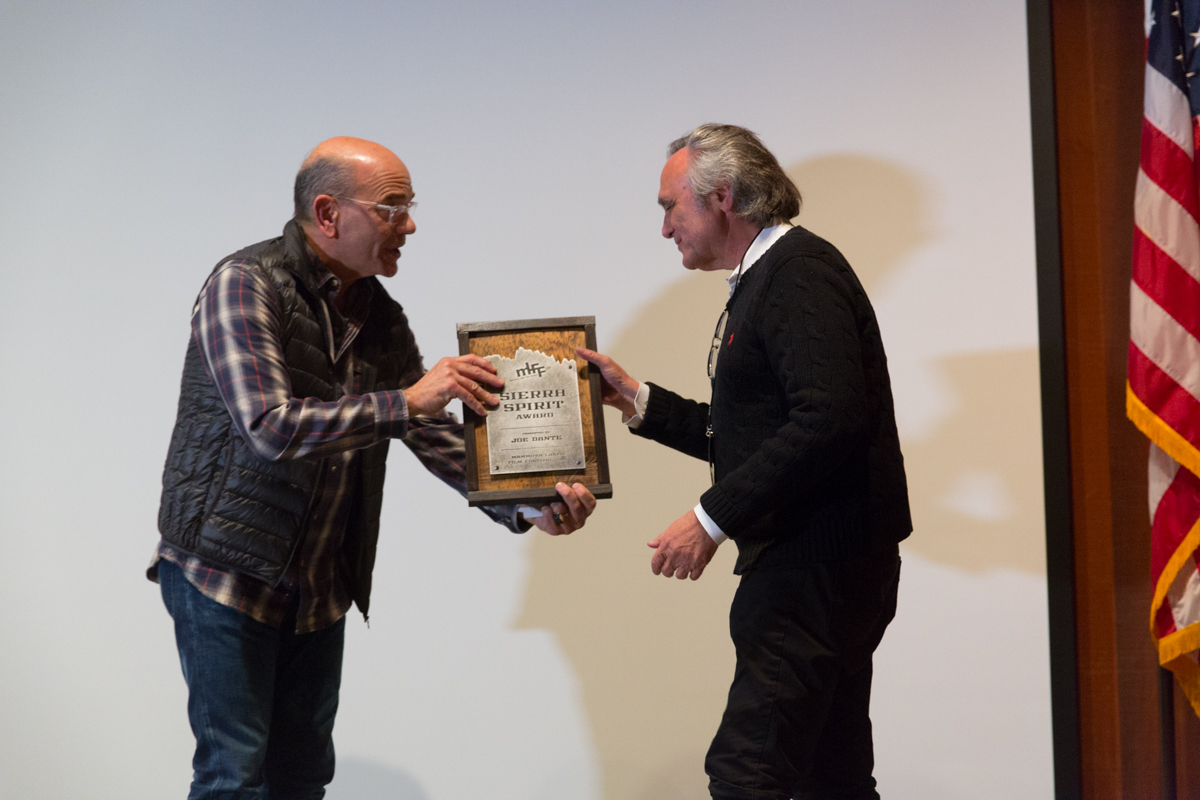
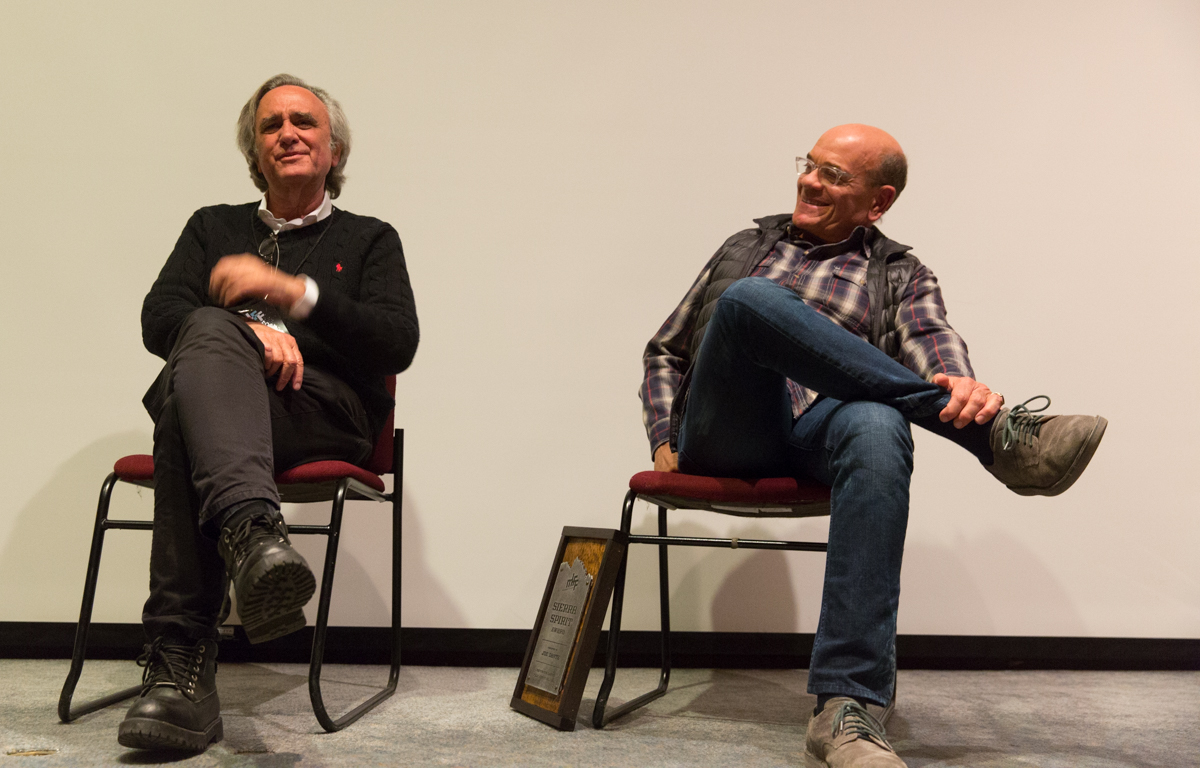
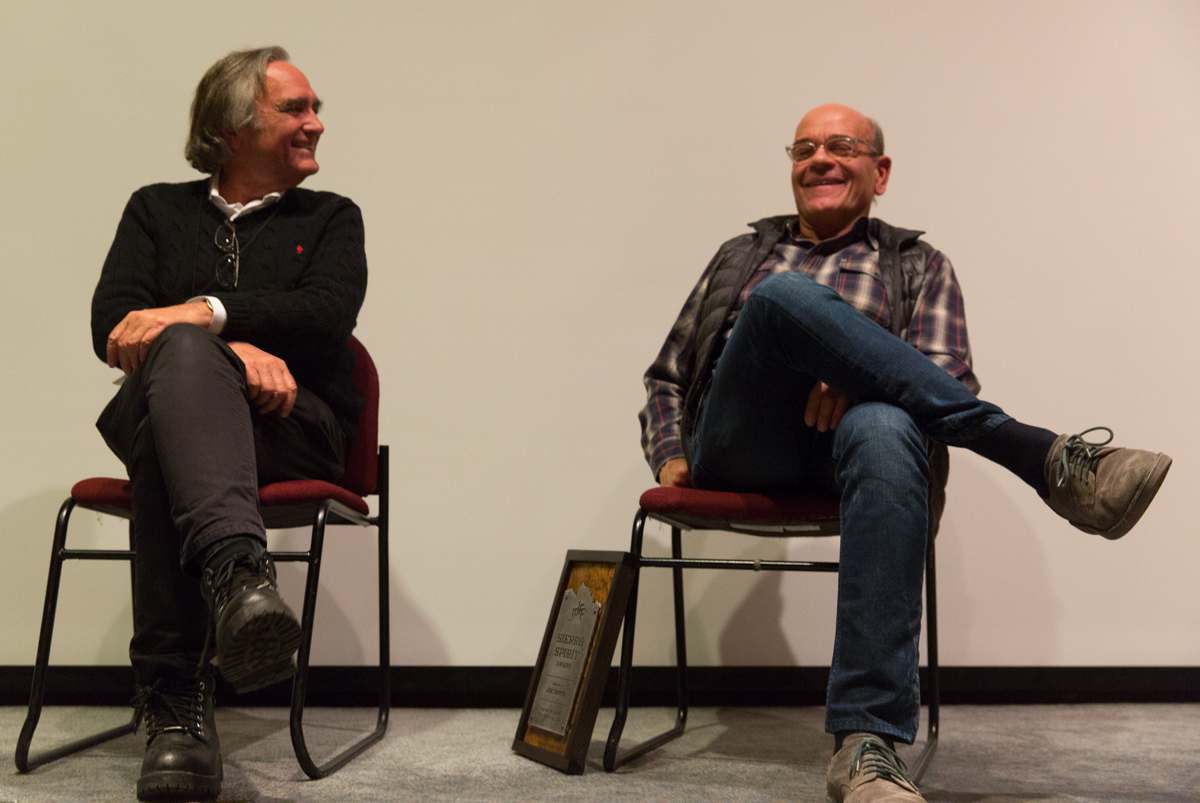
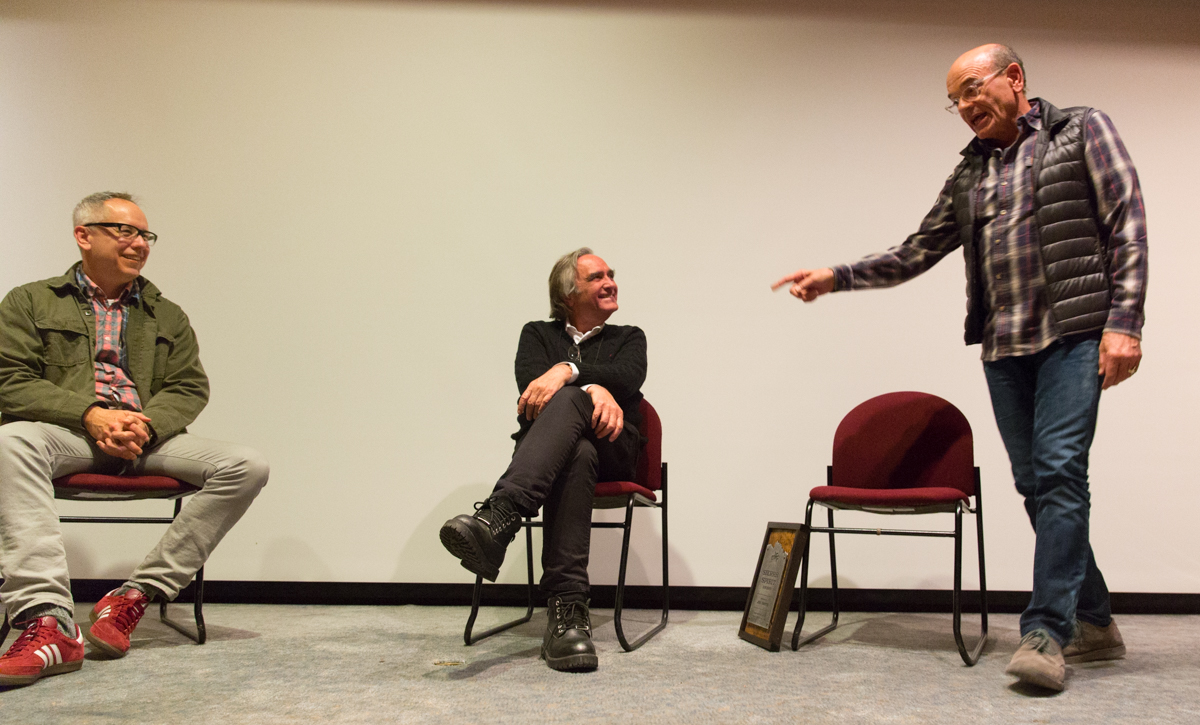
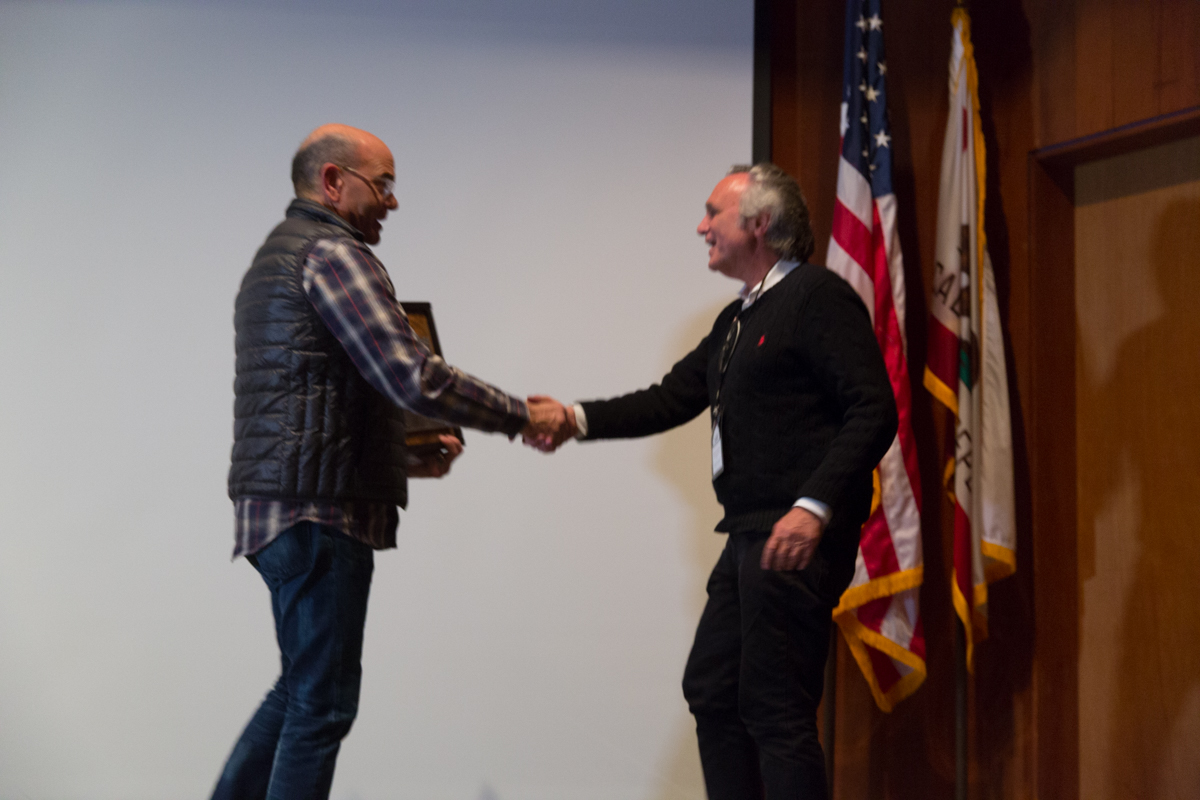
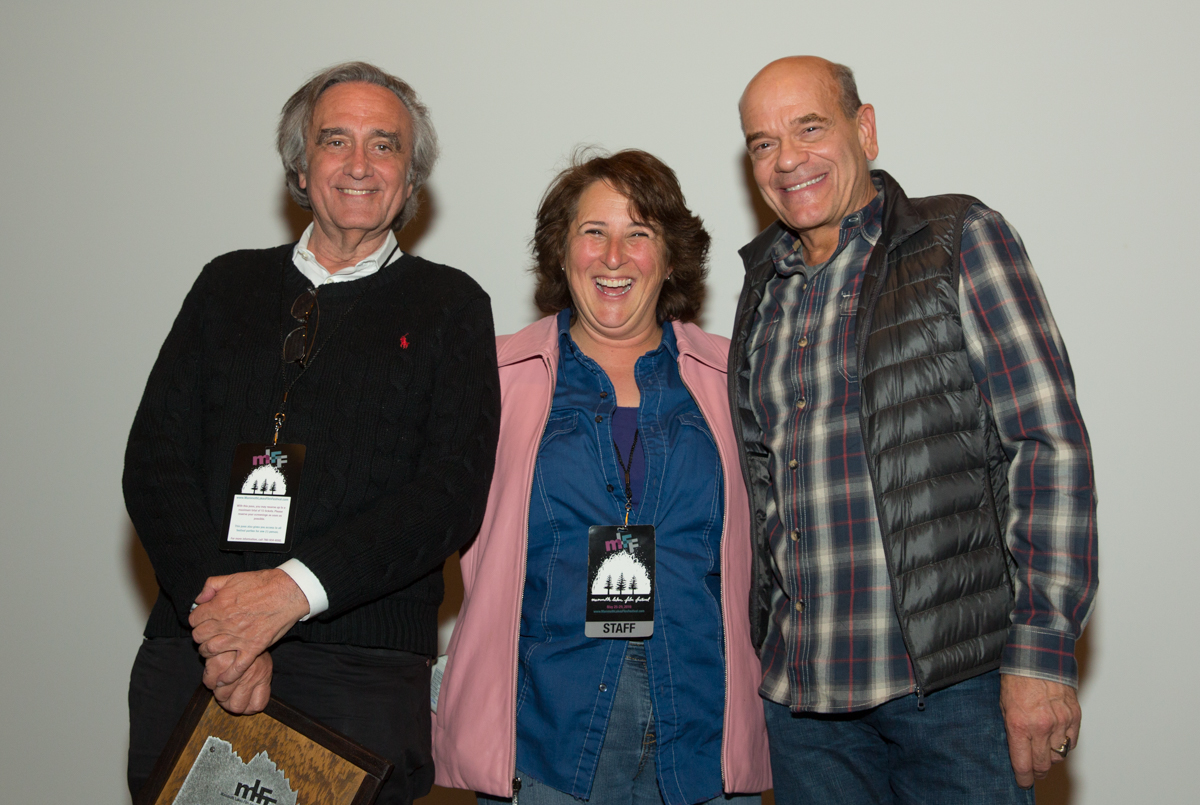
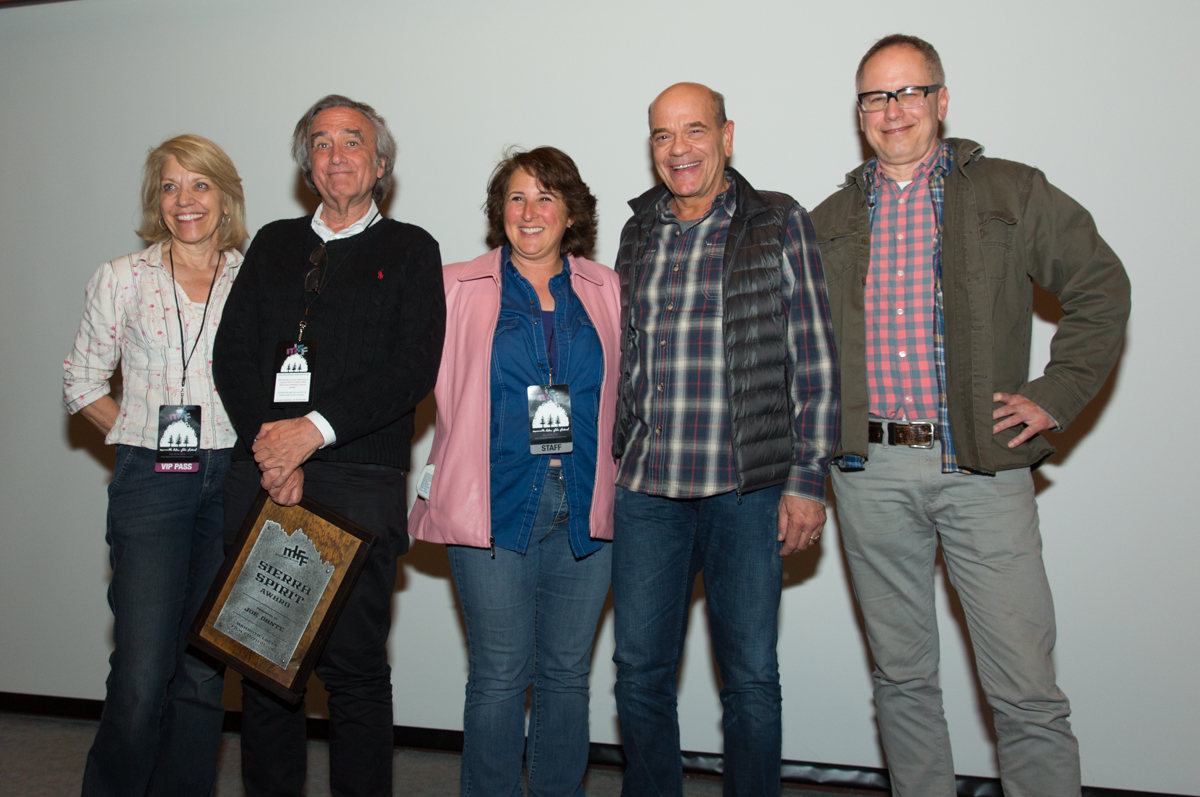
Above and below, Dante receives the Sierra Spirit Award from longtime friend and ensemble actor Robert Picardo, who hilarious played the role of “Cowboy” in Dante’s Innerspace.

F23C3873

Eventually, Dante and Arkush asked to make their own film. They decided on the title Hollywood Boulevard, and put together a film that followed the iconic formula of many of Corman’s genre pictures at the time. The script riffed on the “three girls” formula popular at the time.

“We made our three girls starlets as opposed to nurses and teachers. But all the films basically it was three girls having adventures and taking their clothes off. Making them starlets, we could use existing action footage from disparate trailers, jungle settings, Bonnie and Clyde type settings, sci fi, we had actions scenes for all of that. We wrote the story around the stock footage we had access too, and basically cast our three girls in each of these types of film. It ended up being a pretty accurate depiction of being a starlet and making movies in the 70s,” he recalls.

F23C3882

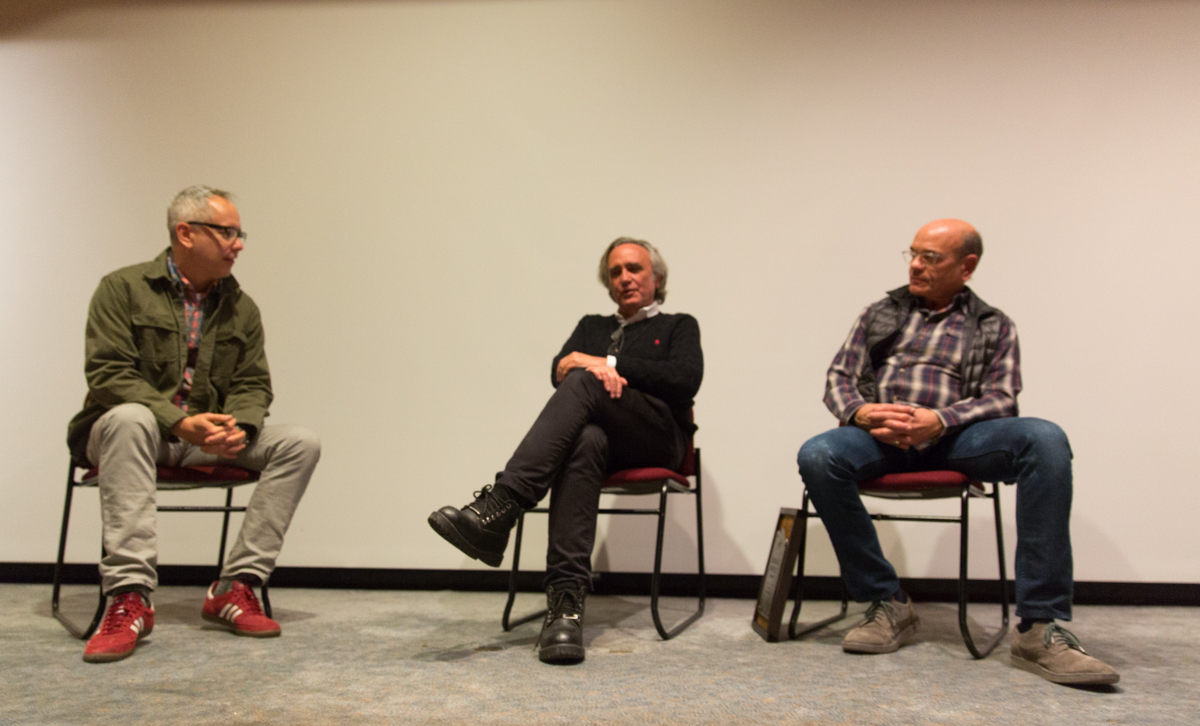
Above, Dante chats after receiving his award with Robert Picardo and festival programmer Paul Sbrizzi.

Although the film had a limited release – “just another movie thrown out into the drive-in world,” Dante says – later it was considered to have a “certain charm. But it’s so politically incorrect it’s embarrassing.”

But without having crafted the film, Dante says he wouldn’t be talking to us today.

F23C3895

“We went back to editing, but the trailers improved because Roger was distributing some quality films by directors like Fellini and François Truffaut,” Dante relates. “We wanted to make more films ourselves. Two projects came up: Piranha, and Rock n’ Roll High School. I preferred the latter, but Allan wanted that project, so I got Piranha.”

Piranha marked the real start of Dante’s career.

F23C3911

“It came to me as not very good script, but John Sayles was one of the talented young people on Corman’s short list. He was hired to rewrite it, and added a lot of satire to it and some political angles, both of which pleased me. We made a somewhat unexpected take on what would’ve been a drive-in movie exploitation film otherwise. It kind of got me noticed,” Dante says self-deprecatingly.

Dante has had a recent series, Splatter, produced for Netflix, and he says the film industry itself has changed; he prefers to come up with his own ideas and projects and work on his own funding. “Things are so different today. No one comes to you with a script and says let’s make this movie. They come up with a project, and if you’re interested you become attached to it while they try to raise money for it using your name. You spend more time begging for money than you do filmmaking.”

F23C3923

Regardless of how the process has changed, Dante lives, breathes, and loves movies, calling the movie-going experience itself a spiritual one.

His filmmaking sensibility is finely honed. “Writing reviews in the late sixties and 70s , I covered such a cross-section of films, even porno films. I had a really good handle on the business, I didn’t even realize I’d put away as much knowledge about the movies as I had, and it really helped me in Hollywood.”

F23C3869

His magazine writing also contributed to the respect Dante shows to his writers. He’s well known for providing remuneration in the form of a small on-screen part simply to get the writer on-set.

“It started with Piranha. I wanted John Sayles on the set to work things into the script that I’d found when we were scouting locations. I like to have the writer around, and the only way to get them on location is to give them a part.  It’s important to have the writer there to rework or add to a script. If it ain’t on the page, it ain’t on the stage,” Dante asserts. “With Piranha, we used a ‘resort’ called Aquarena Springs. There were dancing chickens, and Ralph the Swimming Swine as a part of the attraction. I wanted Sayles to add the location into the script, so I brought him down to our location.”

With many of Dante’s films depicting fantastical elements – such as the miniaturization premise of Innerspace, which screened at the festival as part of the tribute to Dante,  we asked what the director would do now when it comes to such elements.

“It’s difficult to do something like that now,” Dante ruminates. “Everything has been done really, including self-aware movies like Scream, that have highlighted all the cliches. It’s hard to come up with something new and still give the audience the kind of genre film they want to see. There’s a limit to how far you can go off the beaten track,” he notes.

He cites Cabin in the Woods as an example of a film in which “they turned audience expectations on their head, but that’s tricky to pull off, although the audience gets more for their money so to speak. Still, that script sat on the shelf for three years before it was produced.”

One aspect that affects filmmaking today most strongly, Dante believes, is the use of technology, from drone shots to CGI, which the director didn’t have when he crafted Innerspace. Instead, he relied on actors, a witty script, and techniques from well-crafted models to break-away clothing to handle the action. “Today, technology is the tail that’s now wagging the dog,” he says. “It’s the reason we get the movies we do, in order to utilize it.”

F23C3938

Above, Dante, Festival Director Shira Dubrovner, and actor Robert Picardo.

As to Innerspace, even without today’s technology, the story holds up, the script is bright and fast paced, and the limited effects used still play well without looking dated. “It works,” Dante attests. “The comedy holds up. Originally they wanted it to be a straight spy movie, but I thought it was too silly.  So it became a comedy.”

F23C3947

A comedy like much of Dante’s work, which has stood the tests of time and technology, reflecting the director’s intelligence and creativity and entertaining generations of film goers.

  • Genie Davis; All Photos: Jack Burke


Once in a Buddymoon: Hilarious and Fresh Comedy

F23C4315

One of our favorite films at the Mammoth Lake Films Festival – and the audience award winner for best narrative – Buddymoon will be coming to theaters and digital media (iTunes, Amazon) July 1st. One of the freshest buddy comedies we’ve seen in years, this sweet tale of friendship and priorities unfolds in the nature of the Oregon woods.

F23C4302

Above, Simmons with the film’s Audience Award trophy, Borg, and the author.

DiversionsLA had the chance to interview director Alex Simmons and co-star Flula Borg about the film, their friendship, and more.

F23C3788

According to Simmons, the film came about because Simmons, Borg, and the film’s other lead, David Giuntoli, lived in LA as roommates a number of years back. “We always wanted to make a movie, but it seemed unrealistic. We had our lives and careers that got in the way, and Dave moved to Portland to work on Grimm. But magically, we all had three weeks free two years ago and we thought that if we didn’t make a movie in that time it wouldn’t ever happen.”

F23C3789

Still, there were obstacles: “We had no script, no other talent, no money  – we just knew instinctively it wouldn’t happen if we waited, so we reverse engineered it. We had two months to prep, including story outlining,” Simmons relates, most of which fell on his shoulders.

Borg says “I was in New Orleans working on Pitch Perfect 2. All I can say is that Alex is the most talented juggler outside of Cirque de Soleil. He juggled all the balls with this film.”

F23C3837

Juggler or not, other issues cropped up: Giuntoli’s shooting schedule changed, and Borg’s extended. They both suggested the film be postponed, but Simmons says “I was delusional enough to push everyone forward.”

With such a hectic pace, Borg notes “The night before we shot, we would write the scenes because we had so little time, the final script was really still overall an outline.”

“Editing saved us,” Simmons laughs.  “Basically,  we knew we had to shoot in Oregon because that’s where Dave was; we decided we should shoot outdoors, because we didn’t have time for complicated lighting set ups, so that piggy backed into our story about two friends hiking. It was very practical, and our creative limitations were a benefit, not a hindrance, in the end.”

“But we had a lot of boundaries to keep,” Borg adds.

“It was kind of like if had been making lasagna, and I discovered I only had a few veggies and a cheese I never ate before – with those limitations, you hope you might come up with something great anyway,” Simmons asserts.

Borg agrees. “Even if you had no pasta or stove, you still have to cook the lasagna and make it delicious.”

Simmons continues the analogy. “It was like a no-bake lasagna – you have to try a short cut, something new like that, in order to finish what you’re making.”

Shot on a miniscule budget – “Our budget was one lasagna versus 45 million lasagnas for a studio film,” says Borg – on a Canon C 500,  the film was self-funded through savings and credit cards.

F23C3843

Above, film festival programmer Paul Sbrizzi, Simmons – with the film’s “Honey Buddies” T-shirt, and Borg. 

Although the film shoot was a brisk ten days, Simmons edited the project over a two year period.

“Editing the film myself was a great lesson. You see what you did wrong and what you did right. I literally cried at 4 a.m. up against a deadline, but it’s something you should do once, like running a marathon. People may ask you if you’ve run a marathon and then you can say you have. They usually don’t ask if you ran it twice – once is usually enough,”  Simmons says. “Editing was like that.”

“I should never run a marathon,” Borg adds.

When the editing was complete, the group’s expectations for the project were low.

“We were surprised and felt as if we have won four thousand consecutive jackpots when we were first accepted at Slamdance and then this sassy Mammoth Lakes Film Festival,” Borg laughs.

Simmons started a Facebook and Instagram page to support the film, which has now found distribution through MGM Orion and Gravitas.

“I was especially excited,” Borg reports. “I saw the Orion logo before so many of my favorite films, like Robocop. It’s like we had one nickle to bet in a casino and we won fifteen cheeseburgers and that lasagna, of course.”

While the rewards – and awards – the team are reaping are exciting, the trio’s friendship continues to be a driving force.

F23C3826

“What I hope shows when you see the movie is that we are all best friends, and the friendship comes through. It’s hard to fake that. There’s an honesty in friendship, it’s not always the easiest thing. There are peaks and valleys.”

And what does the future hold?

“We’ve already shot another film, Johnny Fist,” Simmons explains. “It’s a documentary about Flula making a movie, a western called Johnny Fist, and trying to enter it in Sundance. We shot it between Los Angeles and Park City last year, and are in editing now. It’s more about the journey and the experience of making the film – it’s not a spoiler to say we did not get into Sundance.”

F23C3793

The Buddymoon team is also pitching other shows, separately and together, and we have little doubt that whatever their next project, it’s going to delight.

Look for Buddymoon July 1st and see if you don’t agree.

F23C4189

Above, Borg, Simmons, and award presenter, actor Robert Picardo 

  • Genie Davis; All Photos: Jack Burke