
Randi Matushevitz Rocks Her World

Randi 1

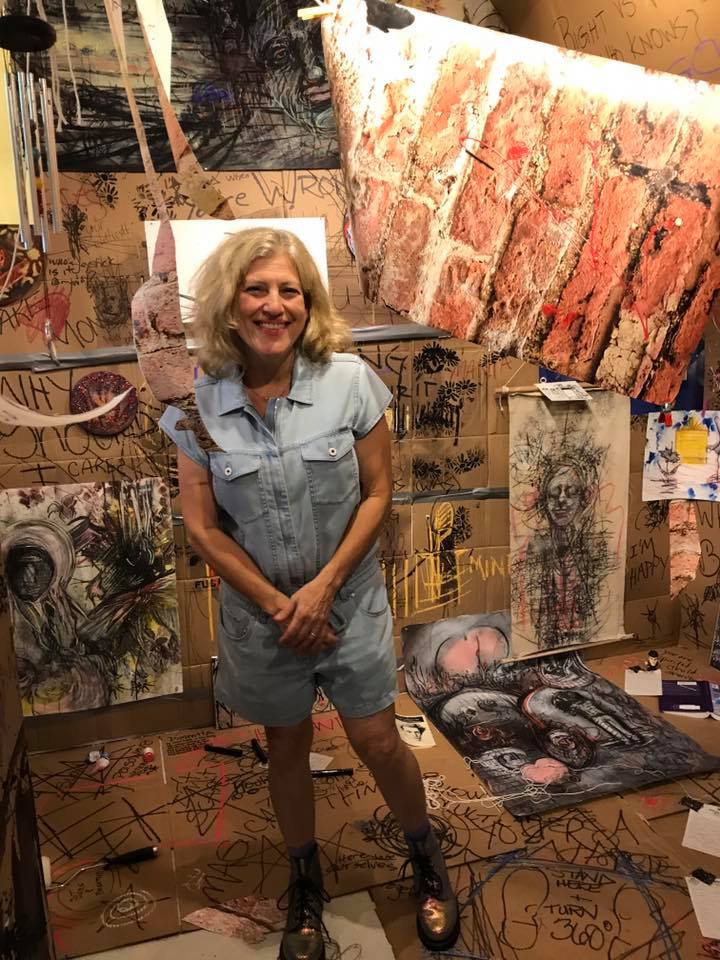
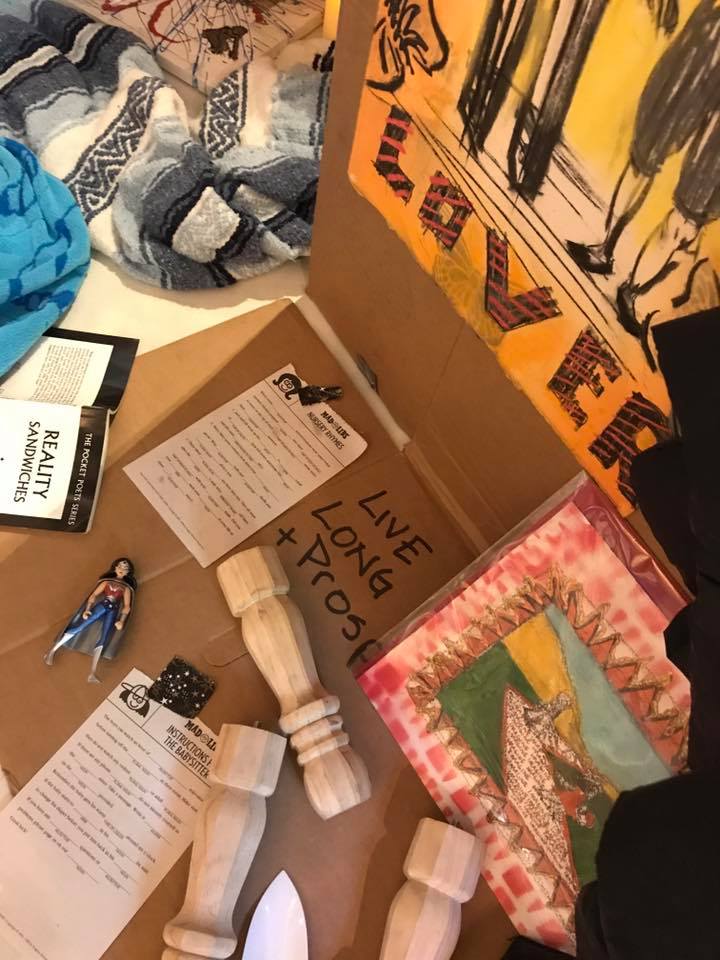
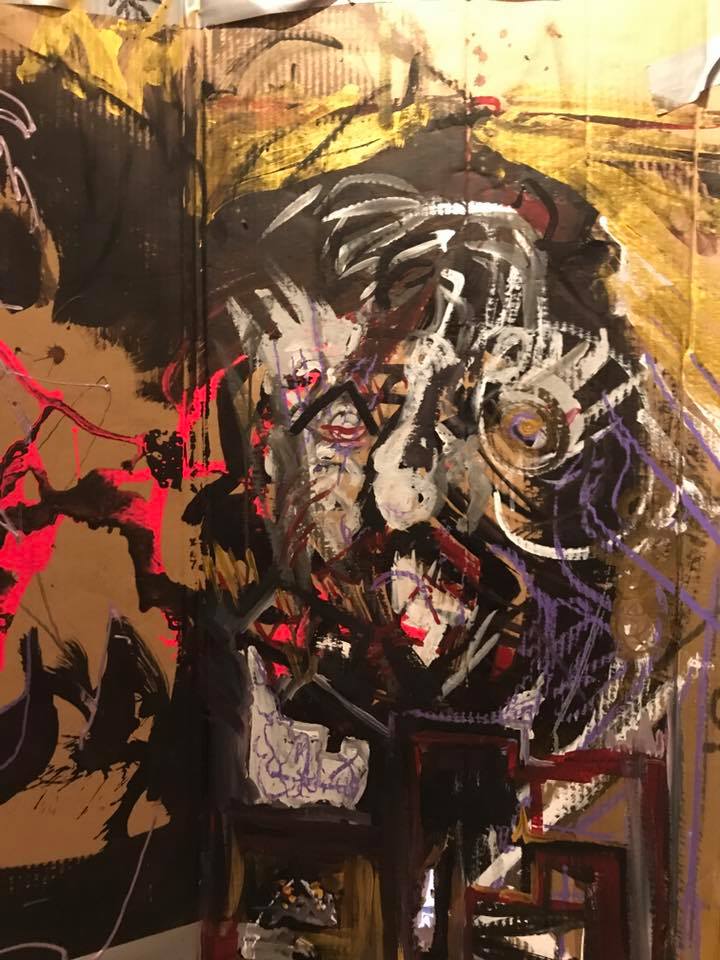
Randi Matushevitz’ recent residency at Shoebox Projects invited viewers into an installation that was it’s own world. Like many of the artist’s recent works, her images here were layered, socio-political, filled with the energy of our times. “My images explore the psychological dichotomies of dark and light, the tension of anxiety and fear, and the quietude of contentedness and assurance,” Matushevitz remarks.
Randi 14

Her work is designed to immerse her viewers in a reality they may usually refuse to acknowledge, to draw them into a visceral conversation about “the fact that many of us live in a state of illusion, where entitlement, safety and security are only a barrier to hide the disparity and inhumanity that others live.”
randi 12

The haves, the have nots. How many of us have what we really want? How many of us appreciate what we have? How many of us walk in the shoes, sleep in the bed, see through the eyes of those who have little or who tread a thin line between the comforts of home and hearth and the cold of the streets.
Randi 10

“The goal of my Shoebox Projects Residency was to find the thread that runs through all of my art projects. I connected this residency to my previous installation Conundrum, thinking about cultural fear,” she relates.  “I began with the horrors of homelessness and looked deeper into the darkness of the other, the invisible, and illusions of safety to find that I am interested in pointing to the connective tissue of being human, without race, gender or culture.”
Randi 4

As she worked, however, she says her sense of purpose and the strong linear poetry that suffuses her work, both shifted.

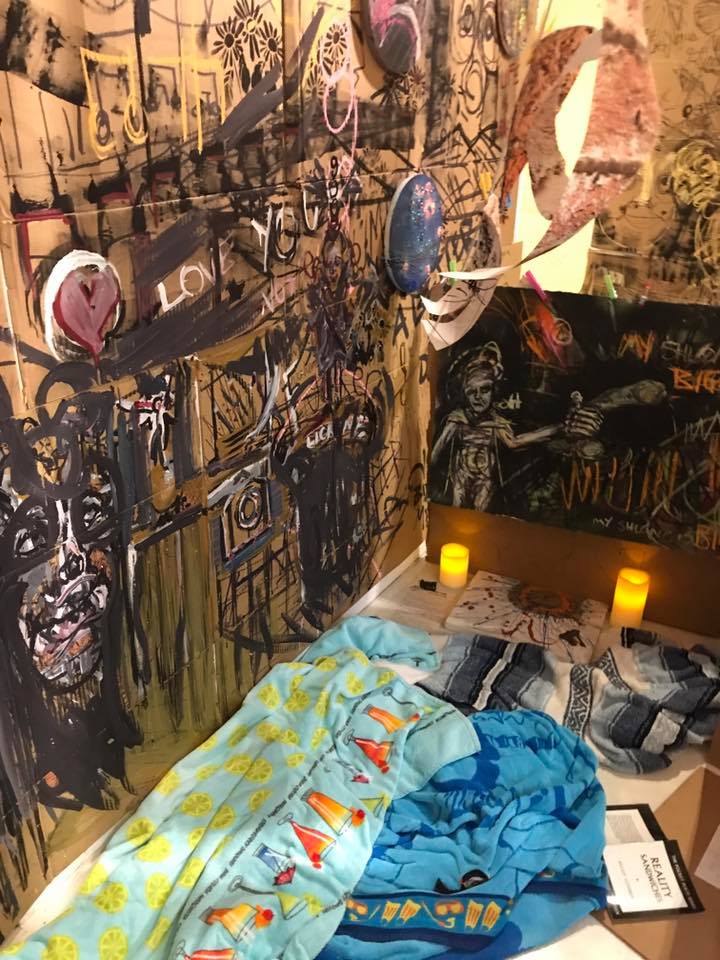
“My ideas evolved as I had real and hard conversations, the tent, my shelter, became a space where all thoughts co-exist. I realized the crux of my artwork is, and has been, to point to human equity. ”

So rather than depicting a habitation that was outside many viewers experience, she dug deeper into something more inclusive, yet riven with intense hope and dread.
Randi 8

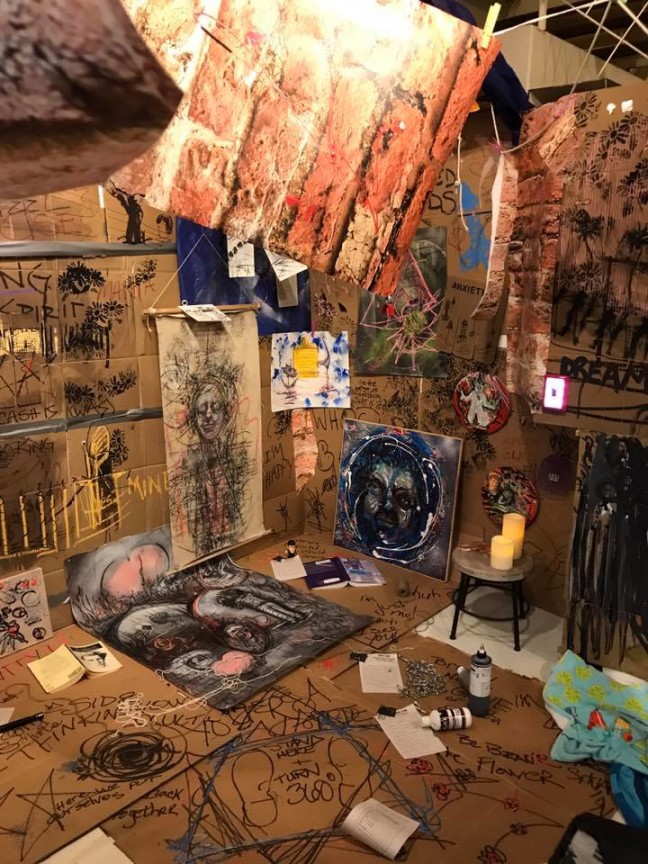
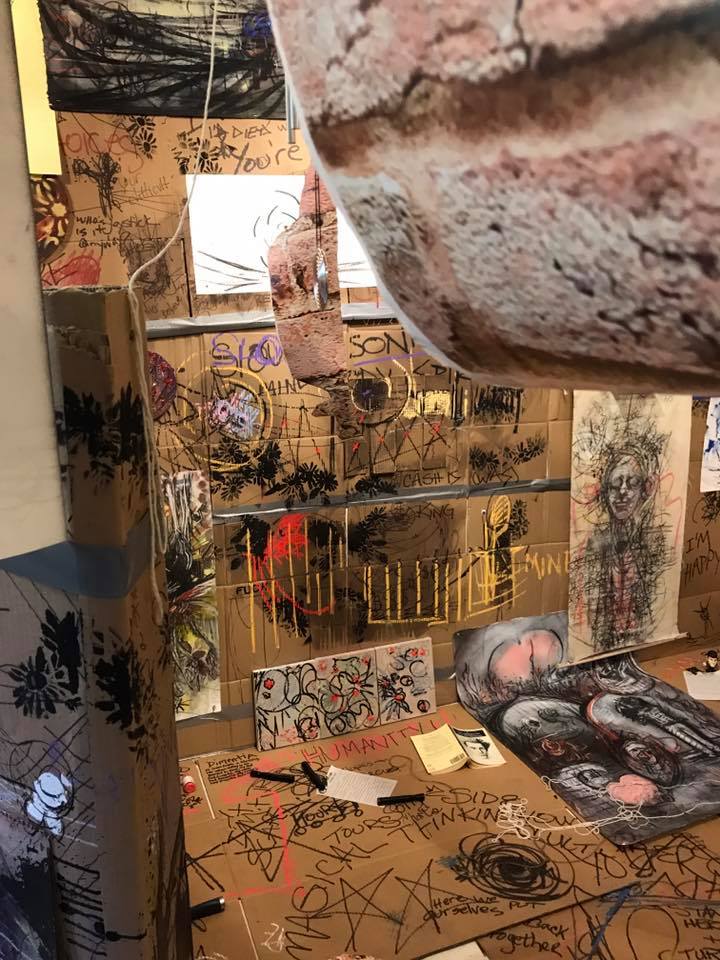
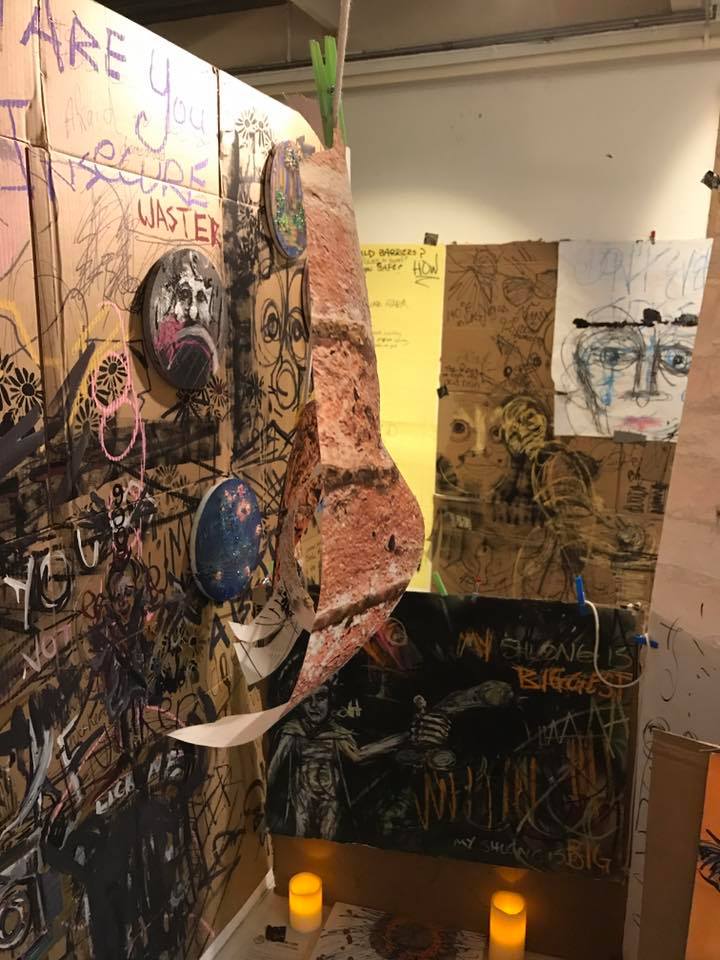
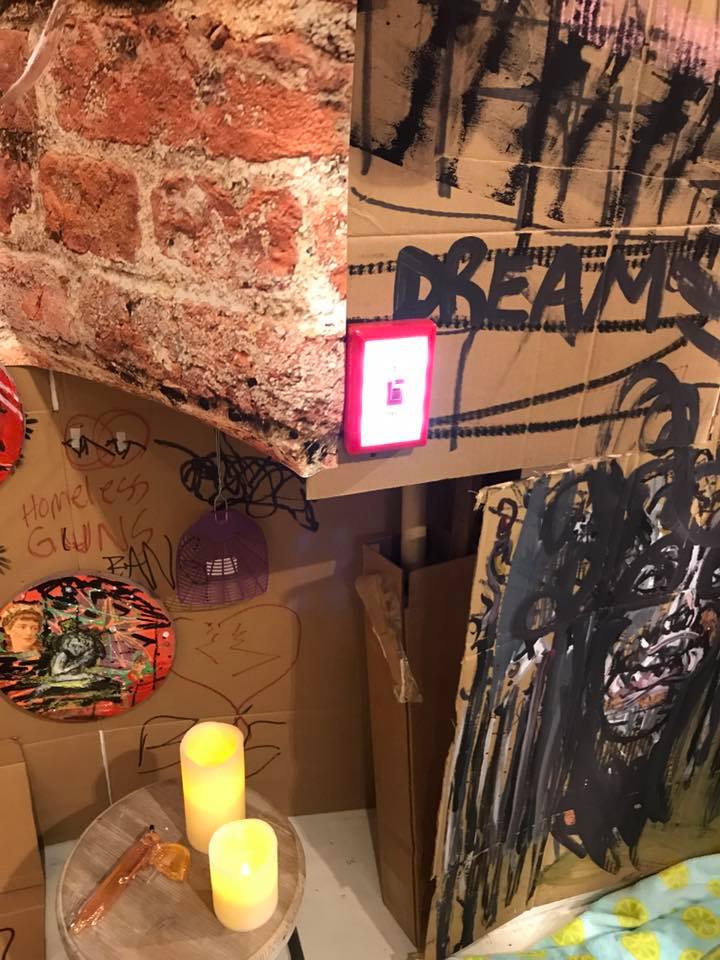
“I created this space, where the coexistence of all thought exists, contrarian and temporary, to reflect the nature of life itself.  This space is fragile yet strong. It has been constructed, deconstructed and re-organized from cardboard, wallpaper, string, clamps, personal ephemera and phrases that represent the emotional and contrary inner workings of our minds.”
Randi 3

Matushevitz’ process in creating it  was dynamic and highly visceral. “I cut, punctured, tore, only to tie and clamp the fragments back together.  The divisions mimic the physical, social and psychological walls that often divide and separate community and individuals; only to counter these barriers with ideas of commonality, safety, love and joy.”

The most overriding sensation in viewing this installation was of being deeply involved in the world she created.

Randi 5

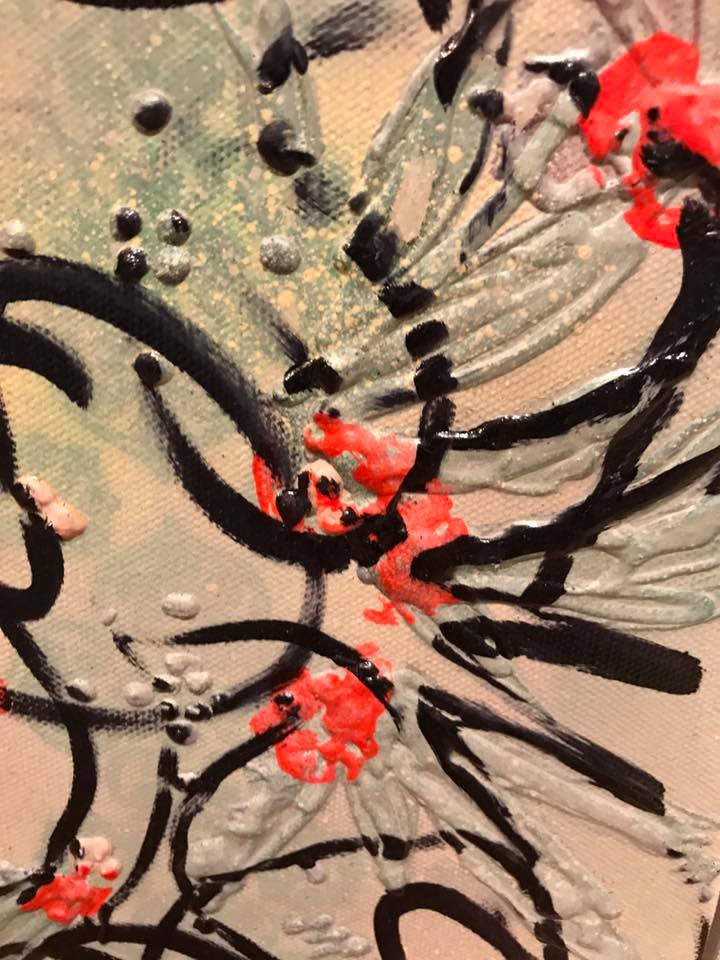
“This work is my first to focus on viewer engagement. The viewer is prompted to walk through, sit in, add images or phrases to the whole, to recognize shared human experience.”
Randi 6

Matushevitz succeeded entirely, and this is just the beginning of this particular body of her work.
Randi 2
“I am continuing to build upon the experiences of this residency, by creating more spaces for human engagement,  make objects that point to complicated space and contrary experience,” she explains.
While Matushevitz’ next project is a group show in Berlin scheduled for the Fall of 2018  – in conjunction with Enter Art Foundation in Berlin – expect to see more of her work in LA, and to live the viewing experience.
– Genie Davis; Photos: Genie Davis

Obligatory Privacy Notice


On Friday May 25 2018, the new General Data Protection Regulation (GDPR) will come into effect. DiversionsLA is updating its privacy policy to comply with the new GDPR standards.

If you want to keep hearing from us, you don’t need to do anything! We will continue to contact you with relevant news and updates. To unsubscribe from our list at any time, you can click unsubscribe at the bottom of this blog.


Redemption and Rebirth: Susan Lizotte and Trine Churchill Opening at Castelli Art Space

trine show

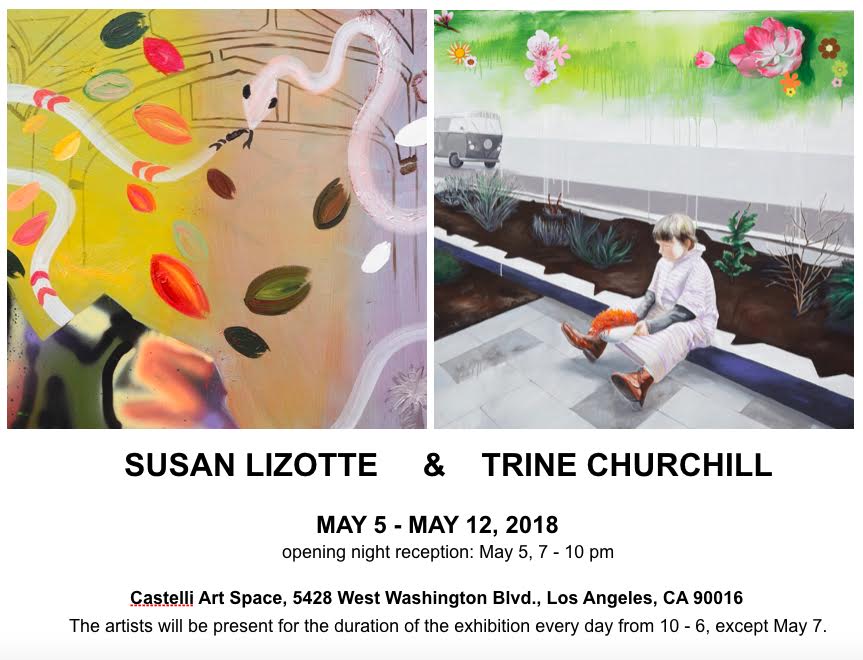
Opening at Castelli Art Space this Saturday, artists Susan Lizotte and Trine Churchill offer two dynamic solo shows running through May 12th.

SusanandSnakesSeasons

Lizotte’s New Work and Churchill’s The Woodstock Landscape are both singularly beautiful shows, each using palettes that vibrate with color and light. And, each have another element that makes this pairing special: emotional resonance.

Unitled(SmallFourSeasons)_EachCanvas18x12inches

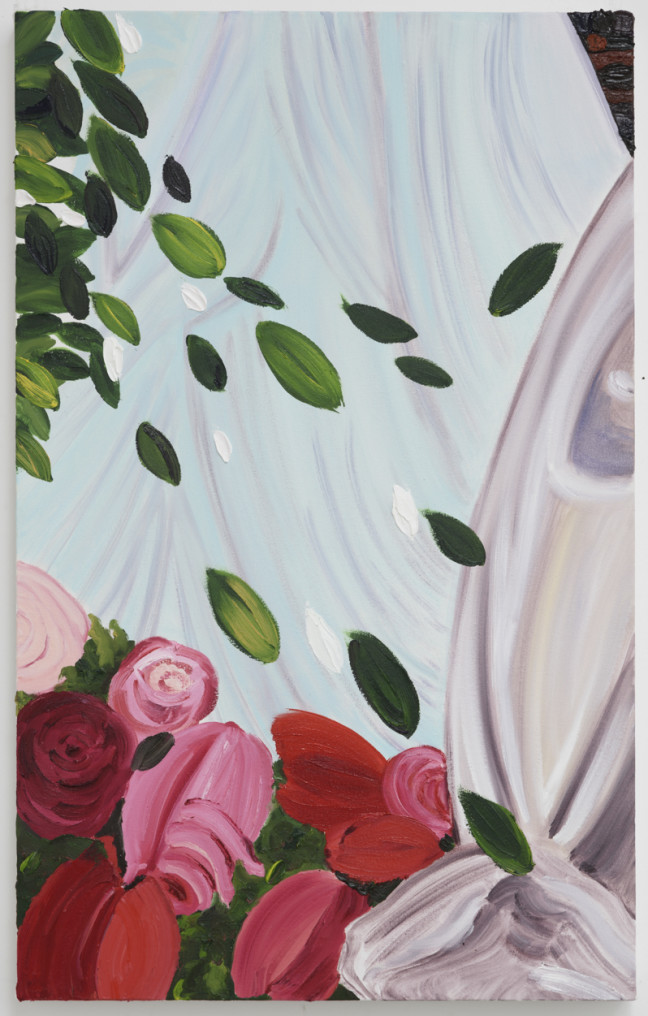
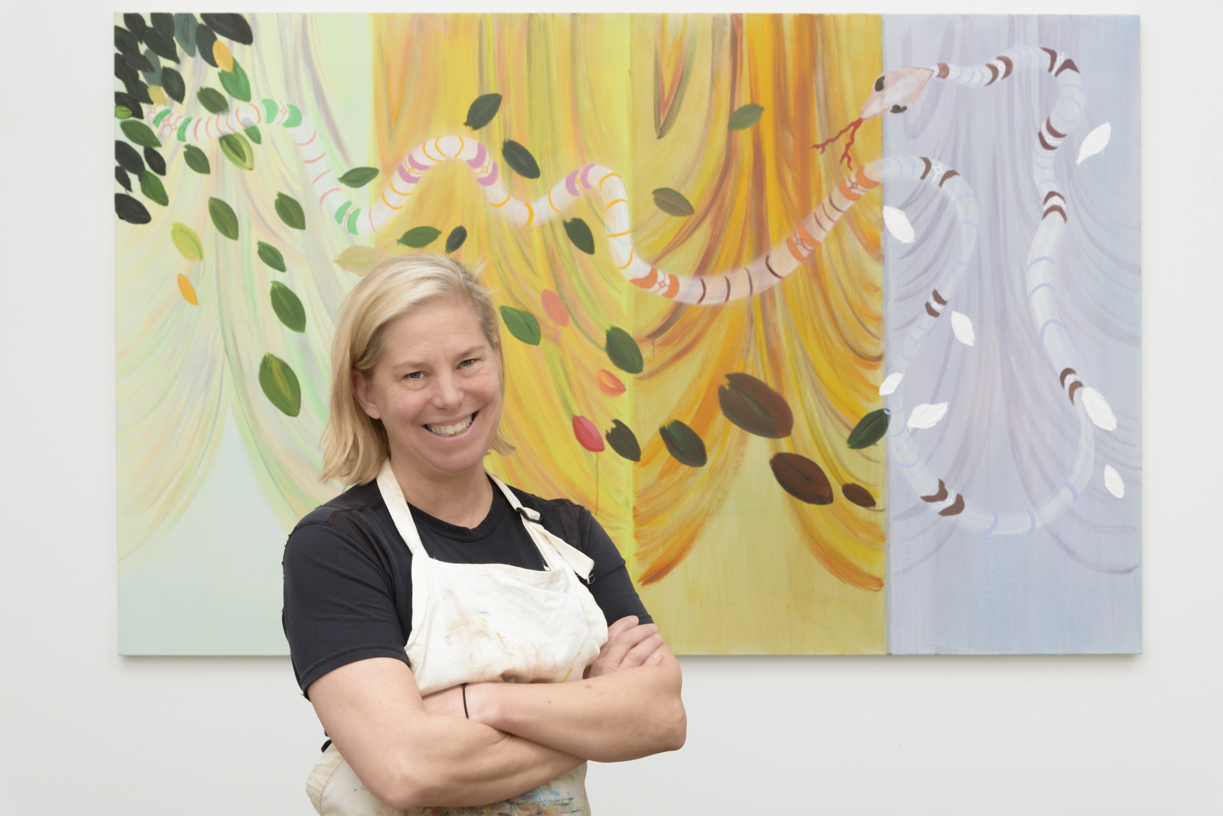
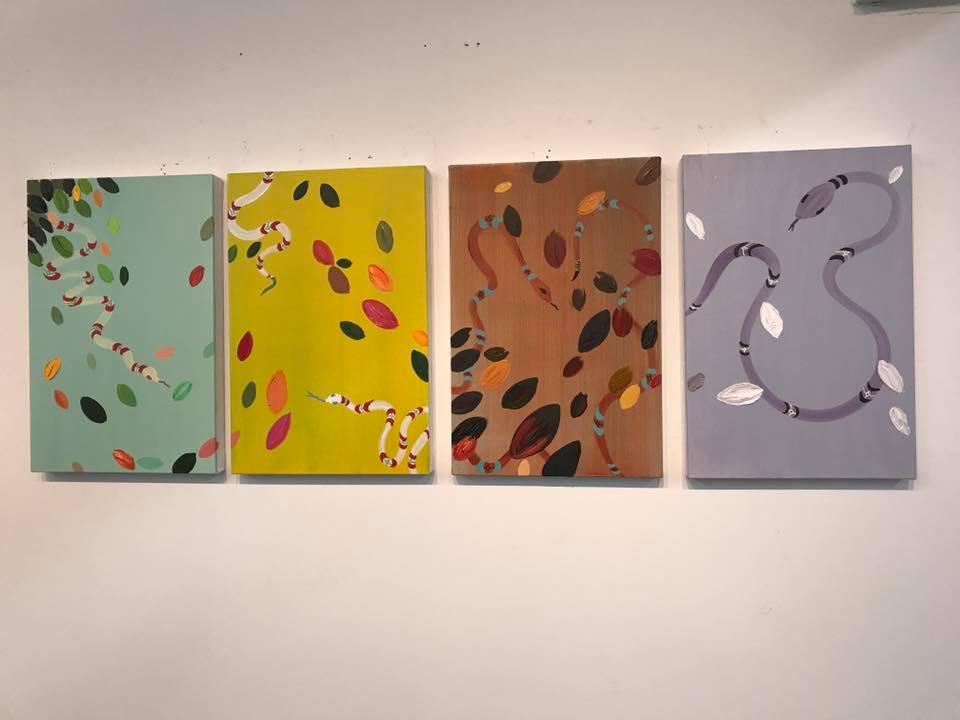
Lizotte’s show introduces a new series of paintings that serve as an elegiac, lush tribute and response to the passing of her adoptive father last year. Loss, rebirth, and transformation find metaphors in works that echo the beauty of nature and the the life cycle. Floral and animal images serve as metaphors for the LA-based artist, as sinuous snakes pass through multi-hued panels, or serenely move through a scattering of leaves.

Untitled7_oiloncanvas_32x20

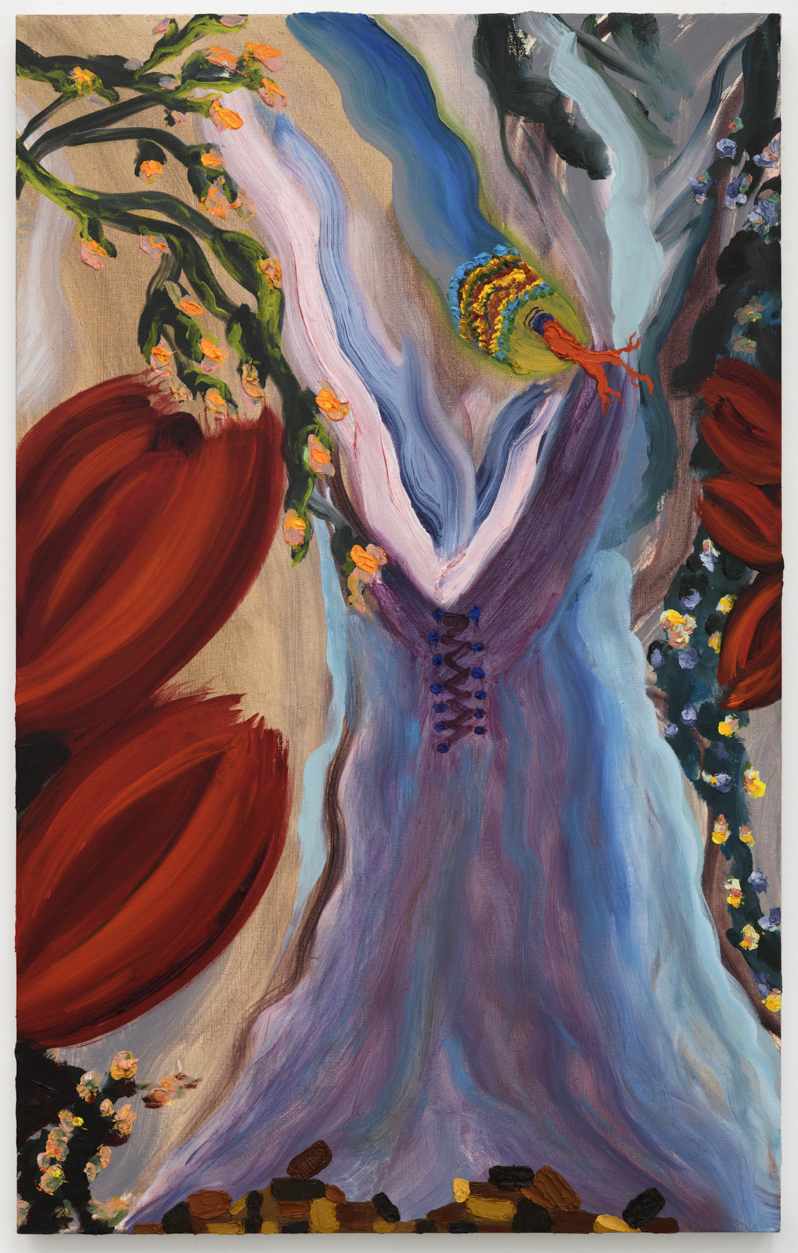
In her “Untitled 7,” bursting with life, a vivid purple dress – which also evokes an image of a tree trunk, steady and fecund, is bordered by stunning orange flowered vines. A multi-hued stained-glass-colored snake rises from its center; giant red blooms erupt from the sides.

Untitled10_oiloncanvas_32x20

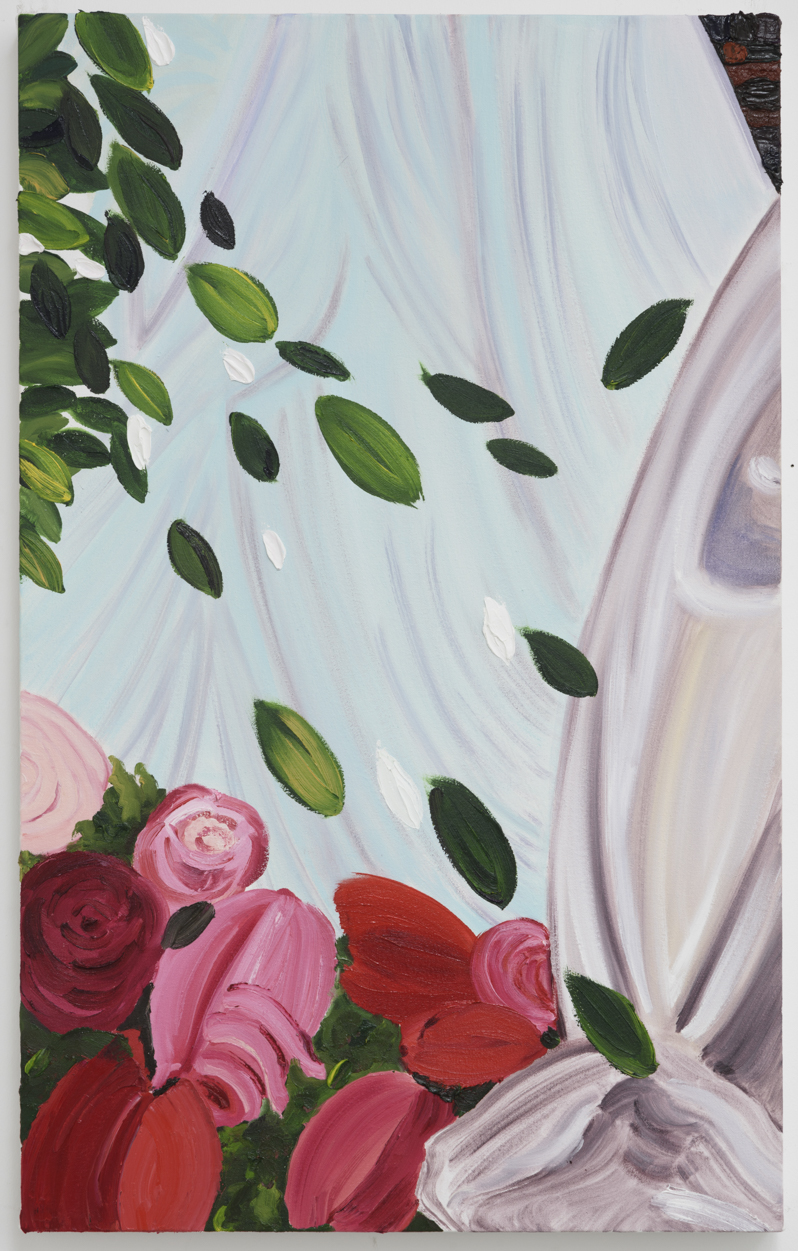
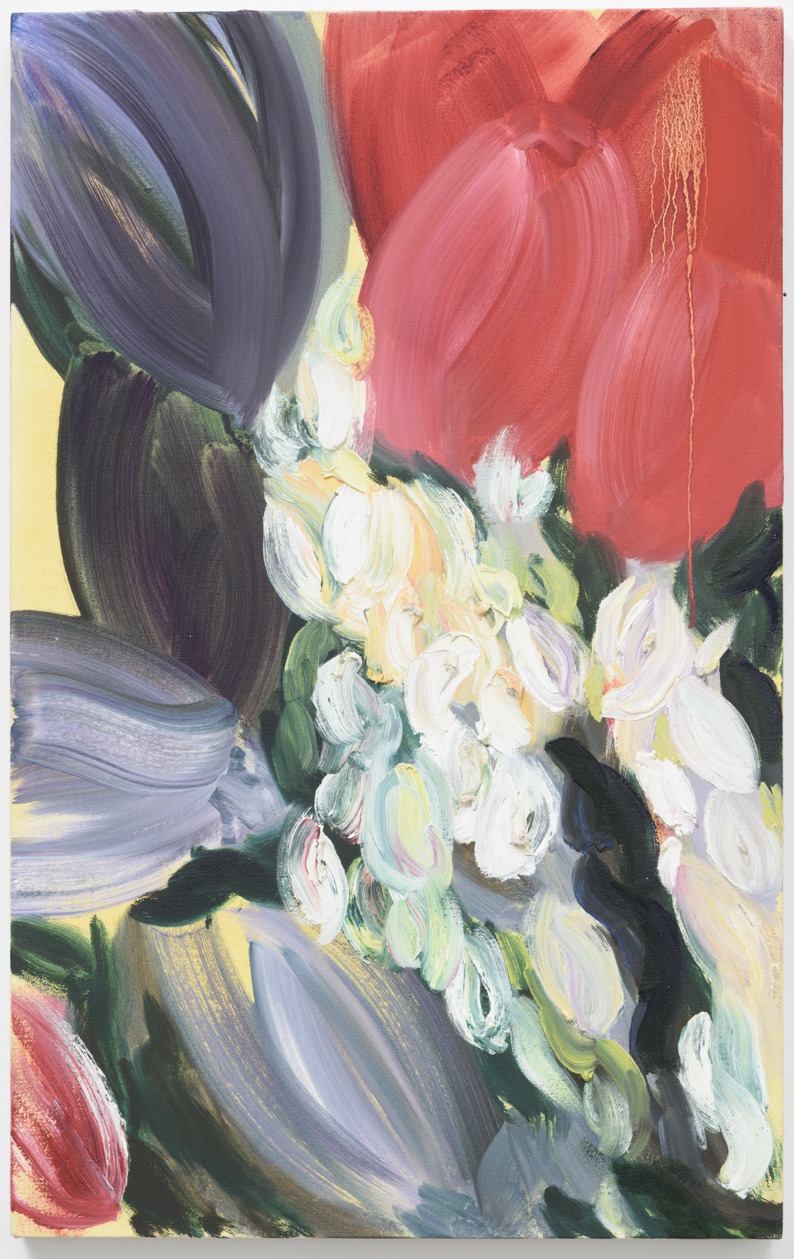
In another work, “Untitled 10” – each of these works are untitled, which adds to an aura of mystery, with the viewer responsible for interpreting them –  ripe red roses rise from a surface that resembles fabric; in “Untitled 8,” white blossoms cluster, reminding one of a spilled wedding bouquet. Richly impressionistic, these works possess a beguiling, enchanted quality.

Untitled8_oiloncanvas_32x20

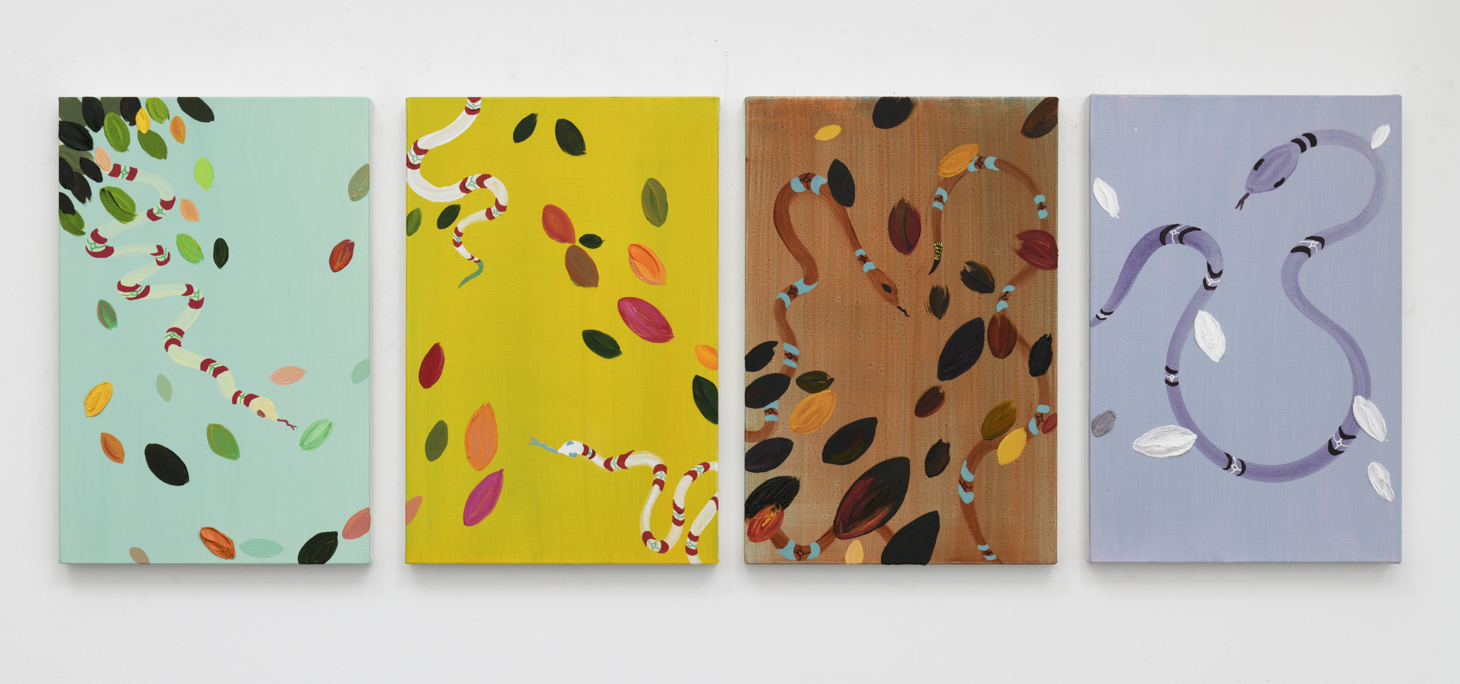
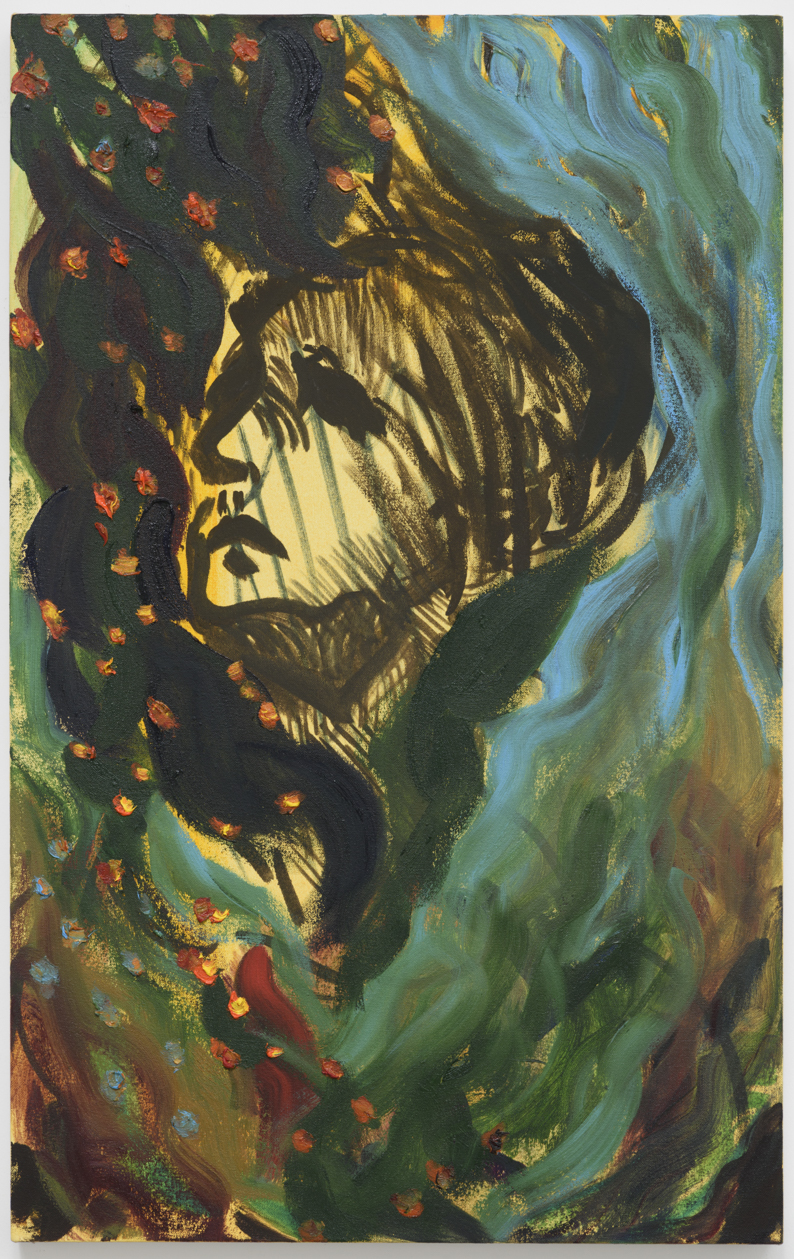
Two snakes’ tongues meet in another work, while a sorrowing face emerges from “Untitled 9” in a piece that evokes the bottom of the sea. Her “Small Four Seasons” features panels in which snakes slip across each separate but emotionally and visually connected work: the aquamarine of spring, the rich gold of summer, the rusty brown of fall, and the cool lavender of winter form the backgrounds.

Untitled9_oiloncanvas_32x20

susan

Lizotte’s work can be viewed both as simply gracious depictions of flowers and snakes, a kind of evocation of the Adam and Eve story in a garden of the viewers mind; or it can be seen as a transcendent look at mortality, at the slippery slope of life, death, birth; renewal and redemption after a harrowing passage.

trine 8


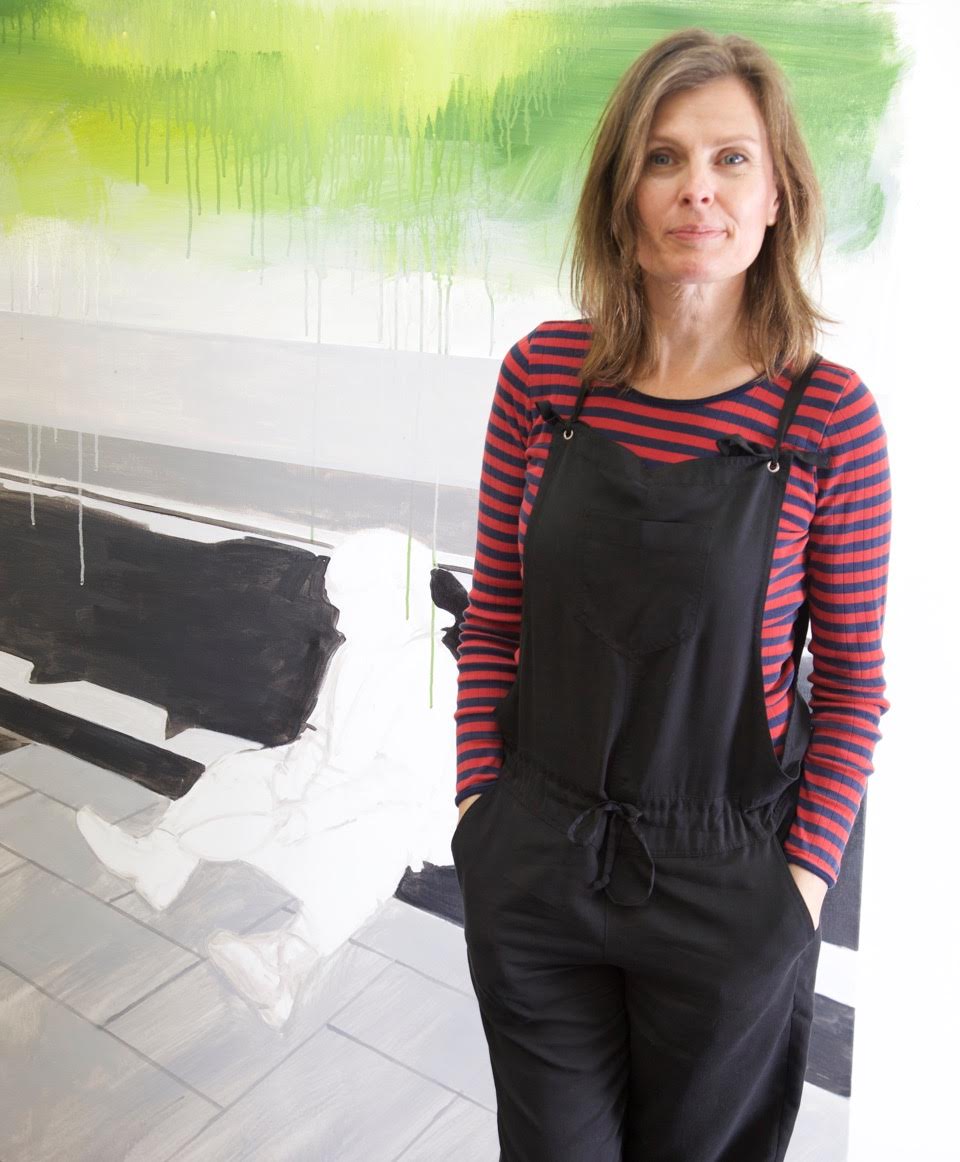
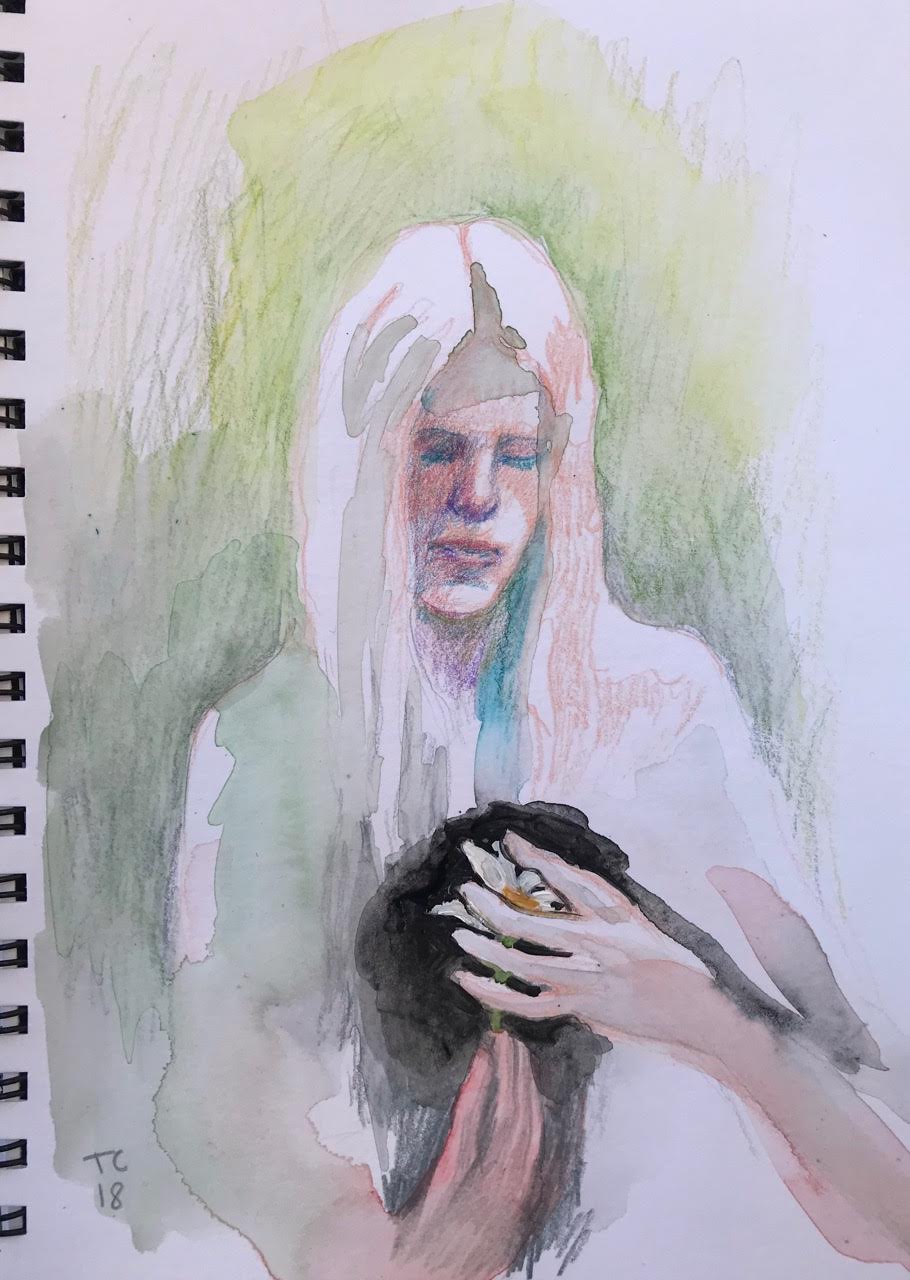
Churchill’s work is more defined. The Woodstock Landscapes vividly and sweetly express the cultural shift of the Woodstock years. The Danish-born artist saw the aftermath of the 60s era tumult from Denmark, as a child. Her love of the music of the era – first truly experienced when coming of age in the 80s, resonated strongly through the years. So while in terms of literal time, Churchill was not a part of that era, emotionally she had a strong connection to the tenets of freedom and and joy it evoked.

Trine Churchill - After the storm

In honor of the upcoming 2019 50th anniversary of Woodstock, Churchill created the body of work on display at Castelli. The internationally-exhibited artist explores how the 60s counterculture manifested globally and continues to do so through the years.

trine 4

Her blissful color palette features abstract landscapes that imagine the grounds of the Woodstock music fest merged with personal images based on family photos.

trine 3

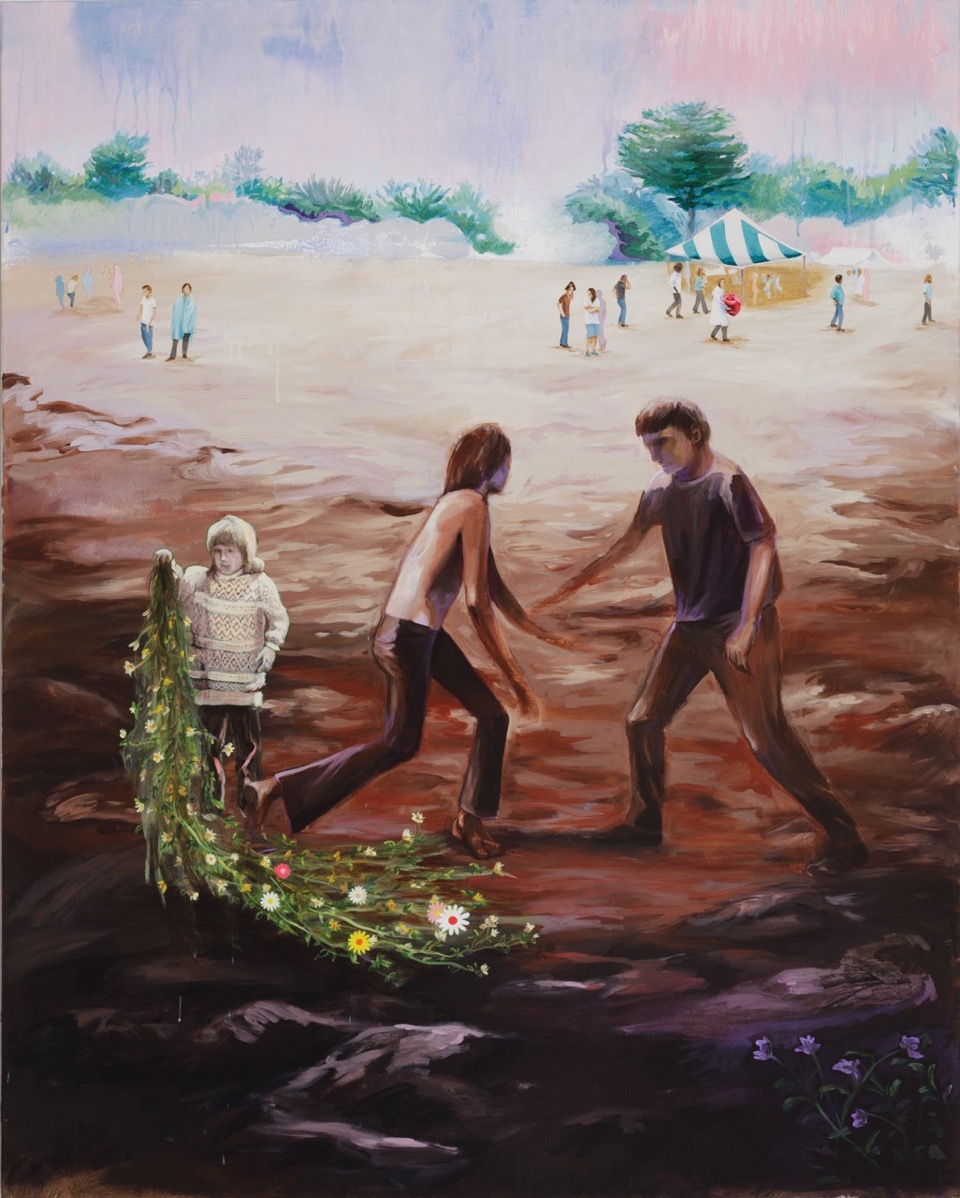
This is memory as a fiction, creating a dreamy narrative. Her stories are beautifully shaped, as in “After the Storm,” in which a couple appears to be dancing, while a child pulls a large, seaweed-like bouquet of daisies from the muddy ground, and in the background, smaller figures stroll among striped tents.

IMG_3830 - Version 2_2

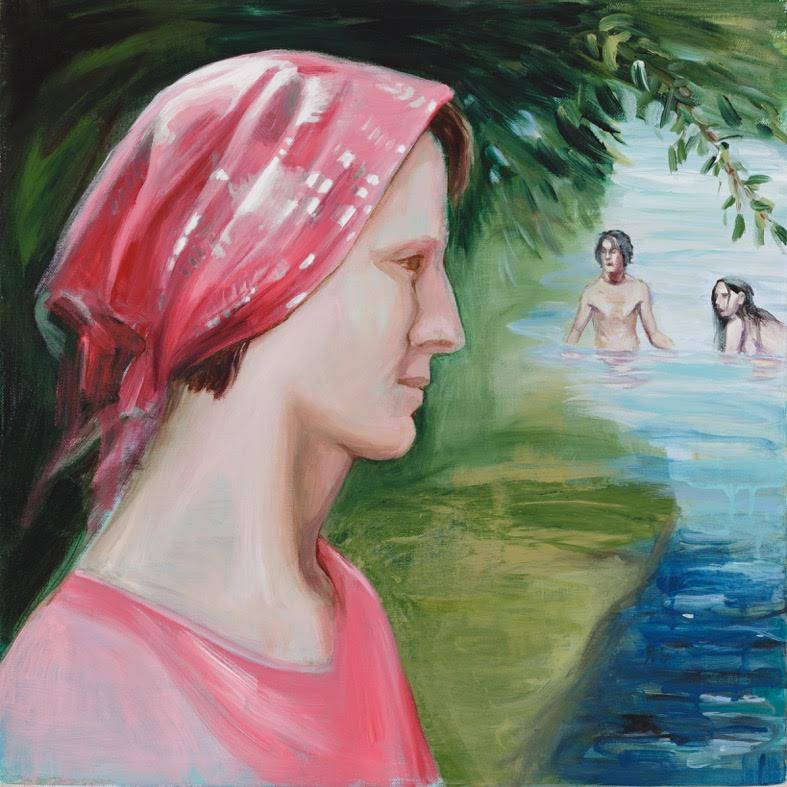
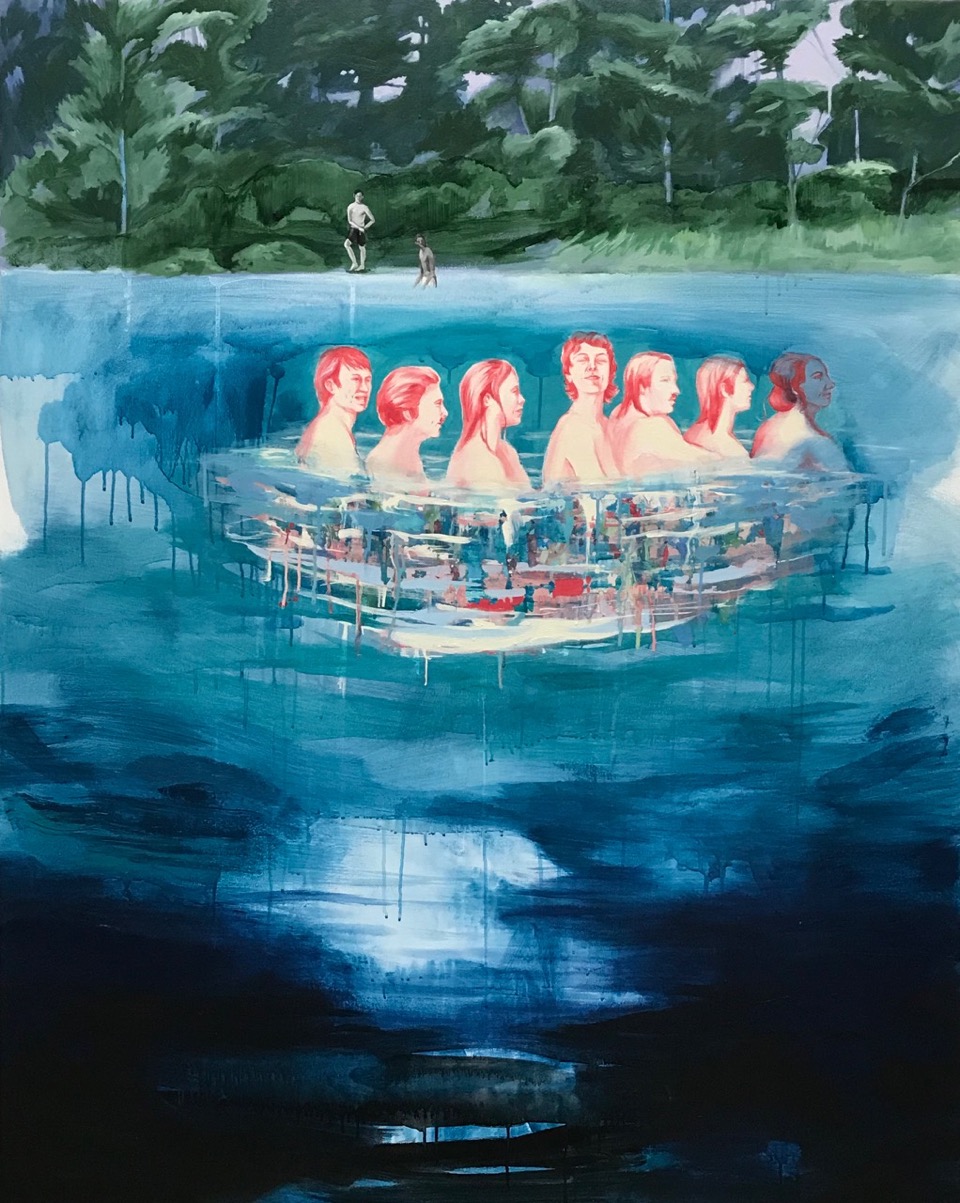
Her “Version 2” is more dream-like, with a lush forest background, as apparently nude (at least from the waist up) figures float across a lake in a multi-hued, abstract boat.

finals-2107_2

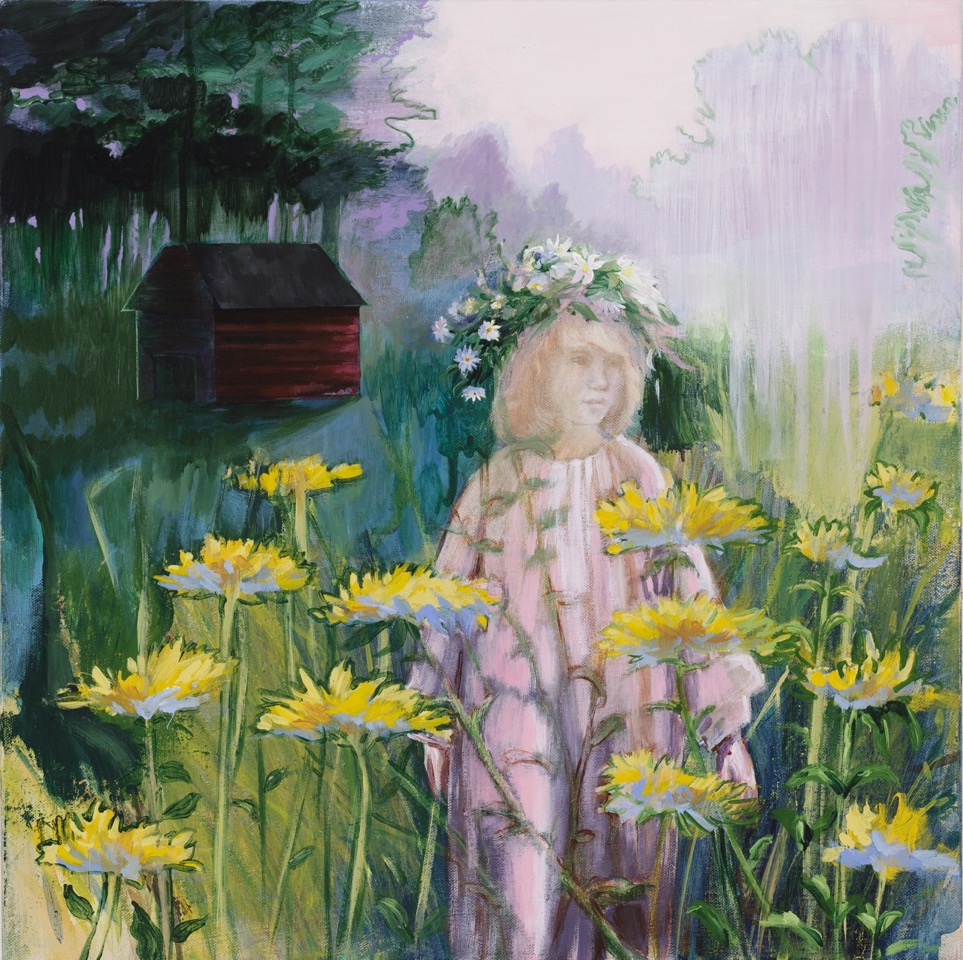
“Finals” gives us an angelic young girl almost gliding through a field of tall flowers; behind her a quaint cabin stands, a representative of something solid in a world that is shifting – or wants to shift- into a more ephemeral beauty.

trine 6

Together, both artists weave beautiful stories, poignant and romantic, each in their own way depicting renewal, change, and wonder.

trine 7

Castelli Art Space is located at 5428 W. Washington, Los Angeles.

  • Genie Davis; photos: courtesy of the artists; Genie Davis

Fire in Diversity: Charisse Abellana Blazes Her Own Way

6x6_blueperfume

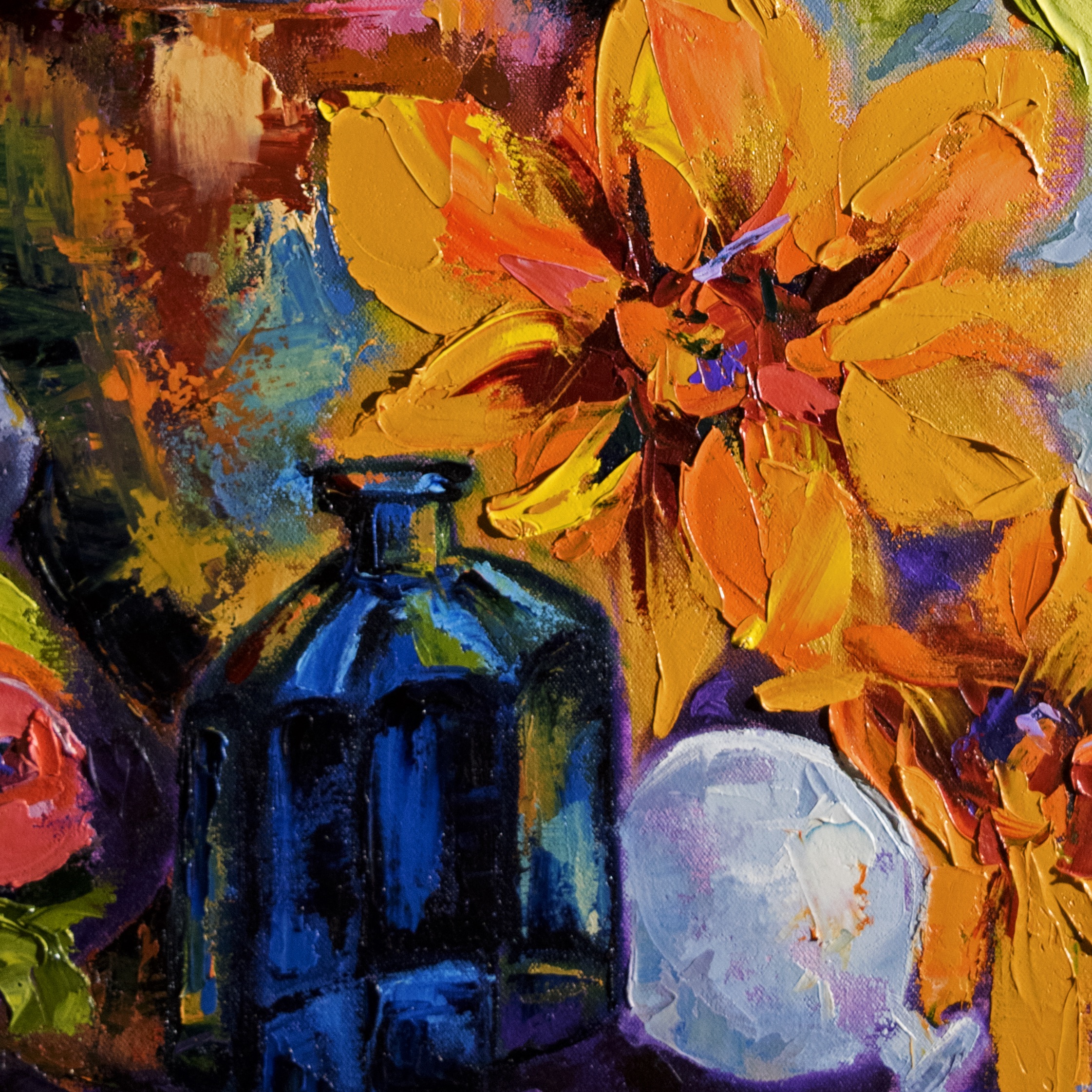
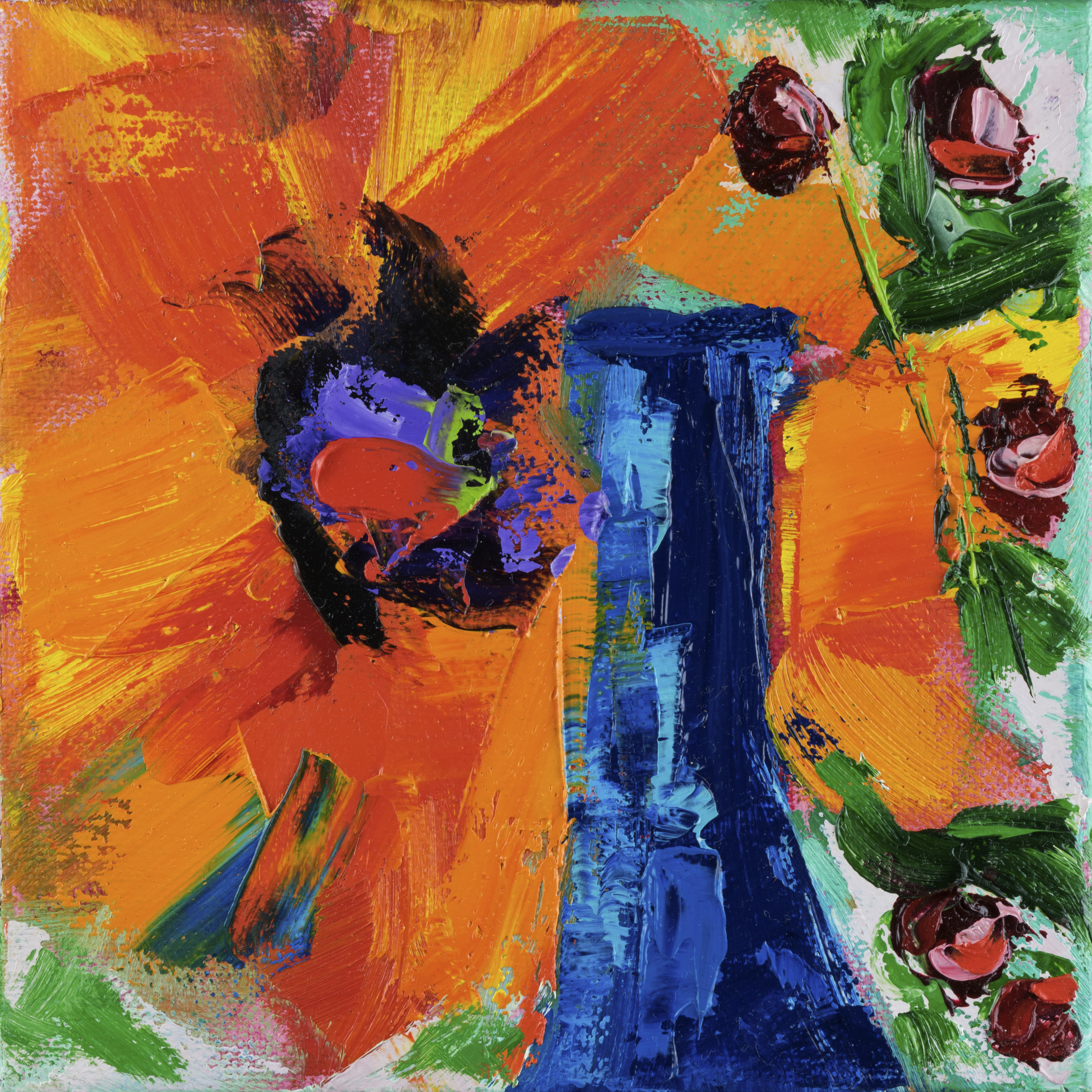
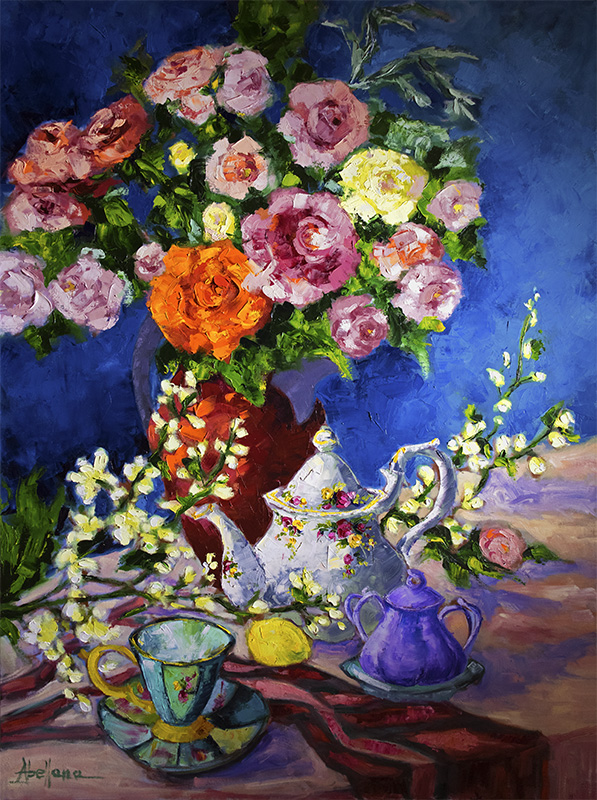
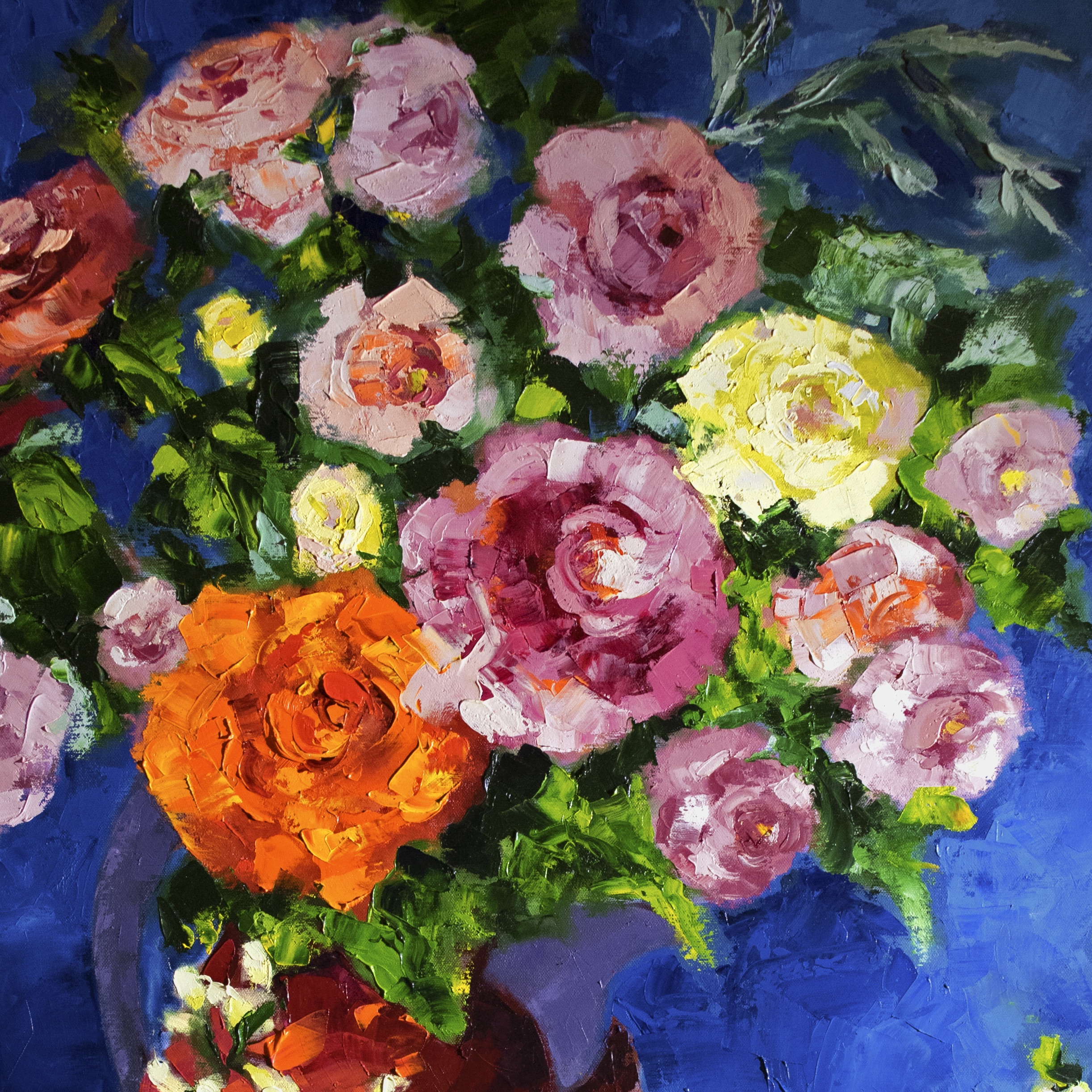
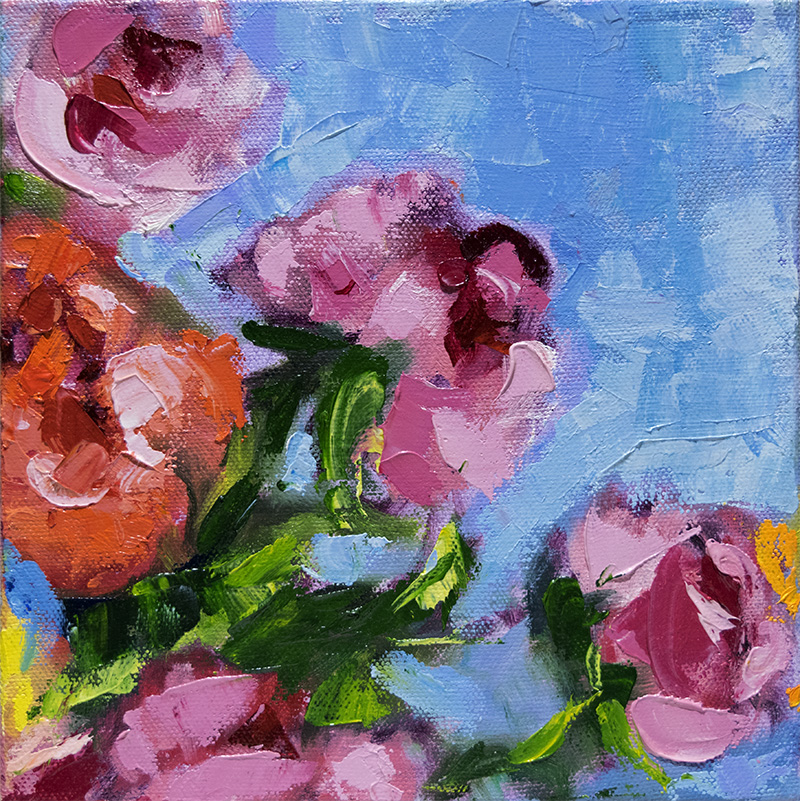
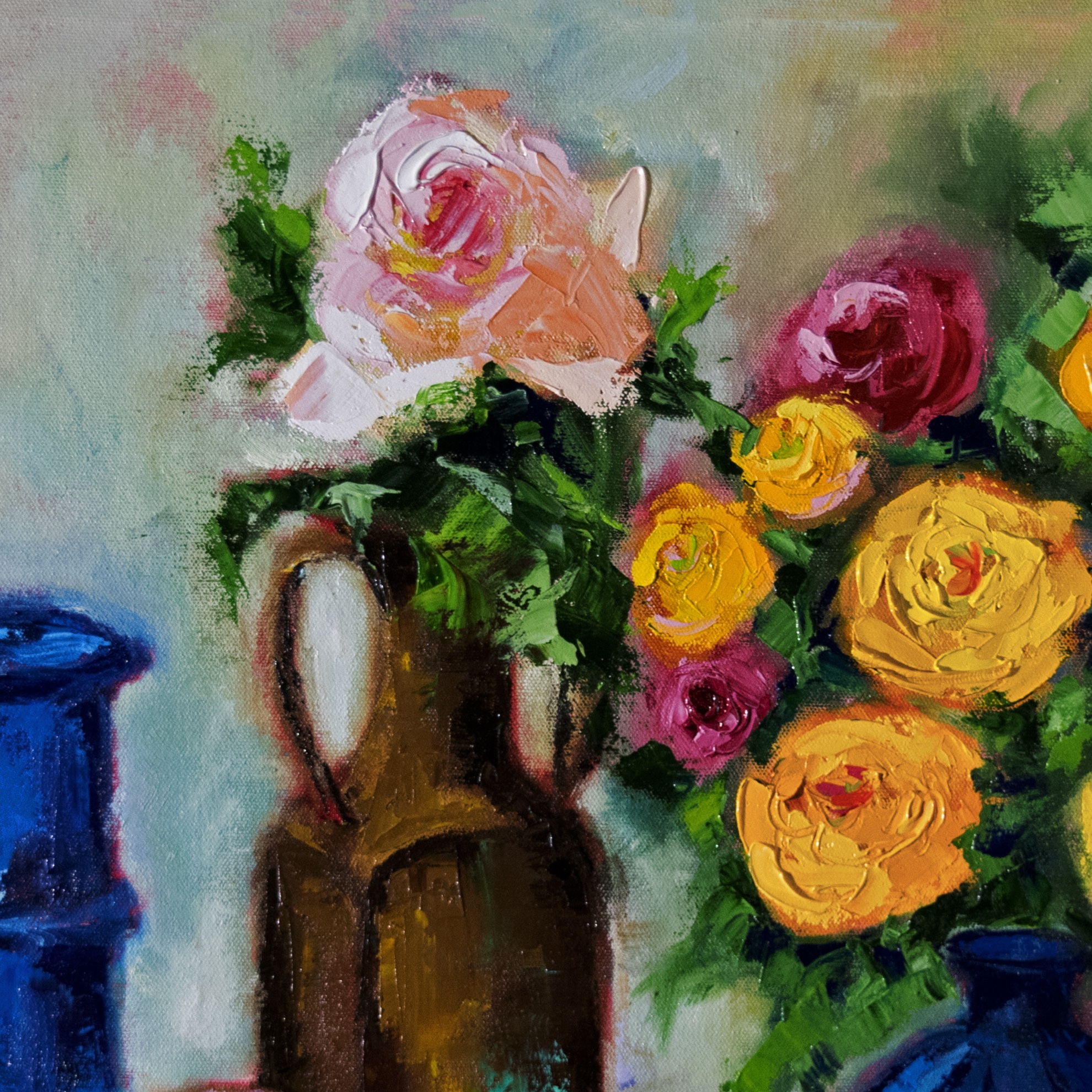
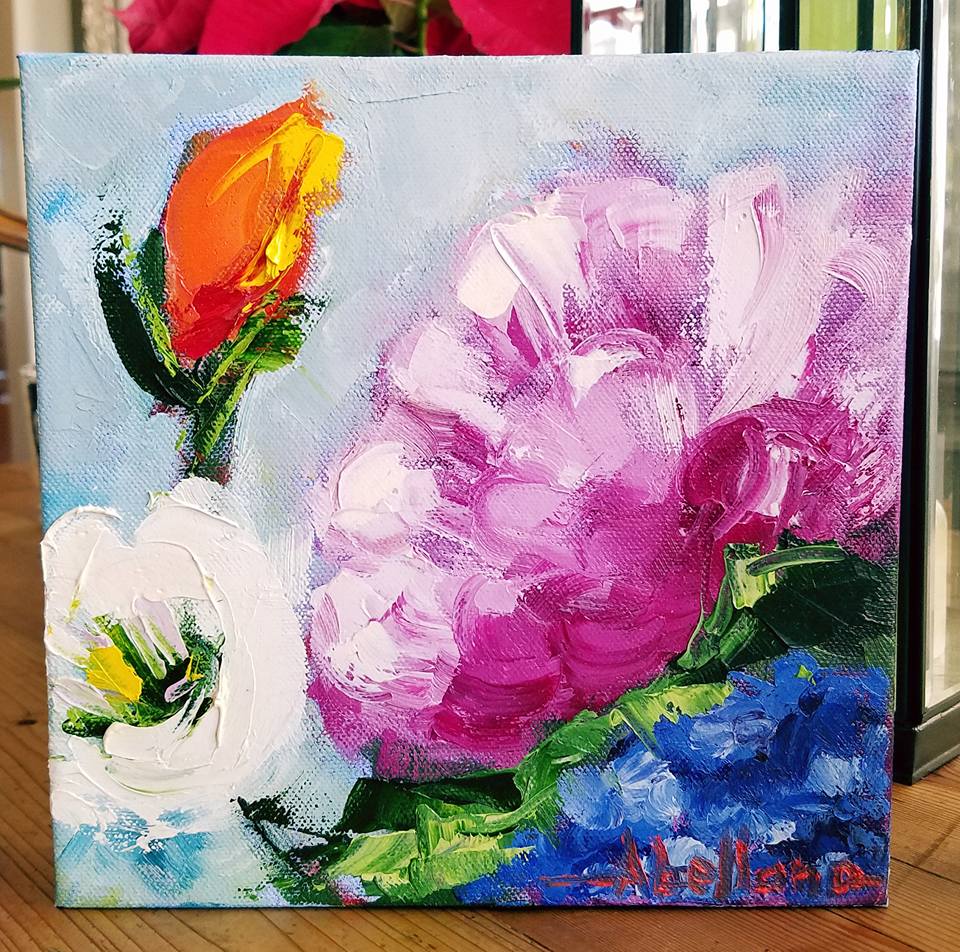
The thick paint and vibrant colors of Charisse Abellana’s palette knife work burn with her passion for art and for life.  Fire in Diversity, Abellana’s solo show at the Latino Art Museum in Pomona,  opening March 10th, offers a wide variety of the artist’s lush, rich works.

65

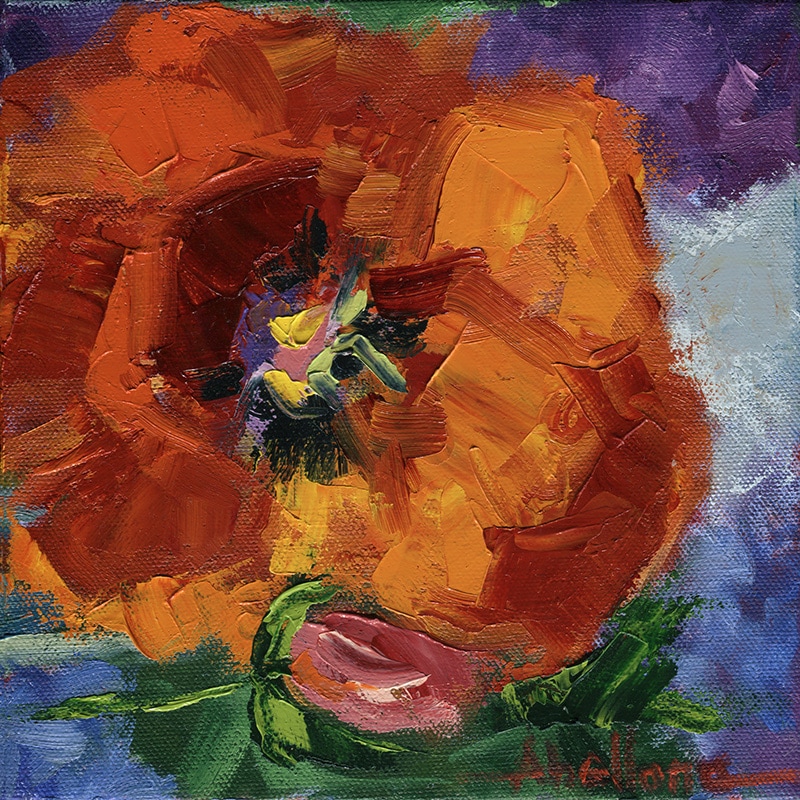
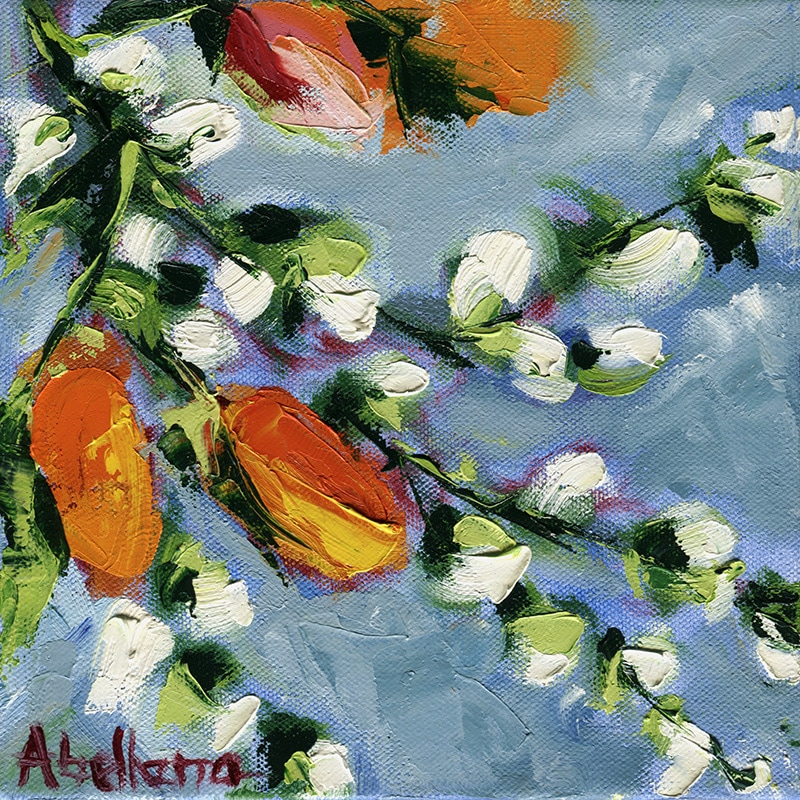
Abellana primarily paints images of nature, flowers that are fecund and bursting with beauty. The petals feel touchable and tactile, the blooms seem to plunge from the canvas, aching to break free of the surface that constrains them.

AFTVG_2 (1)

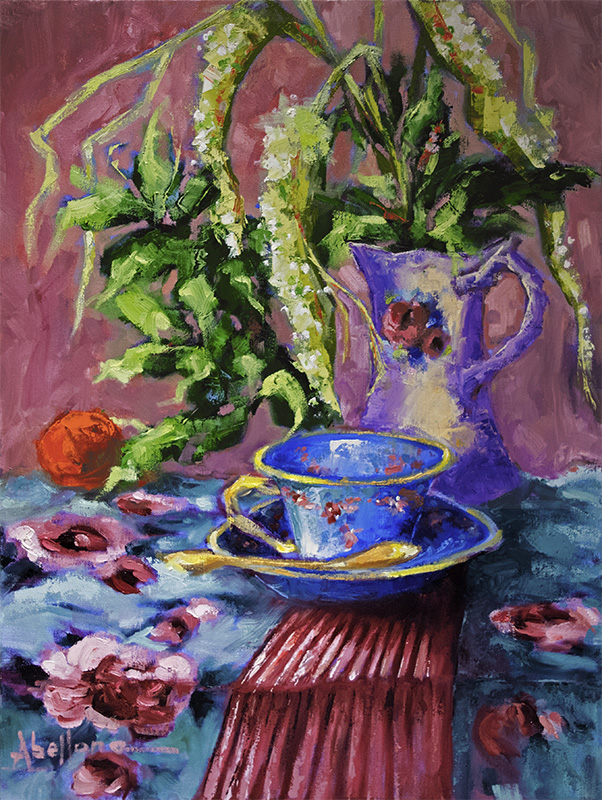
The artist also offers still-life images that are restrained and measured, yet vibrate with the same seductive color palette and textured paint that make the viewer imagine the scenes mutating into action. It is as if Abellana had created a film and “paused” the image, and viewers could at any moment expect the artist to press “play” once again.

ATWVG

AFTVG_crop

It is this compelling quality of motion, in the light that illuminates her blossoms, in the poised perfection of her fruits and plates and tea cups -that elevate the artist’s work with passion.

Abellana is nothing if not passionate, and exuberant.

28471388_1704331962967079_3985868731705115471_n

“Life is upon us today and our tomorrow is born from our now…let us make …an indelible mark…my indelible mark is my art,” she enthuses.

She is also a keen observer of the world around her, the colors that flicker in nature, the shadows and shifts.

AFTVG_8

“Perception is everything. Perception is how an individual sees one’s self as good or bad, kind or evil, a victim or a survivor, a success or a failure,” she notes.

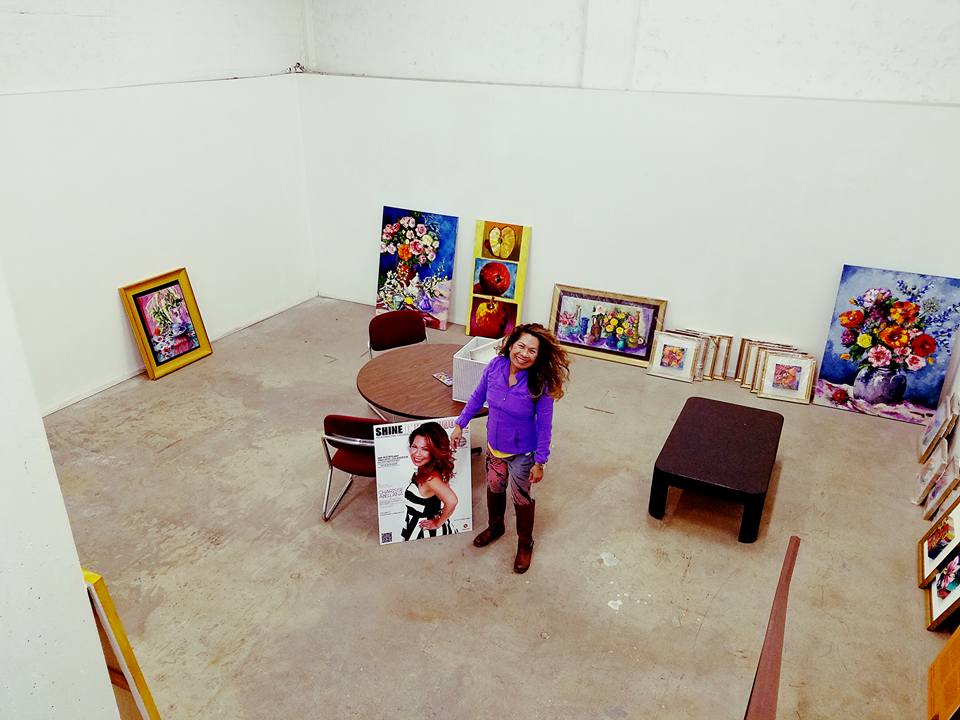
As a first generation immigrant with a Filipino and Spanish heritage, Abellana is driven to excel in the present and preserve the richness of her past. The artist first taught herself to draw by tracing the imprint of her father’s fashion drawings at age 4; always fiercely driven, she’s painted professionally since 2002,  and in the past two years renewed her commitment to her art, through which she expresses her most personal emotions.

If_crop

She posits the question “How could a flower or a pear be a picture of past pain, past struggle?” and answers herself with “…it is that thick palette knife stroke of the boldest colors of paint that is the expression of … fire!”

Abellana’s glowing, fully realized floral depictions exude life, which for the artist means that her works are intense, freeing, and rebellious.  She believes that an artist needs both passion and pain to create. She’s chosen to be bold and free, she says, where others would hold back.

27545205_1686128301454112_7701442928531006549_n

Working with a palette knife is an intrinsic part of her process, one in which “you never know if the next stroke will make or break a painting.”

She says she loves working with a knife – one gets the impression that she loves the challenge, the decisiveness, and the boldness of her technique. She was moved to adapt knife work after traveling in Peru and observing the techniques of a working artist there.

poppies8-web_orig

Abellana says each knife stroke can have an unexpected result, and that sense of surprise and wonder is one that she embraces. “There is always that moment of emotional upheaval every time I put a stroke.”

poppies4-web_orig

Working in oils, her layered knife technique creates a kind of sculptural and dimensional element to her images. She paints the sides of her canvases, creating a complete art work from all angles. The artist works by painting wet on wet with her oils. And as to her colors: she’s trained to mix her own, and can imagine any rainbow of combinations and translate her vision to the canvas via her fast flying knife, her elegant thrusts shaping images that offer delight, dreaminess, and yes, fire.

Catch the warm glow for yourself March 10th, when Abellana’s solo show reception takes place from 4 to 9 p.m. Curated by Dulce Stein, the exhibition runs through March 30th,  and is on display at the museum’s Grand Salon West.

The Latino Art Museum is located at 281 S. Thomas St., Suites 104 and 105 in Pomona. The exhibition is a part of the 14th annual Women International Show.

Genie Davis; photos provided by the artist