Specter of Documentation at Durden and Ray

Spectre 10

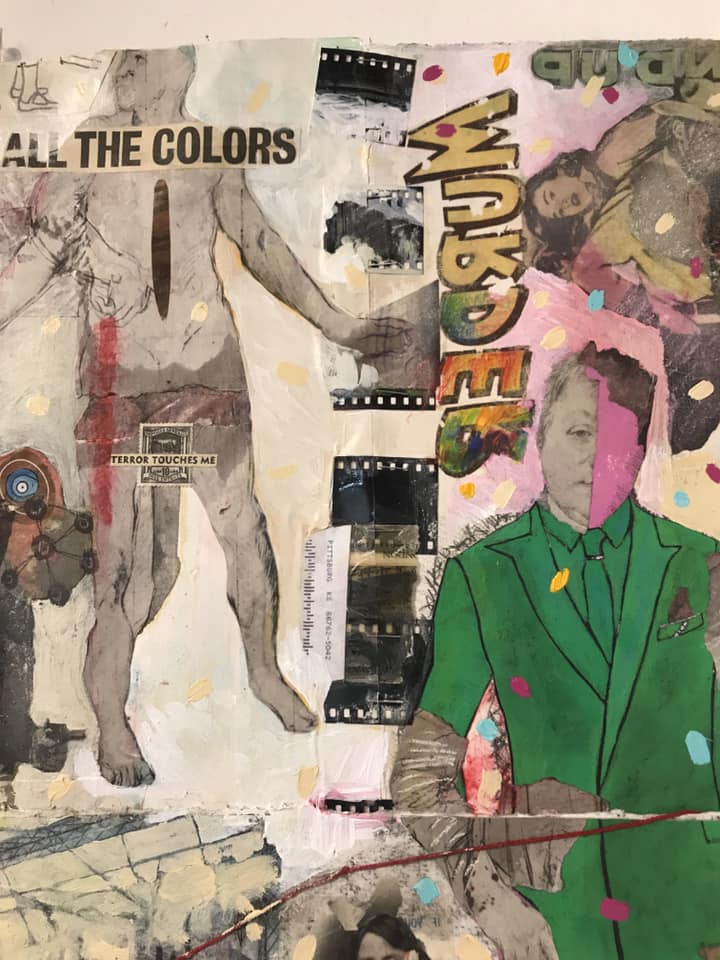
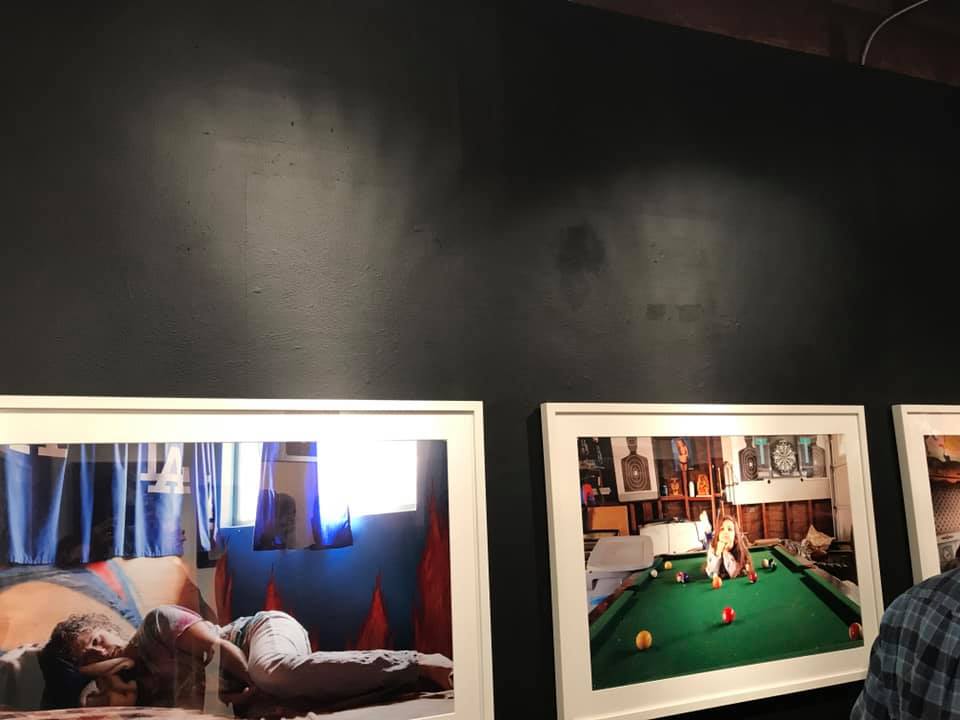
Curated by Jenny Hager, Jennifer Celio, and Valerie Wilcox, Specter of Documentation – closing November 3rd at Durden and Ray – is the perfect show for today’s news cycle, and tomorrow’s memories.

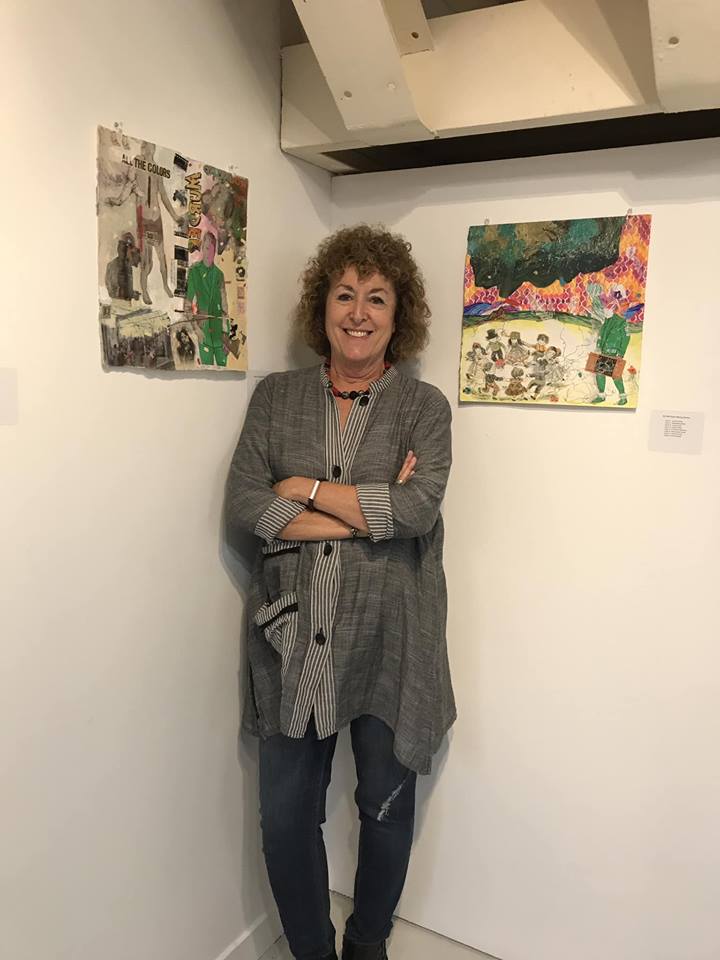
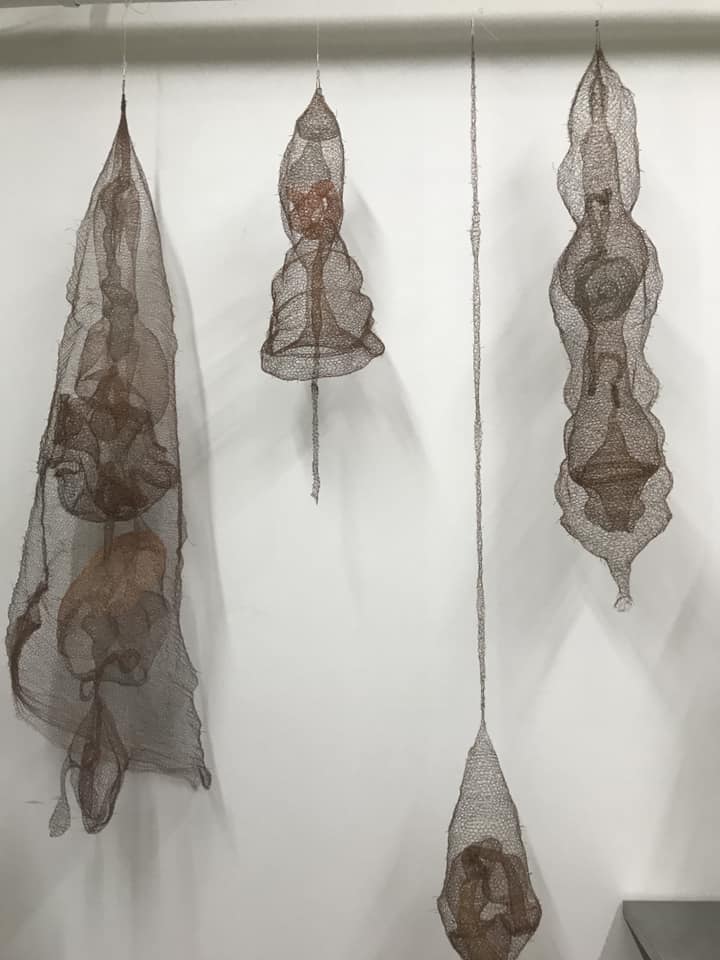
Edgy and fascinating, the show features artists Sydney Croskery, Dani Dodge, Marielle Farnan, Ed Gomez, Claudia Parducci, Sabine Pearlman, Liza Ryan, Curtis Stage, Joe Wolek, Steven Wolkoff, and Tim Youd.

In a wide range of mediums, the artists take on the idea of documentation, of gathering and recording,  of saving and analyzing. In combination with this, the show deals with an unnamed phantom, a specter that haunts, or perhaps shifts a ghostly light onto the inner soul behind the prosaic.

Spectre 9

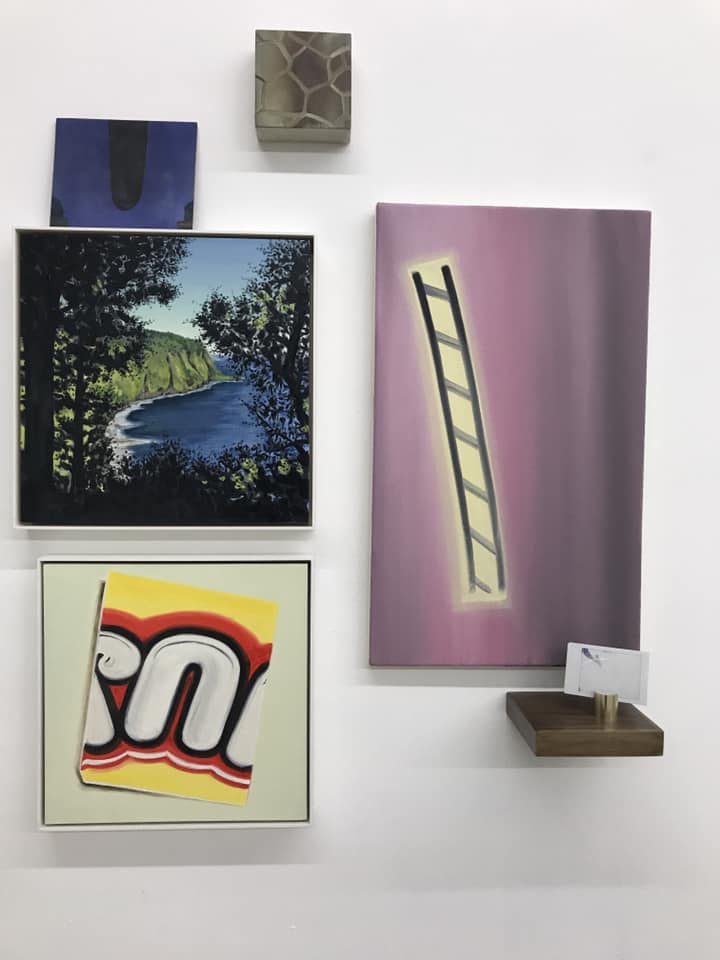
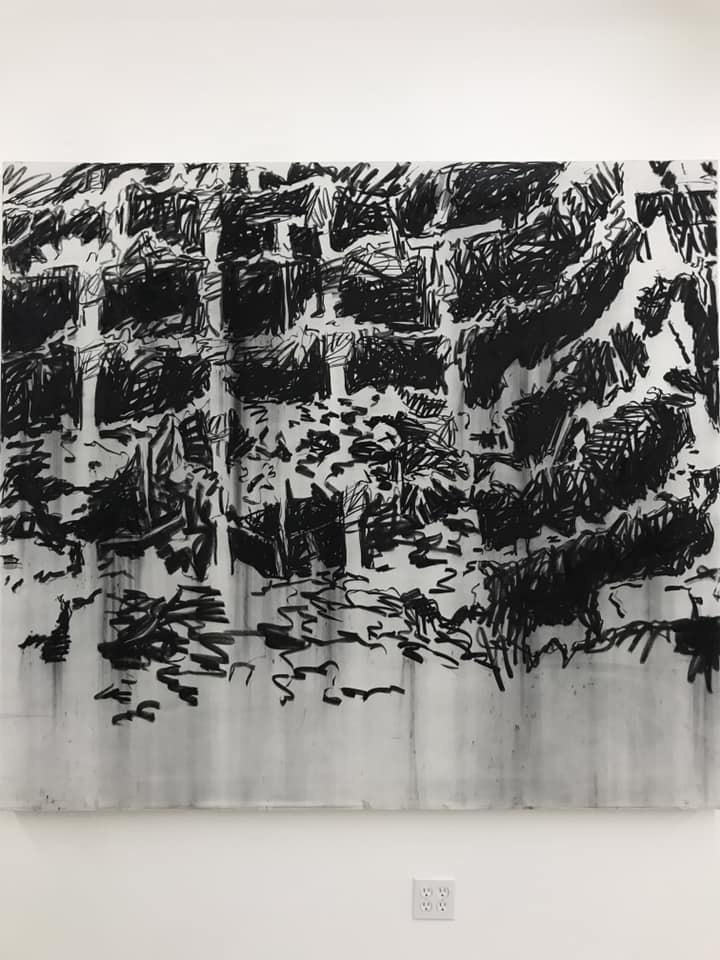
From the serene oil on panel visual postcards of nature by Croskery to her oil work of a jujjjyfruits box to the haunting devastation of Parducci’s charcoal on canvas “OK City,” there is much to dive into here.

Spectre 11

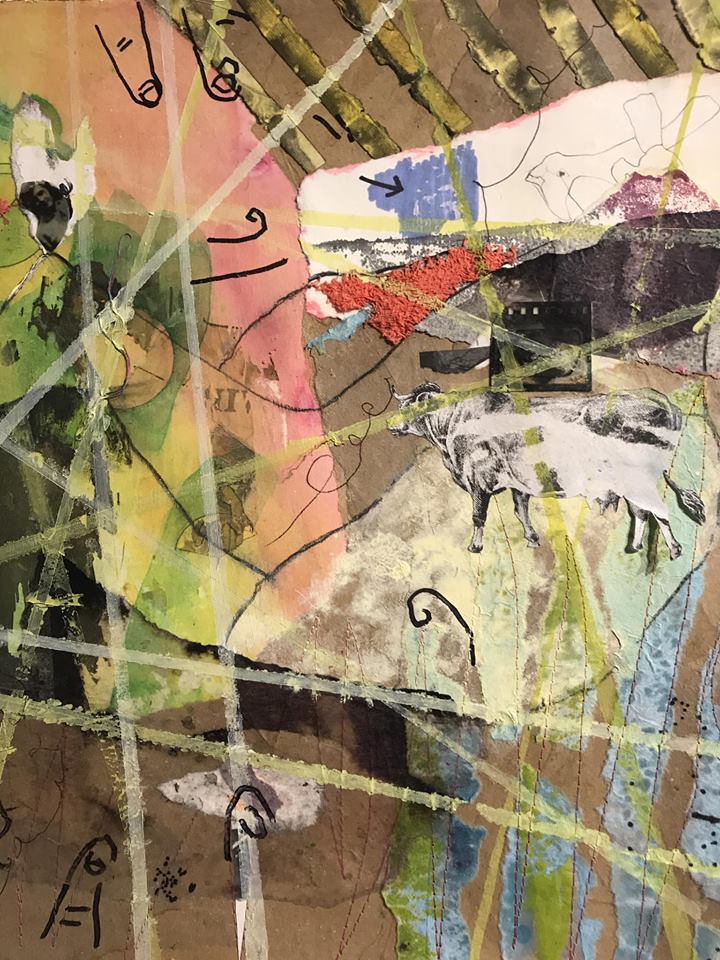
Surface viewing barely scratches the meaning of each image, which seem to be inhabited by an almost unearthly, biting, deeply felt knowledge the artists each seek to impart.

Spectre 4

spectre 8

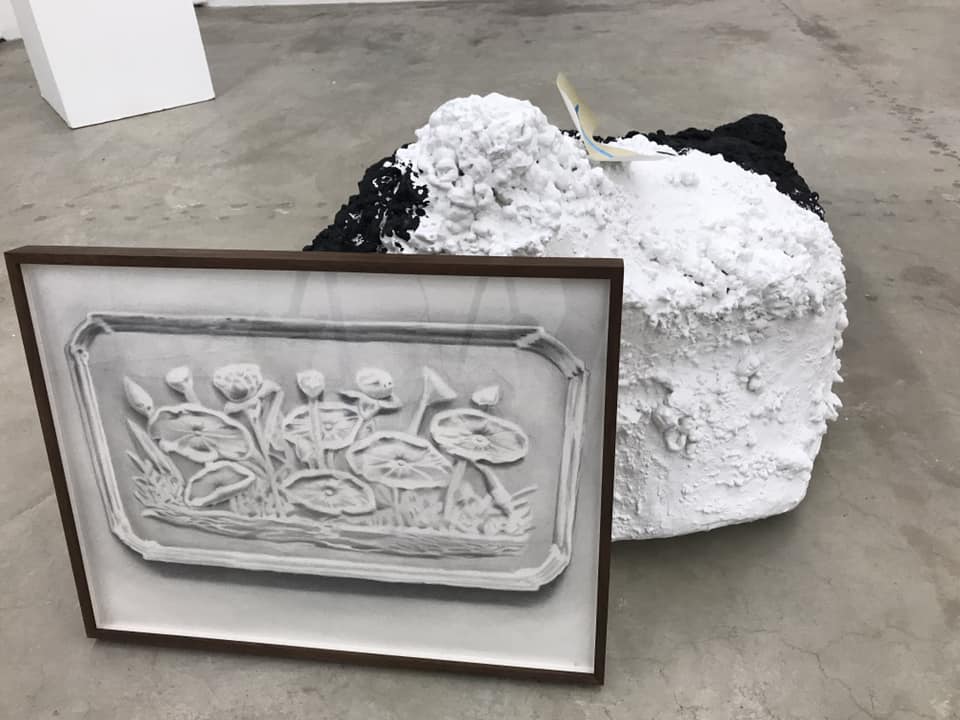
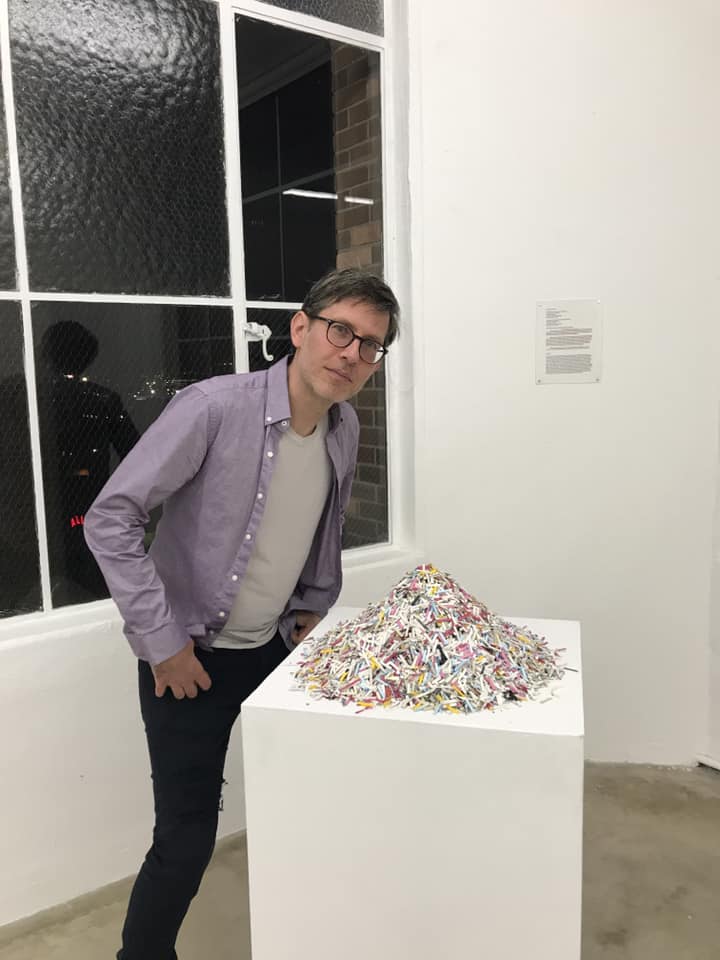
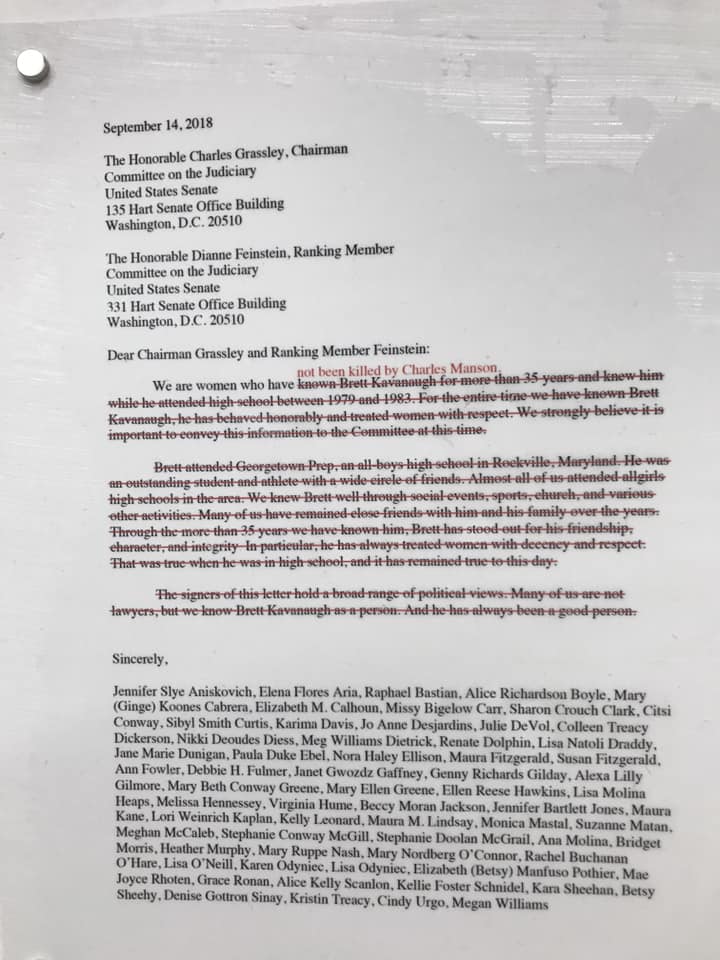
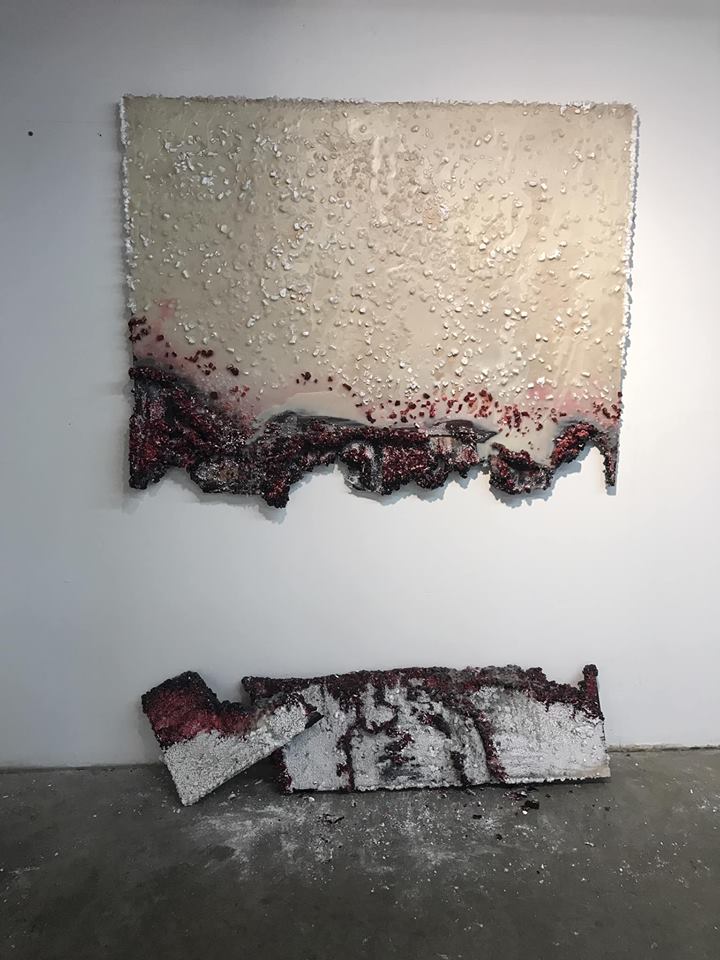
There is the intricate shredded acrylic paint strip mosaic sculpture of Wolkoff’s “50 Girls I didn’t call” paired viscerally and sardonically with his “65 women who Charles Manson didn’t kill,” the perfect distillation of the recent Supreme Court nominee debacle.

Spectre 2

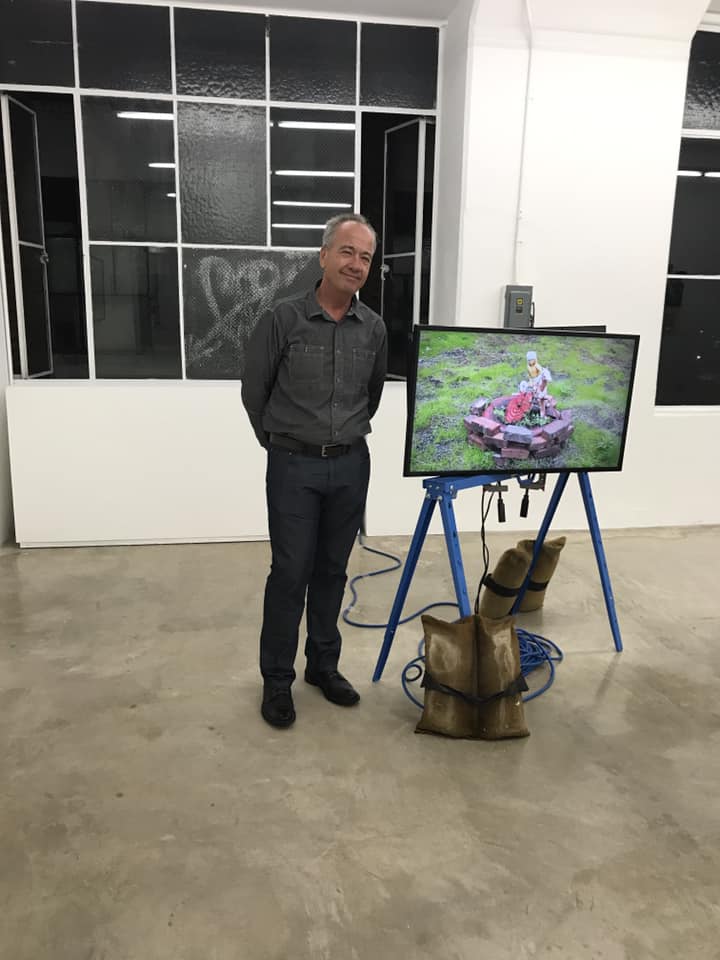
Woleck’s video sculpture “In the Foothills of Appalachia (Lipstick on a Pig)” offers a mysterious glimpse of a life we haven’t led, yet one that feels oddly prescient and familiar.

DR 1

Farnan’s photographic works shot in Forest Lawn cemetery edge on the surreal.

Spectre 3

Spectre 13

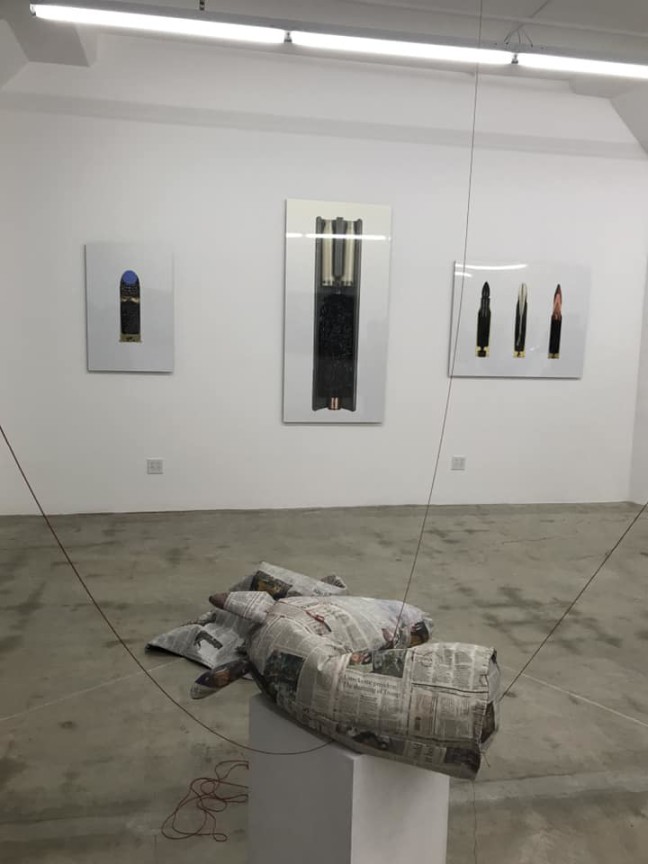
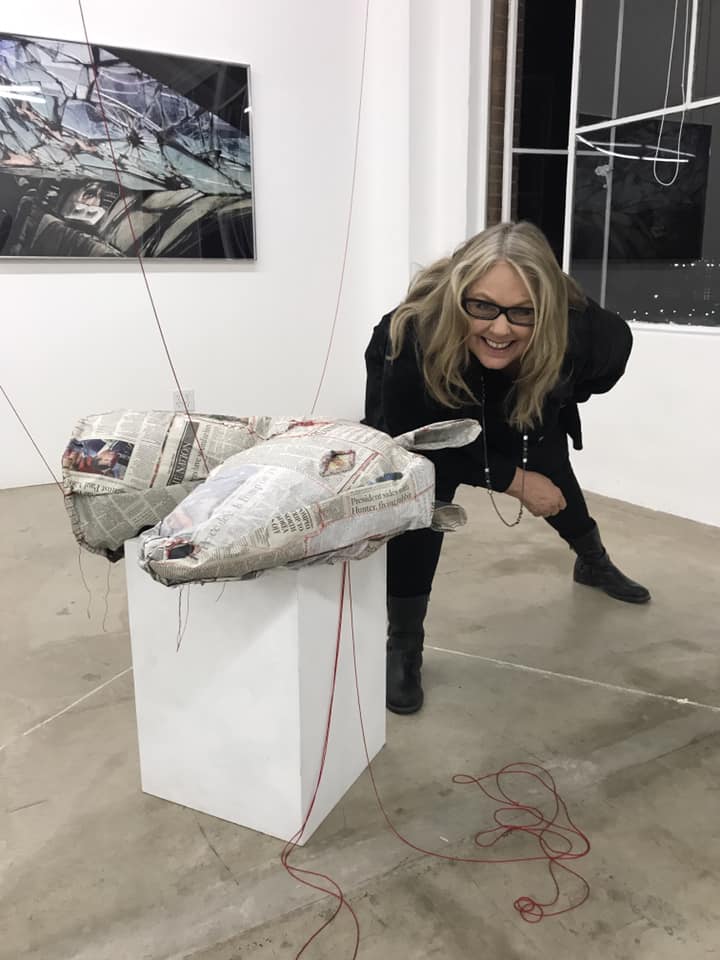
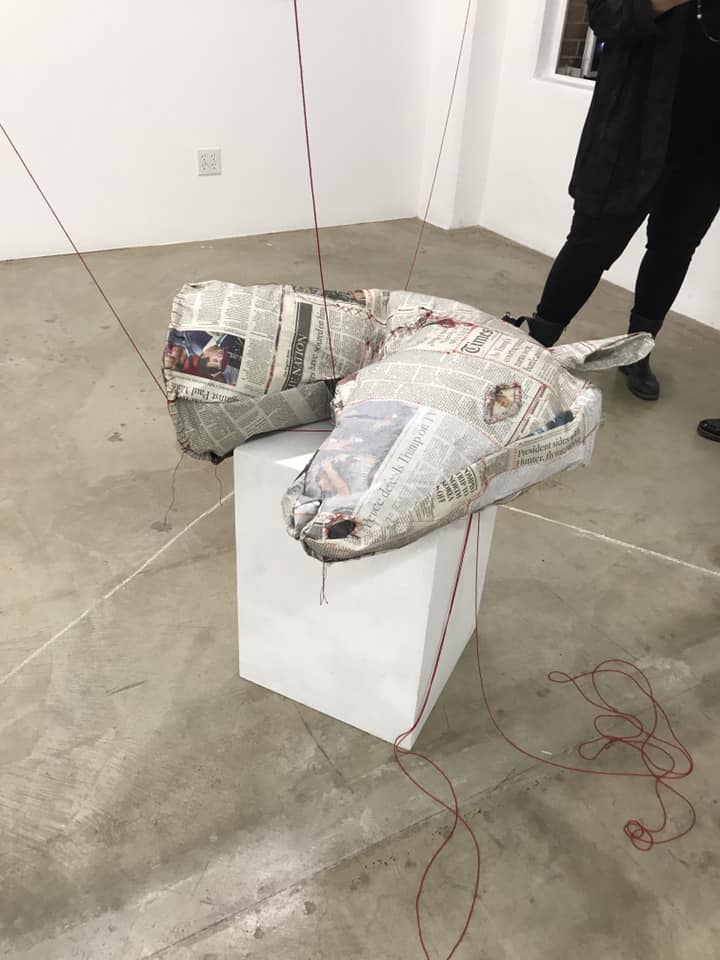
Dodge’s striking installation “Khartoum” intricately sews stories clipped from the Los Angeles Times to velvet and polyfil, crafting a stunning horse’s head that evokes the iconic horse’s head depicted in The Godfather. Red thread binds the head, neck, and crumpled blanket to the ceiling as if with sinews torn from flesh or ribbons of blood. The horse’s eye has a pupil that reveals the orange-faced image of Donald Trump, the ultimate thug.

Spectre 12

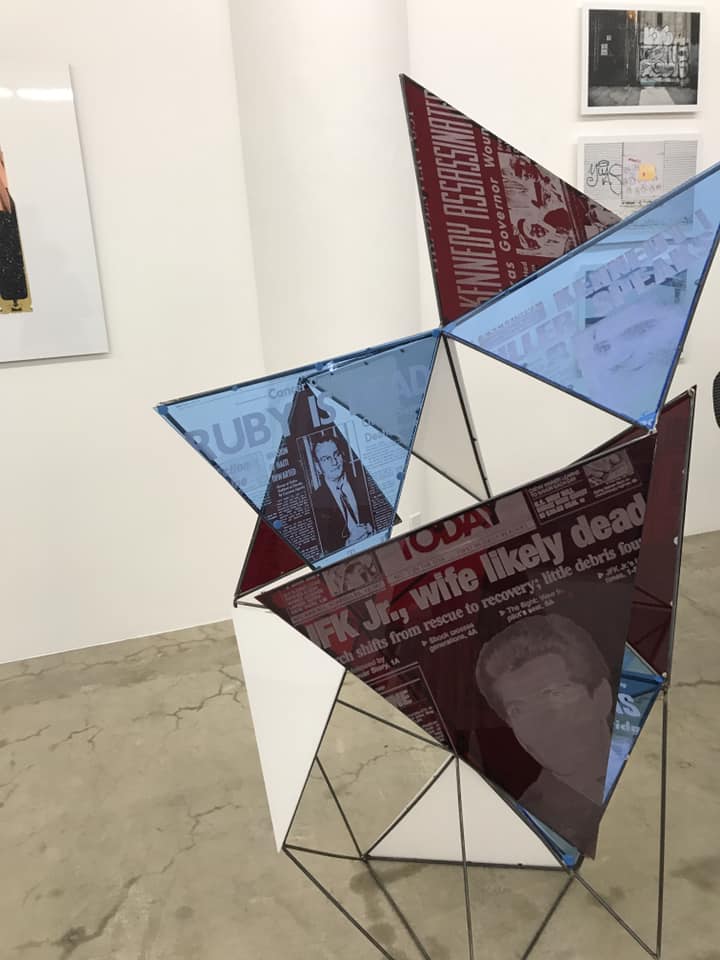
Gomez’ mixed media sculpture “20th Century” reminds the viewer of Calder, a kite, a frozen field of kinetic energy all in one; modern, fragile, spooky.

Spectre 5

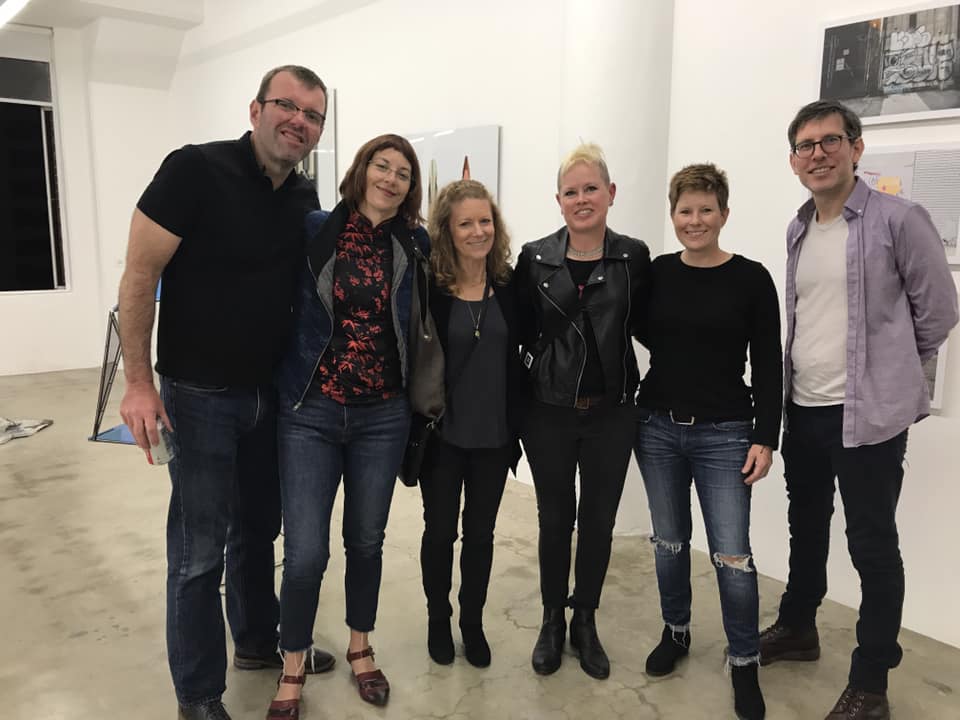
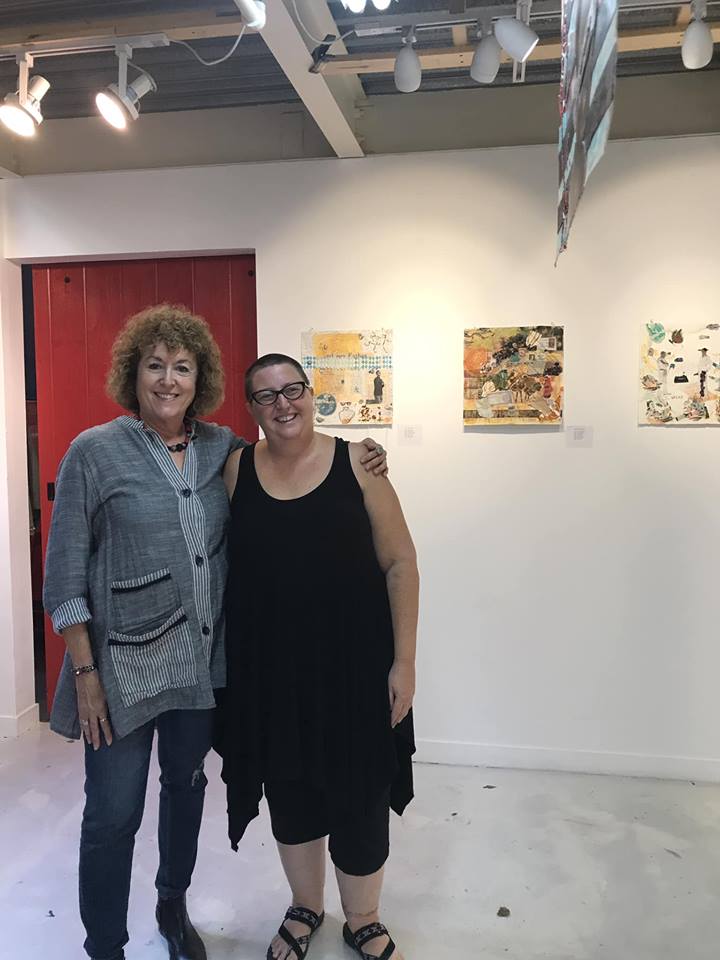
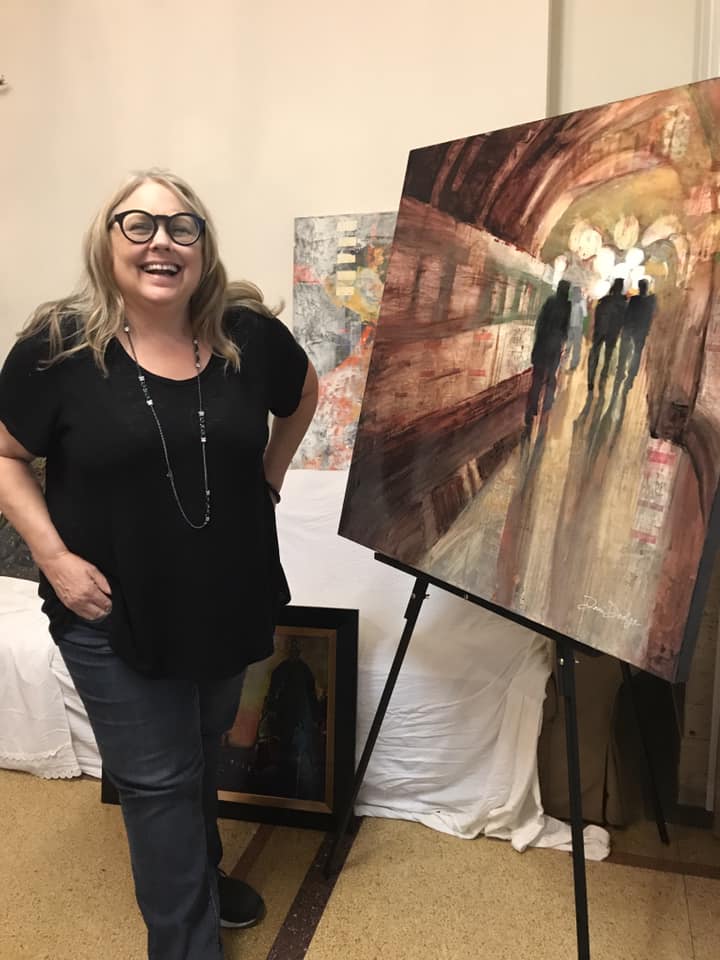
Curators and artists, above

You want to see this show for so many reasons: it’s this day, this age, this year, this time; it will stay with you like a fragment of a mirror embedded in your skin and heart. And it’s a beautiful, strange, mysterious show: you learn from it without needing to understand; it reveals and compels with a silent power.

IMG_8660

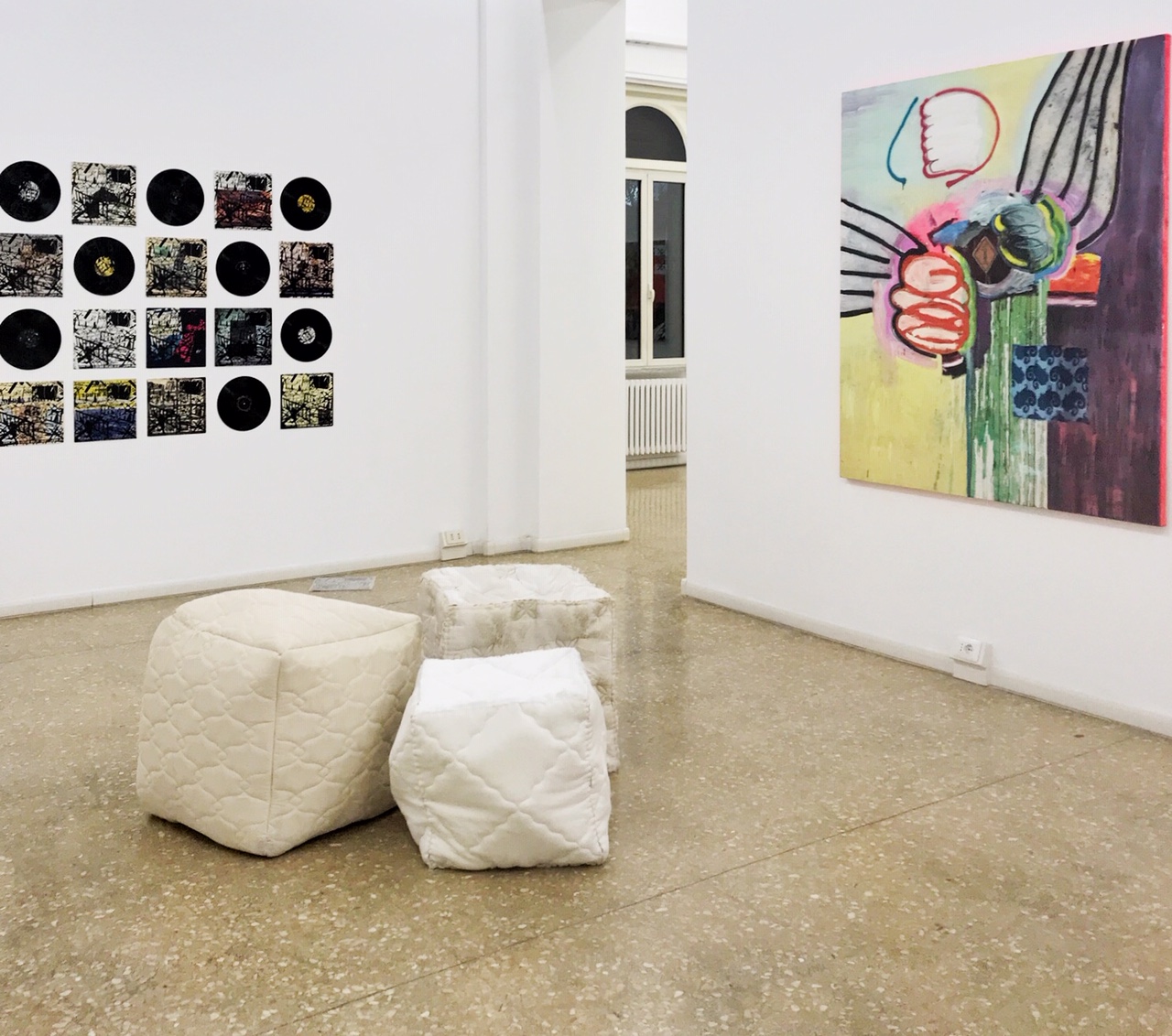
Addendum: When in Rome…Durden and Ray just opened Los Angeles Is, Once Again  at the Gallery of Art, Temple University Rome. That exhibition is curated by Camilla Boemio and features Durden and Ray artists Dani Dodge, Ed Gomez, Sean Noyce, Max Presneill, Ty Pownall, Curtis Stage, Alison Woods, Gul Cagin, Roni Feldman, and Joe Davidson. If you’re aheaded abroad, that exhibition runs through November 22nd. The opening event included performance art by Sean Noyce and Katya Usvitsky.

Genie Davis; photos by Genie Davis (Rome photo provided by Durden and Ray)

Brewery Art Walk October 2018

artwalk 6

The Brewery Art Walk is a special occasion. Twice a year, artists open their studios, their homes, their hearts, and their creative souls to the general public.  With such intimacy, attendees gain insight into their artistic process, see works that they may not otherwise see, and have an amazing opportunity to purchase artworks often at significantly below gallery prices.

artwalk 17

It’s a process of discovery and joy – certainly one that we’ve been participating in for many years. I had a child the age of my grandson when I first visited this space 20 years ago, and if you missed experiencing the artwalk this fall, look for it in the spring.

artwalk 13

Where is the beating heart of the art scene in Los Angeles? Surprise: it’s not in the latest gallery with ties to the international scene, it’s not in the major museum show you’re planning to visit before the holidays. It’s right here where the artists literally and figuratively live through their work.

Here’s a brief look at some of the work we viewed this month.

artwalk 34

Route, Rut, Lane: A Karkhana Collaboration at Shoebox Projects, a mixed-media project co-curator Nancy Kay Turner describes as inspired by the historical Mughal workshop is a truly collaborative exhibition – each piece has elements created by all eight of the contributing artists.

artwalk 35

The layered, intricate pieces resemble tapestry; the works have descriptions of each artist’s contribution written on the back. The sense that these artists wove disparate elements into a cohesive whole is one impressive aspect of the exhibition, but perhaps best of all is the feeling of discovery inherent in each piece.

artwalk 36

Viewers can pull the visual threads apart as they examine each work, gaining insight into how they came together; they can analyze who did what and why; they can see how a collective community can shape a greater whole than one alone.

art walk 42

It was the perfect way to start the day at the artwalk. The show’s location at Shoebox Gallery was also a great introduction to the cutting edge, fresh exhibitions the small but powerful gallery offers.

artwalk 37

Helmed by artist, curator, and general art guru Kristine Schomaker, the gallery offers exhibitions that are primarily the result of a month-long residency where artists create or mount bodies of work or installations.

kate

In the gallery’s The Closet, a compact installation space to the rear of the main room,  Kate Carvellas’ sensational cabinet of curiosities – found art sculptures that absolutely inhabited the space – is a riveting tour de force.

artwalk 29

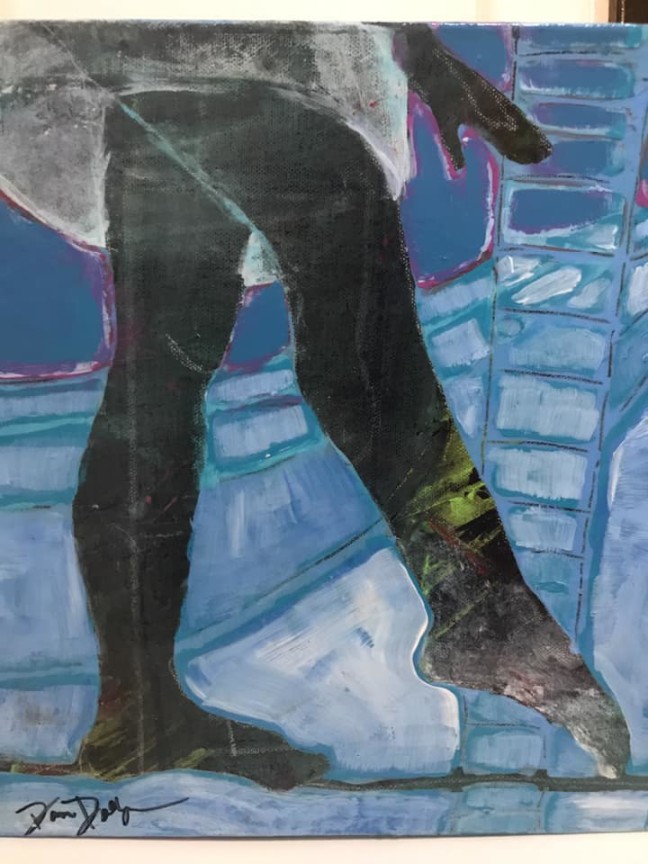
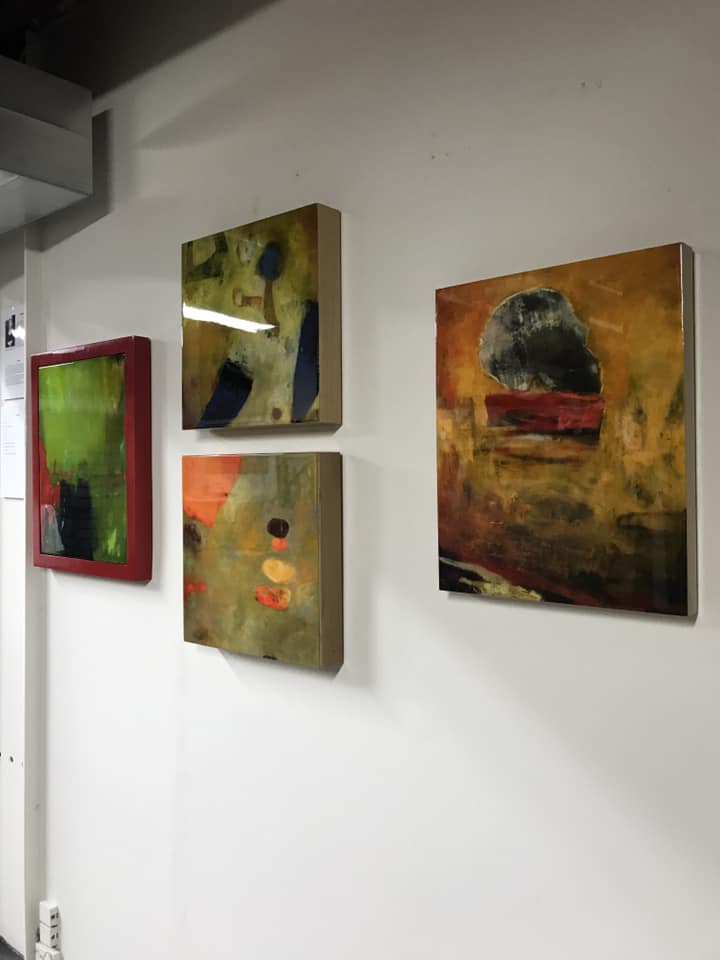
Dani Dodge opened her studio to reveal glowing works in acrylic and mixed media from three different series, including a lush Paris-set selection of paintings, a series featuring heart rendering canines, and one focused on the circus life.

artwalk 28

artwalk 27

It was an exciting glimpse into the artist’s wall art; Dodge is well known for creating powerful installations and sculptural work.

artwalk 14

artwalk 15

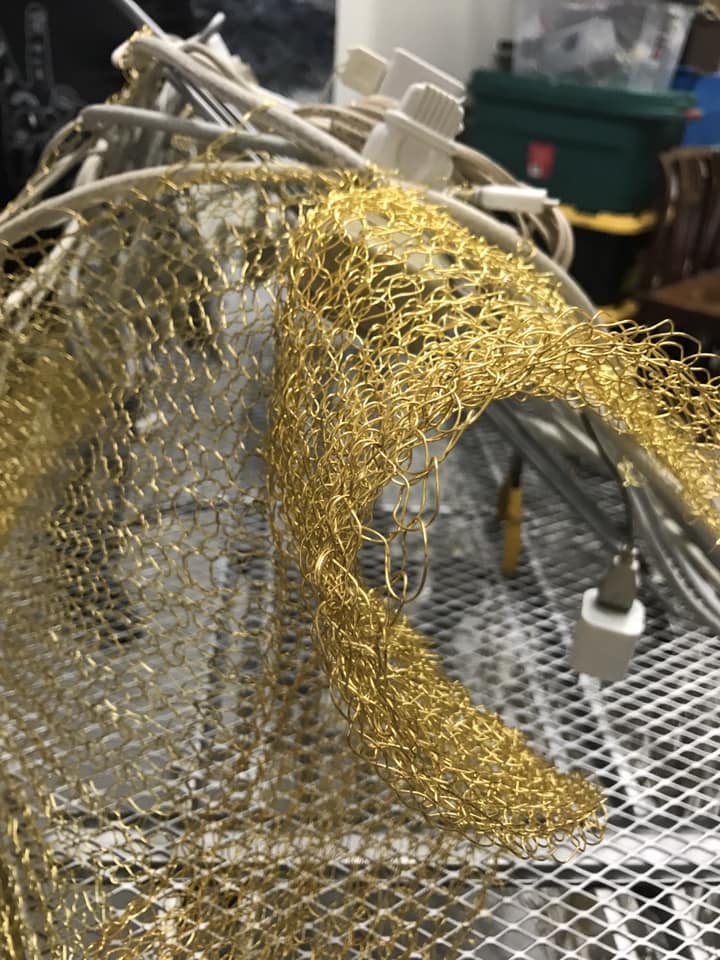
Chenhung Chen’s sculptural art and drawings may be shaped by wires, cords, and crocheted copper but they feel inherently alive, as if they could, after dark, shift through time and space and shimmer into another realm.

art walk 19

art walk 20

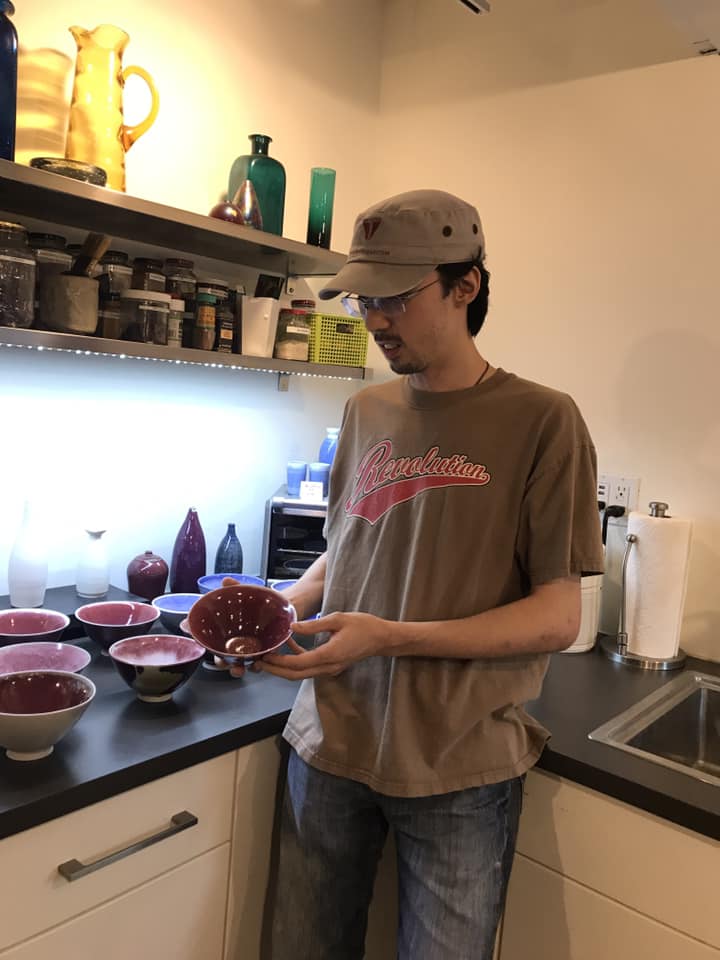
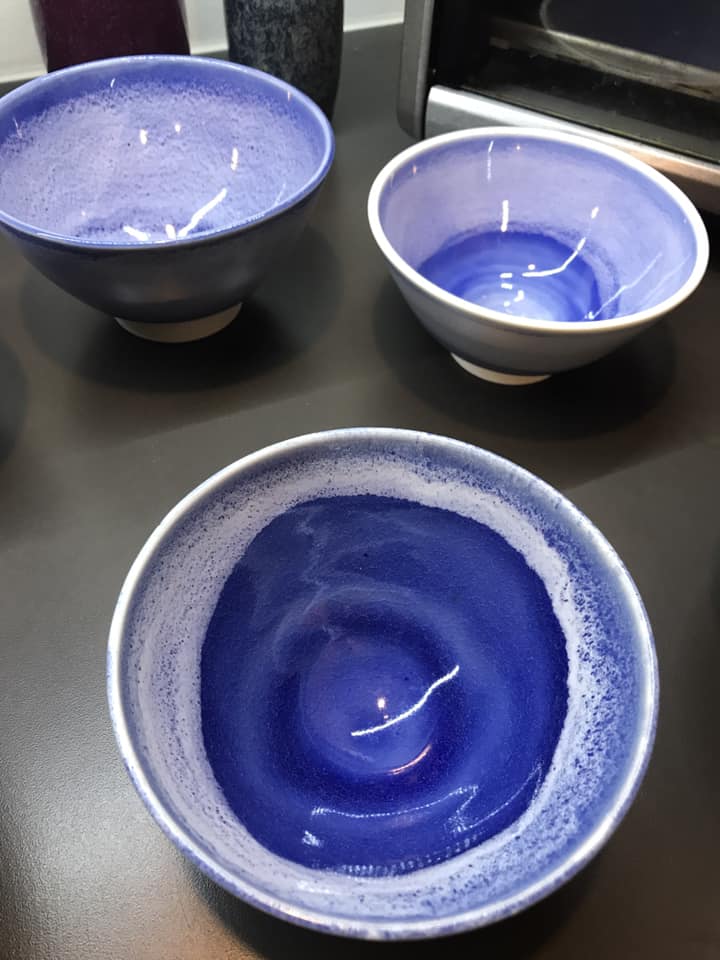
Ceramicist Skyler Bolton shaped stunning and practical art with unusual oxblood and periwinkle blue bowls, vases, cups, and plates.

artwalk 32

art walk 40

Randi Hokett’s mineral-based art involves the formations of crystals; new works were created on paper, both delicate and surreal, like intricate, sparkling, gem studded land masses being shaped before your eyes.

artwalk 2 emily

Emily Elise Halpern offered shining abstracts and smaller works with vibrant words of wisdom inscribed on them.

teale

Teale Hatheway’s vivid, illumined works burst from the walls with light and life.

artwalk 9

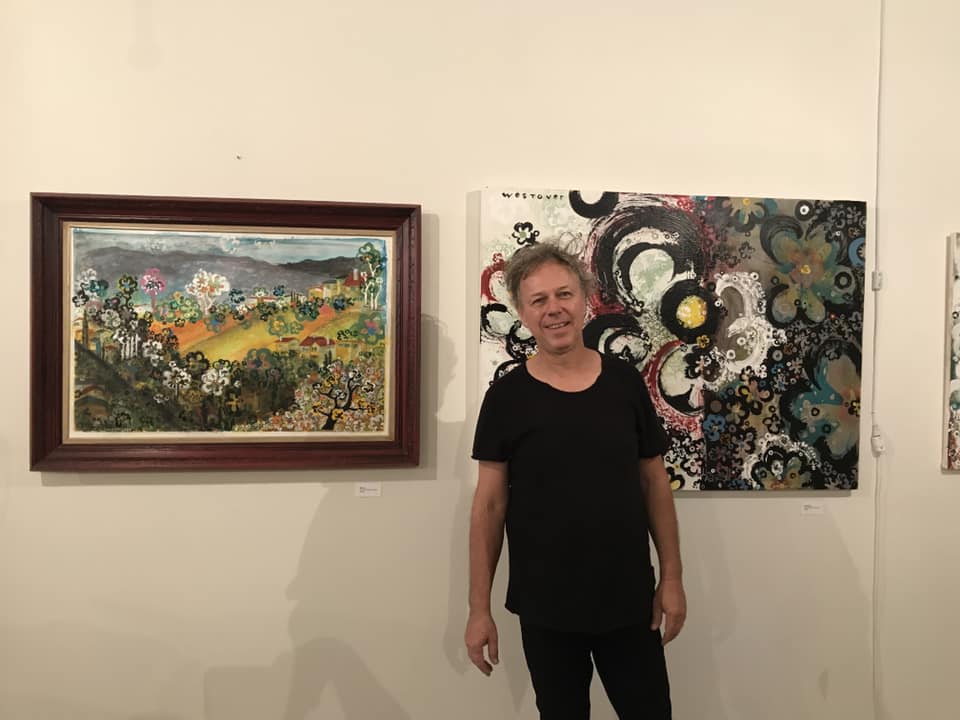
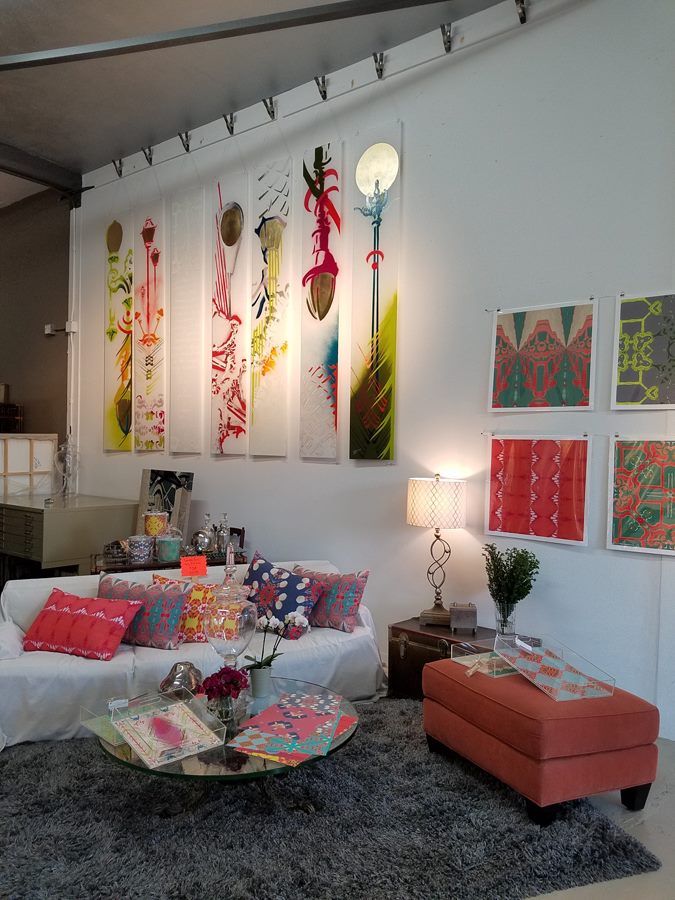
Todd Westover’s blossoming floral works have evolved to include landscapes with houses and hills and trees; he experimented with prints of his work on scarves and bags and pillows, too.

artwalk 12

Jorin Bossen’s portraits are unusually evocative, suggesting so much more going on beneath the surface of each piece, as if we were invited into the subject’s personal intelligence.

artwalk 11

artwalk 10

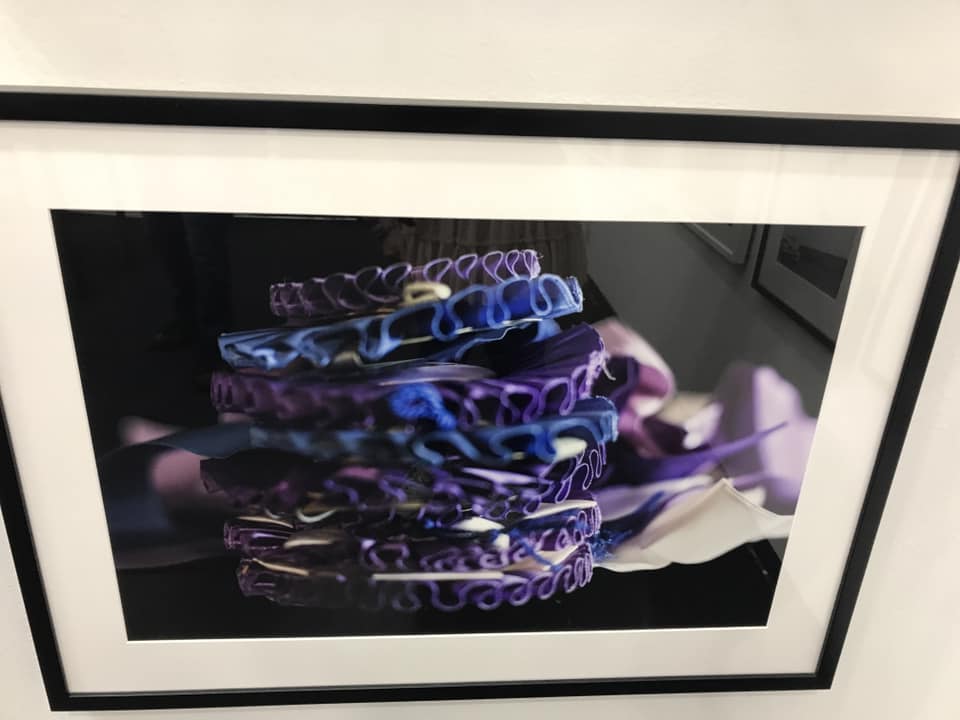
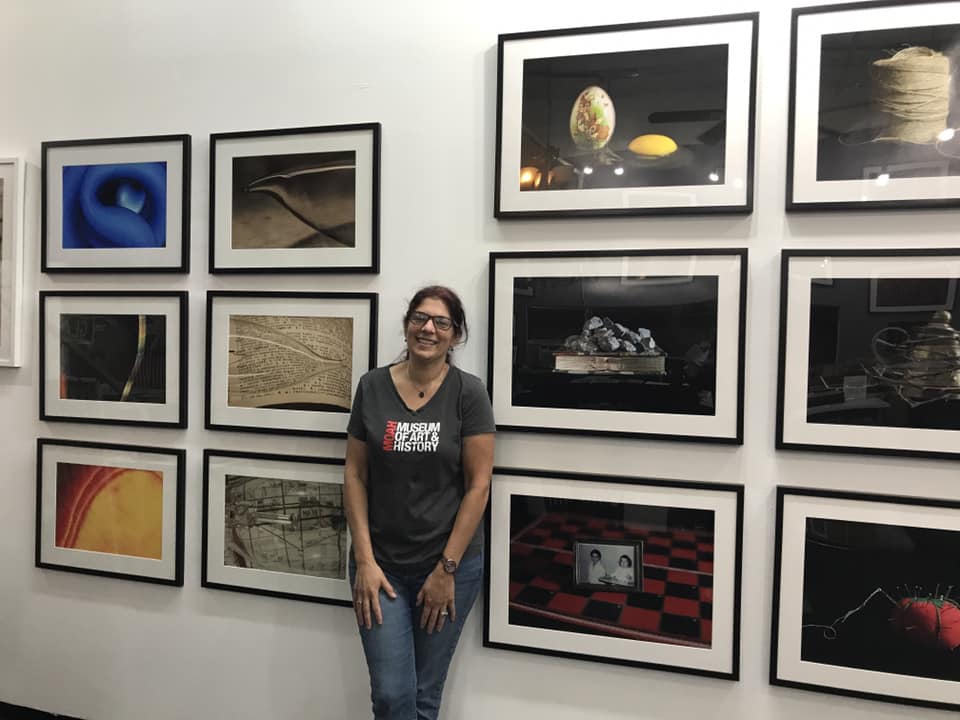
Jane Szabo’s photographic art is a mix of still life and portraiture each unique and poetic. Her still life work stands like a visual short story, full of rich detail that one wishes would expand into a novel of images. Faceless portraiture may seem an anomaly but for Szabo it is not; her specially crafted dress images are perfect stand-ins for the aspects of the human spirit they represent.

artwalk 22

art walk 21

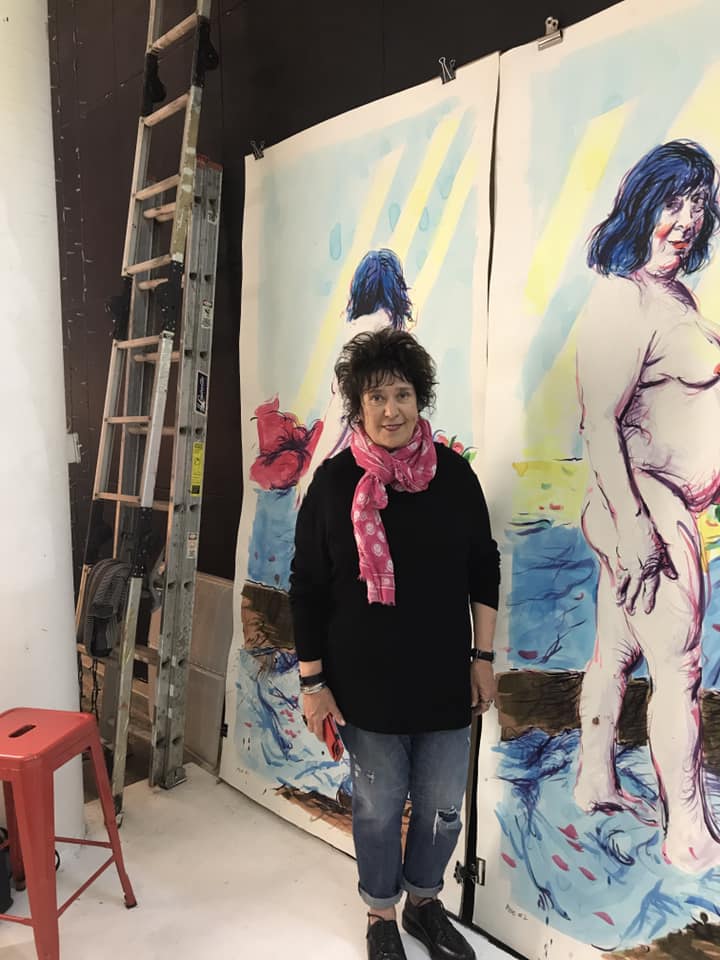
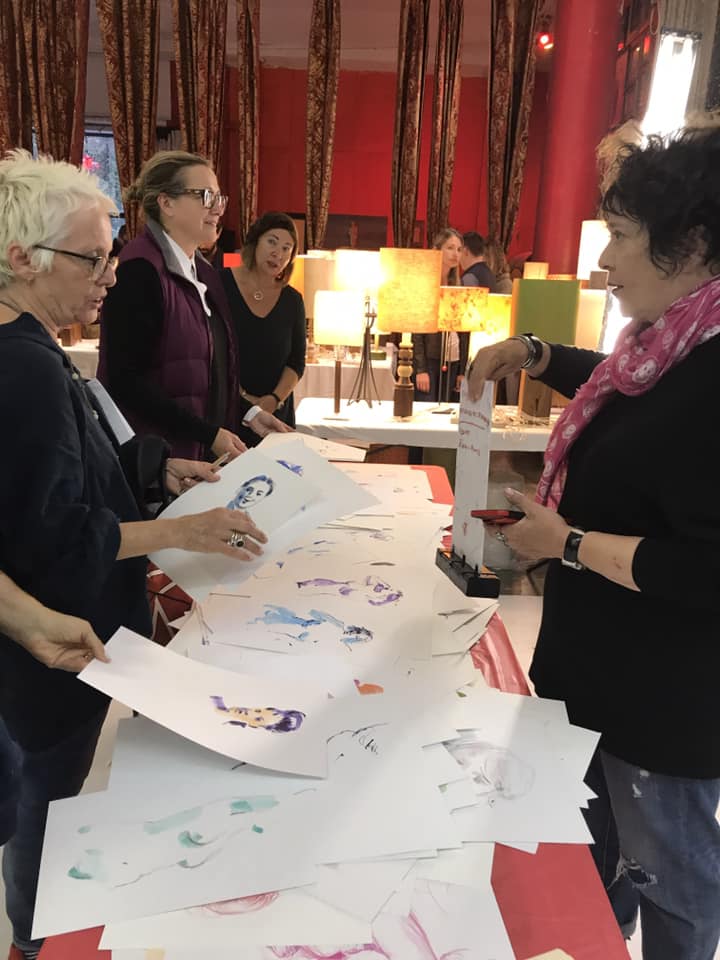
At the Jesus Wall Gallery, a group of artists each displayed their work. Lena Moross’ large-scale nudes are watercolor dreams, lush and just this side of surreal; smaller works sold like proverbial hotcakes unframed from a table Moross manned, tributes to her prolific output and graceful style.

artwalk 25

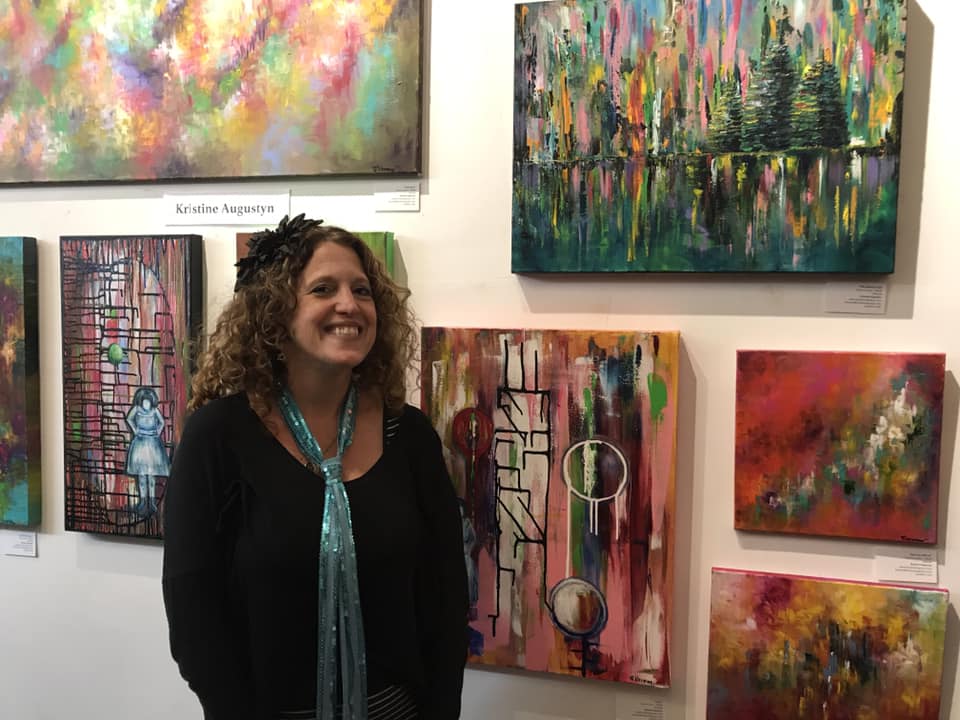
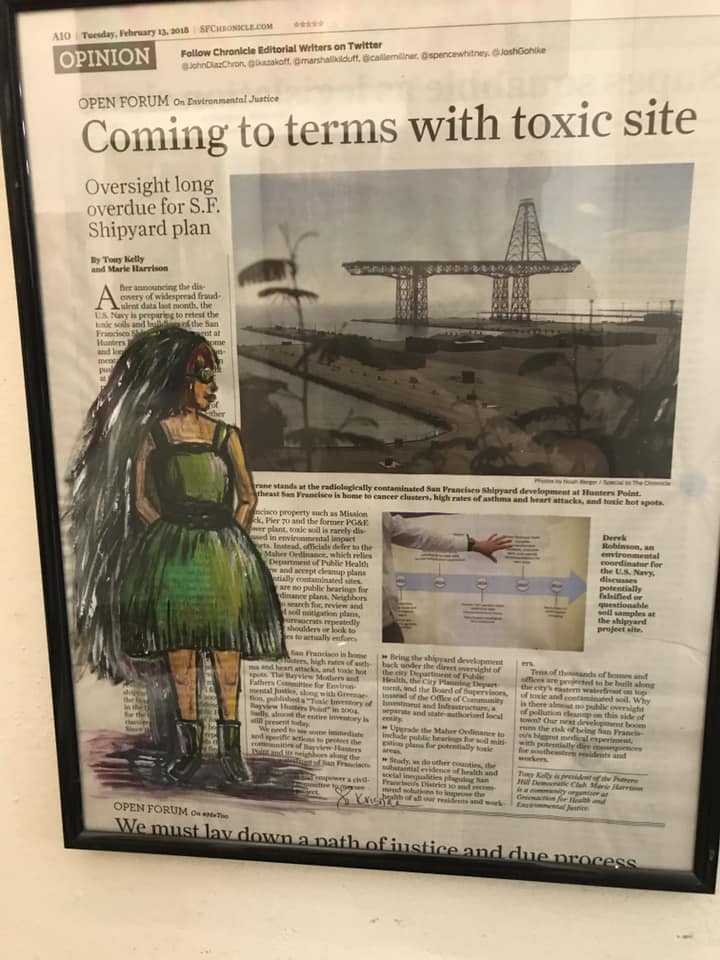
Kristine Augustyn exhibited a wide range of work: female figures on newsprint, abstracts, minute landscapes.

art walk 24

Her sense of color vibrates; each of these very different bodies of work are created with a striking palette and textural contrast.

art walk 39

artwalk 31

art walk 38

There was so much more of course, but this is a sampling of the bright artistic lights ready to shine for you when the Brewery Art Walk rolls around again in the spring. Don’t miss.

  • Genie Davis; photos: Genie Davis, Teale Hatheway and Kate Carvellas photos courtesy of artists

Jeffrey Sklan Offers a Fine Elegy

sklan 6
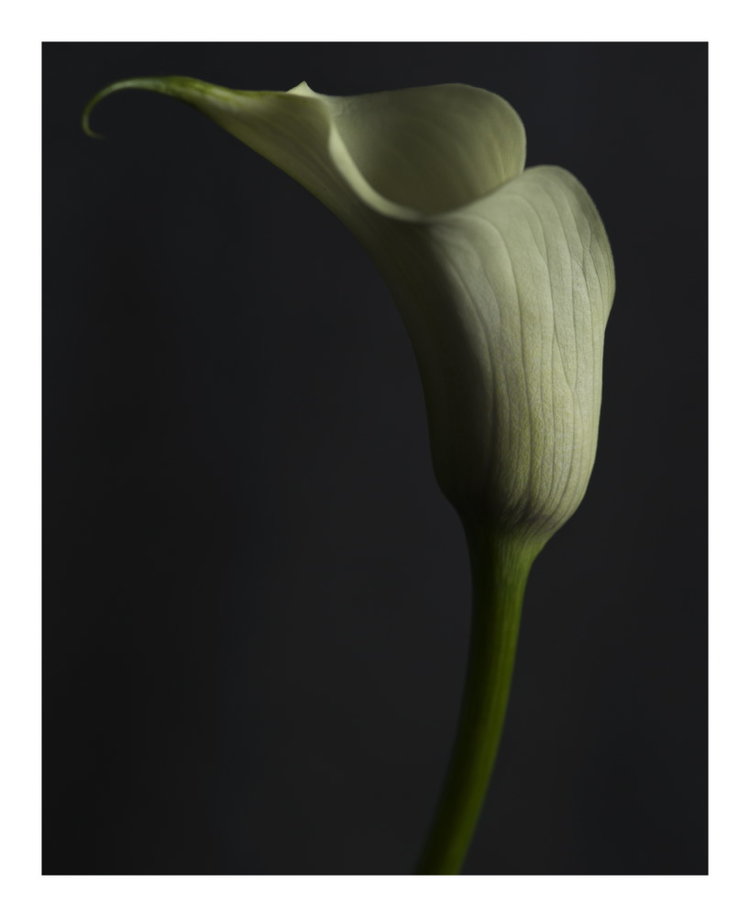
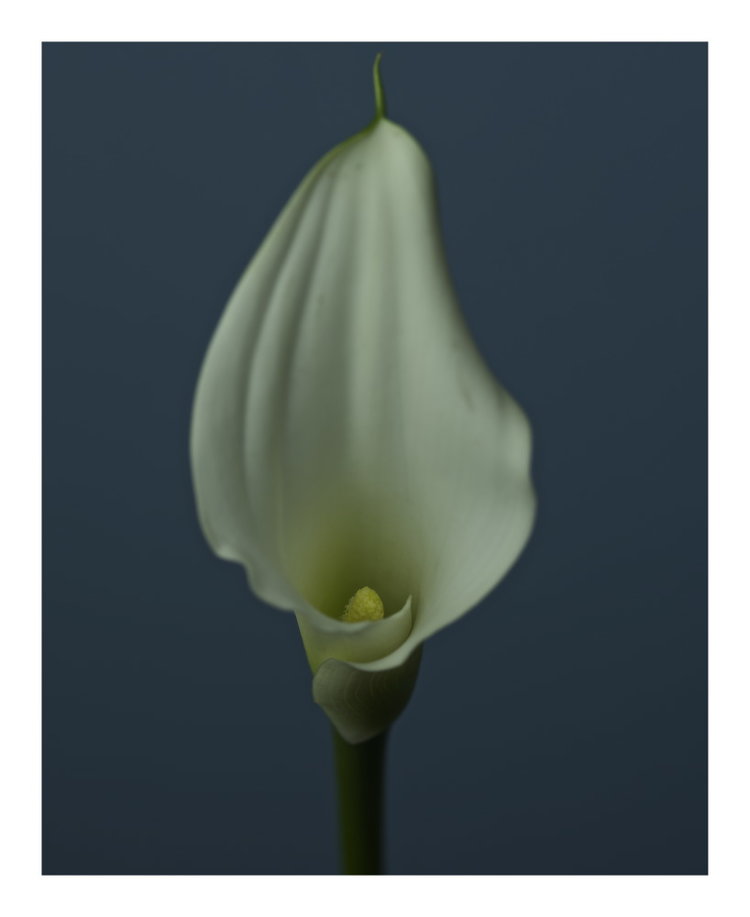
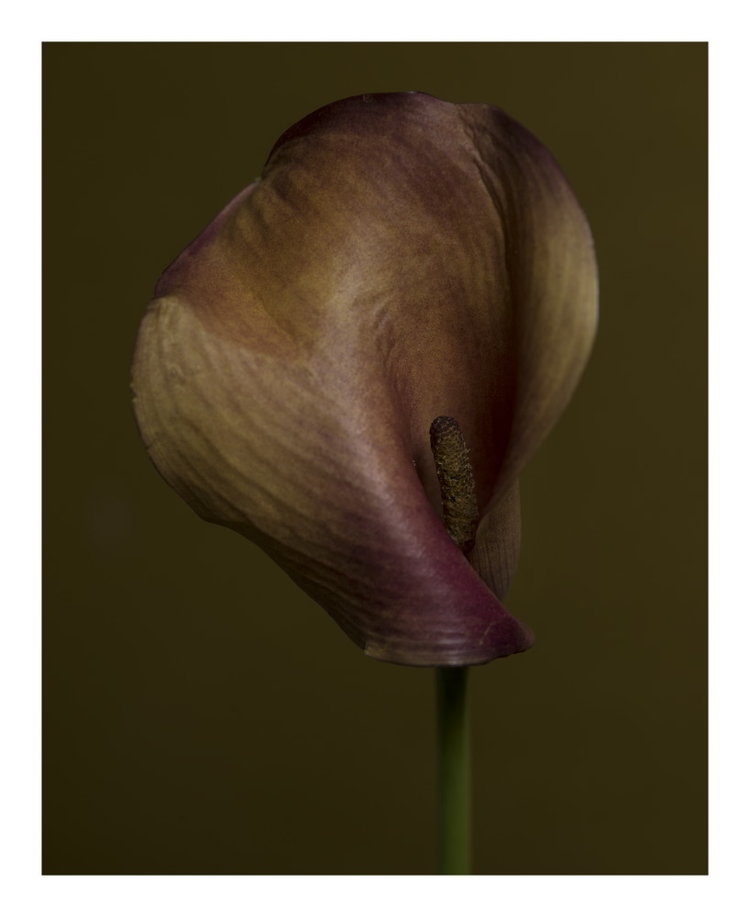
Floral images are a blossoming thing for photographic artist Jeffrey Sklan. With Elegy, which he terms his last botatnical series, he is “paying tribute,” but perhaps his work always has, regardless of subject.
“The floral images in this series were the result of two discrete events, a decade or so apart. First, a few years ago, I wanted to do a project that would not require other people, in any capacity. Second, there was the ‘rediscovery’ of film negatives that had been processed but never printed,” Sklan remarks.
The negatives were taken immediately after a memorial service for Sklan’s mother in 2001.
IMGP2532

“Everyone had gone and it was quiet in a way that is almost always preceded by great loss. There was a bunch of tulips in an art nouveau vase that I had given her, years before. They were both beautiful and lonely,” he relates. Restless and seeking an artistic and stylistic change, he found these negatives 13 years later; the result was an initial image titled “Beverly’s Tulips,” after the artist’s mother.
sklan 2
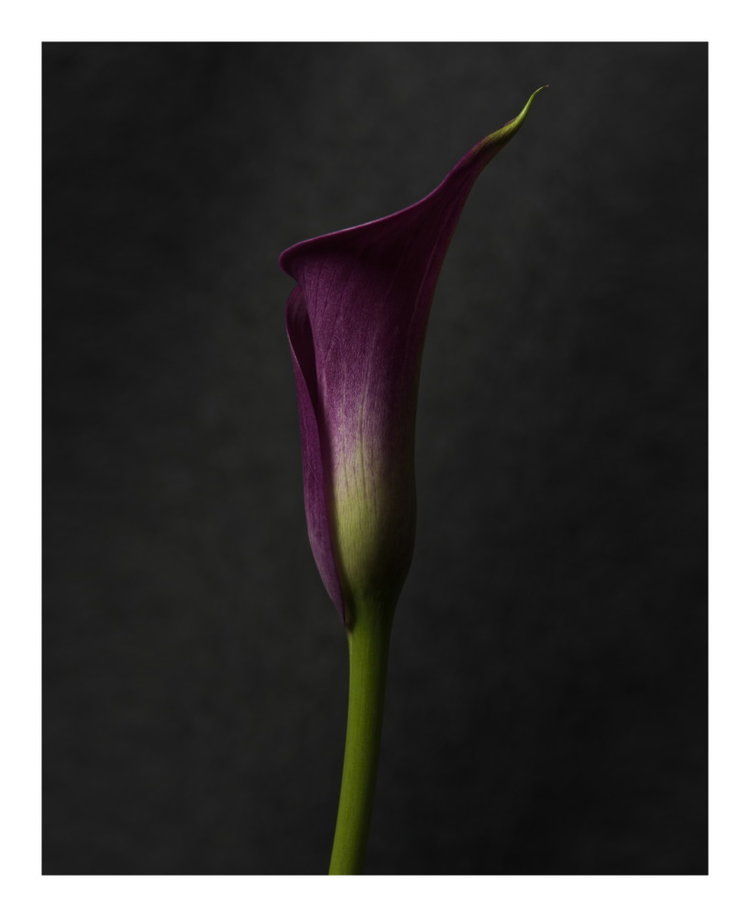
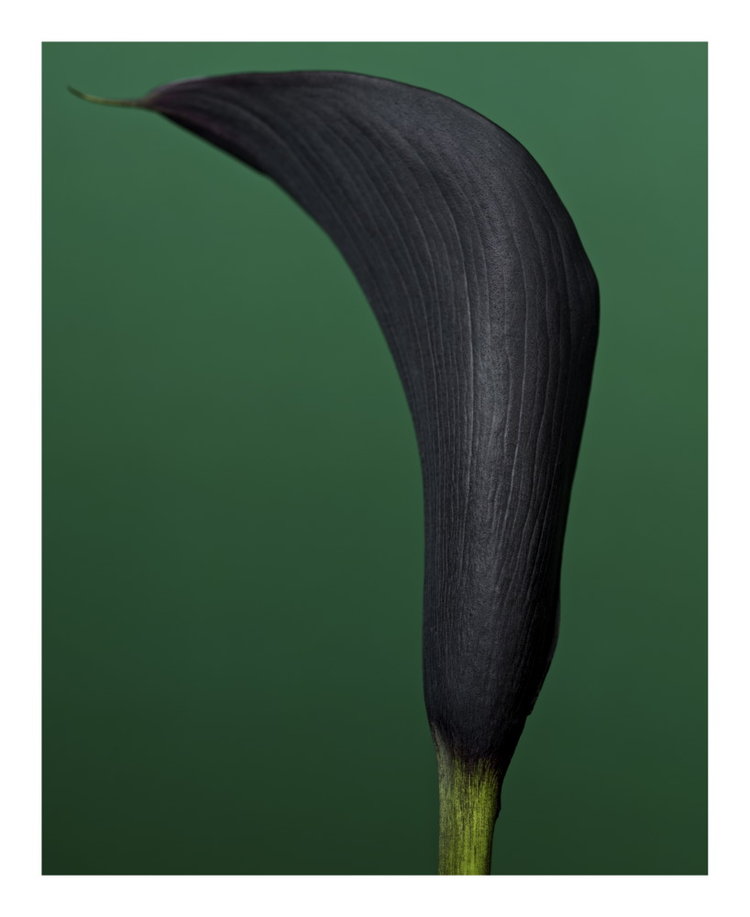
The Elegy series reflects both beauty and loss. The initial image “Lily for Orlando,” was “literally created as the crime scene from the Pulse Nightclub was playing out. A black lily on green background resulted. It was June, 2016 and there was no intention of it being anything but a one-off.”
But in July of 2016, 87 people were killed celebrating Bastille Day in Nice. “The enormity of it resulted in another image. And that was that – a project took form,” Sklan says.
Then a classmate of his daughter’s was murdered by a white supremacist in Portland.
“Things shifted, and rapidly, from that point. I had met a victim. The image created for this boy, whose name was Taliesin, was strong and nuanced. For the first time ever, I did a giclee print as a fundraiser to commemorate him and accumulate scholarship funds for his alma mater. The response was positive and humbling.”
Profits from the print sales were forwarded to Reed College in Taliesin’s name; a scholarhsip was created, and a handwritten note from the first recipient remains on the artist’s desk, as tangible proof that his work is powerful enough to make a difference.
“The exhibition is designed to be a traveling show. The prints are relatively small. Their sales are the sole source of funding for travel and exhibition costs. There are no sponsors to date. There is absolutely no profit motive for me. It has been its own reward, thus far,” Sklan asserts. “The message is simple: we are each, in our own way and according to our capacity, capable of effecting change.”
sklan 8
Sklan terms this work a labor of love. “When I was shooting it, ten hour shoots seemed like ten minutes. The process is straightforward and comports with my aesthetic of ‘nothing  extra.’  One camera and one 30-year-old lens were used, in a small studio that was once my dining room.”
sklan 11
There’s a strong spiritual component to his work – not only the floral images here, but in earlier floral works; portraits of artists – a new series which he calls The Brush Off; and in other incarnations of his work, including an image of a lonely roadside restaurant abandoned in New Mexico, or in mixed-media collaborations that celebrate musical artists. That component comes from within: it is a ribbon of light, a moment of solitude, the sense of longing for connection – to life, to beauty, to being.
sklan 5
Sklan says “The most successful images reflect what I was feeling or intuiting in the moments surrounding the shutter’s release. Whether person or flower, capturing emotional content or portraying a sitter in such a way as to spark a visceral reaction is the intention. I am seeking to memorialize the essence of what is before me. This is a search for the spiritual.” He says that his eye rejects that which is coarse or crass, and is not distracted by “whatever lays on the surface. If you’re around me for any length of time, your truth will make itself known,” he attests.
sklan 9
His rich color palette originated with a fascination and admiration for artists such as Velasquez, Rembrandt, Titian, and Caravaggio. “My sense was that if I could ever take just one photograph that had those artists’ strength and tonal qualities…that would be a triumph.”
With the colors of the Renaissance at play, Sklan has triumphed repeatedly. He creates depths to his work regardless of subject, with foreground dimensionally riveting, background shaping the unknown depths of an entire world. He creates works that have a resonate, inner light, in part by acknowledging the light within his subjects, whether plant or animal.
sklan 3
sklan 7
“A sitter’s light and the artist’s sometimes collide and sometimes merge seamlessly. When it works, there is transference going on. Many people, despite showing up, are reluctant or apprehensive.  I just flood them with my own inner glow until they relax and trust the process. Then, their own can come out to play. At that point, I disappear. Whether spoken of or not, there has been an energy exchange.” One of the ways in which Sklan exchanges energy is with “real joy” he says, and indeed his delight in working with his human subjects is more than palpable.
Perhaps the flowers feel his joy too, as well as his sense of life’s fragility, it’s passions and sorrows.
sklan 19
“There were two separate bodies of botanical work that preceded Elegy. The first was a nod to the 60s and the sun-drenched, color saturated South Florida of my youth. The flowers were shot on white with an emphasis on translucence and detail.  photoLA 2016 featured them and they made people very happy,” he says.
sklan 18
“That was immediately followed by work that was more reserved. More like myself. I called them Black and Bloom.
sklan 16
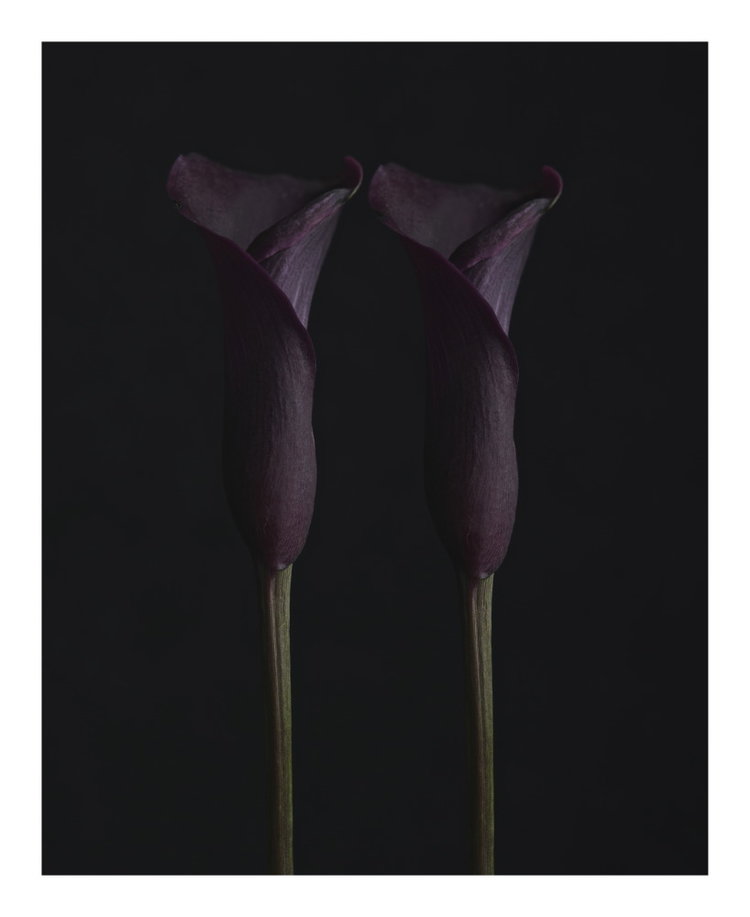
The next 5000 images were shot in a darkened studio. Light was added back in a stingy fashion. Shadows and hinted-at detail became the norm. Coincidentally, my sense was that we were entering some dark times as 2016 progressed. To that degree, the art reflects the times,” Sklan suggests.
sklan 14
The darker images opened at photoLA2017, setting off many questions among viewers, who were encouraged to examine the works slowly, to search the meaning in the shadows.
sklan 15
sklan 13 not elegy
“The comments were so thoughtful and thought provoking that it stunned me. People got it,” Sklan says.
PhotoLA2019 will be the official debut of Elegy. To be held in Santa Monica at the end of January, the show will serve as a proving ground for an exhibition which Sklan hopes will travel to various cities including some where the events memorialized occurred.
sklan 6
These works are special indeed: as with every petal of a flower, there is perfection. Here is a captured moment of beauty in mourning, of growing things even through and after death. Sklan’s Elegy is an affirmation of the meaning in a life, even after that life itself has slipped away.
Mark photoLA2019 on your calendar for the debut of Sklan’s latest body of work.
Genie Davis; photos: courtesy of artist 


Here’s Looking at You Kid at Loft at Liz’s: Collaborative Curation

portrait 1
Here’s Looking At You, Kid, now at Loft at Liz’s through November 5th, puts the gallery’s best face forward: the collaborative curation focuses on portraiture as subject and form. And this week is the time to take a look at the subjects and their artists, with an artist talk scheduled October 23rd, featuring Justin Bower, Alejandro Gehry, Annie Terrazzo and Jane Szabo.
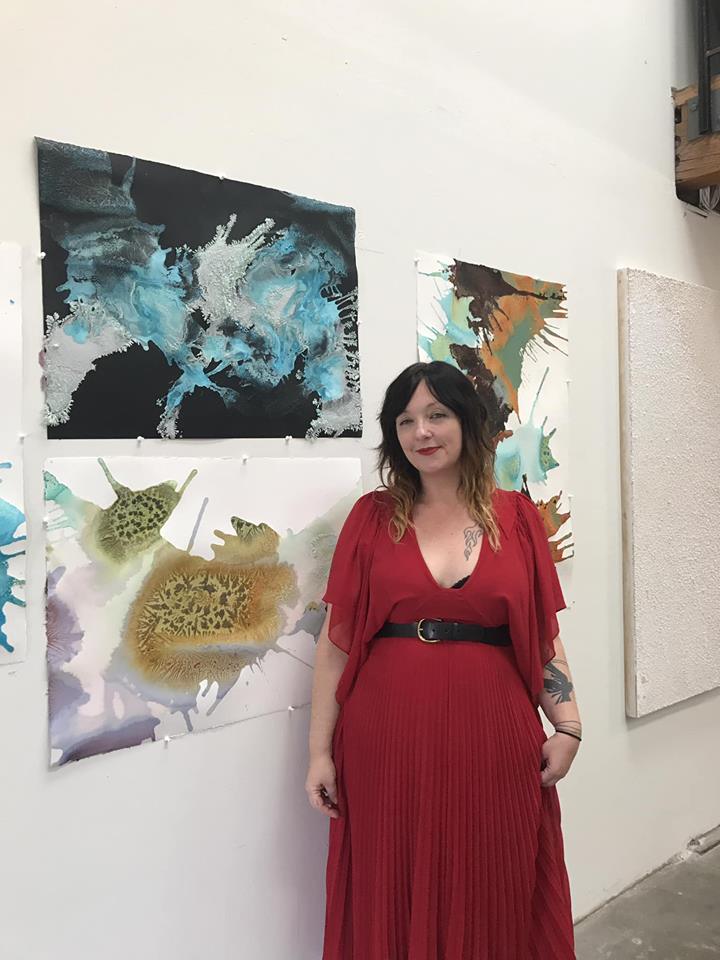
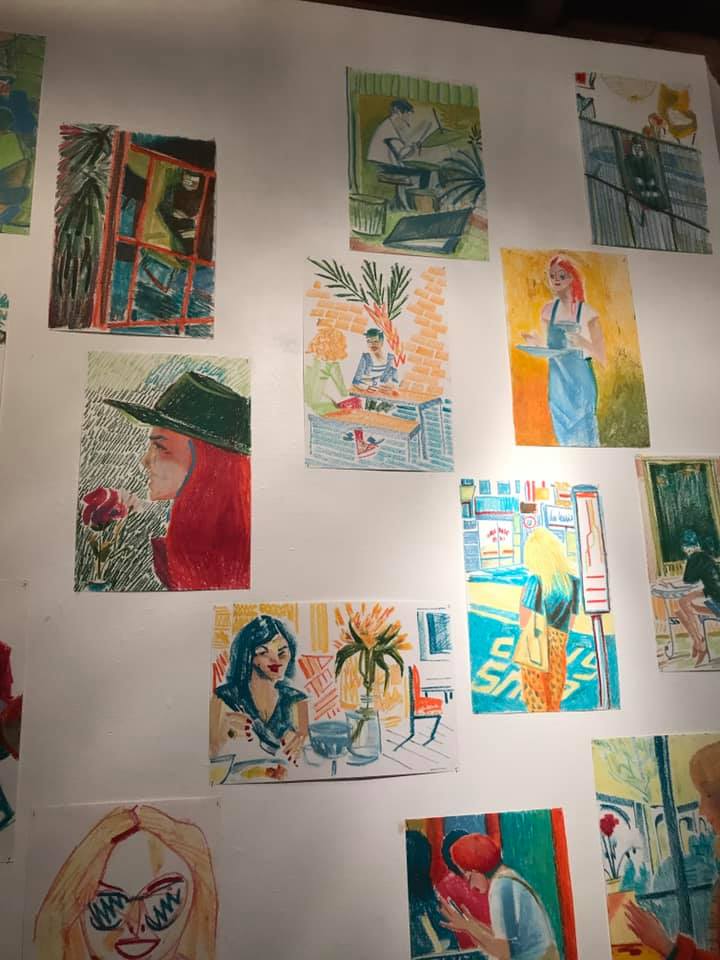
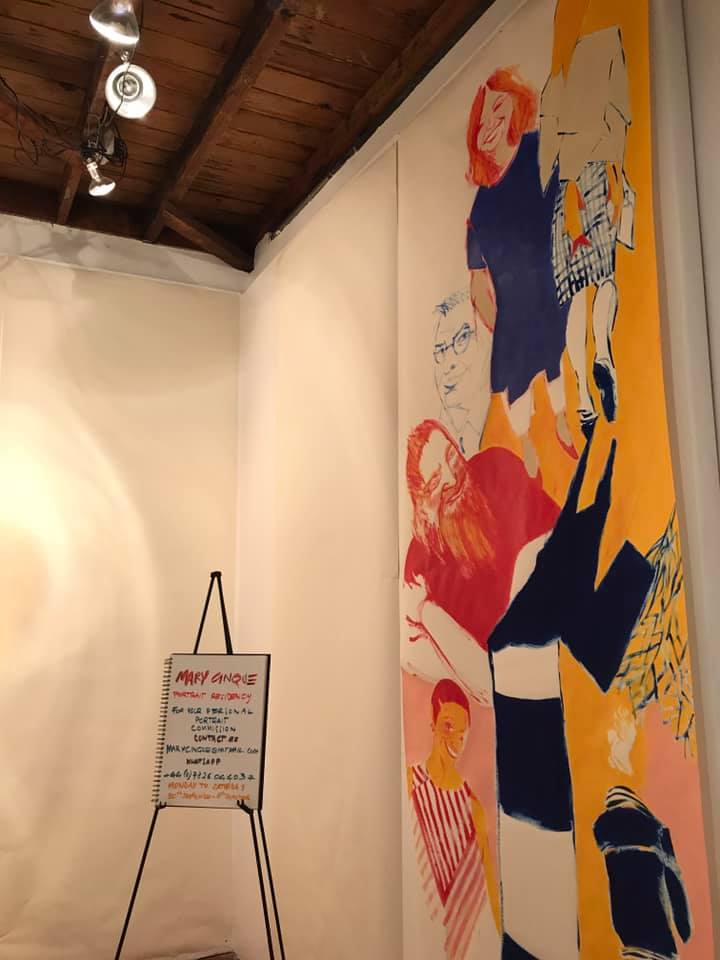
Co-curated with galleriest Liz Gordon and Cynthia Penna, it marks the pair’s third collaboration. Along with a stellar collection of portraits in a wide range of mediums, one of the most exciting elements of the exhibition is an artist in residency that allows individual artists to interact directly with anyone who’d like to have their portrait done. The gallery’s Project Room is the space in which artists create this work.
port 10
Gordon notes “Each week during the portraiture show, The Projects Room will become a 1-2 week residency for you to choose among the participating artists to create your own portrait. You can contact the artist directly for scheduling and pricing.” Through the 29th, the artist is Alejando Gehry; October 30 through November 6th, Alex Schaefer.
port 8
Portraiture here carries so many different facets, but Gordon found the show difficult to curate only from the standpoint that “there are so many  artists to choose from who do wonderful portraiture. We wanted portraiture that told a story… for example,  Alejandro Gehry’s portraits encompass an in-depth study of World War 1 and the countries that fought in it. Jane Szabo’s photographic portraits of people in their own environments gives us a glimpse into their lives beyond their faces.”
She adds: “We also chose artists whose work and mediums are vastly different from one another, with two exceptions:  Carl Grauer from the East Coast and Alex Schaefer from the West Coast – it is uncanny how similar their palette and stroke are, and it is exactly for this reason I wanted to show them together.
What is amazing is that neither one knows the other and yet when their work arrived, at least 10 of the portraits resembled one another.”
portrait 3


Penna describes the show as focusing on the idea that “I exist, because I am in the picture,”  noting that photography revolutionized the world of painting. “When the photograph was introduced, the possibility of being immortalized became accessible to everyone, something which represented a social vindication, an economic means of assuring a slice of immortality.”  Unlike the raw immediacy of a cell-phone selfie with its disposable artifice, Penna posits that the painted portrait – or photographic art form as portrait “slowly fixes an existence and a personality…something that lays one bare for all time and that cannot be cancelled…”

The gallery’s exhibition is described by Penna as “a kind of portrait that seems to look back at the observer: it looks and it seems to say ‘take care, I am the one who does the looking, I am looking straight through you and laying you bare: you cannot hide from me because it is me who controls the play of the gazes.’”

port 6

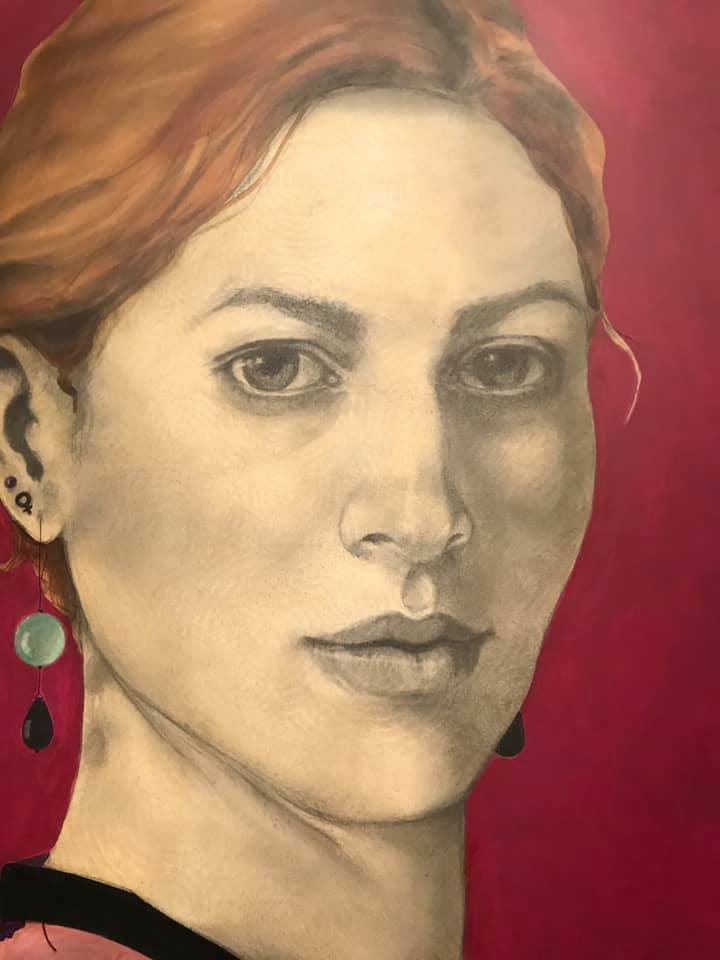
Each of the artists participating in the show give viewers this unblinking insight into the subjects they’ve shaped and documented and the viewer’s perception of them. Those exhibiting include: Carl Grauer, Justin Bower, Mary Cinque, Alex Schaefer, Annie Terrazzo, Alejandro Gehry, Antonella Masetti, and Jane Szabo.

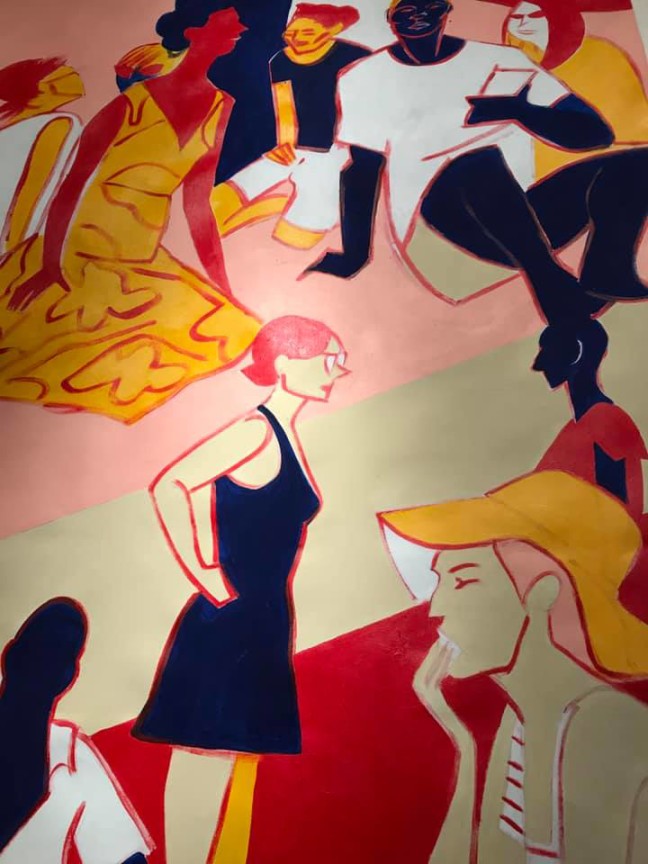
It’s a wonderfully mixed bag:  Masetti creates female figures that mix “the fragility and strength that represents the essence of femininity. I try to represent, through my paintings, our challenge: we do not fear you,” she says.

Gehry works with a long held interest in the history and decorative nature of military uniforms.  “I wanted to paint the figure, and also incorporate the significance of historic military wardrobe by using the post Napoleonic ornate headwear of the First World War. I began making these paintings in 2013 with the intention to lead up to the centennial of the beginning of World War I. On January 24, 2013, Secretary of Defense Leon Panetta removed the military’s ban on women serving in combat. This gave me the idea to adapt the series and swap the gender of the figures I was painting. The women represented in these paintings are wearing designated helmets of the countries that fought each other during the war.”

port 9

Szabo gives the viewer insight into person, place, and the individual’s place in their world. Her photographic work here brings an intimate look at the portraiture subject in the “wild” of their own environment: their homes. Providing a look at the life a person inhabits, the result is both an artifact and an exploration.

Schaefer offers fully alive portraits that seem to have flowed directly from the subject to brush to canvas. It is a kinetic connection to be savored.

Each of the artists create portraits that are immediate, visceral, and filled with character and contemporary style. They look at you, they meet you, they see through you – as the viewer sees into them.

port 7

Coming up November 2nd, Loft at Liz’s offers viewers the chance to participate in An Evening of Self-Expression, celebrating diversity and individuality.  Attendees can have Schaefer paint their portrait in just 20 minutes.

Lilli Muller invites visitors to bring a piece of clothing to be painted to reflect personal style. Pick up a DIY henna tattoo kit or have one applied by a skilled artist; or arrange a portraiture session in your own home with Szabo.

The event takes place from 7 – 10 p.m. on Friday Nov. 2nd; the exhibition itself closes 11/5.
– Genie Davis; photos: Genie Davis