
With perfect timing, both for the Halloween season and the current wave of exciting new horror films hitting film screens, The Horror Show exhibition opened this weekend at The Academy Museum of Motion Pictures.
The beautifully curated exhibition is paired with public programming and film screenings, including a retrospective John Carpenter series, a Halloween evening screening of The Craft, and a 50th anniversary presentation of Carrie on November 19th which will include a talk with star Sissy Spacek.
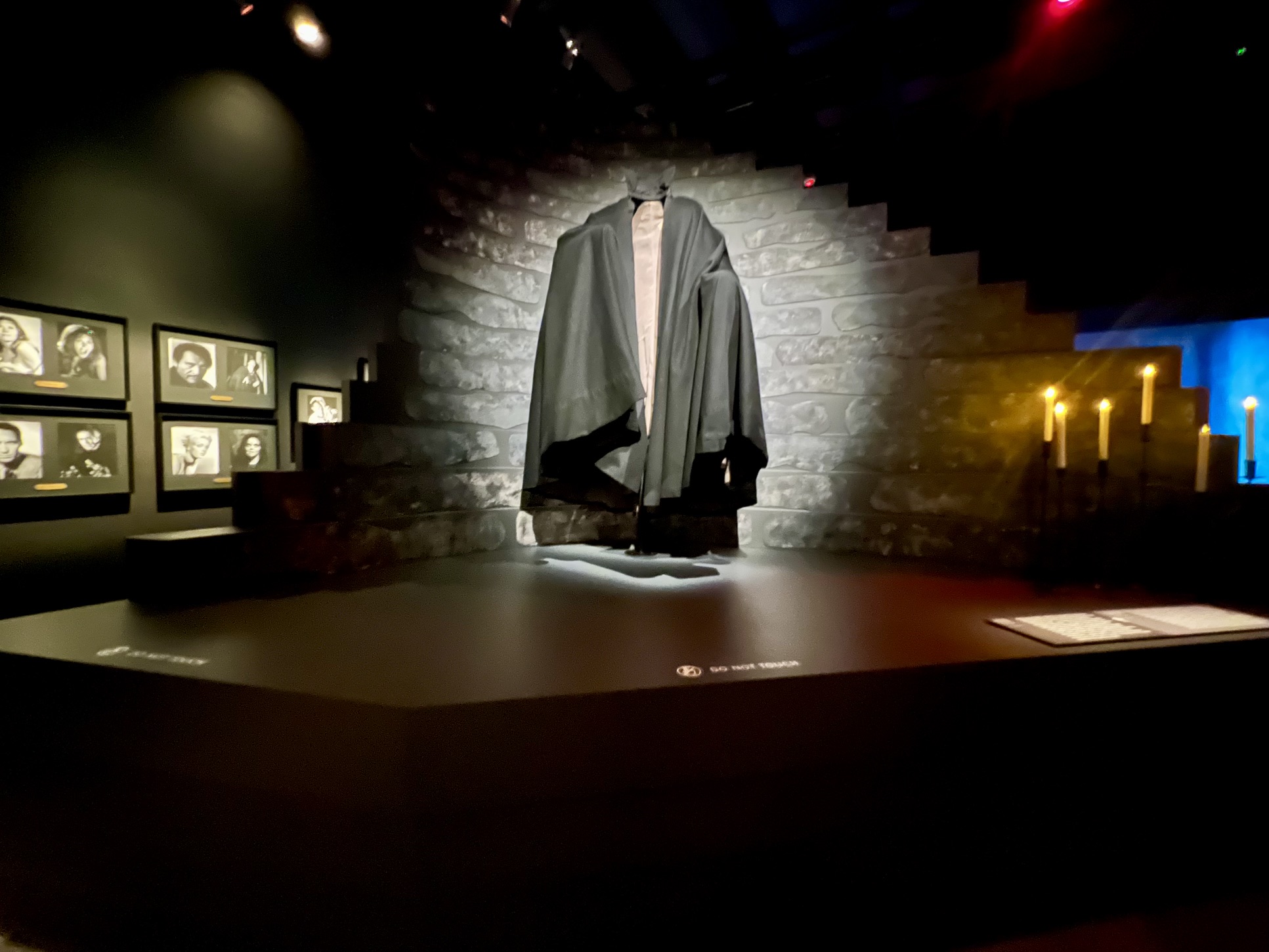
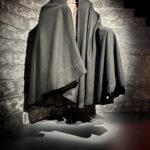
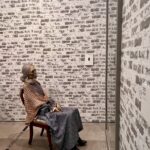
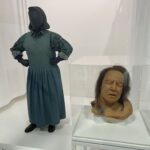
From the splendor of the original Dracula cape, generously donated to the museum by the Lugosi family and luminously restored by the museum team to a “pose with Mrs. Bates” tribute to Psycho. this absorbing exhibition covers costumes, special effects, masks, movie posters, original concept art work, props, and of course, projected clips of classic films. The vast collection includes over 300 items on display, from memorabilia to monsters. It is worth nothing that the gift of Bela Lugosi’s heirloom Dracula cape was a major influence in creating the exhibition itself, and this iconic costume is being shown to the public for the first time.
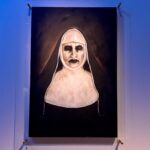
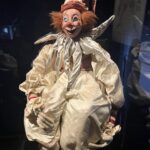

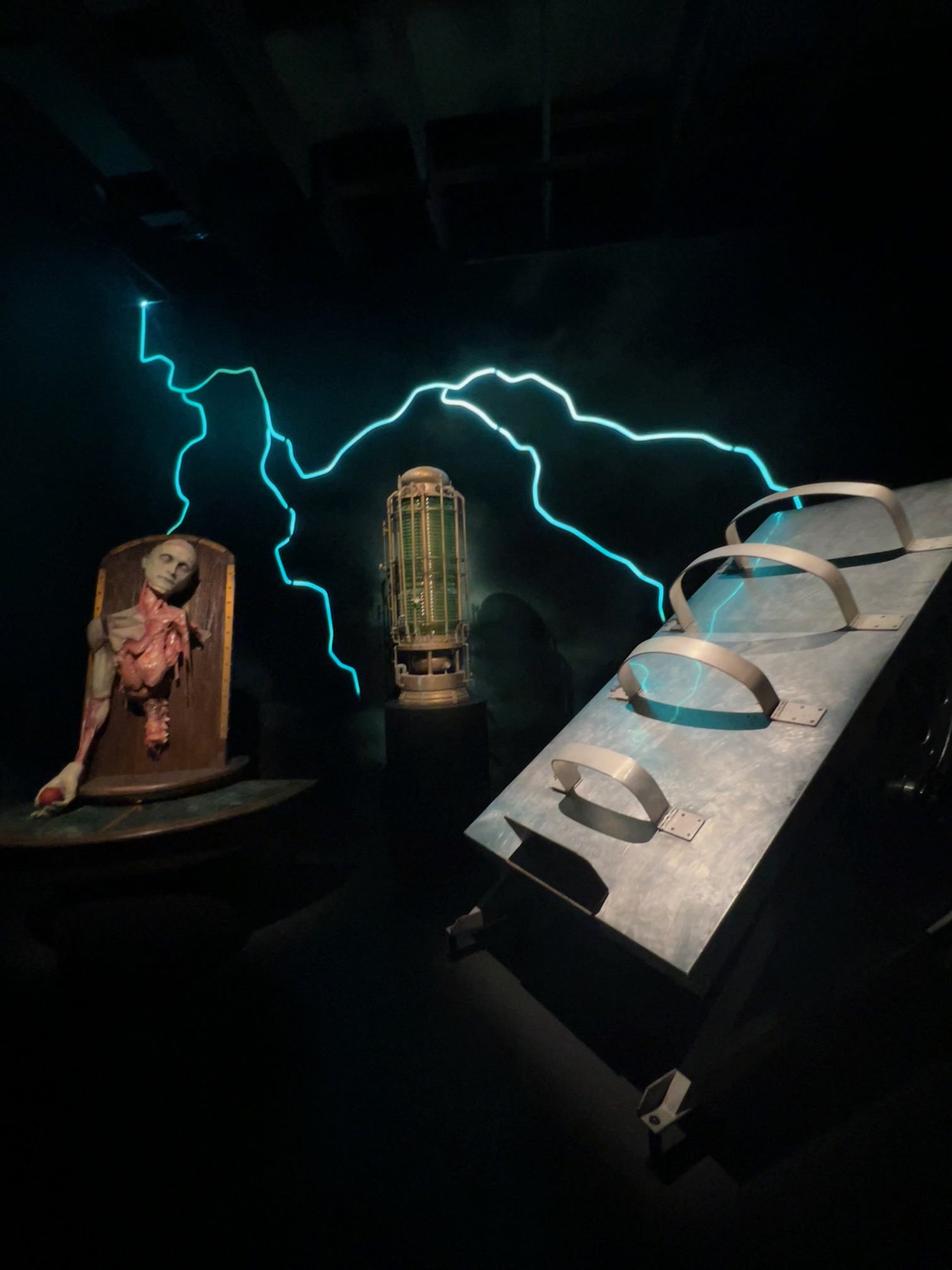
It’s an immersively constructed exhibition divided into multple “chambers” of beloved horrors: Gothic, Psychological, Science, Slasher, Religion, and Ghosts. Guests enter the exhibition space through a dark gallery space that begins the experience with a horror soundscape.
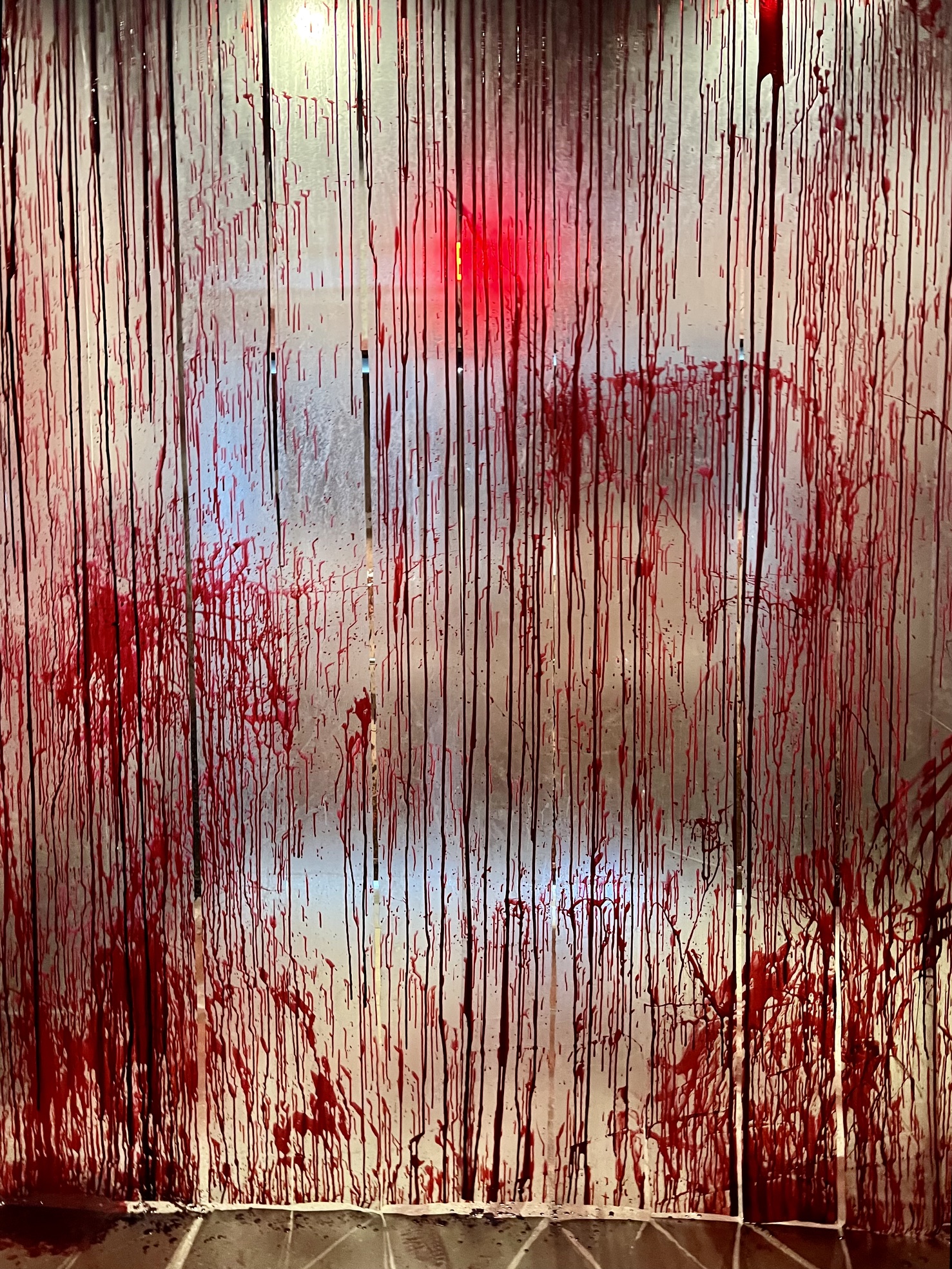
Exiting the exhibition is done through a cinematic-blood spill and splattered plastic curtains.
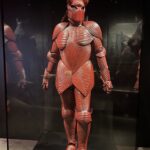
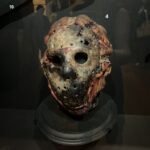
The exhibition is pure nirvana for horror afficiandos such as myself, but it is a true pleasure for all cinema fans, and a fun experiential romp through the knowledge of all things horror, and horror movies. Among the especially fascinating artifacts are the dailies from the film shoot of horror classic The Texas Chainsaw Massacre. Brilliant and breathtakingly terrifying images and scenes didn’t happen by magic, but rather through cinematic wherewithal and persistence that only looks like it was conjured up whole.
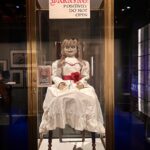
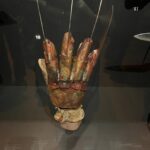
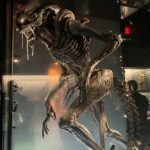
And speaking of the conjuring, “Annabelle” from many of The Conjuring series films is eerily encased in her infamous glass case, marked “Do Not Open;” Freddie Krueger’s ominous claw glove; practical effects from The Ring and Alien are among the treasures on display.

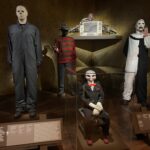
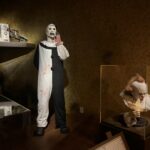
Speaking of Freddie, Robert Englund, who played the Nightmare on Elm Street nightmare himself, was present at The Horror Show opening. He expressed his gratitude for the museum’s recognition of the genre, which was not always as well-respected as it is today. Saying he was “proud of the Academy” for creating such a celebratory exhibition, he also noted that while when he first started acting in horror films “you kind of got the lousy table in the commissary by the kitchen door,” today “horror has saved studios and many majors.” He adds “I think we’ve finally arrived.”

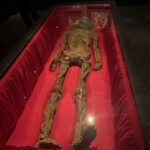
Nicholas Barlow, one of the exhibition’s main curators, noted that senior curator Jessica Niebel had proposed a horror exhibition before the museum even opened. “The date was pushed back, and now we are opening during a time in which there is a real love and hunger for horror,” he noted, adding that “Horror fans are very knowledgeable about the genre, so we were able to go deep across large swaths of horror history.”
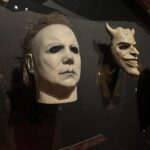
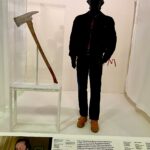
According to Barlow, “One of the things to focus on in this exhibition is championing the creators as brilliant, ingenious filmmakers. People made so much for so little” in terms of budget. ”
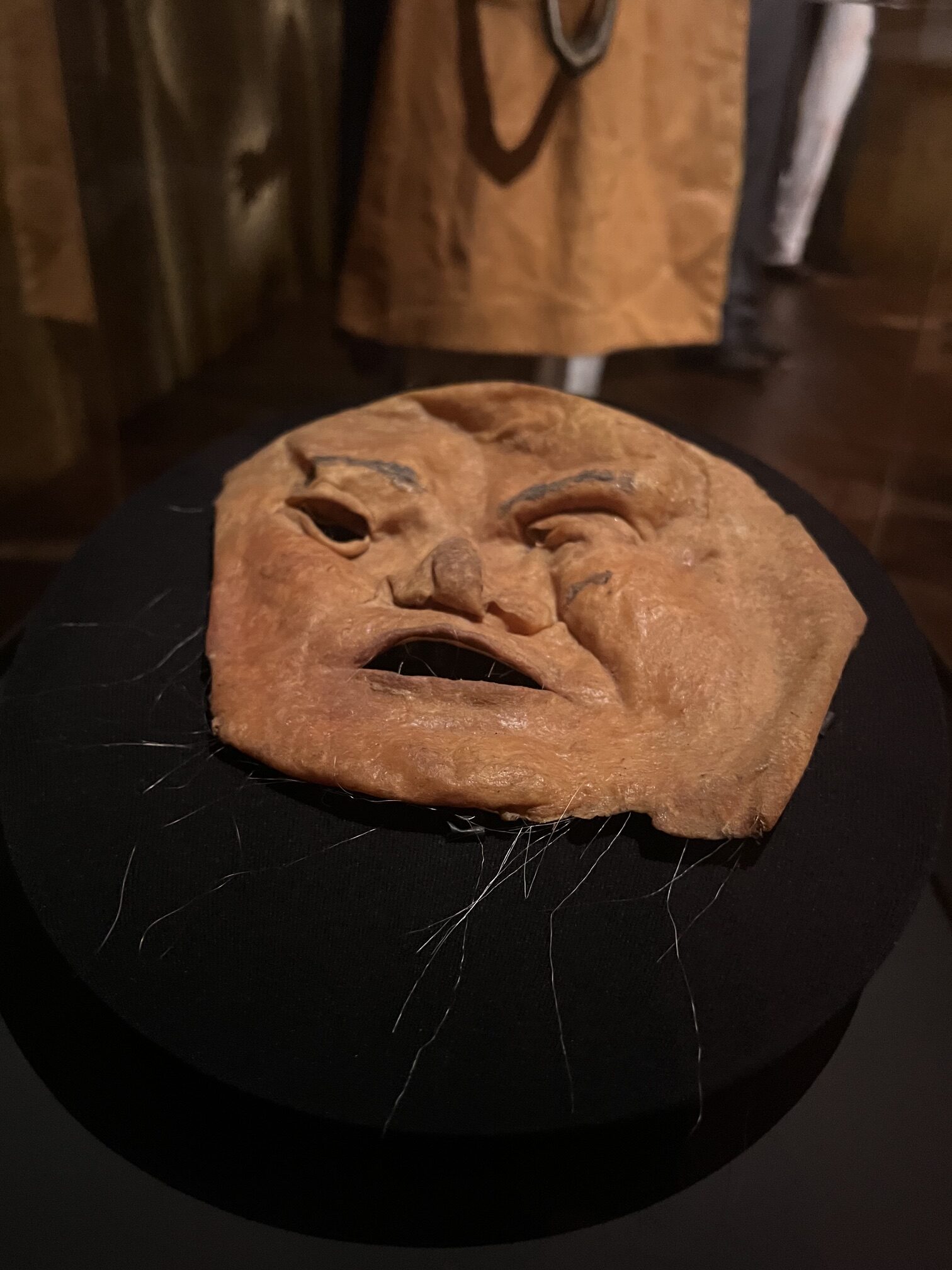
The curator is proud to have “the original Leatherface [test] mask from 1974’s The Texas Chain Saw Massacre on loan from the University of Texas’ Harry Ransom Center. And along with that object we have dailies from the film that show it was really just a bunch of kids shooting on a shoestring…so simple, but the production of a masterpiece.”
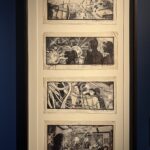
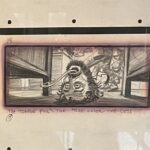
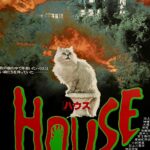
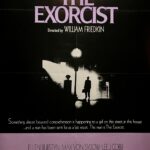
He also noted the exhibitions focus on artwork, including poster art. And, he pointes out “There are many drawings made by real craftsmen as blueprints to design sets. We get to celebrate them as art objects and iconic pieces of art…the building blocks of the films” which “imagined this world.”
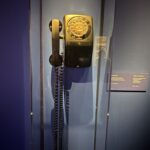
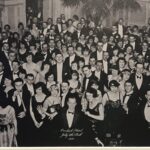
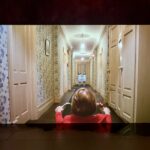
The Horror Show invites viewers into this marvelous and bloody universe through July 25th, 2027. The Academy Museum is located at 6067 Wilshiver Blvd. in mid-city. Be there and be scared!
- Genie Davis; photos by Genie Davis and Charlie Davis