
Shockboxx Rocks

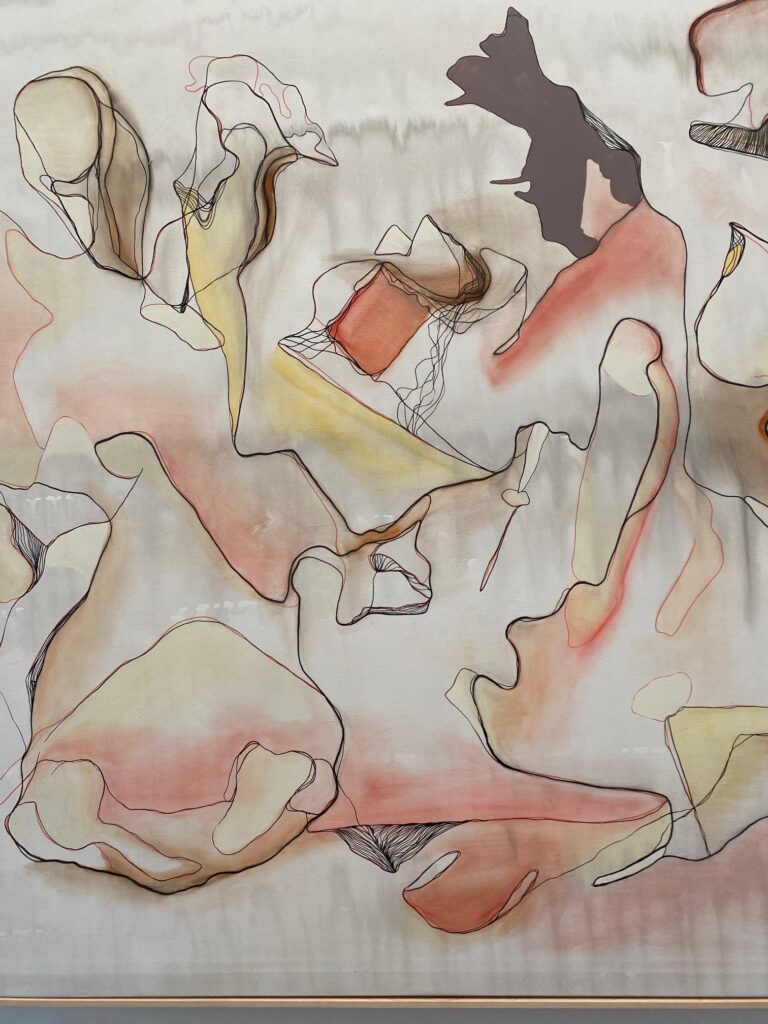
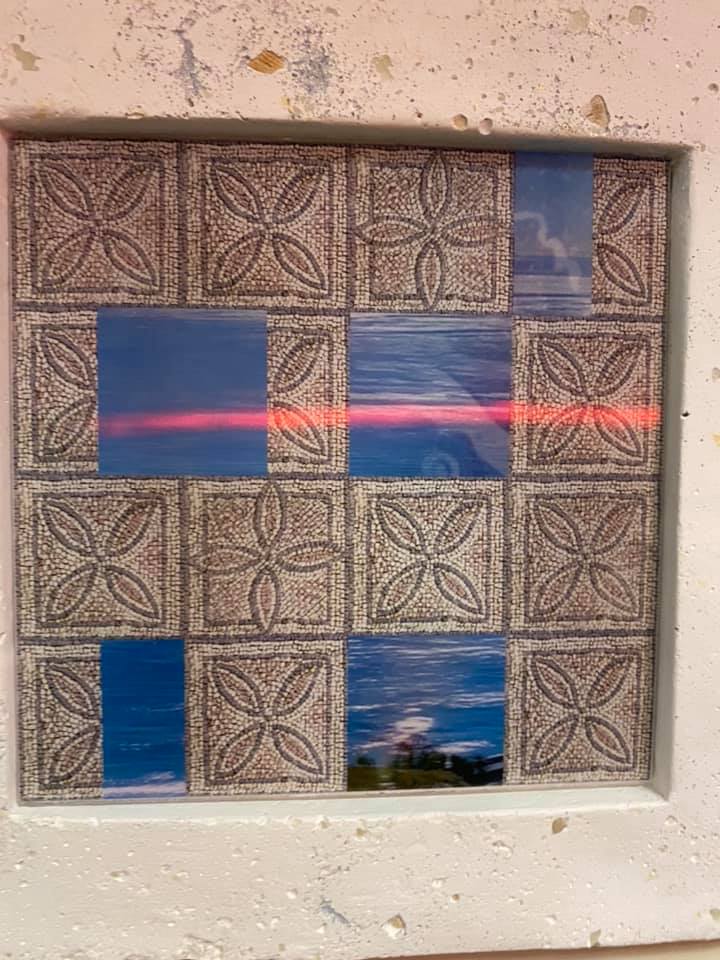
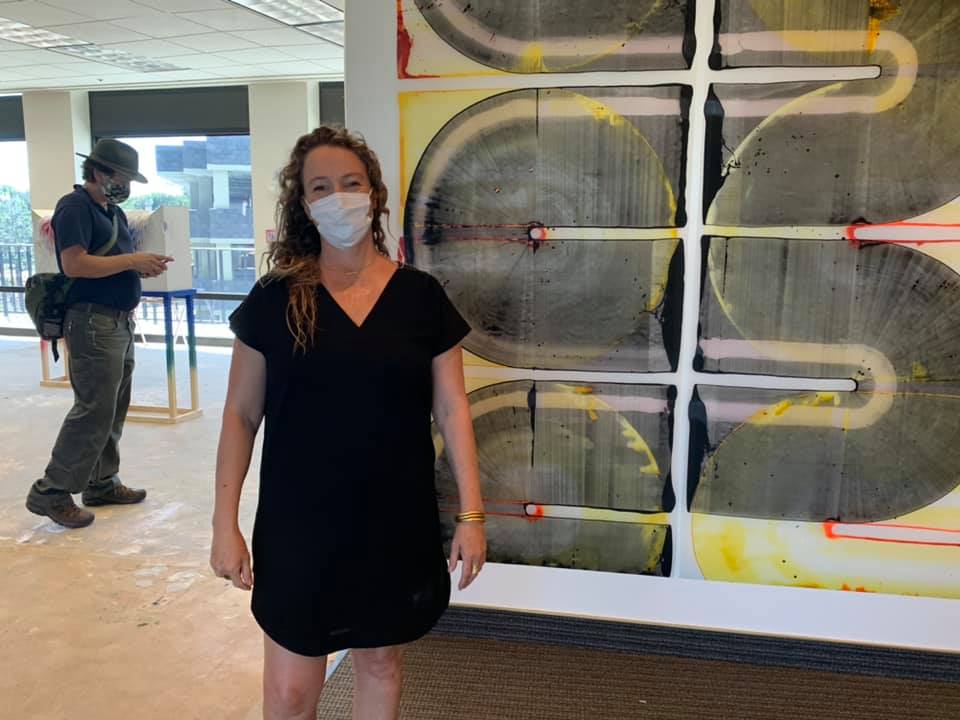
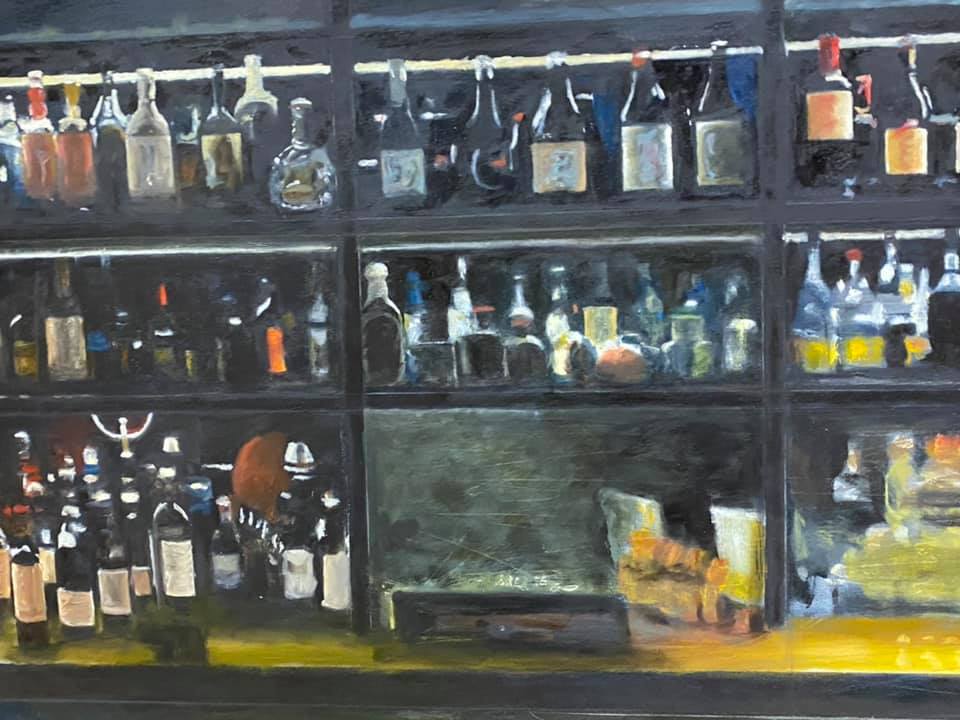
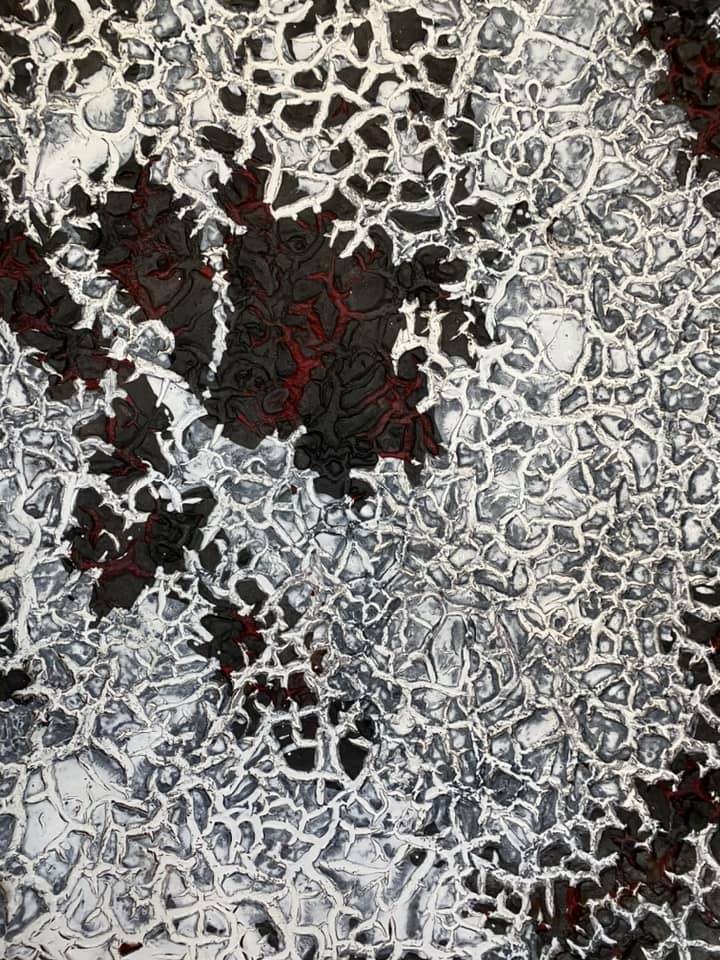
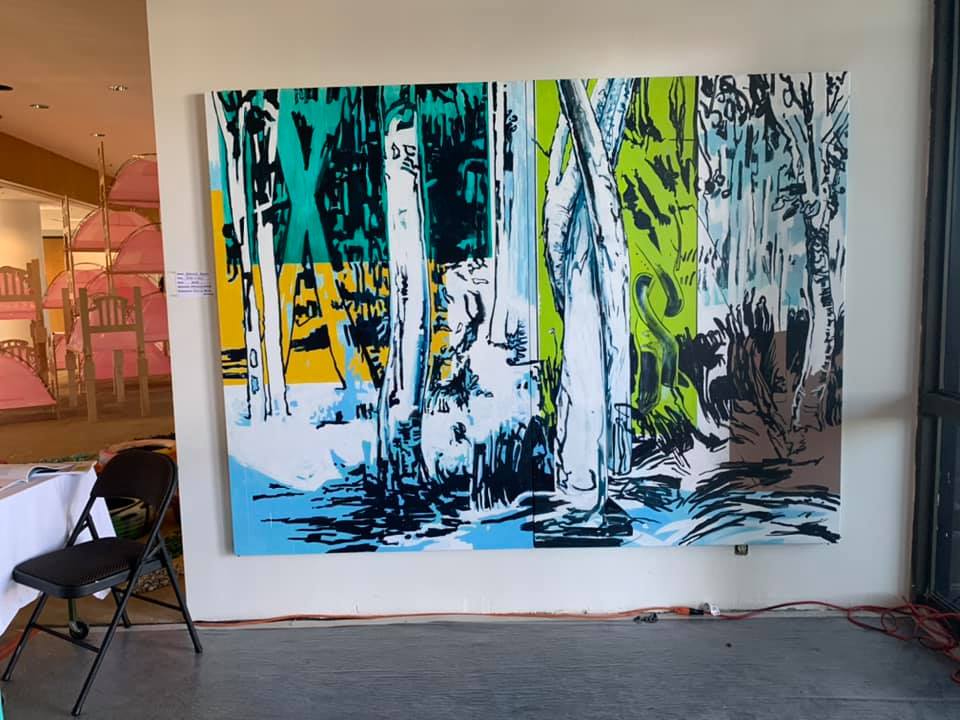
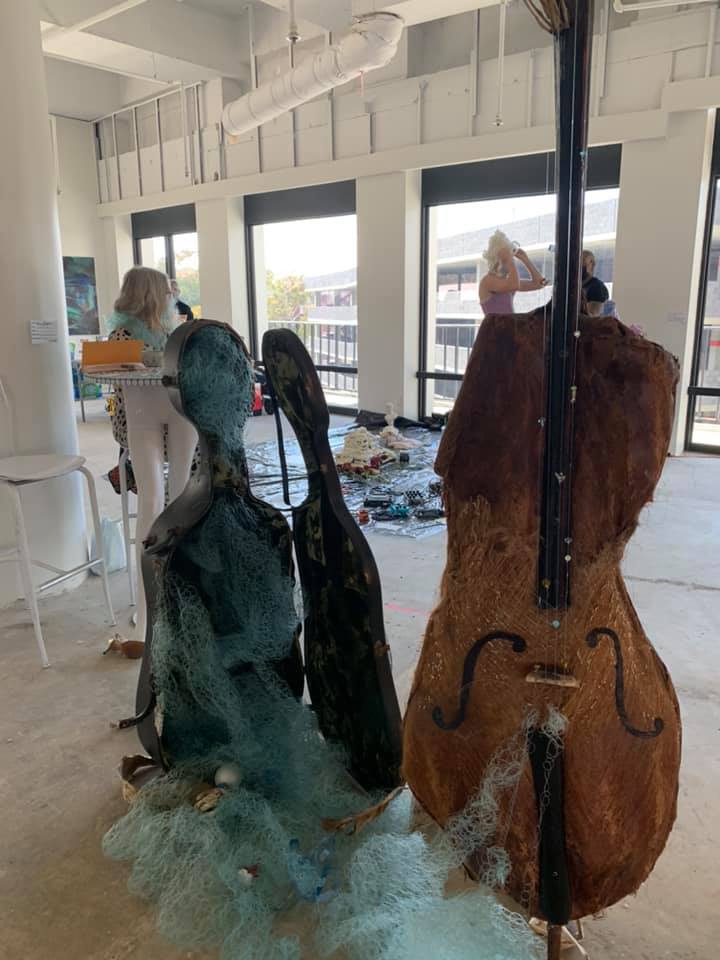
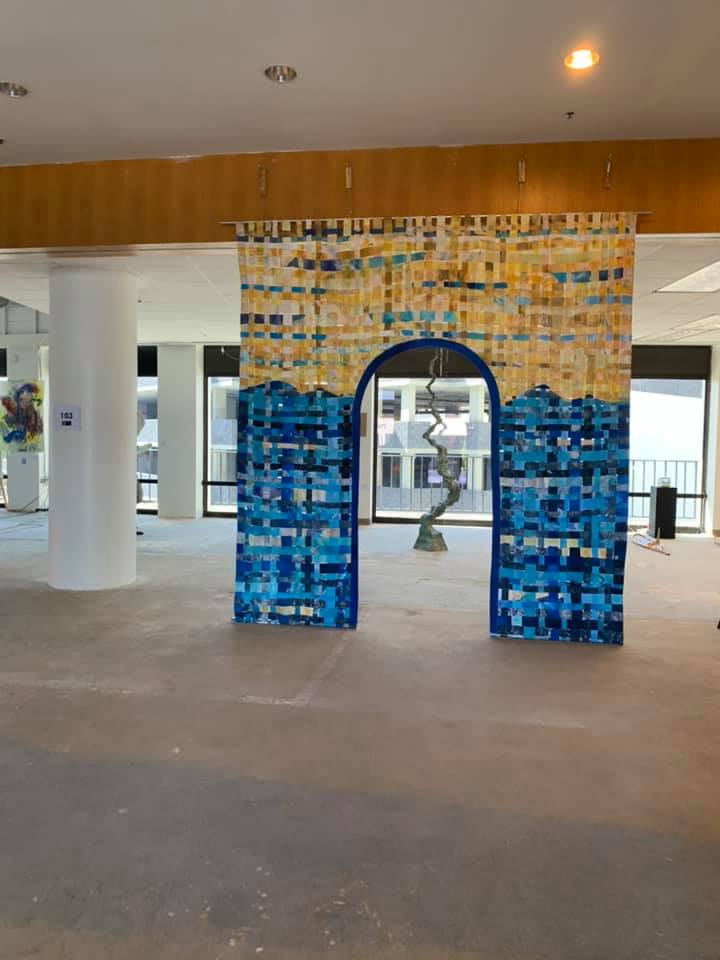
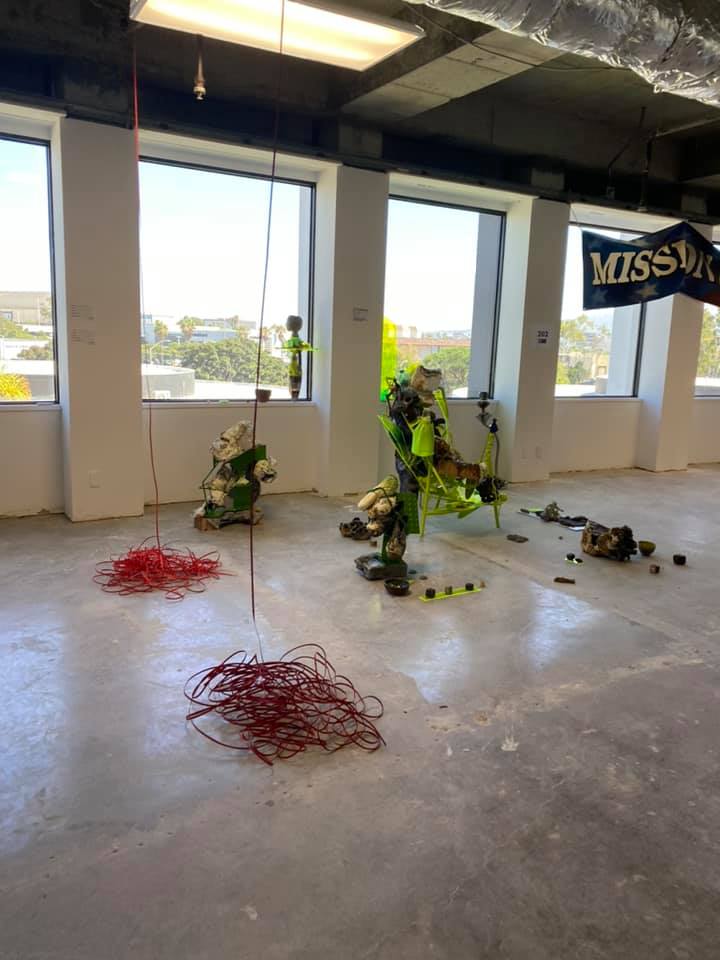
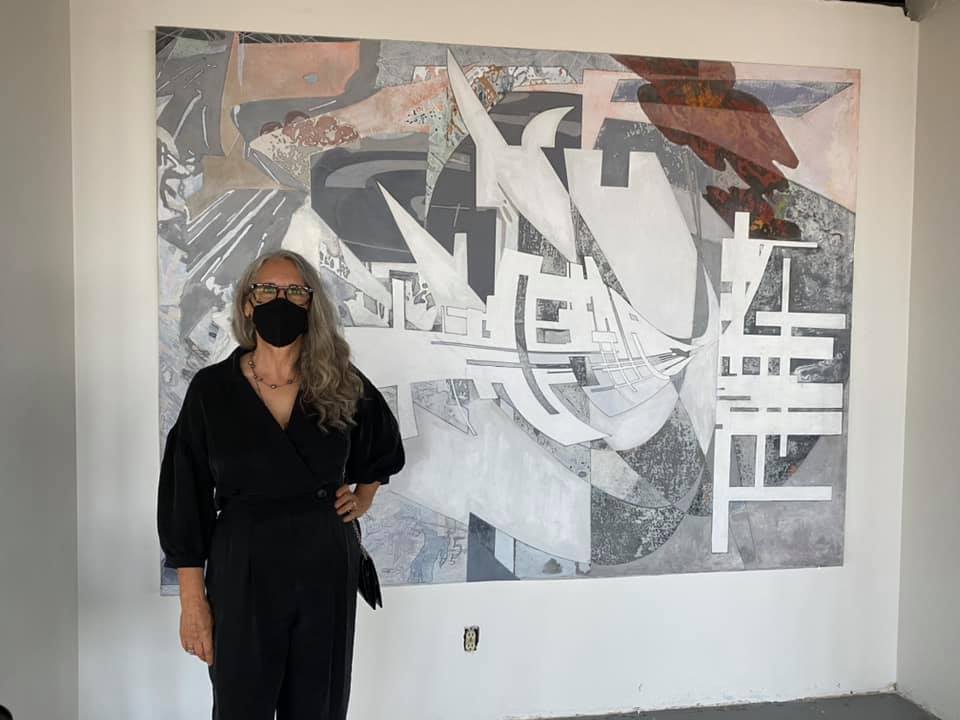
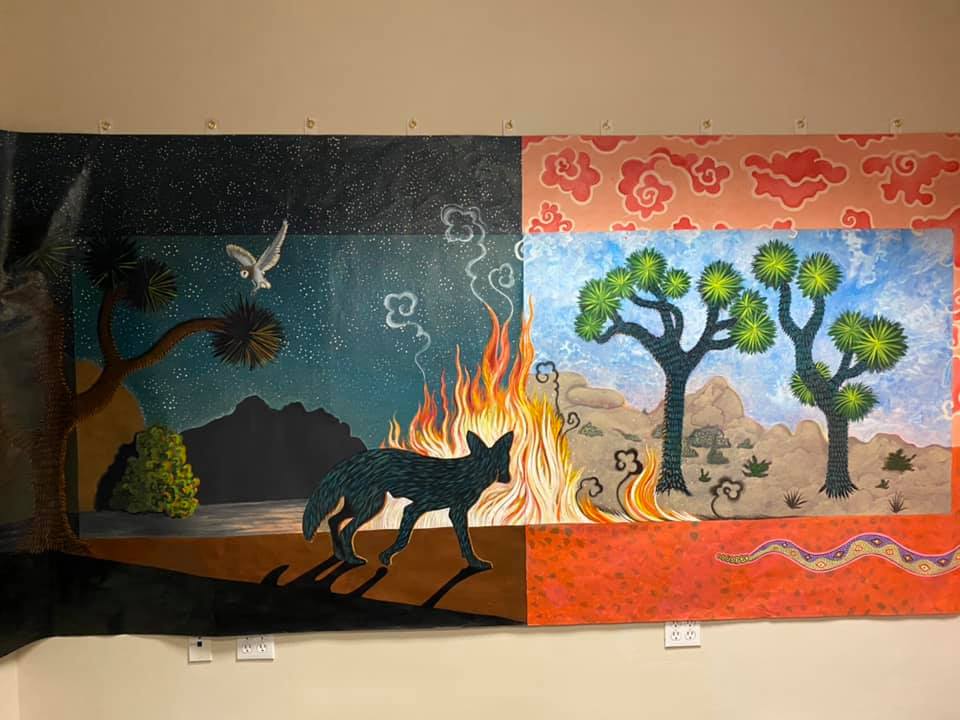
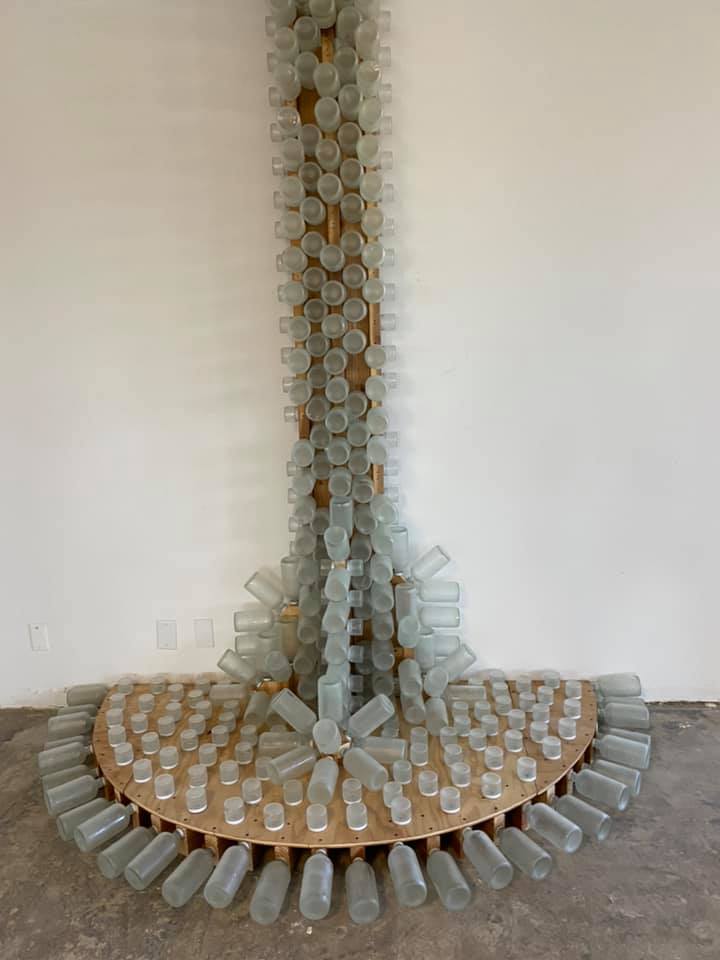
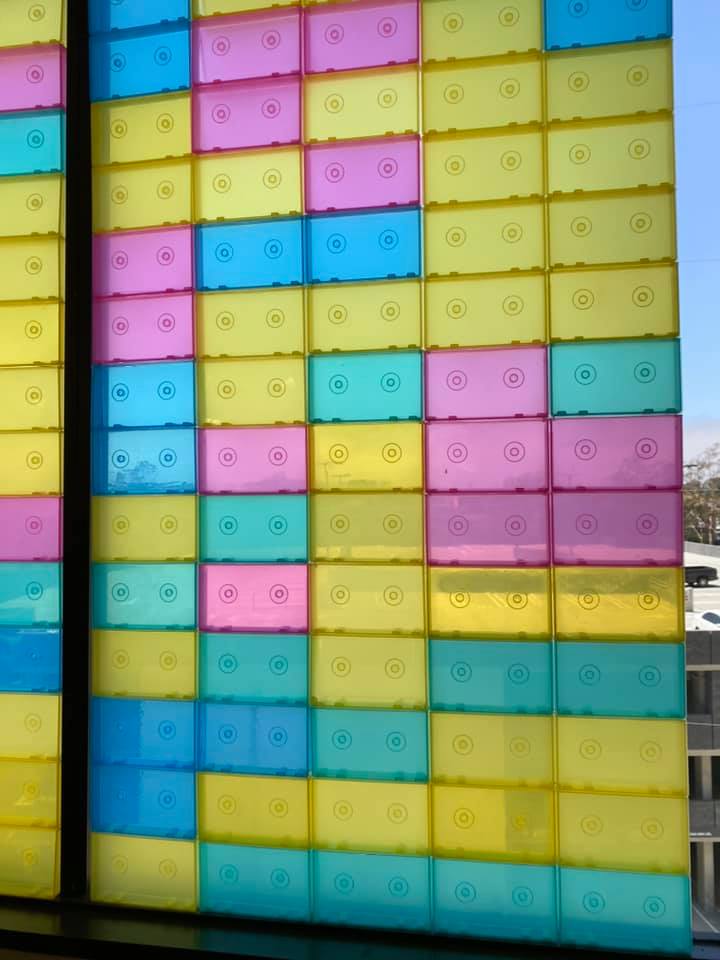
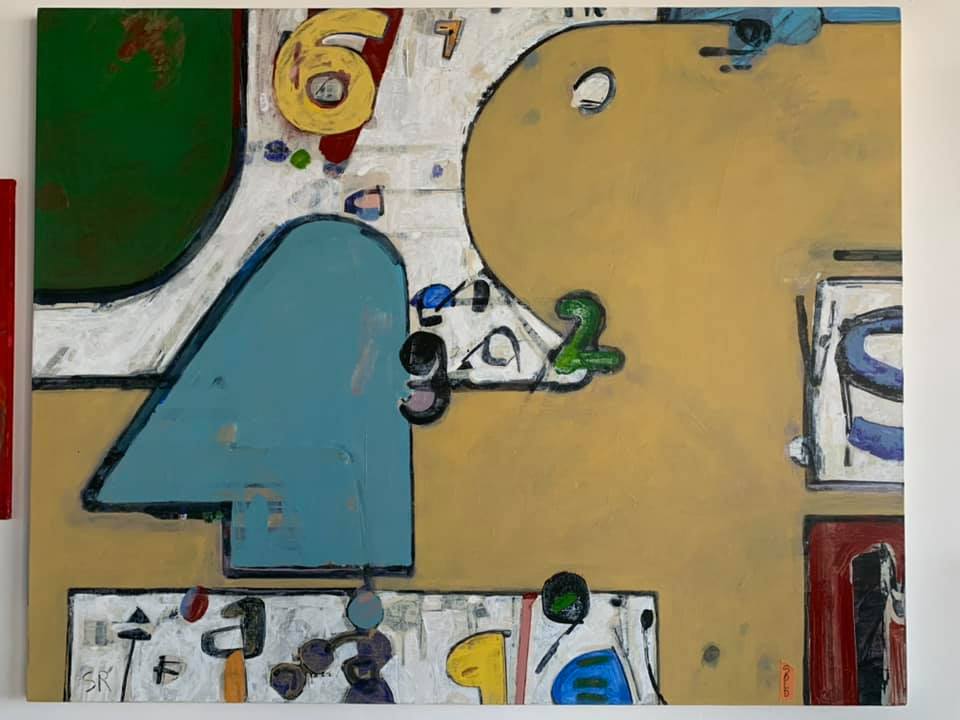
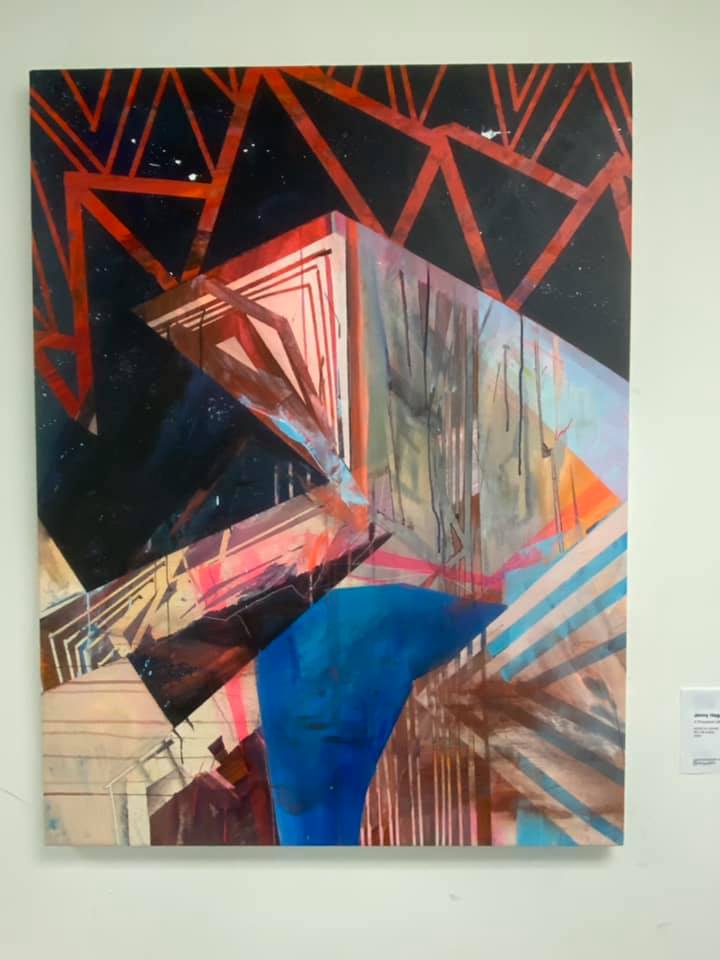
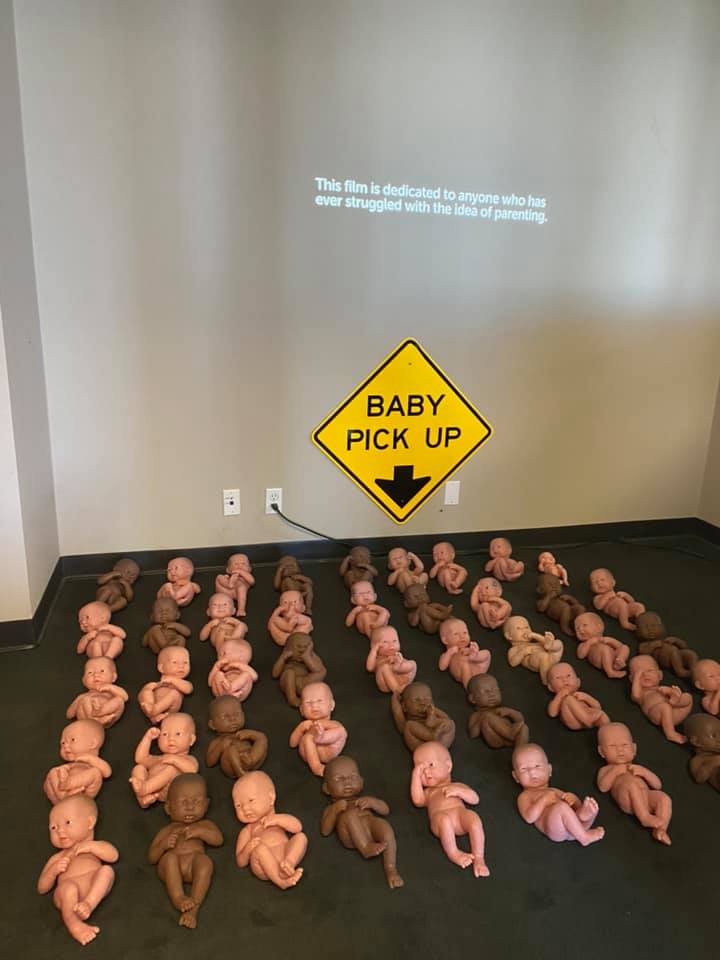
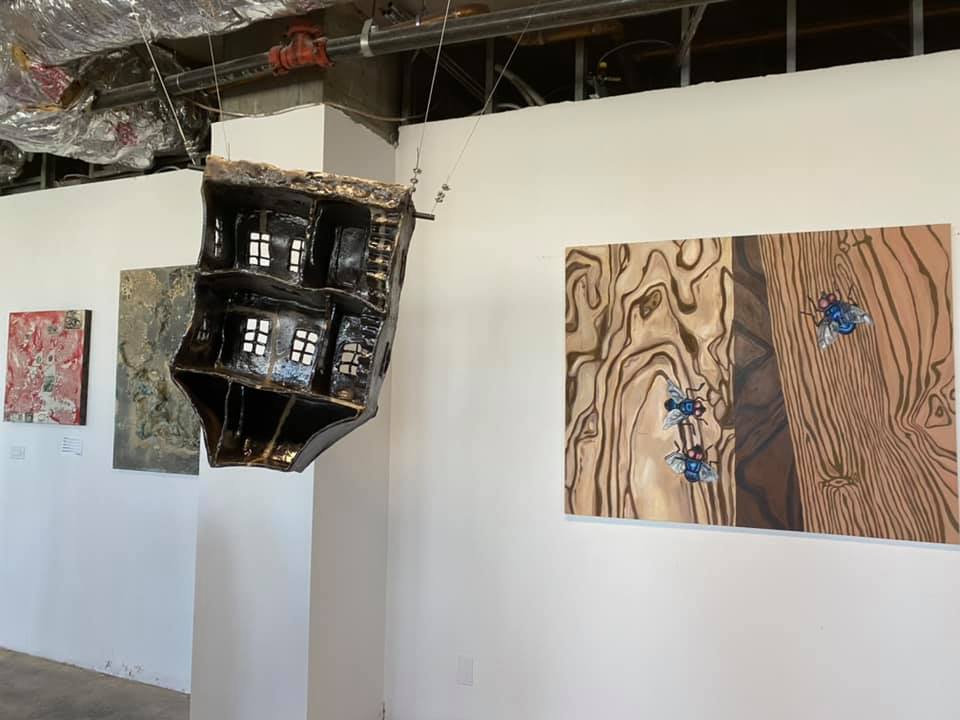
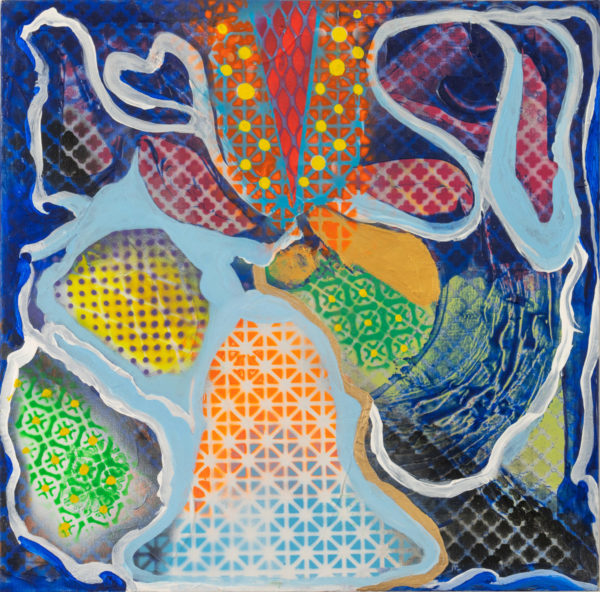
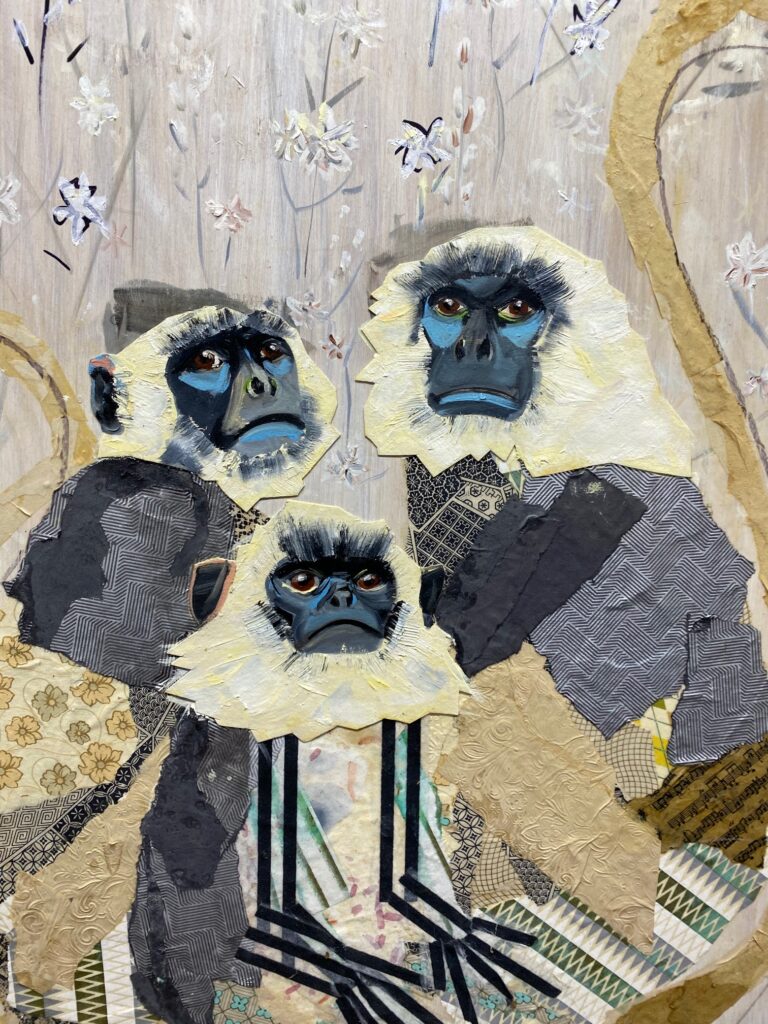
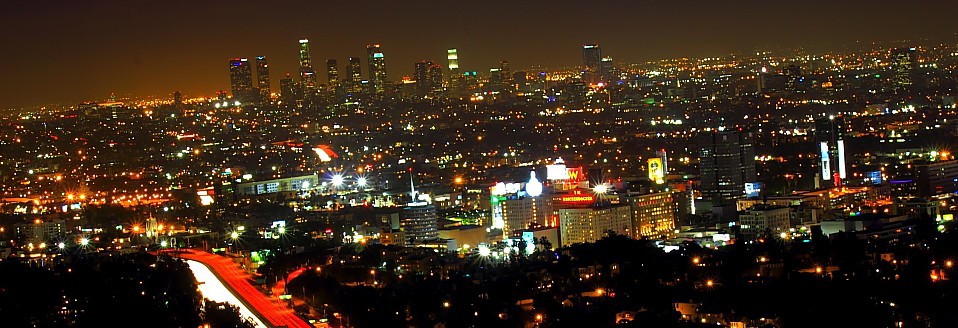
Shockboxx Gallery, Minimalism exhibition; featured image “Freeway” is by Alison Corteen.

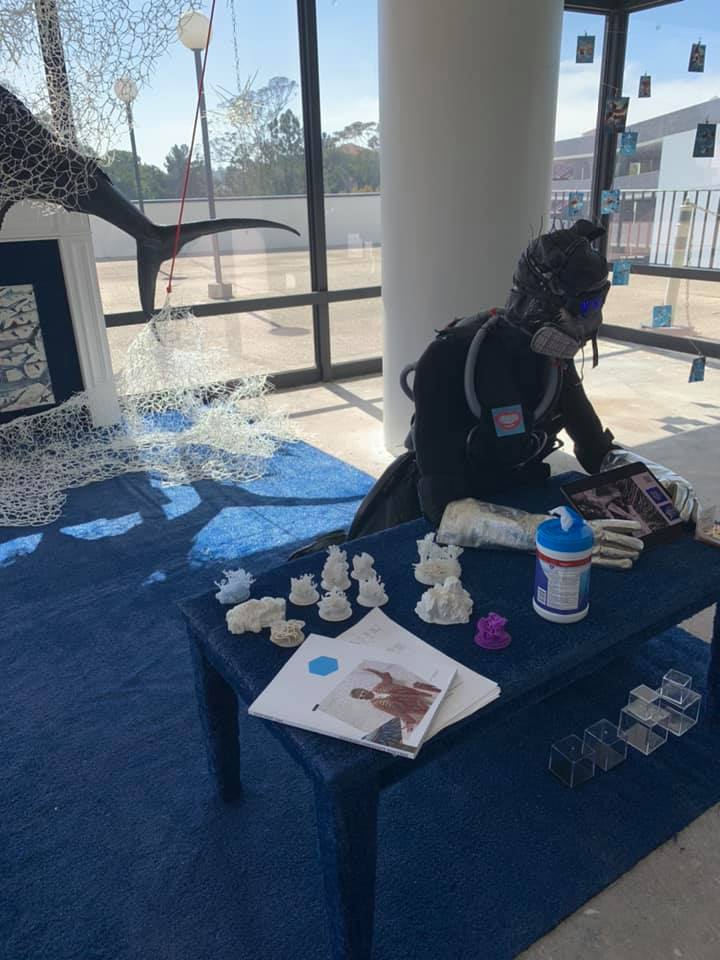
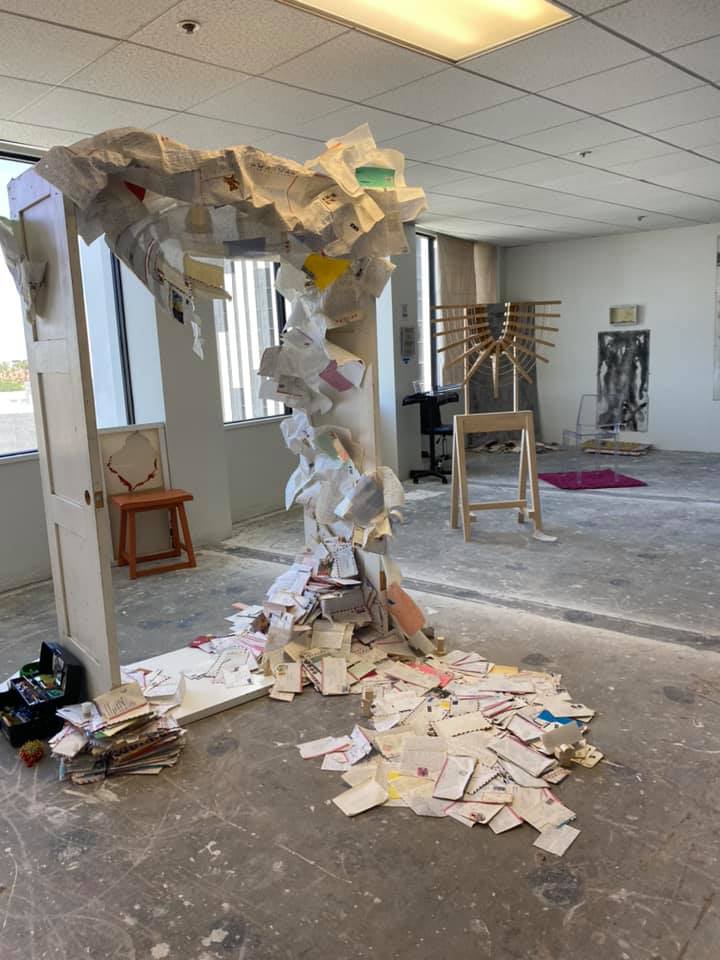
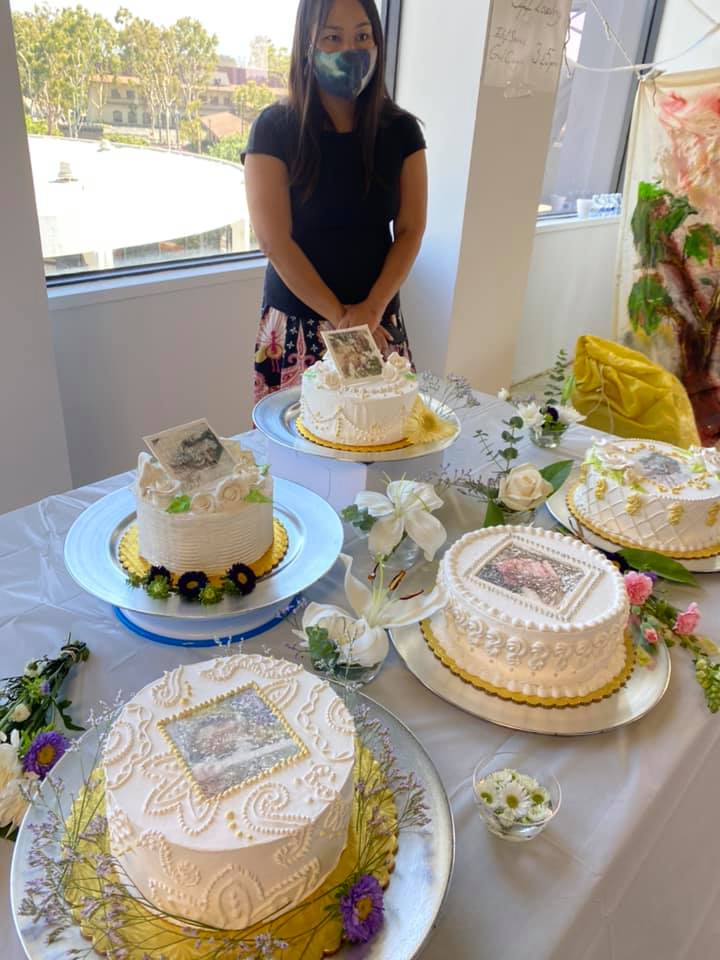
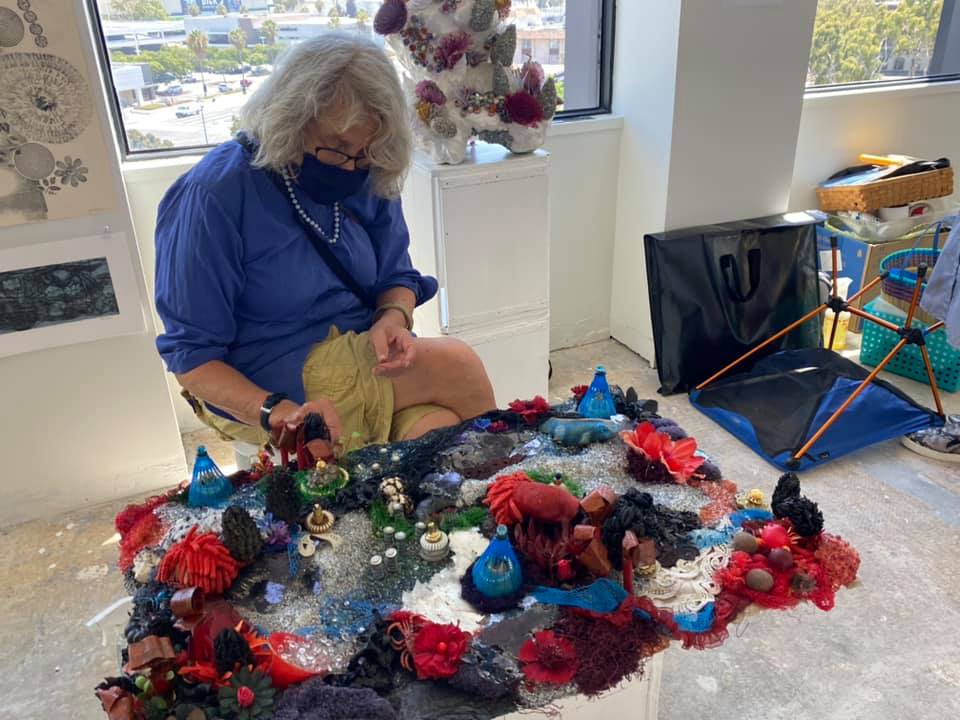
Pandemic or no pandemic, the show must go on. The art show that is. Shockboxx has been providing exciting new shows for by-appointment viewing in the gallery’s airy space, as well as offering virtual opening and closing events and artists’ talks since the pandemic first began. If establishing a community is more important to the art world than ever before, then this Hermosa Beach gallery is upholding that important mandate big time.

As we face a new wave of both viruses and restrictions, we would do well to visit gallerist Mike Collins’ “shockingly” good space in the South Bay whether virtually or with a visit IRL.

I am remiss in my coverage: I have seen two virtual and two live exhibitions here, and they have all been fantastic. Living in the Beach Cities myself, where there is a dearth of excellent art spaces (Torrance Art Museum aside), Shockboxx is all the more vital a space.

Let’s take a look around:

First up for me online this summer was a solo show by Brazillian-born, Hermosa Beach-local artist Drica Lobo, whose swooping, lush, brilliantly vibrant paintings were placed in a custom setting as awash with the sea and moon and female energy as you can get. The lovely, peaceful look of the exhibition was matched by a powerful sense of color and urgent motion.

It would be impossible to take in this truly gorgeous solo show without feeling as if you were swept up by the sea, enveloped by the aura of mermaids, magic, and moonlight — but in an entirely fresh and original way. Iconic local images were approached in gracious and brand new way, offering a new way of seeing familiar landscapes that rendered them as an entirely different world.

Transcendent use of color and light created a pattern that mesmerizes the viewer; Lobo’s lovely use of the gallery space made a visit a respite for pandemic-wearing souls and eyes.

Next up for me was the semi-response to Lobo’s astute, pastel-driven, meditative aura: the rowdy, darker, prankster-laden visuals of the all-male group show Swordfight. Described more as a distaff companion to the all-female artists of the gallery’s earlier Powerhouse show, it nonetheless was a wonderful counterpoint to Lobo’s solo as well.

Jack George

Here there was a rich counter-play of images that expressed a wonderful energy, one that was also tinged with angst, anger, fun, and an edge of frustration infused with hope.

Online – the opening included performance art

Terrific curation and a great conversation between artworks fueled a show both fast and furious – for an adrenaline boost to the eye and the spirit that was not without its darker, introspective moments.

Scott Meskill has art in and curated the splendid Swordfight
Mike Collins
“Le tournoi des meurtres,” Mike Collins
Glitter Shark – Paul Roustan
Scott Meskill
Preston Smith

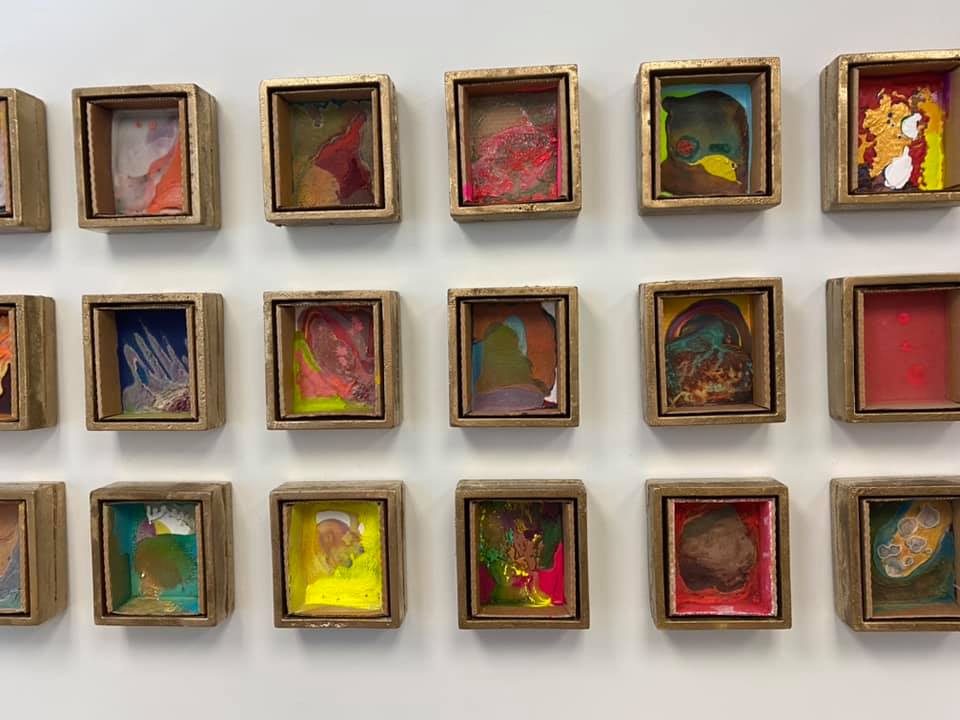
Following the passionate Swordfight came the group open show, 2021? – an overflowing feast of art, with a wide range of mediums, perceptions, and textures.

Tanya Britkina, “Eve and Her Cat”
Karrie Ross
Justin Prough
Chloe Allred

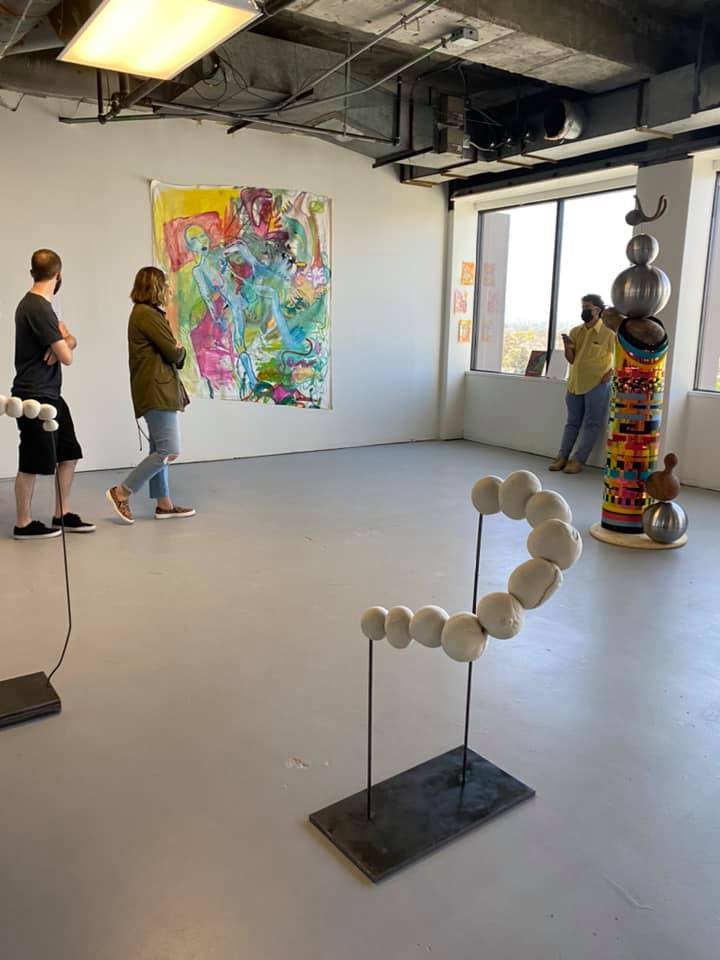
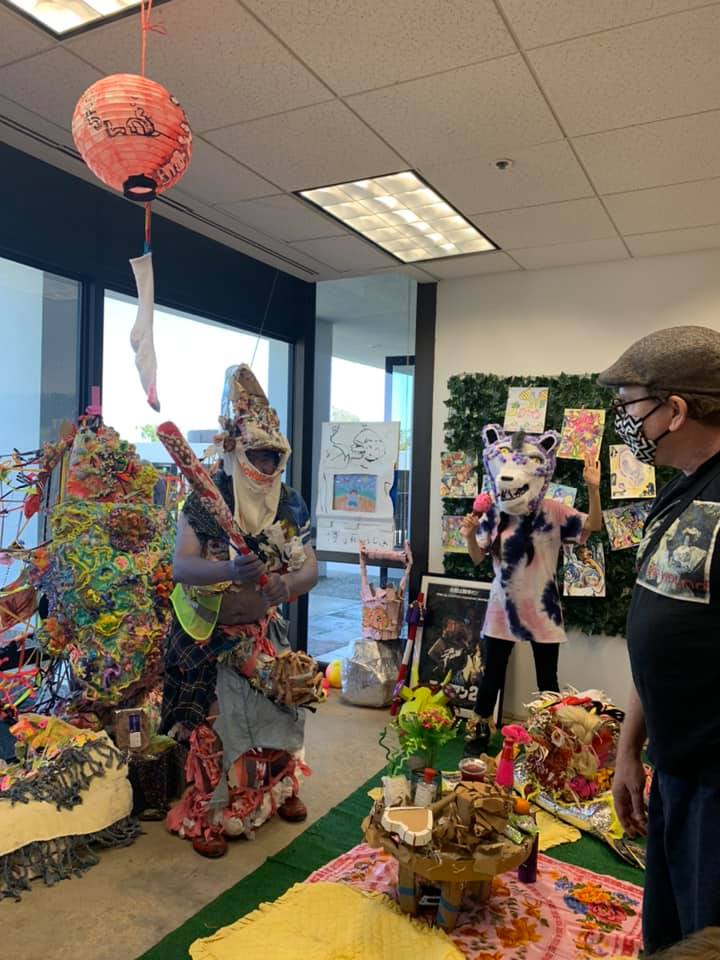
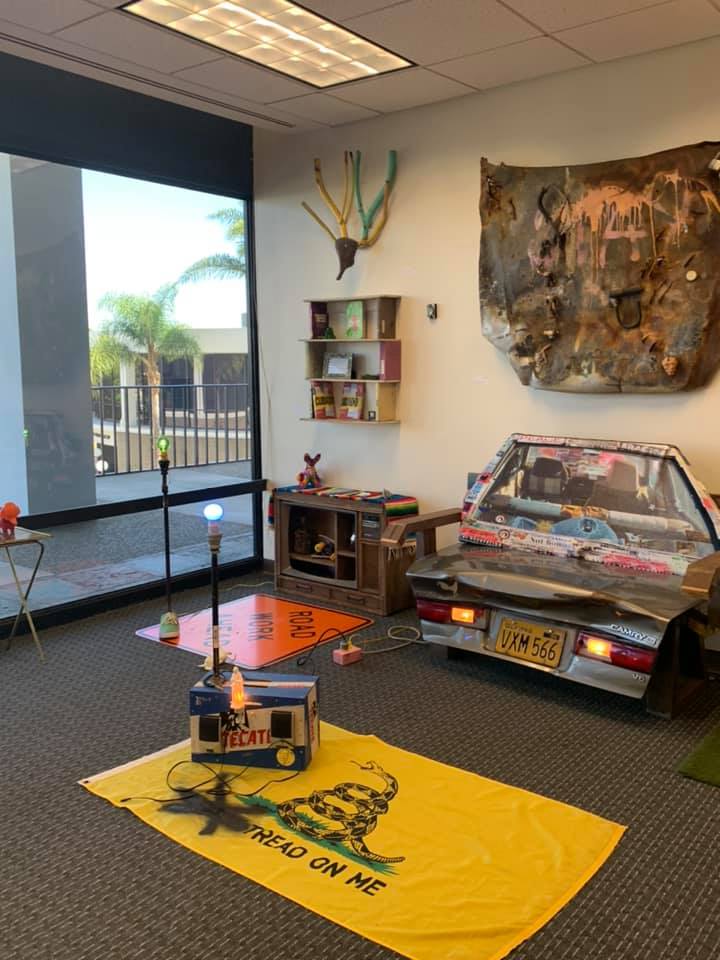
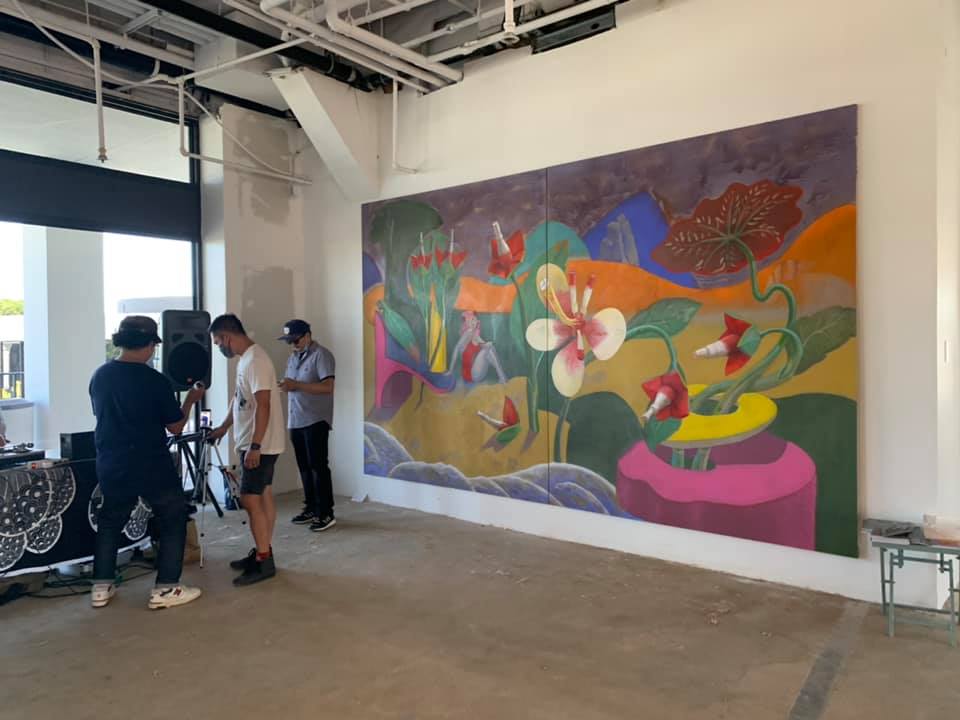
As inclusive as it was cutting edge, there were not only a broad selection of tastes and palettes, but a sense of connection and intimacy between the works and viewers. Some group shows seem haphazardly curated, but not this one: works were positioned to truly interact – from Aimee Mandala’s giant boot to MUKA’s fabulous teddy bear.

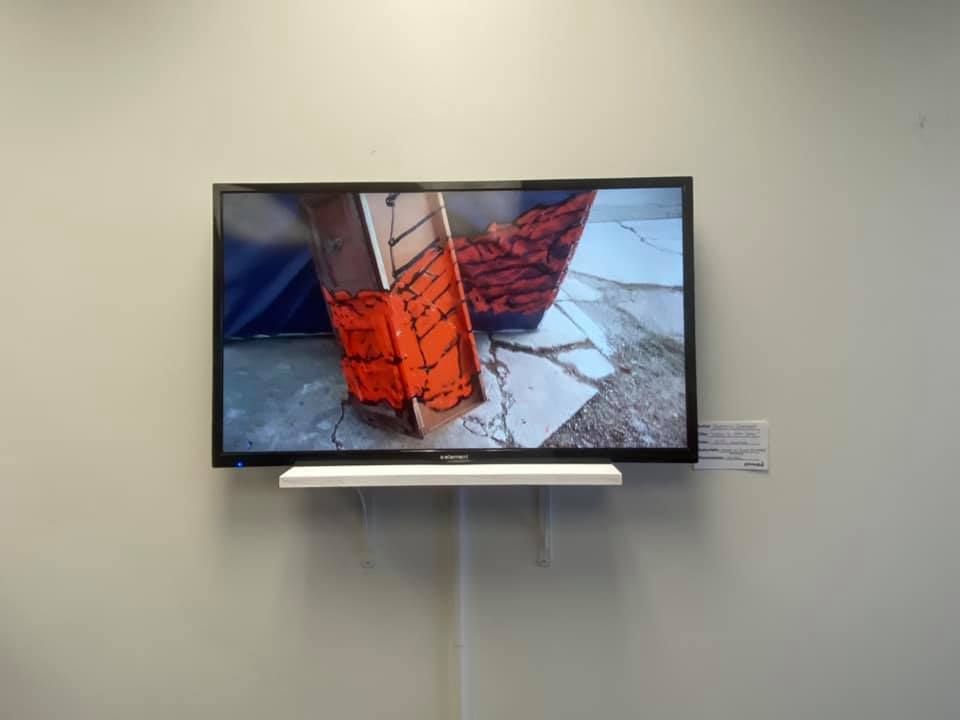
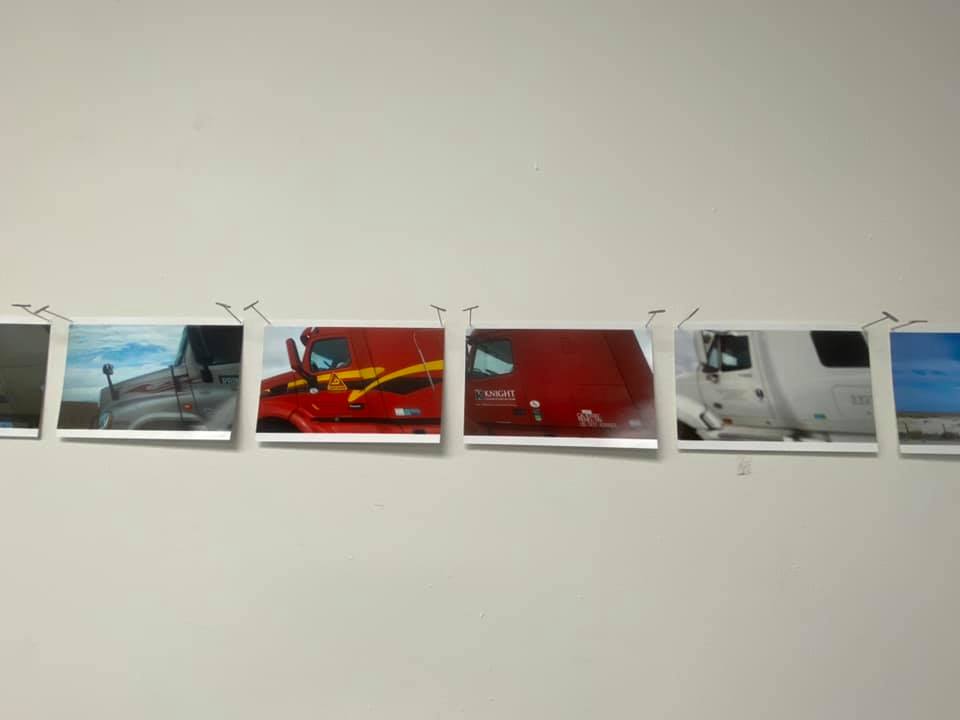
Routine Traffic Stop by Jonathan Crowart

Glancing from side to side or traversing back to front in the gallery space, it had an immersive, museum-quality aesthetic that actually took viewers on a journey from the more realism driven to the more fanciful and back again – as if the exhibit itself represented time spent in our own heads, planning for the future, regretting the past, working through the ongoing roadblocks of the present. In short, the ultimate group show for pandemic times.

Monica Marks

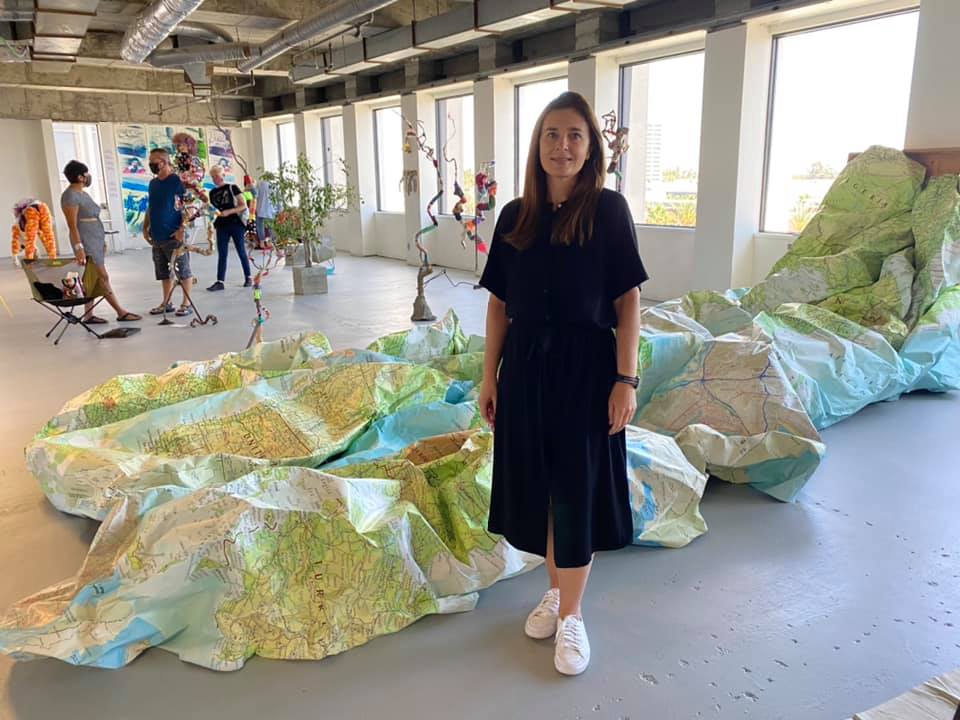
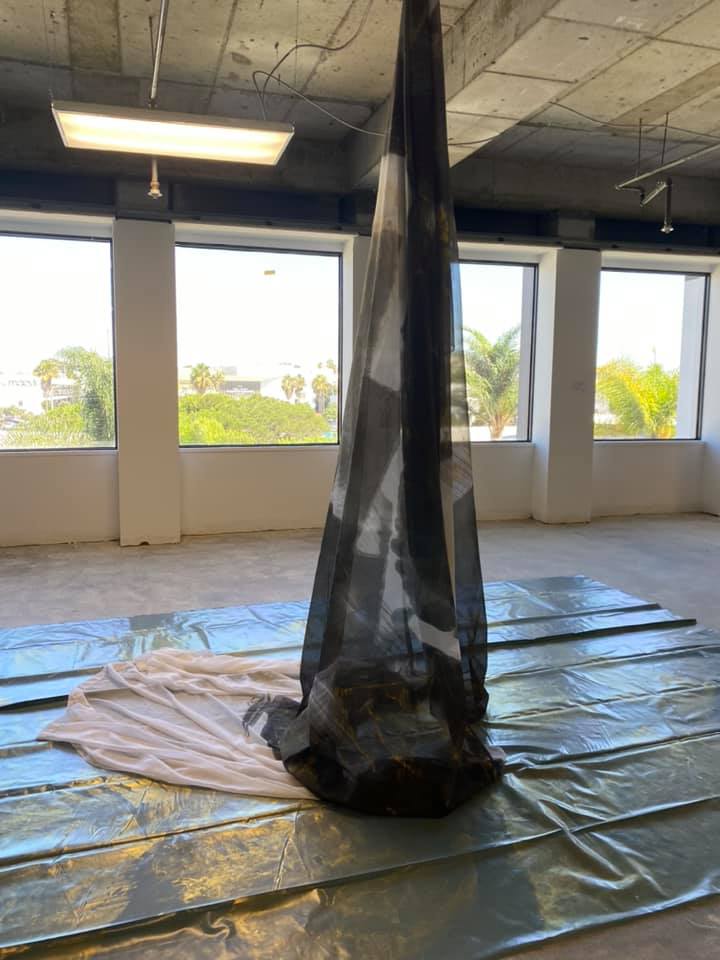
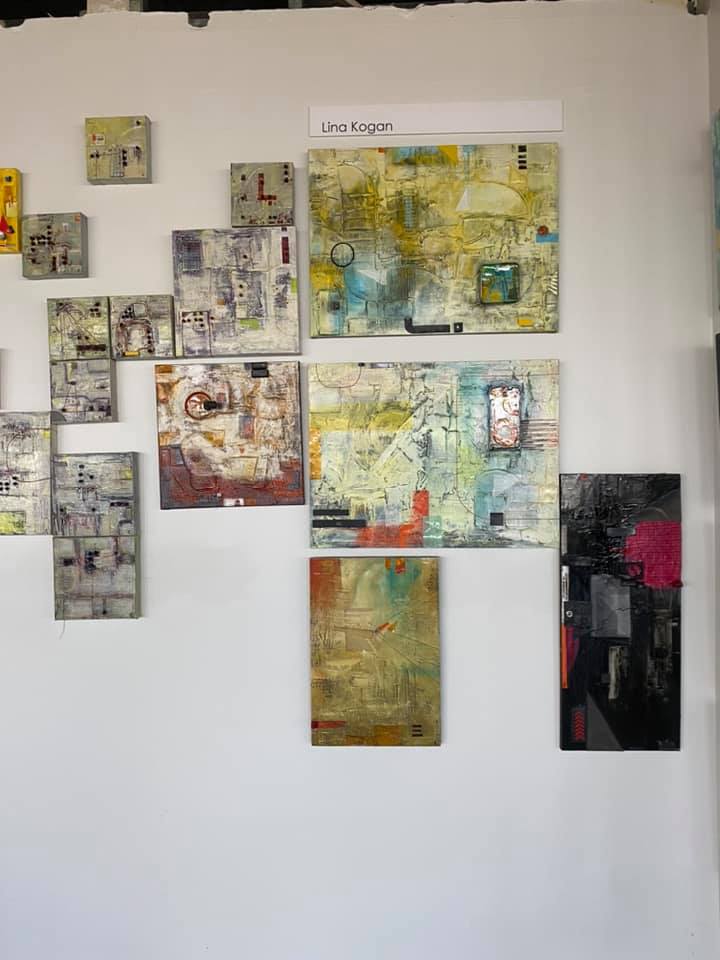
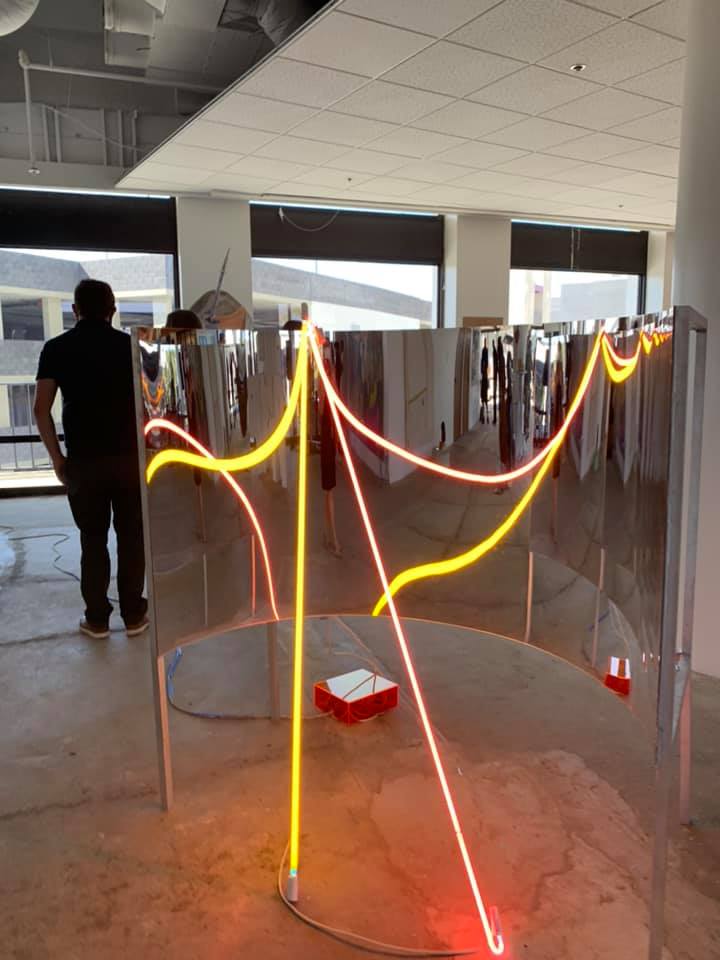
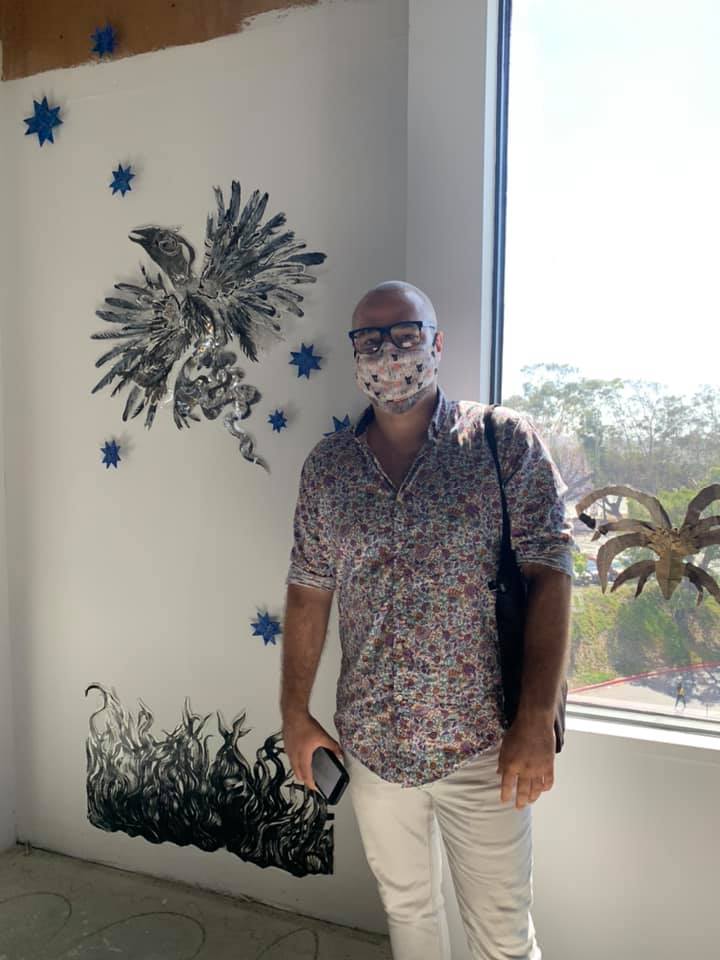
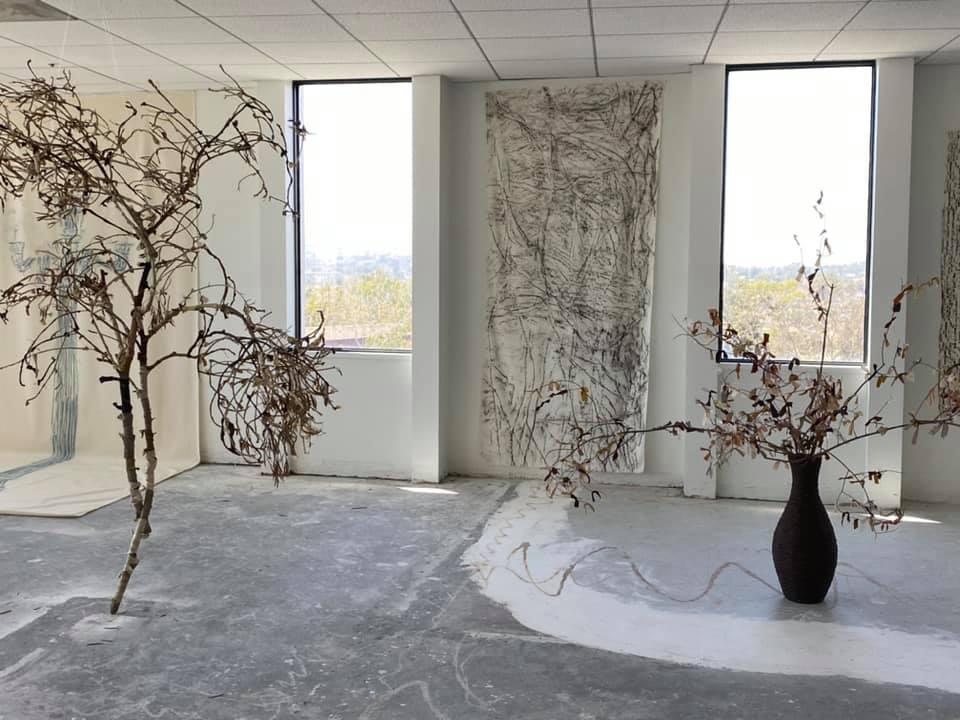
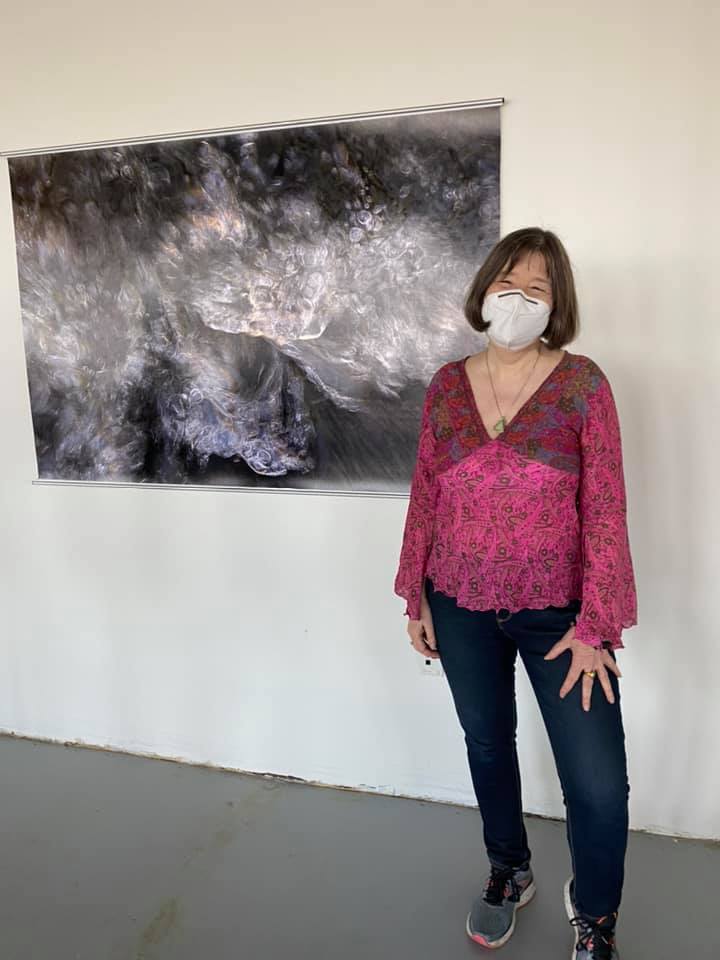
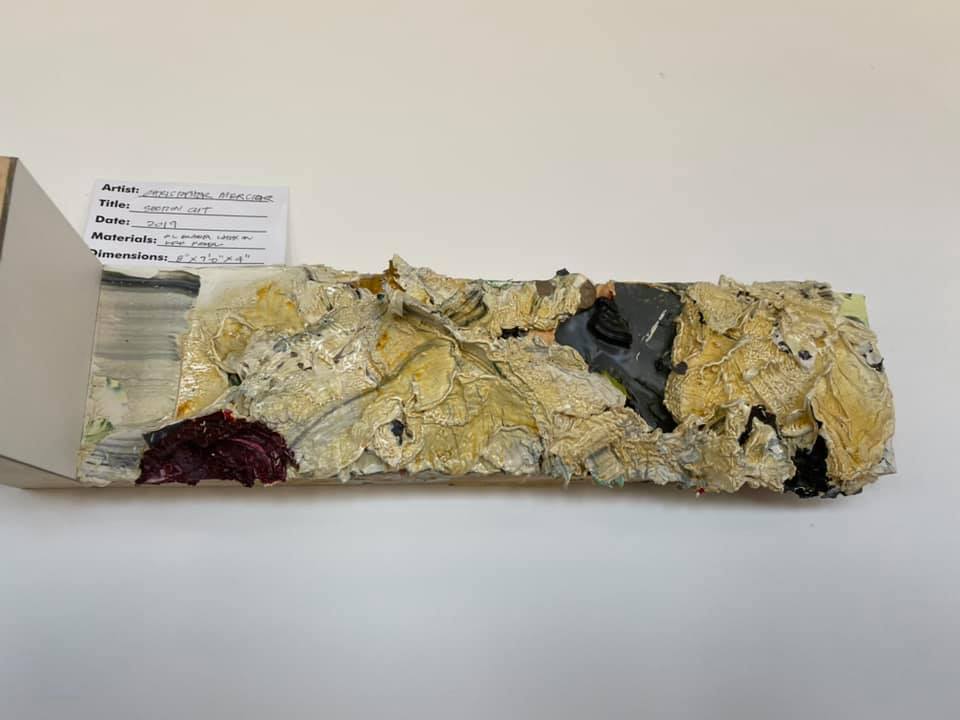
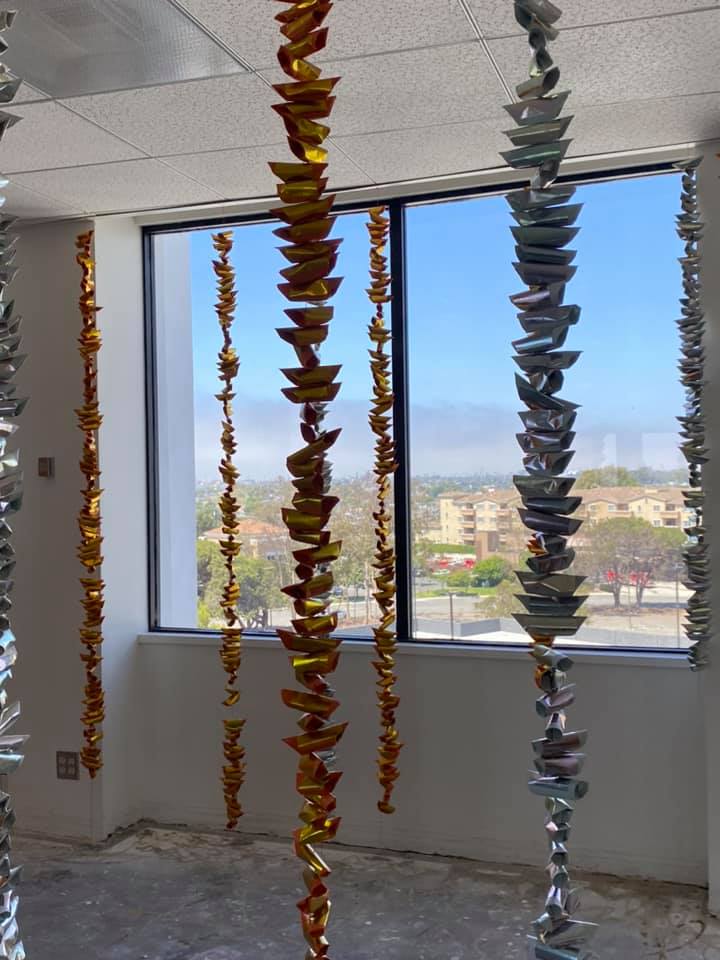
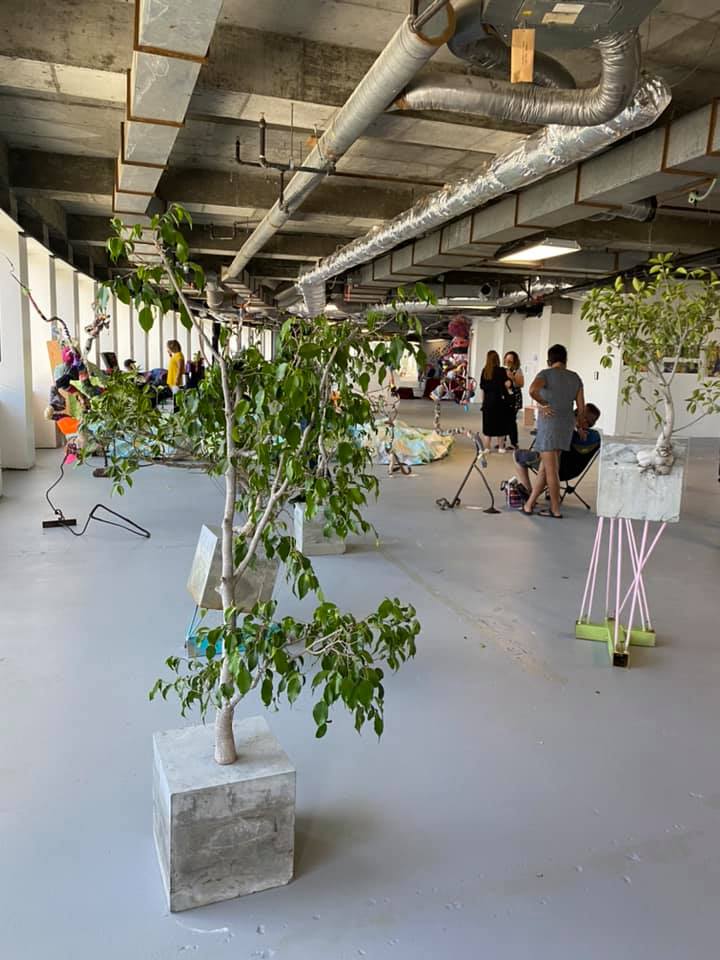
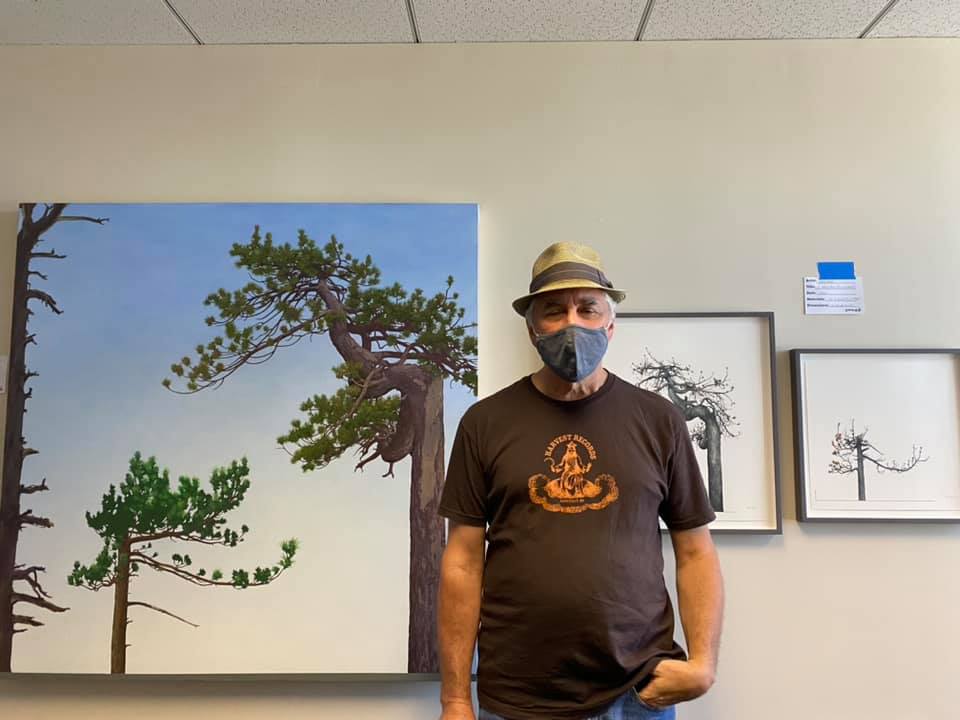
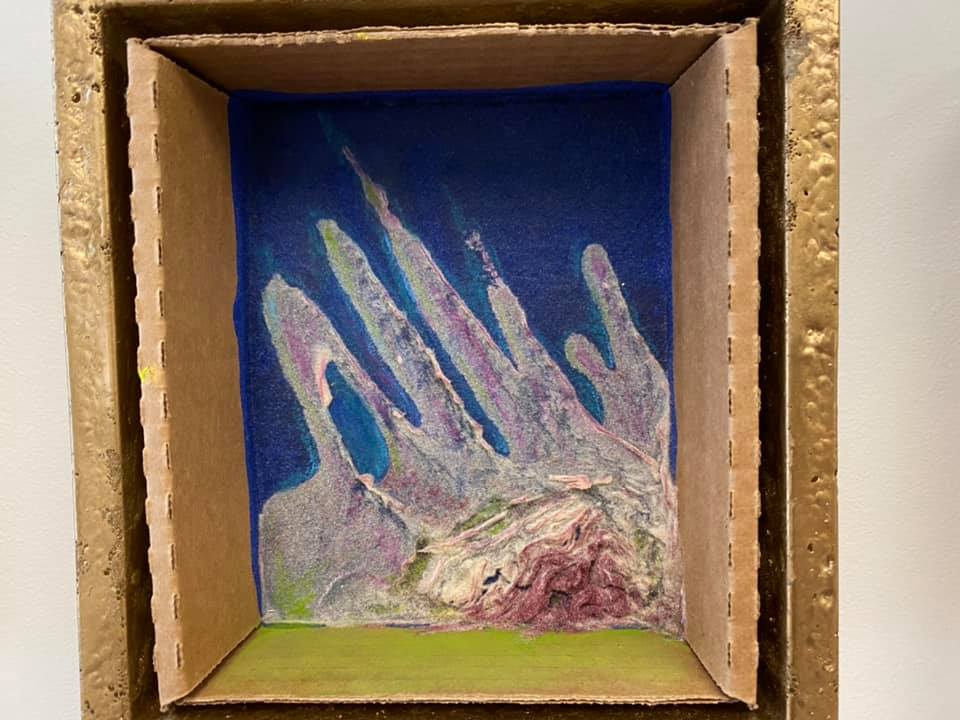
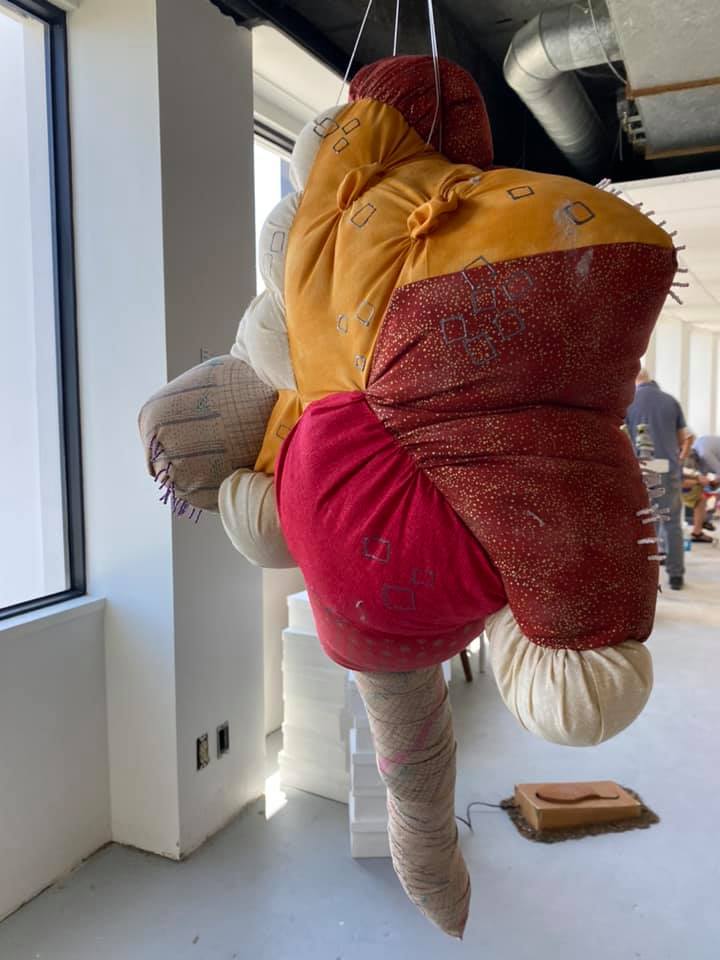
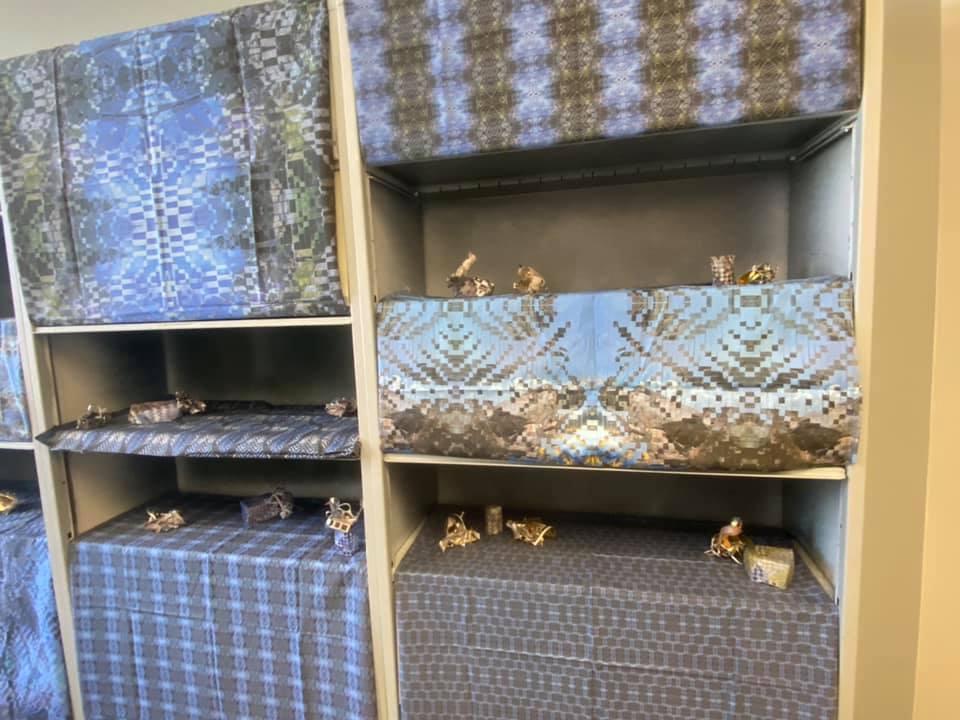
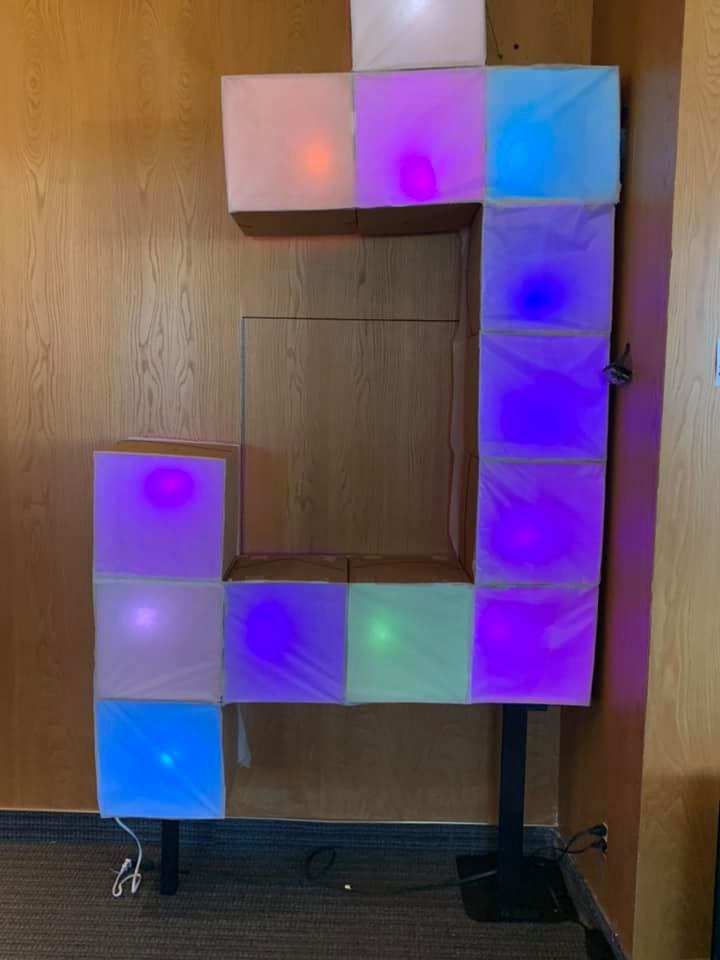
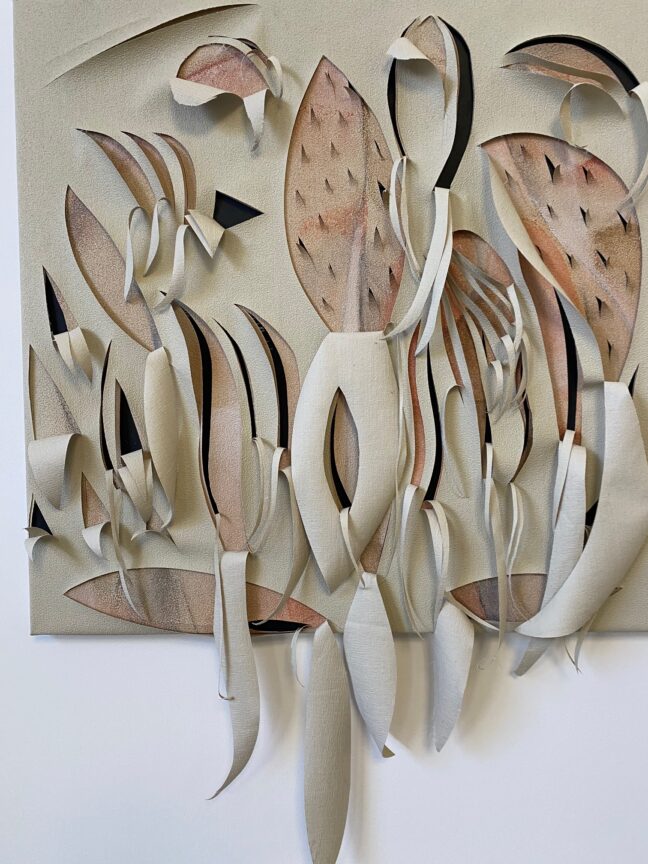
Like a palette cleanser if you will, the current Shockboxx exhibition, Minimalism, is just that – subtle and suspended, allowing the windows and doors of the mind to open and travel through these powerfully limited landscapes.

Mark Eisendrath
Joy Ray
Young Shin
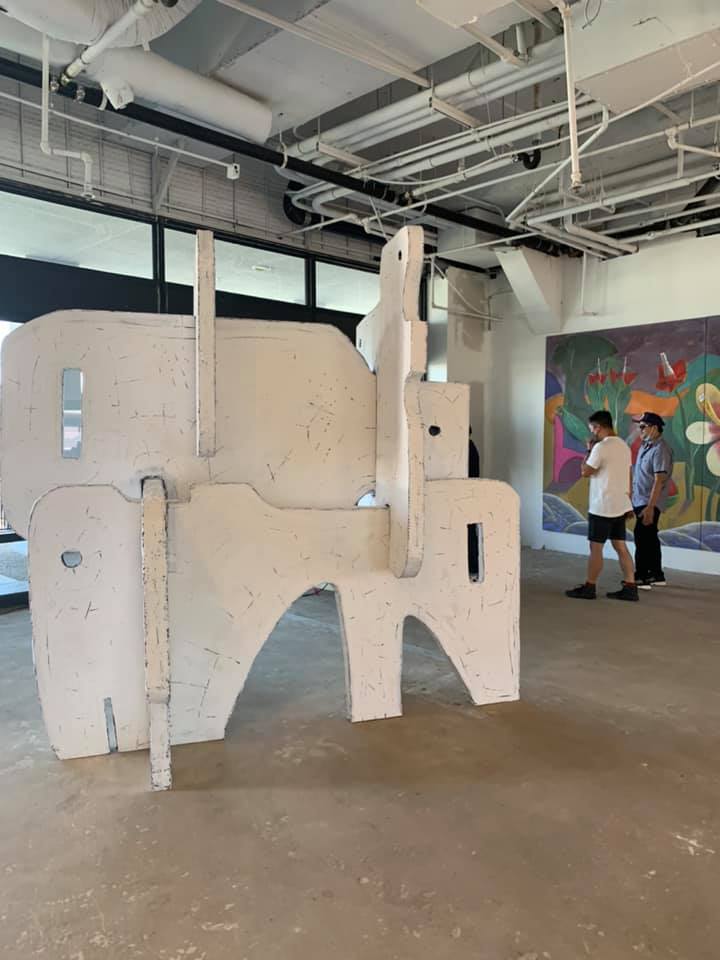
Frederika Roeder – “Whiteout – Whiteout”

Mimialism will close physically this coming weekend, but you can continue to view works online.

But here’s the thing: whatever is next on the walls at Shockboxx, go get electrified by it – whether you’re Zooming in or stopping by after a brisk walk on the beach, you can bet that this gallery will get you plugged in.

The gallery is located at 636 Cypress Ave. in Hermosa Beach; visit online at Shockboxprojects.com

Genie Davis; photos: Genie Davis, and courtesy of Shockboxx/exhibiting artists. Note: Featured image is by Alison Corteen

Light and Space Infuse the Photographic Art of Alice Esposito

Portrait of the artist by Ashleigh Castro

Creating a portrait of people is what inspires photographic artist and filmmaker Alice Esposito but surrounding her subjects with light and space is what informs her work. Calling her subjects her “community,” and explaining her work as a response to and documentation of her life, Esposito’s still images appear visually entwined with her film work.

“I grew up watching, Italian Neorealism, Nouvelle Vague and Film Noir; they all influence my work greatly in  photography and film,” she says. “In my movies I like more of an experimental approach, exploring existential themes. I’m interested in the  change in the psyche and approach of everyday life and  its conditions, from social issues, oppression, injustice,  especially the use of irony as a tool to  explore these themes.”

Both bodies of work are poetic and lyrical and evoke a sense of connection with the viewer. “I rarely photograph people without having a conversation with them, I want to understand the person I’m about to photograph, their mannerisms, their posture, what makes them laugh, cry, and think. I love to see the place where they live, to know what they’re passionate about, what kind of energy surrounds them.”

Viewing one’s home as a personal “temple,” she frequently uses this setting in her work, saying this is where her subjects are most comfortable in expressing themselves, and revealing an intimate sense of their spirits.

“When you understand the soul, the essence of a person, it becomes easy to capture their attitude and presence with the camera,” Esposito explains. “Having and using a camera should be seen as an honor, you are put in an extremely privileged position. It’s like having a friend that will never abandon you, and it has a special gift to see things that otherwise you could not.”  She adds “It’s basically like having a superpower, when the shutter goes down inside the camera, you don’t actually see what’s going on, everything can happen in 1/1000 of a second.”

She terms the best photographs “happy accidents…you can set up at the scene perfectly and try to control all  the elements of it, but you need to be ready for things to  go wrong and play with it, you need to have a sense of  contingency, you need to be willing to transform your expectations and reshape your initial idea.” 

That sense of spontaneity, her love of light, and her engagement with her subjects is vividly present in her work, as is her love of storytelling. “I want the full life experience of the person in front of me. Sometimes,” she admits, “I become obsessed with this method, before taking a portrait of a person it takes me days, weeks, to find the perfect moment, or sometimes, it’s after 5 minutes. It depends when I see what I want to capture, then I’m ready to get behind the camera.” 

From a personal standpoint, Esposito admits “I think camera offers me some kind of protection, but it also gives me courage. I don’t only appreciate and love the camera as a tool for my work, but also as an instrument for me to come out of my shell without being too scared, I guess.”

As an admirer of Fellini and Antonioni, Goddard and Truffaut, Diane Arbus and Nan Goldin, both her films and photographs have a quality of dreamy imagination; they are tinged with both a touch of magic and the surreal.

“I want to create a unique and bizarre atmosphere, I love using both natural light and stark artificial lighting effects, to achieve a particular feeling. I often play with double exposure when using film…I want to navigate between the reality at the surface of life and bring a dreamy nostalgia [to it].”

As her process has become more methodical over time, she says today she’s most interested in expressing allusions and subtle meanings, creating a more analytical approach to her work – while still welcome the unpredictable moments, she asserts. Her work itself has been a spiritual evolution, she adds “Photography gave me a freedom to be who I am without being scared or worried.”

That openness of self-expression has not changed due to the pandemic, though certainly her subjects have. “I haven’t had many chances to see people, apart from a window of social distancing. This has been the chance for me to complete or reprise some unfinished work, and in my editing work, I’m spending a lot of time on the computer and I’m building a huge archive, conceptualizing ideas I could apply now to my work now or later, when I’ll be finally free to leave my studio.” 

Esposito recognizes that when she does so, it will be as if emerging into a changed world, altered in terms of many intimate relationships, as well as through pandemic restrictions and changes. Undoubtedly she’ll capture it all through her camera.

  • Genie Davis; photos from Alice Esposito

High Beams 2 Blasts Halloween Light

Hagop Najarian enters the exhibition space at High Beams 2

Held in the Gallery Also parking lot in Lincoln Park, High Beams 2 was an absolutely terrific treat for Halloween night. In a year like this one, an outdoor show with wildly wonderful art and artists in costumes as well as pandemic-safe masks, would’ve been a great experience no matter what art was being shown.

But thankfully, High Beams 2 went far beyond that base line, to present an exciting, visually stimulating, perfect-for-nighttime show that literally and figuratively was a blast of light.

The High Beams concept of collectives that each show an installation of art is planned to continue next year, which is something to look forward to. This was the second iteration of the concept, the first having taken place on a parking garage roof and involving drive-through attendees.

Halloween night featured a curatorial collection of primarily Bendix Building art spaces in a walk-through exhibition.

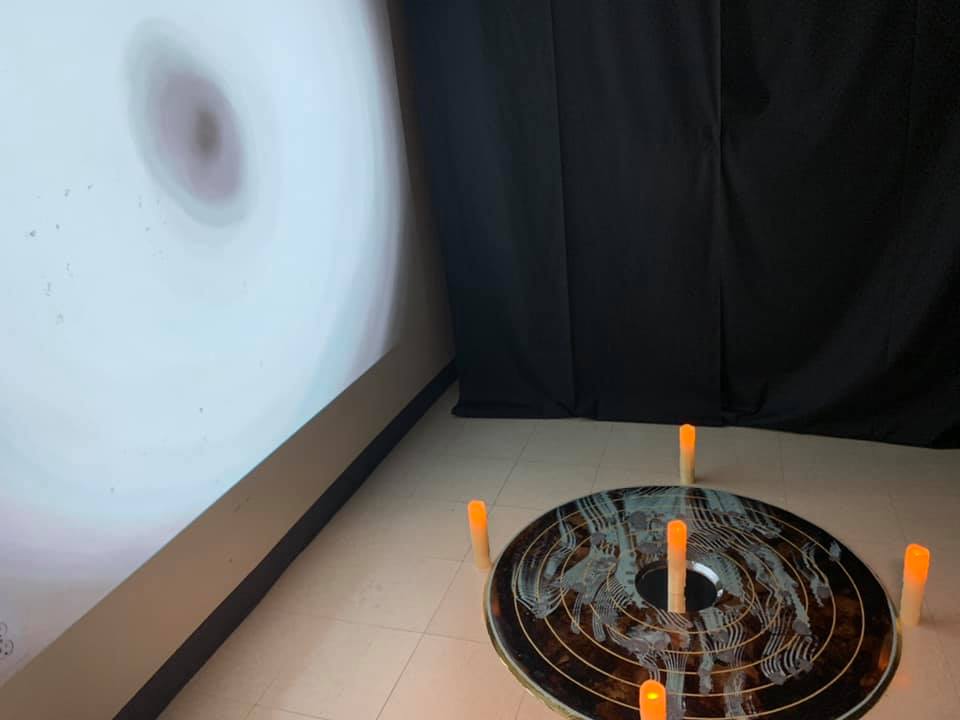
Some were interactive, such as a wonderful, haunted pirate themed mini-golf course from Gallery Also, and the mesmerizing shifting portal of Sean Noyce’s projected work, “Portal 2,” presented through his gallery with Katya Utvitsky, Noysky Projects.

He describes the piece as “using conventions common to a witches’ magic circle, a gateway to the paternal spirits of my family in Utah.” The work uses a pyramid to harness both “masculine and feminine power, concentrating their energy at the zenith where the four corners meet.” Noyce views the work as “an opportunity to learn from the mistakes and blunders of my ancestors, while cumulatively building on their core strengths and values.” The digital projection, from a purely visual perspective, is stunning, while culturally fascinating in its exploration of homage paid to ancestors who “were imperfect at best and downright repugnant at worst.” 

Noyce viewed the exhibition itself as “a refreshing way to experience the social aspects of an art opening, but without all the safety issues related to a traditional one. We’re all figuring out how to live our lives by maintaining our mental health and other ancillary aspects that are germane to being an artist. It makes you realize how important it all is.” 

ARLA
ARLA

From projected images such as Noyce’s and superb film by Ibuki Kuramochi, to the mixed media sculptures presented by ARLA, to a gorgeous, crystal-like pillar of changing colors and mind-skewing geometric shape, the exhibits each had a somewhat supernatural quality that fit the theme of “The dead tell no tales.”

Museum Adjacent
from Museum Adjacent’s installation

At Musuem Adjacent location, according to Hagop Najarian, “Our concept was to say goodbye to and destroy old things from 2020, so each member from our group made a video of themselves destroying their art work. I made a loop video of all 5 members videos that we palyed all night. The display was a memorial/ graveyard, if you will, of our works.”

Seen below, the wonderful pillar is Ismael de Anda III’s “Lazaro’s Run,a riff on the science-fiction film Logan’s Run, depicting a utopian future society, revealed as a dystopia where everyone who reaches the age of thirty dies.

“To track this, each person is implanted at birth with a ‘life-clock’ crystal in the palm of the hand that changes color as they get older and begins blinking as they approach their ‘Last Day,’” de Anda explains. “’Lazaro’s Run’ is a thirteen-foot-tall mutation of the giant robotic crystal hand sculpture featured in the film… A varied, geometric, negative space ‘crystal’ pattern is featured in the center of the cardboard hand with pulsating LED lights placed inside the sculpture, allowing colored light to emanate as a beacon from the center…”

de Anda with his work

He adds “From the original film’s title, Logan is changed to Lazaro, my grandfather’s name, the Spanish version of Lazarus, a biblical figure that rises from the dead.”

Exhibiting for Durden and Ray along with fellow collective artist Tom Dunn, who offered complex, intense, and involving wall artwork, de Anda calls his inclusion “an honor. It was exciting how all the organizers for the High Beams events are continuously looking for alternative and innovative ways to present art to the public… On this astronomical night of the rare blue full moon, observing safety protocols, I had the rare opportunity during these times to make new friends and feel a reinvigorated solidarity with L.A.’s dynamic and unique artist community.”

Work by Tom Dunn, to the right
de Anda by Tom Dunn’s work

According to Durden and Ray collective curator Alanna Marcelletti, termsthe exhibition exuded “a fun-house-style” creative experience, “It has been such an exciting experience to create a show… with an amazing mix of curators from different artistic backgrounds and curatorial initiatives.”

Carl Baratta, left

Artist and curator Carl Baratta says the motivation for holding the second High Beams exhibition on Halloween night was primarily “fun. We knew the following week would start to get cold, and the elections were gearing up, and like everyone else, we wondered if we were trying to hold an event with ideas of civil war or whatever floating around. The pandemic is hard enough as it is, so, we decided to pick the most fun night we could to keep the momentum going after our successful run with the drive-through exhibition.”

Monte Vista Projects

Baratta notes “We just thought carving out some space to take a break and see unexpected things not on video chat would hopefully energize folks for the week(s) to come with election madness. We also really love throwing these events for our art community and miss the interaction, so we really pushed hard to get things together in time. For me it was really nice to show Ibuki Kuramochi who’s at home taking care of an elderly loved one. She couldn’t make it to the event in person, but it still gave her something to look forward to, and that’s in rare supply these days. We all need something to look forward to that’s positive.” Describing the experience as “great” and one that offered a fresh mix of artists, Baratta says the collectives are looking forward to more alt space High Beams events in March 2021. He says the group will “start hatching new plans for 2021 on Monday.”

Participating art spaces/collectives this time around included:
Acceptable Risk LA, Durden and Ray, Gallery ALSO, Monte Vista Projects, Museum Adjacent, Noysky Projects, TSALA, Wow Project LA, and 515 Gallery, the latter offering a musical presentation.

Featured artists were Ismael de Anda III, Rachel Apthorp, Carl Baratta, Michael Castañeda, Coby Cerna, Carly Chubak, Sean Cully, Tirsa Delate, Tom Dunn, Dominick Garritano, Lesya Godfrey, Linus Gruszewski, Matt Haywood, Ibuki Kuramochi, Kim Marra, Easton Miller, Oliver Mayhall, Lauren Moradi, Hagop Najarian, Sean Noyce, Alaïa Parhizi, Alyssa Rogers, Adrienne Sacks, Katie Shanks, Katya Usvitsky, Josh Vasquez, Cheyann Washington, Surge Witron, Larissa Nickel.

Ismael de Anda III and Tom Dunn
Katya Usvitsky and Sean Noyce
  • Genie Davis; photos, Genie Davis and Ismael de Anda III

A Thoroughly Artistic Film About the Power of Art: Born Just Now

The best visual art has an immediacy, intimacy, and power that transcends time and medium. Like the work of its subject, Robert Adanto’s award winning documentary feature Born Just Now, conveys all of those strengths. The film passionately explores its subject, Marta Jovanović, a Belgrade-based artist struggling to cope with the violence that ended her eight-year marriage. In a raw and triumphant move, she has chosen art and art-making over her life in a marriage that was filled with abuse. She examines intimacy, motherhood and the trauma of the Balkan wars, releasing her own pain and helping others confront their own through her art.

Visually beautiful and filled with wonderful moments of tenderness and fierceness in equal measure, this is a documentary that excites the spirit as well as preesnting a terrific introduction into the world of an emerging artist.
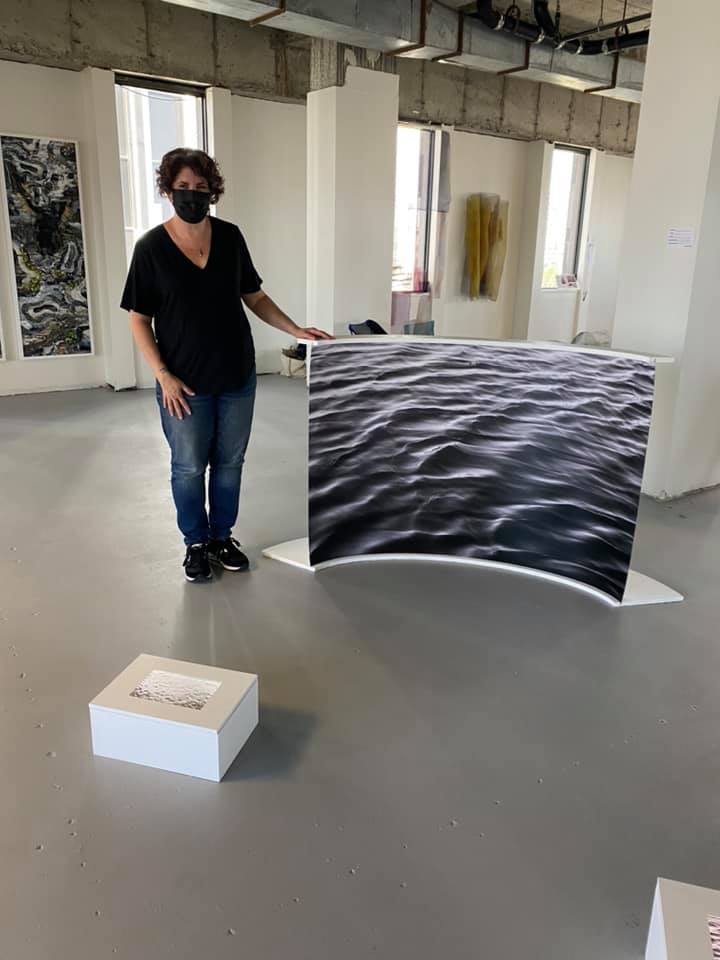
The film touches on the nature of fearlessness, both as a woman and as an artist. It is a lovely, deep dive into pain and beauty, and has received well-deserved awards, winning a number of awards in 2019 and in 2020, including Outstanding Feature Documentary from The Art of Brooklyn Film Festival, N.Y.; winning the International Documentary Feature Film Award, Festival de Cine de Portoviejo, EC; and best feature documentary at Arte NonStop Film Festival, Buenos Aires, ARG.
Adanto is a fellow of the Sundance Institute Documentary Program and a classically-trained actor, and as such it’s a natural subject for him to explore how artists respond to change, and the intimacy of their subjects and approaches.

He describes himself as always interested in that subject, even before he made his first film, The Rising Tide. “Whether it was how Iranian female artists responded to the radical societal changes that accompanied the Islamic Revolution or how New Orleans-based artists were impacted by Hurricane Katrina, I have always found the creative response to a changing world rich terrain for a documentary,” he relates.

When it came to making a film about the Serbian artist Marta Jovanovic, he came into the project with some knowledge about recent Balkan history but says he found much to still discover. He notes that so much of that area is not yet known to many outside the region.

“Marta’s family history mirrors the intersection of cultures that was Yugoslavia. Marta revered her grandfather, a Muslim who fought with the Partisans against the German invasion of Yugoslavia during the Second World War. He eventually married her Jewish grandmother, who was the only member of her family to survive the Holocaust.” That family background fascinated Adanto. “I’ve always tried to provide just enough context to let an audience know where my films are set, but this was a real challenge, given the dense and troubled history of the region.”

The film has a grace to its unfolding that feels almost poetic, whether Jovanovic is speaking of her art, her culture, or her life. Adanto was not initially aware she was going through a painful divorce, but as he learned more about it, certainly the parallels between her personal struggle and that of her country became evident. Her marriage ended in violence, but, while he knew she was separated, when he first began interviewing her in 2016, the intense and traumatic circumstances were not discussed.

As with all strong documentary filmmakers, he was able to discover the specifics as the process unfolded, winning her confidence. That same feeling of winning the confidence of the viewer is carried into the film; it is not just Jovanovic’s personal trauma that is unfolding, it is something that viewers, particularly in this year of all years, at this point in contemporary culture, can understand and relate to.

“I think there’s a power that comes with sharing one’s trauma, a healing that begins. Marta Jovanovic was brave enough to be very candid in front of the camera, and her directness and honesty adds to the film’s overall impact, in my opinion. I am very pleased with the response the film has garnered during the last 12 months or so,” Adanto reports.

The film, which has screened in Berlin, Budapest, Paris, and Ghent is also streaming in several domestic festivals in October and November, and has just finished a run at the Glendale International Film Festival in California; upcoming is a run at the Louisville’s International Festival of Films, among others.  

While shooting began in Februrary 2016, when Adanto was heading the Film & TV Production Program at Nova Southeastern in Fort Lauderdale, the shoot continued through November of that year.

“I flew to Serbia to cover Marta Jovanovic’s performance Motherhood at O3ONE Art Space in Belgrade. Working with a talented local cinematographer Lazar Bogdanovic, we accomplished a lot in those first eight days of shooting. Before I returned to Belgrade in June of that year, I met up with Marta when she was in New York and then once more in the city in November of 2016.”

He had no outside funding for the project, and needed to get a producer on board in order to complete his film. It was at that point that he applied to the Sundance Institute Rough-Cut Lab for documentaries, submitting 20 minutes of scenes from the Belgrade and New York footage.

As just one of four projects selected by the lab, Adanto found the experience not only positive but even invaluable, as he received direction and had input from award-winning directors such as Richard Perez and Catherine Tambini.

But it was what followed that brought even more good news for the production. “I received a phone call from Anthony E. Zuiker, the creator of the CSI: Crime Scene Investigation TV series. Anthony had heard good things about what I had presented, and wanted to see the rough-cut. I shared a link with him and that evening, he called to tell me he wanted to be the film’s executive producer and wanted to know what I needed to finish it. With Anthony’s help, I was able to leave the very next week for Belgrade, where I spent the next six weeks shooting the rest of the film.”

One of the strong points of the film is Adanto’s assured, and involving directorial style. His own favorite directors include classic directorial artists such as Kubrick, Hitchcock, and Fritz Lang. He is also impressed by contemporary directors Michael Haneke and Jia Zhanghe who create works about  ordinary people in their daily lives. Like Adanto’s own work, he says “their films seldom offer simple solutions. And even though there is a deep examination of a character’s psychology and motives, their films feel like parables after you’ve watched one.”

Adanto’s documentary on Jovanovic was carefully researched. He began with curator, writer and academic Kathy Battista, who has written several books on feminist performance art. He’d worked with her previously on an earlier documentary work, The F Word, which examined radical “4th-wave” feminist performance in Bushwick. It was Battista who shared an advance copy of Marta Jovanovic – Performing the Self, the book she had written for a young Serbian artist having her first New York solo exhibition at Bosi Contemporary.

While he began his research there, Battista connected Adanto with Jovanovic by Skype, and after several conversations, they decided to work together. In short, he established a high level of trust with the artist prior to even beginning the actual documentary.

The film made its international film festival premier at Beldocs in the former Yugoslavia.

It’s most recent viewings have been available at the Glendale International Film Festival, October 15-21 and finishing this weekend, at the Twin Cities Film Fest, October 22-31. It will run at the Louisville International Festival of Film November 5-7, and at the Arpa International Film Festival, November 12-22. Born Just Now both depicts, and is itself, a force to be reckoned with.

Genie Davis; photos courtesy of Robert Adanto