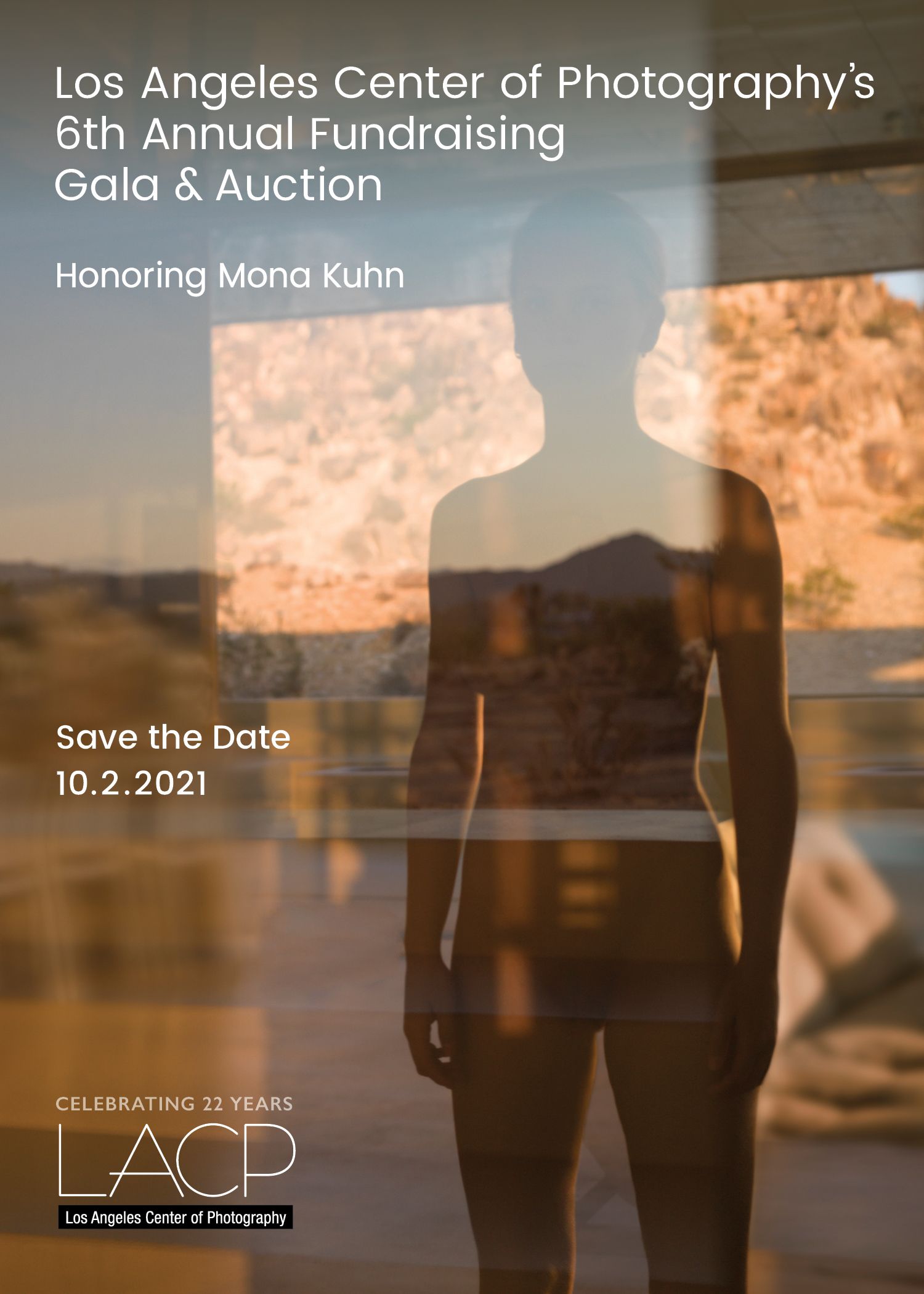
Coming to you live, and available globally, the Los Angeles Center of Photography’s Fundraising Gala and Auction will open October 2nd at 5 p.m. – virtually.
Mona Kuhn
The event will honor photographic artist Mona Kuhn with receipt of the Stieglitz Award; the event will be hosted by Ben Giroux and include a number of special guest appearances including photographer and actor Norman Reedus, co-star of The Walking Dead. The Stieglitz Award will be presented by LACMA’s Curator of Photography, Rebecca Morse.
The event is an important one: for 22 years, LACP has worked to build a community of photographers and to support photography as an art form.
LACP offers classes, workshops, exhibitions, portfolio reviews, mentorships, lectures and events for photographers of all ages, interests and skills. Prior to the pandemic, LACP also provided ongoing weekly after-school classes focused on underserved youth through Boys & Girls Clubs of Greater Los Angeles.
The annual benefit is an essential element of LACP’s mission and work, as programming covers only 50% of the LACP’s operational costs.
But you can help support the organization’s mission by bidding now on works by acclaimed photographers as well as a variety of experiences, and bring this gala fundraiser to a true photo-finish.
As to the auction itself, works are viewable now through October 4th on Artsy at https://www.artsy.net/auction/los-angeles-center-of-photography-benefit-auction-2021. They include donations from a wide range of collectors and artists, such as Sam Abell, Jeff Bridges, Alejandro Cartagena, Ann Cutting, Keith Carter, Greg Gorman, Lois Greenfield, Pamela Hanson, Michael Kenna, Gerd Ludwig, Joe McNally, Sheila Metzner, Arno Rafael Minkkinen, Ruth Orkin Foundation, Herb Ritts Foundation, Rose Gallery, Josephine Sacabo, Susan and Eugene Spiritus and the Susan Spiritus Gallery, Aline Smithson, Art Streiber, Ami Vitale, Ellen Von Unwerth, among others.
In addition to the photographic art work, LACP is also auctioning a variety of experiences such as a four-hour portrait sitting with honoree Mona Kuhn, a personal tour in LA with artist Matthew Rolston, and more, all viewable now at https://www.charitybuzz.com/support/5549.
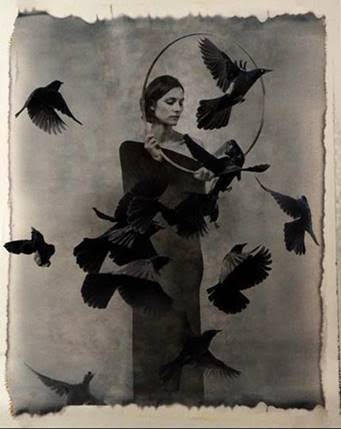
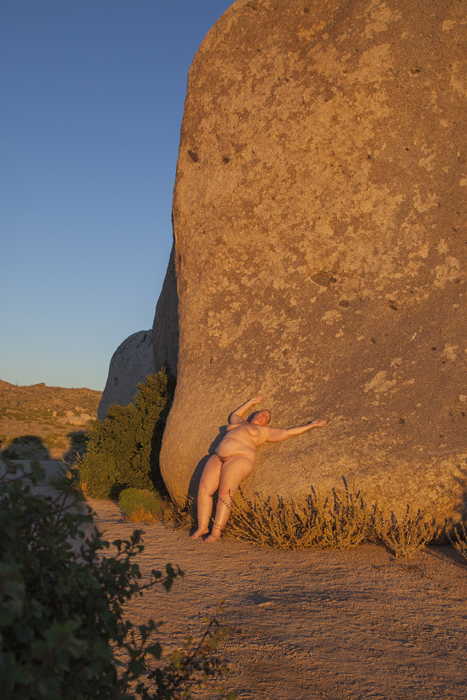
As the gala’s honoree for the 2021 Stieglitz Award, Kuhn is renowned for her large-scale photographs of the human form, which reflects upon themes of spiritual connection and solidarity.
To view an exhibition of Kuhn’s work and a selection of auction photographs in person, LACP’s Culver City Gallery, is offering viewings through October 7th, Tuesday-Saturday, 10-5. The gallery is located at 5566 West Washington Blvd.
And don’t miss the gala – coming right to your living room. Get a front row seat:
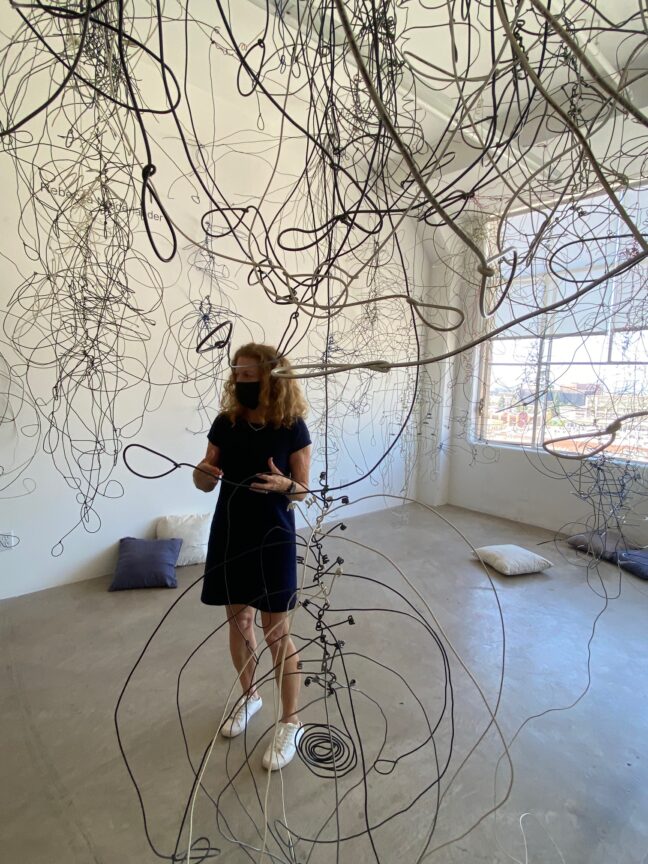
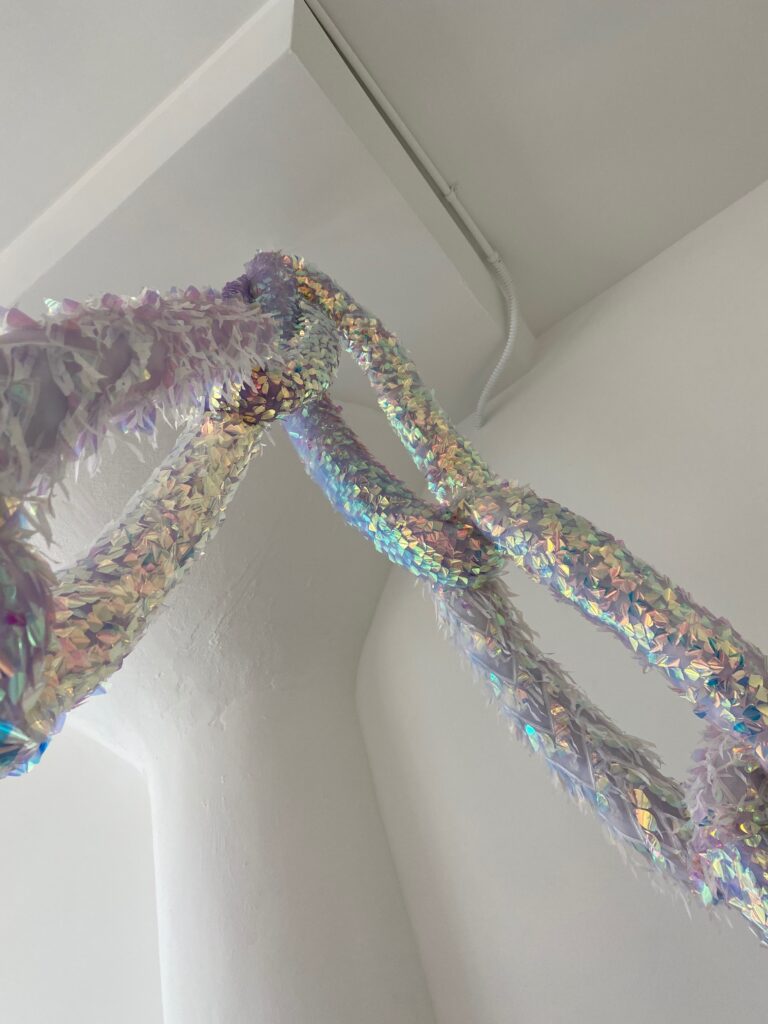
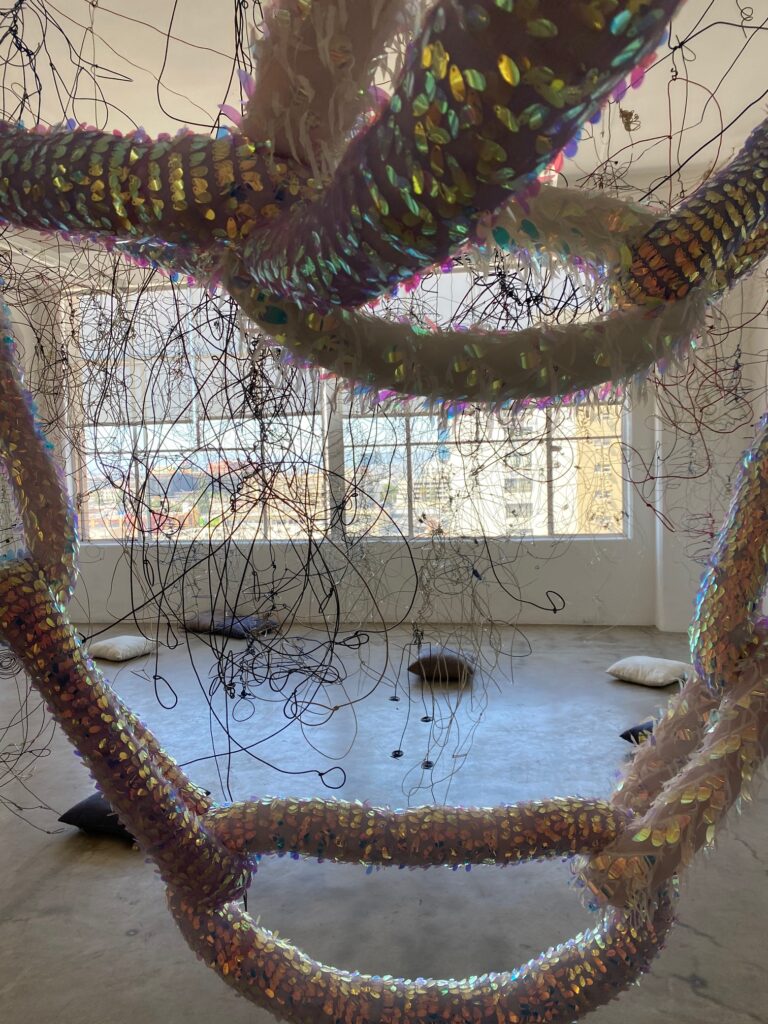
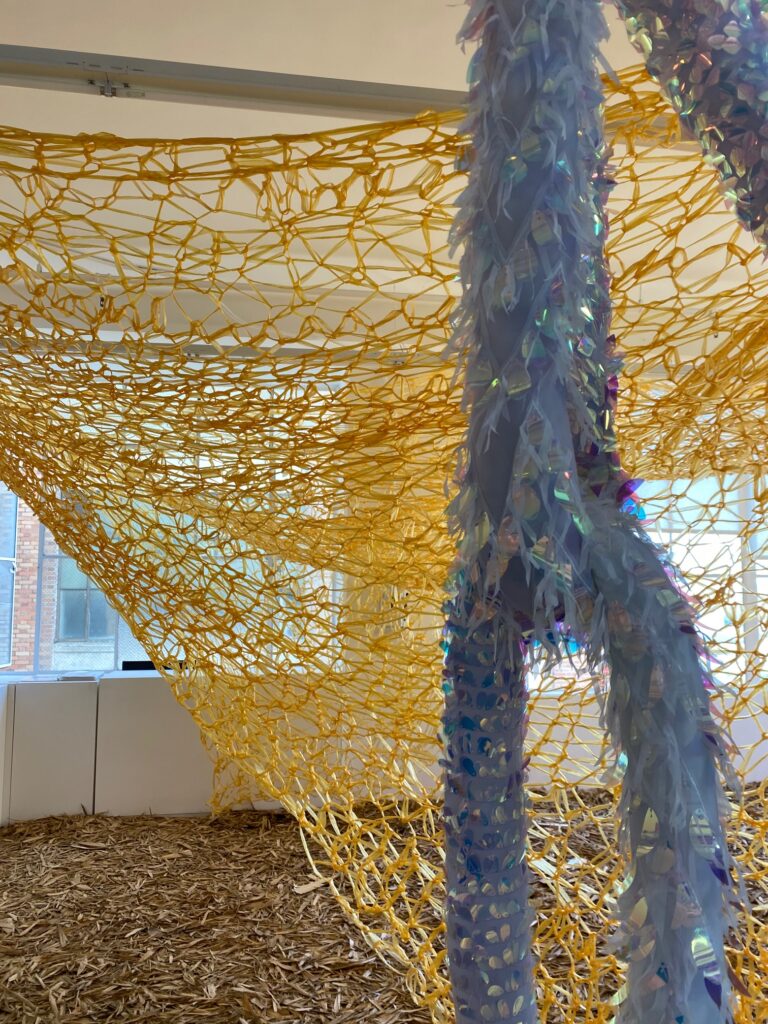
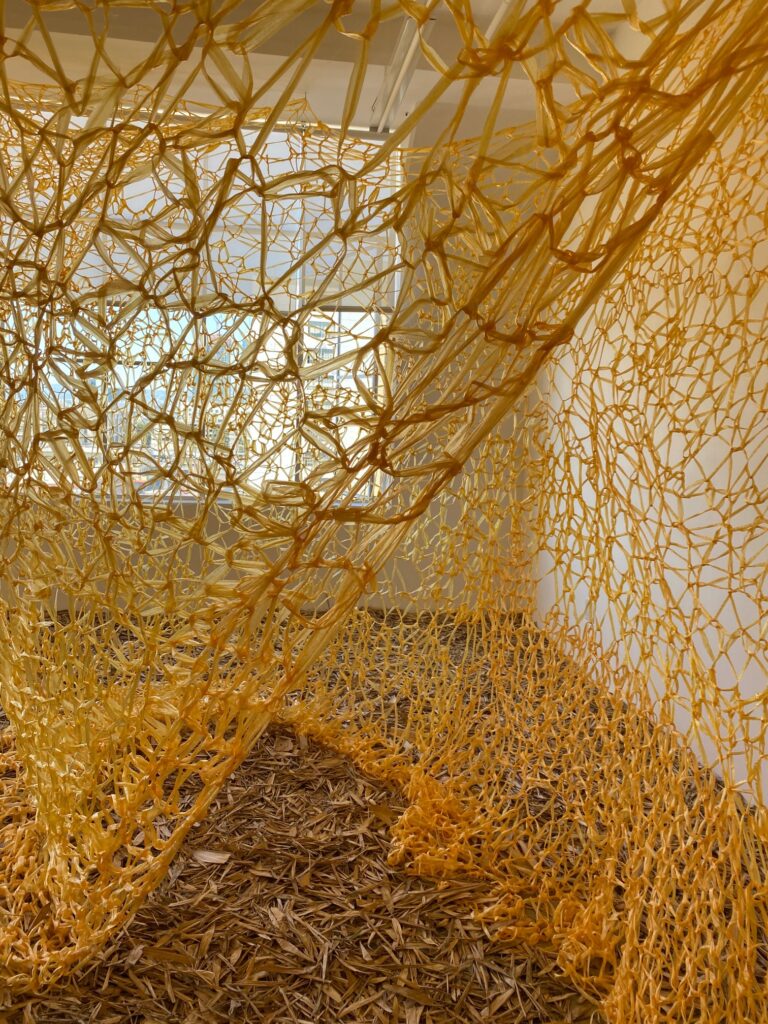
Singing with light and strung from the ceiling, crunching on the floor, and draped over windows and walls, Durden and Ray offers a stunning immersive exhibition now through October 2nd in the Bendix Building.
Curated by Valerie Wilcox, The Big Embrace is just that, embracing mind, body, and spirit with curiosity and reverence – and the sense of transcending place and space.
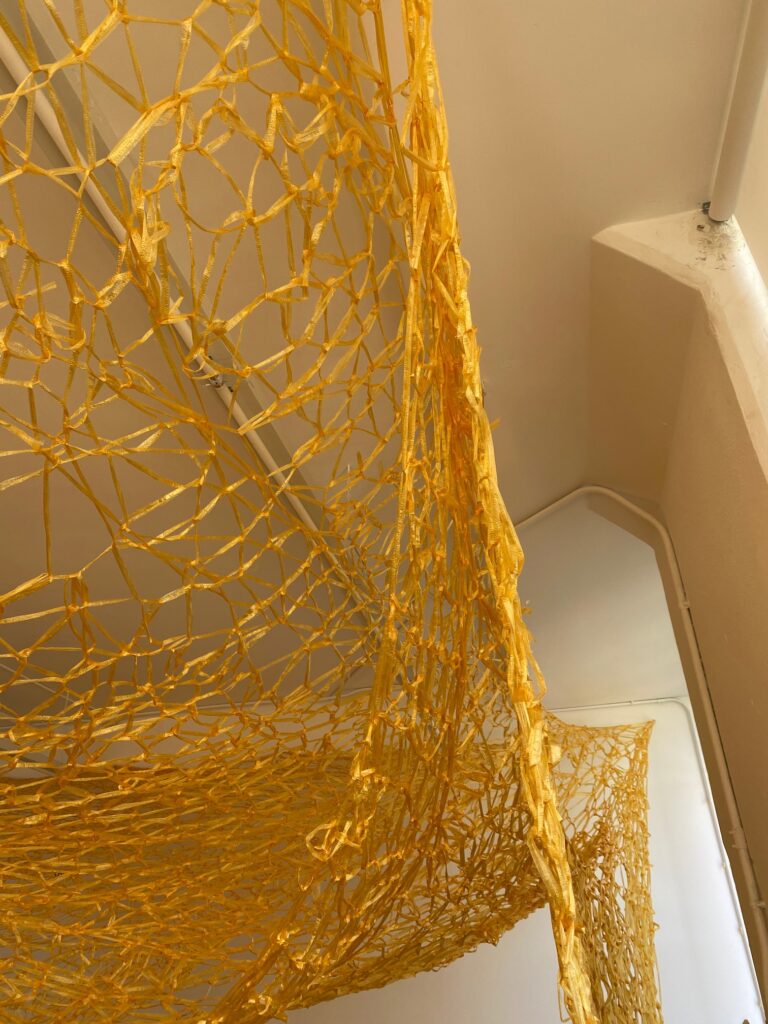
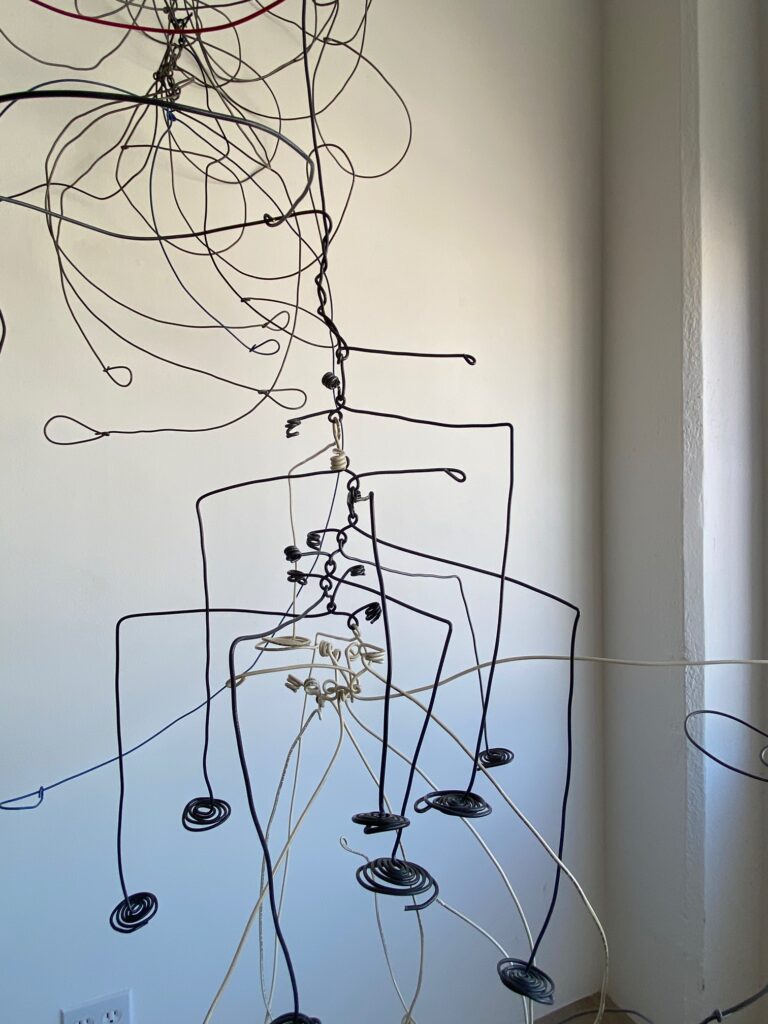
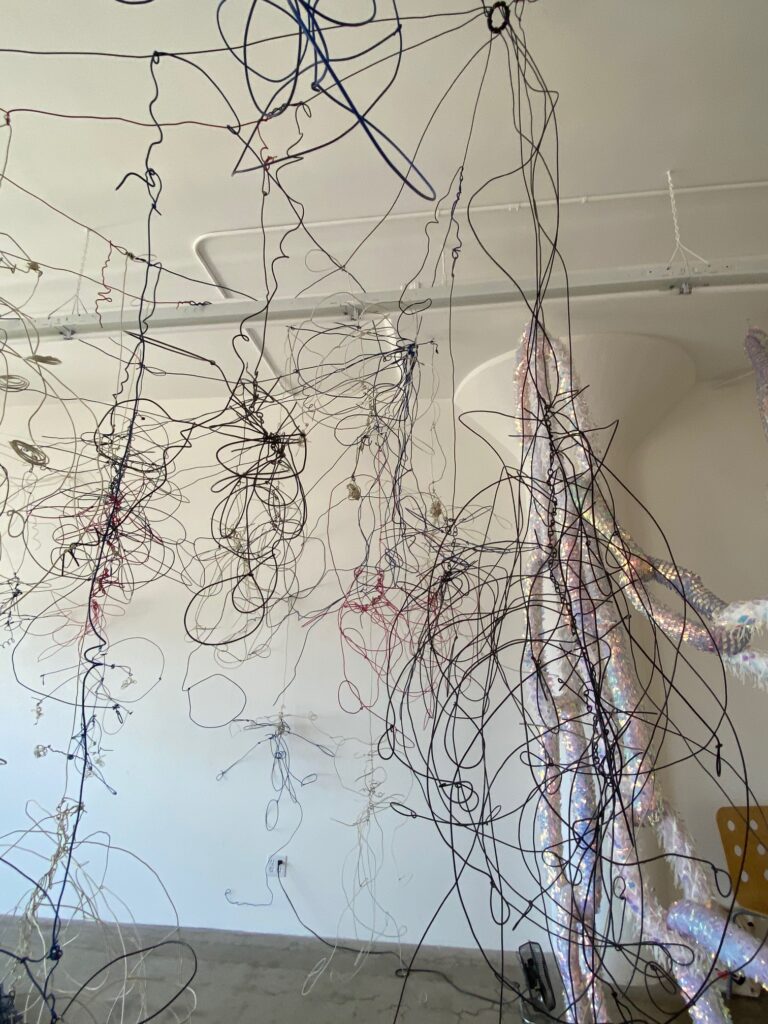
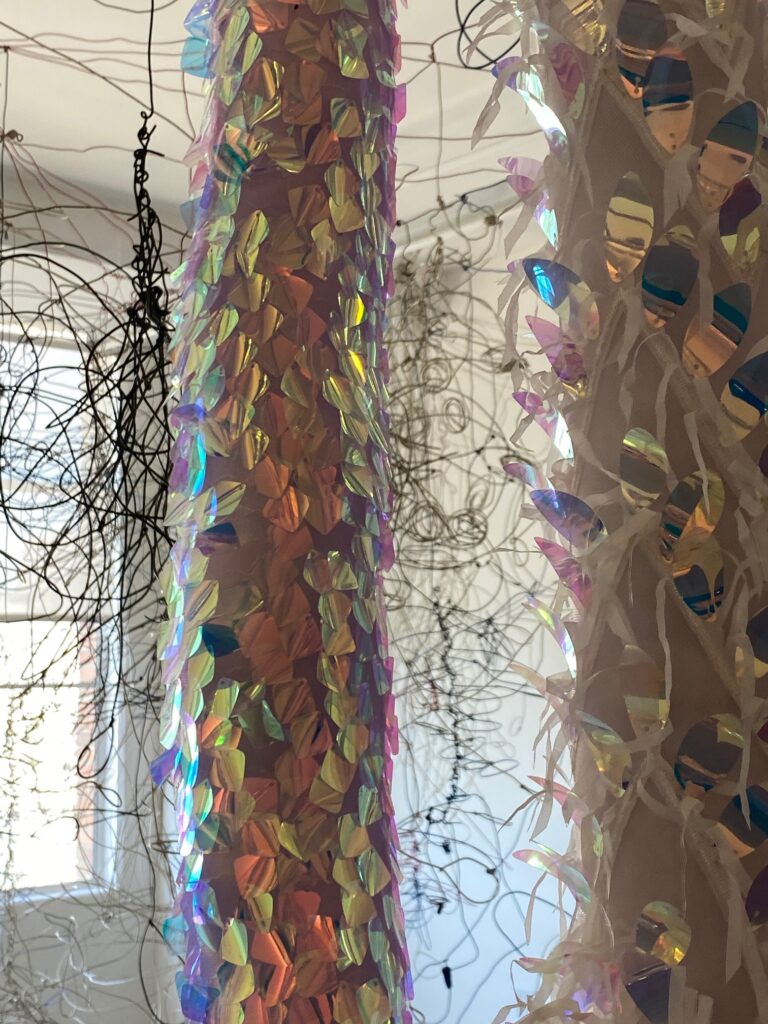
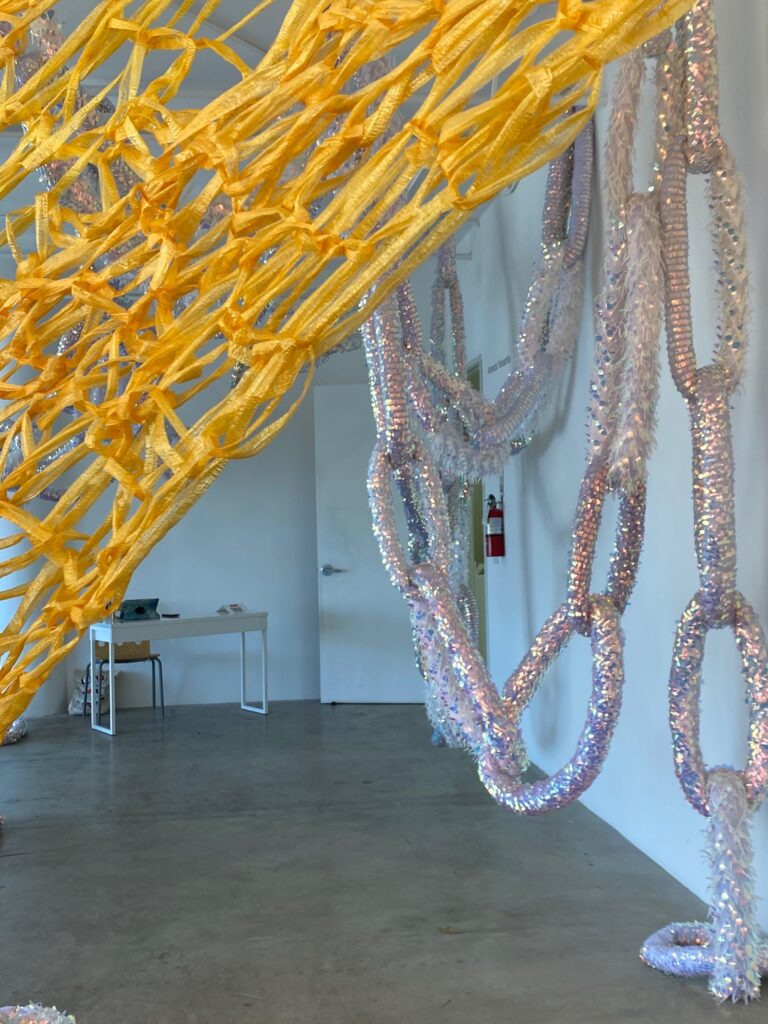
This is one you must see in person. The three artist exhibition by Flora Kao, Rebecca Niederlander, and Amanda Yamashita is dazzling, snaking, weaving, and dangling around the gallery space.
Kao’s Hope is a luxurious tent of packaging twine and bamboo. Beneath the viewers feet, the bamboo crunches and heaves like soft, other-earthly ground. The artist says in her family’s language “the word for fishnet sounds the same as hope.” The woven canopy’s palette reflects Buddhist funeral tradition and a sacred color of enlightenment and freedom. Being within it offers an encompassing, golden sense of beauty
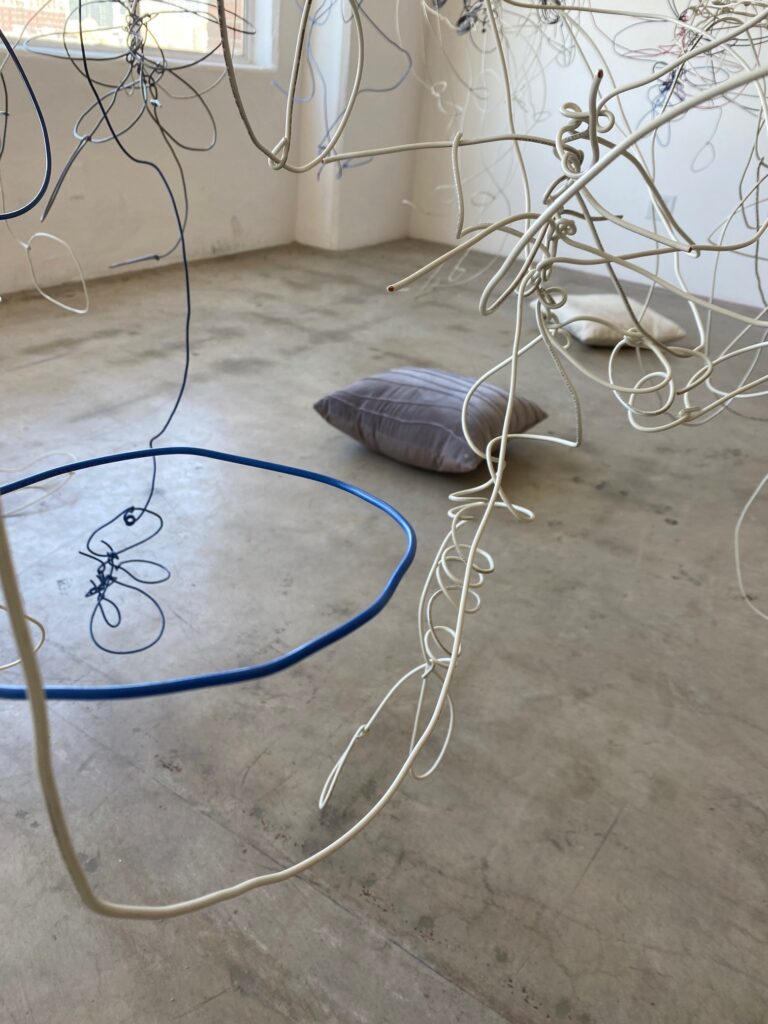
Niederlander uses plastic coated copper conduit to form sinuous and intersecting wire sculptures that are being individually sold to support social, legal and medical needs of transgendered people. The colors of the different wires represent different iterations of sexuality in her Wald-en. The lush puzzle piece sculptures represent a wide variety of gender representations – a forest of gender and peace. It’s kinetic and alive, with new shapes visible at every turn.
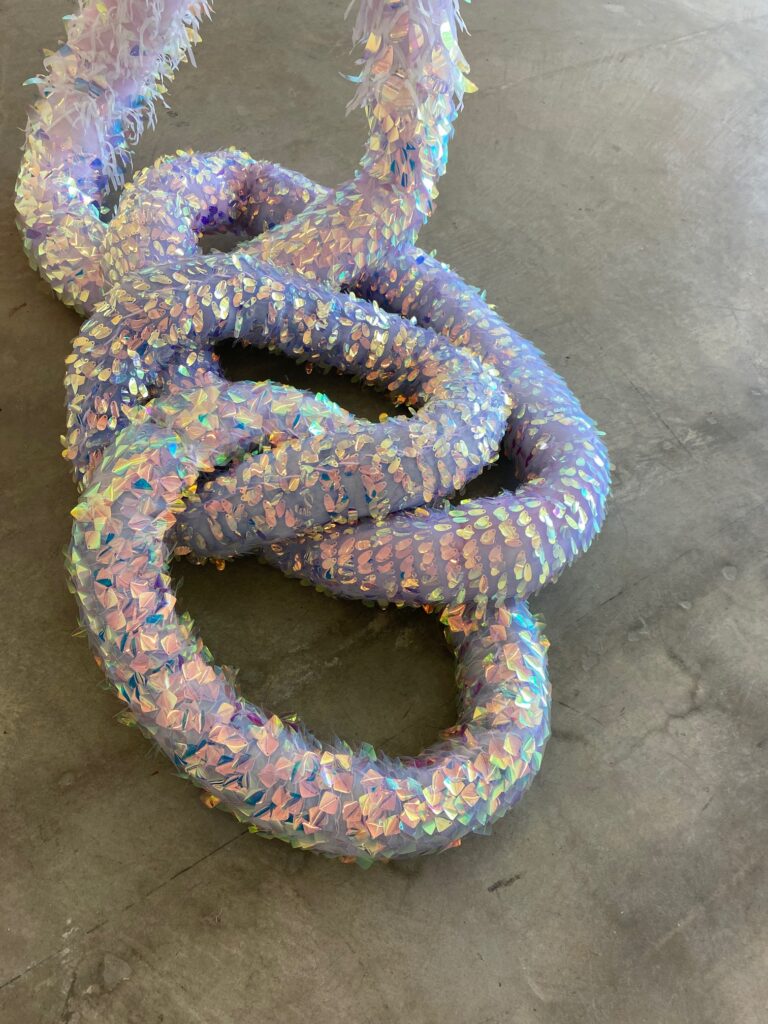
Yamashita’s Linked is a glittery hung snake of nylon filled with polyester fiberfill, and shimmering with sequins. It weaves to the edge of Kao’s work and slightly within Niederlander’s, forming a perfect connection. The artist says “as social creatures people long to feel connected to others…Linked explores connection in the form of a larger than life sequined chain…creating a cocooning effect.” It’s a rivetingly beautiful one, indeed.
Get connected, find hope, or lie back on pillows to contemplate the fascinating diversity of Wald-en. Hurry though.
Saturday’s only, or by appointment through October 2nd ONLY.
Durden and Ray is located at 1206 Maple #832 in the Fashion District.
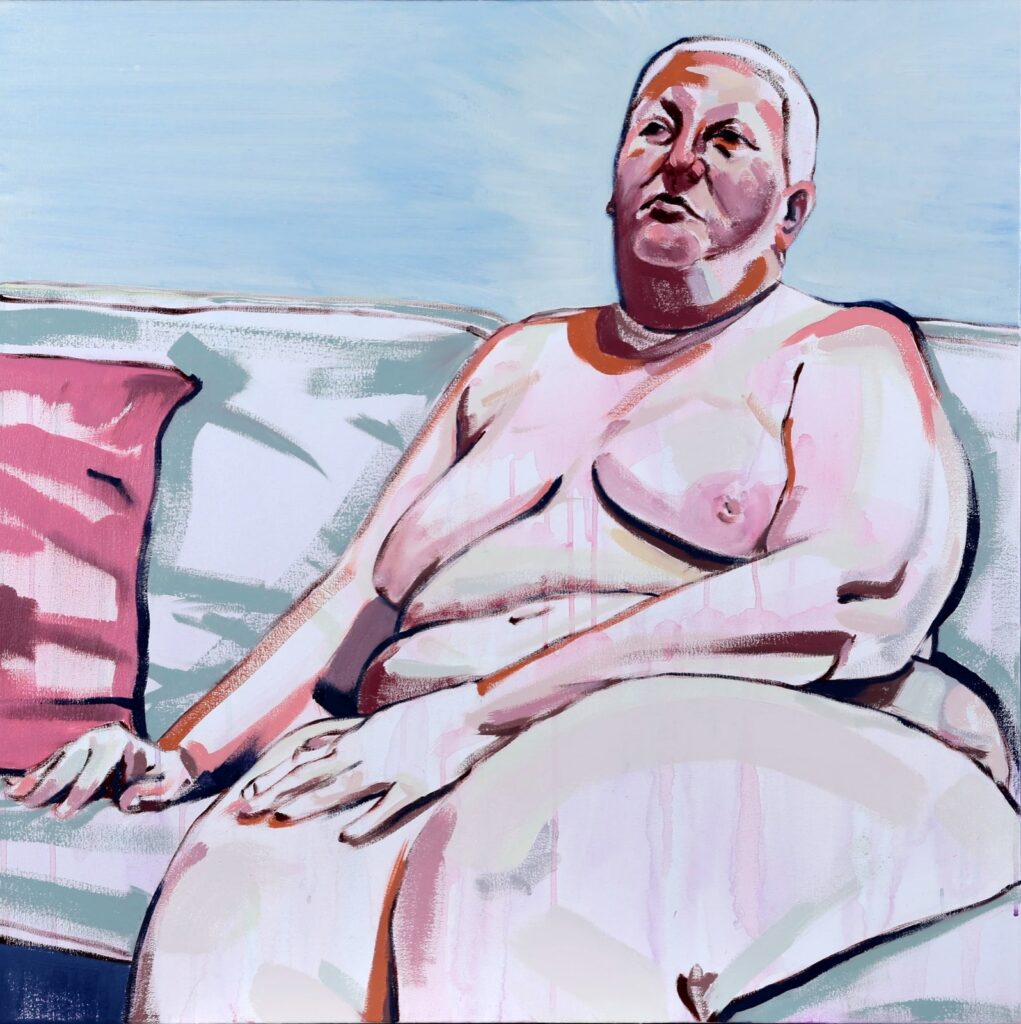
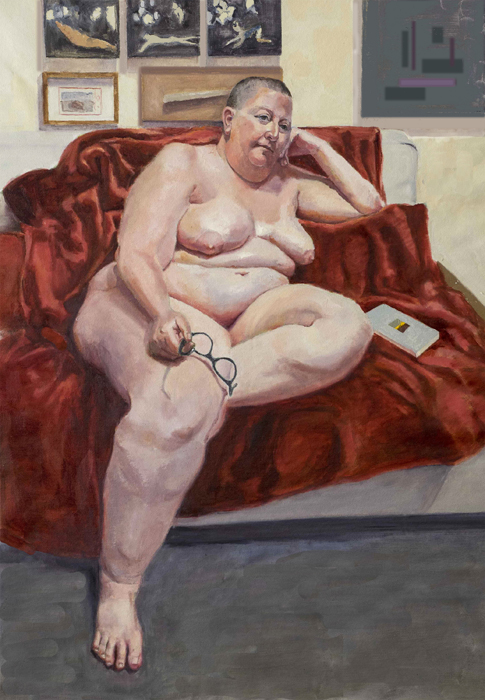
Just before the pandemic struck us numb, artist Kristine Schomaker opened a stunning exhibition of works not by her, but about her, at the Ronald Silverman Gallery at CSULA.
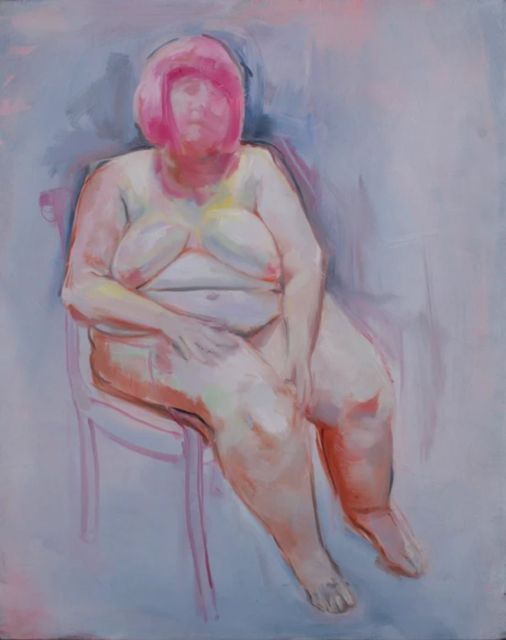
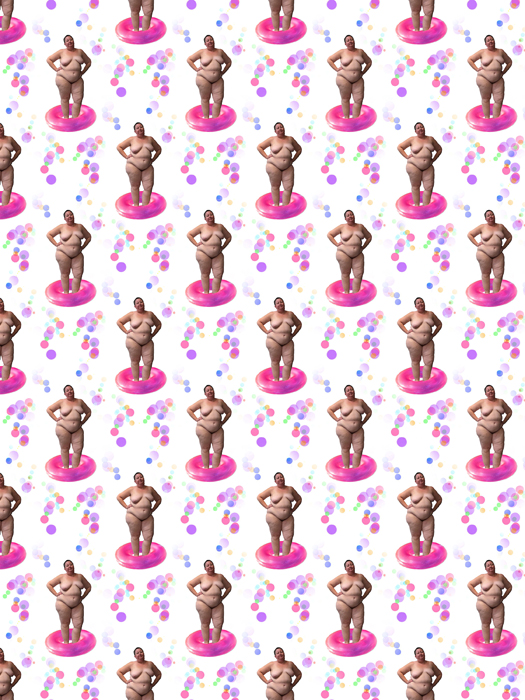
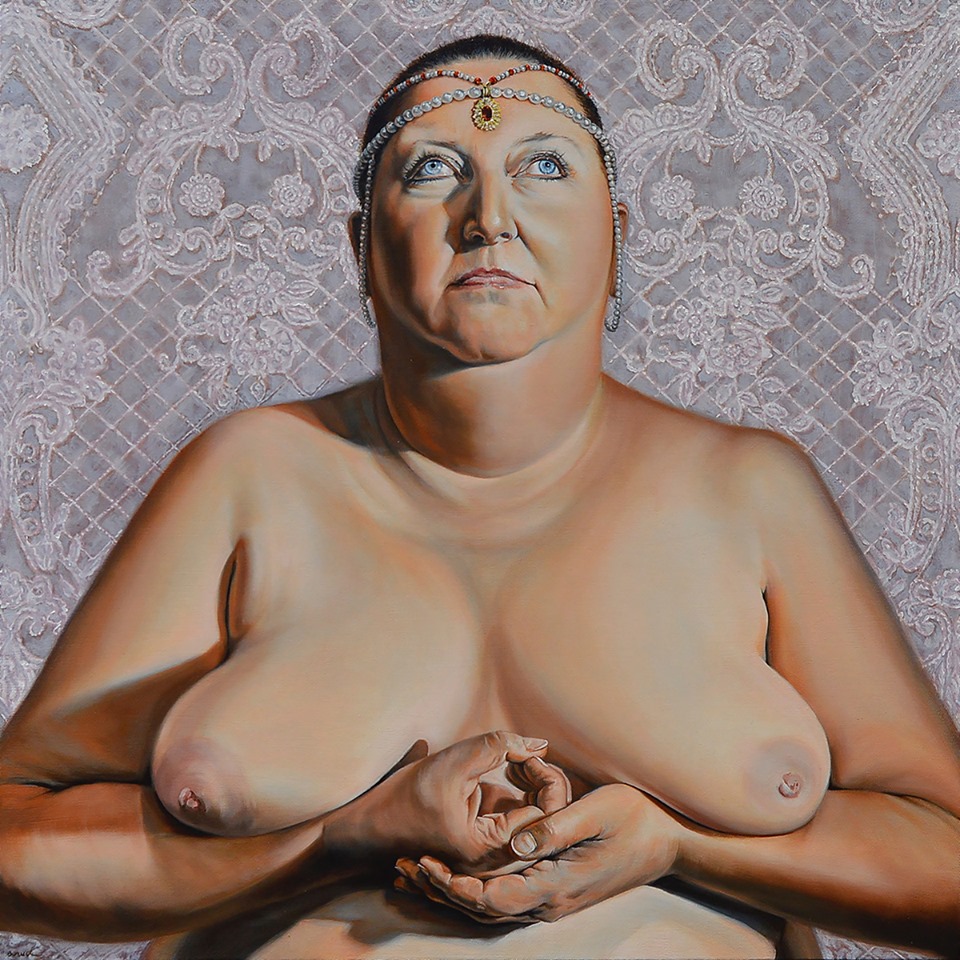
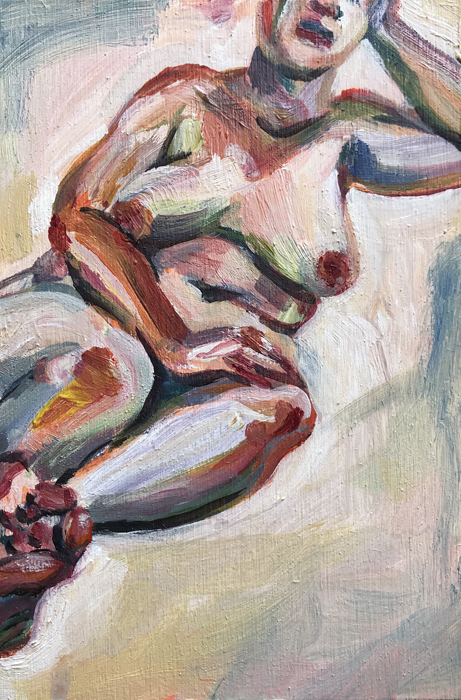
Today, a new iteration of that exhibition, Perceive Me, replete with fresh curation and artist’s talks, is currently on display at Studio Channel Islands through September 25th. It will move to the Museum of Art and History, MOAH Cedar location, in Lancaster October 9th through December 12th. Whichever venue you choose to view the show at, you will not be disappointed. It’s as meaningful as it is magically fun.
Kristine Schomaker had an idea. It started with the personal and has become a galvanizing collaborative project that reaches and speaks to a wide-range of viewers. It’s a conversation starter, it’s a collection of absolutely unique artworks, it’s an exultant vision of personal spirit, a creation from and of the soul that’s grounded – both literally and figuratively – by the body that holds it.
Artist: Kim Kimbro Taylor Artist: Emily Wiseman
According to Schomaker – artist, curator, publisher and founder of Shoebox Arts – the concept for the show started with a conversation between herself and artist Amanda Mears. Mears was drawing Schomaker at the time. “We were talking about body image, ideas of beauty, modeling nude, and I brought up the story that I had only been asked out on a date a couple times in my 46 years of life. I think unconsciously I took that as this validation that I wasn’t worth anything. Of course I know it is much more complicated than that,” Schomaker laughs, noting that the first time she expressed this out loud was in a previous interview for DiversionsLA.
Artist: Holly Boruck
Describing the idea as having come “full circle,” Schomaker says “I never realized that that was where a lot of my self worth came from. The need for outside validation. Or the idea that we often take our own self-worth from how we imagine others perceive us. Working with Amanda and looking back to a collaboration I did with J Michael Walker for his Bodies Mapping Time project as well as Chris Blevins-Morrison for a photographic project, I thought it would be an interesting ‘research project’ to see how I look through another person’s eyes. It was like a lightbulb.”
Artist: Austin Young
Over the next several months, Schomaker put together the idea of how Perceive Me would work, meeting with 57 different artists between November 2018-August 2019.
Schomaker selected the artists for the exhibition beginning with artists she knew who created work using a figure. “I have a folder on my computer of ‘Artists to Watch’ and culled from that. Plus, I looked at my walls, my art collection and invited those artists. And I invited friends, of course. I started off with the idea of 20 artists, then it went to 40; because I couldn’t say no then it went to 60. Most of the artists were invited, but there were a few who contacted me and after looking at their websites and seeing how their art practice was aligned with mine, I knew they were a perfect fit.”
What she mosts want viewers to take from this powerful and poignant exhibition is to “feel free to be themselves. I want people to be less afraid of ‘going for it,’ whatever that means for them. I want people to not be afraid to be different, unique, authentic and to not hide from others or themselves.”
Artist: Geneva Costa
What led Schomaker to create such a vital piece of the project, or as she calls it, performance, is her belief in its social practice/impact and community engagement.
“I think my thesis was to see if my perception of myself changed as I saw myself through others’ eyes. Or maybe by inviting the many talented artists to collaborate with me, I thought they could make me beautiful? I am just now at this moment asking this question. This is just one project in many in my art practice that will continue helping me develop my own identity.”
Artist: Sydney Walters
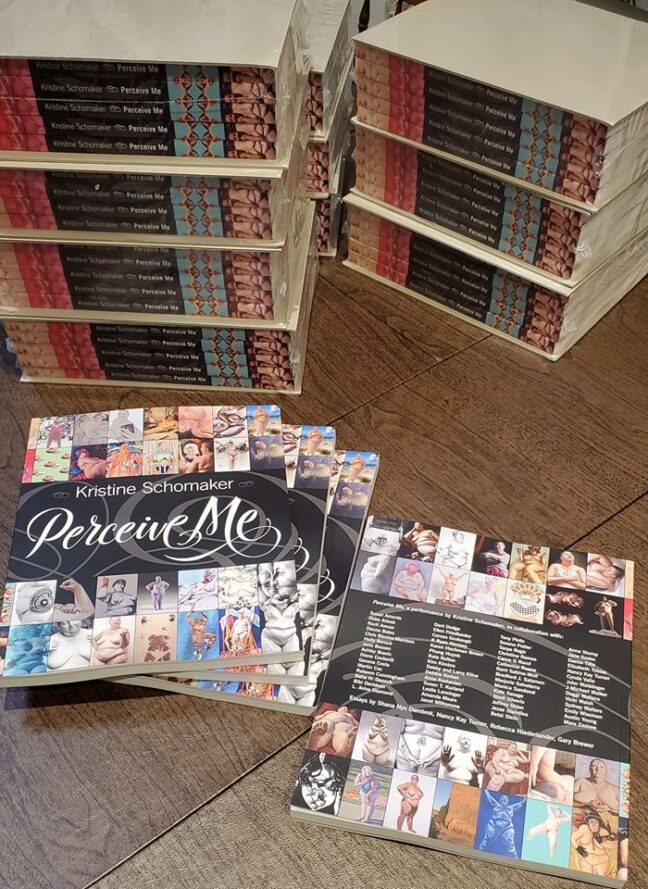
“I have a story to tell, a message to relay. I want to educate and inspire. I knew an exhibition would not be enough to get the message out there. I knew a catalog would help get the word out there more,” she relates. “We are also doing artists talks; I am working with classes at the colleges, and there will be a video. I want to support others as much as I can. The catalog was one way of sharing the artists’ amazing work.”
Artist: Dani Dodge
Schomaker terms the exhibition a continuation of her own work, which focuses on challenging and finding herself. “I don’t think I will ever get to an end-point, because life changes all the time. Our identity changes all the time. Our weight changes all the time. My art practice is about telling my story of my eating disorder, struggles with weight and self-confidence. So, it will continue on.”
Artist: Nurit Avesar
The genuinely brave and beautiful show is uniquely notable from its lush and individually terrific images to the concept and Schomaker’s willingness to literally and figuratively expose herself.
Artist: Anna Stump
A wide variety of styles and media fill this powerful and delightful show.
Artist: Bradford Salamon
Participating artists include: Amanda Mears, Anna Kostanian, Anna Stump, Ashley Bravin, Austin Young, Baha Danesh, Betzi Stein, Bibi Davidson, Bradford J Salamon, Caron G Rand, Carson Grubaugh, Catherine Ruane, Chris Blevins-Morrison, Christina Ramos, Cynda Valle, Daena Title, Daggi Wallace, Dani Dodge, Debbie Korbel, Debby/Larry Kline, Debe Arlook, Diane Cockerill, Donna Bates, Elizabeth Tobias, Ellen Friedlander, Emily Wiseman, Geneva Costa, Holly Boruck, J Michael Walker, Jane Szabo, Janet Milhomme, Jeffrey Sklan, Jesse Standlea, John Waiblinger, Jorin Bossen, K Ryan Henisey, Karen Hochman Brown, Kate Kelton, Kate Savage, Kerri Sabine-Wolf, Kim Kimbro, L Aviva Diamond, Leslie Lanxinger, Mara Zaslove, Marjorie Salvaterra, Martin Cox, Monica Sandoval, Nancy Kay Turner, Nurit Avesar, Phung Huynh, Rakeem Cunningham, Serena Potter, Sheli Silverio, Susan Amorde, Susan T. Kurland, Sydney Walters, Tanya Ragir, Tony Pinto, Vicki Walsh.
The exhibition at Studio Channel Islands, through the 25th, is located at 2222 Ventura Blvd. in Camarillo. MOAH Cedar is located at 44857 Cedar in Lancaster, and there the exhibition runs October 9 through December 12th.
You owe it to yourself, your body, and everybody to “perceive this.”
Opening October 9th, and closing on Halloween, it’s only right that Joy Ray should offer new works with a beautifully haunting theme – Ghost Visions.
“I think of ghosts as a kind of ambassador to an unseen world,” Ray says. “This could be an actual ghost, or a dream, premonition, or intuition, one of those moments of strangeness that makes us aware of the fact we’re surrounded by the mysterious at all times.”
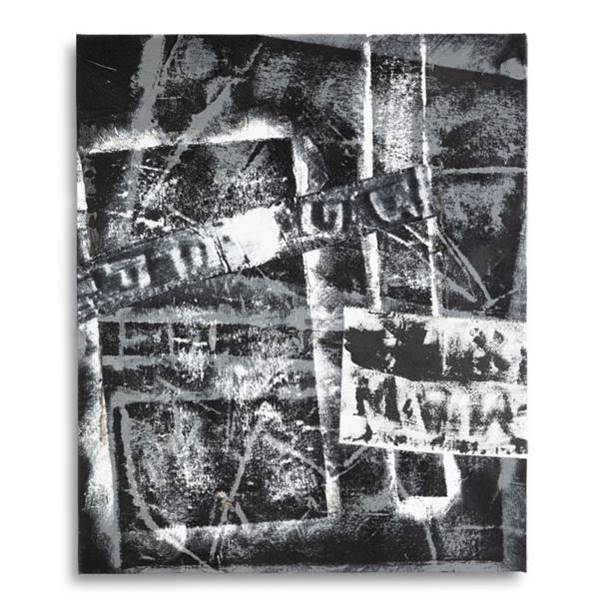
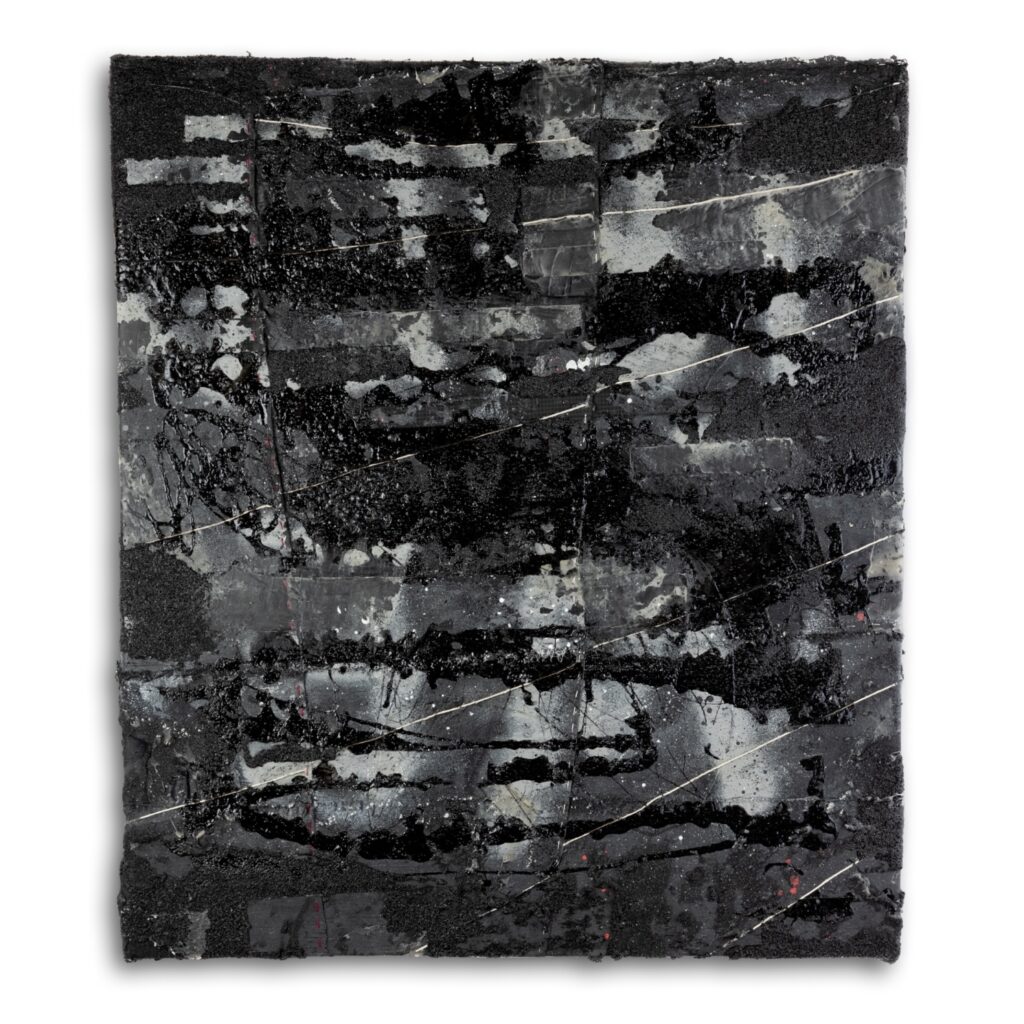
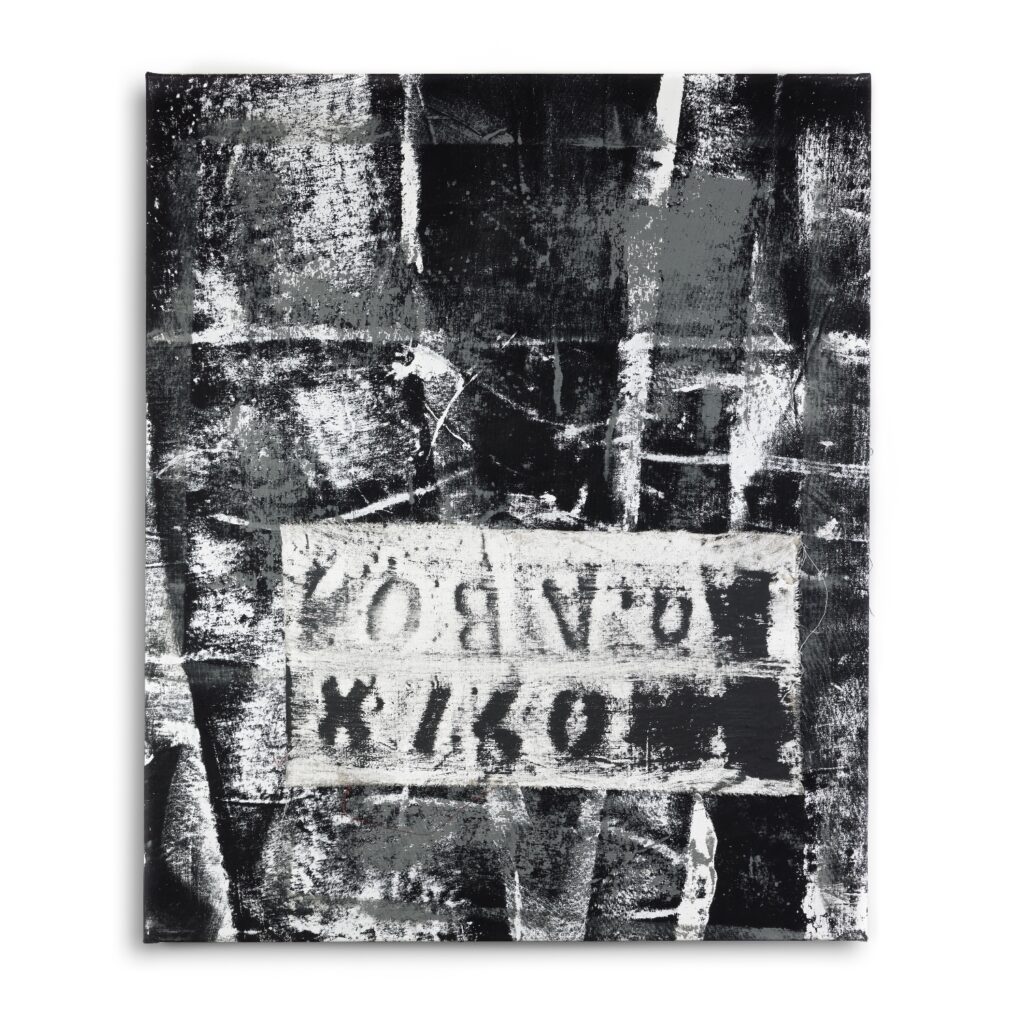
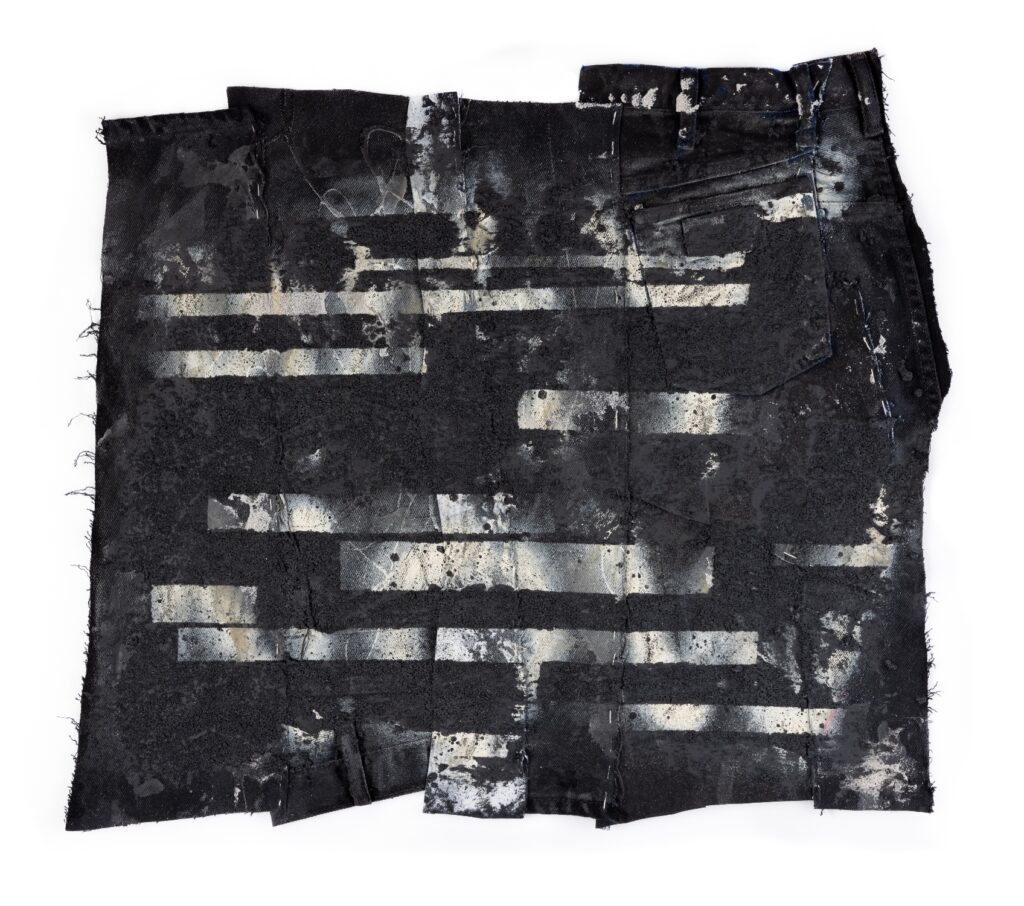
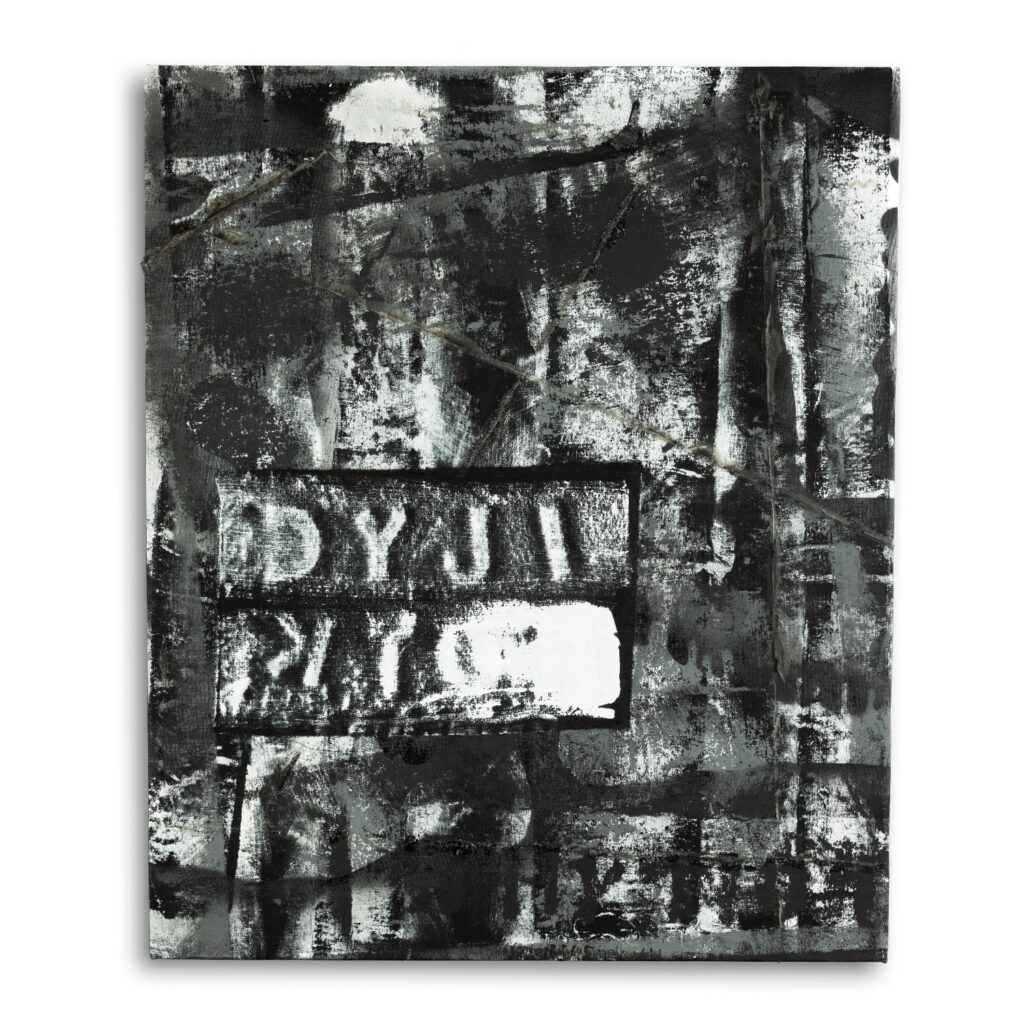
Ray’s work often brings elements of mystery, magic, and portent. This show is a foray into new materials and approach. Her work has always been highly textural, merging paint and textile elements, including elements of half-hidden text, and moving beyond paper or canvas into layers of additional mediums. But this show explores farther.
According to Ray “This idea of the mysterious came to me in a couple of different ways. I see this show as a kind of controlled lab experiment, one that invites a participation into the unknown world. One of the ways I get at this are through materials.”
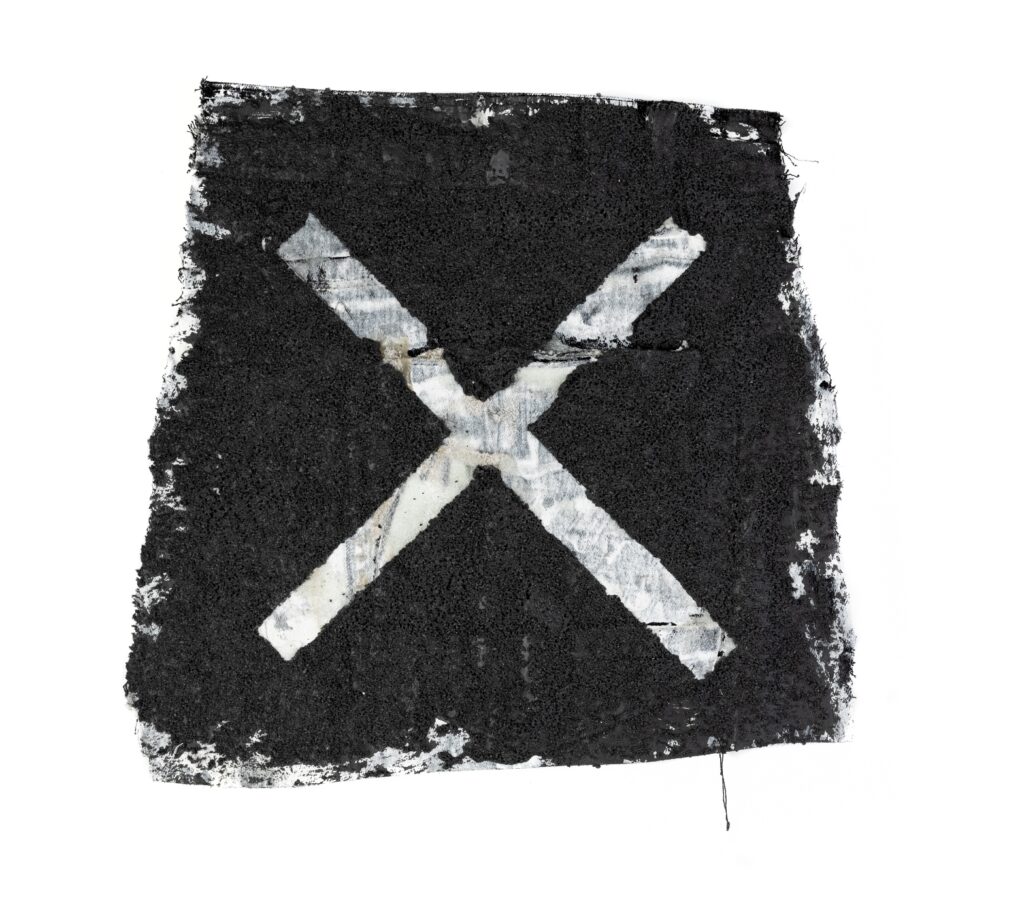
This exhibition features a number of materials Ray purchased at thrift stores. “They have a past life, and I don’t know what that past life is,” she explains. “Do these materials, these garments, carry with them hints of what their former life was? I think they do.”
She selected old jeans as her primary fabric. “I read somewhere [that] at any given point of time 50% of the world’s population is wearing jeans. They are kind of a universal garment in a way; they’re pretty intimate and a beautiful fabric to work with. We also have a kind of love/hate relationship with them.”
Along with the fabric Ray uses in Ghost Visions, she is also featuring sculptures that “involve rusted metal and metal. I create the metal piece and the conditions in which it can rest, and I start and stop the rest of the process. Something else is really controlling it from there.” Otherworldly, indeed. She adds “That is the mysterious coming in, it’s a process in which it collaborates with me, so that the textures, and colors, it’s all a collaboration I suppose. I can see that mysteriousness coming to me.”
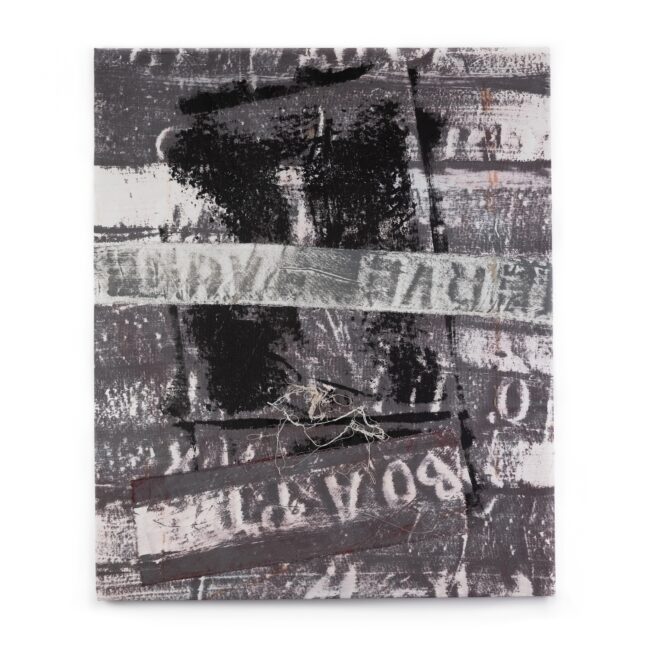
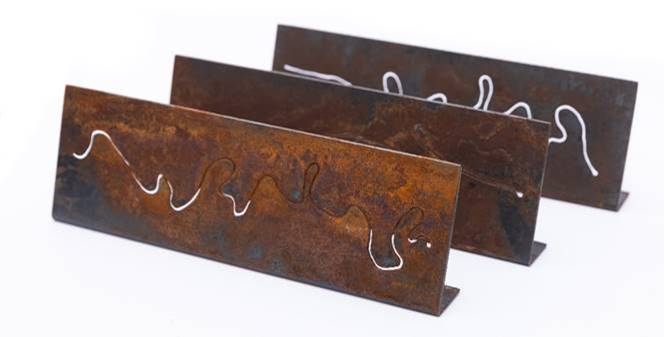
Her standing, rectangular “Ghost Signatures” series, which comprises one part of the upcoming exhibition looks like the phantom scrawl of a ghost, both art and a form of text that is unreadable to most humans. Excitingly kinetic, they are different that other, past work of Ray’s.
She compares the process in creating them to “almost like reading tea leaves. There’s a ritual and process involved. You make the tea, you pour it in the cup, and at the end, there’s just the tea leaves left. You are kind of left to make something of that, perhaps a message in them, or perhaps they are just tea leaves. It’s up to you.”
She feels as if she is “creating a space in which these ‘perhaps messages’ can come through and then we can see what we can glean from those.”
To the viewer they evoke memories of ocean waves, or half-heard words on staticky radios, or the soft shadowed touch of a hand while drifting into sleep. And they also resemble a conversation that is not quite intelligible but real nonetheless – as if comprised of a completely different language outside intellectual understanding but rooted in the spiritual.
“Creating these smaller metal pieces took place in part through an MFA program I am doing at the Chicago School of the Arts Institute. I was there for six weeks, and I got to experiment with their amazing equipment, which lent itself to the creation of the smaller pieces,” she relates.
Having worked with the idea of string, she dropped it into the shape of cursive handwriting that “looks like writing but is not readable.” She then took photographs of the string in that shape, and cut these images into the metal pieces using a CMT plasma cutter.
“It’s a different process for me. In thinking about it, going from the string, a simple material that I love, on that is kind of a mid-century, very basic American material, and converting it to steel that shows the absence of the that string through the cut out, the absence spoke to me.” She says “I’m not quite sure that any of it means yet, but there is an echo. The absence of the string is kind of like the ghost of the string.”
Each piece is approximately 4 x 11” and the patterns are cut into the steel. She plans to position them in the back gallery at Shockboxx, “with the lights out, and back-lit so they kind of flow – at least that is my plan,” she attests.
Ray has approximately 40 of the small metal sculptures in the show, and approximately 15 mixed media paintings. Among the latter are works that include elliptical text, such as “Lost Transmission,” and “Relic,” as well as the geometric patterns on works such as “Seen Not Seen” in which it appears text could reside but is temporarily absent, which echoes her metal work process.
Also included in the show is a series of works which are influenced by Ray’s drop cloths. “The spaces that inspired this work have in a way gotten small and more intimate. When I make paintings, I work flat on the ground on a drop cloth. I noticed that when I was painting, I was making two paintings – the incidental marks on the drop cloth that had a cool energy to them, and the painting itself. And I thought what if I intentionally make those marks on canvas, the marks taken from the incidental marks on my drop cloths and turn them into the focus of my art intentionally. In this way,” she notes, “the work represents my surroundings as interpreted by my little drop cloth on the floor.”
Ray reveals that she is interested to see how these drop-cloth pieces are seen by viewers. “I think the next work I’ll be doing will be pulled in that direction. I think the drop cloth is in a way my studio in a suitcase, which creates more intimacy in my work, but perhaps it’s a smaller focus that’s more universal.”
While in the past Ray has focused on the Hawaiian iconography that reflects her home for at least part of the year, this work changes things up. However, she notes “There are some through lines. I’m very influenced by previous work in that way, but this is less rooted in the islands.”
She describes Ghost Visions as “Experimental and playful. Despite the dark color palette that I tend to gravitate toward, there’s a kind of playfulness to this body of work that’s a little newer to me. I think being a part of the MFA process encouraged experimentation.”
Ray asserts that she views this body of work as “the beginning of something really exciting, the first step on a really exciting road. I don’t know where it is going to lead yet.”
Perhaps, into other worlds.
The exhibition will be opening at Shockboxx October 8th; the in-person reception will be on the 9th starting at 6 p.m. An artist talk with critic and curator Shana Nys Dambrot will take place during the shows run; that event will be virtual and include a seasonally appropriate discussion of ghost stories, tarot, Ouija boards, and ghost signatures.
Shockboxx is located at 636 Cypress Ave. in Hermosa Beach, Calif.