Dances with Films offered an incredibly strong slate of films Thursday through Sunday, the closing weekend of the festival. And our only regret is that the fest is over. Time to hang up our dancing shoes until next year.
Thursday’s Espionage Tonight was a brilliantly structured dark comedy in which a reality TV show about spies is created to win back the faith of the American public. Audiences go undercover on missions around the globe. Real spy and reality tour guide “Swamp Fox” is alternately deadly and hilarious.
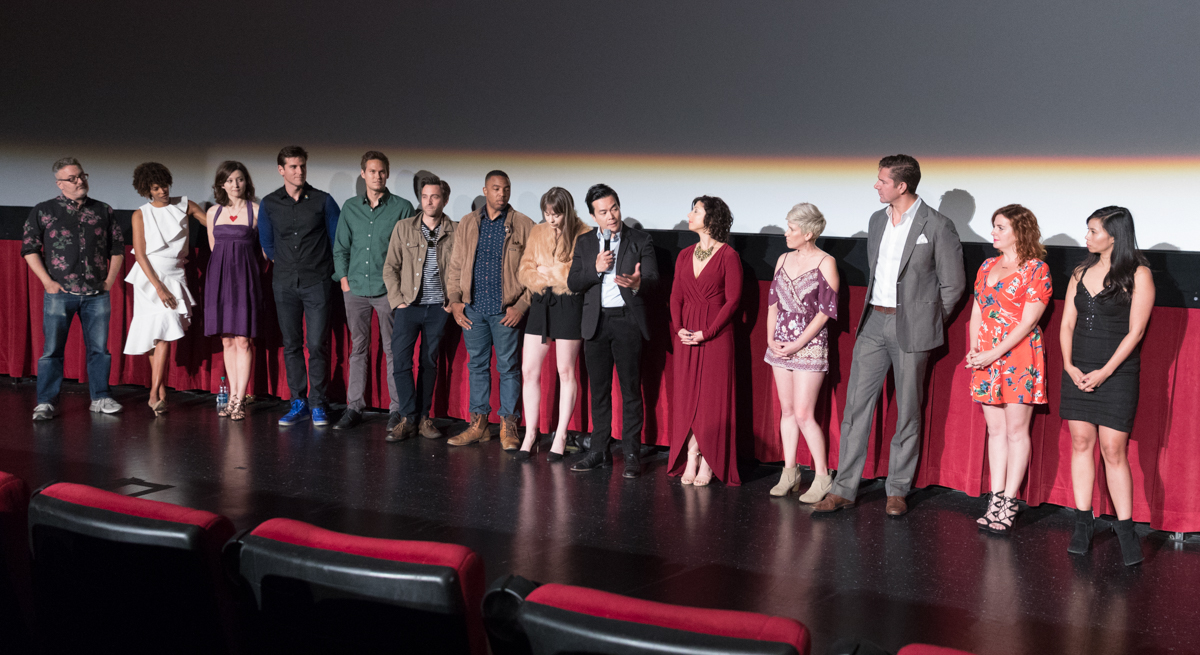
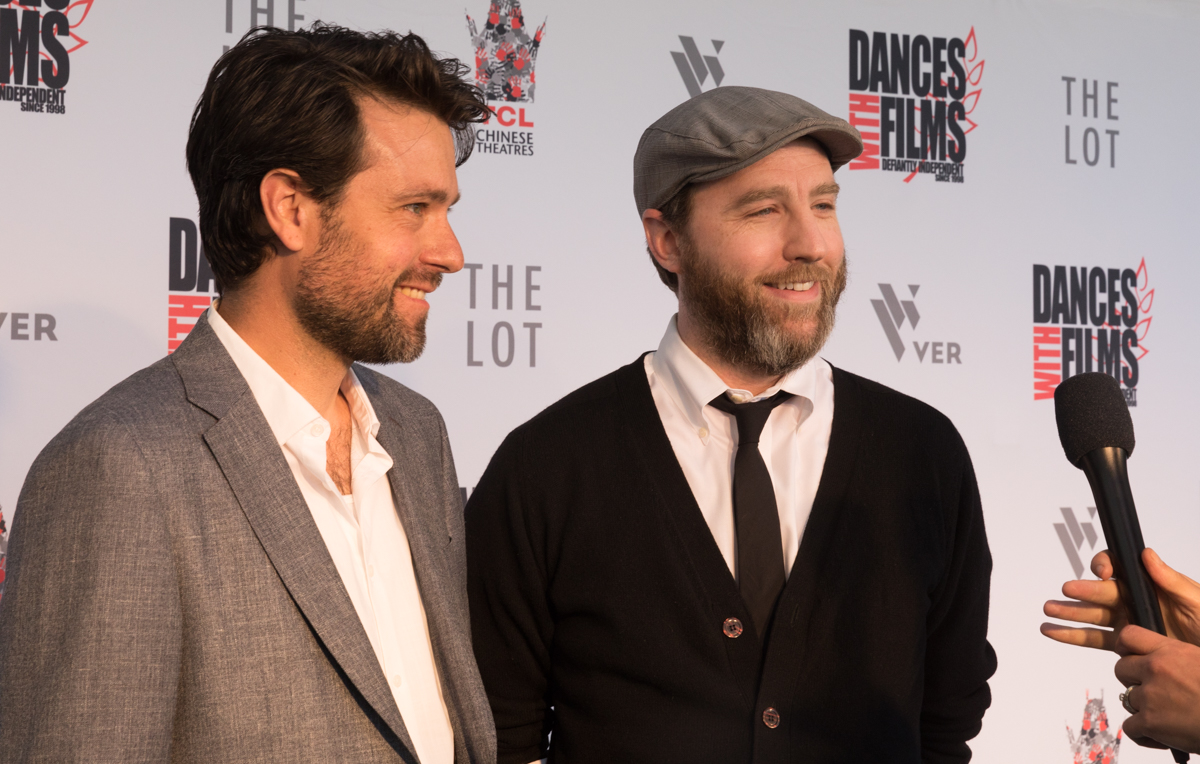
Director Rob Gordon Bralver says the choice to create a reality style was done to save money, but budget doesn’t show on screen. “We had tons of locations thanks to producer Amy Child, who made little miracles happen. Music is just me listening to iTunes so I could find what fits, and keep the film in its wierd comedy pocket,” he relates. Lead actor Joe Hursley says for him, the filmmaking process and the point of the movie itself is “Trust your inner psychopath.”
The festival’s Grand Jury Winner, One Less God was a harrowing take on the 2008 Mumbai terrorist attack on a tourist hotel. Deeply involving, moving, and packed with suspense, the large cast and humanitarian soul of the movie painted a picture of pain, beauty, and love. Thoroughly engrossing.
Writer/director/producer Lliam Worthington says “We knew people killed in the attacks, we just wanted to understand what was going on, the loss and the pain, and the people. I wanted to see the people. We have to continue to see people as a global society.” Worthington used some of the actual cell phone communication transcripts between handlers and operatives word for word during dialog for the terrorists; the 63-day shoot which took place off and on for a year never lacks in verisimilitude.
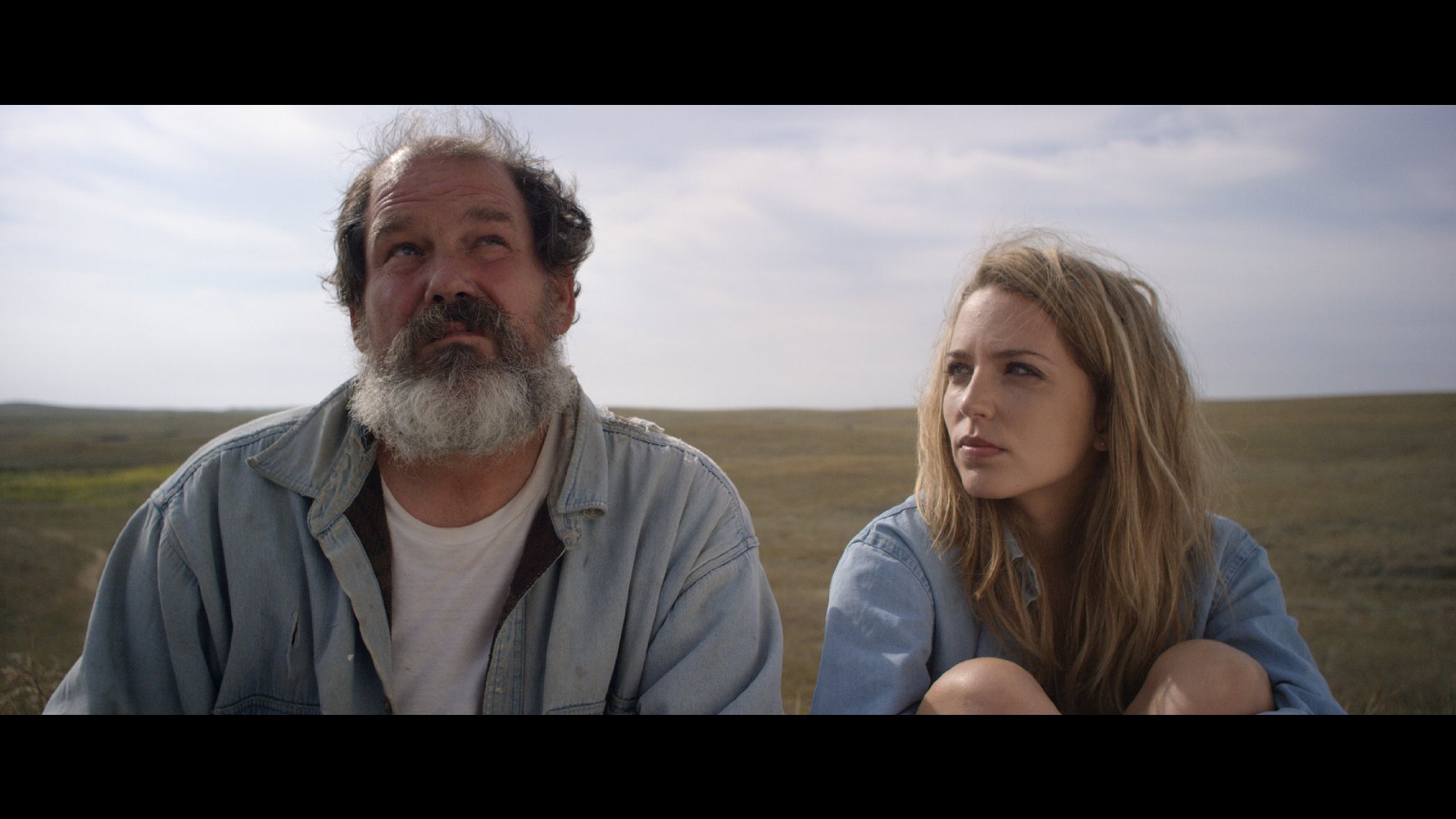
The strong ensemble cast and sweeping, lush cinematography of Tater Tot & Patton add to a compelling tale of a millennial who escapes her own life at her uncle’s South Dakota ranch, forcing him from his placid, if liquor-drenched, existence. A well-balanced drama that pulses with life.
Jimmy the Saint is a fresh, Los Angeles-based take on the Russian mob, true love, gambling addiction, and a street scene as authentic and involving as the film’s throbbing, vibrant heart. It’s a film that’s both violent and feel-good, a difficult feat to pull off – but it absolutely does.
Director Branden Morgan shot “really cheap” in just 13 days, averaging 9 script pages each day. The thriller deals with “identity and liberation. Everyone wants that.” The pitch-perfect cast says the fact that Morgan began his career as an actor paid off. “He constantly guided me through,” lead Zach Hursh attests. And guidance was key, through strong physical action, and the learning of Russian dialog by lead actors. What’s next for Morgan? “My partner and I sold another weird adult drama to Sony Crackle.”
Jimmy the Saint above, The Scent of Rain & Lightning below
The Scent of Rain & Lightning is packed with stunning images in a strongly performed if convoluted story of murder, lust, and revenge set in a fresh Oklahoma setting. Based on a novel, director Blake Robbins deftly visualizes images in an adaptation made by Casey Twente and, Jeff Robinson. Tweetner’s wife heard about the book while listening to NPR and tracked down the author. “I tried to treat visuals like a complicated jigsaw puzzle,” Robbins relates. The film was shot in 21 days and took full and visually stunning advantage of its location. “The 39% tax break rebate from Oklahoma is what made us move the setting of the book from Kansas,” Robbins says. Co-produced with co-star Maggie Grace, the film is moody and noir.
All I Want is an ensemble piece. A group of friends attend an anniversary party for two of their own, only to find out the couple is quasi-celebrating a divorce. The comedy-drama gives plenty of space to a large cast, exploring relationships with pleasant abandon. Writer/director/producer West Lang says he and star/co-writer Melissa Center wanted to feature a community of great actors. Center notes “We are all buddies in real life, we’re part of a lab of like-minded actors who are all about the craft.”
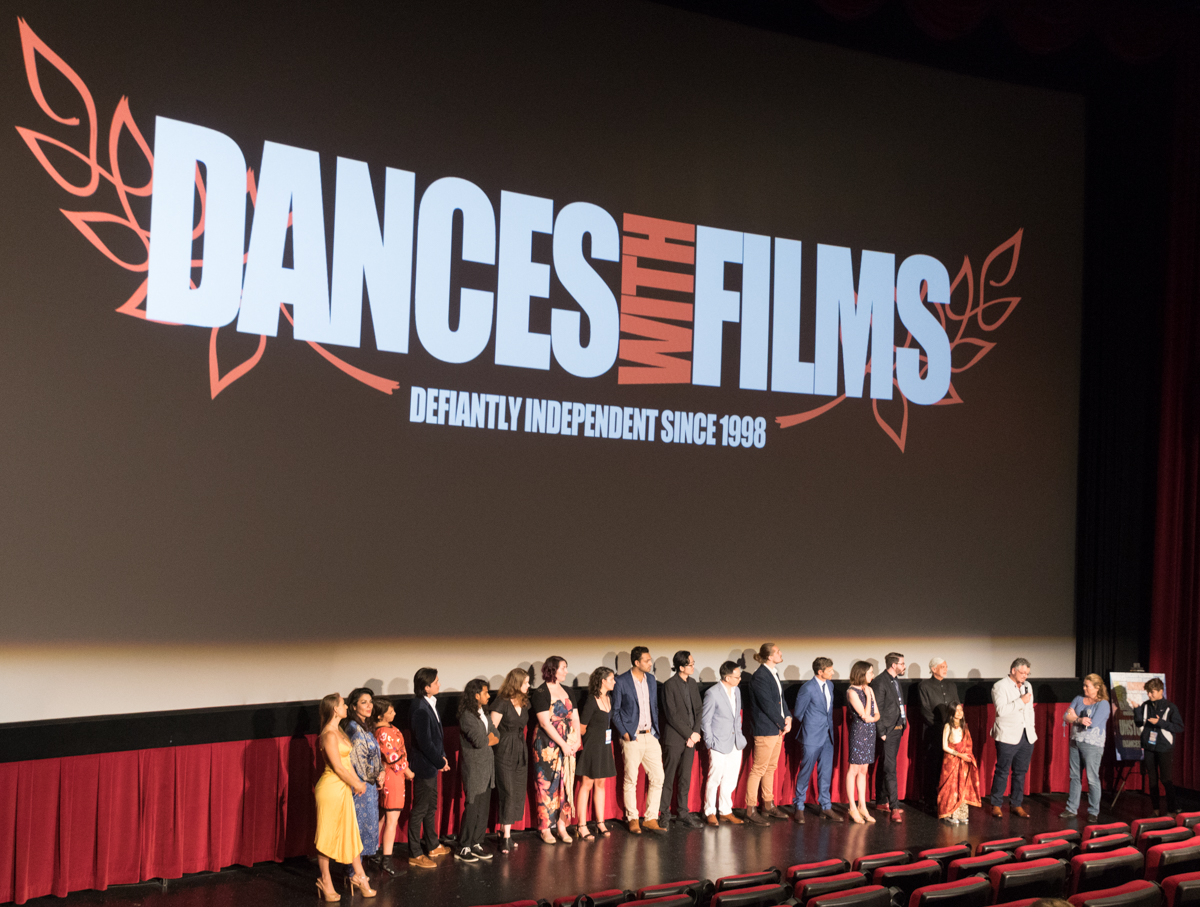
Until next year – Dances with Films has turned down the music.
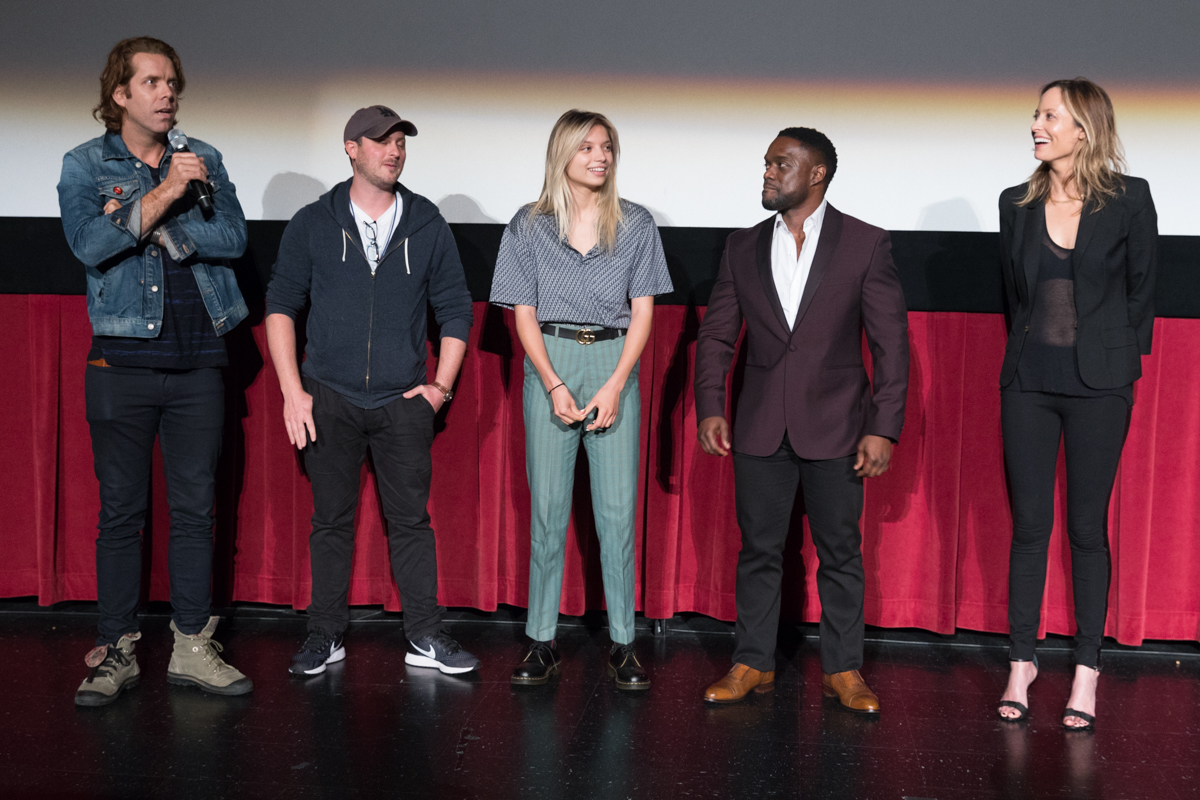
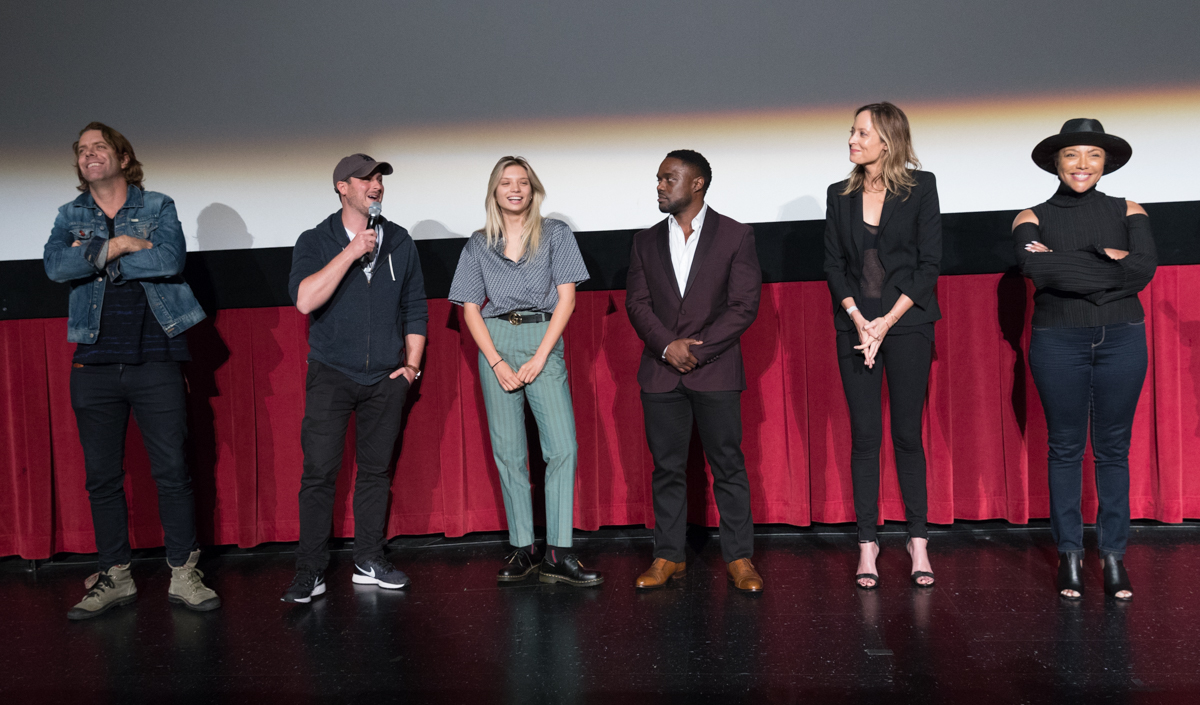
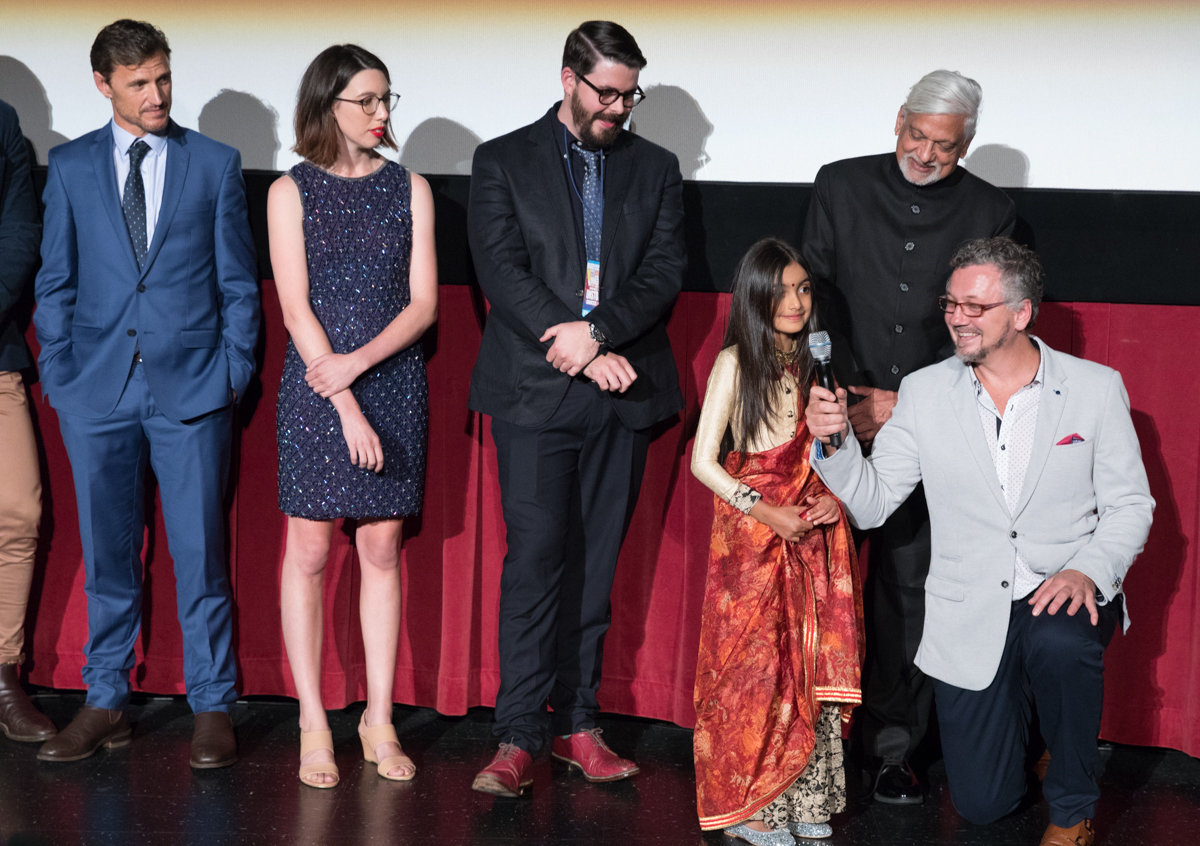
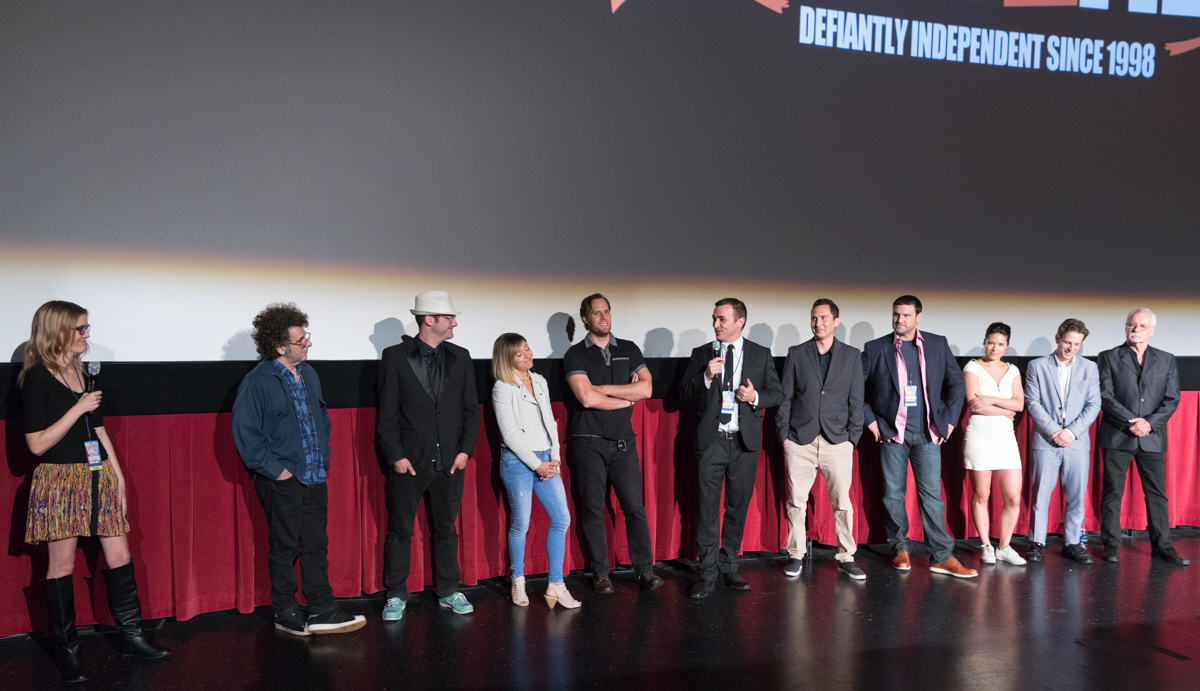
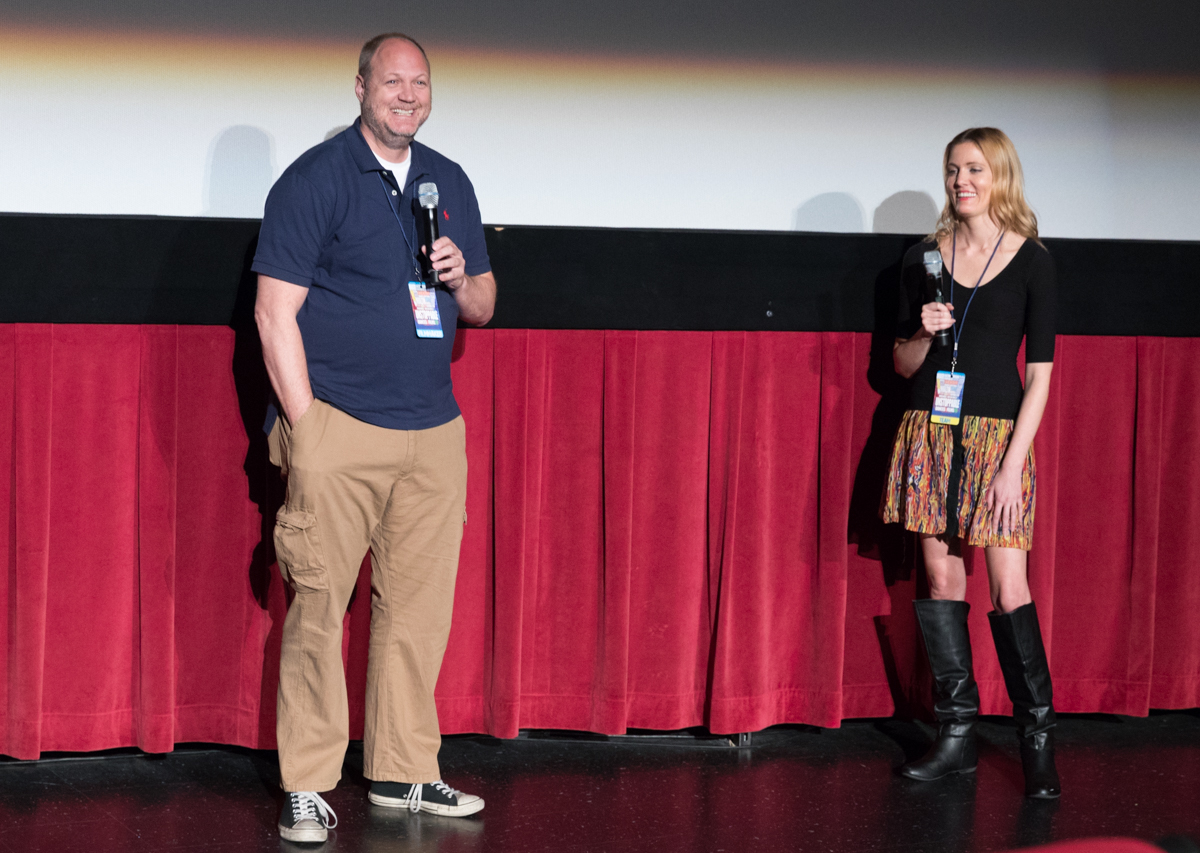
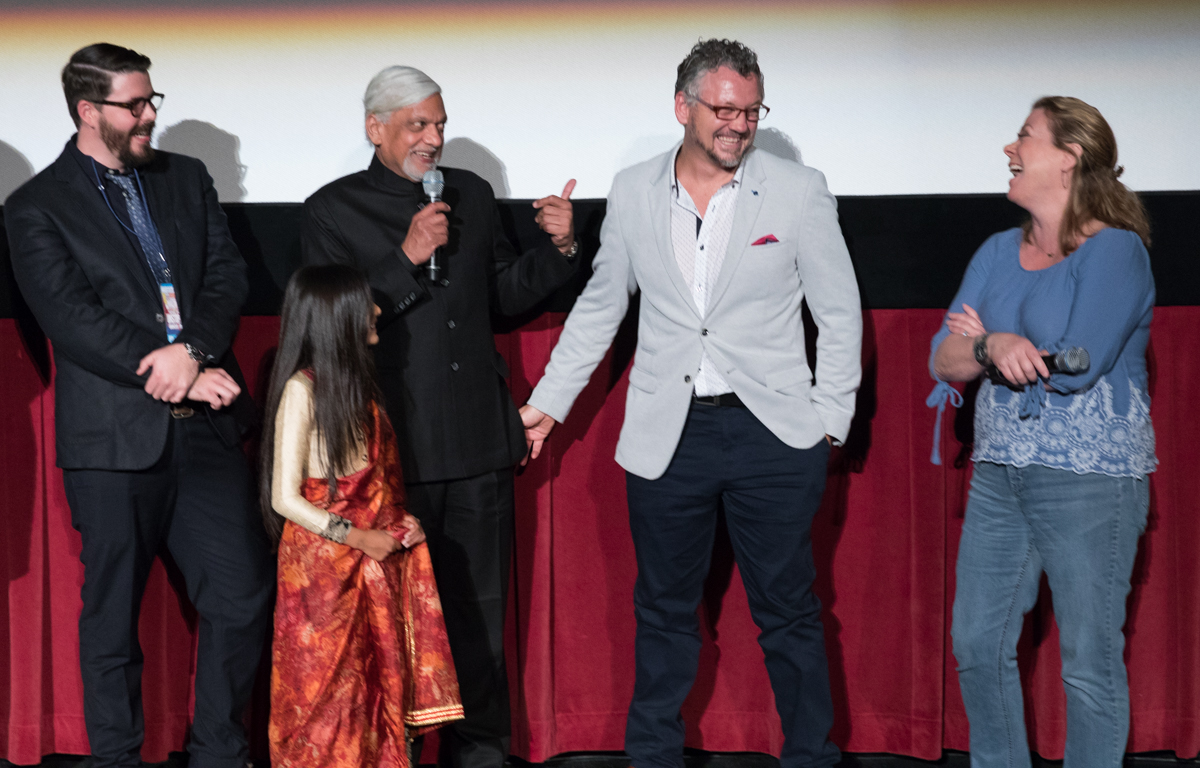
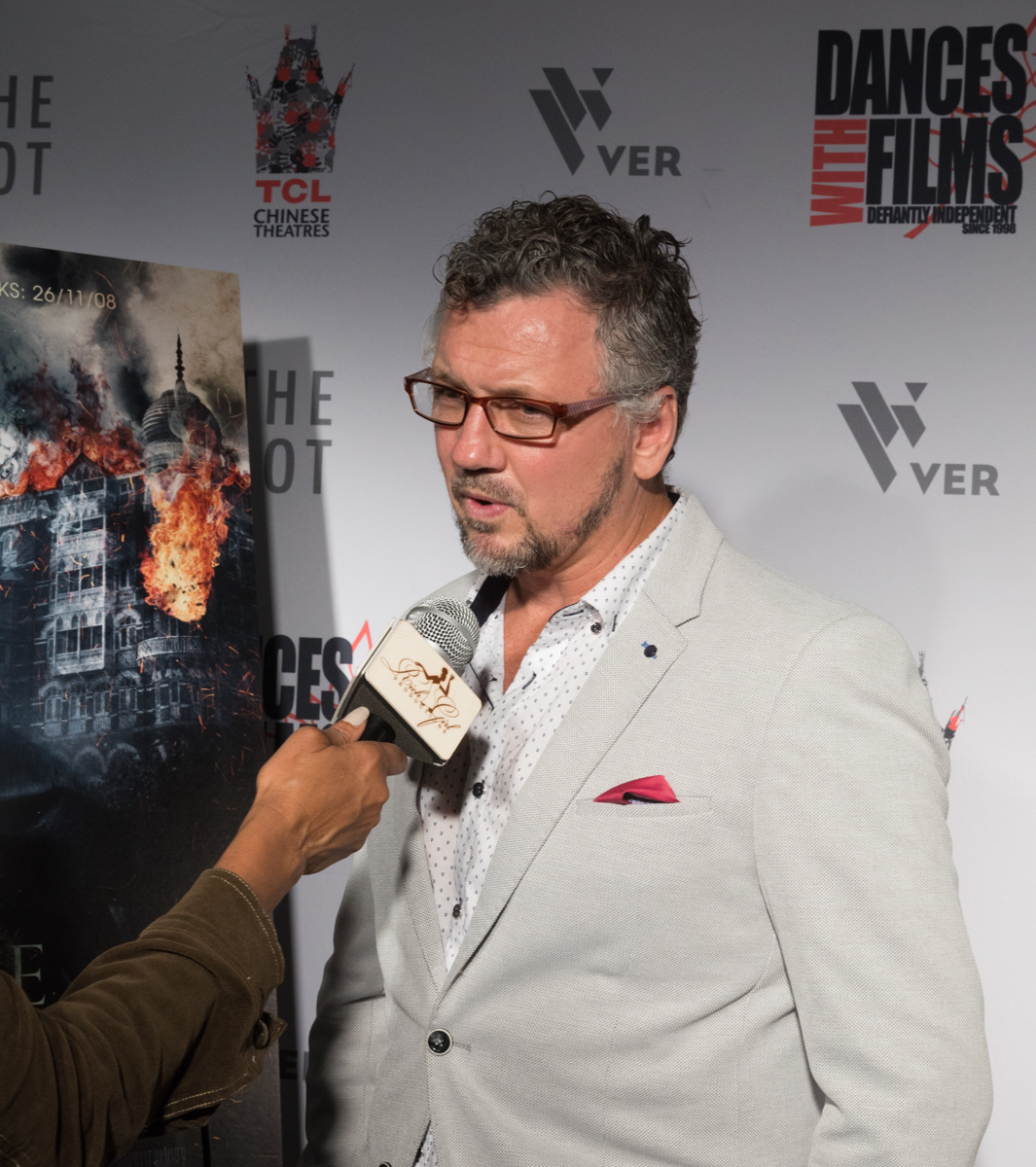
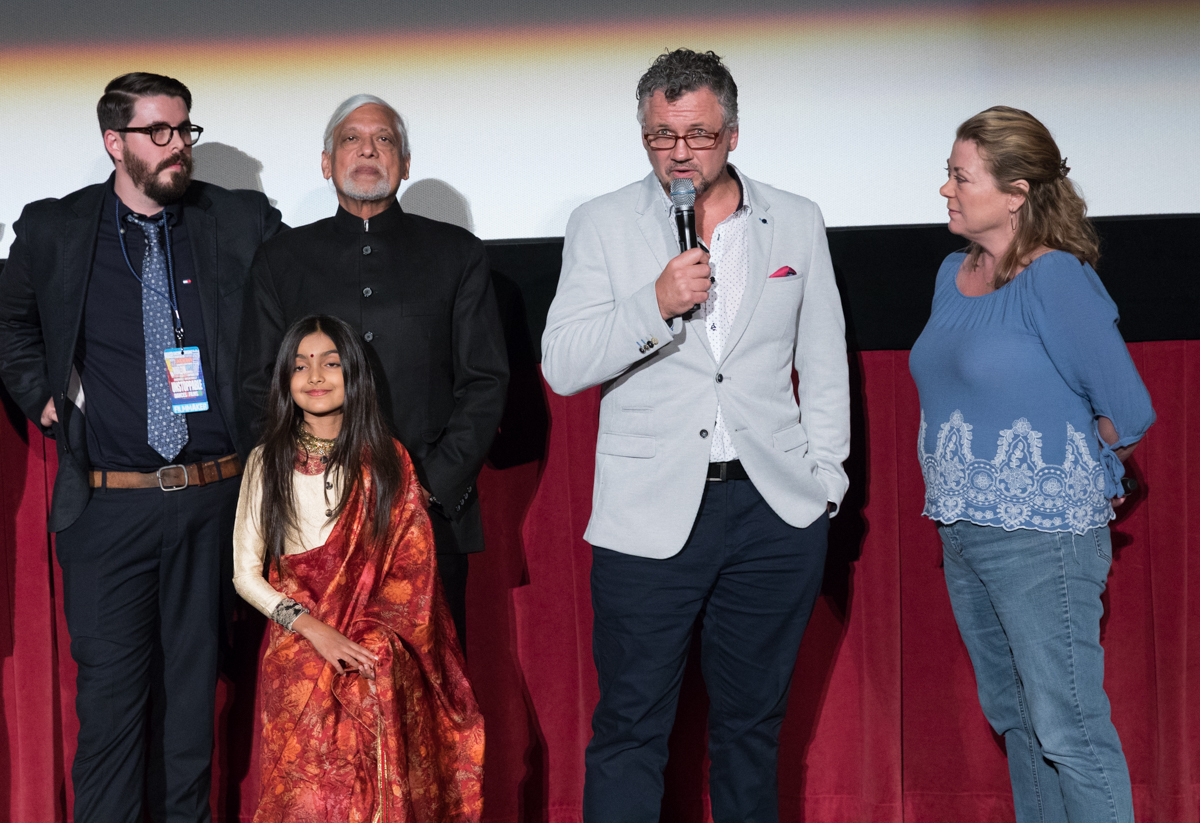
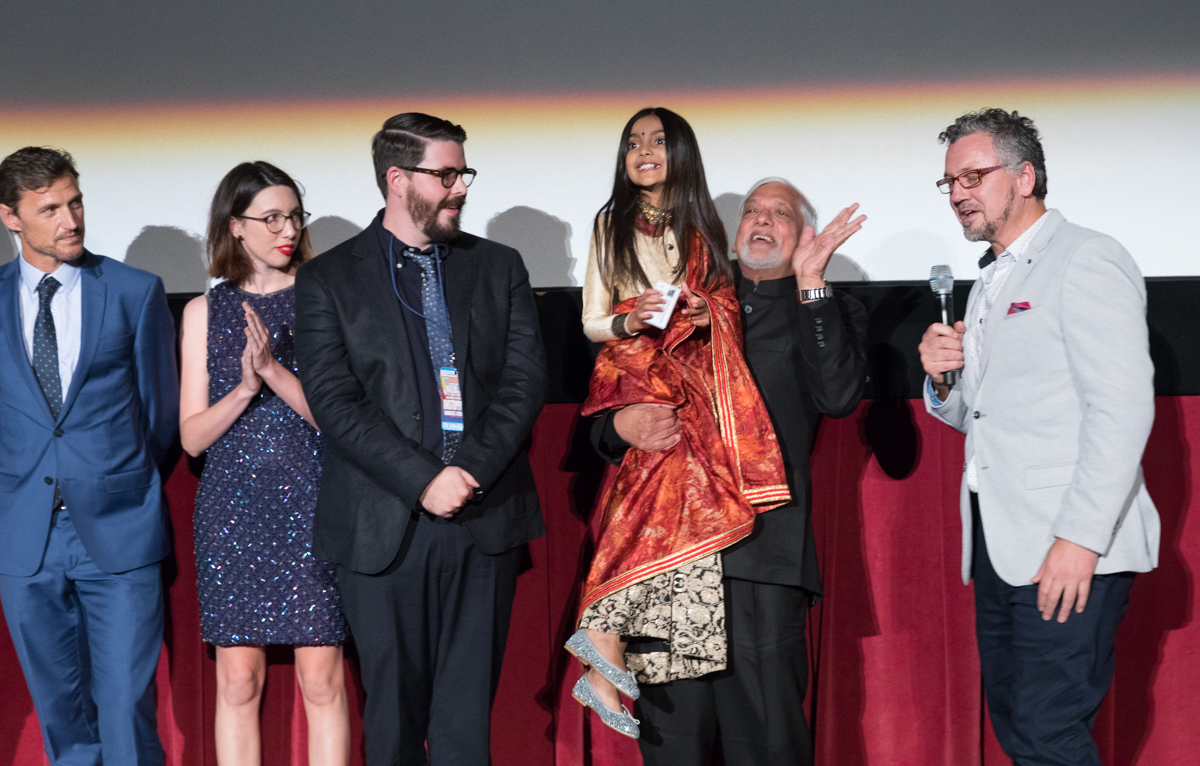
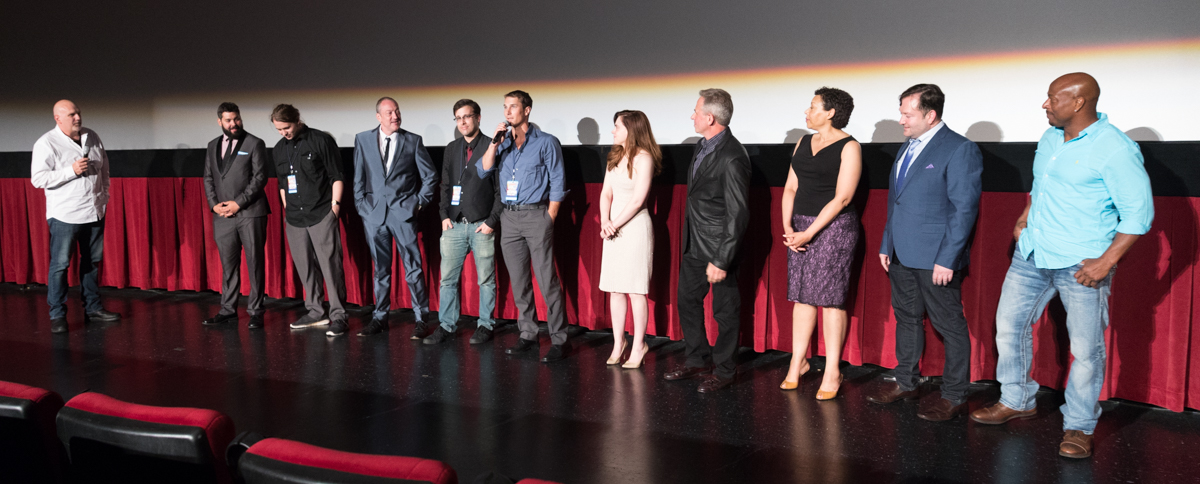
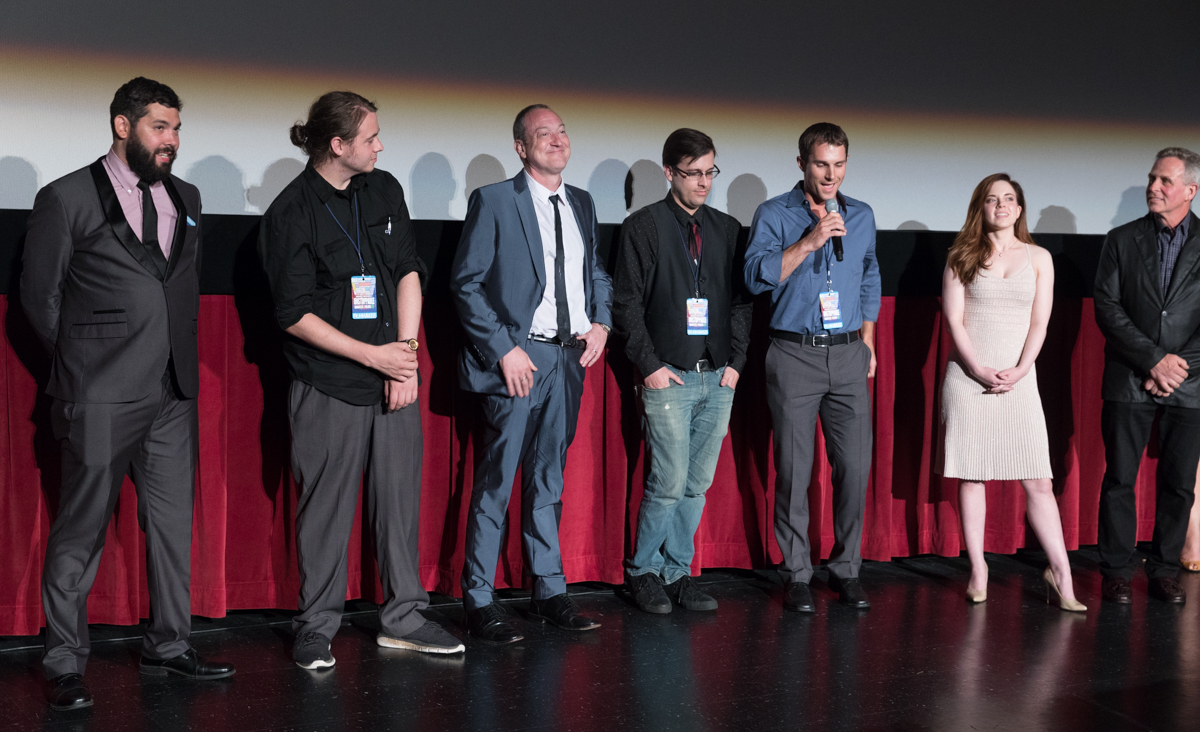
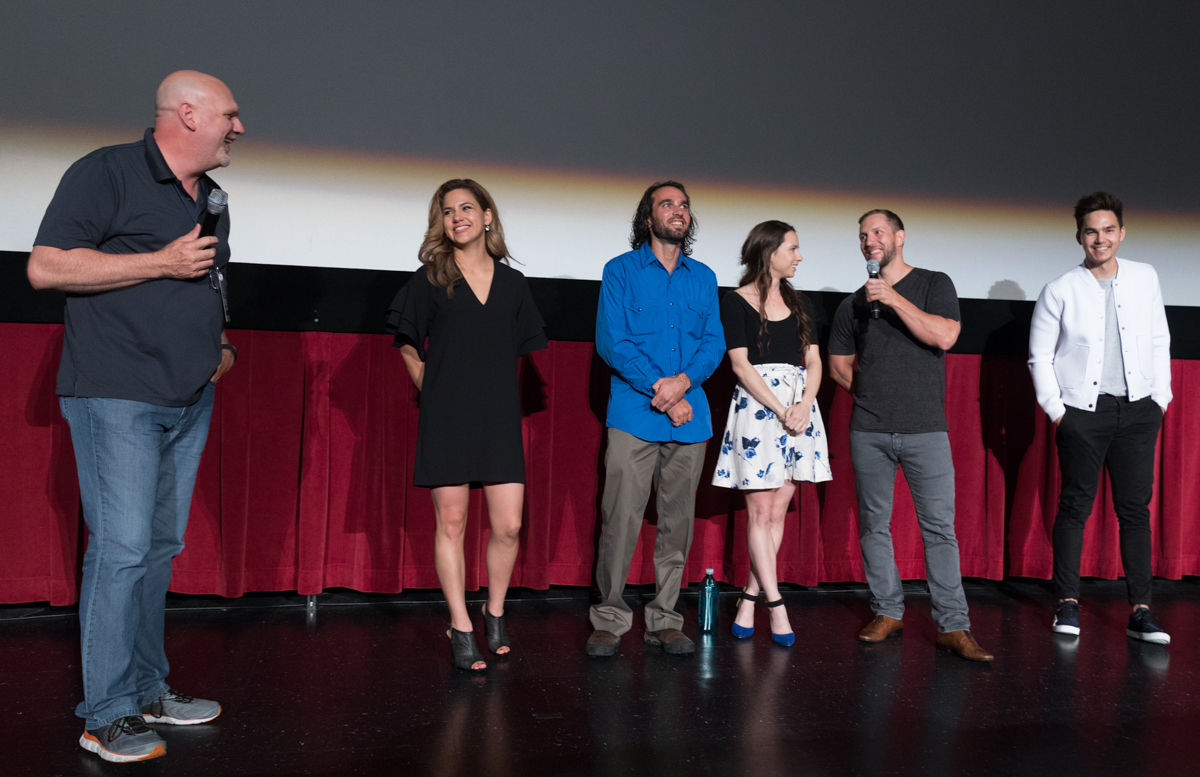
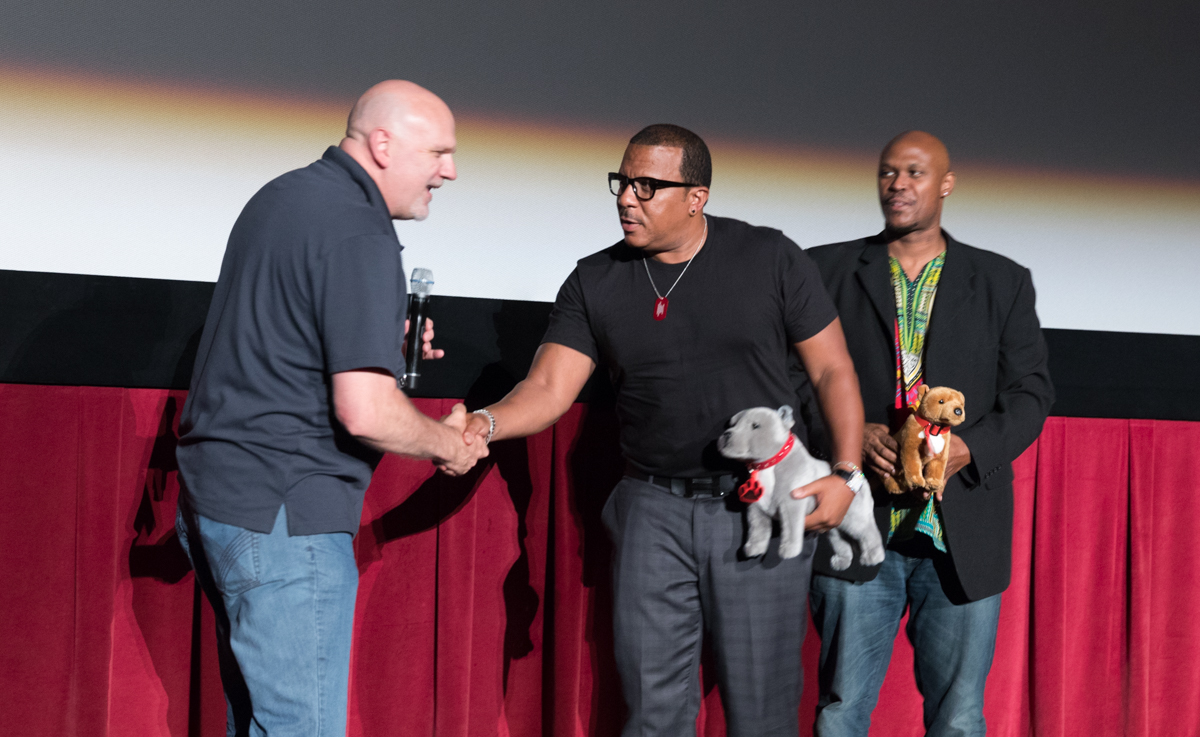
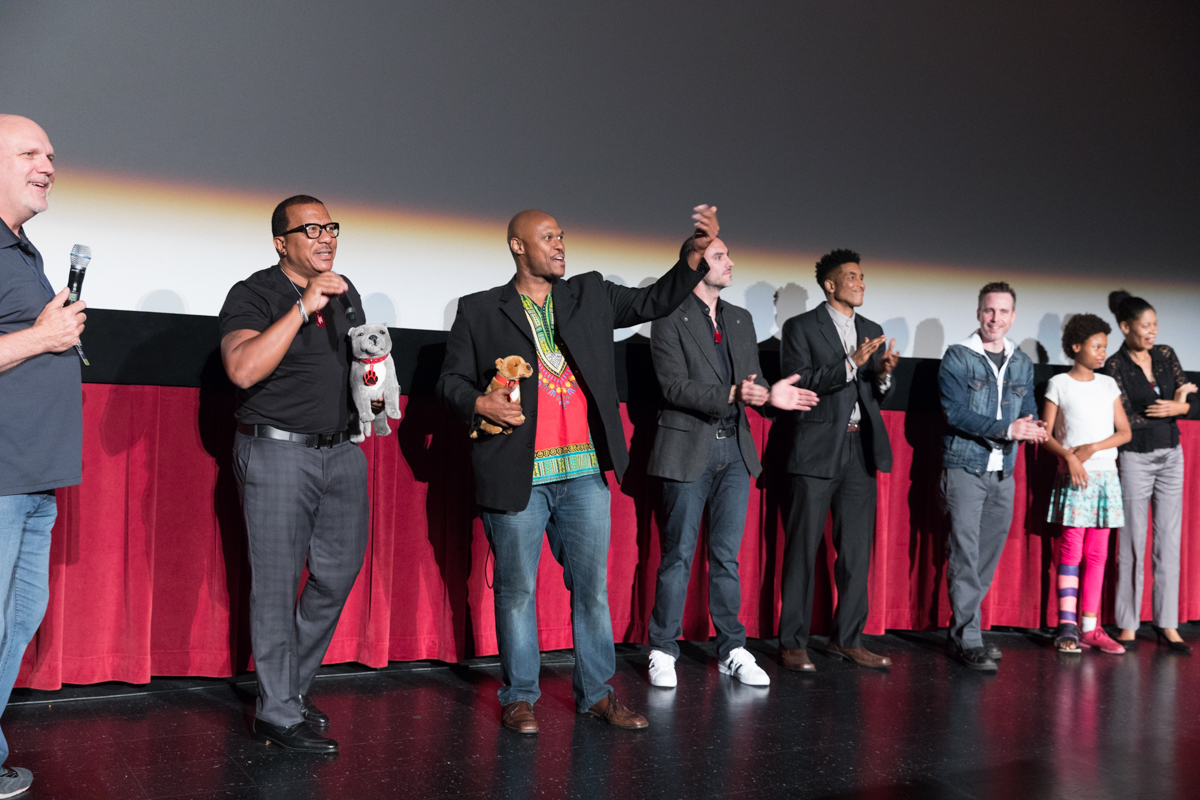
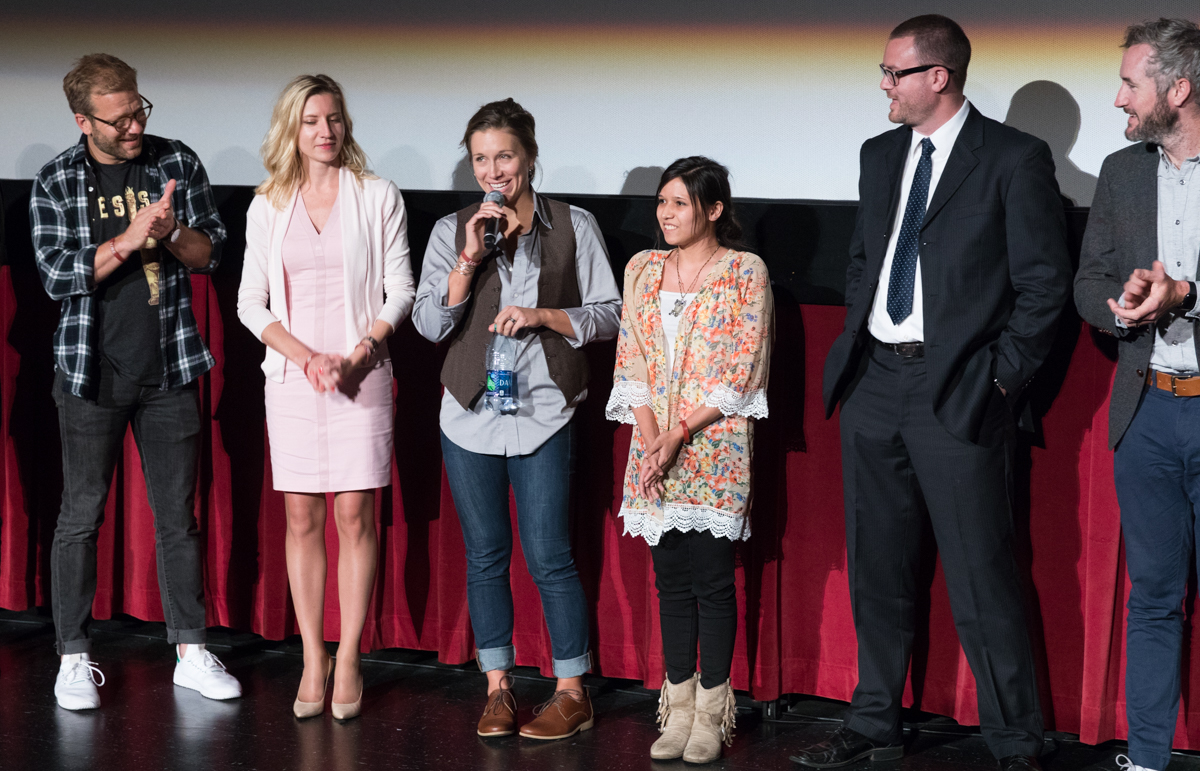
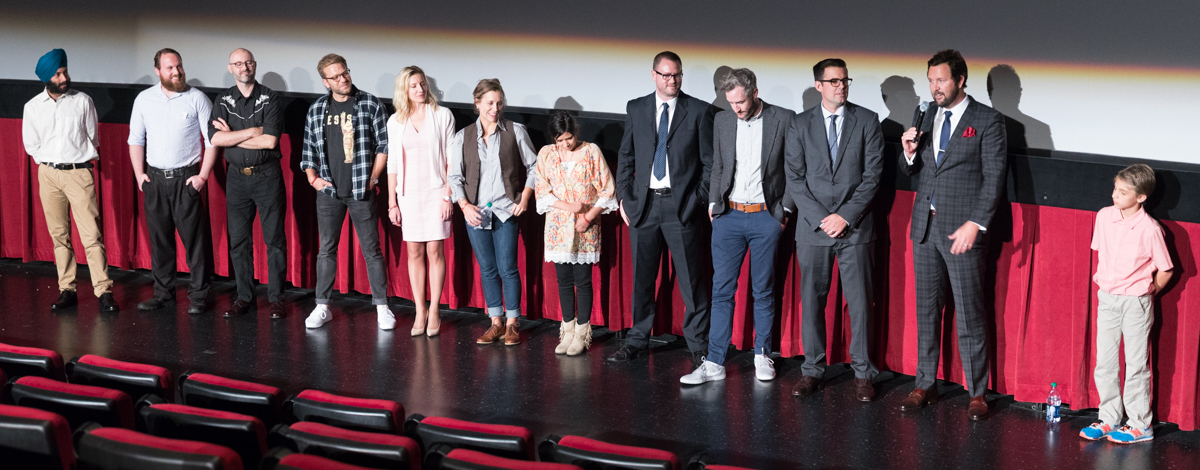
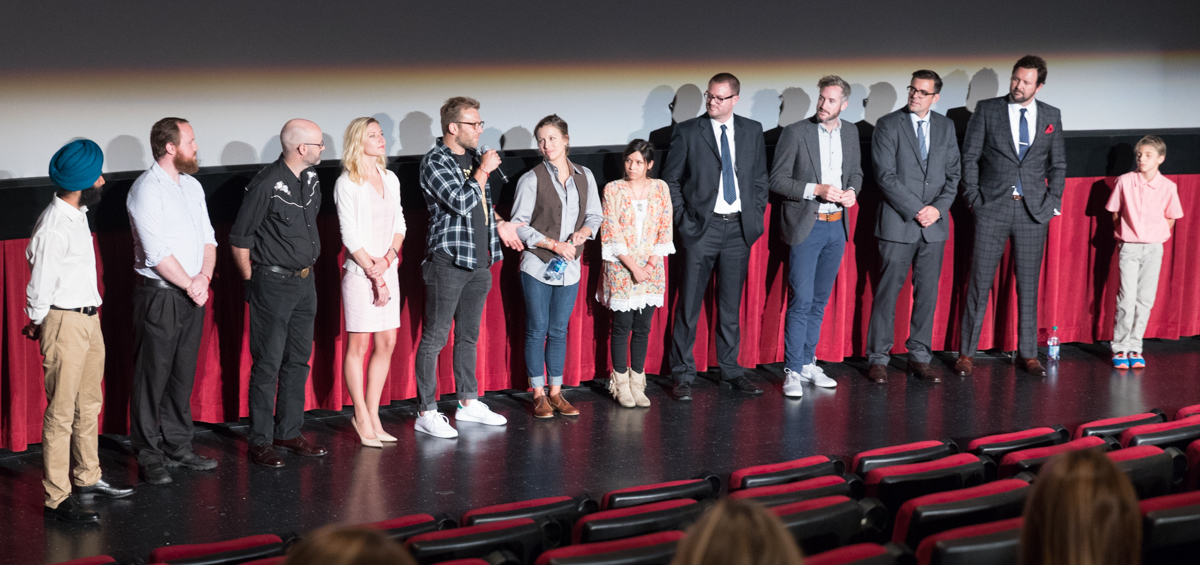
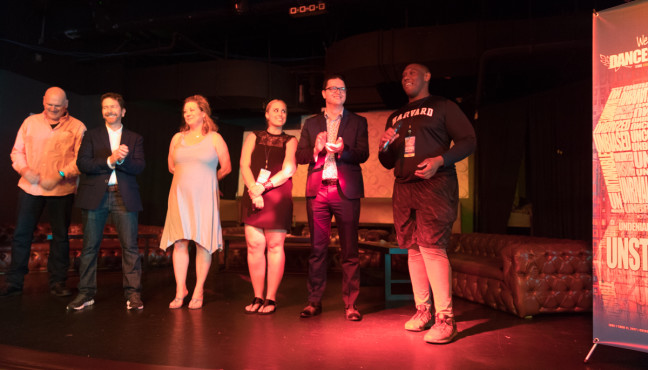
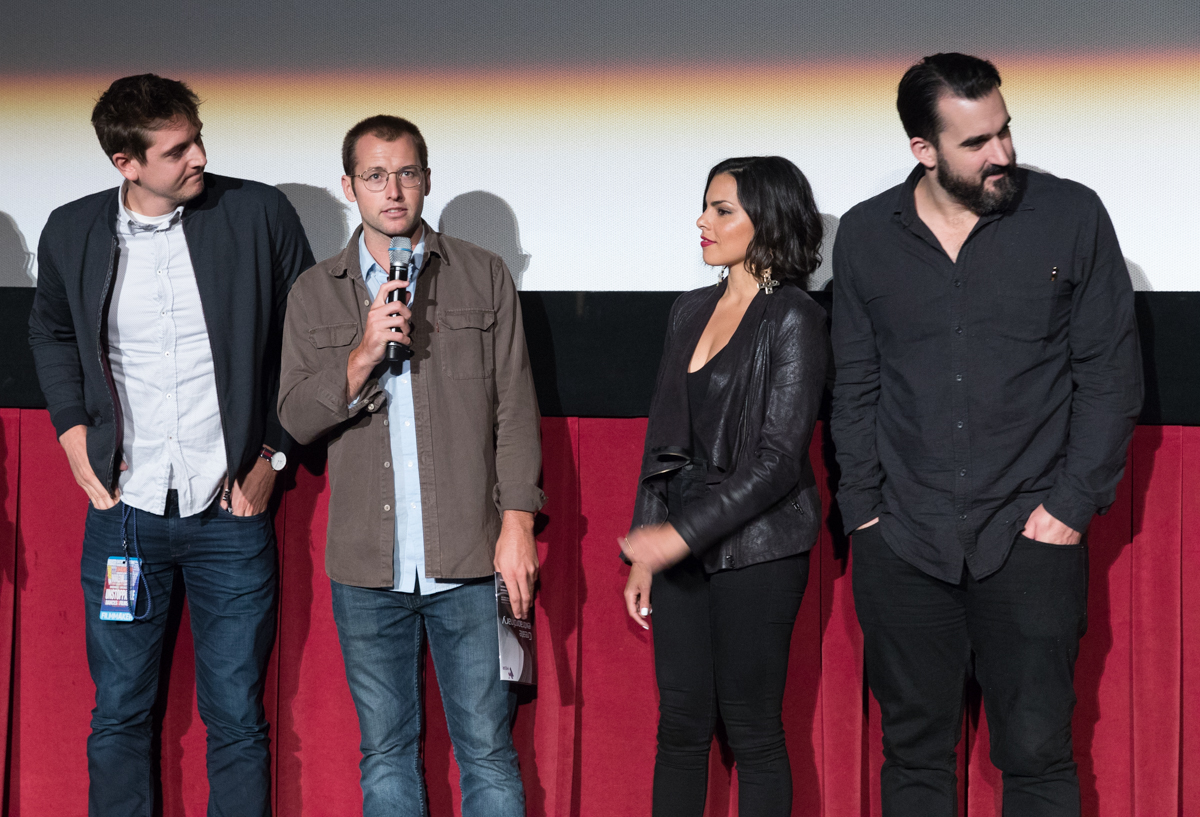
Above, One Less God director Liam Worthington, DWF’s Leslee Scallon far right
As Dances with Films co-founder Leslee Scallon likes to say, all the films at the festival deserve a “5” – the highest audience rating score on festival ballots. All the same, not every film can win top accolades.
One Less God, an ensemble film inspired by the 2008 terrorist attack on Mumbai, took both Grand Jury Award and Industry Choice Award. The tense and heartbreaking film includes points of view within a group of hostages and from the terrorists.
Liam Worthington, writer/director of the project explains what drew him to the subject.
“I have always had a special affinity for India, having travelled there when I was young. Then when the 26/11 attacks took place, co-producer Nelson Lau and I both had friends who lost people close to them, so we felt a very strong personal connection, and the overwhelming tragedy and sheer audacity of the attacks awoke a deep desire to understand. The news cycle was all about the specifics of what had happened, but what I really wanted to know was why. I wanted to get to the heart of the tragedy, and beyond it, to the people on both ends of the gun. And now the questions we began exploring nearly a decade ago, have sadly only deepened and become even more important and relevant than ever. “
Worthington’s initial training was as an actor. He began writing and directing for the theatre and the circus.
“I founded a theatre company with some other actors and began creating shows and workshops around youth suicide prevention working with mental health organizations in Australia, and also touring. I received grants to run circus workshops for street kids and young offender groups before I had my first opportunity to cross over into film,” the Australian director relates.
“Over the course of a year I was commissioned to work with a group of young people suffering from psychosis, and together we made a 40 minute Star Wars fan film.
Since then its been a pretty typical road of lots of study, shorts, music videos, POC’s and I’ve written, directed, DP’d, edited, VFX’d and belatedly produced.”
While he says he had not previously aspired to produce features, after several projects fell by the wayside following years of development, he decided to make sure the next film could live or die based only on his own decision. That film was One Less God.
“It’s been an enormous amount of work, but I needed to take my dreams out of other peoples hands. So I committed to gathering my resources, cash in on my good will,
and produce One Less God at all costs, and I was very fortunate to also be able to enlist the help of a team of other great producers.”
The suspenseful, harrowing, and beautifully wrought film is packed with meaning. But asked what he most wants audiences to know about it, Williamson says “I wanted to craft a story that would be a genuine movement towards greater humanism and compassion. One that might aspire to promote healthy discussion afterwards, as opposed to the discourse that takes place in the emotionally charged wake of an actual terrorist attack, and rarely achieves anything except to heighten fear and increase the polarization.”
The director notes that “This film was made by people of many different faiths: Muslim, Hindu, Christian, Jews, Buddhists and those of no faith as well. I think together we have made a deeply humanist film that also shrinks from nothing, and I think that is vital right now in this divisive political climate. On first glance One Less God may appear to be a film about terrorism, but in truth ,that is just the framing we use to explore our shared humanity, the value of life, and what separates us from love.”
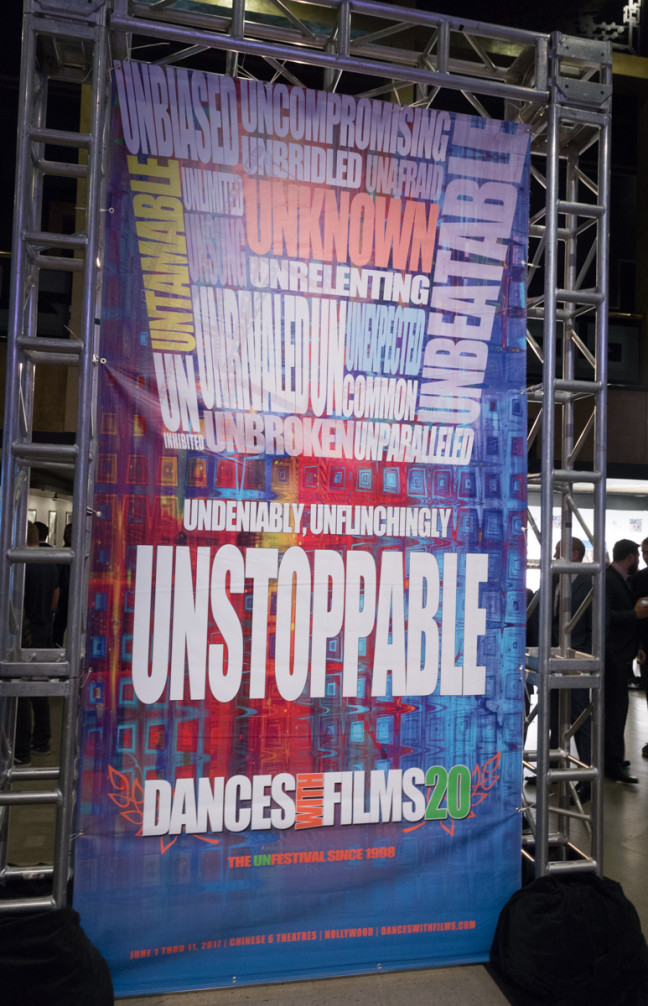
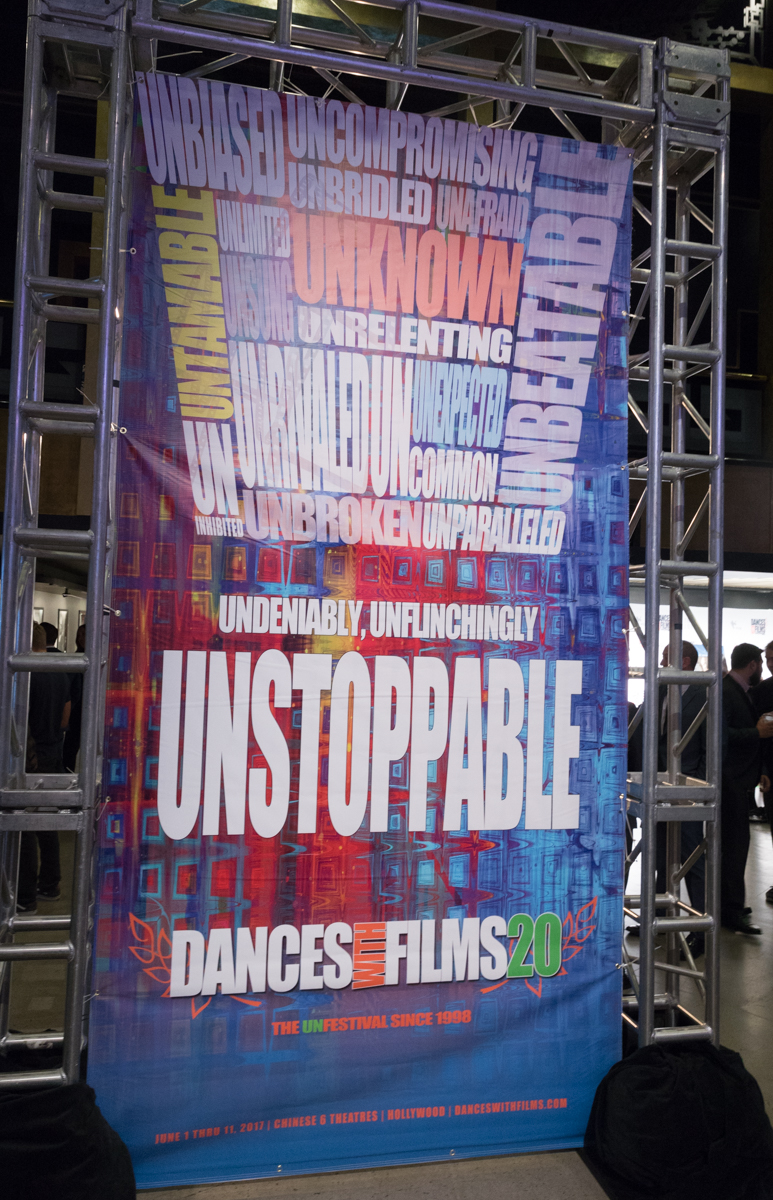
That’s right, unstoppable – that’s DWF20, with its wide ranging variety of films that are truly as “fiercely independent” as the fest proclaims.
Grief
The first competition feature we took in was Grief, a film written as a catharsis after the loss of an unborn baby. Director/writer/star Kevin Renwick took on the volatile subject of the death of a child, adding in suicide and of course, the titular grief, in a compellingly watchable film that took two years to complete.
GriefTomorrow Maybe
Next up, Tomorrow, Maybe, a well-acted potboiler about an ex-con dad, his estranged daughter, and her abusive marriage. Jace Daniel, Roy Kirk 1st, and Robert Blanche wrote, with Blanche also starring; director Jace Daniel compelling helmed a story that grew from workshopping and table reads.
Tomorrow Maybe
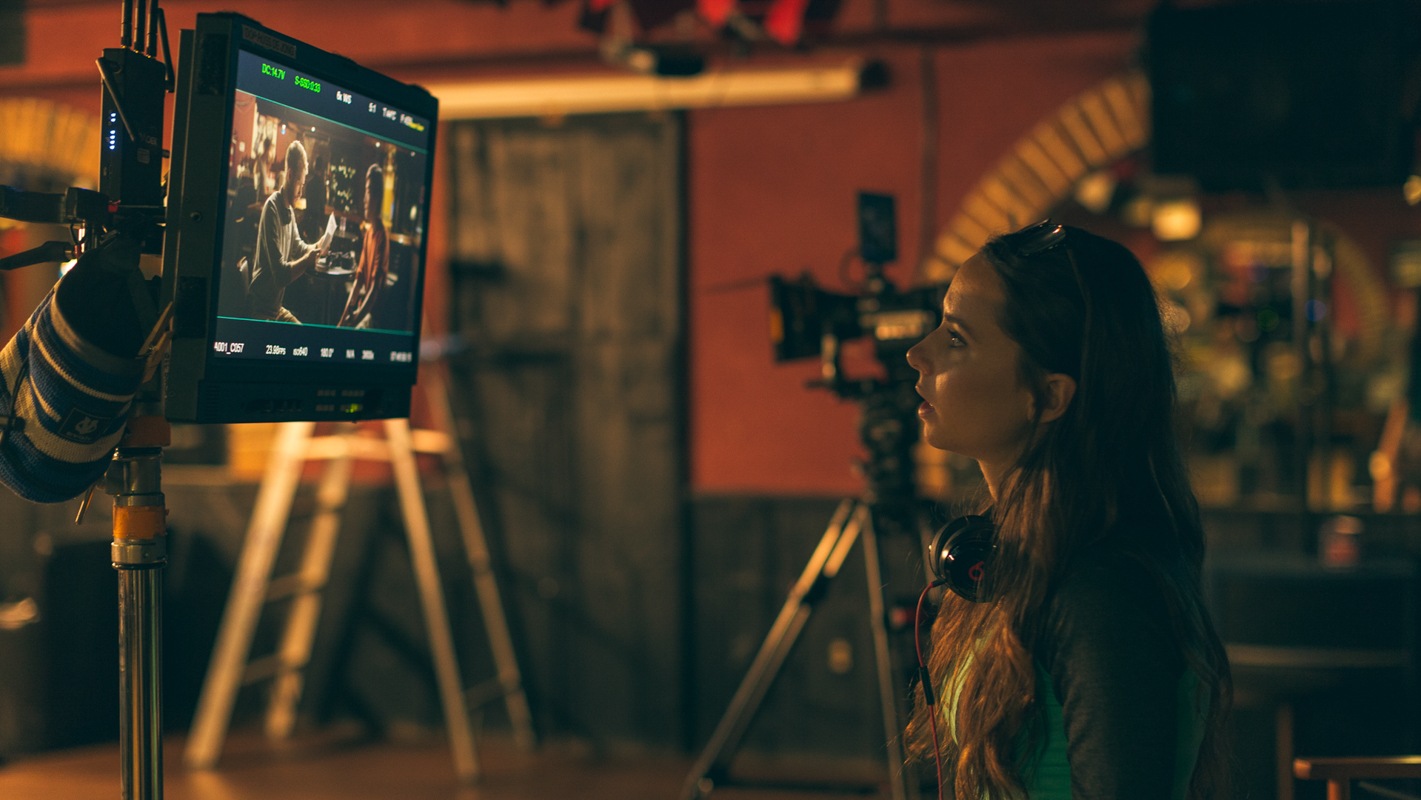
Above, director Cat Hostick on the set of The Meaning of Life.
Meaning of life
On Tuesday, The Meaning of Life was a weepie about a teen musician and his fortuitous meeting with a 9-year-old cancer patient at the local hospital where he works. Writer director Cat Hostick expertly wrung the pathos from her script, with the music of Canadian pop celeb Tyler Shaw a standout.
Meaning of life
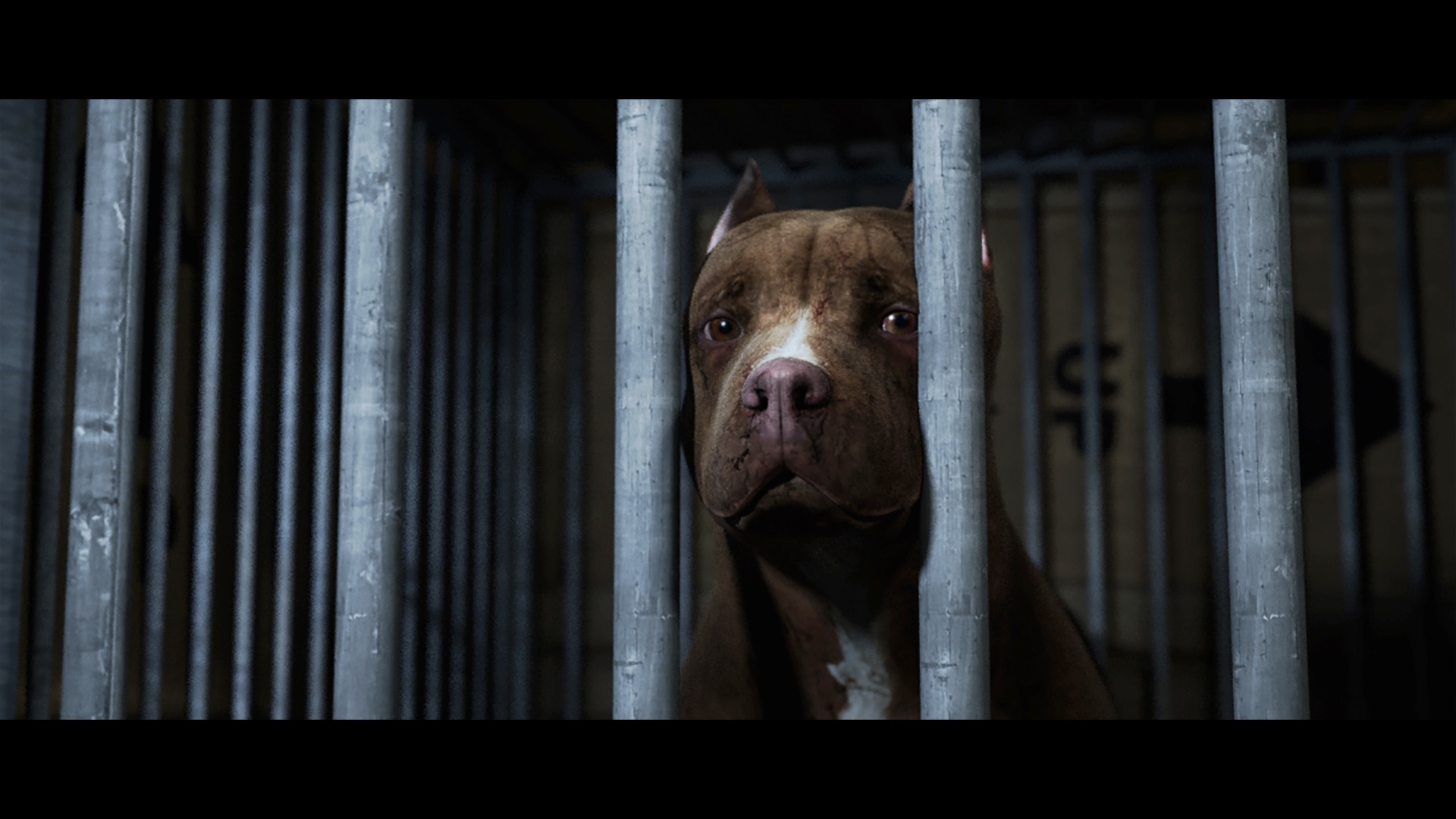
Chance, a wonderful 3-D animated story about pit bulls trained to fight against their nature, was decidedly not directed at children. Still, it was a sweet story with a wonderfully modulated script; a message movie with a real heart. This was the film that brought tears for me. Writer Kenny Young and director Kenny Roy drew expert performances from their voice cast, and were inspired by a friend of a friend whose lovable dog was entered in a fight. Heartbroken, the pair worked for 7 years to get the story to screen. Terrific score, great cause, too.
ChanceChanceChance
I flat out loved Imitation Girl, writer/director Natasha Kermani’s deeply original story about an alien and her doppelganger earth girl “Visual motif is of yin and yang. We wanted the story of a fresh creature who comes to earth and she was welcomed.” Kermani added “I am actually a musician and filmmaker. I knew lead actress Lauren Ashley Carter and I wanted to do something about structure. About twins. I’m a Gemini,” she laughed.
Imitation GirlImitation Girl
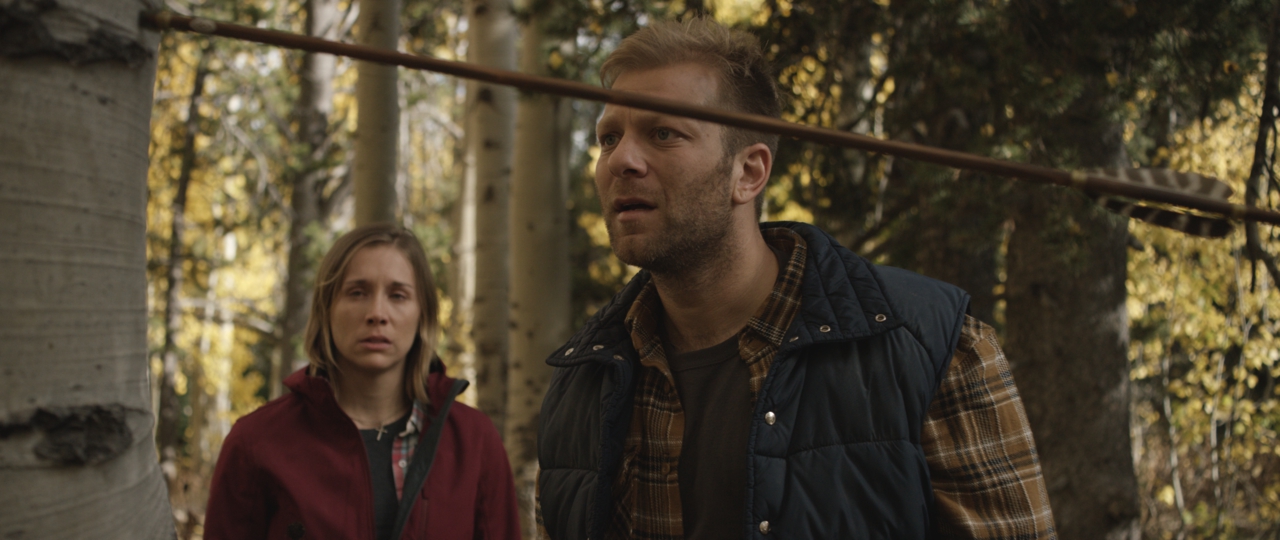
A packed house gasped and shrieked over the horror film Lore, based on Native American legends. Shot on location in Idaho, the film is full of well-timed jumps and scares. The story was in part shaped by the beautiful location that the filmmakers chose; a harrowing location as it turned out with cold weather, storms, and an altitude of 8000-9000 feet haunting the crew in reality even as their characters are haunted on screen. Writer/directors Christian Larsen and Brock Manwill know how to thrill and chill, and offer a smart, ambiguous ending in the bargain.
LoreLoreLore
More Dances with Films on tap tomorrow – why not join us in viewing the Thursday-Sunday slate and find filmmaking magic right in the middle of Hollywood.
What are you doing tomorrow through Sunday? Joining us, we hope, for the second half of Dances with Films 20, the terrific independent film festival that serves up one interesting film after another. The fest’s trailer proclaims “My life is a movie…” and you’ll surely feel that it is if you spend a few days at the TCL Chinese.
We have never seen a film in three years of coverage that has not intrigued us. Sure, some have blown us away, some have not. But they are all, yes, every one, worth watching. Such a full slate of films and such a carefully curated selection is rare on the festival circuit. The festival, whose tag line this year is “Unstoppable” has 75 world premieres, 36 west coast premieres, and opening and closing night films by DWF alumni filmmakers.
American Folk
The festival opened a week ago, Thursday with an opening night double bill of American Folk and Missing in Europe.
American Folk was a pitch perfect film which director David Heinz called an “honor” to have open the festival. Starring Joe Purdy and Amber Rubarth as two strangers and folk musicians stranded in California in the aftermath of 9/11 and cancelled flights, this road trip across America was moving in a way that many films about the tragedy of that day are not. The film took things to an intimate level, making the intimacy universal in part through the power of music.
American Folk
“I think the experiences many of us had, even if not in New York City at the time, were equally profound,” Heinz related. “I felt this story had not been told on the screen before.”
American Folk
The film’s depicted journey and the filmmakers’ actual trek took 3500 miles. “It was a movie largely about the kindness of strangers, and we experienced that too. ” Rubarth had never acted before when the 13-person crew began their trek which initially ran for 20 days with additional shorter pick-up trips totally 13 additional days.
A profound and beautiful film, the poetry both visually and in the script made a perfect way to open the fest.
Missing in Europe
Next up was Missing in Europe, an entirely different film altogether. Written, directed, and primarily starring women, this was a distaff spin on Liam Neeson’s father figure in Taken. Writer Jenny Paul and director Tamar Halpern put together a nail-biting thriller about a missing daughter, a fierce cybersecurity expert/mom, corrupt cops, and sex traffickers.
Missing in Europe
Director Halpern, a five-times-DWF alum, shot in just 12 days in Serbia. “We’ve seen many films about human traffic, but in ours, a man doesn’t save the girls, a woman does, a smart woman with brains and passion.”
The page-turner script was alot of fun for Halpern. “This is a big departure for me, it was a true collaboration. I didn’t write it but really enjoyed the project, and our Serbian crew.”
Cassidy Red
On Friday, Cassidy Red, from director Matt Knudsen, was a fresh take on a classic western, depicting vengeance sought in a town at the edge of the Arizona Territory. Beautifully shot and packed with visceral heat, this is a great take on a genre that is too often left in the dust.
Cassidy Red
The supernatural thriller, Inheritance, was also strong; the setting in small town Cayucos, Calif. was fresh, and the script intense.
Inheritance
Saturday and Sunday brought us shorts and more shorts – and every one of them stellar. Seriously – tough to find a single flaw in any of the fine films in Shorts Block 1, 2, 4, 5, and 6. Regret: not being able to take in Shorts Block 3. DWF co-founder Leslee Scallon programs shorts along with her team, and has done an exciting job of mixing comedy, pathos, drama, and thrillers alike.
Competition Shorts Group 1
Starting at the top of our weekend shorts marathon, in Shorts Block 1, Still Here was a personal take about relationships – why we are in them, and why we return to those perhaps best left behind. Orange Dreams is a nostalgic look back at the burgeoning emotions of a middle schooler in the 80s. Faceless Man, based on the filmmaker’s father’s short story, literally depicted a man who wakes up to find his face has been replaced with a mirror. The make-up alone was a three-hour process on a four-day shoot – often in 115 degree heat. All the Marbles was made to celebrate the director’s own family and a recently passed brother and grandfather; the charming, rhyming fable about a boy who defeats a greedy thug at his own game – marbles – was delightful. Warm Springs was, by contrast, devastating. Inspired by the director’s childhood, shot in a small town in Northern California, the story of what happens when an unwonted little brother tags along with an older crowd, was riveting, and was one of my favorites of the festival. Boy in the Dark also centered on childhood, a fictionalized account of the director’s own, including bullying, depression, art, and all.
In Shorts Block 2, The Knackerman was a black and white standout, writer/director Tom Shrapnel’s portrait of an aging knacker, who faces his own mortality while seeing to the disposal of dying horses. Jouska, a beautifully surreal take on an old man’s guilt for horrific misdeeds, was fierce and nightmarish. Flower was a tense, delicate portrayal of a young sex worker and three very different clients.
Competition Shorts Group 4
Shorts Block 4 gleamed with film gems, including a poignant take on mental illness in Miriam is Going to Mars; Burying Amber, an elegaic piece inspired by the director’s conversation with a friend who was burying a pet; and Soul Candy, set in a book store and inspired by a conversation with the director’s two daughters about searching for a job and which was epically shot in only 12 hours. Also screening: Subtext, a meet-not-so-cute comedy hilariously centering on an errant text message created by the skilled team at Community Productions; and Three Skeleton Key, based on a classic short story, a harrowing tales of rats attacking a lighthouse. Director Andrew Hamer noted it was a story about contained paranoia that he always wanted to see on a big screen. He used 20 to 30 live rats in filming – “They live on Fruit Loops and peanut butter,” he related.
Exposure – director and d.p.
Shorts Block 5 was another terrific two hour set of films. Here, Exposure, produced through Florida State University, was one terrific edge-of-the-seat experience from director/writer, Mary Jeanes, about climber friends trapped on a ledge. “I’m a climber. I had to cling to the side of the cliff to get the shots I wanted,” Jeanes noted. Awol was originally a class project whose only rule was no dialog. The story of a soldier in wartime struggling to survive was tough and involving. Crossing Fences, which depicted an historic attempt to escape what was then East Germany, presented a challenge for director/writerAnnika Pampel, who was essentially shooting her own grandparents story. “Period shooting caused a lot of difficulties, not to mention filming actors in an actual sinking boat,” she attested.
Competition Shorts Group 5
Confection was the outgrowth of a script competition seeking a story about misfits; the lighthearted story was filmed in a small town with colorful streets, the perfect setting for the whimsical coming of age story set in part at a candy factory. This is That Night, shot in a sumptuous black and white was the movie that writer/starJonathan Marballi wanted to make when he was sixteen, he says. “I pulled in all of my date stories.” Shot in a single day by director Matt Braunsdorf, Marbelli and co-lead Kris Wiener had a natural comic rapport honed from working together at Upright Citizens Brigade comedy theater.
Competition Shorts Group 6
Shorts Block 6 included the crowd pleasing supernatural comedy/drama of Alfred J Hemlock, where protagonists had best not “wish they were dead” when having a bad day with Alfred around. Fiendishly clever. With Rohewa, an acronym that skinheads use for racial war, extremism is at the heart of this story inspired by a true tale of a former teen skinhead who changed when he went to arts college. La Sirena was equally haunting – the tale of the monster inside, of women in a fishing village and a cruel fisherman, the raw seaside setting an intrinsic part of the film’s delicate balance between horror and feminism. Daniel Gomez’ First Night was based on a true story. This comic tale of a woman on the run – in the film from a hit man, in reality from a cab driver she couldn’t pay – was deft and smart. Limbus, a dream-like exploration of the thoughts of a man in a coma, was a visual tour de force.
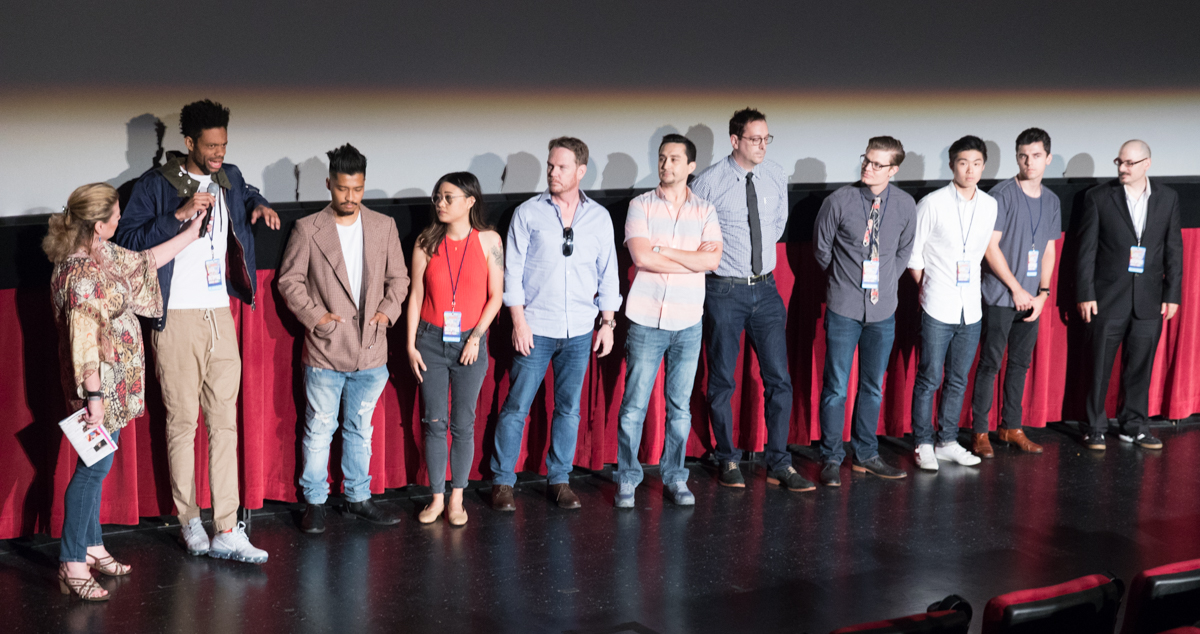
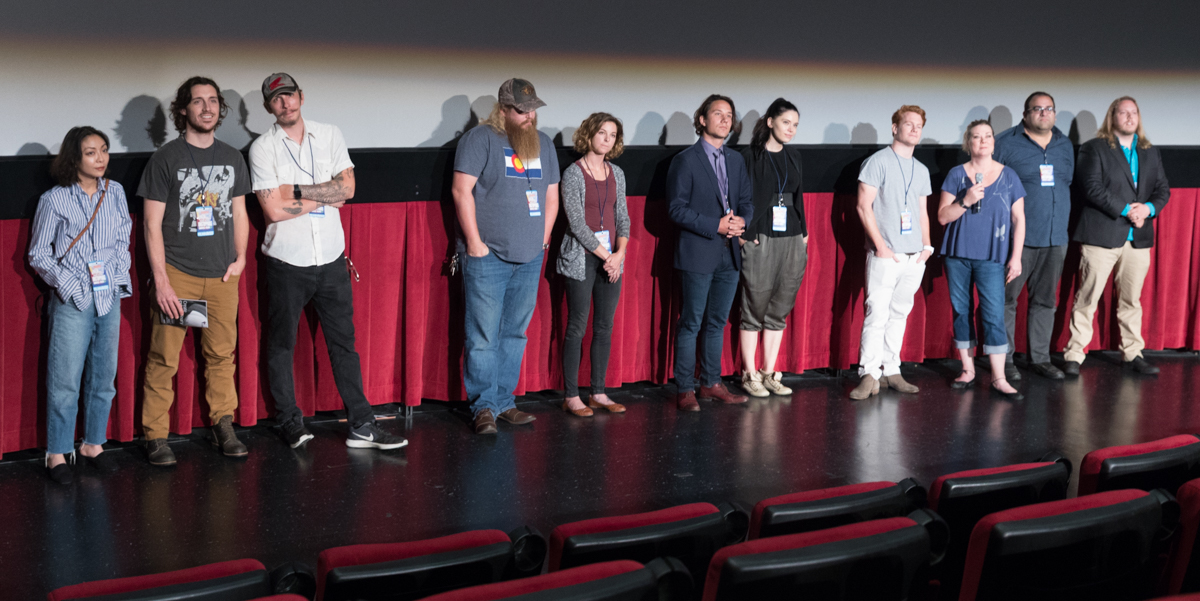
Competition Shorts Group 6 – Alfred J. Hemlock himself in hat, center
Next up: a take on feature films viewed after our binge watching of brilliant shorts.