
Super Saturday at Mammoth Lakes Film Festival 2026

Feature film fun was the order of the day at Saturday’s edition of the 2026 Mammoth Lakes Film Festival.

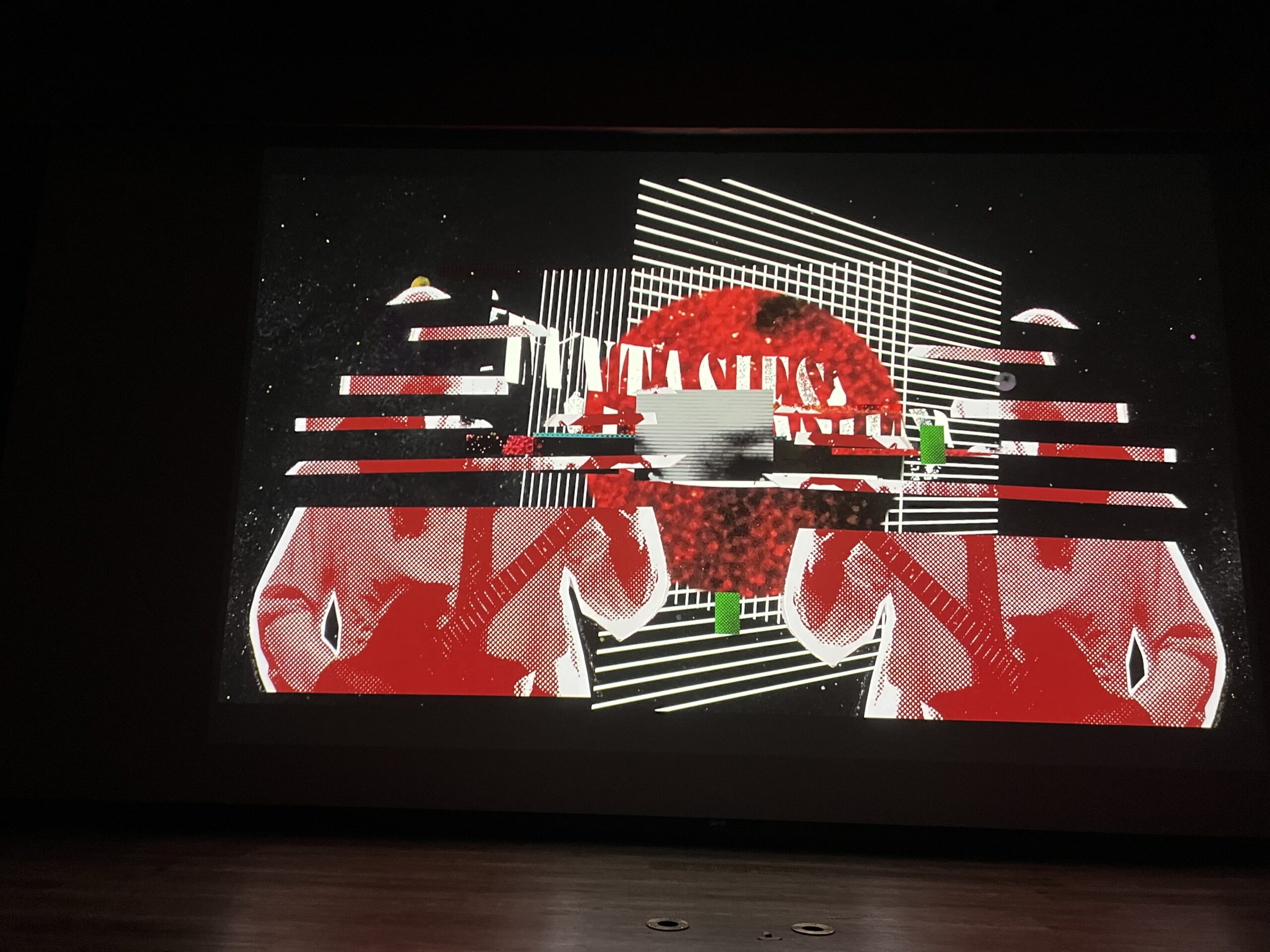
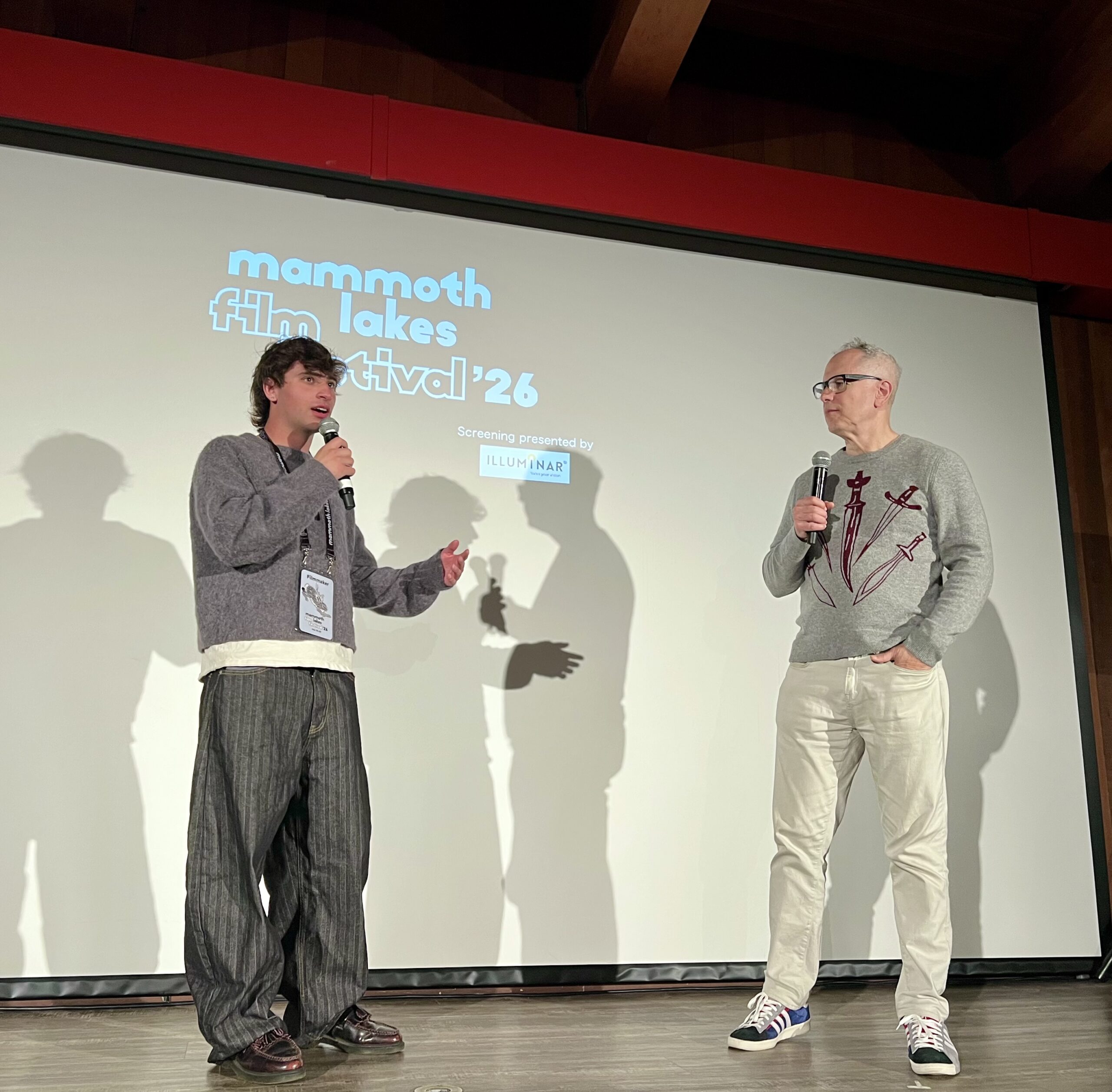
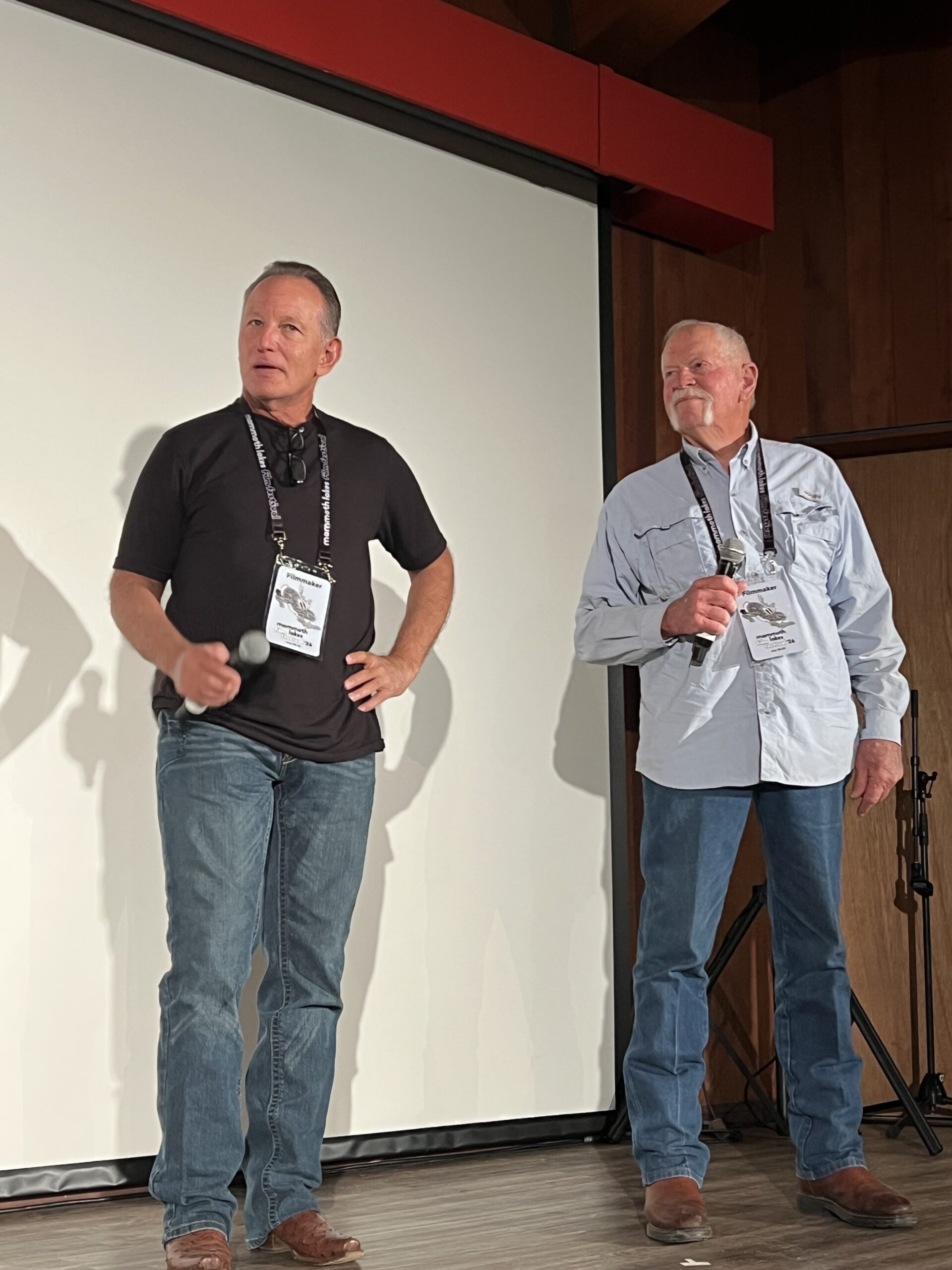
First up was the zany tour de force for filmmaker and actor Tristan Wheeler, Toronto Apartment.

After being left with an apartment he can’t afford anymore, hapless tenant Lock comes up with a plan to sublease his unit for an hour or two at a time, becoming a community meeting space for musicians, dating groups and clandestine terrorist cells, and an attractive opera-singing video artist in need of a green screen.

According to Wheeler, the freewheeling film “cost $7000 and was a lot of pressure as the main guy; I had to make sure I was as much on it as I can be in a kind of intense eleven days.”

He was aided by a donated practical effects creator, and a diverse soundtrack created by the filmmaker’s friend, Creative Suites.

“Its a very Canadian movie and a commentary on the housing market with a character who is a heightened version of myself,” Wheeler reports.

Next up was a first for the fest, a local food and wine tasting, Reel Flavors & Fine Vines with Rachel Stellareese Davies, owner, designer, and vintner of Stellareese Wines.

Wine tastings included Sauvignon Blanc, Grenache, and Cabernets,  paired with curated small plates from the chef at Limelight Hotel, a stunning new property with a stellar mountain view.

Food selections included fine cheeses, Wagyu sliders, beet and carrot hummus, and charred octopus.

Returning from fine wines to the fine film selection at MLFF, we viewed the intense,deeply moving, and highly personal documentary, Sugarfly.

Filmmaker Max Schoenfeld followed
subjects Skye Thomas and Kenneth “Big Jake” Madsen as they navigate a treacherous path of addiction and mental illness in Seattle.

After a suicide attempt, Skye resolves to get sober, leaning on Big Jake, a longtime addict with rapidly declining health. The failures of the health system that should have been supporting them underscores the difficult family histories of both men and the fragility of their situation.

Schoenfeld creates a haunting, harrowing, and bravely connected conversation between the filmmaker and his subjects, movingly depicting hope and hopelessness, friendship, fear, and the fragility of human life.

Touchingly, Big Jake passed away before the film was completed but asked not to be cut from the film.

Schoenfeld explains that his relationship with the two men was “a tender one…it was very intense. We waited eight to ten months to edit the footage.”

There was some 55 hours of footage to compile, shot over a six month period.

“It’s a film about addiction and mental health, traumatizing situations, and the failures of Skye’s social worker and the overall system” to address these issues.

This is a rewarding, important film about the human lives caught up in pain, addiction, and a system that struggles to keep up much less recognize their stories. Brave and powerful.

Next up for the filmmaker and his incredibly talented editor – now a married team – is a comprehensive look at agriculture in America.

Debt to the Dead is a beautiful noir narrative feature from Mexican director Daniel Castro Zimbróna.

The moody, layered film tells the story of aging, demoted Cipriano Zuzunaga a police officer relegated initially to collecting pay outs for a corrupt department.

But when the son of a prominent congressman is kidnapped, Zuzunaga is assigned to carry out a solitary investigation in a city neighborhood well-known to him and filled  with suspects.

There is a lot to unpack from Zuzunaga’s past to a murdered lover and an estranged daughter in this beautifully woven, dark, and involving film.

Based on a novel of the same name, initially filmmaker Zimbrona felt disconnected from the source material, but after rewriting for the screen “I felt the character had much more connection to me. I made the experience mine.”

The stunning visualization was part of a long-time collaboration with his cinematographer and producer. Shot in 6 weeks on an Alexa 35 mm on a $1.5 million budget, this is an impressive tapestry of a work that “confronts the effects of toxic masculinity” as well as unraveling the story’s central whodunit.

The filmmaker says he was inspired in part by the American film Bad Lieutenant, as well as work by Lars Van Tier.

The film already has distribution in Mexico and is making its U.S. debut here.

Rather than embracing a melodramatic style, the film is artistic, the director explains, as well as richly nuanced.

Next up: Zimbróna is working on documentsry about his grandfather, a contradictory man who was “very saintly externally but violent and abusive in personal life.”

Closing out the day: partying with the filmmakers for karaoke, pizza, and brews at the tasty, convivial Main Street Pizza & Tap.

  • Genie Davis; photos by Davis and Cheryl Henderson

Wildly Eclectic and Exciting Friday at Mammoth Lakes Film Festival 2026

Inventive, provocative, and exciting films for Friday at the Mammoth Lakes Film Festival – a great way to start the weekend.

Our filmgoing day began with the Narrative Shorts 2 block.

Boat Movie was “originally supposed to be shot entirely on a boat” according to filmmakers Anna Torzullo & Stephanie Ibarra. But between insurance and the necessity for a second boat to shoot from, they settled on a private beach location which presented its own set of challenges, including a lack of bathroom facilities.

Despite location challenges, a very funny film resulted from a script about a group of friends who take a boat to the beach to view an unusual natural phenomenon involving the sun, Mercury, and plenty of social anxiety, along with a sweet vulnerability projected by the “outsider” in the group.

The Sandman, described in the program as “a geological fairy tale.” It is also virtuoso filmmaking from David Auerbach & Erich Wilhelm Zander, using a screenplay written by Auerbach 33 years ago.  “I am always interested in how kids apply logic, like how did sand get from the beach to the desert,” he relates. Here, it’s driven there by the title character.

The visually gorgeous work uses models, green screen, stop action animation, and live visuals to create a stunningly layered and charming work.

Terry’s Calendar tracks the situation that develops when a lonely and neurotic man orders a calendar that seems to portend his imminent death — and yes it’s a zany comedy. Chris Connor created the film using mini-DV for “just about $500 on a three day shoot.”

Be a Man is a riveting, lush, and brilliantly acted film from Spanish director Lucas Parra, depicting the outcome of a hunting expedition undertaken by a 7 year old with his father and grandfather. The young Miguelito is forever affected by the experience which includes firing his first gun. Haunting and brilliant.

Afternoon within Afternoon is another fine and evocative film, with a teen pregnancy altering the dynamics of a social family afternoon.

The film from Brazilian director Rafael Ramos was inspired by a cousin’s pregnancy and an aunt’s family tales.

Next up was Narrative Shorts Block 3, beginning with a gentle coming of age story, Cold Feet, about outgrowing friendships, and navigating the path to adulthood in small town Pennsylvania.

Writer/director Heather Hill creates a touching story about a time when “things feel like the end of the world growing up. Its all uncharted territory.”

Brain Rot tells a frenzied story of phone addiction in Chicago, expressing how for many of us, the phone becomes “a pacifier.” The film was directed by Jackson Coates.

Also screened was the harrowing tale of two young British men on a bar crawl in Budapest, To All The Girls I Never Banged: I’m Sorry. The Hybrid Narrative/Animation film came from Harry Plowden.

Also using animation was Busy Bodies, screen printed, vibrant and charming animation depicting an at-home factory with a “flow of moods” and SoCal’s annual beach grunion run as inspiration for creator Kate Renshaw-Lewis.

Finally, there was the moving, and ultimately devastating Together Up There, in which a caretaker/son climbs a mountain with his dementia ridden mother, recreating her honeymoon trip with his father.

Discussing this masterful work through a translator, Japanese director Hiroyuki Seki says the inspiration for the film came from his grandmother’s caretaker experience as well as thematic self-sacrifice and illusion.

Poignant and surprising, as well as being visually poetic.

The U.S. documentary feature The MOTHS & the FLAME by Kevin Contento was a deliberately paced depiction of black fatherhood in rural Florida, subverting cliched tropes about caring fatherhood or the lack thereof.

The final viewing experience of the day was the galvanizing, shocking, and 100% intense Ten Will from MLFF alumni Max DeFalco.

Frenetic energy, infusions of comedy and desperation mark this completely unexpected film following  a newly-released sex offender as he tries to survive on the streets of Los Angeles, and a seeming sanctuary at a home in Bakersfield. DeFalco is a cinematic guerrilla filmmaking wizard, making the viewer care about even the most unsavory humans.

DeFalco notes that “90.000 sex offenders a year don’t register.” Noting that he did not want to “condemn” his lead character, his goal was to “provoke discussion” through a bold, even brave film thst is also a total original.

A charming line-drawn animated short, BLINKS IN MIMI’S SINGING VOICE accompanied the feature.

Together these films made a “wow” ending for an impressive Friday film line-up here in the Sierras.

Genie Davis; photos by Davis and Cheryl Henderson

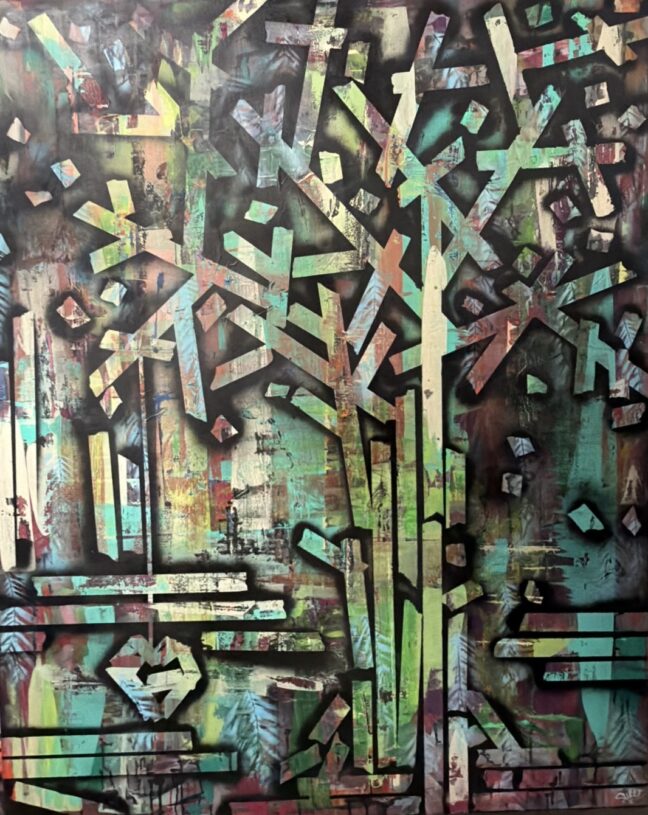
Scott A. Trimble Illuminates Human Emotion

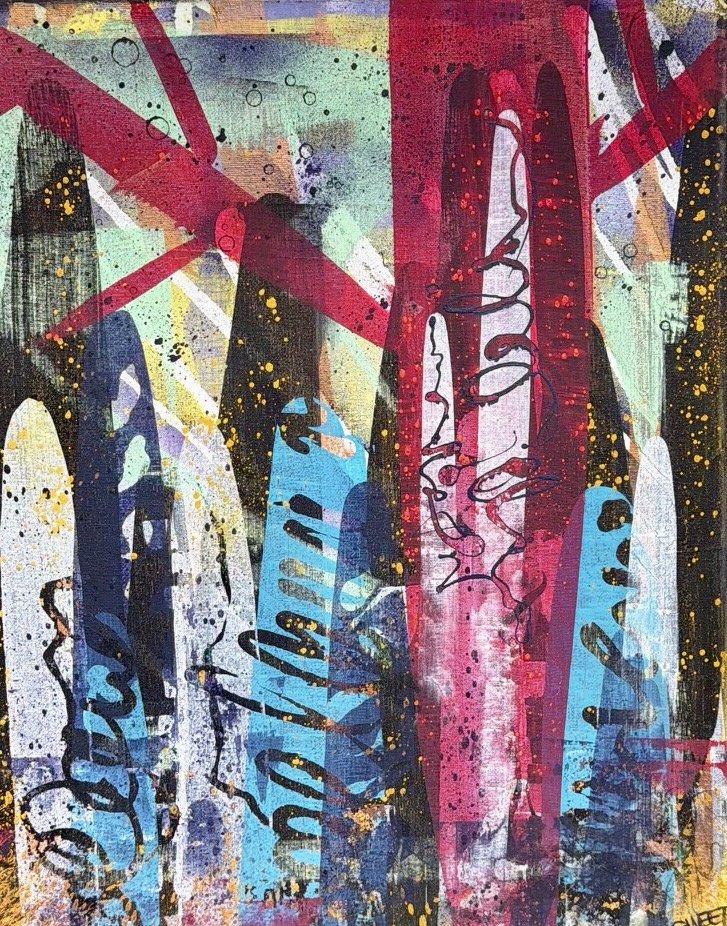
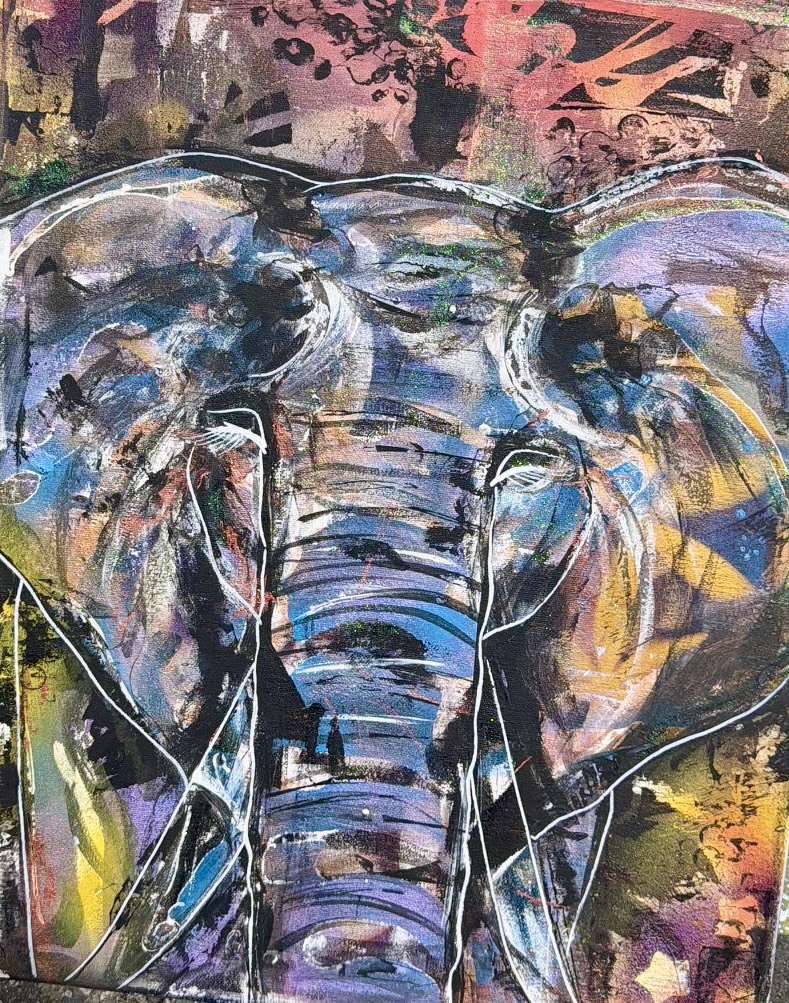
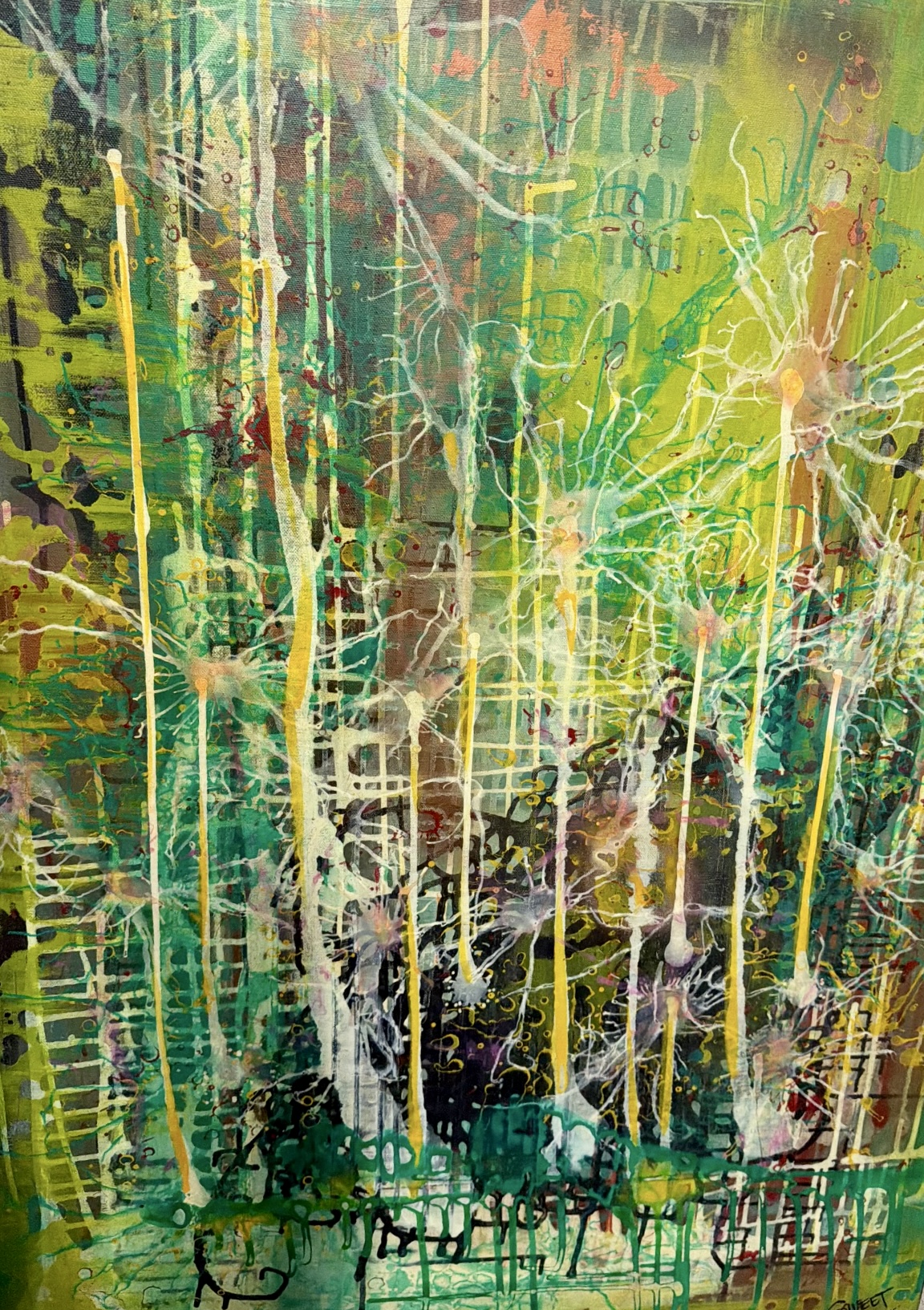
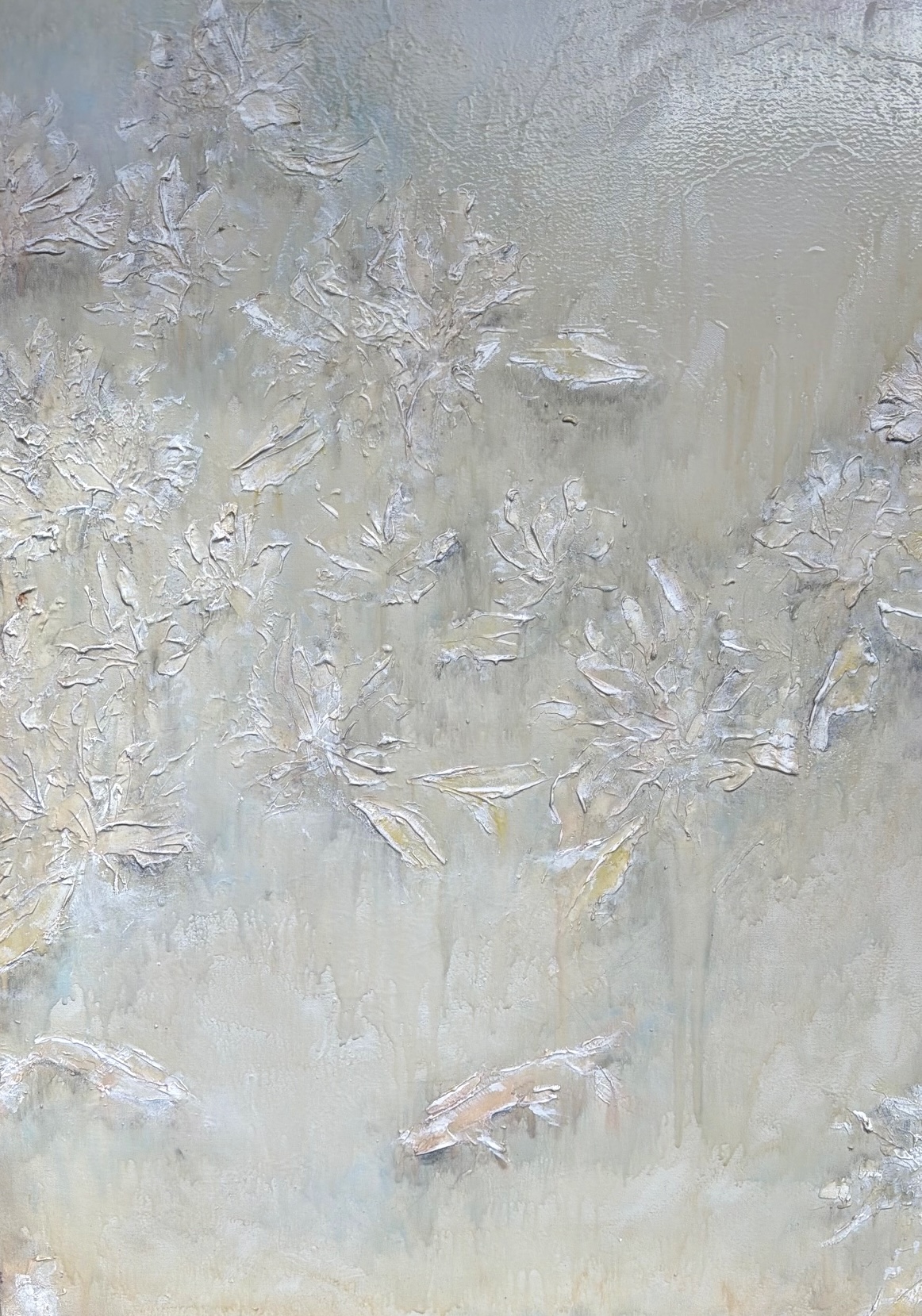
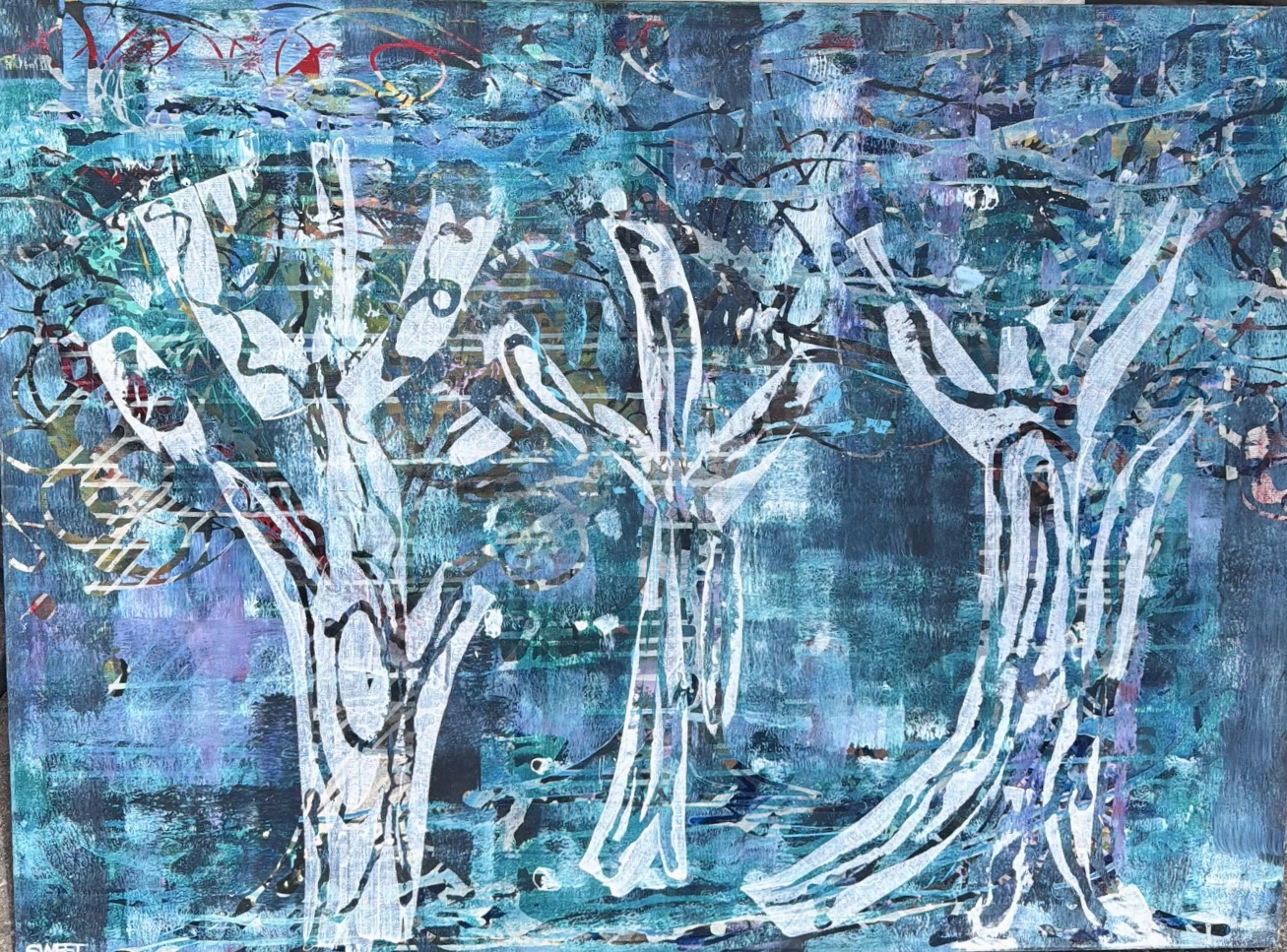
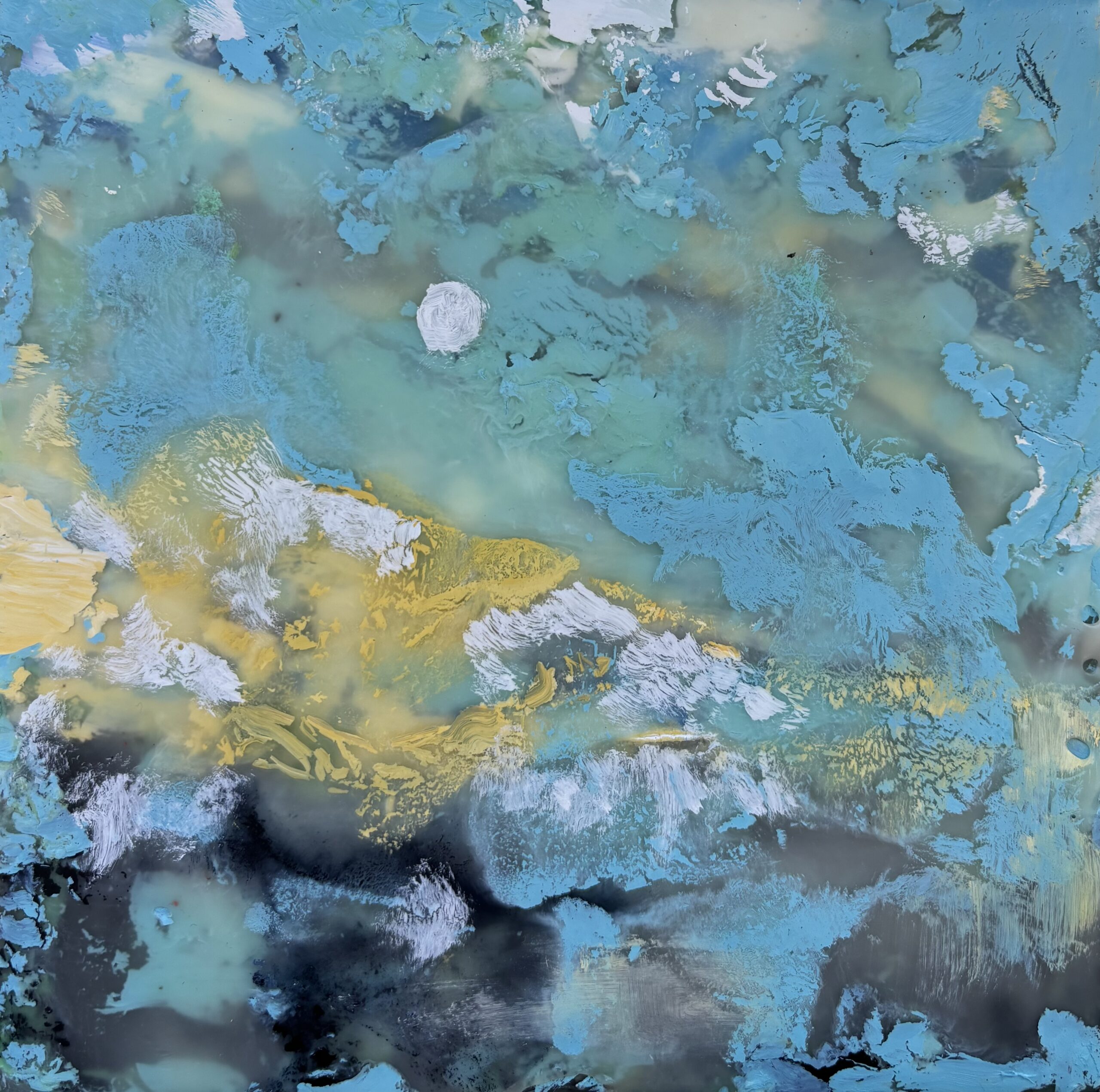
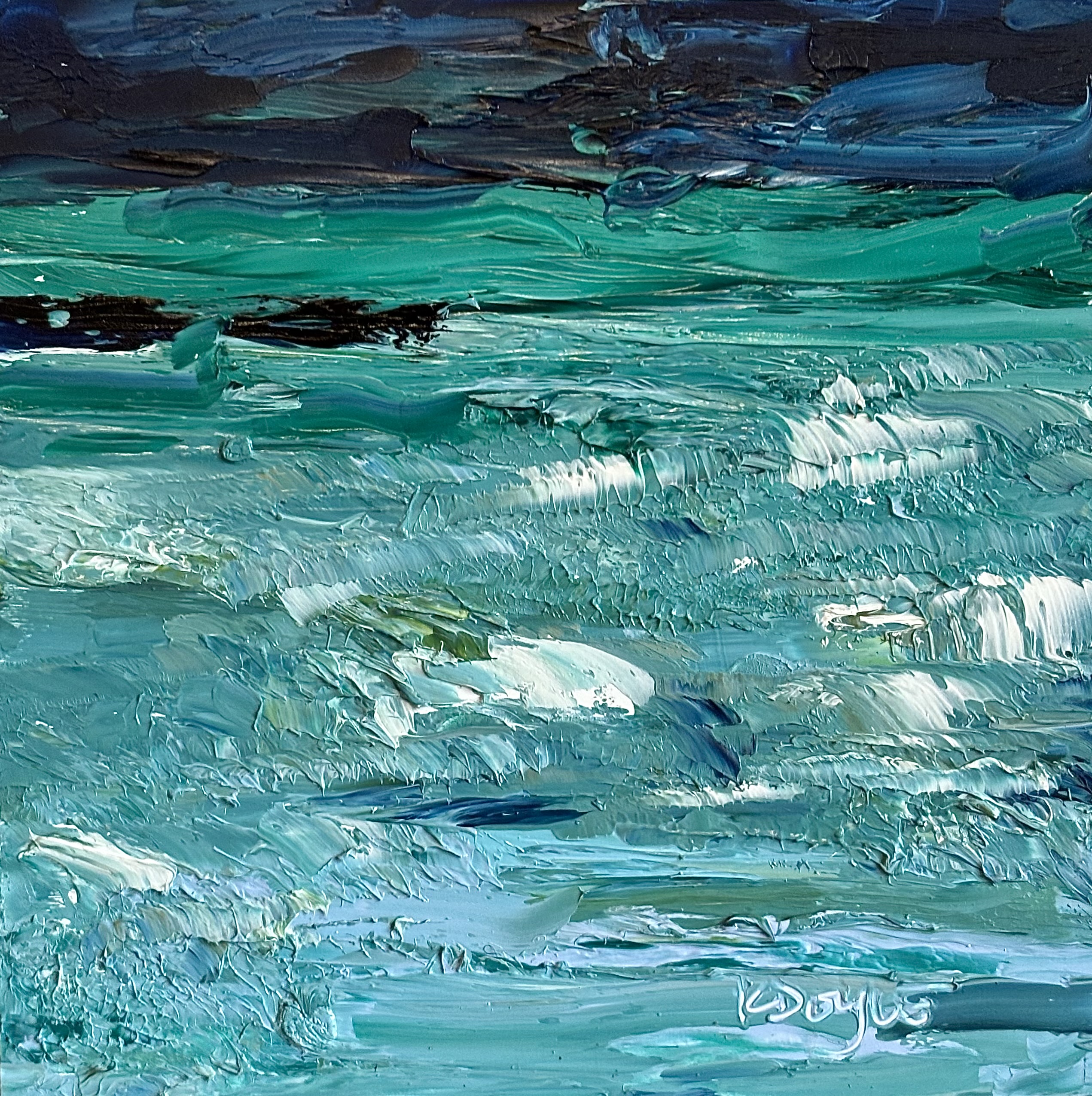
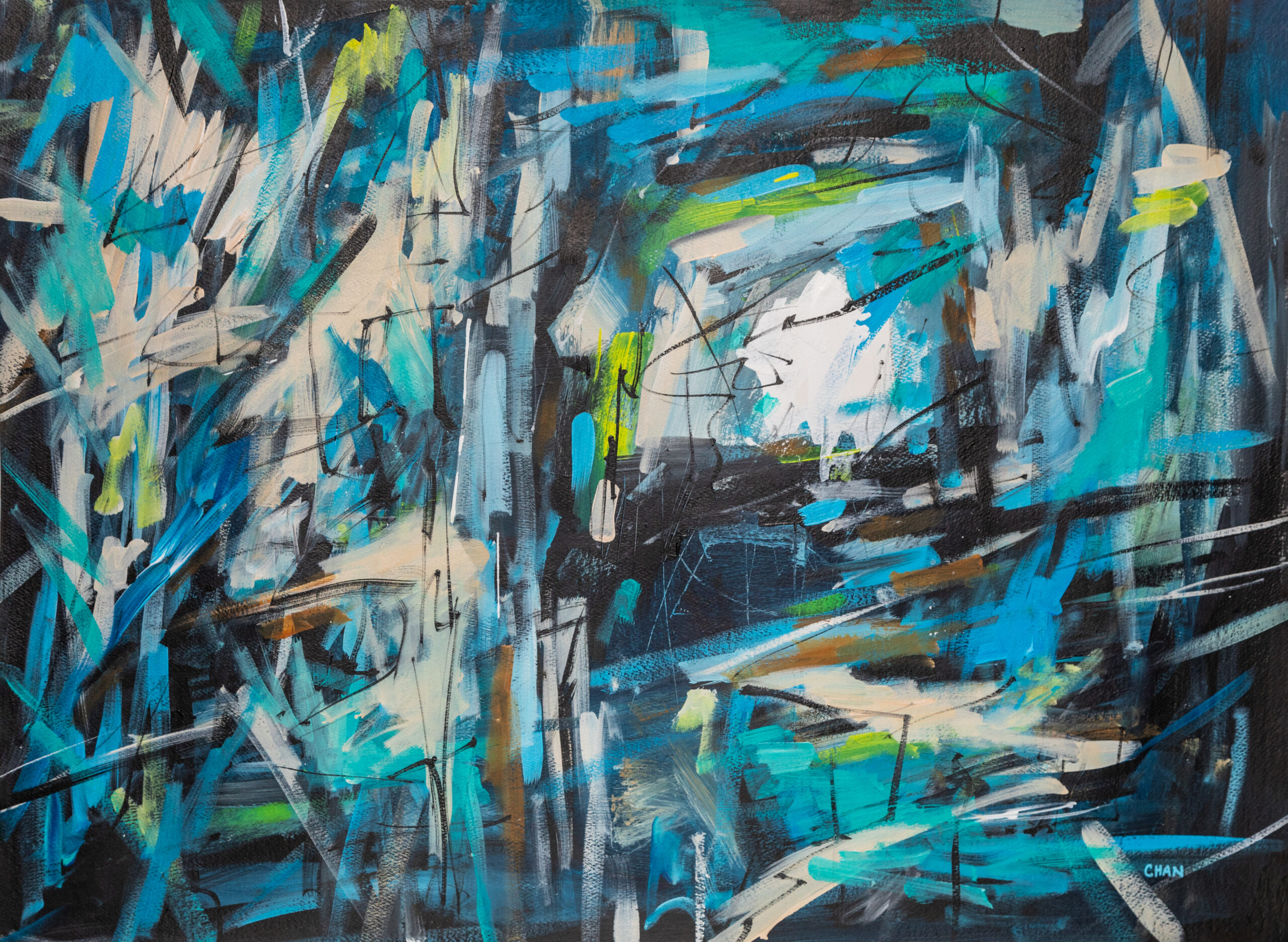
As an artist, Scott A. Trimble possesses the unique capability of illuminating emotions and feelings through his palette, subject, and even within the evocative titles of his work. Each picture tells a story: his paintings are inherently narrative, both poetic and fairytale-like, interwoven with feeling, memory, and the wonder of dreams. His writerly titles lead the viewer deep into imagery that evokes two worlds: ours, and another more surreal landscape of the mind and spirit.

Trimble says that his art revolves around events, memories, and feelings, which combined create involving visual narratives that are unique and spirited. His work is inspired by “the same things that inspire me as a human being: love, kindness, and tolerance above all else. My paintings tell stories that are distilled down to emotions. Some people may find my images dark — and some of them are in fact dark. But my aim has always been to engage people’s curiosity long enough for them to find something relatable about my work.  As far as I am concerned, if that happens, then i have achieved my goal of fostering as much tolerance as possible.”

Throughout his many years of painting, he notes that his work has kept “an identifiable personality” albeit one which has shifted in approach as time goes on.  “Change is constant and unstoppable,” Trimble says, “I am not the person I was two seconds ago. Everything changes and I love that fact!”

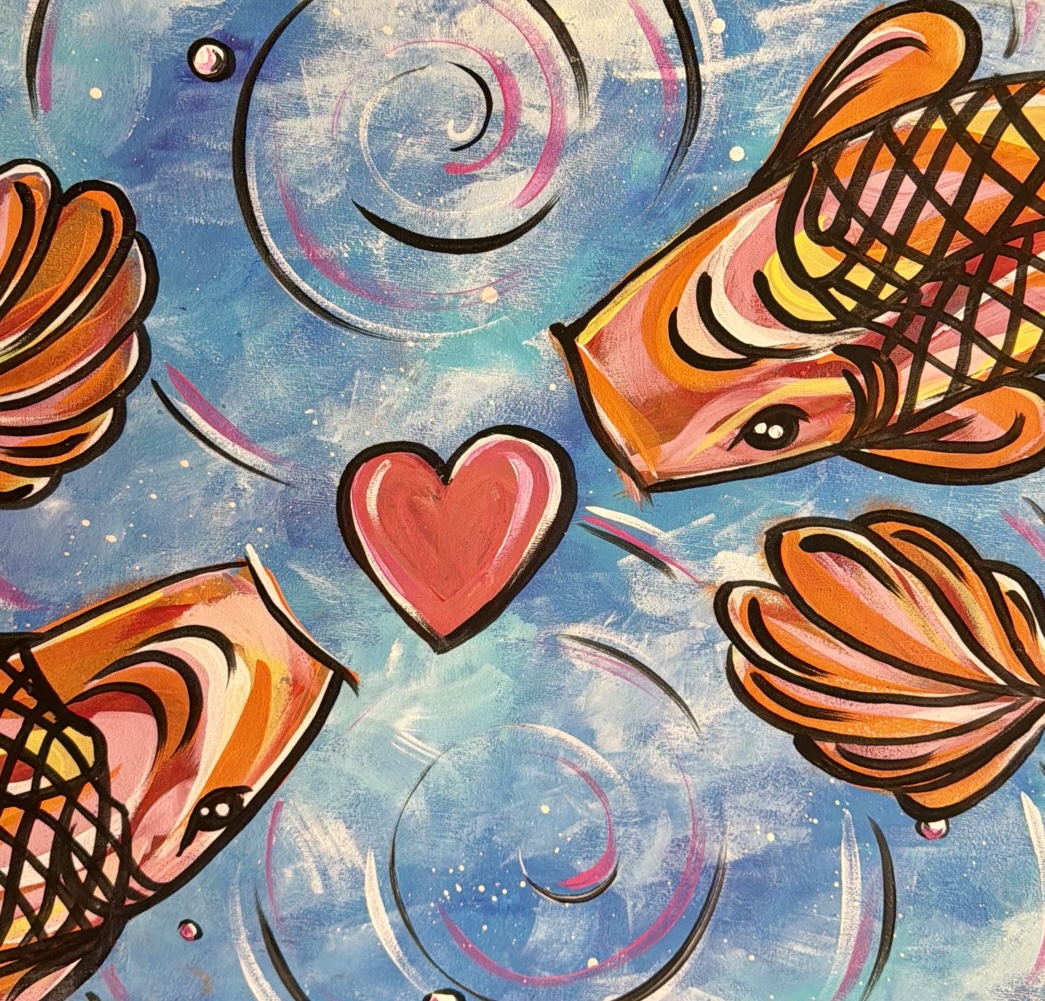
Thematically, he says his work is “focused on love and pairing.” It’s a natural for for his work and his personal life, and the overall rebuilding process he expresses that he is going through after a year away from work due to illness. “That is my first priority. I have a sizeable stock of work,” he says, adding that, “My work is alive, meaning that I work frequently with existing paintings. If there is one you love please let us know before it gets reworked!”

Three times in the past, Trimble has reworked canvases only to find art lovers who wanted to own the original art. Like his motion-filled art, which often seems to capture a perfect, but brief snapshot in time, the artist himself is always in motion.

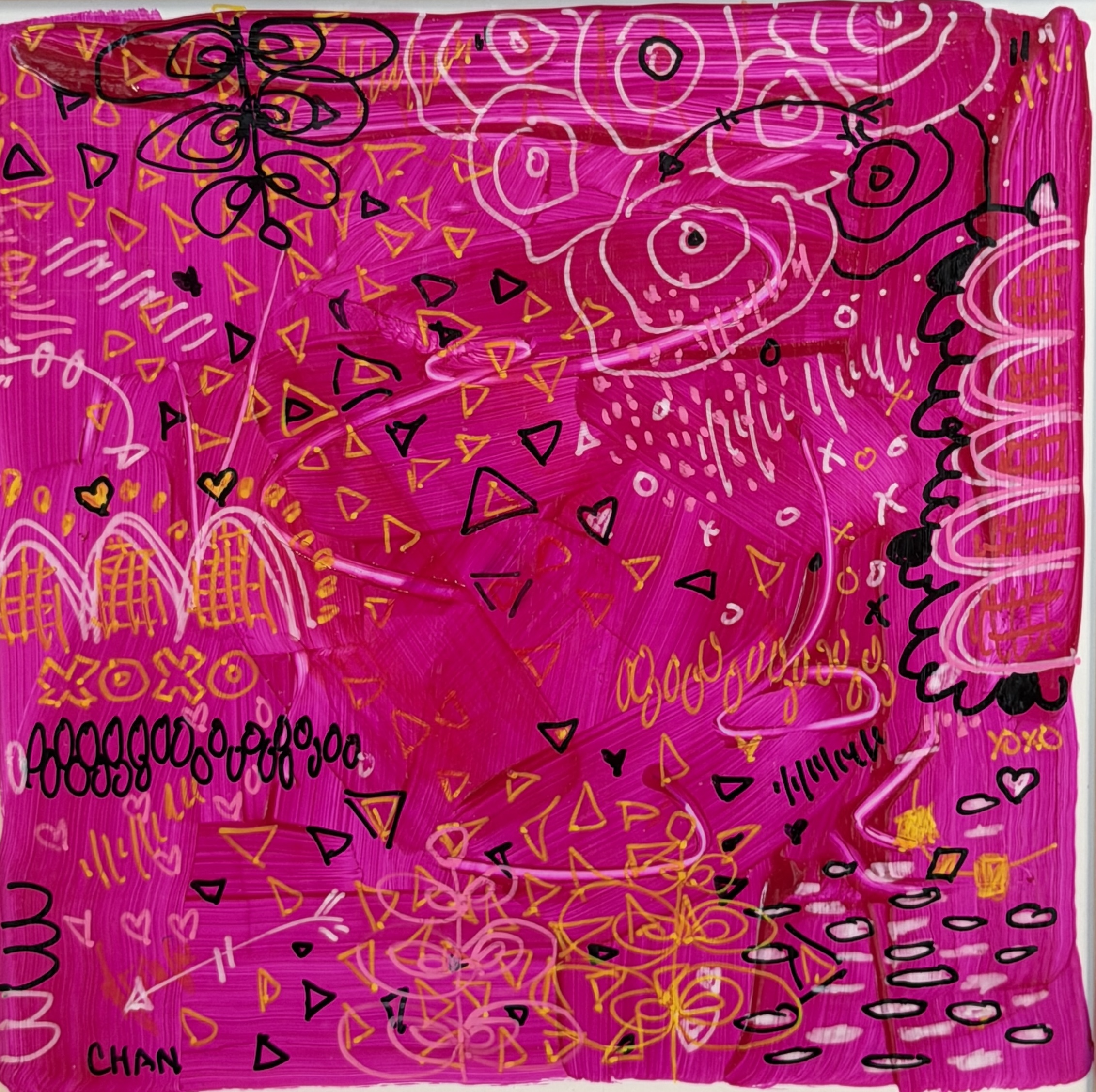
His prefered medium is oils. In fact, he’s never painted with anything other than oil paint. However, in his second life working in a law firm,  he has used cardboard shipping material during lunchtime hours, working with “highlighters, sharpies and whiteout” to create beautiful on-the-fly mixed media works. In case you can’t tell, Trimble is constantly creating. He is an artist’s artist, in love with the act of making art.

These small works are treasures that he occasionally gives away, and will in fact be giving some at the closing of his current solo exhibition at Diversions Fine Arts in Manhattan Beach. The show concludes with an artists’ talk on May 30th from 1:00 to 3:30. “I have a box of those handy and I will be happy to give one to anyone who is at Diversions Fine Arts on May 30th,” Trimble asserts.

Diversions Fine Arts Gallery is located at 1069 N. Aviation Blvd. in Manhattan Beach.

  • Genie Davis; photos provided by the artist and by Davis
Mammoth Lakes Film Festival Celebrates Anniversary of Children of a Lesser God with Star Marlee Matlin

The 2026 iteration of the Mammoth Lakes Film Festival began, as it consistently does, with a powerful and provocative film.

This year, it was a classic: the powerful 1986 romantic drama Children of a Lesser God, which celebrated its 40th anniversary this year.

Marlee Matlin’s Oscar-winning performance as a young deaf woman in love is an enormous highlight in the poignant love story between a woman who communicates solely by signing and a passionate teacher who believes she must learn to read lips and speak phonetically.
Matlin’s performance is brilliantly expressive, and a delight to revisit.
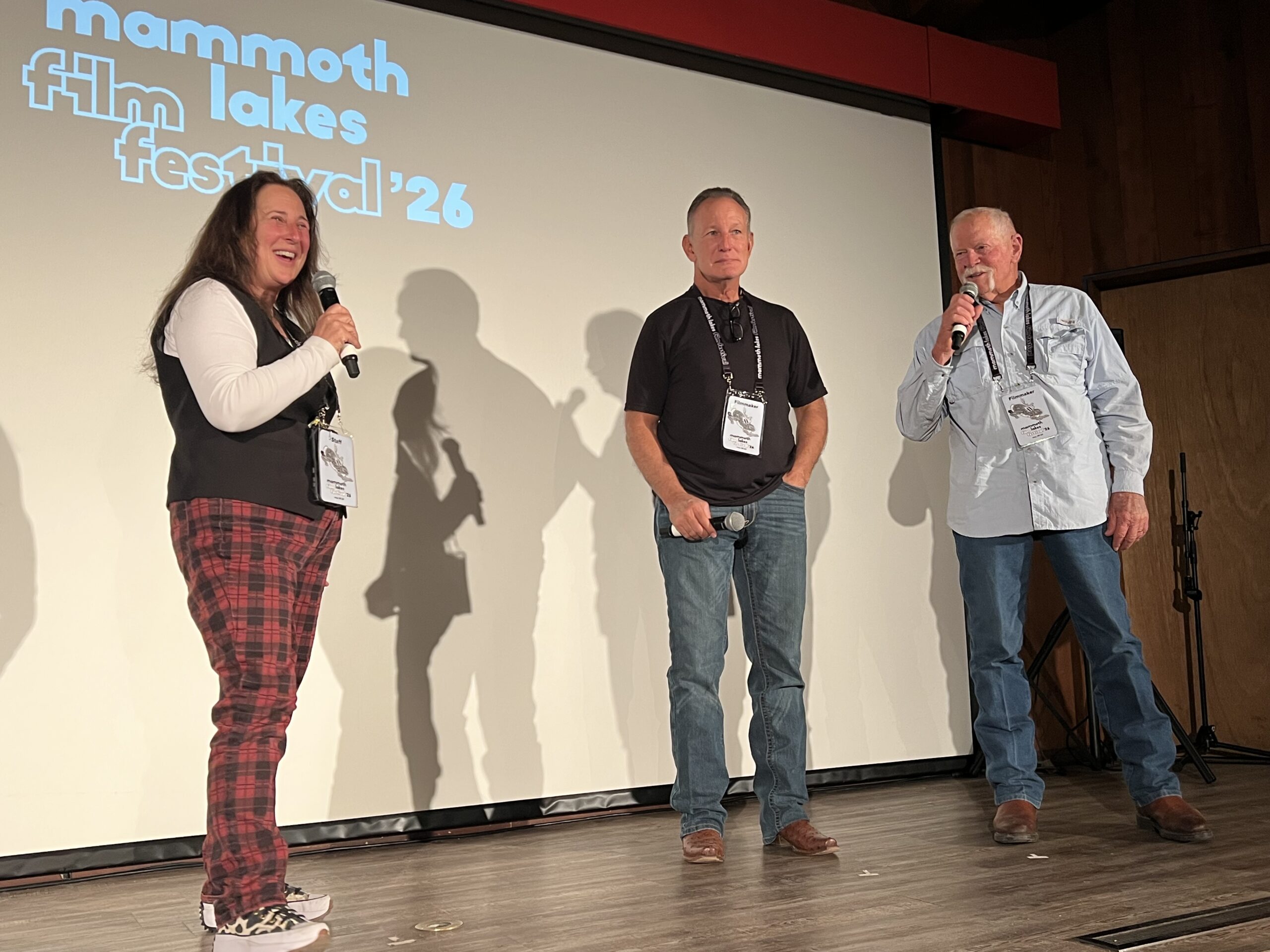
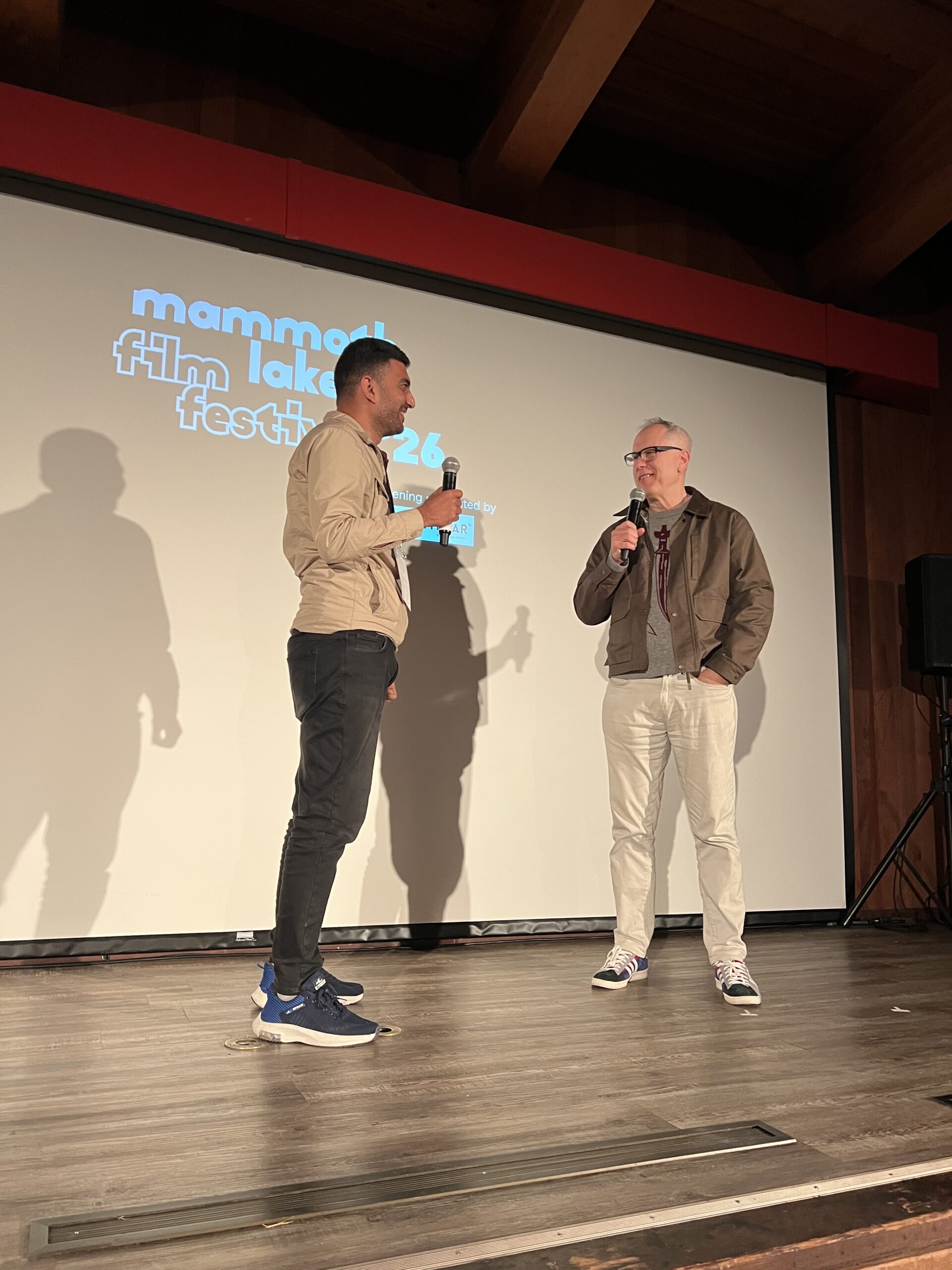
Even more delightful was an extended interview with Matlin conducted by MLFF director Shira Dubrovner. Matlin was also awarded the festival’s Sierra Spirit Award, focusing on her uncompromising commitment to presenting “deaf stories – which are universal stories.”

Dubrovner aptly characterized Matlin’s film performance as being “so raw and vulnerable and layered” despite being just 19 at the time.

Matlin relates that she had a supporting role in the Chicago company of the stage production of Childrenf of a Lesser God – her first paid role – when the film’s director Randa Haines tapped her for the lead.

“Randa is amazing she is an actor’s director, I learned from the best,” Matlin says.

Her first film role had her learning every aspect of filmmaking on the fly but with total commitment.

“I remember every scene we shot, the good days and bad days are all so vivid in my mind after all these years,” Matlin says.

After not having viewed the film in many years, Matlin recently watched it with captions burned in as they were at our MLFF screening. She feels that her role in the pivotal film led to her continued advocacy for the deaf community while the film itself was “a chapter I went through growing up on film.”

While the film was made from a “hearing perspective,” it still provided insight into living a rewarding life without hearing.

Matlin recently came full circle portraying a role as the mother of a young deaf girl in the 2020 award winner Coda.

Today, Matlin stresses the importance of “pushing for your own projects” in the film industry, laughing that “if i werent an actress i would own a candy shop.”

Following the screening and interview, Dubrovner and fest programming director Paul Sbrizzi presided over a lively after party with festival filmmakers featuring local brews and wine.

More outstanding films ahead!

Genie Davis; photos by Davis and Cheryl Henderson