
Chromatic Wonder and Pitch Perfect Composition: Photographic Artist Jeffrey Sklan

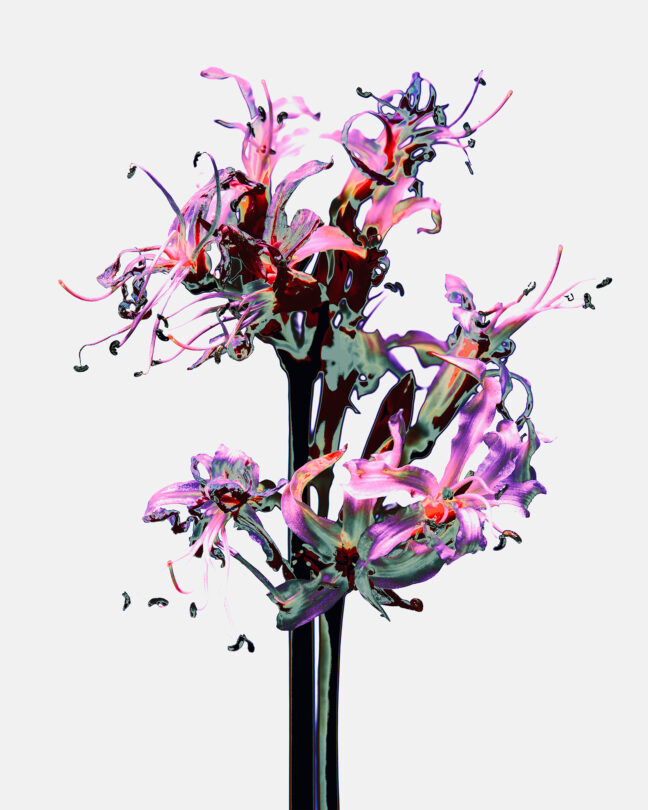
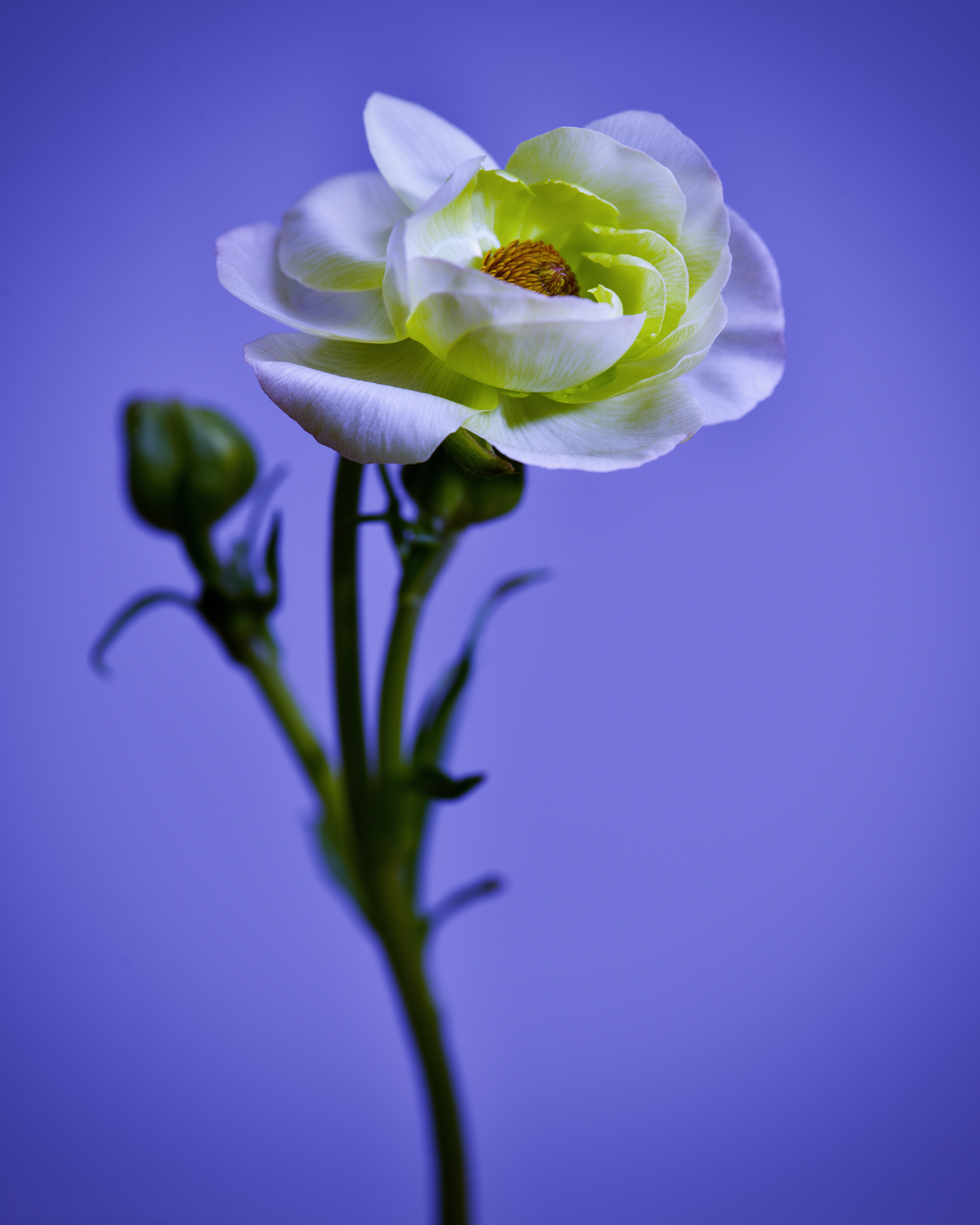
From faces to flowers,  Jeffrey Sklan is a photographic artist who makes his visions bloom. The artist says that implausible or not, “almost everything inspires me at this point. I have set it up that way. First, the obvious: unique light and beauty surrounds us in Los Angeles. I watch almost every sunrise and every sunset. There is an endless cascade of interesting faces and talented people to observe and create portraiture with.”
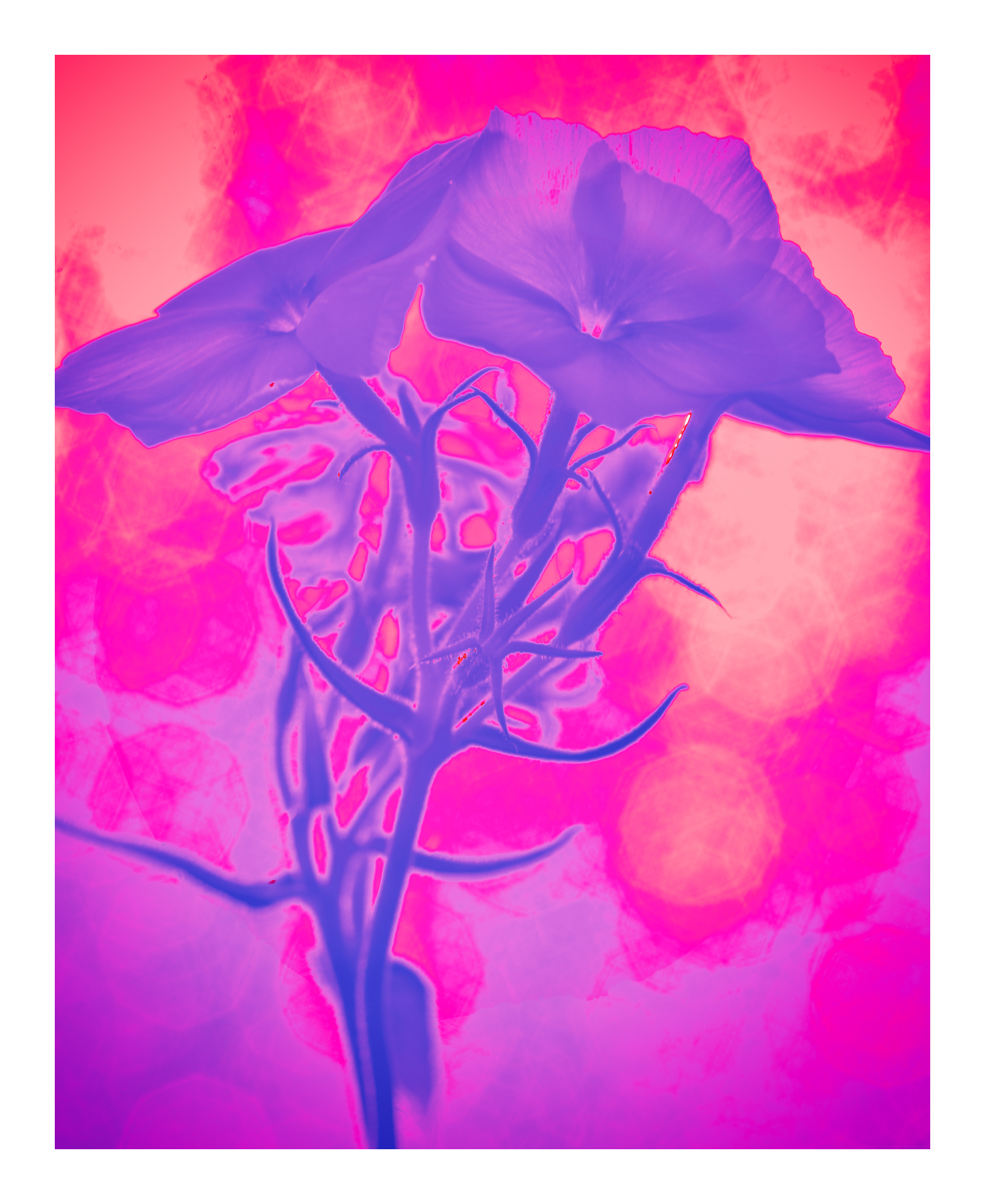
Sklan notes that past perceptions are coming to the forefront for him as an artist today. “Increasingly, ideas that had their roots in a moment or season years ago have been providing inspiration. It is not nostalgia, it is perspective. And that can only come with time and distance. Revisiting the work of  artists who contributed to my aesthetic is a bottomless well. Likewise, the young artists with whom I collaborate or envy– so many talented people are doing beautiful and thoughtful work.”
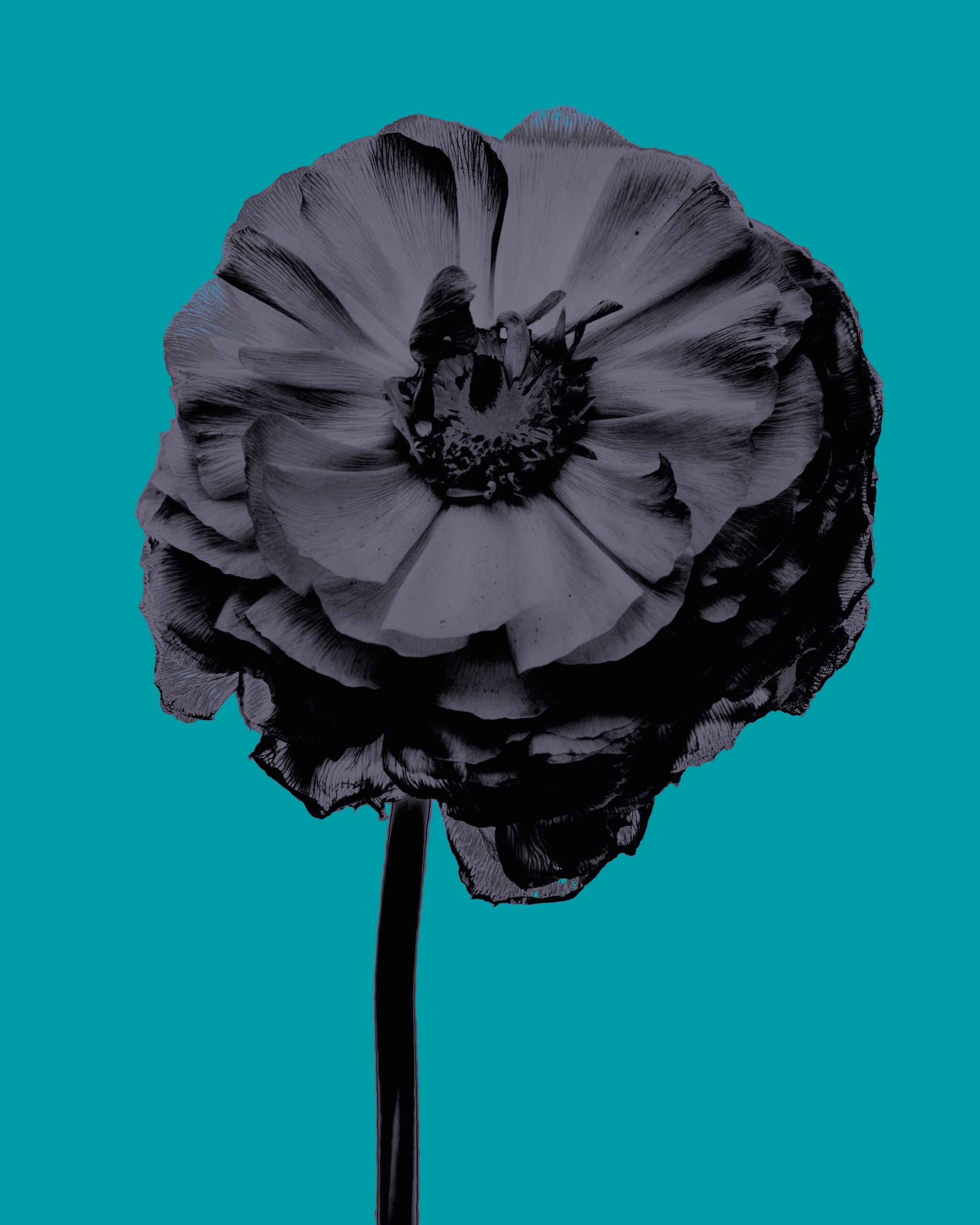
On the same subject, it is no accident that his work seems to provide an almost musical catharsis for the viewer. It’s a visual soundtrack to joy and existence. “Music is my wellspring for emotional content,” Sklan attests.
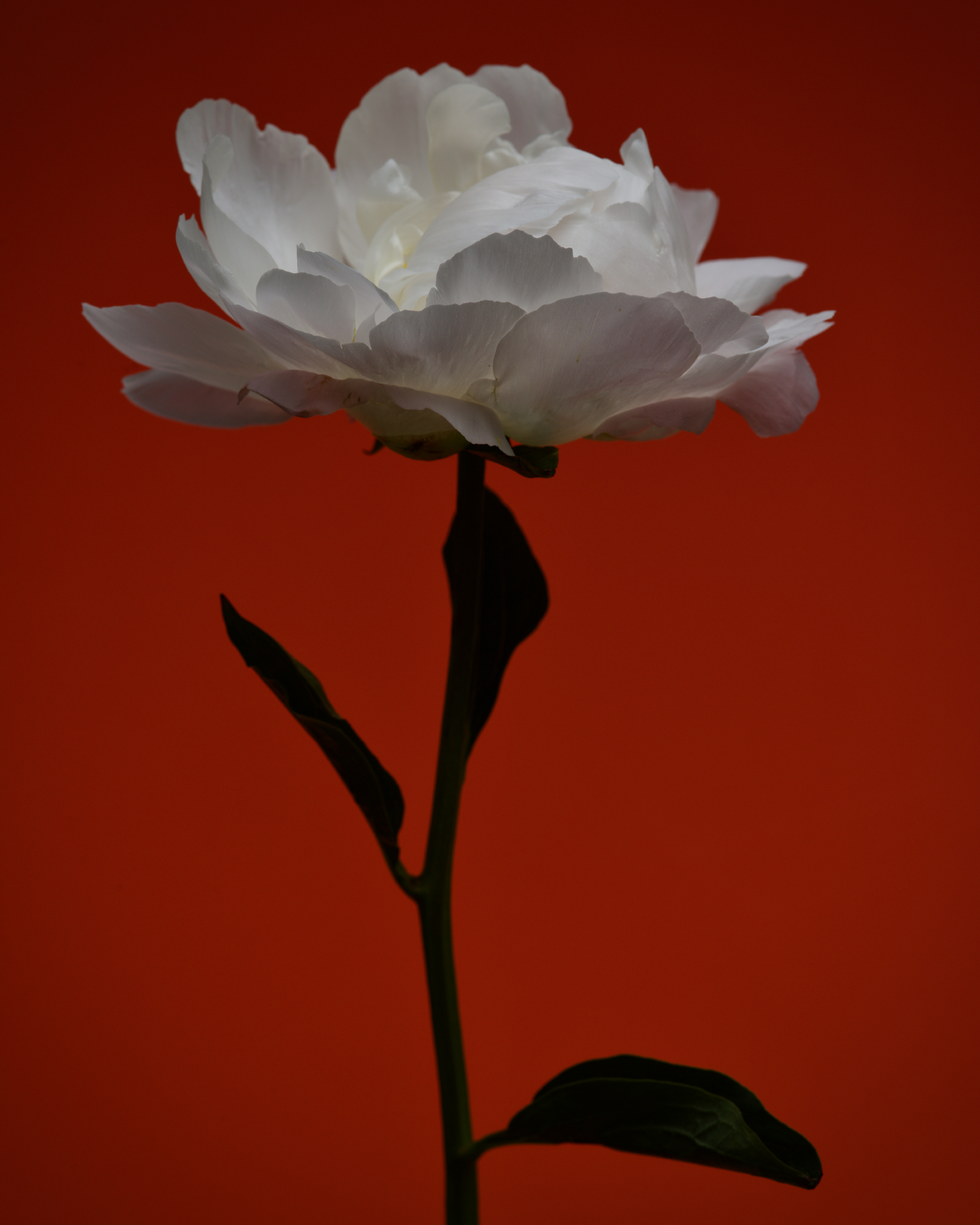
The artist’s work has gone through many changes over the years. “For the past ten years or so, I deliberately have tried new things, new techniques, and reworked the classical portraiture styles that are my foundation. My preference is still simple, unaffected portraiture or botanicals. But, I consciously take different roads to get there and to avoid getting stale,” he explains. “Stasis is death for creativity.”
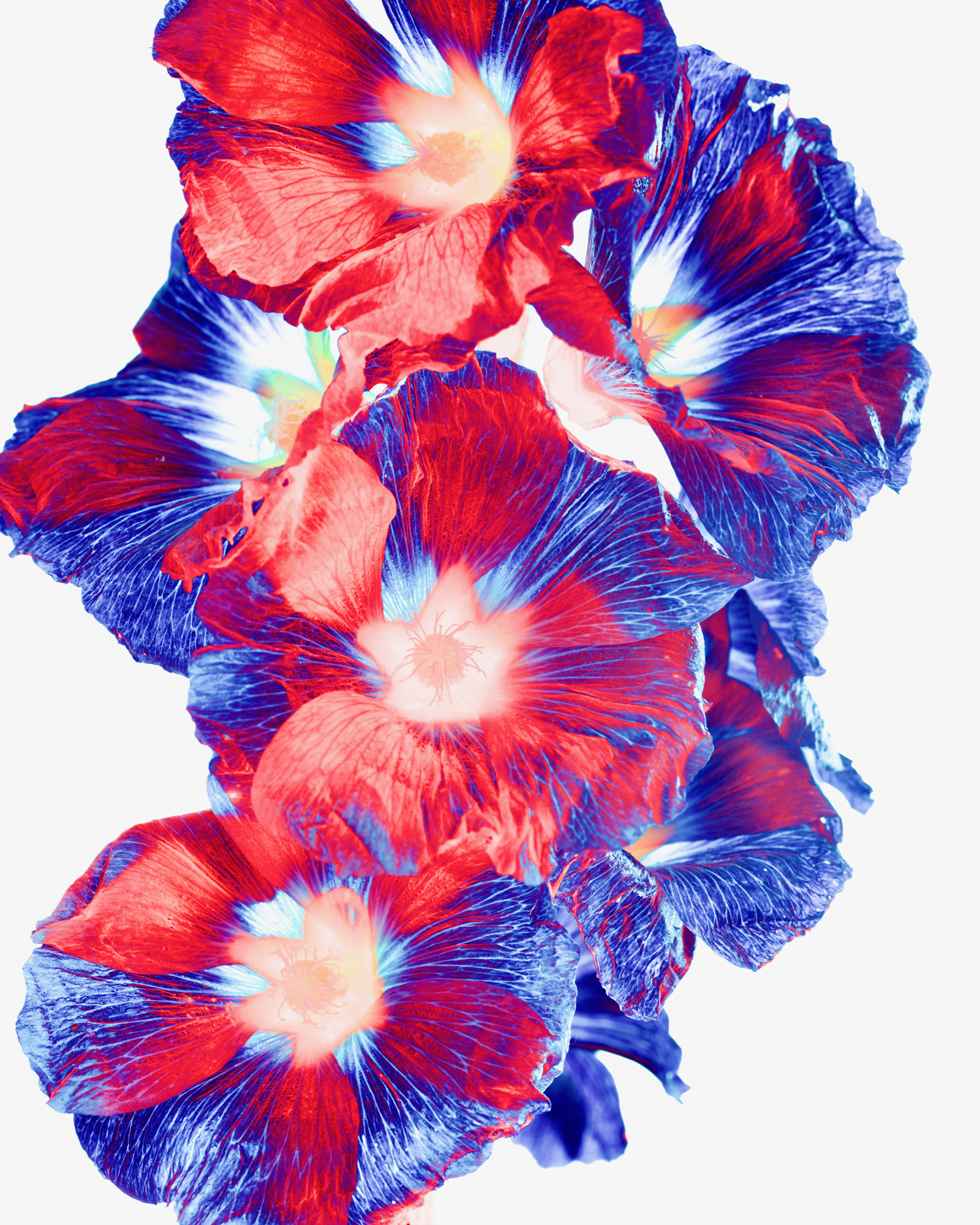
According to Sklan, he works in medium format cameras. “Mostly they are digital but film is still important for certain instances. I don’t care about the gear or the technology – the priority is actualizing my intuition.”
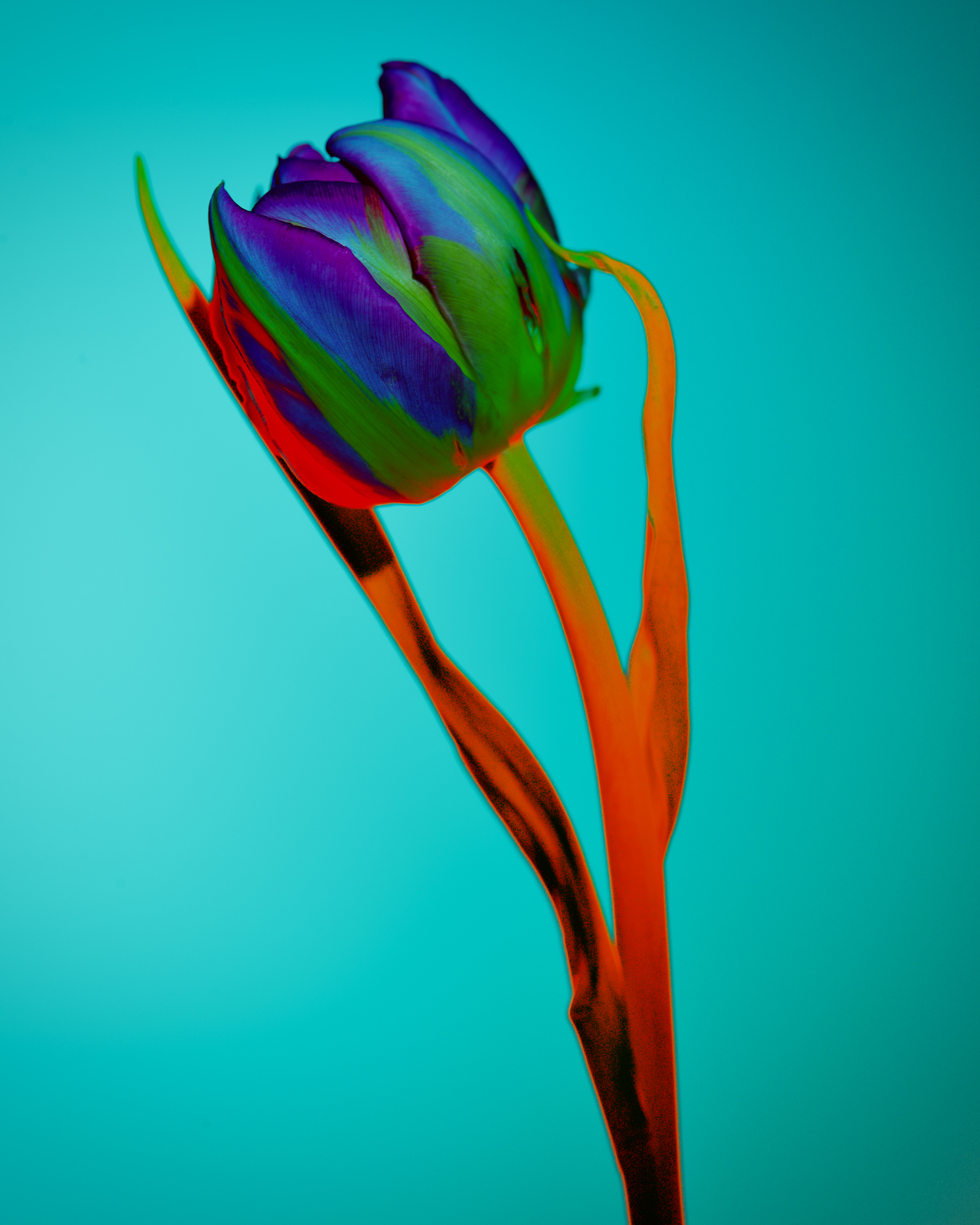
He is deeply involved in many upcoming projects. “I’m very excited about the next few books that are in varying stages of layout – and sharing them with a (hopefully) wide audience. Restarting my artists’ portrait project is a priority, also. Later in autumn, I will be returning to a botanical project and building out a dedicated space for it. I need to find a representative that can keep up with me,” he stresses.

Sklan describes his work as “originating in my heart, which is is my north star. Hopefully, it both resonates with others and finds new homes. Art is like a favorite meal: best when shared, not when hoarded.”
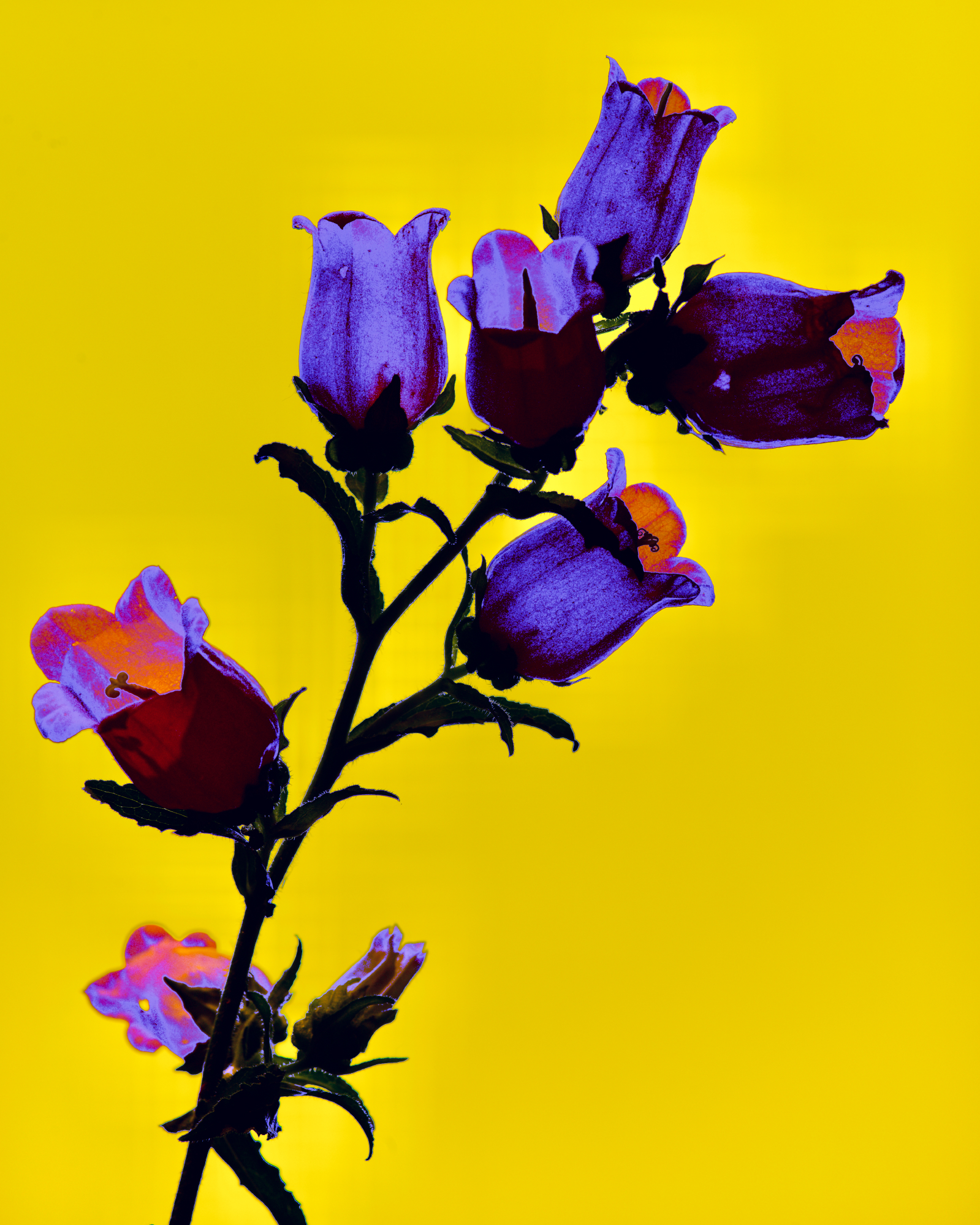
Come feast and share the artist’s stunning botanicals at Diversions Fine Arts Gallery August 1st through 30th. Opening reception is the 1st from 4-7; regular gallery hours are 12-4 Sunday-Thursday, and the closing reception will be held August 30th from 1-3. Stay tuned for information about a book sale and signng for the artist as well.
– Genie Davis; images provided by the artist
From Wide View to Up-Close and Personal: Meet Photographic Artist Scott Tansey

As a photographer, Scott Tansey’s art is moving from large scale, such as the vast and glorious view of Strike Valley above, to more personal views, seen in his pearl like close-up of the salt flats in the Badwater area of Death Valley, below.

From a personal standpoint, Tansey can trace his own history within his work – and reach viewers with the same kind of rewardingly connective images.

Above, the Panamint area of Death Valley gets the intimate treatment, while below, he’s more expansive in scope.

Antarctic Peninsula, Antarctica, Below Surface Portion of Iceberg, Iceberg, Southern Ocean

From that point on, he started to focus on intimate images. “I made close-up images of coastal rocks. Later, I went to the desert. One thing that has changed over the last few years is that I am trying to take the scene out of the image and put myself in,” he explains. “What I mean is that I have traced my psychological history in my images. When I was in Joshua Tree, I noticed that I took images of small lonely trees in subdued lighting. This reflected my being on the spectrum when I was a little boy where I felt alone.” He also experienced sensory overload. “Thank goodness that I am one of the 18% who was fortunate to come out of the severe spectrum.”

Tansey describes his original work as that of “large panoramic vistas,” which he began to create in 1977. In the early 90s he added more intimate images; and in the 2010s he made the switch from film to digital, adding post-processing skills to his artwork.

Abstract, Arctic, Kongsbreen Glacier, Glacier, Haakon VII Land, Spitsbergen, Svalbard, Ice, Cold

Landscapes, sacred places – whatever he photographs image inspiration varies, he relates. “It depends. If I go to a location, I want to gather the basic images. This is how I did images of Patagonia, Svalbard, Israel and Antarctica. In those trips, I started different projects as they came up. From Patagonia, I started my interest in glaciers. That was picked up in Svalbard and Antarctica.”

Antarctica, Iceberg, Antarctic Peninsula, Southern Ocean

Even locally, Tansey finds new themes for his work. “I was walking in my neighborhood, and I saw some beautiful roses, so I started a rose project.” The images are often tender, and delicately close-up.

Going abroad, he took images of synagogues and churches. “I continued the project in Israel, where I included mosques, and in my home town,” he says.

Cavernas de Marmol, Catedral de Marmol, Marble Caves, Lago General Carrera, Aisen Region, Aysen Region, Patagonia, Chile

Then came coastal rock images which began in Maine after seeing an interesting rock pile, and continued everywhere from throughout California to Newfoundland, Ireland and Svalbard.”

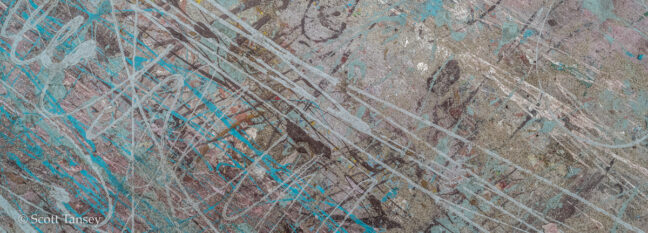
From Tansey’s Urban Surfaces project

And while in Israel, Tansey started a desert project that continued in Joshua Tree and Death Valley. “In Death Valley, I saw cracks in the parking lot that mimicked some of the patterns I saw in nature. That was the beginning of my Urban Surfaces project that I worked on for eighteen months. It seems that something grabs my attention and interest, and then I run with it.”

Chile, Glaciers, Grey Glacier, Lago Gray, Magellanes Region, Torres del Paine

Regardless of the project or the image, one thing is consistent throughout his work, which he describes as “the sense of wonder that I have when I make each image, whether it is a broad view of the scenery or close-up images.”

After dealing with some health issues for the past 18 months, Tansey is currently socially isolating, working on images he took in Death Valley, and Big Sur. 

California, Central California, Monterrey County, Point Lobos, Point Lobos State Reserve, Rocks, Water

While he is passionate about both locations, his favorite spot to shoot, at least as far as the number of photographs he takes and the number of visits he’s taken, is Point Lobos Reserve, which he describes as “my favorite place in the world to take photographs. Point Lobos has been called the greatest place where land meets the sea,” he says, and obviously concurs. “I have been taking photos there since the 1980s. My most recent trip was last November series of images shot along the shore there for the past six years. “These images are all intimate images.”

As to what’s ahead – along with undoubtedly another trip to this favorite spot, “If I am able to travel to Alaska, I will continue my series of glacier images.”

More from the Urban Surfaces project

Perhaps, given his inclination to go with close-range subjects, he will make the large small, and the small universally grand, as he continues his series.

  • Genie Davis; photos provided by the artist

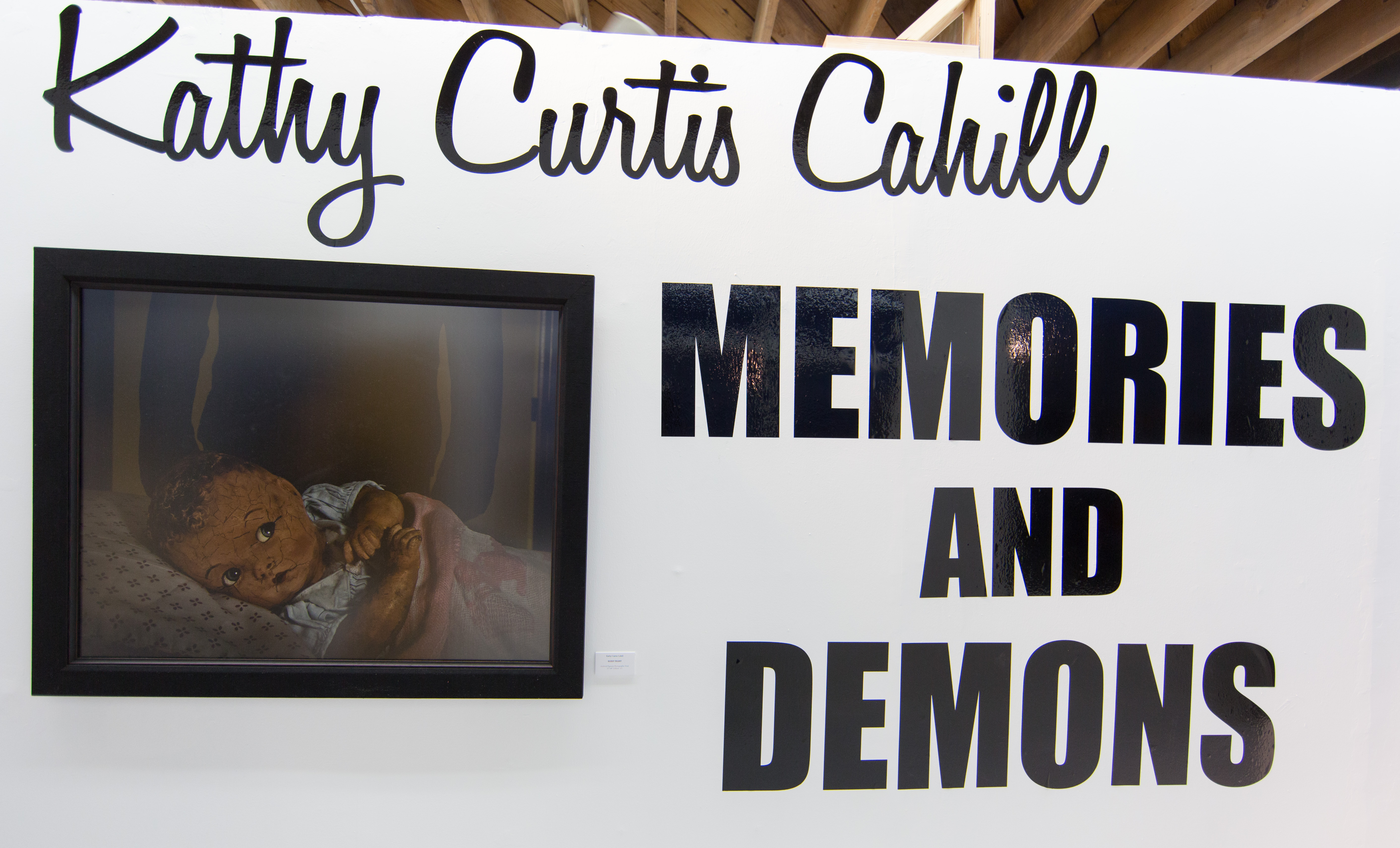
Memories and Demons – Kathy Curtis Cahill


Photo by Jack Burke
Photo by Jack Burke

Mysterious, wonderful, frightening, inspiring. That’s the childhood world that photographer Kathy Curtis Cahill presents in her riveting exhibition “Memories and Demons” at the Artists Corner Gallery in Hollywood.

F23C0650

The photographs Cahill creates feature eerily realistic antique dolls, positioned so that they, like her luminous photography, come startlingly alive. Cahill describes the pieces as inspired by her childhood. “It was difficult,” she relates. “My parents were blue collar workers, and we moved around a lot. My father gambled and drank, and abused my mother. My brother was boarded out. I’ve spent a long time getting over being angry.”

But Cahill’s work offers her closure, and the viewer an insight into a world of childhood both vivid and insightful. “This project was cathartic for me,” Cahill says. “My parents divorced, but ended up back together, in a toxic relationship they couldn’t live without.”

What Cahill can’t live without is her art. “I’ve always been involved in art and photography. I took  photography classes. I worked in film. I have been inspired greatly by Diane Arbus and Sally Mann.” She started “Memories and Demons” utilizing another long time passion, collecting antique dolls. The dolls are her subjects, and their haunting expressions and positions are profoundly alive. ow does she create her dolls’ life-like positions?  “Through trial and error,” Cahill attests. “I use paint cans, sticks, props. I work with them, and create an environment for them.”

Cahill has been creating her unique vision for just under a year. She works without assistance, using a variety of natural light sources in many pieces. “My ‘Please Help’ was shot by porch light,” she explains.  The naturalism of her settings, lighting, and interactions contributes to the surreal/real style of her work.

The poignant images show loss, longing, fear, and wonder, all in a very personal way that grabs the viewer by the heart and throat. Her first piece, “Small Comforts” was directly inspired by her mother. “I make these pieces for all the children who were traumatized, for children who are still affected as adults by what has happened in the past. I tell stories in images that children may not be able to tell in words.”

To learn more about Cahill’s dynamic work, visit Artist’s Corner, located at 6585 Santa Monica Boulevard in Hollywood. A closing night reception and artist’s talk takes place Saturday, August 8th from  7 to 10 pm and should fall in your “do not miss” category.

 All Photos for this article by Jack Burke